
Welcome to MCD Biology
Research with Direct Application to Human Health
Discover a diverse community of passionate biologists and exciting opportunities in the Molecular, Cell, and Developmental Biology Department at UC Santa Cruz
Undergraduate
Programs
MCD Biology Seminars
Invited speakers are widely recognized experts in their respective fields whose research programs have broad appeal to scientists working within and across biological subdisciplines, including thesis defenses, third year talks, and special seminars.
Our seminars (Biol 291 and 292) occur every Monday and Friday of the academic year 12:00-1:05 PM in Natural Sciences Annex 101 (unless otherwise noted).
Want to work with us?
Browse current postdoctoral, specialist, project scientist, and lecturer positions. The department supports a vigorous postdoctoral research community, with fellows advancing to permanent positions in academia, industry, and government.
Inquiries about additional postdoc opportunities should be directed to individual faculty sponsors.
MCD Biology News
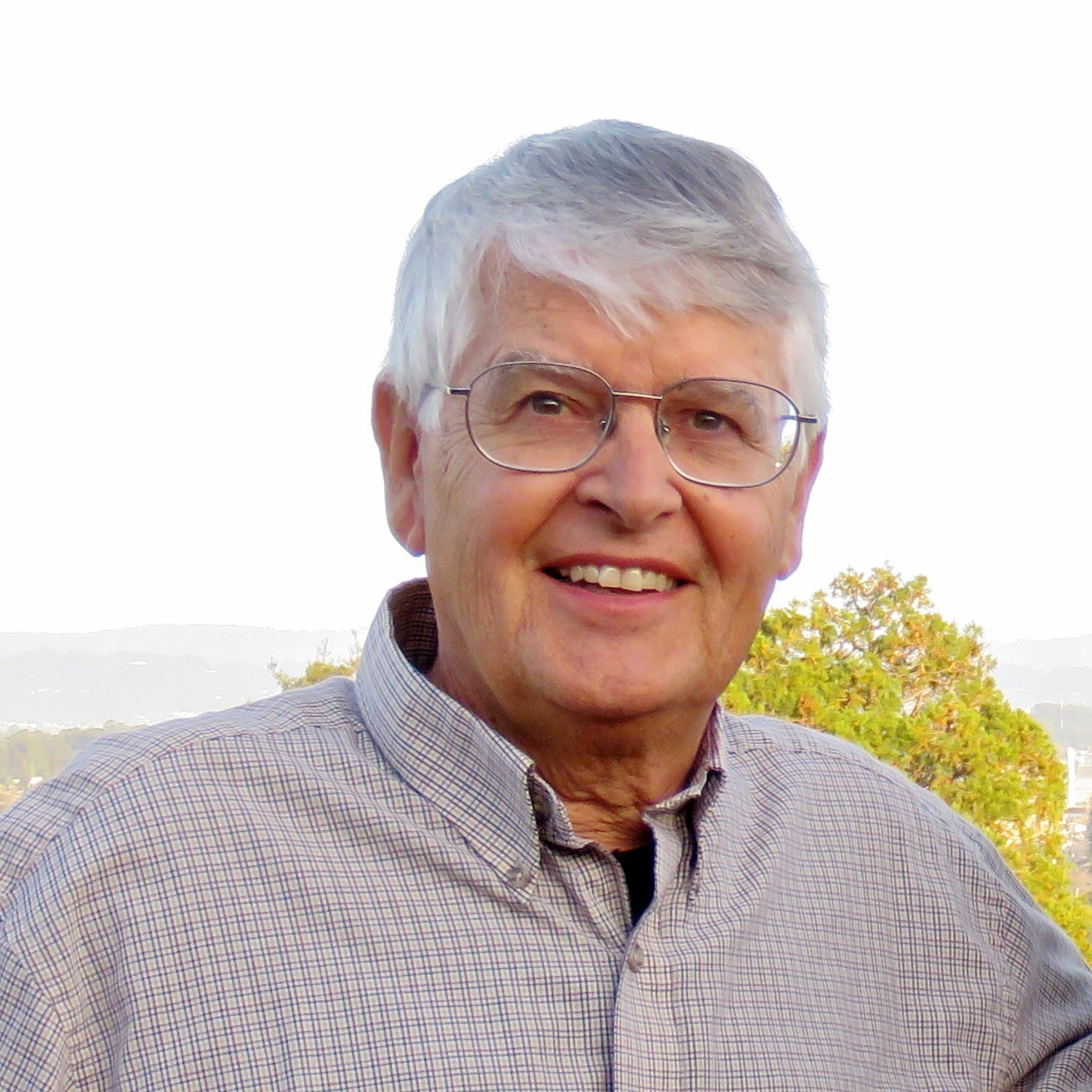
In Memoriam: Barry Bowman
For nearly 40 years, Barry Bowman and his wife, Emma Jean (Rusty) Bowman, worked side by side in UC Santa Cruz’s Sinsheimer Laboratories, conducting research to build our understanding of a part of the cell called the vacuole.

RNA Center founder Harry Noller cements a legacy of brilliance and creativity
The visionary who discovered that RNA powers the ribosome now turns his focus to his other lifelong loves: his saxophone, vintage cars, and family.
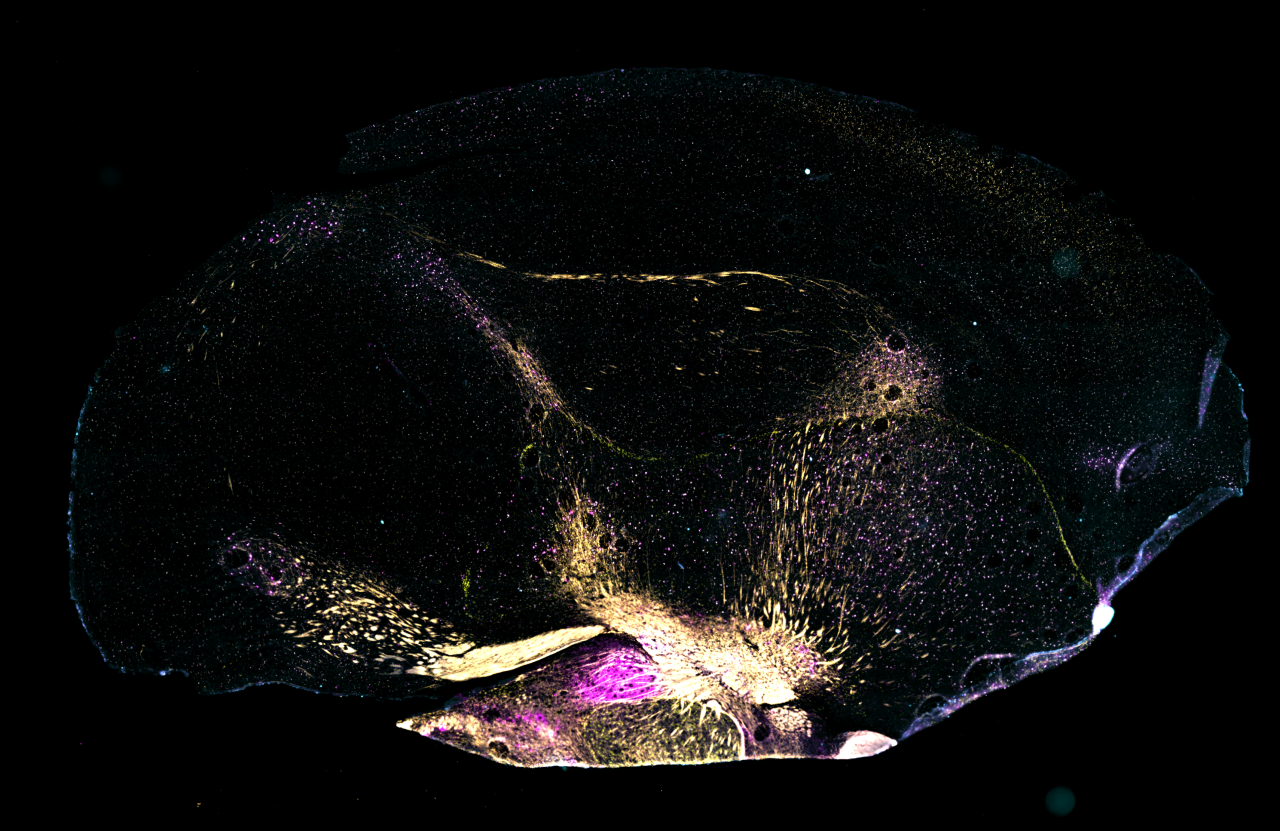
Bradley Colquitt wins McKnight Foundation award to continue neuroscience research
The Colquitt Lab studies neural circuits in songbirds to understand how complex behavior emerges and evolves

The frontier of brain science: AI and organoid research takes center stage in Silicon Valley
At a meeting of minds, researchers discussed a platform that could finally reveal the intimate workings of the human brain, and what happens if we succeed.
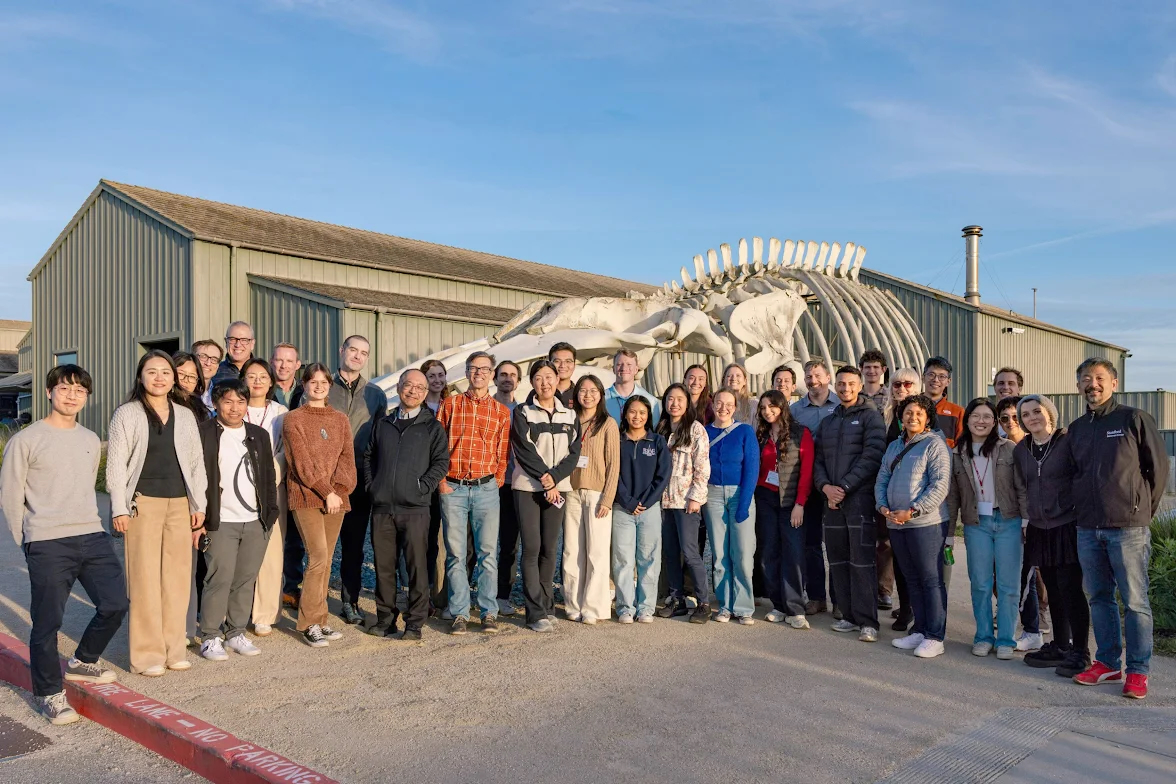
Neuroimaging workshop brings leading scientists to UC Santa Cruz
Graduate students and early-career researchers joined scientists from around the world at UC Santa Cruz for a hands-on neuroimaging workshop, gaining practical experience with advanced tools and insight into how researchers study the brain.
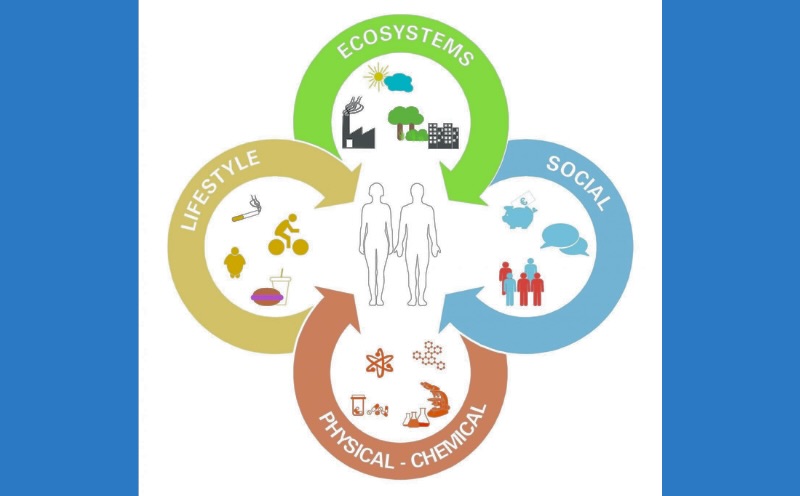
Mother’s diet and environment may disrupt children’s metabolism
UC Santa Cruz environmental toxicologists find links between mother’s diet, environment, and metabolic-disease risk in mice offspring

Meet the Faculty
The Department of Molecular, Cell and Developmental Biology has 38 faculty members whose research addresses the question of how information in DNA is packaged, read, and interpreted in living cells, how those cells are built may be regenerated, and how cells work together to comprise an organism.
Research in this area of biology represents the largest and most active scientific enterprise in human history, with hundreds of thousands of researchers engaged around the world, making discoveries with instant application to human health and the environment. Our department is recognized as among the world leaders in this extremely large enterprise.
At Santa Cruz, we collaborate in research and educational programs with our colleagues in the Departments of Chemistry & Biochemistry, Physics, Biomolecular Engineering in the School of Engineering, and Microbiology and Environmental Toxicology.
Prospective Graduates
Our department has a long record of outstanding interdisciplinary graduate training. We have NIH and other training grant support, fellowships and teaching assistant positions. Students are admitted through the Program in Biomedical Sciences and Engineering, a multi-track interdisciplinary admissions program with over 67 participating faculty members and laboratories.
Find out more about our graduate programs below:


We are here to help
Department of Molecular, Cell & Developmental Biology
Staff Directory | (831) 459-4986
Office Hours: Mon-Fri 8:00am – 12:00pm & 1:00pm – 5:00pm
Support Us
Private investment is crucial to advance the science of medicine at UC Santa Cruz. Faculty and students in the Department of Molecular, Cell, and Developmental Biology are exploring the molecular foundations of human disease and translating basic discoveries into medical advances.
Your support can further key areas such as cancer, Alzheimer’s, stem cells, genomics, neuroscience, immunity and inflammation, and neglected tropical diseases.
