The tool could eventually lead to an entirely new approach for treating mental health
The tool could eventually lead to an entirely new approach for treating mental health
Another bombshell result shows how artificial intelligence is fueling fierce competition at the frontiers of math and physics
Astronomers are finally figuring out what powers mysterious gamma-ray bursts

The staggering new estimate is based on an analysis of thousands of former players’ medical records
The results resolve major problems in math, physics and computer science. But like other recent AI-generated “slop drops,” the releases are already controversial

Under the new policy, compounded combinations of these unproven peptides can now be dispensed by certain pharmacies
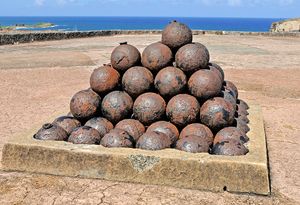
A question posed by Sir Walter Raleigh about cannonballs inadvertently led to a puzzle that mathematicians have been trying to solve for centuries

A new USB-sized device, tested in mice, could help people with type 2 diabetes better manage glucose levels
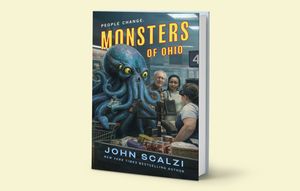
Scientific American talks to author John Scalzi about his tentacle-filled 20th novel, its balance of hope and cynicism—and the possibility of a Chappell Roan crossover

Depression tied to the body’s sleep cycle could be less responsive to antidepressants and cause more severe symptoms
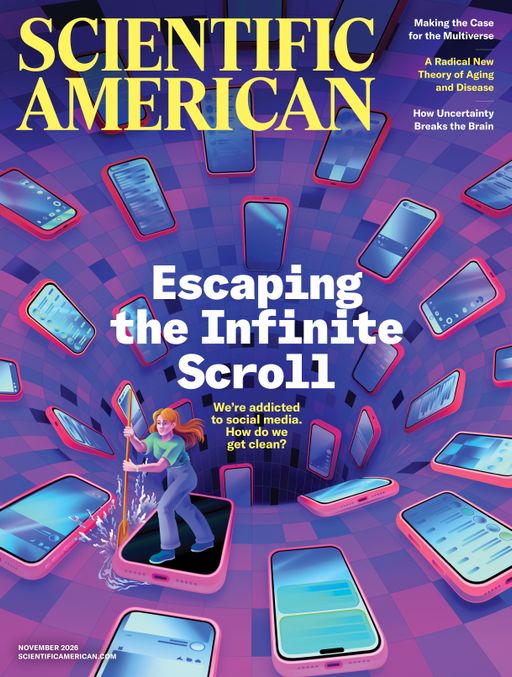
Big tech is on trial. Courts have deemed social media addictive by design—the infinite scroll, the personalized feeds, the sleek features that capture and keep our attention. As a society, we’re already hooked. So how do we find a relationship with our devices that adds to our lives without diminishing them?
Elsewhere in the issue: Making the Case for the Multiverse | A Radical New Theory of Aging and Disease | How Uncertainty Breaks the Brain

Jennifer Shuford, a well-respected infectious disease researcher, cited a desire to spend more time with her family
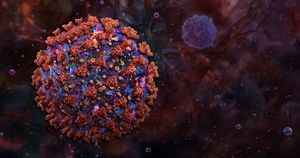
The potential for a wider outbreak is low, but experts are still investigating how the disease-causing virus leaped from animals to humans in the first place
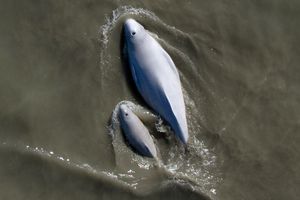
Ocean water could help dissipate the heat from data centers, but the infrastructure could threaten endangered whales


Located farther away from Earth than Pluto, the object was hidden in the light of the Milky Way’s stars
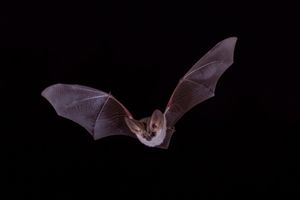
Bats deserve a little more love
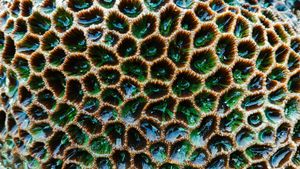
Research suggests this aversion is driven by an instinct to avoid disease
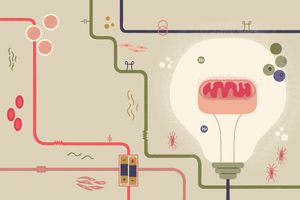
Could disruptions in the flow of energy through mitochondria cause everything from type 2 diabetes to Alzheimer’s?

From Medicare for All to research grants, science-driven issues are playing a role in the midterm elections

The death of a worker at a Russian plague lab was alarming, but the disease is extremely unlikely to become a worldwide problem as it has in the past
“Although living forever sounds tempting, if every human were to live forever, the earth would be unable to sustain the population and life would become survival instead of comfortable living.”
— Christopher Alden
Anthropic is preparing to go public, and new documents show how the lab hopes to control its technology while also pushing the limits of what AI can do
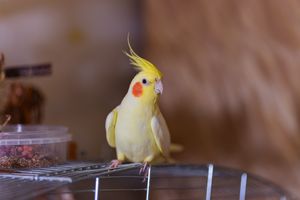
Everyday activities, from visiting zoos to cleaning bird droppings, can expose you to a potentially dangerous infection
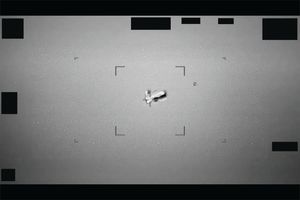
The latest batch of declassified files includes eyewitness sightings from earlier this year of a flying black triangle performing inexplicable aerial maneuvers
This week in science we check out gymnastic snakes, chatty vultures and missions to faraway moons
With the midterms fast approaching, communicating just the right message has been top of mind on all sides of the political aisle

The start-up is the brainchild of a founder of Anduril, the military tech firm, and Colossal Biosciences, a biotech company known for its de-extinction efforts
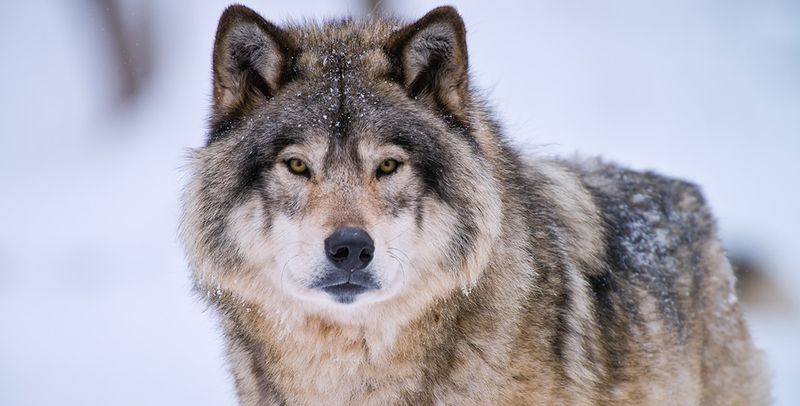

They weren’t afraid of no ghost

Ancient Egypt’s first female ruler lived centuries before Nefertiti or Cleopatra
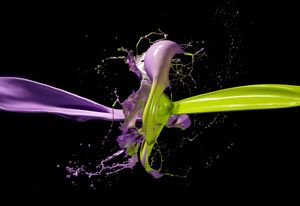
AI’s solution to the Navier-Stokes problem, and the details of how it happened, preview a chaotic future for math—and the world

The Merck-Moderna mRNA cancer vaccine helps prevent cancer recurrence and death, the new results show
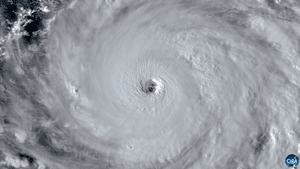
The cyclone’s winds hit 185 miles per hour—the strongest windspeed of any storm this year
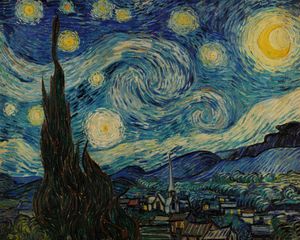
A misidentified constellation could revise the timeline for Vincent van Gogh’s creation of his iconic painting

For the first time, scientists can make quantum measurements on a positron particle
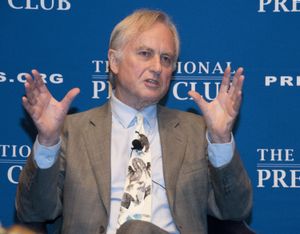
A half century ago The Selfish Gene by Richard Dawkins became an instant bestseller and transformed public awareness of evolutionary biology. Today scientists are still debating its core message
The once-fringe quantum Many Worlds theory now seems much more likely


