Sometimes on the dark alone, in the wee small hours ranked in pain it’s hard to stay positive yet I must , there’s power from above, despite the PTSD.
Helps me fight and the dark days are controlled one of the things my head goes to is my photos.
Teallach
The pup At Valley in North WalesThe end of the South Cluniie ridge kinttal. 9 Munro’s WinterBlaven SkyeKintail, teallachs coat would change colour through seasons Big BoyCrashes, Loch Ossian, relaxing after a hard day
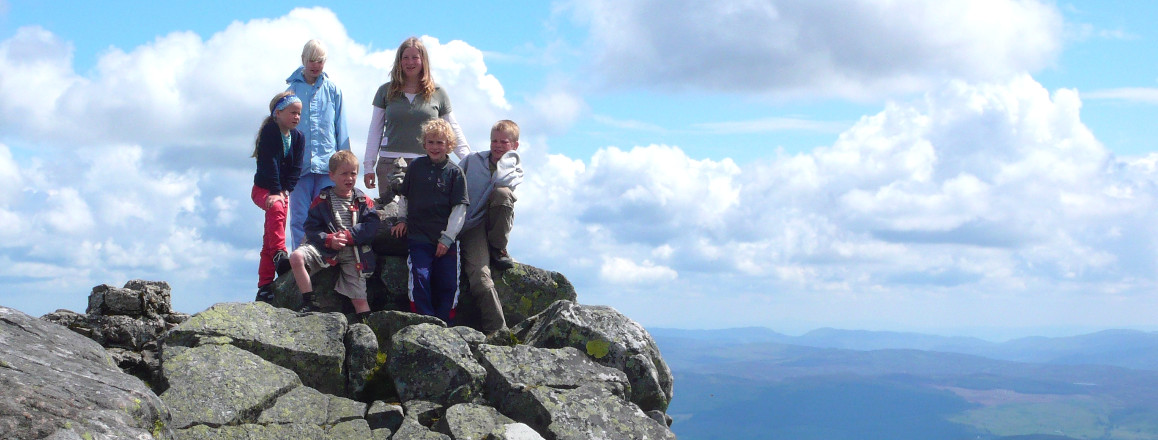
Each photo, shows a day that is so special, with me and Teallach.
Myself Yvette and Ash, had a great night listening to the Beatles. Extremely moving music, with Yvette hearing her favourite songs. And Then & Now, a new one for Yvette and Ash. Inspiring when music takes you into a different world.
Believe it or not, every song, and artists like Amy Winehouse remind me of wonderful days (not so wonderful for Yvette whose feet had blown up)
It was all enjoyed by the best scallops of Scotland from the Buckie, so says Yvette. Thank you all for a wonderful night.
Well another week goes by and thanks to my continued support by stepdaughters who took turns to nurse me I cannot thank them enough. The effort put in was incredible ands despite them living in Aberdeen and Inverness they were incredible. Despite Yvette going through a torrid time with her ex husband he has been awful! Over the last 14 years I have driven South to Henley to help my stepdaughter with the kids. He would be away on tour whilst Yvette would be working at a school and looking after the children!
Since they split over a year ago he has never asked how I am or if I am coping. Life changes as does other things but he seems just to want revenge and to punish Yvette to breaking point,
Despite all these pressures Yvette only wamts to look after her children
What Yvette does is amazing despite the awful treatment she received. I would navy coped without their and otters assistance
My PDSD over this period has been awful and I fight with it daily .
It’s a tricky time. I try to help others and improve their lives
What a mess we are in folk as try to indestructible what’s going on?what can we do about ot? Folk seem to be no aware of the change
Everyone seems to look after themselves the lack of kindness is everything
Country just think thank mine and of you disagree touch
Politicians are worse they just follow, no thought
Care and kindness seems lost and the poor no looked after.
We take away thinks like the heating allowance and do not tax the rich or Corporate
Life needs you change bullies and those in charge bk bk are so
Comfortable in there own world.? Yet places like the house of commons they live in this crazy place where the powers meet and live their lives.The place needs the to be rebuking house of common
Take take and anything goes in there world
Where are the leaders they are not with their bonuses and big salaries
It’s going to be a long day. Probably 10 to 12 hours. And Murtle Sefton was going to come along. She’s in her 60’s and loves the mountains as much as me. There were two others in the party. Young . At Corrour we met boys in the bothy, who could not believe that we’d done three munros and left at 5am. The plod to the plateau was extremely steep but soon after moving steady we hit the main ridge. And it was still a long way home.
My
Thank Ed you Murtle.
No
Heavy
March 2025
This fully revised edition of the Scottish Mountaineering Club’s original and best-selling guidebook The Munros describes the best walking routes on Scotland’s 282 mountains above 3000ft. N great t
Great read
So that was a day I will never forgot. Thank you all.
Comprehensive descriptions in this definitive guide recommend ascent and descent routes for each of the Munros and their 226 subsidiary Tops, with maps of the peaks and principal surrounding hills to help you plan the most enjoyable journeys through Scotland’s wild landscape. The descriptions are brought to life throughout with vivid photography that illustrates the dramatic beauty of these much-loved mountains.
In addition to routes themselves the book contains Munros Tables, a complete list of the 508 Munros and subsidiary Tops, listed in height order.
Whether you are an occasional walker looking for inspiration or a dedicated Munroist planning to tick off your next peak, The Munros is essential reading for any hillwalking enthusiast.
Great to see my old pal Bill Batson. He ran out of expeditions to Pakistan in the 90’s. TV
Bill pushed the standards in the RAF MRT along with a few others Bill climbed some of the world greatest mountains from Alaska to Everest with a great attempt in WestRidge he also climbed SHivinvg no visited yesterday and we are great catch up reminiscing it really made my day as she came over from Braemar area. Thank you very much Bill..
We had a walk in bitter but beautiful weather Forrest took the wind and Bill‘s dog had a great
Thank you very much, Bill and also my rock “Gus” a true friend it’s wonderful to be Forrest and see how things are changing. I am so lucky
In my days with mountain rescue we would often do a bothy trip a trip we enjoyed was to Culra over the 4 Munroes and then. To Ossian ( Thos is a Youth Hostel Tom rig would hide a key and coal) sadly Tom died many Years ago. He as such a character kind and a great host.
Culra
One great route was Dalwhinnie to Laggan taking in the hills and bothies like Culra, Ossian etc plus some magical hill like Beinn Alder when the weather allowed the Grey Corries lots of waking in short winter day light. This would end at Laggan . Staying at Roybridge if we had the time.
Ossian
These were grand wanders and gave many the idea of the big Traverse across Scotland. The young troops loved it them as did I away from the hassle.
We loved them and it in inspired them fo longer trips.
It’s wonderful to get your kids of their technology and onto the love of the wild. I took my stepchildren on so many adventures and they are still loving the mountains. You are always wary of your responsibilities and take great care. I took them scrambling and lo rock climbing using a safety rope at times.
I sadly have been involved in various tragedies occurring to children since I started Mountain Rescue in 1973 they still haunt me to this day. from Skye, the Cairngorms and many other mountain areas. I would never comment after a tragedy yet I have advised ill prepared folk to turn back in poor weather. We the mountainrescue are not the “mountain police”but are in there sadly often to pick up the pieces. They will especially family try to in their mind not let you down. I would tell them that safety is so important and turning back was nothing to be embarrassed about.
17 year old on Ben Nevis located one winter 1995 after 3 days
What’s folks views on taking young folk on hill especially in winter? I started very young on Arran age 4 we had little gear . Yet we had a great time it was 1956. I then climbed a few Munro’s in Ben Lomond area and the Ben at 10. A few more from the school then the Duke of Edinburgh Award and learning all the time.
Arran 1957
I joined the team after the tragic Cairngorms disaster it effect the team and the loss of young lives was devastating. I managed an interview with the young survivor a few years ago it was a painful tale yet he blamed no one but the press hounded his family for many years.
It is different on a wild winter day or even a drop of snow can make the difference.
“Mountaineering Scotland Hill walking for families.”
Many of our members imagine that when they start a family, their interest in climbing and the hills has to be put on the back burner until their children are grown up.
At the same time, every parent soon encounters the challenge of amusing the kids each weekend and over the long school holidays – so why not give your children or grand-children their first experience of hill walking?
Hill walking can be a great way to get your kids a little fresh air, give them a love of nature and feed their sense of adventure, all while burning off that seemingly endless energy.
Of course, there are no hard and fast rules as every child is different, but here are a few hints and tips which are worth bearing in mind if you would like to introduce them to the hills in a way you will all enjoy.
Here are a few tips, hints and ideas to help get you started.
Start easy and work your way up
You know your kids better than anyone and will probably want to feel confident that they are happy with low level walks before aiming to head for the hills.
When you do head for the hills, try to avoid the expectation that you will always reach the top – see it as a bonus! The target of a hilltop will often spur a child on, but if it doesn’t, just celebrate how far you have got and try again another time. Here are a few Scottish hills which can offer progress in terms of height, length and terrain of walk as your family’s fitness and enthusiasm grows.
Shorter hill walks
These are relatively close to roads, have well defined and marked paths and take up to a couple of hours to complete. We link here to more route information and directions on the WalkHighlands website: mountaineering Scotland”
Liathach many mountaineers and hillwalkers as Scotland’s finest mountain, challenged only by An Teallach and the Cuillin of Skye.
I was asked to take a young cadet 14/15 on the hills in winter. I was a very young party leader he was the son of a high up officer. It was winter and we were at Torridon. I has enough to look after with 3 in my party that were just starting. I said no to the team leader ( it was the right decision for me)) He was taken unroped along the Liathach ridge and fell o ff the pinnacles into the Corrie na Caime He was badly injured it involved a 12 hr carry out of the Corrie. The weather was poor and no helicopter was available . We got him of and after that my personal view was to be extremely careful even with my very young team members.
At times I feel you can put your kids can be put under great pressure by to impress.Its a tricky situation at times to get it right not an easy thing to achieve.
Over the years I have found a lot of easy ice routes. This was a classic climbed by Kenny Kennworhy and Dan Carroll. Mid 90’
It is opposite Eas a’ Chualinm waterfall in the Ben More Assynt area near the Kylesku bridge. Has anyone repeated this climb though not hard it’s sic s classic situation.
They graded it grade 3 but a few were back from ice climbing in Canada’s great ice routes. I had seen it while walking out from doing some Corbetts. It’s a long route 200 meters I suppose it’s not in condition often
The name came from the keepers boat Sirius who saved them a long walk out.
Kylesku
This area is steeped in wartime history as the military trained here. The underwater “chariots “ especially really you drove a torpedo at a target. There is a monument near the bridge to those who have there lives well worth a visit!
In the heart of the Scottish Highlands, a newly refurbished memorial is set to be unveiled this September, commemorating one of World War II’s most daring naval operations. This ceremony, held on the 81st anniversary of the famous attack on the German battleship TIRPITZ, will pay tribute to the extraordinary bravery of the midget submarine crews trained in the waters around Kylesku from 1942 to 1945.
THE LEGACY OF OPERATION SOURCE
During World War II, Kylesku was the clandestine training ground for the crews of midget submarines and human torpedoes, known as chariots. These waters were the staging area for Operation SOURCE, an audacious mission aimed at crippling the German battleship TIRPITZ. In September 1943, six midget submarines were towed over 1,000 miles to the fjords of Norway. Two of these submarines succeeded in placing explosive charges beneath the TIRPITZ, severely damaging the ship and striking a significant blow to the German Navy. For their gallantry, the commanding officers, Donald Cameron from Carluke and Godfrey Place, were awarded the Victoria Cross.
Memorial.
In the heart of the Scottish Highlands, a newly refurbished memorial is set to be unveiled this September, commemorating one of World War II’s most daring naval operations. This ceremony, held on the 81st anniversary of the famous attack on the German battleship TIRPITZ, will pay tribute to the extraordinary bravery of the midget submarine crews trained in the waters around Kylesku from 1942 to 1945.
THE LEGACY OF OPERATION SOURCE
During World War II, Kylesku was the clandestine training ground for the crews of midget submarines and human torpedoes, known as chariots. These waters were the staging area for Operation SOURCE, an audacious mission aimed at crippling the German battleship TIRPITZ. In September 1943, six midget submarines were towed over 1,000 miles to the fjords of Norway. Two of these submarines succeeded in placing explosive charges beneath the TIRPITZ, severely damaging the ship and striking a significant blow to the German Navy. For their gallantry, the commanding officers, Donald Cameron from Carluke and Godfrey Place, were awarded the Victoria Cross.
THE KYLESKU PROJECT
Since 1993, a cairn located near the Kylesku Bridge has served as a solemn reminder of the 40 individuals who lost their lives during the rigorous training and operations. However, time and weather have taken their toll on the memorial. Recognising the need for restoration and better public awareness, Commander Tim Honnor spearheaded a project to raise £15,000 for the site’s refurbishment.
Thanks to generous donations, the project has successfully:
Replaced the worn bronze plaque with a new, durable one, now installed on the cairn.
Created two informative boards—one detailing Operation SOURCE and the other providing background on the XII Submarine Flotilla’s global operations. These striking boards, crafted by Border Signs & Graphics of Dumfries, now stand proudly at the site.
Undertaken repairs to the cairn and enhanced the surrounding landscape, creating a serene and respectful space for visitors. The Reay Forest Estate, the landowners, graciously contributed to this effort.
Increased public awareness of this remarkable chapter in history, encouraging visitors to include Kylesku on their journey along the North Coast 500.
THE KYLESKU PROJECT
Since 1993, a cairn located near the Kylesku Bridge has served as a solemn reminder of the 40 individuals who lost their lives during the rigorous training and operations. However, time and weather have taken their toll on the memorial. Recognising the need for restoration and better public awareness, Commander Tim Honnor spearheaded a project to raise £15,000 for the site’s refurbishment.
Thanks to generous donations, the project has successfully:
Replaced the worn bronze plaque with a new, durable one, now installed on the cairn.
Created two informative boards—one detailing Operation SOURCE and the other providing background on the XII Submarine Flotilla’s global operations. These striking boards, crafted by Border Signs & Graphics of Dumfries, now stand proudly at the site.
Undertaken repairs to the cairn and enhanced the surrounding landscape, creating a serene and respectful space for visitors. The Reay Forest Estate, the landowners, graciously contributed to this effort.
Increased public awareness of this remarkable chapter in history, encouraging visitors to include Kylesku on their journey along the North Coast 500. A fitting place to stop.
Many call-outs are simple some are not and making the right decisions are never easy. My priority was always my safety of the team that could upset a few “gun ho youngsters” in the team.
Kassbohrer.
This Callout was a hugely testing period for us all. Add wild weather, remoteness and big Avalanche danger it tested us all. The team from the youngest to the eldest never let me down.
We were asked to help Cairngorm Braemar MRT SARDA and others to help in this search it came as that winter was a particularly bad one. We were to search deep in the Cairngorms.The snow was incredibly deep and the flying conditions poor. As usual the brave boys and girls from Lossiemouth helicopter flight said they would have a go and I was in the first attempt. It was poor visibility and heavy snow showers but we sneaked up Strath Nethy – me up front the rest in the back oblivious to what was happening. It was some great flying we sneaked in through Loch Avon getting buffeted by the wind but what views of we had of the great cliffs of Shelterstone and the aptly named Hells Lum. We eventually landed down near a frozen Loch Etchachan. It was as wild as I can remember the hills were packed with snow were extremely and as we flew over huge drifts of snow that were scoured on the hills. I am never the best of flyers but this was one scary flight. As we got off the spindrift was awful one minute you are in a warm helicopter next minute in a white hell. You are ready in the aircraft for what the weather can give you and as soon as we were down on the ground and I thanked “The Lord”.
Loch Etchachan is a remote freshwater loch set deep within the central Cairngorms plateau, in the Cairngorms National Park, located in the eastern Highlands of Scotland. It is the highest waterbody of its size in the UK, the surface being 927 metres (3,041 ft) above sea level. However, the highest named bodies of water in the UK are Loch Coire an Lochain, which lies 6km to the west of Loch Etchachan on the opposite side of the Lairig Ghru, and Lochan Buidhe, which lies between Cairn Lochan and Ben Macdui. I had used the bothy here open then it was spartan but had great winter cliffs that made it so imposing. The names were of the climbs like Dagger so wonderful to climb.
Winter March 1995 A epic in the heart of the Cairngorms. Looking back on decisions made?
I was just getting things sorted out when I heard the helicopter coming back again making use of the break in the weather and we soon put up a flare and in came the Yellow helicopter. When he comes in on a day like this the spind- drift is incredible and you have no chance of seeing anything. We could hear him and stayed where we were wanting him to drop the guys and go. This was soon done and soon there were now over 20 team members in the middle of the Cairngorms. As the helicopter started to move away a whiteout came in along with a wind and visibility became zero! We all huddled together and heard the helicopter try to break off but after a few minutes it was still very close. The visibility cleared and it was over the frozen loch Etchechan and struggling to get out. then it seemed lost again in the spindrift. Trying to speak on the radio was no use so in all the din and wind I got the message to a few of the troops and we started heading onto the frozen Loch to give the helicopter some visual reference to get out. I had to get to the front of the helicopter and give the crew a reference ? Most of the troops had got the message and formed a line about 10 metres apart showing the way out down the glen eventually the crew saw us and turned the helicopter over the Loch and headed out.
We regrouped after the helicopter left – I was pretty shaken as were a few of the more senior troops a lot of the younger ones were unaware of what had occurred. It all became silent as only this wild place can be and apart from the constant snow, wind and spind – drift awful but beautiful. it was well after midday by now and we had decisions to make.
Braemar MRt had a secret weapon the Kassboherrer the helicopter was long gone. One of the best and most exciting drives in my life! John Drysdale and Braemar & Aberdeen MRT I cannot thank you enough. John is a true pal the local Bobby but a heart of gold p.
They were coming to get us on the Braemar secret weapon the Kassbg. Out of the blizzard came this amazing vehicle. How we all got in all troops plus all the kit, ropes, avalanche probes, huge bags, shovels on was amazing. I got a seat in the front cab and with the heater on the world changed. The boys were out in the open but they were getting off the hill. How they knew where they were going in the blizzard was incredible but I was in the hands of great people. These are the people that make Mountain Rescue so special, amazing how they looked after us. We were soon down in the Glen, then how they did it but we were taken to the Fife Arms Hotel in Braemar still iced up with all our kit. We had no money but credit was good and we all had a meal and lots of hot drinks. It was by now about 1900 and eventually we got 5 land-rovers to drive round and pick us up from Glenmore.
We got back after an epic drive via Keith not long before midnight, the roads were closing most of us were soaking wet and the troops asleep and unaware of the epic drive. What a day, what an adventure and what great help by Braemar and Aberdeen MRT who went out of their way to help us. Getting back late to the bothy at Newtonmore we then had all the kit to sort, radios to charge and gear to put away. The face was blasted and the nerves were a bit shot, we were all alive no mean feat after an exciting helicopter flight a crazy drive, a wee epic on the hill and the drive out of Glen Derry with the Braemar boys and girls.
They were coming to get us on the Braemar secret weapon the Kasbrreg. Out of the blizzard came this amazing vehicle. How we all got in all troops plus all the kit, ropes, avalanche probes, huge bags, shovels on was amazing. I got a seat in the front cab and with the heater on the world changed. The boys were out in the open but they were getting off the hill. How they knew where they were going in the blizzard was incredible but I was in the hands of great people. These are the people that make Mountain Rescue so special, amazing how they looked after us. We were soon down in the Glen, then how they did it but we were taken to the Fife Arms Hotel in Braemar still iced up with all our kit. We had no money but credit was good and we all had a meal and lots of hot drinks. It was by now about 1900 and eventually we got 5 land-rovers to drive round and pick us up from Glenmore.
When I show these photos it many cannot believe what it is but it shows the epic weather we at times take for granted. We must never forget the work done by the helicopters and the Mountain Rescue Teams most of it never reaches the news or public view. In these huge call – outs over 100 peoplepp, Search Dogs and helicopters go out to help or find missing walkers and climbers. This is typical winter weather in the Cairngorms where life can be very difficult indeed.
I hope this wee tale has given a feel for some of the decisions made by teams, leaders and helicopter crews on a rescue. We must never take what they do for granted or think that technology and modern kit makes rescues easy. At times programs in the media about Rescue make it all look so easy. It is not easy at times and I hope those who make the decisions continue to ensure at the end of the day all who are out there come back safely.
I spoke to Graham Gibb the Team Leader of Braemar at the end of the incident, Graham a good friend agreed and was pulling his teams of the hill when my broken messages came through. There was no problem just a quiet agreement that the correct decisions were made. I will never forget that Callout unfortunately both climbers were located in the loch below Corrie Lochan when the loch shed its ice about 2 months after the search !
24 Nov 2023 An end of an era – A sad wee day for the team yesterday as we withdrew the grand old lady of the team from service, ‘the old flex’. She has been in service in Mountain Rescue since 1985 and has been a welcome site for many of the Braemar team on callouts, as well as neighbouring teams and casualties as she appeared out of blizzards on wild winter nights to pick up troops.
She was involved in the Lockerbie PanAm crash aftermath and also the F15’s crash on Ben Mcdhui, as well a countless other rescues and sorties. She has gone into retirement at #glensheeskicentre if you see her up there, throw up a wee salute and thank her for her service. Her ‘wee sister’ the ‘new flex’ is still in service with us (she is only 21 years old). 🫡
White cottage Glen Affric bothy no loo in these days! Now no longer a bothy.
Spades and shovel essential here as is good hygiene. Years ago when there was little footfall (poo fall) on hills and Bothies.
1996 Things get better Alaska
Toilets on the hills have be especially at Bothies has always been a difficult thing to have a view. In the old days it was a hole or a bucket and spade but on busy Bothies this was pretty difficult to monitor. Now a days. Like Alaska you have to take your waste out. . On Everest this is done by yaks 3 months can produce a lot of poo. Add on the snacks is not easy to digest at high altitude.
We are told “you are what you eat” and most of what we could buy locally, ceral, porridge. Main meal pulses, rice Dahl and local veg made you regular! Eggs when we could get them lower down the mountain and brought up to us. We had a few other items no dehydrated food on a special day we had chips and egg. We brought other food from UK. We mainly ate what the porters ate. Supplemented by potatoes, spinach and Garlic soup.
In the Himalayas in earlier expeds it was back to basics a shovel and deep hole some wood and a basic shelter. On Everest we had a massive loo and a big poo stick. This helps once the loo is built .
Things are a changing Alaska 2006
Corrour toilet Cairngorms:
Update- Following extensive work over the first two weekends in September a few years ago , the toilet at Corrour Bothy – closed since the end of June – has now been reopened.
Corrour loo thanks MBA Neil Reid
Other than that the number of seats has been doubled to four, and that two locked doors have been added front and rear, bothy users won’t notice any difference: it’s still a dry toilet with the waste collected in bags under stainless steel tubes.
Following extensive work over the first two weekends in September, the toilet at Corrour Bothy – closed since the end of June – has now been reopened.
Everest 2001:
View from the loo – Everest Tibet
A little bit of poo: when you add 12 of us -and 6 porters plus – cook and his assistant and a cook boy there was nearly 30 of us a base at 17500 feet
The crew
. My job was every day once the sun came up to use the toilet and keep space in it tight. An awful task that had me retching every day. The joys of high altitude climbing. We had like Alaska to bring all off the hill easier on the Tibet side where yaks will take it down from camp1.at 21500
Glen Feshie is a beautiful, wild glen, its upper reaches clothed with some magnificent Scots pinewoods. The route passes Ruigh Aiteachain, a fabulously situated.
Feshie bothy
Now refurbishing a bothy is one thing but it appears Anders Holch Povlsen has spent in the region of £200,000 in bring the bothy up to its new exacting standards. There’s a replacement roof, and a new extension which houses a log store and a staircase to the upstairs sleeping area. The two downstairs rooms now have wood burning stoves in each of them and the walls have been clad in a rich redwood pine.
This old cottage, which has offered shelter to thousands over the years, is now Scotland’s first five-star super-bothy.
Thomas was eager for my advice. While the estate has traditionally supplied wood for use in the bothy, he was concerned that if the supply ran out people might take wood from the surrounding pine woods, not necessarily live wood but dead wood, and since dead wood probably contains more life than a live tree he had decided to supply the bothy with a store of logs
I was often asked how you manage to break into winter climbing.
Trust: we get a lot of bleathers who will to give you advice. I believe that if you can afford it do a simple introduction to winter climbing as a course. Things can go wrong so quickly and it’s hard to be that partner mind if it’s yo that have a snag. It’s easy for folks to take what they say as face value, Be careful other skills are essential like navigation get avalanche advice weather and other essentials. Have a torch ready for action navigating in the dark is not easy without practice,
There is so many easier climbs to get the basics sorted. Guidebooks websites are worth looking at. Stay away from climbs that are busy for me this means the chance of falling ice and rocks not worth getting hurt for. I loved going and into secluded climbs that were not busy. Off course that took lots looks into forgotten Corries.
Fitness : you need to be fit as even an easy day add in a change of weather and things can go wrong so simply.
Route planning : worth researching what the plan is where the climb goes and the crux of the route is.
Gear and Equipment: it’s so good nowadays and a lot lighter but if you come up onto a plateau expect winds. Get ready for it put addition gear on.
Fitness: get fit and always have something in the tank. Getting fit means doing big days before winter’s coming.
Food: a good breakfast (porridge) is great and releases energy during the day. Add in quick snacks carry them in your pocket ready along with food you can eat quickly comments welcome.
This is the time of changeable condition, cornice collapse and hard snow
At this time of year, our hills offer us beautiful scenery, unique challenges, and memorable days out. For epic mountain adventures, it’s time to #ThinkWINTER!
At this time of year, our hills offer us beautiful scenery, unique challenges, and memorable days out. For epic mountain adventures, it’s time to #ThinkWINTER!
Throughout the season, the ThinkWINTER campaign will be sharing inspiration, advice, skills tips, and safety information to help you plan and enjoy outdoor adventures.
Slab !
Head to http://www.tinyurl.com/thinkwinter2425 for more information, including our new resource pack for organisations and individuals who want to help share the ThinkWINTER message.
Throughout the season, the ThinkWINTER campaign will be sharing inspiration, advice, skills tips, and safety information to help you plan and enjoy outdoor adventures.
Head to http://www.tinyurl.com/thinkwinter2425 for more information, including our new resource pack for organisations and individuals who want to help share the ThinkWINTER message.
When I joined the RAF in the early 70’s many in UK thought we were still a World power and still had an Empire. The military was sheltered from much of this but I always Questioned the establishment views,
It’s amazing when you look back how at times you can see things developing . I have always been interested in politics and more than how changes occur within this World. My first trip apart from the Alps was to Turkey on a CENTO SAR exercise in the mid 70’s.
We went to Turkey and Iran on the Big CENTO Exercises where In Iran they thought we were special forces as we were so fit, We milked that. The Air marshal visiting was horrified when the main man a 5 Star General from the USA invited us to the Officer’s Mess such was the impression we made. (Central Treaty Organization (CENTO), formerly Middle East Treaty Organization, or Baghdad Pact Organization, mutual security organization dating from 1955 to 1979 and composed of Turkey, Iran, Pakistan,The USA and the United Kingdom. Imagine that today? The world was changing and we were very naive. This all changed as Satellite Tv and outside communications got better.
Turkey : mid 70’’s
The weather got bad and the Turkish authorities took over a village to accommodate us. The locals were moved on. Their complete power was so awful to see. Most were in the military serving compulsory 2 years service. Yet speaking to the locals they were so kind and though they had little they would share what little they had with you. I managed to communicate through a broken English speaker and share their fears. Most of the time we were followed by there security services who seemed everywhere
.
1990 in the Himalayas
Iranian Revolution: , this was a popular uprising in Iran in 1978–79 that resulted in the toppling of the monarchy on February 11, 1979, and led to the establishment of an Islamic republic.
Iran 1979 – We were out in Iran last big Exercise just before the Shah was deposed. It was where I saw how the ruling class supported by the military treated the locals, it was awful. You could feel the tension about. It was a like a journey into another world. Little did I know at the time how this would affect the world and still does.
Iran expedition
Himalayas 1990 – Nepal on my first trip to the. Himalayas in -1990 saw when martial law was declared in Katmandu that was pretty scary. We managed to to get out next day out to the mountains away from it.
Pakistan with the Porters,
Pakistan 1994-!In 1994 we went to Pakistan and they were great folk but the hatred with India was awful as there was Border disputes that are still going and on. Yet most of the folk we met were so kind and helpful. Many thought they could do little about life. It’s the Government’s that feed the hatred through fear and propaganda.
2001 – Everest base camp with the Russians
Everest 2001 in Tibet: on this 4 month trip to the controlled area of Tibet. On this my last big trip we met an expedition from Russia this was the when their country was in mess. They were all connected to the nuclear industry and many had lost their jobs. We got on well and they could see what the Oligarch’s were doing to their country yet were helpless to do anything such was the control the Establishment has.
Since then I have been to America twice t saddened me to hear some of the views. The hatred I saw due to colour prejudice as there was a build up to the American election. This was horrific to see and years later we met many powerful people in Government who on our “ Cycle to Syracuse “‘ tried to explain this to us. This was in 2018 to commerate the Lockerbie tragedy.
it was awful Morocco was after 9/11 there was so much tension about all over world. Yet the majority of ordinary folk have different views and can discuss them sensibility. How I wish the politicians could be the same?
Nothing shocks me now the world never seems to learn from other mistakes. Nowadays with so much “fake news” things travel at a fast such a fast pace.
The future: I have no clue and how can we all help make the World a safer and kinder place.
You may say I’m a dreamer, but I’m not the only one. I hope someday you’ll join us. And the world will live as one.” ― John Lennon
A bit of a different blog today. Comments as always welcome.
Most RAF Teams hold an annual Reunion I attend the Scottish one that is held annually at Newtonmore. Since I joined in the early 70’s it was great to meet many of the “old and bold”. I loved tales of the past these were mainly ex National Service in the 50’s and 60’s
There were few Mountain Rescue teams about and many of the call-outs were done by the locals and the RAF teams. The equipment was still surplus from the war and especially the communications were very poor. Often the searchers relied in the use of flares to recall folk of the hill. Yet what tales they have, there was always epic tales of huge carry off (no helicopters then ) I made many friends and learned a lot. To others it was a waste of time and the Reunions took a hammering over the years yet this year we had 140 sitting down. It’s not formal in any way and folk enjoy the night. I always tried to support when I could and bringing wife’ and partners was a great idea. They gave us so much in support of the teams and the work we do.
Pete’s article:
“Two down, one to go. I’m not talking, at my age, about hip or knee operations—or even a drinking game. I’m writing about RAF Mountain Rescue reunions. This year, I’ve attended the Kinloss-Leuchars big bash at Newtonmore, the smaller Leeming/Linton gathering in North Yorkshire, and this Saturday, I’ll be heading to the Valley Reunion, just four miles from home.
Events that now rely on the dedication of committed ex-troops and others to keep them going……A version of heroism, in my mind.
What interests me right now is how my attitude toward reunions has changed as I’ve aged. Back in the day, when I was a young troop at Leeming, once a reunion was part of a normal training weekend. At it I had zero interest—or confidence—to approach and talk to the ex-troops.
Years later, as a Team Leader, I got more involved in organizing them. I’ll admit I saw them as “treasured burdens.” They were a pain in the arse to put together but fantastic to take part in and learn from those with grey hair. People, some might say represented the shoulders of the giants we were standing on.
I also remember how, for years, I didn’t bother with reunions at all. Having served in seven teams, it felt like the Chinese buffet dilemma—trying to remember which dishes (or in this case, which team experiences) I liked best. At the same time, I was busy building my post-Mountain Rescue life, with plenty to keep me occupied.
Now, with more time on my hands—and my wife’s job list for me drastically shortened—I’ve been to about a dozen RAFMRA events and reunions since 2010. What’s that all about?
Some therapists might say it’s a way of countering the realities of aging, helping me maintain a connection to what I believe is my best sense of self. Maybe they’re right—I’m not entirely sure. What I am sure of, though, is that many of us are drawn to MR reunions not because of rose-tinted nostalgia but because of the unique memories they evoke.
When life becomes more routine, these events remind you of being part of something special: a group of people doing something extraordinary—not for extra pay or recognition, but simply because you didn’t want to let the team, your friends, or the casualty down. And it involved a lot of fun and adventure.
Then there’s the “time travel” element of reunions—those moments when you’re yanked back in time by your old nickname or find yourself as the star of someone’s story. For me, though, these moments are fleeting. My bladder usually brings me back to reality with a signal: “I’ve got to go again.”
That reality—our bodies showing their age—is definitely a feature of reunions. Conversations inevitably turn to exchanging updates on our health. At my last one, my report was boiled down to: “I’m upright, on solids, and wiping my own @%&#.”
Outwardly, we all look different—some more than others.
The RAF has changed too, and Mountain Rescue now exists in a very different form than in my day. In the future, I imagine ex-troops will still gather to relive old times and swap medical advice. But, I doubt there will be anything like the recent 120-plus turnout at the ‘Jock’ reunion, but size doesn’t matter.
No matter how small these gatherings become, I am sure they will endure—because of the troops’ memories of fun and adventures, camaraderie, and their past desire to never let the team, your friends, or the casualty down.
Thanks for all who organise these events we all appreciate your hard work and to Pete for opening folks eyes as he can do .
And if they have a hero or heroine to organise it. “
It’s worth looking to the future and getting some of your era to attend. This way we can look after each other as we all struggle at times with life. We rarely talk about the trauma many saw on the hill to meet old pals again it can give a few a chance to talk. Few will accept this is a problem but sadly in my mind there is!
Paul Rosher was staying in the old Camusunary bothy when on that dark December night on 7 December 1982. Paul wrote this piece many years ago and gave me permission to use it. I thank you for it. Paul joined the Skye Rescue Team a few years later and we became great friends over the years. A great personality kind, outspoken and a m a who can cover your back when needed.
Paul on the Cioch on Skye photo Skye MRT.
Camasunary Recollections from December 1982.
The three of us, John Foggin, Paul Robson and myself had been out on Blaven that day and had been thoroughly soaked, the fire was on and macaroni cheese was cooking. Paul Robson, who had been attempting to pot a rabbit with his air pistol was cleaning his gun when the sound first occurred. Everything happened really fast after this.
A bright red light lit up the whole bay, we could see right across. Everything started shaking, doors, windows, tables and objects on the tables. Then there was a shock wave, not a sound but a physical pressure which moved from left to right and when it did the fire went out, the air was briefly sucked out of the room, our kit was flying through the air madly and part of the ceiling fell on Paul Robson, who ran out into the white light, covered in plaster.
The ruined bridge ling gone at Camusunary
I remember distinctly the thought that a nuclear war had started, after all it was very much still the Cold War years and Holy loch did shelter nuclear subs, well I thought it had taken a hit! I have an uncle who is ex-army artillery and I recalled him telling me that the thing to do was to cover your ears and open your mouth, so this is what I did.
My brother Johnny thought it was an alien spaceship! He had been cutting the cheese into the pasta and jumped back into the corner of the room staring at the white light glaring around the door frame. I later pointed out if it had of been aliens and they would have traveled an awfully long way to visit earth only to get chibbed by a freaked out bothy bum!
Anyway, John and I dashed outside to find Paul Robson and see the whole top of Sgur na Stri ablaze, the diameter of the fireball I estimate at about 200 meters plus and constituted of every colour imaginable. We had to drag Paul Robson back inside as the white hot bits of metal falling out of the sky began to land all too close.
We took turns standing in the rain waiting for another aircraft to return. We could hear it out in the murky night, but no visual contact was made. The hours passed.
Eventually we heard a helicopter approach and that is when I met Dave “Heavy” Whalley.
The snows up on the tops had by now extinguished the flames so his first question to me was, “Okay action man, do y`know where this plane crashed then?”, and of course I did and took them to the exact spot. Sgurr na Stri was always our warm-up mountain, and so it is very familiar and well loved.
When I took the RAF and MR lads to the very place one RAF guy said “Shouldn’t we get the civvy out of here Sarge? There could be UXB`s around” He was referring to me and the UXB`s would be the target bombs which may not have exploded, which does not seem very likely considering the speed this bird was doing when it collided square on with the crag.( I did not want Paul to be exposed to the trauma of such a awful sight) Heavy Whalley
Paul Robson took another group of RAF to the base of the West Gulley where they illuminated the hillside with massive spotlights. ( these were called Sharks eyes not much use as the only lasted for about an hour) heavy Whalley
I recall my brother Johnny was most disgruntled that I didn’t take him with me and his job was keeping the fire going, this menial task was more than compensated the next day when John saw an American officer fall in the river.
John would only be 18 when this happened and our mother, being still alive then, used to emphasise that I must not get him injured or killed when we were out on the mountains. Fair enough, this is why I told him to stay put. Early the next morning whilst Paul Robson and I were still sleeping Johnny went for water. The best place for good water near the bothy is over the river. Now there was a very battered bridge there in those days with many of the tread-boards missing it was a kind of hop-skip-jump affair to get across. John had just returned with two canisters of water, the central section of the bridge was underwater as the tide was in, but Johnny knew where the remaining tread boards sat. When the little fat American general tried he took one small step for man and ended up floating away out to sea. John said he saw two squaddies on the other side just look at each other, shrug, and then rescue their commander. Shame we missed that.
In those days bothy rations consisted of dried foodstuffs occasionally brightened up with a rabbit or a bucket of shellfish. We were given masses of army rations and kit for our assistance but also told not to leave for a few days, but we didn’t intend to.
We were interviewed first by RAF rescue in the bothy by Heavy, a very relaxed matter of fact thing. Then we had a visit from the USAF who again interviewed us in the bothy and basically just took down what we said had occurred. After this USAF Intelligence wanted to interview us which afterwards seemed a bit daft as it was exactly the same as the interview we had just given. The final interview was the only one where we were separated and taken individually into a Chinook which had the cargo bay filled with technical kit and recording equipment. This was the only session where we were told it could not have happened as we said it did as this was not the flight path. These guys in unmarked NATO parkas insisted that it could not have flown in over Elgol and up into the Bay the way we recounted. We all just stuck to our story about what happened because that was what happened.
I still visit Sgurr na Stri at least once a year. It is one of my favourite mountains with unrivalled views of the Cullin and many wee crags and sections to explore or scramble. I am still finding debris, especially in the West Riven Gulley at the top where it divides into loose, dangerous fingers of grassy, chossy rock.
Years later, after I moved to Skye and got involved in Mountain Rescue work (since 1984)
I found out from a team member Ewan MacInnon who lived then at Elgol that the plane was so low some glass cracked and ornaments and plates fell from their place. It must have been dangerously low and critically close to do this.
Paul Robson died in 1999, he didn’t even make it to forty. His love affair with booze caught up with him and in the end took him away from us like most bad lovers do. Memories remain though and I can still recall him before the alcohol took his vigour and health away, a tall fit young lad who loved his climbing and survivalist and those nights by a bothy fire telling yarns and recounting past adventures.”
Those were the days we lived.
Paul Rosher.
Camasunary Recollections from November 1982.
The three of us, John Foggin, Paul Robson and myself had been out on Blaven that day and had been thoroughly soaked, the fire was on and macaroni cheese was cooking. Paul Robson, who had been attempting to pot a rabbit with his air pistol was cleaning his gun when the sound first occurred. Everything happened really fast after this.
A bright red light lit up the whole bay, we could see right across. Everything started shaking, doors, windows, tables and objects on the tables. Then there was a shock wave, not a sound but a physical pressure which moved from left to right and when it did the fire went out, the air was briefly sucked out of the room, our kit was flying through the air madly and part of the ceiling fell on Paul Robson, who ran out into the white light, covered in plaster.
I remember distinctly the thought that a nuclear war had started, after all it was very much still the Cold War years and Holy loch did shelter nuclear subs, well I thought it had taken a hit! I have an uncle who is ex-army artillery and I recalled him telling me that the thing to do was to cover your ears and open your mouth, so this is what I did.
My brother Johnny thought it was an alien spaceship! He had been cutting the cheese into the pasta and jumped back into the corner of the room staring at the white light glaring around the door frame. I later pointed out if it had of been aliens and they would have traveled an awfully long way to visit earth only to get chibbed by a freaked out bothy bum!
Anyway, John and I dashed outside to find Paul Robson and see the whole top of Sgur na Stri ablaze, the diameter of the fireball I estimate at about 200 meters plus and constituted of every colour imaginable. We had to drag Paul Robson back inside as the white hot bits of metal falling out of the sky began to land all too close.
We took turns standing in the rain waiting for another aircraft to return. We could hear it out in the murky night, but no visual contact was made. The hours passed.
Eventually we heard a helicopter approach and that is when I met Dave “Heavy” Whalley.
The snows up on the tops had by now extinguished the flames so his first question to me was, “Okay action man, do y`know where this plane crashed then?”, and of course I did and took them to the exact spot. Sgurr na Stri was always our warm-up mountain, and so it is very familiar and well loved.
When I took the RAF and MR lads to the very place one RAF guy said “Shouldn’t we get the civvy out of here Sarge? There could be UXB`s around” He was referring to me and the UXB`s would be the target bombs which may not have exploded, which does not seem very likely considering the speed this bird was doing when it collided square on with the crag.
Paul Robson took another group of RAF to the base of the West Gulley where they illuminated the hillside with massive spotlights.
I recall my brother Johnny was most disgruntled that I didn’t take him with me and his job was keeping the fire going, this menial task was more than compensated the next day when John saw an American officer fall in the river.
John would only be 18 when this happened and our mother, being still alive then, used to emphasise that I must not get him injured or killed when we were out on the mountains. Fair enough, this is why I told him to stay put. Early the next morning whilst Paul Robson and I were still sleeping Johnny went for water. The best place for good water near the bothy is over the river. Now there was a very battered bridge there in those days with many of the tread-boards missing it was a kind of hop-skip-jump affair to get across. John had just returned with two canisters of water, the central section of the bridge was underwater as the tide was in, but Johnny knew where the remaining tread boards sat. When the little fat American general tried he took one small step for man and ended up floating away out to sea. John said he saw two squaddies on the other side just look at each other, shrug, and then rescue their commander. Shame we missed that.
In those days bothy rations consisted of dried foodstuffs occasionally brightened up with a rabbit or a bucket of shellfish. We were given masses of army rations and kit for our assistance but also told not to leave for a few days, but we didn’t intend to.
We were interviewed first by RAF rescue in the bothy by Heavy, a very relaxed matter of fact thing. Then we had a visit from the USAF who again interviewed us in the bothy and basically just took down what we said had occurred. After this USAF Intelligence wanted to interview us which afterwards seemed a bit daft as it was exactly the same as the interview we had just given. The final interview was the only one where we were separated and taken individually into a Chinook which had the cargo bay filled with technical kit and recording equipment. This was the only session where we were told it could not have happened as we said it did as this was not the flight path. These guys in unmarked NATO parkas insisted that it could not have flown in over Elgol and up into the Bay the way we recounted. We all just stuck to our story about what happened because that was what happened.
Years later, after I moved to Skye and got involved in Mountain Rescue work (since 1984)
I found out from a team member Ewan MacInnon who lived then at Elgol that the plane was so low some glass cracked and ornaments and plates fell from their place. It must have been dangerously low and critically close to do this.
I still visit Sgurr na Stri at least once a year. It is one of my favourite mountains with unrivalled views of the Cullin and many wee crags and sections to explore or scramble. I am still finding debris, especially in the West Riven Gulley at the top where it divides into loose, dangerous fingers of grassy, chossy rock.
Paul Robson died in 1999, he didn’t even make it to forty. His love affair with booze caught up with him and in the end took him away from us like most bad lovers do. Memories remain though and I can still recall him before the alcohol took his vigour and health away, a tall fit young lad who loved his climbing and survivalist and those nights by a bothy fire telling yarns and recounting past adventures.”
Those were the days we lived.
Paul Rosher.
I just read that a good friend Paul Rosher of Skye Mountain Rescue is retiring after nearly 40 years with the Mountain Rescue team. I first met Paul At Camusunary bothy near Loch Coruisk. It was in winter December 1982 and an USA F111 had crashed above the bothy. Paul and his mates from Newcastle were staying in the bothy and thought that a nuclear war had started. It was at the height of the Cold War. We landed by the bothy in a Seaking Helicopter it was a wild dark night. Paul took us up to the crash site on very steep ground. The hill above Diminutive Sgùrr Na Strì may be reach 494 metres in height, but it’s proof that – when it comes to mountains – size doesn’t matter.
The guide book days : Reaching it requires a long and quite rugged walk, but the rewards are immense. the final ascent to Sgùrr na Strì is rough, rocky and pathless and requires careful route-finding.
Many walkers reckon that the view from the summit – over Loch Coruisk, the Cuillin and the sea – is the finest in all Britain. In winter and in the dark with fresh snow it’s a wild place. I spent a lot of time in Skye on the hill and some incredible call outs. To me Skye is the wildest place in Scotland and the team has always been in my highest regards. It is such a serious place to work in and in wild weather so serious. All mountaineers owe a huge debt to those folk like Paul who give so much and never hit the headlines. Thank you big man.
Myself and the “big man”Paul Rosher.
Sara “ Dec 2024 “Heavy, thinking of you today and that amazing, healing day on Sgurr na Stri in 2019. It was strangely one of the best days of my life, and I can’t thank you and Adrian Trendall and Bridgette Blackmore enough for being there for us.”
With the family after a visit to the crash site.an emotional day
One of the young troops sent this
Roy Hancock
I had just turned 19 when this tragic incident occurred and had been a member of KMRT since May 81. As part of the Support Party, the trip to Skye was quite tricky and we had no idea as to the epic survival fight the advance party were experiencing on Sgurr na Stri. Arriving at the farm in the early hours of 8th Dec, we set up camp in a barn and I was tasked with setting up the field kitchen with other junior members of the team. Designated ‘cook’ for the first day, I remember preparing breakfast whilst the rest of the team tried to get some shut eye for what would be a harrowing day ahead. I remember watching rats scurrying around and even running across sleeping bags as the guys slept.
At first light the guys were up, fed, briefed on what little information was available and away. I cleared up, prepped the soup and evening meal. It was clear to me that this was a very serious incident, confirmed when the advance party from the previous night arrived at the barn. I could see that they were exhausted and with hindsight probably traumatised by their ordeal. Normally on previous call-outs I had attended, someone would try and lighten the mood, crack a joke, black humour or as we knew, a coping mechanism. There was none of that, the guys needed a hot plate of soup and sleep.
It was the 9th Dec before I was on the mountain at the crash scene. Subsequently, I remained with Heavy and a small party acting as guides for the USAF investigation team flown up from Lakenheath. We stayed at the Broadford Hotel,transiting each day to the crash site. I recall 2 x Jolly Green Giants helicopters arriving to assist us. It was quite surreal seeing these parked up on a small grass strip on the front in Broadford. It was about a week before we departed Skye and headed back to Kinloss.
I am often asked what was your hardest Callout to me in 1982 this was it.
The crash site years later
December when the daylight is extremely short and not the time to be on the hills at night especially in a blizzard. To make it worse the last place you need added to this is to be on the Island of Skye.
F111
I heard from another person from the USA who had read my blog last night He told me he was on on this incident on the enquiry team after the crash for the F111 aircraft on the Isle of Skye. I thought it was worth updating my thoughts on a huge sad call out 42 days years ago yesterday.
The crash
“At about 8 pm on the night of 7 December 1982 after descending to about 1000ft over Loch Scavaig, an F-111F aircraft struck the southern face of the 1620 foot peak Sgurr na Stri, The unarmed aircraft, serial number 70-2377, was on a regular training mission from RAF Lakenheath in Suffolk.
The pilot in the left hand seat of the aircraft was Major (Lt Col. Selectee) Burnley L. (“Bob”) Rudiger Jr., aged 37, from Norfolk, Virginia. Major Rudiger was survived by a wife and two children who were then resident at Risby, Suffolk.
The weapons system operator in the right seat was 1st Lt. Steven J. Pitt, 28, from East Aurora, New York. Lt. Pitt was survived by a wife and two children, then resident at Icklingham, Suffolk.
* The Strathaird estate was at the time owned by Ian Anderson otherwise more famous as the lead singer and flautist of the rock group Jethro Tull.”
1982 f111 crash Skye Sgurr Na Stri
In was December the 7 th 1982 I was stationed at RAF Kinloss in the Morayshire Coast in Scotland. The Falklands war had just finished but RAF Kinloss where I worked was still working 12 hour shifts. I had done the early shift from 0600 -1800 in In Flight Catering rationing the Nimrod planes; it had already been a busy day. I went back to the Mountain Rescue Section where I was a part-time member and was sorting my equipment of for a weekend’s winter training with the Mountain Rescue team. As I finished the phone rang it was the Rescue Centre at RAF Pitreavie saying that an American F111 Fighter aircraft from RAF Lakenheath with two crew had crashed in the Isle of Skye. They initailly thought that it was on the main ridge and another aircraft in the two man formation was flying over the area.
Skye in Scotland is a mountaineer’s and climber’s paradise, in winter it becomes Alpine with ascents of the easiest peaks only for the experienced. The time was just after 2000 hours it was already a wild winter night, pitch dark and with snow at sea level. I was told to get a fast hill party together in 15 minutes and get to the aircraft pan as a Sea King helicopter from RAF Lossiemouth was on its way to take us to Skye. 15 minutes is not long to sort out your life. There were 6 of us I was the party leader:Allan Tait, Joe Mitchell, Keith Powell (RIP) Chris Langley, Paul Whittaker and my dog Teallach were the fast party. There was little time to get kit sorted and I took as much climbing gear and rope as we could carry and ditched most of my personal gear, weight was critical. The Skye ridge in a December night was not the place to be but this was payback time for us this is what we trained for.RAF Mountain Rescue primary task was the Rescue and Recovery of crashed aircrew in the Mountains. The forecast as I said was awful and there was a good chance of the helicopter not getting us to the crash position due to the weather. It would be a long hard night ahead. The position we were given at first was right on the main ridge between Sgurr Greta and Sgurr a’ Mhadaidh a nightmare scenario in winter and at night.
The hill though small was a tricky as nay mountain in a wild winters night
This was 1982 before modern phones and communications and the kit we had was still basic, our bivouack kit was still a big orange polythene bag, which was next to useless in wet weather. We carried hill radios that were efficient, line of sight but heavy and suffered in the cold and wet. The helicopter was at RAF Lossiemouth a few minutes away we were flying with 15 minutes in the darkened aircraft. I was told to go to the front of the helicopter for a brief and stayed there most of the trip out to Skye. The snow was falling very heavily and the crew would have to use all their cunning and experience to get to the incident. This was also in the days before night vision equipment and the modern GPS, It is hard to believe we flew low near the roads to get updates on our navigation. I do not enjoy flying at the best of times and this was areally worrying trip. My 5 team companions were in the back oblivious to what was happening. When a military aircraft goes in all the efforts are made by all concerned and the rest of the team would follow by road a journey as bad for them in roads plastered with snow and ice and taking up to 6 hours! We would be on our own for at least 12 hours. My head was on fire with plans but we had to get there first and I was helping picking out snowy land marks on the way. At Achnasheen about half way there after about 35 minutes we had to land down on the road as the weather was awful. We were soon off again and all the time getting updated on the situation and a new fix for the crash site. It was now near Loch Coruisk a remote part of the ridge with no road access. There was another aircraft an F111 over the site that was now pitch dark covered by snow and cloud. The local Skye Mountain Rescue team were trying to get to Egol and help us with their local knowledge; this would be invaluable in these hills. As we neared Egol (This is a village on the shores of Loch Scavaig towards the end of the Strathaird peninsula in the Isle of Skye.) I moved to help the winch man by going on the harness near the aircraft door. The weather was still wild and snow was blowing everywhere as we were dropping down to pick up the Skye Mountain Rescue party. The winch man saw Hydro electric wires nearby and we had to rise steeply to miss them, we were very lucky. The aircraft pulled away and I was told we had one chance of a drop off as the aircraft had a problem now due to the power used. We flew out to sea and I had a quick look at the map, winching was not possible so picked a spot at sea level I knew well. I had been here a few times before at Camasunary Mountain Bothy near a hill called Sgurr na Stri. This was near where the aircraft last known position was it the place to start our search. We could not wait to get out of the helicopter and my party inside had a good idea how near we had been to a disaster. That landing near the shore and on flat ground at last was a great feeling.
Last visit
The old Mountain Bothy at Camusunary now a private house. The hill behind is Sgurr na Stri “the Hill of Strife”
A few months previously we had been to another F111 that crashed in Strathcarron we had been involved and the crew were okay they had ejected in the capsule that was unique to this aircraft and both were taken to hospital in nearby Inverness. We were sure that the crew of two would be waiting for our arrival somewhere on the mountain.
The F111 Crash in Strathcarron this was a happy occasion when we recovered both crew safe and well.
We were on our own as the helicopter flew off, leaving us alone in the dark, with the smell of fire and aviation fuel about. Out of the bothy door came three figures
They were staying at the bothy for a few days and they also had night to remember, they had just had a wet day on the nearby Munro Blaven. Paul Rosher, John Foggin and Paul Robson had the fire on in the bothy and the dinner was getting cooked. In Paul’s own words “Everything happened so fast, a bright red light lit up the whole bay, we could see right across it. Everything started shaking, door windows and table objects on the table. Then there was a shockwave, not a sound but a physical pressure that moved from right to left and when it did the fire went out, the air was briefly sucked out of the room. Kit was flying through the air and part of the ceiling fell on Paul, who ran into the white light covered in plaster. I remember thinking that a nuclear war had started after all it was very much still the cold war years and the Holy Loch did harbour nuclear submarines.
I am sure Paul (who was one of the boys in the bothy when the aircraft crashed) he does not remember but I am positive that the three of them came out of the Camasunary Bothy with their hands up in the air and covered in white dust from the roof. They had an epic time after the F111 aircraft hit the mountain behind the hut. Sgurr na Stri though only a small hill, was on fire, the explosion, the shock wave and the blast had nearly destroyed the bothy and they like us were fairly shocked. I asked Paul if he knew whereabouts of the crash was as by now the aircraft that was circling the crash site had gone. It was snowing heavy the cloud was down and it was as dark as hell. The hill is defended by a big river and a very steep South Face, typical Skye, with gullies and steep cliffs. Worse now as even the shoreline was covered in wet snow. Paul said he knew the hill well, I had never climbed it from this side but it was only small by Skye standards, or so we thought! We had some additional lighting with us, state of the art Sharks eyes which though heavy and needed 6 bicycle type batteries helped illuminates the ground. We took Paul with us and asked the others in the bothy to wait until more troops arrived.
The first obstacle was the river but there was a rickety bridge which we crossed with trepidation, but we were high on adrenaline and were soon across, my dog swimming the fast flowing river. It was bitter cold and the smell of aviation fuel and burning was unmistakable.
I am asked what do you do at times like this, it all seems to work well and we tried to split up to search a bigger area but the group was too hard to control in the dark. I got everyone together again it was too dangerous. The ground was wild like a Glencoe corrie steep and slippy in the wet snow, route finding was tricky as small buttress’s appeared in the dark all the time. A slip would have been serious but my dog Teallach has a great hill sense and always picked the best line. We very quickly came across small pieces of wreckage- sharp pieces of aircraft metal lying in the ground the light from our torches and lights glinting in the gloom. You have to be aware of the dangers even after a crash, fire, sharp metal and explosives even if the aircraft was unarmed as this one was. You also have so many chemicals goodness knows what you are breathing and nowadays you would enter a crash site in full protective gear, this was 1982. It was time for Paul to go down as we were nearing the impact point and I feared what we may find. There was also still a good chance that we may find the escape capsule and the crew and that may be on more dangerous ground, we would need all our small team to assist. It was better we carried on alone and Paul was taken down though he wanted to stay but we had no choice Allan Tait (Gus) escorted him down. It is also very wise not to put people who do not need to be there in such close to proximity to what we were about to find. By now we were finding large bits of aircraft but no sign of the capsule, it was passed midnight we stopped for a break, it was now very wet with heavy snow falling, and we were soaked and needed to gather our thoughts. Everyone was cold and tired but I had a fine bunch of troops and we agreed to search and spread out, it was not long before we found pieces of the cockpit and sadly the crew. It was fairly easy to decide that no one had survived the crash. In moments like this life stands still. We wereall working in hope that we would find two people, I was sure they would have ejected, it hit me hard, though you cannot show it at the time. Two unknown men to us American Aircrew with families, children and lives just like us had died where we now stood. It is impossible to explain our feelings at the time. Due to the sensitivity of this crash and where we were it was now about 0300 and we decided to bivouac at the scene until the reinforcements from RAF Kinloss arrived.
We had no radio Communications all night and I tried every hour to get through transmitting what we had found, there was no answer, even Gus at the bothy could not hear us, we were alone. It was a hellish night, and looking back after 40 years in Mountain Rescue it was one of my worst nights ever on the mountain’s. In the end the rest and bedded down on the main ridge there was little shelter and we were soaked and wet all night with the fresh snow and rain making the ground slushy and wet. I could see the two young ones suffering so by 0500 we were all up waiting for daybreak; it was a very cold night. By 0800 the weather had cleared and we heard the team on the radio, they had an epic drive 6 hours and stayed the night at Jethro Tull Ian Andersons Farm(the musicians farm) and set out at first light. They managed to drive in to near Camusunary a crazy road and eventually reached us by midday. We showed them around the crash site which was all over the area where we had bivouacked. We could not get back down quick enough and were soon back at Base Camp in Skye by mid-afternoon. We had been on the go that day for over 24 hours. Gus had a good night in the bothy and the Paul and the boys were amazed when Gus produced a bag of hidden food from a wall near the bothy. He had hid it a few weeks earlier for a walk across Scotland in the summer; they ate like kings unlike us. We were exhausted but still high on adrenalin and after some food sleep took over.
Over the next few days the RAF Kinloss Mountain Rescue and the USAF recovered the two casualties a grim task after some USAF Investigating officers allowed them to be taken from the crash site. I then spent a week working with the Investigation Team on the mountain walking in every day for a week with them looking after them on this amazing little hill. We started in the dark and walked out in the dark it is short days in December, it was a difficult time for all.We got the odd helicopter lift when weather allowed and I learned so much from this incident and met some incredible people. I learned so much about communications, leadership and fought for decent kit for the team. After this so many lessons were learned that stood me in great stead for other big call outs like Lockerbie 6 years later in 1988. Paul who I met on the hill that night is now a great friend, living in Skye and a member of the Skye Mountain Rescue Team. The others in the team remain friends for life and Keith who was a power that night is sadly gone
Return to Camusunary – 2012
“In the storm lashed car we hide from the weather, we have to leave it warmth.
The simple track to Camusunary, effortlessly works its way, heads down in the sleet and snow
Taking a route over swollen streams and sticky bog.
Blavens Southern ridge climbs, long, fingered snow-covered winds its way to the heights.
Cresting the beleach. we see the meadow, the beach and there “Falkland like” the bothy Camusunary!
Family members
So many memories of that wild night in 82 thirty years to the day″
The families of the crew have been in touch over the years and sent some wonderful words thanking us for our efforts and happy we made a trip in 2012 on the 30 th anniversary in memory of their loved ones. For Gus, Paul and myself it was some trip. Emotionally a hard experience for us all.
I was back again in May 2017 staying in the bothy at Loch Coruisk with my local Mountaineering Club and visited the crash site for 2 days. There is still so much wreckage about and some even 2 kilometres from the impact site. It is a wonderful poignant place it has incredible views of the Islands and the Skye ridge but is full of memories for me and those families involved that we could do little for. I still hear from some relatives every year, through my blog which is heart-warming and few knew of our story and our efforts.
In 1982 I was 30 and in my prime as a mountaineer but that night tasked us all to the full, looking back what a sad event and one I will never forget. There is a small plaque at Elgol with a view to Sgur Na Stri with a view to the incredible mountain and lots of memories.
2017 a visit to the crash site in May still so much wreckage there.
In memory of the crew of that fateful night Magor Bob Rudiger and Lt Steven Pitt and those with me on this sad event. Allan Tait, Joe Mitchell, Keith Powell (RIP) Chris Langley, Paul Whittaker, my dog Teallach and Paul Rosher and pals.
I have visited the crash site on 6 occasions since 1982 and it is always a wild place to reach especially in winter where it is an expedition. If you visit at any time of year please be careful this is a serious mountain though small by comparison of the huge Cuillin giants. Route finding to the crash site is tricky in poor weather and there is still plenty of loose rock about.
Sadly the bothy at Camusunary was taken over by the estate and is now is a private house. It’s falling apart unused and unloved. The Mountain Bothies have a bothy nearby which can be used. I have walked in a few times but mainly got the boat “misty Isles”to take us in to Coruisk what an incredible place.
A bit of the wreckage located in late 1980 near the shore now at RAF Lossiemouth located by myself. This was about 2 kilometres form the crash site
David “Heavy” Whalley Dec 24
Local guide Adrain Ttednal often visits the crash site he is keeping the memory of this tragic event alive. Thank you Adrain and his wife Bridgette they are one of the kindest folk I have met. To the team members with me thank you all and my dog who picked a line through the cliffs Teallach now long gone as is Keith I miss you.
There is a book that has recently produced and has this incident in it and many others ” Lest we forget” Lost to the isles
A huge thanks to the local guide Adrian Trednall who regularly visits the crash site and passes on the story.
Dedicated to the families of the crew of the F111 and my companions on that hard night.
Ben Loyal is an isolated mountain of 764 m in Sutherland, the northwestern tip of the Scottish Highlands. It is a Corbett located south of the Kyle of Tongue and offers good views of the Kyle, Loch Loyal to the east, and Ben Hope to the west. It’s spectacular and on a clear day can be seen for miles. On this peak is an aircraft crash.
The aircraft that crashed is a Handley Page Hampden, Serial No: P2118 Unit Codes: Z9-D Squadron: 519sqn Crash Date: 25.08.43 Based: Wick
Hanley Page Hampden Avro Lancaster PA474 is a four-engined, Second World War era, Avro Lancaster heavy bomber operated by the Royal Air Force
Crew: Pilot; Flt Lt H. Puplett DFC Navigator: F/O G. Richie Radio Operator/Air Gunner: F/O C. Faulks Air Gunner: Sgt T Hudson-Bell
F/O Faulks was the only survivor when the aircraft flew into the side of Sgor Chaonasaid, the highest point in the Ben Loyal range. The aircraft was returning to Wick from an aborted search for missing Hampden P5334 when it flew into the hillside in a thunderstorm just before midnight on 25th August 1943.
The larger items at the foot of the hill include the remains of the bomb rack with wing stut, an engine cowling, two lots of fuel tanks and the cockpit canopy access panel. Up the hillside can be found both undercarrioage legs and just below the summit can be found the main impact point with pieces of cockpit plexi glass and control wireing.
Previously also listed as NC54NE0003 (Ben Loyal) – A Hampden aircraft crashed on August 25th, 1943. No further details surrounding the circumstances of the crash. Serial No. P2118. Sqd. 519.
Information supplied by Alan Clark, 11/04/02. Macclesfield Aviation Group, a member of the British Aviation Archaeological Council. J Aitken : 15/04/02.
Ben loyal
The rescue party arrived Ribigill a large farm house between Tongue and Ben Loyal, the rescue party were led by shepherd Mr E Campbell and Dr F Y McHendrick. The survivor was strapped to a piece of aircraft wreckage and carried him down from the mountain. after a long trip by horse and cart he was taken by RAF ambulance to Golspie’s Lawson County Hospital about forty miles away. He arrived there some 15 hours after the crash and was found to have very serious injuries including a broken right leg, a smashed up left foot and severe facial injuries and was initially not expected to live. Having spent some 18 months in hospital he rejoined his squadron taking up a ground-based role but was keen to be in the air again. He flew again before the War ended.
Shepherd Eric Campbell and Dr Fowler Yates McKendrick M.B. Ch.B were both awarded the British Empire Medal for their rescue attempt on that night (Gazetted 3rd December 1943. In all they made six trips up and down to the aircraft that night, recovering the injured man and the bodies of his comrades. Dr McHendrick was also praised for his efforts in keeping F/O Faulks alive as they removed him to safety.
Photos comments of the crash site as always welcome.
Stac Pollaidh – 612 metres. This is a Brilliant hill in any weather and the scramble to the summit can be serious. This hill is not to be underestimated despite its lowly stature. It has everything including a stunning walk round the whole mountain. The Sandstone towers on the ridge and some great rock climbing and some great scrambling. There is something about the mountain he and the sea that add a sunset or a sunrise with the myriad of lochs and the sea it’s unique for a mainland peak. What a wee cracker.
This circuit heads around spectacular Stac Pollaidh (often anglicised to Stac Polly) with an optional ascent up to the ridge. The whole walk has great views over Assynt to the north and the Summer Isles and Achiltibuie to the south and west. Reaching the true summit of Stac Pollaidh involves a tricky scramble.
An excellent pitched path makes the going good underfoot; the return path around the west side is boggier and more eroded. The climb up to the ridge is steep. The route described does not reach the true, western summit of the mountain which requires a high level of scrambling. Once climbed this wee mountain and many have been entranced by it. Stac Pollaidh also has some stunning rock climbing of all grades a short walk from the road. The views on a climb are spectacular and I have been lucky to winter climb on the main buttress.
How I love this mountain I remember a great day when we were blown of Beinn Dearg in a winters storm. Instead we climbed the ridge it had a lot of snow on it. I was glad we had a half rope with us!
As one who has felt strongly about this for many years this was welly before I was diagnosed with my Terminal liver disease added to my respiratory problems after living with it for several months. My health changes day to day most mornings I feel sick, my back aches most of the day despite pain killers I get dizzy spells, I hardly sleep at the most 2 hours plus the odd short naps. Concentration is difficult which means I find it hard to type. This being able to write has been a great help over the last few months. Add in my shaky hands that can make life difficult, my strength is very poor and I need help with most things. It’s hard to think positive but I do try. I can see why people just have, had enough and want it all to end. Having watched friends and family die in pain or like a vegetable is awful. I watched my Mum die a painful death of leukaemia it was horrific as were the slow deaths of several pals.There to me is nothing worse than watching folk you love waste away. Everyone has their own decision to make? Yet is it right that a few in parliament can make this decision for us. Most in parliament can afford private care. The majority rely on families friends and local Health services for assistance!
There is a huge moral right and fear that this can be abused. If you put in the correct procedures in then we can ensure this is not abused.There will be a time when I will have had enough and having the right to end it before I become a “vegetable”. This may upset many of my friends who have been exceptional through this period but I feel I have it’s my decision sadly it will not be in my lifetime.
This weekend been a very.difficult for me feeling and being very sick this is the
“Ups and downs” maybe they should hold a Referendum on your opinion?
Looking through some photos An Teallach was and is one of my favourite mountains. To me it is a mountaineers. Mountain, it has everything you would ever want. It’s a mountain to savour. Its setting is perfect in the far North West. It rises from the moor that’s crossed by the “Destitution road”
Destitution road;
In the middle of the 19th century, potato famine came to the highlands of Scotland. While the effects of this famine were not as extensive or devastating as those wreaked across the water in Ireland, they were enough to cause many people to drop from a subsistence living into a more abject form of poverty. The government and local landlords stepped in to ensure people didn’t starve during the intital years
of the famine, but their generosity only extended so far. By 1848 labour was to be exchanged from those requiring assistance and one of the main projects these destitute Highlanders were put to work on was the construction of roads to link up remote spots across the north of the country.
These roads came to be known as Destitution Roads and both the stretch of road from Kinlochewe to Slattadale, which runs alongside the shore of Loch Maree, and the road from Poolewe to Gruinard were originally constructed in this fashion.
An Teallach
It’s more or less a start from sea level and good paths allow easy access.. The path had a lot of work on the erosion caused by its hiss suffered due its popularity. It is a mountain to enjoy. All the corries have secrets that are hidden from most of those are after the Munro’s which can be accessed fairly easily, I am so privileged to have combed this mountain over 40 times .I have introduced so many Young folk to see there joy after a day out on this k mountain.
An Teallach’s has a striking silhouette along which runs one of the finest rock-scrambling ridges in the country. While reaching its two Munro peaks, Bidein a’ Ghlas Thuill and Sgurr Fiona is a fine but moderate hillwalk, the ‘classic’ traverse of the main ridge demands a good head for heights, rock-scrambling skills, and caution, particularly on Corrag Bhuidhe. For those looking to avoid the more challenging looking sections, there are bypass paths on the south side of the ridge.
From the two Munro’s this is where the fun starts. The pinnacles are impressive and are if taken direct they are one the most wonderful days.
The two Munros can be bagged without much more than some rough walking, but that misses the point in a big way because the full traverse of the hill is arguably the best hard ridge scramble on the British Mainland. The action can start on Coire Toll an Lochain, a monumental cirque of tiered walls and crazy sandstone towers, the famous Corrag Bhuidhe pinnacles. Taken direct these prove pretty exciting, though if you insist there’s a way to outflank the best (ie. hardest) of it. The circuit is described clockwise so the steepest sections are met in ascent.
The pinnacles. looking into the Corrie. These are great place’s to be.i have winter climbed here and rarely seen anyone. There is so much potential for new routes of all grades.
It’s a serious of sandstone that make up wonderful 4,pinnacles of Corrrag Bhoidhe no chimneys and helps add to the incredible views. To me you are transported into another world. Yet you have to be careful a slip on this part of the mountain can be serious. In early winter you have to remember that light is critical it’s not an easy mountain to descend in the dark. Walking off-into a sunset makes. This so special .
It’s the views I will never forget. The sea and the lochs and the Fisherfield wilderness and other majestic mountain are exceptional.
It was the early 70,s when I took my first hill party out. It was a baptism of fire the route was Anoach Mor,Anoach Beag, Carn Mor Dearg and Ben Nevis: The. Big Four as they are called ( all were over 4000 feet)
It’s. A steady day startiing on Aonach Mòr It is located about two miles (three kilometres) northeast of Ben Nevis on the south side of Glen Spean, near Fort William. The mountain has a summit elevation of 4,006 ft (1,221 m) and is classified as a Munro. It’s now the scene of a complex ski and mountain bike area.
Map
It’s a lot of responsibility the first two Munro’s are easy with big ridge separating both Munros. Nowadays there is lots of climbing on Anoach Mor it is very popular..
From the summit to Aonach Beag is fairly easy but in winter with huge cornices you have to be wary. It was here that the weather changed and it all got more serious. I was thinking of the route to Carn Mor Dearg its wild ground and would test my capabilities. If you come off to early there big cliffs your navigation has to be spot on otherwise you end up in trouble.
My hill party there were 2 newer members of the team so the onus was on me. I was concentrating hard but navigated down to the beleach. Here we got some shelter and the way on to Carn Mor Dearg cleared. To a young lad it looked fearsome. The way up onto the ridge is complex and unfamiliar it would test my route finding. We took it slowly and despite feeling tired were soon on the ridge and the summit. From here the ridge to Ben Nevis is tight and narrow.
I had to keep pushing but telling them to take their time. Then it was the grind up to Ben Nevis that seemed to go on for ever. That took a lot of cajoleing to keep them going.
It’s rough ground and with a few extra stops we made it. The weather was clear again and I could see the route. We met the first people of the day at the summit. I felt our wee world had been infiltrated we ate what we had left had a drink and started down. Then the weather came in. In these days there were cairns leading along the plateau away from the cliffs and the dreaded five finger gully. Though tired you had to be alert and aware. Once at the Zigzags and half way Lochan you could switch off.
The way up Ben Nevis from Carn Mor Dearg Artete
I must admit only now did I feel tired mentally and physically. My small group were running on empty and just followed. The radio was poor in those days had asked if we were okay once we got on the ridge the comms were a lot better. There had been a temptation to descend to the CIC hut by the now long gone abseil posts. I put this out of my mind and it was onwards and upwards. (Selfish?)
The team had left transport for me at the Youth Hostel in Glen Nevis and we drove back to our base camp. I was so glad to be off the hill and after some soup I felt refreshed. I had learned so much that would build my confidence for the future.
When you read of modern achievements like Tranters Round.
This is an aesthetic linkup of the high ridges of the Mamores, the Grey Corries, the Aonachs, Carn Mor Dearg and Ben Nevis. When first completed in 1964 by Philip Tranter it was the 24hr Munro Record
Start/ finish: Glen Nevis Youth Hostel 18 munros + 1 (Sgorr an Iubhair – delisted as a Munro in 1997) )
in incredible times most of the days we did long ago do not seem relevant. Yet they were in my view. The Torridon Trilogy I have always loved Torridon the rock at times Sculptured sandstone the nearness to the sea and the vastness of the area makes my heart still skip a beat. These big days are long gone but I am over the West often and see these majestic hills in all seasons. They change every visit with the wonderful light that is on the West hitting the buttress’s and sandstone pillars on the ridges. There are also huge Corrie’s on all the hills that are rarely ventured into they have so many routes in them some awaiting an ascent.
Just heading for the Black Carls on Beinn Eighe first light
I was posted to RAF Valley in North Wales and we arrived up for 10 days in Scotland to be split in Torridon and Fort William. It was a long drive up and I remember arriving in Scotland at Kinlochewe and the weather was magic. Gosh how I had missed Scotland.
On the Beinn Eighe Trilogy.
With Bettuy Bertwhistle.
Never one for doing things easy we tried the Trilogy in winter first getting called of descending Liathach as the light was failing for a call out on Cruachan . I will never forget that night drive to the Police Station and a few hours sleep in the cells. We tried it again with a visiting Hong Kong Civil Aid Team but again sadly came of after Liathach.
I was posted to RAF Valley in North Wales and we arrived up for 10 days in Scotland training. This was to be split in Torridon and Fort William areas. It was a long drive up and I remember arriving in Scotland at Kinlochewe and the weather was magic. Gosh how I had missed Scotland.
I had decided to have a go at the “Trilogy” and despite the long journey from Wales I managed to convince 3 others plus my dog Teallach to have this adventure with me. We left the bothy at 0500 and straight onto Beinn Eighe. Even this early it was warm and after 2 hours we’re on the main ridge. It is a big pull up and you have to work hard to get there.
Beinn Eighe: Height 1010 metres Is a vast mountain in Torridon, boasting seven peaks, two of which are Munros. There are many route options, but ensure if you visit its most dramatic feature, Coire Mhic Fhearchair, a spectaular amphitheatre with a famed ‘Triple Buttress‘and sadly the Wellington aircraft crash. We raced along the ridge and in those days Beinn Eighe had a great scree to descend. In the Glen we had our first breakfast.From there the mighty Liathach looks formidable..We rehydrated and again started up the hill.
Liathach, “the Grey One”, is situated in the heart of the Torridon. Being the most dramatic of the Torridon Giants, Liathach’s slopes are composed of terraced sandstone, above which the highest peaks are topped with quartzite blocks. Forboding on first aquantiance, there are however some chinks in Liathach’s armour which has allowed rough routes and a bypass path around the scramble over the over the Am Fasarinen Pinnacles to develop.
You must take care on the ridge and today due the heat we slowed down. We marvelled at the views. What a situation to be in, we felt tired but were on a high. The next objective was Beinn Alligin was in the distance. I had never approached the “Horns of Alligin”from this side. It’s pathless and extremely hard going. It was now early afternoon the heat and length of the day was taking its toll. You soon forget this on the scramble on the horns.
Beinn Alligin comprises two Munro’s- Sgurr Mhor – Tom na Gruagaich, is the most westerly of the Torridon Giants and not quite as large or complex as their higher neighbours Liathach and Beinn Eighe. A traverse across their mountain ridges makes for a fine introduction to scrambling on Scottish rock.
Alligin.
Once you climb the Horns the ridge it is a grand finale. The wonderful views of lochs and the sea are incredible. This was a special day in so many aspects. I must admit now I cannot even get up a. Munro. I can see Ben Alligin from my friends Kalie’s house . Memories flood back of great days, superb companions and the hills. If you’re lucky you may see a Sea Eagle. To me this is heaven and on days like this you have to savour them.
Kalie powering on Beinn Alligin. .
On the last top we had a good stop but we all needed fluid in the Corrie we tanked up. Wandering down to the wee car park we were all tired but so pleased. Over the next few days 12 of our group completed the Trilogy. We added the Corbett Beinn Dearg to the day!
Over the years I have done several Call-outs on these mountains getting into the remoter Corries. It’s a complex place to be yet my memories of that first completion of by the Trilogy that I remember vividly.
Thanks to Dave Tomkins for photographing , Berty Bertwhistle, and ? Name fade !
I have always loving books but when my Health was poor I could not could not concentrate. Even audio books were a struggle.of course mountaineering adventure, sports, and political books were always a favourite. I built a big library that I gave away to friends when I was “death clearing “ it was surprisingly good to give them away. Others could enjoy them and many were a source of inspiration to me. As I feel a bit better I can read books again, Below are a few ideas for stocking fillers:
A great read of the local folk and tales of the Glencoe area.
This was the golden age of Himalayan mountaineering, from the mid-1970s to the 1980s, brought forth a generation of radical young climbers. With tiny budgets and high ambitions they pioneered fast and light, alpine-style expeditions on mountains such as Jannu, Nuptse, Everest and K2.
In High Risk, Brian Hall recalls the outrageous adventures of eleven of his climbing friends who risked – and often lost – their lives to stand on some of the world’s highest peaks during a legendary period in mountaineering history.
‘Search Dogs and me: In 1972, when I first began to discover the delights of the mountains and then became involved with search and rescue, I found that I could combine my love of dogs with this new passion for the great outdoors. Search Dogs & Me charts the journey which has taken me and my dogs from Donegal, Kerry, the Lake District and the Mountains of Mourne to Kashmir, Turkey and Algeria.’ Neil Powell Search Dogs & Me tells the remarkable story of one man’s adventures with his life-saving dogs. For the past forty years, Neil Powell has worked with dogs, in mountain search and rescue, drowned victim recovery, collapsed structure searching, and optical disc and drug detection. Neil and his dogs have participated in countless searches – often in life-threatening situations – and saved many lives in Ireland, the United Kingdom and throughout the world. But these are not just heroic working dogs, they are much-loved family pets, and they form the heart of the story. We come to know their personalities and quirks, and share in Neil’s heartbreak when they reach the end of their days. Search Dogs & Me is a heartwarming, inspiring and beautifully told story that will melt – and break – the hearts of dog lovers everywhere.
“In winter, Scotland’s mountains are transformed by snow and ice into a vast mountaineering and climbing arena. The 282 highest mountains that attain a height of over 3,000 feet are known as the Munros. To climb them all in a single winter is almost unheard of, yet Kevin Woods set out to attempt just this.
WILD explores the beauty and brutality of the highest Scottish mountains, the legacies of those who have come before, and the relentless drive in pursuit of a dream.”
These are just 4 books “ideas”for reading at Christmas.
Most Mountain Rescue Teams have websites where you can support them by buying hats, buffs etc. Money is tight just now with Foodbanks and so many charities struggling. I felt so good giving away my mountaineering gear away and sold a lot giving the money raised to SARDA and a few few local charities. These were dark days for me but I got great comfort out of giving “ stuff “ away.
I think it was seeing a photo of a gully’s walls dripping with ice that reminded me of Gully climbing in winter and summer.
Gullies are to many nowadays rarely climbed to me they involved all types of climbing. In my early days of climbing we climbed a few gullies in summer. It was a different experience from open faces. I had done a few Classics Gulllies I remember big Gully lines on Blaven ( Skye) routes it like Great Gully in Wales, Clachaig Gully and after that a trip along the Aonach Eag after. To me the classic I wanted was the Chasm on the Buachaille in Glencoe. I had tried the Chasm before but we got caught in heavy rain and had to abandon the gully high up after a wild scramble up the loose gully sides. I had searched this area on Call-outs so had read many accounts of ascents. In the classic Rock book by the late Ken Wilson each climb has a wee essay on the routes by a famous climber. It’s also a botanical journey the damp walls hiding many plants
When the book Classic rock came out there was a great piece by Ken Crocket on the route. His quote “ can proficiency be claimed without climbing the great gullies? This one provides a full examination.”
As his description says “ Gullies feel more secure than open faces”.
The Chasm
This classic is situated on the South Face of Buachaille Etive Mor. It is graded VS and 1500 feet. It was climbed in 1907 by Harold Raeburn in winter conditions ( deep snow) Therefore the summer ascent was credited to Noel and Mona Odell and RF Stoddart who took the South Chimney Exit in April. 1920.
When I managed to climb the Chasm I took a strong team as I was the TeamLeader at RAF Kinloss MRt . Smudge Smith a sea cliff expert, handy in water Ray Shafron a strong climber and Sid Colby a Geordie climber. I had spoken to Hamish in Glencoe he said it had been dry for several days and the chasm would be fine. Good companions make this climb to me a real Classic. The gully was with its tight walls echoing with laughter.
It is a very long route and so varied the Gully has so many contrasts. Short pitches, walks, green mossy walls and huge choke stones. It’s a place I will never forget, no matter what you get wet we wore old waterproofs all day. You do not need to carry water there’s plenty in the deep pools waiting for you to fall in. . We were great team enjoying the scrambling in between pitches. I remember climbing over the chockstones the mossy walls and despite the dry weather the water getting you soaked each itch.
The route has 16 pitches of varying lengths with classic names The Red Slab, The Hundred foot pitch, The
had the converging
Walls, The Devils Cauldron After that there are three finishes we did the Direct finish I found this so intimidating. We had some great fun at the belays Smudge going for a swim in one of the pools.
Ray climbed the route in his DMS boots he always climbed in them. I took a big swing when I fell off on a big muddy pitch below a pool much to everyone’s joy. In all it was a great day. Coming out the long hard pitches at the end into the sun was a joy.What an adventure the Chasm is I wonder if many climb it ?
Reference: Classic Rock and Ken Crocket account and photos of the Chasm.
Top tip wear old waterproofs they will get battered !
My club the Moray Mountaineering Club (MMC) have been out this past weekend . It was the first snowy day. . They all seemed to have loved it especially the snow deep in places and where they went. A first Snow day for a few. This by the looks of it was one of theses days. They were Out with MMC to Sgurr na Diollaidh, Peak of the the Saddle 818 metres – Loch Mullardoch. It’s only a short winters walk but ideal in November / December when daylight is short. It’s within an hour from my house.
Photo Babs
Sitting between Glen Cannich and Glen Strathfarrar, Sgorr na Doillaid is well hidden and out of sight. The view’s from the summit are marvellous. Mountain , loch after loch and even today you will rarely meet a soul. The walk in winter can be hard going yet the summit is rocky. It’s an amazing wee hill and reminds me of past days. The wild life is incredible tracks hidden the summer moor are a constant reminder of the wildlife about as there easily seen on a snowy winters day.
Steve Fallon Blog “ Apart from a few ATV tracks, this short and direct route up Sgorr na Diollaid is over pathless ground cover – soggy and heather clad above the roadside, grass higher up. Terrain on the hill crests has some rocks, with Sgorr na Diollaid’s summit requiring a little ‘hands-on’ clamber to reach the small cairn on the high point.”
Grand hill photo Babs
I love hearing about folks adventures especially in winter. The smells of winter the clarity of light and the effort involved in a winter summit. Or just getting out, the winter “faffing” with gloves and clothing, getting back to the car and changing into dry gear. The feeling of satisfaction, the wind burnt faces and being with great folk. I doubt I will get back to a winter summit but even my local wanders to the beach and into the shelter of the forest. The light in the trees ever changing and even a bit of warmth in the winter sun. Things I took for granted fade away as you age but your eyes are opened every day. Of course there are dark days but my pain is getting managed better. Short walks despite maybe the wearing of the wet kit make you feel it’s all worth it. That first cup of tea and some homemade soup are so enjoyable as is sitting and relaxing after even a short wander.
My friends are immense and look after me so well. Fighting the “ black dog” days can get hard but just speaking to my Granddaughters , Yvette, family and great friends is so rewarding. There is no advice that I can give as everyone treats life differently. You have to live every day and control the demons. My
I get a lot from walking and I did a lot of these hills on own( leaving where I was going with a trusted friend) The peace and solitude was immense and I treasure these days before my health went.
Special thanks to Babs for the photos Gus and Dianne for putting up with my stubbornness.
Todays tip: A great addition the buff dual role neck warmer, head warmer and can be used as an item in first aid.
The “Buff-like’ neckwear keeps you warm in winter and cool in summer (and helps keep the midges away!) Many different ways to be worn: hat, hood, mask, scarf, head band, wrist band and many more… Windproof, breathable, comfortable, sun and dust protection, quick drying with wicking ability.
Uses Running, biking, walking, climbing, fishing, gardening and many more!
It is now winter with it comes shortness of daylight and the hill days must take this on. A few points to keep you safe:
Ensure you have suitable clothing for any weather conditions you may encounter and have within your rucksack a spare warm layer (jacket, fleece), spare gloves, hat and extra food.
In addition to that it is important to have a map for the area you are walking in, a compass (know how to use it) and a torch and spare batteries. We have moved into autumn and the evenings are getting darker and the temperature is dropping.I recommend that you don’t use a mobile phone as your only navigation aid as they have their limitations, if you do get into difficulty try and keep as much charge in your phone battery as you can, (in the cold battery life is very short). Spare gloves, googles and a bothy bag is so good for an injured companion or you just need a break out the weather.
Remember, if you do require assistance, phone 999 or use some of the other apps. and ask for Police then Mountain Rescue, try and stay calm and give as much information to the operator as you can (what the emergency is, where you are, size of party, telephone numbers in your party, any known medical issues etc), bear in mind however that given the remoteness of some of the areas, mobile phone signal can be very poor and it can take a number of hours for the rescue team to get to you.
Bothy bag.
Leaving a route card of your intended journey with family or a friend can assist our Mountain Rescue Teams . This is essential please do it.
Making sure you have headtorch, a spare and spare batteries in your kit will make all the difference should you end up spending longer than planned on the hill and coming down in the dark.
And, if something should go wrong, you can attract attention by blowing on your whistle. The international signal for help is six short blasts. Do this, wait a minute, and then repeat. Or just keep blowing.
If it’s dark, you can also flash your light down towards where you think the rescuers might be coming from. Remember, you should NEVER shine your torch towards a helicopter at night, as this might ruin their night vision and affect their flight capability
With a bit of forward planning, looking at weather forecasts, avalanche forcasts l, thinking about your route and your skills will enable you to have an enjoyable day out in the wonderful mountain environment we have in Scotland.
There is no where else I would rather be than the high hills on winter day. Just stay safe and enjoy these winter days
Apps :
The simplest way to talk about location
Street addresses aren’t accurate enough to specify precise locations, such as building entrances, and don’t exist for parks and many rural areas. This makes it hard to find places and prevents people from describing exactly where help is needed in an emergency.
The new, lightweight, rugged satellite GPS communicator from Garmin is here: the inReach® Mini 2. Seemingly identical to its predecessor, the inReach® Mini 2 comes packed with a host of new and improved features and an updated user interface to keep you on track when you go off-grid. Other apps are available please check them out.
Comments welcome:
I’d suggest adding: Neil Anderson
Register your phone in advance of your trip so that you can text 999, works better than calling if signal is poor
Get OS Locate app so you know your grid reference, even with no phone signal
Get What3Words app or use OS Locate so you can text your location to 999
Call whoever has your route plan when you have finished
I had a wee snag when I collapsed after a massage. I had the Covid jag the day before and got up too quickly after it as I needed a pee. The ambulance was called and I was out of it for a few minutes. It’s made me feel weak so it will be easy feed days. My stubbornness does not help. Everyone was great and thank you all. It makes you think?
This is the story of my first Walk from North – South of Scotland in May 1976
21 days , 334 miles 62 Munros 31850 metres feet of ascent. Jim Morning, Paul Burns and myself
This was our first walk across Scotland. It took lots of planing with maps and food dumps planned over months. A few on RAF MRT had done these routes before. Never before had 3 young team members not one an an NCO this was purely that our AzTes leader supported us to the”Powers that be” he and a few others put his career on the line. For this we are ever grateful .
It was an adventure and no day was ever the same. The gear was extremely simple the maps basic but what a trip. i
I am sure we were the only trip in these early days to be unsupported it was a huge undertaking.
A brief history of past walks
There was no such thing as lightweight gear then also no mobile phones. We used Bothies and many game keepers let us use outhouses their help was invaluable. Many of there wives also cooked us a meal after an arrival dram.
Food – we carried 3 – 4 days and replenished from food left with keepers. Some stashed and buried near Bothies.The odd replenishment when a wagon from the team arrived. others were buried near Bothies. We thought we were invincible as young lads we were extremely fit. The food was extremely basic living of porridge, packet soup and meats powdered mash and tinned meat, We dri
Our first day was from Ben Hope to Scardroy lodge. It was a long drive in these days from Kinloss in Morayshire to the wee parking space below Ben Hope. Then a big plod to a Corbett along a track Ben Hee then down to Merkland lodge living on tea and Packet meals .
Merkland Lodge. The keeper was watching us descend from Ben Hee by telescope. He met us with a big dram and some food. We never saw anyone on the hills they were so quite.
At times we were total exhausted. Each dagwe got stronger. We felt we could read the weather and felt at one with the hills
Day 2 May
It was all a huge adventure for us; we had never appreciated the distances into the mountain or the unusual aspects that we would have to climb the hills. We left Merkland Lodge by 0800 there was plenty of day light it was May and wandered down the A838 past Loch Merkland and down a few miles to the top of Loch Shin and then follow a hydro road into the wilds. All the time we could see Conival and the huge massive of Ben More Assynt in the distance. After we left the track it seemed endless we hit the purgatory slopes for about two hours to eventually reach the Summit ridge of Ben More Assynt. It was a great day and the views of the moonscape Assynt of the great hills and the sea were incredible, how I was to love this place and spend a lot of time here on the nearby Aeroplane Flats where an Anson plane and crew had crashed in 1941 and are buried on site, what a fitting tribute to those who gave their lives for us and how many visit this remote grave? It was along the narrow ridge of broken Quartzite blocks (interesting in winter) to the days of thev second Munro Conival . From here we could make out our route and our next objective Seanna Bhraigh and the Loch Coire Mor bothy. We were heading for Ben More Lodge hidden in the back of Loch Ailish for the night and had a great scramble down the short ridge to Dubh Loch a place of remoteness and beauty. On the way we spotted several gullies still holding lots of snow on the other side of the Coire and the possibility of good climbing in a scenic area. I was taking note for future trips to this area and wonder how many visit this coire and see its hidden beauty. There were vast herds of deer moving around and so much other wild life, spring was in the air and the winter was leaving but the hills would still hold their winter coats for a few more weeks. It was a wet glen walk as the hills were shedding there snow in the May sun but we were soon on the track and then the Estate road to Ben More Lodge and again great hospitality from the keeper who was glad to see us after a long winter. He asked us where the deer were and we were rewarded by a huge dram again as the Keeper had phoned from Merkland had said we enjoyed a dram after the hill. It was incredible hospitality again and we were soon in the bothy sorting out our meal and then an early night.
The new bothy next to Loch Coire Mhoir – Maggos bothy
Today’s distance was only 17 miles and 4478 feet of ascent but much was on tracks and hard ground onto the hill, we were feeling great and this walk was going well. This is an area of wild Corries steeped in traditions by the corriemunzie club andPhilip Tranter. It was a place I was to visit and climb and love.
Day 3 May 11 – Ben More Lodge – Loch Coire Mhor bothy
This was the only day planned to purely road walk and it was along trail down to Oykel Bridge and then follow the forestry and estate road into Corriemulzie Lodge a huge open moorland. In these days there were few cars and we had an easy walk to the hotel and very upmarket place for the famous fishing on the river Okyel.
From here it was head down and into the wilds the weather was again special and after Corriemunzie Lodge the track along Strath Mulzie and into Loch Corrie Mor and our bothy for the night below the impressive Luchd Coire and the ridge leading to Creag Duine looking so impressive. The view changes as you get closer and the 5 kilometres of cliffs are rarely seen by the Munro baggers from the West. I love this place and its history the Coire Mor bothy and the Corriemunzie Club for many years climbed these huge cliffs in winter and many are rarely visited or climbed. This is a true remote place and to see it at the end of winter with the great rim of cliffs above a featureless plateau is so impressive.
I had our first food cache hidden here and it was in good nick and we soon had a wee fire and a meal and then enjoyed the ambience of this place. All the greats of this club had spent many nights in this tiny bothy and though Spartan I revealed in its history and even had a simple guide of the time to pick out the lines on the cliffs. I would visit this again and run a winter 4 day trip a few years later. I was outside enjoying the view until late, more herds of deer were around we had seen no one on the hill after three days and tomorrow we would hit the big hills right outside our door. We had a big day planned 5 Munros in a wild area and the weather was changing.
Today’s distance 21 Miles and 1400 feet.
Food – we carried 3 – 4 days and replenished from food left with keepers. Some stashed and buried near Bothies. It was basic packet soup, porridge plus powdered mash there was little available in 1976. The odd replenishment when a wagon from the team arrived.
Seana Bhràigh is a remote Munro with dramatic northern cliffs and great wilderness views. A long walk, with sections which could be difficult to navigate in poor visibility. The forestry track can be cycled to save 5km of walking.
The big cliffs of Seanna Bhraigh
Next day was huge all the way over 6 Munro’s to the Fannichs. This would be a hard day.
The weather has been superb and I have been out every day it’s wonderful. The health bonus allowing me to get out and about.
I have to do what I can my health is up and down. How things change. I have a hernia which the consultant will not operate on as it’s too near the liver this restricts me. Yet I am lucky I get a lot joy from writing my blogs. My friend’s are still there and I am so lucky. I have great memories of wonderful and hard days on the hill I love.
Live every day.
The Cathedral The Triple Buttress”0f Beinn Eighe “
Unseen from the road. Majestic cliffs are hidden by ridges and wild corries.
A long walk in, views expand as we climb.
Liathach, brooding watches our progress from afar.
A familiar family of deer by the boulders,
They have been there for many years and are friends.
What have they seen?
Photo – 45 Commando at the.Beinn Eighe Crash site.
Painting from Pat O Donovan a wonderful tribute to Beinn Eighe and the Triple buttress.
Beinn Eighe
The views of moor lochans,Waterfalls sparkle in the sun.
At last, the lochan.
Then Cathedral like, great cliffs glisten in the snow.
This is one of the most wonderful places to visit. The walk in takes you by the great peak of Liathach and Beinn Eighe. Its. a grind up to the Coire past a wonderful waterfall then the magestic Corries comes into view. The water and the cliffs makes this a powerful Corrie to be in.
At the wreckage
The following narrative relates the events of the Beinn Eighe crash on the 14th March 1951 until the 27th August, a very harrowing rescue mission undertaken by the RAF MRS, and civil MRS, despite being called out in all weathers of extreme severity and inhospitable terrain, are all volunteers.
On the 13th March 1951 at 1804hrs, Lancaster TX264 call sign ‘D’ Dog of 120 Squadron, converted for reconnaissance purposes, took off from RAF Kinloss, a ‘fog free’ climate of the Moray Coast between Lossiemouth and Nairn. The pilot was Flt Lt Harry Reid DFC, 24 years of age, a total crew of eight with a Second Pilot, Navigator, Flight Engineer and four signallers. It was a ‘Navigational Exercise’ via Cape Wrath, the very name a ‘mingled feeling of anger and disdain’ this being the extreme north-west point of the Scottish mainland and named after the Viking word ’hvraf’ meaning a turning point where the Vikings turned south to the Hebrides in the ninth century. The cape is isolated and its heathland untamed. Around midnight the aircrew flew over the Lighthouse.
The last position, sent by radio was at 0127hrs 60 miles north of Cape, Wrath this was the very last message from the aircraft.
At 0200hrs a boy living in Torridon, on the east end of Upper Loch Torridon, looking through his bedroom window saw a red flash in the distance, but didn’t think any more about it until he saw the headlines in a Newspaper, ‘Missing Plane Sought’ and this was two days after the aircraft went missing. He mentioned it to the local Postmaster who immediately contacted RAF Kinloss. Similar reports had been received. An Airspeed Oxford was sent to search which concentrated on Beinn Eighe. The wreck of the Lancaster was sighted on the 16th March.
On the 17th March the Kinloss RAF Rescue Team arrived in the area and on the 18th approached Beinn Eighe from the North and into Coire Mhic Fhearchair from Loch Maree. Wreckage from the Lancaster was found after arriving at the foot of the Triple Buttresses and lying in the ‘corrie’. A ‘corrie’ is a semi-circular hollow or a circular space in a mountain side. This particular wreckage had fallen, the bulk of the aircraft being much higher with the crew inside. At the foot of the Western Buttress were the port wing, undercarriage, two engines and various cowlings. The team set into the Corrie via the Black bridge.
The next day another party managed to climb higher and spotted the fuselage, burnt out, but couldn’t reach it. Further attempts were abandoned for the time being.
The weather over the whole period of the search was ‘exceptionally’ severe for the time of the year. It was intensely cold with constant snow showers and high winds and temperatures well below freezing at night.
The North of Scotland is much closer, in fact ‘considerably’ closer to the Arctic Circle than North Wales. Conditions in winter can be more ‘Alpine’, they may be ‘Artic’. Between Beinn Eighe and Sail Mhor the weather was absolutely ‘atrocious’, with the wind coming over the ridge with such force it was virtually impossible to move, and the snow anything from one to four feet. The gully from the corrie was a solid sheet of ice.
It was certain that no one was alive in the wreckage, and in the opinion of the Officer in Charge of the team the wreckage was so situated it couldn’t be reached by any members of the public unless they were ‘highly experienced climbers’.
The CO at RAF Kinloss, in the meantime, had offers from the Moray Mountaineering Club, a Doctor John Brewster with this Club having considerable climbing experience in winter. This offer and another suggestion for help from the Scottish Mountaineering Club, holding their Easter meeting at Achnashellach to the South of Beinn Eighe were both declined.
On the 24th March Dr Brewster informed the CO that men from the Moray Club were going to Beinn Eighe on their own initiative, the RAF team were ordered to return to base. Five men from the Club arrived at Torridon and attempted to reach the aircraft but of no avail and didn’t make a further attempt.
Another attempt was made by a Royal Marine Commando, Captain Mike Banks and Angus Eskine. After a really difficult time with the weather, particularly gusts of wind that brought the human body on all fours, these two reached the main bulk of the aircraft. There was a huge negativity on accepting help by the military authorities.
Eventually all unauthorised visits were stopped and the RAF Team once again returned to Beinn Eighe and this time reached the wreckage. It was most difficult and dangerous work recovering the bodies; three were actually in the fuselage. The last body was not recovered until 27th August.
Rumours, idle gossip as always, flourished that the crew had survived the impact but rescue being too late. It was obvious to the rescuers, and verified by the medical authorities that death was ‘instantaneous’ in all cases.
After the last body was recovered the team sent the large pieces of the fuselage and wing hurtling down the gulley and later came to be known as ‘Fuselage Gulley’, much of it remains to this day.
Five of the crew of Lancaster TX264 are buried in Kinloss Cemetery, set in the peaceful grounds of the ruined Abbey, they are : Sgt W D Beck, Sgt J W Bell, Sgt R Clucas, Flt Sgt J Naismith and Flt Lt P Tennison, in a section reserved for many aircrew who have died flying from RAF Kinloss over the years.
On the 28th August 1985, a group of Officer Cadets led by Sergeant Jim Morning and Sgt Tom Jones were airlifted on to the summit of Beinn Eighe by a Sea King Helicopter from 202 Squadron One of ‘D’ Dog’s propellers was recovered and put into a lifting net and taken by the helicopter to the road, and then to RAF Kinloss. The twisted three-blade propeller now stands outside the wooden Mountain Rescue Section building as a permanent memorial to ‘D’ Dog’s crew. This memorial has been replaced and is at RAF Lossiemouth now where the current RAF Rescue Team is operational.
The gully where the aircraft crashed is called by mountaineers Fuselage Gully and one of the propellers has to be climbed over and is used by climbers as a belay in winter.
THE CREW:-
PILOTFlt Lt H S Reid
Second PILOTSgt R Clicas
Flying Off R StrongSIGNALLER
Flt Lt P TennisonFLIGHT ENGINEER
In 2011 on the 60 th Anniversary of the Crash at the exact date a group of serving RAF MRT & Torridon MRT went up to crash site. The actual weather according to Joss Gosling who was on the actual search for the aircraft was very similar. We had thigh deep snow and the journey into the corrie took over 3 hours. BBC Radio Scotland accompanied us on the day and did a programme on the incident. We had a moving ceremony at the crash site, where we left a small wreath. The Stornoway Coastguard helicopter flew over the site as the weather came in making it a very moving day. Joss was then in his late 80’s was interviewed by the BBC Scotland at the Hotel where the team s. A Man would be trained as a good mountaineer and when competent he would be lost to civilian life. Sometimes several members would be demobilised at the same time. Not only would it be imperative to find new volunteers but also men to train these novices, also the teams had to be commanded. To say that they were sometimes led by incompetent men is unfair and misleading, but because there might be no experienced men available at one time, they were often led by Officers and NCO’s who would be incompetent to deal with emergencies, even those which might appear simple problems to the experienced mountaineer.
In May 2018 I was up again at the crash site with Geoff and Heather, Ian and Andy Joss’s family. We had a new plaque to put on the propeller below the Triple Buttress. Unfortunately the old plaque was put on in 2001 to last and it will take a bit more time to replace it with the new slate one. Joss though not well came up and stayed in a local Hotel and had a meal with us after our wet day on the hill. Though Joss was not well he enjoyed the day and at the end his eyes were sparkling and we had a lovely day thanks to all those who organised it.
I was very privileged to have my last weekend (2007)before I retired from the RAF in this area as a member of the RAF Kinloss mrt. This area due to its history is unique and I have spent many days enjoying these peaks. The “Torridon Trilogy” Beinn Eighe, Liathach and Beinn Alligin became test pieces for team training first in summer then in winter conditions. Many of the classic climbs in summer and winter were climbed by team members and a few epic callouts over the years. These hills have huge corries and alpine ridges where rescues have occurred mostly not reported by the National Press. The local Torridon Team and the RAF MR have assisted climbers and walkers over the years. I have climbed Fuselage gully on many occasions with team members during my 37 years with the Mountain Rescue Service. In early Dec 2007 with two of the young, Kinloss Team members we had a special day. This was my last day with the RAF before I retired. It is a fairly simple climb by modern standards but I broke a crampon at the beginning and it made the day very interesting as we were being chased by a big storm as we descended. One crampon on the steep descent was thought provoking and I can only think of how the team in 1951 with their simple kit coped. I was brought up to respect the history of this majestic area and its people; there was no finer place to spend my last weekend than in this special place. On my retirement I spend a two great years with the Torridon MRT as a team member. Finally retired from Mountain Rescue it is a great privilege to return to and enjoy the beauty of this mountain, its ridges, corries and wild life.
The pro
One of the team in 1951 Joss Gosling was a competent mountaineer as he had climbed previously before his National Service. He had some unique photos and a diary of events of what happened. He explains how awesome it was to see the corrie for the first time and how he felt during the long days of searching and recovery. His description of the great Corrie being like a “Cathedral “always sticks in my mind and when the mist swirls in these great cliffs you can feel his words of that eventful time. He explained that the “ugly step” on the ridge caused problems as the kit they had was very poor but they did their best, he is a wonderful man and a great example to us all. Joss was at the crash site on the 50thanniversary in 2001 and speaks with great authority on this tragedy. The RAF Kinloss team put a small memorial on the propeller below the gully in 2001 in memory of those who died in this crash, “lest we forget”sadly Joss passed away. Joss Gosling who lately lived in Fort William. He was only a young lad at the time and the crash affected him greatly.
“Just to speak to a man like him was humbling.
Joss eyes who was there when he tells his story of a young lad in 1951.” He never forgot what happend here, yet despite the horror they saw this place brought him back again and again to remember the crew who In 2011 on the 60 th Anniversary of the Crash at the exact date a group of serving RAF MRT & Torridon MRT went up to crash site. The actual weather according to Joss Gosling who was on the actual search for the aircraft was very similar. We had thigh deep snow and the journey into the corrie took over 3 hours. BBC Radio Scotland accompanied us on the day and did a programme on the incident. We had a moving ceremony at the crash site, where we left a small wreath. The Stornoway Coastguard helicopter flew over the site as the weather came in making it a very moving day. Joss was then in his late 80’s was interviewed by the BBC Scotland at the Hotel where the team had camped 60 years before.
In 2011 on the 60 th Anniversary of the Crash at the exact date a group of serving RAF MRT & Torridon MRT went up to crash site. The actual weather according to Joss Gosling who was on the actual search for the aircraft was very similar. We had thigh deep snow and the journey into the corrie took over 3 hours. BBC Radio Scotland accompanied us on the day and did a programme on the incident. We had a moving ceremony at the crash site, where we left a small wreath. The Stornoway Coastguard helicopter flew over the site as the weather came in making it a very moving day. Joss was then in his late 80’s was interviewed by the BBC Scotland at the Hotel where the team had camped 60 years before.
This hill means so much to me and many
14:16
Beinn Eighe
As usual we meet a family of deer
They have been there for many years
What have they seen?
Great cliffs sculptured by time and nature.
Wreckage, glinting in the sun.
The Cathedral of Beinn Eighe
Memories!
This is a wonderful poignant place.
Only too those who look and see.
How mighty is this corrie?
This Torridon giant Beinn Eighe 14:16
As usual we meet a family of deer
They have been there for many years
What have they seen?
Great cliffs sculptured by time and nature.
Wreckage, glinting in the sun.
The Cathedral of Beinn Eighe
Memories!
This is a wonderful poignant place.
Only too those who look and see.
How might is this
This Torridon giant Beinn Eighe.
A few years later the Royal Marines visited on Remberance Day
It seems incredible, but a RAF Airspeed Oxford and a RAF Bristol Blenheim bomber crashed on almost exactly the same spot near the high summit plateau of Braeriach in the Cairngorms, less than 18 months apart. The wreckage forms part of what is probably the largest debris field of any wreck site in Scotland (and probably the British Isles), overlapping as it does with wreckage from a Bristol Blenheim bomber which also crashed on Braeriach in 1945, leaving wreckage in Coire R
Braeraich is a massive mountain in the Cairngorms. Few know that it was the scene of two plane crashes. It’s a big walk in and onto the main ridge above the Larig Gru. I went with a great pal sadly now gone Tom MacDonald .We had a rough idea where the wreckage was and wandered about at a grid reference we had, it was out. Tom pulled out his binos and we saw wreckage and wandered down into the Corrie. Few visit this place it’s the Cairngorms wildest. Corries
This is a moving area on the opposite side of the Larig Gru is the site of the Anson Crash and as we stopped and photographed this place. As always my thoughts with all these young men who died in the war and the terrible losses to their families, that have never been forgotten. 6 died in this place and after a lifetime of Mountain Rescue it must have been an awful task getting them off these wild remote hills.I was To be with was magical what a great day, it was so special to be out and enjoying this place. I cannot wait for my next visit but I doubt my health will allow it.
I wanted to locate the two propellers and they were a bit away on some steeper ground in the Corrie and we were lucky it was dry as this could be a slippy area in the wet and care should be taken. I was carrying as I had left my bag on the beleach and was carrying my I Pad for photos ( daft) We founded grand them and they are is some situation with a backdrop of the Larig Gru, Ben MacDui and Carn a Mhain in the distance.
Thanks to Danny Daniels and Ray Sefton for the assistance
Tom heading over to propellers, the ground is fairly steep care should be taken.
This is a moving place on the opposite side of the Larig Gru is the site of the Anson Crash and as we stopped and photographed this place. As always my thoughts with all these young men who died in the war and the terrible losses to their families, that have happened never been forgotten. 6 died in this place and after a lifetime of Mountain Rescue it must have been an awful task getting them off these wild remote hills.
We spent a while and enjoyed the peace of this place it was interesting ground to be on ans I promised a winter visit. Time was moving on and the summit was not to far away but I decided that we had a long way back and the summit could wait for another day.
One of the propellers.
The Feshies another great range of hills with many secrets.
We still wandered back along the cliffs Tom wandering among the ridges and I enjoying the sun and the views. The shattered ridges and gullies were looked at and we sat and enjoyed the view. Lurchers Crag on the opposite side of the Larig Gru was looking superb as the light played and showed the great gullies in detail of the crag.
Lots of shattered ridges to explore!
We were soon back at the site of the Sinclair Hut, I could have stayed here it was so hot and scenic but after another break we wandered back in the sun. Tom looking for plants and me in my own world. I felt good a bit sore but what a difference for Sunday maybe I was really coming out of dark place and into the sun again?
The Engine Cowling.
We had an incredible wander about and there is wreckage all over much close to the path but few see it. There was little wild life about a couple of Ptarmigan and a hare amongst the boulders darted out as we approached. Tom knows the botany so well it was so educational
RAF Bristol 142M Blenheim IV / Z7356 all the crew were killed.
“This Bristol Blenheim was being flown by 526 Squadron RAF. At the time of the accident, it was returning from RAF Digby(JSSO Digby) in England to its home base close to Inverness. However, it flew into cloud not far from Aviemore and crashed at the southern flank of Sròn na Lairige (Braeriach) in the Cairngorms, just short of its final destination.
The remains of the aircraft was destroyed in the resulting fire. All on board perished in this accident. Those who died in this accident were:
The sad remains of the Anson aircraft crash and original memorial. This is a place you must visit. Delve into the story there is so much to tell. I always took new troops and told the tale.
This area has an Anson aircraft crash that I have written about on my blog. It is on the locally known “Aeroplane flats “and is one of the sites that the crew were buried on site. There used to be a stunning cross marking the site but this was sadly falling apart and was replaced after a huge effort by the War Graves Commission.This was a long process it took 3 years and over 3000 miles travel on 15 visits. It’s an outstanding site with great views of Quinag and the wildness of this area. Thank you war graves commission who in the end were wonderful once I got past the beauracy.
Anson a simple aircraft .
This place near Conival and Ben Mor Assynt it means a lot to me as I have visited it often it’s a wild lonely place in a wonderful situation. There is an aircraft crash that went missing during the war. The aircraft was missing for 6 weeks. It was a wild winter in 1941 with heavy snow. This area was a closed as there was lots of military training in this place. Only the locals were permitted to travel and it was controlled by the military.
The story of the crash site the story of this aircraft and its crew it is a reminder to those who gave so much. The crash site is a moving place at over 2000 feet high on Imir Fada near Ben More Assynt it is in a remote area about 5 miles from the nearest road.
On the 13th April 1941 an Anson aircraft from RAF Kinloss on a cross country training flight crashed near Ben More Assynt in the North West Highlands at Inchnadampth above Ullapool. The aircraft had taken off from Kinloss in less than ideal weather to follow a route via Oban, Stornaway and Cape Wrath before returning to Kinloss. The aircraft had completed the first two legs of its flight and reported passing Stornaway in icing conditions around this time the aircraft’s port engine lost power and failed. Sometime after this having either flown onto Cape Wrath or turning for base near Stornaway the aircraft flew into high ground in near white out conditions to the North East of Inchnadamph. The aircraft was reported overdue at Kinloss and an air search was initiated but this failed to locate the missing aircraft, it wasn’t until the 25th May that the aircraft was located by a shepherd. All six of the crew were killed. The crash site is the only site in Scotland where the crew are buried.
The new memorial
The crew:
F/O James Henry Steyn (23), DFC, RAF, South Africa. P/O William Edward Drew (28), RAF Sgt Charles McPherson Mitchell (31), RAFVR Flt Sgt Thomas Brendon Kenny (20), RAF Sgt Jack Emery (20), RAFVR Sgt Harold Arthur Tompsett(20), RAFVR
This paragraph below was written by a relative of the crew of an Anson aircraft that crashed in the far North of Scotland.
“Sgt Harry Tompsett with Sgt’s Jack Emery and Charles Mitchel at 19 OTU RAF Kinloss Scotland in 1941. All were killed on 13th April 1941 when Avro Anson N9857 flew into severe weather condition over NW Scotland. With icing and the loss of an engine the aircraft lost height and crashed in a blizzard on Ben More Assynt. Reported missing they were found by a shepherd on 25th May 1941 as the snow gave way. Killed in the crash was Flying officer James Steyn pilot from Johannesburg S. Africa who had recently been awarded the DFC for bringing a badly damaged bomber back from a raid in Europe. Flight Sgt Brendon Kenny, Sgt Instructor, who parachuted from a burning bomber over France in 1940, evaded capture and aided by the French Resistance returned to the UK and last but not least Pilot Officer Bill Drew. All were buried where they fell on top of the mountain and where they lie today marked by a memorial placed by the War Graves Commission in the highest UK War grave.”
Bernie Thompset.
Three of the crew
I have written in the past about my many visits to the Anson crash in Assynt. The old memorial was not in a great state and thanks to lots of effort there is a new memorial in place. Many were involved Assynt MRT, Commonwealth Graves Commission the local Air Training Cadets, The RAF Lossiemouth MRT and the many others involved including the RAF Engineers and the Chinook crew.
We met so many on the journey to many to name. Thank you all and to Bernie for allowing me to quote his words.
The Chinook
The site in winter Is like an artic plateau. Nature has taken its toll of the remains of the wreckage. It is a haunting place that is hard to find on a wild day.
I love this photo
Thanks for all the assistance over the years.
The wonderful vista
Thanks again and all the best,”
“Thank you for this post, Heavy. It is a nice reminder of our visit to my Dad’s crash site with you in 2015. John and Julian and I will always be appreciative of your kindness and effort in making it possible. Like you, now that I am 80, I don’t expect to ever visit the site again.
email davygunn@gmail.com with your address if you would like a copy. I will reply with payment details
The author was born in Oban and brought up in the village of Carnoch, better known nowadays as Glencoe village. A Highland upbringing rich in community. Glencoe is an area steeped in bloody history, surrounded by mountains and cut through by the River Coe. Known for its infamous 1692 massacre, Glencoe is also famed for its mountaineering, with people coming from all over the world to climb its majestic peaks and test themselves on its rock and ice climbs. Glencoe Mountain Rescue Team has a long history of saving lives and of rescue from the West Highlands and has had a few of Scotland’s best mountaineers as members. Not least was one of the rescue team founders, Hamish MacInnes.
This book gives some local history and insight into how a Highland boy lived beside a river that gave quietude and wonder as its silver leapers, the Atlantic salmon, forged up through its foamy waters into the mountains. And where the boy, me, was to meet mountain folk who opened his eyes to a broader world and possibilities. This book is about my upbringing, and the community of Glencoe that formed me. The reader may find the climbing and rescue tales a bit technical as I have used the terms and technicalities of the sport. The same is true for skiing. Forgive me as it’s hard to convey some of these ascents and descents without these technical details. Skip past bits if necessary and just enjoy the book as a collection of impressions and short tales. River is the thread
I was honoured to be given this painting for my work with mountain rescue. I was very humbled and gave a few words very emotional to do. It is a huge award but should be for the efforts of so many over the years. I was inundated by letters emails and words how their lives changed in the team. it was also wonderful that the Lossiemouth team were there and the next team leader will be a lassie. Great news.
Kalie, Janice and me.MR Golf
I walked round a few holes with my mates and had a laugh, I get so tired but it was worth it. Too me and many it shaped my life. I met so many characters most off like me it changed my life.
People I love
I felt sad and happy at times the joy of meeting pals is never easy. I am exhausted mentally and physically and thank everyone for their help. We managed to get Janice my mate Tom MacDonalds sister to the reunion. Over 140 sat down for the meal plus others in the bar.
Me and Janice
You look back to the life I and others led the hard time for our families we took years to appreciate their support. Thank you all.
I will travel home and try to take it all in. So hard and emotional but wonderful to be getting huge support.
However long I have left will try to explain to chat about these incredible days and the folk who shaped it.
Thank you Cynthia of the highlander hotel and staff for looking after us all.
This was all made possible by so many Drew took me to Inverness, Kalie picked me off the train at Achnasheen to take me to Skye then next day to Newtonmore for the Reunion I was shattered It was so. Worthwhile. I am exhausted but it was worthwhile so many good folk.
Bad Day At The Office Tour Adrian Trednall
A fantastic evening spent at Robbie Phillips’ Bad Day At The Office Tour. Robbie kicked off his tour at The Gathering Hall in Portree last night.
“Packed to capacity, The Gathering Hall was the perfect venue to listen to Robbie’s tales of derring do, of mistakes early in his climbing career and lessons learnt the hard way.
Also in attendance was Robbie’s dog, Bonnie, who many will see as the real star of the tour as she prowls amongst the audience in search of food.
Robbie’s talk was inspirational and next came the inaugural showing of his latest film about a mega new route on St.Kilda where a lifetime of climbing experience was put to good use. A fantastic world premiere fro the Skye Community Cinema project.
Many thanks to Robbie for such a great evening and if you get a chance then go to one of his tour dates which are spread across the UK.
In many ways, the evening was a bit of a mini ATC convention and it was great to catch up with great friends Heavy (David Whalley) and Kalie Wilkinson. Nice to chat to Louise Kennedy and Mark, Georgia Combes and I think I caught a glimpse of Jamie Bankhead. Great to catch up with Simon Riddell and Isaac.
Use the link below to check out the tour dates and venues and definitely get along to see Robbie’s talk and film.”
I am heading to Skye on Thursday to watch a film on St Kilda. Robbie Phillips a a young climber had read a book called ‘A Late Voyage to St Kilda‘, which was written in 1698 by the Gaelic speaker Martin.Martin, and was about the original St Kildans and their way of life.
In it there is a section dedicated to their climbing activities used for fowling (catching birds and their eggs) in which he describes the St Kildans climbing their most challenging climb, a route up a sea stack between the isle of Hirta and Soay. He wrote how they named the route ‘The Thumb’ because, and I quote:
‘that of all the parts of a man’s body, the thumb only can lay hold on it…during which time his feet have no support, nor any part of his body touch the stone, except the thumb, at which minute he must jump by the help of his thumb’.
This excerpt from the book captured my imagination – the idea that there were Scottish islanders performing impressive acts of technical climbing well before the Victorian era, an age when most climbing historians tend to agree that the contemporary idea of technical climbing began.
The St Kildans climbed without any gear, only a horse-hair rope tied around their waist used to anchor at the top for the other climbers to follow, or to pull them back into the boat if they fell and landed in the bubbling froth and choppy swell of the Atlantic.
I really wanted to understand what the St Kildans did, if the story about ‘The Thumb’ was true, or if it was just dramatised by Martin Martin, and I thought a journey to St Kilda to find ‘The Thumb’ would be a wonderful adventure.Robbie Phillips
The memorial to aircraft crashes
Great view of the Cuma phoyo K Wilson
On 29 August 1930 the remaining 36 inhabitants of this bleak but spectacular island off Scotland’s western coast took ship for the mainland. A community that had survived alone for centuries finally succumbed to the ravages that resulted from mainland contact. What their lives had been like century after century, why they left, and what happened to them afterwards is the story.
Kilda (Scottish Gaelic: Hiort) is a remote archipelago situated 35 nautical miles (65 km; 40 mi) west-northwest of North Uist in the North Atlantic Ocean. It contains the westernmost islands of the Outer Hebrides of Scotland.[note 1] The largest island is Hirta, whose sea cliffs are the highest in the United Kingdom; three other islands (Dùn, Soay and Boreray) were also used for grazing and seabird hunting.[7] The islands are administratively a part of the Comhairle nan Eilean Siar local authority area.[8]: 254
This is a unique place full of sea birds and the island is incredible remote place. I have been several times its the weather that allows those who land here, Few see the island most visit Village Bay I have visited the crashed aircraft and walked in this wild place.
I have just received this book looking forward to reading it.
It’s been a hard few weeks my back has gone from an injury carrying a climber of Ben Nevis. It’s constant pain but that’s life. I was so lucky to get a lift over West to be with my grandkids Yvette and Kalie.
The Sheddie: “Your perfect getaway near the Isle of Skye! Enjoy breathtaking loch and mountain views, SUP from the private slipway to Eilean Donnan Castle. Inside, find cozy charm with modern amenities. Unwind in the outdoor copper bath or wood-fired sauna after a day of exploration. Step outside to soak in the landscapes or enjoy al fresco dining on the deck. The Sheddie is ideal for families, couples, or solo adventurers seeking the magic of the Scottish Highlands.”
What a wonderful 3 days with those I love the weather held and the facilities were superb. The view’s magnificent and great family time was spent with loved ones.
The view
It was just what I needed and helped me so much. The Sheddie is ideal for Munro baggers and those who love the water. Also it is a dream for photographers. The views and the light are ever changing the wild life so much going on we saw otters Eagles and stags. The fire and the Copper bath are great also the wood burning sauna. The Water, and October light is incredible. This is a true dream place to stay.
Rainbow over Nostie .
I cherish every day I am so lucky to have so many special folk in my life. Thank you all.
I have used poles on the hills since the 80’s. I was pretty demanding on them and broke many. Without doubt they saved my knees over the years. l. I have used walking poles for over 25 years as my knees have been shot from over 100 hill days a year for as long as I can remember. The toll not just on the knees but the body of joys of running on the hills, Munros, big bags and call – outs takes a big effect on you. There use to me definitely allowed me to continue mountaineering despite 2 knee operations. I first met a few of the Glenmore Lodge instructors in the early 80’s with old ski poles on the hills and had a chat and to me it was a great benefit. These were pretty cumbersome in poles in these days but made my life a lot easier. I was laughed at by many at the time but nowadays many use them. My friend Bob Sharpe wrote a good article a few years ago about their uses and abuses and I will ask him if I can use it on a follow-up blog.
What is a Trekking pole? A name coined by the Ski industry around the early 1990’s, for a Ski-pole with a sectional shaft – and a suspended ski-pole-strap ill-suited for our Walking needs and is a potential source of discomfort.
What is a Pacerpole? They are science based, and unique; designed from first principles analysing the functional anatomy and bio mechanics of our “Walking” gait. They are handed and don’t need a strap – just a relaxed hand within the handles contours to control our arm’s “stride-lever” action (similar to “contoured footbeds” controlling our leg’s stride for improved performance).
On the 18th November last year, 2 pairs of Pacerpoles completed a Yoyo Appalachian Trail, over 4,600 miles in 7 months, with 30mile days! An epic in maximising potential whether walking on Trails ….. or on pavements “My Pacerpoles are great. I’ve extolled their virtues to many people, over and again (RainDance and Chimp). I’m now walking tall in my old age (92), and my arthritic back and hands appreciate the difference every step I take”. (Sybil)
Heather Rhodes
Research Physiotherapist and inventor of Pacerpole.
Safety note – Poles are not a substitute for an ice axe . Be aware:
Chris Townsend “Pacerpoles have been my favourite poles for many, many years as I find the shaped handles so comfortable and efficient. However I’d always wished for ones with external locks rather than internal twist ones as the latter can jam and slip. This year my wish came true with the Dual Lock poles. These are three-section carbon-fibre poles with an external lock on the top section and a locking pin for the lower sections. This means the length can easily be adjusted and I’ve found myself doing so more often than with the older design. At 590 grams they are slightly heavier than the carbon-fibre twist-lock Pacerpoles but I think the extra weight is worth it.”
Pacer poles. Used worldwide by all ages and fitness levels over varied terrain – from trekking expeditions at altitude, to walking in the park for general health – and to get fit.
2. Pacerpoles are designed from first principles to apply Biomechanics to whole-body movement – improving posture for better breathing, and maximising walking performance and endurance levels.
3. Pacerpoles unique contoured handle is designed anatomically to integrate with the hand – for controlling the arm’s stride-leverage and transferring power directly and effectively. The design supersedes the use of suspended straps.
4. Pacerpoles are more than “poles” – they are part of an “education” process; this website is to help you learn how you can improve your posture and get the best out of yourself.
See Glen Affric – It was one of my first weekends out as a young lad was into Glen Affric for the weekend in 1972. It was a short journey from Kinloss in Moray and we would be there for the weekend. We would put tents up for cooking and one for us new troops while the older experienced would sleep in the bothy. It had a great fire wood left for us by the keeper and after a hill day we would have a great night singing and drinking out of green plastic mugs! The odd night a wet soul would arrive to stay in the bothy they were always welcomed.
Bothy days
These memories of the tight road into Glen Affric arriving on the dark putting up the Base camp tents and then sorting out our sleeping in the tent. Basic living in these days Himalayan outer bags that were hopeless and a wee mat to lie on. Light was by Tilly lamp and cooking by a petrol burner known as the “bomb” How dangerous wee these days. You were always frozen but what a Glen in winter so remote. How did we cope ? I loved the singing that was very popular in these days we all had to learn a song. Mine was “Shoals of Herring “as always sung badly. I remember our gear being always wet boots frozen in winter in the morning.Later we stayed in the Garages next to the lodge.
The old White cottage bothy now the landowner has rebuilt as a holiday home.
Of course the hills are magnificent especially in winter and the views outstanding. As for the hills there a classic range a full traverse was always a hard day 8 Munro’s.
Affric Munro’s. This is what we came for these great mountains.
Mullach na Dheiragain (982m, Munro 167) Sgurr nan Ceathreamhnan (1151m, Munro 22) An Socach (921m, Munro 270) Mam Sodhail (1181m, Munro 14) Beinn Fhionnlaidh (1005m, Munro 127) Carn Eighe (1183m, Munro 12) Tom a’Choinnich (1112m, Munro 41) Toll Creagach (1054m, Munro 77)
I did these hills often in a long day I was always glad to get back to the bothy and some food and a wee drink. Sometimes in summer we were allowed to drive to the Youth Hostel at the head of the Glen. A few times we got stuck in the wet ground or crossing the river. I led my first parties on the hill here looking back if you had a problem you were on your own.
The keeper was a great pal of the team and looked after us. We had a great relationship with him and his family. I remember meeting his wife and getting her some baking items through my contacts in Catering. Sadly I could not remember the keepers name but friends have told me as Duncan Affric Mc Lennan what a great person. This was when we had great relationships with the keepers long before the Right of Access. I got a stag in return I was lucky I had a butcher on camp who sorted it. Fresh venison was magic.
By common consent, Glen Affric is the finest of all Scotland’s glens. It features a fabulous variety of scenery and is deservedly popular with walkers. The trees are incredible especially in the Autumn the colours with browns , yellows as the heather fading and the light are a thing you must see.
The glen begins amongst the steep, bare mountains of Kintail far in the west.Further downriver is beautiful Loch Affric, at the foot of the highest mountains north of the Great Glen. The middle part of the Glen is a National Nature Reserve, magnificently wooded with Scots Pine – one of the last remnants of the original Caledonian Forest.
Affric – photo Y. Kershaw
Affric you have never let me down chasing the Corbetts opened my eyes to even more wildness of these hills. Even a cycle up the Glen is interesting or a wander in the rain round the Loch.
I remember on my big walks across Scotland the Great Glen’s were always extremely hard days Affric was one that always made you think. These were simple days poor kit massive hill days and big bags. It was a huge time of learning we were young and invincible. Yet what memories!
Visit Scotland
A magical mix of native pinewoods, glistening lochs and haunting moorland.
Glen Affric is a magical mix of native woods, glistening lochs and haunting moorland. It features over 30 miles of ancient pinewoods and is one of the largest ancient Caledonian pine woods in Scotland. You can wander amongst the pine trees accompanied by the chirpy calls of woodland birds. Elsewhere you might encounter ospreys, secretive otters or red- and black-throated divers. Come in autumn and you’ll be inspired by the mosaic of colour and the echoing roar of red deer stags.
My stepdaughter is there just now she loves this Glen I hope she hears the stags roaring.
Neil Reid as I have said before is a true Gangerel of the mountains. He has just been awarded from the mountain Bothies Association Life membership. As Neil says “Really chuffed to bits. After almost two decades having the time of my life in the Mountain Bothies Association, as an MO, Area Rep, Trustee, general volunteer and – above all – shit shoveller at Corrour, at the MBA AGM this weekend I was made an Honorary Life Member. Actually quite touched
Neil leaving Mountaineering Scotland. Photo mountaineering Scotland.
Many mountain folk will know this unassuming man Neil Reid. Over the years he has been a key Ambassador for Mountaineering Scotland as Editor of there magazine. I first met him due to a few contacts on the Mountain Bothies Association (MBA) His love of the Cairngorms is legendary as is his knowledge especially of Corrour and Bob Scots. He and his bothy pals carry out the awful task at times on toilet waste at Corrour. What a man !
Neil has just retired from Mountaineering Scotland as the Communications officer. The write up below is from MountaineeringScotlands website.
Neil, who edited the Scottish Mountaineer magazine, has been walking and climbing in the Scottish hills for over 50 years. A member of the Braes o’ Fife Mountaineering Club since the 1980s, he has served a term as President. With the Braes o’ Fife he started rock and ice climbing and has put up new routes in Rum and in the Cairngorms.
Neil is actively involved in bothy maintenance with both the MBA and Bob Scott’s BothyAssociation. He has helped with the renovations of Corrour Bothy, the Hutchison Hut, the Fords of Avon Refuge and other bothies. He is maintenance organiser for Corrour Bothy and an MBA trustee. He also writes the cairngormwanderer blog.
Professionally, he has been involved in the communications industry for more than 35 years, working in local newspapers and, latterly, in print and web-based corporate communications. Off to spend more time with my family now… and the Cairngorms.”
In life I have been lucky to meet folk like Neil he is a star and an incredible font of knowledge on many subjects. I wish him a long and healthy retirement and thank him for his wonderful achievements through the years. It is great that now he can get more family time and get on the hills more often.
Neil I will catch up with you one day but on behalf of many thank you for all your help to me and others.
Folk like Neil are rare they do do much for others and look after our wonderful country. In these dark days where so many are selfish it’s great to see folk like Neil are still doing there bit for others.
Thank you Neil.
Neil Reid photo N Reid
Neil’s blog is a great insight into the Cairngorms. @Cairngormwanderer blog
I was sent this photo of St Kilda ( VIlage Bay. It was published by Bella Caledonia. “This image from St Kilda is soul-destroying. Late capitalism, over-tourism and climate catastrophe converge. I wrote about it last year: bellacaledonia.org.uk/2023/09/16/cal…”
National Trust for Scotland (NTS), which manages St Kilda, said it was already seeing the impact of warmer seas on the food chain that supports the islands’ birds. St Kilda, a group of small islands and rocky sea stacks, were abandoned by its last 36 islanders in 1930.
I have been so privileged to visit St Kilda a few times twice on call-outs and another on Soay ( one of the Sea Stacks) These photo show the big crews ship in village Bay a place I love. I have visited another 3 times getting there by boat . This volcanic archipelago, with its spectacular landscapes, is situated off the coast of the Hebrides and comprises the islands of Hirta, Dun, Soay and Boreray. It has some of the highest cliffs in Europe, which have large colonies of rare and endangered species of birds, especially puffins and gannets.
It is an amazing place it’s another world it can be so wild yet on another day wonderful. The wild life is incredible to me it’s a land that time forgot. This place is an incredible place one that needs protected. Your views are sought:
There are limited facilities for visitors and the main site is controlled by a warden , the area round the village is fairly worn by footfall, I fear for the future.
From an account “The itinerary for this trip allowed me to venture to the less visited parts of the country, and to the stunning Faroe Islands. I visited 5000 year old settlements, Scotland’s most northernly whisky distillery, a cliff-top lighthouse, a white sandy beach and Faroese fjords filled with sleepy villages. We even made it to St Kilda – the most remote island in the Britain isles, which has been the subject of constant curiosity and research based on the its unique fauna, and of course the intriguing people who lived there until the 1930s.”
Happy Christmas and thanks for all the messages and kindness. Be good to those you love and spare a thought for all those in the Emergency Agencies who are looking after us all. Never forget without their family support we would not have these wonderful services.
Lexi and Ellie Skye
Look after those you love abs those who have little. It’s a time to give as well as receive and remember the good kind folk out way the bad.
Love to all especially those very dear to me. I am lucky to have so many looking after me.
My Last Munro first time around was An Sochach ( Braemar) with Pete McGowan, Les Boswell and Mark Cullen
South of Braemar, An Socach, with its twin summits, sits detached from the other Munros surrounding Glen Ey.
The most direct route heads in from Glen Clunie, just north of the Glenshee Ski Centre. This route is ideal if you wish to hike An Socach on its own. If you prefer to hike over some other peaks on the same outing, then approaching from Inverey through Glen Ey on a fine track makes for an excellent day out bagging Beinn Iutharn Mhor, Glas Tulaichean and more.
We will all have great memories of the Munros I will never for get the day I finished almost ng with my pal Tom Mac Donald. We finished on the same day Tom on Beinn a Chaorainn (Glen Eye) on 13 November 1976. The Munros have always meant a lot to me and a great way of enjoying and getting to know the Scottish hills. I have had so many great days with so many folk to mention but thank you all.
This was on the picture that my Team Leader Pete McGowan gave me and Tom all these years ago. It was also signed by the late Ben Humble of the SMC that made my day.
“Dear Heavy
On behalf of all the members of RAF Kinloss Mountain Rescue Team may I congratulate you on a really fine achievement in ascending An Socach 3097 feet in Braemar on 13 November 1976. You completed a unique double with Tom Mc Donald to join a small band of climbers who have ascended all the 280 “Munro Mountains” in Scotland.
Many thanks for your hard work with the team, for you can be rightly and justifiably proud of your efforts. Well done and best wishes for many happy and enjoyable days in the mountains.”
Another great day was when my Dog Teallach completed his Munros in 1988 on An Teallach in winter. He was a great companion and our two day ascent of the Skye ridge was incredible and remains with me for ever. He never let me down loved the mountains and was a joy to go out with. Yet I trained him hard out most weekends of the year and he became an accomplished mountain dog. If you are taking your dog out especially in winter please be aware that he/she like you has to be able to cope with the weather and terrain?
When I started my Munro mission in 1972 I was on a long journey to plan my weekend hills and had the Munro book and my own list with me everywhere I went. I was with the RAF Kinloss Mountain Rescue Team at Kinloss in Morayshire. We were lucky and would train in a different area every weekend and I was keen and fit. It was a wonderful way to learn about the mountains and their secrets. There were few about and Munroists were rare. Every weekend after I got back I would mark them off in my Munro bible with a story about the weekend it was so much fun and what a way to get to know Scotland. The hills were quieter then and there were few paths away from the honey pots of the popular hills.
The week was spent at night pouring through maps and planning my next trip what a way to learn about this country. There was no quick fix like apps and the books and guides were pretty vague. The hills were a bit of exploration as it should be and all the time you were learning.
I learned to navigate and worked hard getting to hills on buses, trains and hitching. I had no car then and it was an all-consuming journey. It was a great day when Pete McGowan the RAF Kinloss Team Leader and the late Ben Humble a pioneer of Scottish Mountain Rescue presented me with a photo on our completion of the Munros at a party at RAF Kinloss Mountain Rescue.
This was the after myself and Tom MacDonald had completed our Munro’s in November 1976. This was about a year before Ben passed away. It was a great privilege to meet Ben Humble, what a character that is his great photo of the Ben and Carn Mor Dearg that used to hang in the RAF Kinloss MRT. Some of the epic days are so clear even today my first attempt at the Skye ridge in one go apart from Gillean in 1973 when I nearly abseiled off the rope and Tom saved my life. I was fit but lacking in climbing skill and that nearly ended my Munro quest. Huge days of all the classic ridges, The Mamores, Fannichs, Kintail, Fisherfield, Torridon, Glencoe, Tranters Round, light and slow in running gear, the Etive hills with a Tent and so many more adding to them each year and learning so much. In winter it was hard with the simple kit. Big days in the Cairngorms in mid-winter on Beinn An Beinn A Bhuird with troops training for the Himalayas arctic or polar trips, huge cornices and dead reckoning navigation.
The Curly Boots that were issued with froze as did the breaches (whatever happened to them) Big rucksack’s were the norm and a rope was always carried along with fairly useless radios. We learnt to navigate with basic maps and limited area knowledge
Learning the hard way from mistakes in the winter traverses of the Cairngorms bothying, camping high, snow – holing and then at the end of the day maybe a call –out. You built up stamina and how often did it happen often coming off a 12 hour day on the hill then out on a night call – out no Health & Safety then. I have hundreds of tales about wild days on the hill, great adventures, near misses that will stay with me forever.
There were a few in the Team in those early days that mocked us Munro baggers they were the so-called climbers. At times they would walk round the summit tops to wind us up. It took a few years in the end for me to understand there was more to life than Munros and I learned whenever I could to mix the climbing and the Munros. After each weekend we would be asked at briefing what Munros, hills we had climbed and had to be able to name them all, a big day like the Kintail/Fannichs/ Beinn Dearg Range
be not easy but you learned the names and the area knowledge built up.
My early big Walks across Scotland in the 70’s and early 80’s were a huge influence and we were climbing the Munros by new routes, great knowledge was gained from these walks. We added more and more hills a bit of bravado then and had some incredible days. Many pushed the boat out sometimes nearly too far! We rarely met folk in the hills especially mid-week and we met many we knew.
I had a great dog Teallach a big soft Alsatian who completed a round and I will never forget our two-day traverse of the Skye ridge. We were so lucky that the Munros were a big part of our training in the RAF Mountain Rescue Teams and all the classics big days were done again and again often in wild weather. Navigation and Stamina were the key skills and so many young novice troops learned on these great hill days.
Looking back what a marvellous journey from that day 47 years ago who would have believed where it would take me? I have climbed all over the World been on some of the big mountains on so many
expeditions over 40 over the years. I have been so lucky but these great peaks but these early days were the ones that mattered. From the Munros to these wild walks across Scotland the Alps, the Himalayas all opened my eyes to these wild places in my beloved Scotland.
Often my solo days out on the Munros taught me so much they were an ordeal by fitness, weather and navigation at times in a bad day but you gained so much confidence in the end. They were at adventures and I have a plan for another completion but that is another story.
So many now are on the hills running round them and ticking so fast that they see little, may use them as a training run. I hope as they get older they stop and appreciate these great hills and their history. Things never stay the same but the mountains and wild places are still a great arena for us all , let’s look after them and pass on our enjoyment to others.
The Munros are a great way to get to know Scotland and despite the heavy use on the footpaths compared with my early days it is still a fun way to get fit and see Scotland. I have enjoyed so many days and hopefully will still get another round in.
If you have completed your Munro’s the Munro Society does a lot of good.
Founded in 2002 membership is open to anyone who has climbed all the Munro summits as listed in Munro’s Tables at the time of compleation – currently there are 282 mountains of Munro status with a height of 3000ft or more above sea level. Many such Munroists, who are often said to have ‘compleated’*, register their detail with the Clerk of the List. This official list is maintained by the Clerk on behalf of the Scottish Mountaineering Club and now exceeds 6,000 names. However, some of ‘compleaters’ do not register their details for a variety of reasons.
The Munro Society welcomes all Munroists who have compleated whether or not they have registered with the Clerk of the List.
The Society exists to bring together the wealth of mountain experience that members have accumulated and thus provide a forum in which to share interests and concerns as well as creating opportunities for convivial gatherings.
Some books that made the journey a joy. These books and many others are a wonderful insight into this magical journey.
Hamish Brown was the first walker and climber to complete the Munros in a single round. By his own rules he did it self-powered except where ferries were required and with the aid of his trusty fold away bike. The year was 1974, and the roads of Scotland carried only a fraction of the traffic they do today, windmill farms were unheard of, crafting was more vibrant than it is today, and a strong Scottish mountaineering tradition was already established. Four years later Hamish s Mountain Walk appeared and was an immediate success, inspiring not only climbers but also readers fascinated by the history, geology, plant life and lore of one of Europe s most remote and unspoiled regions. Many walkers and authors would follow in Hamish Brown s boot prints, but none could bring the freshness and few could touch the depth of knowledge and experience. Now the book returns, re-imagined in modern fonts, with a new introduction and appendix and with two brilliant full colour plate sections provided by the author from his photography over four decades. This new volume is destined to further inspire and guide new generations of hillwalkers about the Scottish hills in this new era.
The Munro Society
I do not know how many Last Munro trips I have been on but this was a great day in 1978 when Jim Morning and Terry Moore completed on the classic Sgurr na Ciche, Garbh Cioch Mor, Sgurr nan Coireachan great long day. Memories.
Rockall has been in the news with Rescue from the rock in July 2023.
Rockall: A few have no clue where it is. It is in the middle of nowhere? It is famous for the weather forecasts for shipping.
Rockall.
This is the tale about our “Mission to Rockall” in July 1982. I have written about it before but when I look back it gets better and better as a unique experience. It was with 3 other great people 2 who are now sadly gone, these years were special in my life and I feel they are so worth re telling?
Wikipedia – Rockall is a very small island lying approximately 300 km (186 miles) west of St Kilda. St Kilda is 66 km (41 miles) west of Benbecula in the Outer Hebrides, and 430km (267 miles) from the nearest point on the Irish mainland. The outcrop measures circa 25m (82ft) on its north-south axis and 22m (72ft) on its east-west axis; the summit is circa 18 m (59ft) above sea level, having been officially 19.2m (63ft) ASL prior to the summit being removed in 1971. It is situated on the Rockall Bank, an Atlantic ridge separated from the European continental shelf by the Rockall Trough. The island is the core of an eroded volcano that erupted around 55 million years ago. The location was confirmed in 1967 as at 57°35′50″N, 13°41′13″W (Ordnance Survey, British Grid MD 96390 16624).
The occupiable area of Rockall, named in 1955 as Hall’s Ledge after the first recorded person to land there, is just 3.5 metres by 1.3 metres (11 foot by 4 foot), and is 4 metres (13 foot) below the summit. There are no trees or bushes on the rock – just algae, seaweeds and one black lichen. Just over 20 species of sea bird and only 6 species of animal have been recorded on or near Rockall.
Greenpeace placed a solar powered beacon over the frame of the existing navigation aid in 1997, and returned to upgrade this light in 1998. This was the only permanent mark of human occupation on Rockall until it too succumbed to the ravages of an Atlantic storm two years later.
In 1982 I was a young guy living the dream and back at RAF Kinloss Mountain Rescue Team in Morayshire Scotland. I was just back from an awful two years in England. I was climbing a lot at this time with the Mountain Rescue Team and was amazed when I got the call and the offer of a week of work.
It was ” an offer” my work could refuse we were told to go by a higher authority, that is the military way and my boss was not happy. I was back in my trade as a Catering Clerk and a part -time member of the RAF Kinloss Team. Looking back I am sure our visit had huge military and political support as this was as this was at the time of a troubled war of oil and fishing rights that were and still are disputed in this area.
It was also right in the middle of the cold war and the UK was worried about the Russians monitoring our rocket launching from the Hebrides. As young guys we were completely oblivious to all this it was another adventure for us. It would be a costly trip with two Civilian 234s Chinooks used at £3000 an hour in 1982 prices?
Anyway back to the tale on our first day we were off we went Aberdeen airfield for some winching training, now that was strange as we thought “were veterans” at this so I was amazed when we saw what the plan was.
A scary Bristows helicopter- The huge civilian helicopter we were told “was not often ever winched from “and the down draft would be maybe unacceptable?”In the end it was awful and they only winched us a few feet from the ground such were the safety implications of it all going wrong, there were no helmets in those days. The four of us were John Coull a very experienced team member, arctic veteran, sailor. Derek Scott early vegetarian superb climber and lovely guy. Steve Ross all round mountaineer, SARDA man and good looking guy and little old me.
The down-wash was incredible and we had a vague idea but really no clue what we were to be doing up to but it looked like it would be very interesting. The next day we were picked up by the helicopter from Kinloss it was full of fuel tanks as we were going along way out to Rockall.
We were to be based in Stornoway and in a hotel for two days to see what the weather would bring. The hotel accommodation that was unusual for us at the time.
On arriving we were told the plan:
Rockall is a long way out from the Hebrides and we were asked to safeguard a group of Board of Trade technicians to assist in putting a “light on the rock”. We flew out by our Bristow Chinook helicopter from Stornoway; to Rockall. If anything went wrong as we were getting winched down and could not cope with the down wash, life may get hard. The group was John Coull, Derek Scott, Steve Ross and me, we had all survived the so called training.
The weather held and we were away early to make the best of the weather.
1982 Rockall winch down
As we approached the rock it was tiny dot on the horizon and what was to be a wild winch. Before that it was open sea in the middle of nowhere. This was 1982 and it was early days in winching with this type of helicopter and pretty terrifying, I will never forget the fear of how we would cope with the down draft and that was our responsibility. The tiny dot of Rockall was intimidating. We were expendable I think at the time. We were to land set up a belay and then bring the gear and out two very quite “Board of Trade men down” The top of the stack is covered in wet slippy rock and a scary place to be, the downdrafts was as expected incredible, it made for interesting times. We managed to set up a belay and then safeguarded the rest down it was an imposing place a very small slippy rock in the middle of the Atlantic. There was limited space and we had to put up a fixed rope for the Board of Trade folk. We had been briefed about the weather and were told it was not uncommon for waves to cover the rock in bad weather. The weather held for us thank goodness. We felt so vulnerable to the weather and the situation.
We were on Rockall for about 8 hours as the helicopter went back to refuel, we felt very alone. A destroyer was nearby and a Nimrod aircraft gave us top cover, these were the days. I note from the photos we are not wearing wet suits or life jackets or helmets at times. Different days then.
Rockall badge
The Stack had a plaque on it:
“By authority of Her Majesty Queen Elizabeth the Second, by the Grace of God of the United Kingdom of Great Britain and Northern Ireland and of her other realms and territories, Queen, Head of the Commonwealth, Defender of the Faith, etc, etc,etc. And in accordance with Her Majesty’s instructions dated the 14.9.55. a landing was effected this day upon this island of Rockall from H.M.S. Vidal. The Union flag was hoisted and possession of the island was taken in the name of Her Majesty.
[Signed] R H Connell, Captain, H.M.S. Vidal, 18 September 1955.”
Then it was back to Stornaway for tea and medals. We had been told to say nothing to the Press but the Press & Journal and the West Highland Free Press were aware and waiting for us on our return. Next day our trip was front page news !
“To the average person, the existence of … Rockall is almost, or wholly, unknown. It might form part of the British Isles, or be situated in Central Asia, so far as the ordinary man is able to tell.” – Christy M. (1898)
“In Victorian times it was said that to have visited Rockall was the epitome of heroism and reflected well on the bravery and moral character of the traveller.” – MacDonald F. (2006)
The Rockall Club was founded in 2012, the 40th anniversary year of the The Rockall Act 1972, and aims to promote interest in Rockall and foster friendships among those who have landed on the remote isle. Due to the proliferation of inaccurate mis-information regarding Rockall on the internet, The Club also hopes that this website will become the primary source for accurate and historical information on Rockall.
Currently, membership of The Club is only available to those who have landed on Rockall. Membership is automatic to those people with confirmed landings. However, it is hoped that in the future, anyone who is interested in Rockall may be able to join the club as a ‘Friend of Rockall’, enjoying all the privileges of ordinary membership.
The Rockall Club – If you have landed on Rockall and this has not been officially recorded by The Club, or have information that has not come to the attention of The Rockall Club regarding landings, please contact The Secretary.
This is a timely reminder of a tragedy of the Chinook Crash and the efforts of the RAF Teams involved.
Aircraft still on fire
The Chinook crash Mull of Kintyre
June 1994. –
29 Years ago and this story is still as vivid as it was when it happened.
It started as an unreal day I was stationed at RAF Kinloss in Morayshire I had just stood down as the Full time RAF Mountain Rescue Team Leader and after a short break I was mentally physically exhausted and I was back on the Kinloss Mountain Rescue team as a team member.
It was good as I was again a Team member and not the leader a great deal of pressure was gone and TV
I was back in my trade running an office in the Catering Squadron what a change from a full – time Mountain Rescue Team leader
The wreckage
The station in these days had regular Exercises “Tacevals” this was 1994 and old habits the Cold War meant that we trained for war and the RAF Station shut down for 3 days as we played war. It was a very busy time and as a Caterer (my real job) the station was on 12 hour shifts for 3-4 days. It was always and awful time as much was concerned with the station being attacked at the end and various wild scenarios that could occur. Most of us had to go into hardened shelters, practice using gas masks etc, generally an hard time for all.
On this exercise we had we had practiced an aircraft crash on the airfield and just finished it. As usual the top brass in the Station were in charge and it was the usual chaos but as always the RAF MRT were in their element and it was soon sorted with the Team being told to stand down and leave it to the other services on the station to learn. It is so easy dealing with a scenario near the station or on it but away in a remote area another world. This is what the RAF MRT is for and we had many veterans of difficult aircraft crashes and incidents in our team at the team.
It was unreal as just as we finished we had a real crash. The weather was great it was early June and the whole team was available, the pagers and Tannoy blared out and I was at the MRT Section within a few minutes. It was just after 1800 we had been working for 12 hours. The Team Leader Jim Smith said that it was a possible helicopter Crash on the Mull Of Kintyre and a Sea King helicopter was inbound in 5/10 minutes to pick up a “fast party”.
15 minutes to sort out your life.
The Mull Of Kintyre is a remote area in the West Coast of Scotland and a long way off. I did not expect to get on the helicopter and the 5 /10 minutes is not long to sort out your world but I was told I was going. I was to be one of the “fast party “they were a very experienced group 5 team members plus the Team Leader that went on the aircraft. The Sea King helicopter from RAF Lossiemouth.
The rest of the team another 20 would follow by road a long journey 5- 6 hours away! It was not long after 1800 when we were called and we were away very quickly.
The Flight to the Mull of Kintyre;
Jim Smith was the Team Leader he had only recently handed over to me and once you are in the back of a helicopter it is a different world. In the back it is noisy and even in the summer the aircraft is dark and busy with the crew all working hard, it is incredible to watch. Add to that it was a possible military aircraft crash the crew do not hang about. The flight about an hour from Kinloss was so fast we hammered across the mountains. I remember flashing by Ben Alder and heading low and fast to the Mull of Kintyre.
We located all the 29 on board all were dead. This was a hard time but we went into professional mode and then updated Jim the Team Leader and all we could do now was secure the site and wait for the support and the rest of the emergency services.
The information is as always was scant and even though it had just happened more information was coming all the time. In the back of the aircraft you feel out of it but then a scrap of paper appears and we were told it was a military helicopter a Chinook with a lot of passengers.
There are a few people who ask you what do you think off as you are in the helicopter? My thought was a lot of casualties the Chinook is a big helicopter and there may be multi –casualties? How would we cope? How would I cope?
As we neared the Mull Of Kintyre the mist was down and the helicopter could only land at the lighthouse landing site in thick mist. It was too difficult to try to get us further up the hill. We could hear the emergency beacons going off in our aircraft just before we landed in a swirling mist right by the lighthouse.
Information was very scant but the beacons were a bad sign and we had to get in quick. We were carrying large trauma/ first aid bags plus our kit and as soon as we landed we had a quick get together. We had the very basic P.P.I. gear with us masks and other paraphernalia but as we had a trudge about half a kilometre up hill to the crash site we decided to move fast and not wear it.
Safety – You should never approach a burning aircraft from downhill due to the fuel and fire risk – we had no option there was only one way to get to it.
As we left I was worried this was a big incident there were 29 on the aircraft I was praying some would have survived. As we got nearer the smell of fuel and smoke was everywhere as was wreckage and the fires were burning. I said to Kim and Andy please keep an eye on me this is too like Lockerbie for me!
The smoke and fire were so similar. I dreaded what I would see would I cope? I was the only one of our group who had been at Lockerbie and was still struggling 6 years on. Would I cope?
Its hard but you have to repeat to everyone like a mantra ~the trauma and dangers about at such a place make it very dangerous” Add in a few live weapons about and lots of personal belongings, danger and trauma was everywhere.
You have to ensure the minimum amount of are involved to do the task.
“This is extremely hard to explain and my attitude which is now common policy I hope is to keep the trauma away from as many as possible.”
The aircraft had been carrying some of the cream of the military, police and civilian anti-terrorist experts to a Conference in Fort George in Inverness and the security implications were to be massive. It would be a difficult few days ahead for everyone?
These casualties were folk that some of us knew, they had families, they were people and now this had happened. I had seen many incidents in my 20 odd years with Mountain Rescue this was another hard one. I always find it’s hard to take your mind away but you have to get on with the job we had to do. None of the casualties can be moved it’s now a crime scene and a huge investigation will take place, we would be busy. Our Task was protecting the site and to ensure the integrity and that no one gets hurt, these are dangerous places.
We now awaited the emergency services and help from the rest of the RAF Mountain Rescue Teams were glad this was a remote crash site. The Press and media would have a long walk to get near the site. It was getting dark and I felt alone as we made a perimeter using the road as a boundary.
I was coping Jim was busy and I was with my small group and explaining to the powers that were arriving the dangers and horror of what was around.
It was not an easy time but we did our best as you do . The trauma was awful and to me reminds me of other incident’s
In 2019 I visited the site with my friend Dan on the way to speak at the Arran Mountain festival a few years ago. It was surreal but well worth a visit. It was a fine day but the memories will never leave me.
Thanks to all the Agencies who helped over a traumatic few days. These are Days you will never forget nor will those with you at the time.
In memory of the crew and families of the Chinook and the work unseen done by RAF Kinloss Mountain Rescue Team and RAF Leuchars MRT. Few understand what we went through.
“Lest we forget”
The military personnel who died were named as:
Col Chris Biles, 41, late Devonshire and Dorset Regiment, based at army headquarters; Lt-Col Richard Lawrence Gregory- Smith, 42, (Intelligence Corps) based at army headquarters; Lt- Col John Tobias, 41, (intelligence corps) based at army headquarters; Lt-Col George Victor Williams, 49 (intelligence corps) based at army headquarters; and Major Richard Allen, 34, (Royal Gloucester, Berkshire & Wiltshire Regiment) based at army headquarters.
Major Christopher John Dockerty, 33, (Prince of Wales Own Regiment of Yorkshire) based at headquarters of 8 Infantry Brigade, Londonderry; Major Antony Robert Hornby, 38, (Queen’s Lancashire Regiment) based at headquarters 3 Infantry Brigade, Portadown; Major Roy Pugh, 37, (Intelligence Corps) based at army headquarters; and Major Gary Paul Sparks, 33 (Royal Artillery) based at headquartersk, 39 Infantry Brigade, Lisburn.
Before I discuss this important day I will start with my mum
I always think about my Mum even more so just now. Being the youngest of 5 children she and the rest of the family spoiled me.
It has been many years since I lost my Mother, she died of Leukaemia an awful disease which she kept away from most of the family, she did not want to worry us. That was typical of her and off her generation. It was only at the end I was told she was very ill. I was at RAF Valley in North Wales in a job as full time Mountain Rescue Deputy Team Leader and was living with my partner and her young daughter.
Mum
As we all are at that time in life I was caught up with my career, I was selfish in my life and very driven. I had always phoned Mum every week but she never told me she was ill until the last few days of her life when I was summoned home. I was shocked when I was called home as she was dying and to see her so frail and yet so strong in mind and still very beautiful.
Loch Ossian
My life in Mountain Rescue had led me to see many tragedies close up and be unaffected by them. I think I never really felt the effect of this great loss at the time as I was hardened by what I had seen in the mountains. It is a terrible thing to admit that I seemed to cut myself off at the time from the hurt and pain of her death.
Even when I had to go back home straight to work after the funeral to North Wales and my partner and friend’s tried to console me I was very hard to deal with.
I think it was my way, to man up and not show the hurt I felt. I did get a few days to talk to my Mum at the end, we had a few chats even though she was very ill and I told her about my life in Wales, my new love and plans. She said as long as I was happy so was she.
Mum was the finest person I have ever met, she was so caring. She gave me along with my Dad a great chance in life and my love for the outdoors. She was the one who dealt with the five children a huge Manse the poor wages and a big house to heat and look after. The love we had been incredible and the adventures we had were life enduring. Long days on the hills, in Arran, Galloway and the Highlands a love of sport and she was an avid Ayr United fan both home and away! She loved the tennis and how she would have loved to see Andy Murray in his prime. She would have been so proud of Andy Murray and his brother in the tennis world and I believe she watches them in heaven She did not have long with the grandchildren but they were her joy, how she would love to see how they have all done in life. Money was always tight in a big family she would give away her last penny. My Dad was a minister old style he visited his people the needy, the sick and the dying every night, we rarely saw him. Mum brought us all up and the work she did for the Church was incredible. At the end Mum was very upset that she felt that she could leave us nothing in the way of material possessions but she gave us all so many life skills I can never repay her.
These last few days were very special and I will never forget carrying her to the bathroom and helping her near the end. She was so frail but so clear in what she said to me. To her I was still the “wild child” of the family but she looked after me and was always there for me.
To me she was is such a loss in my life I feel it and still miss her and my Dad. It was such a pity as we all progressed in life we could have made her life so much better for them but it was not to be but what a legacy they gave us all.Nowadays I worry as all many children are interested in is the financial legacy they may inherit and Mum and Dad are packed off to an Old Folk’s home and left. We have so much to learn about looking after out elderly folk maybe Covid will make us all rethink how we respect and look after our loved ones.
I also got my love of flowers and got that from my Mum so every few weeks I buy some or pick them and they always remind me of her. I have her deep love of the wild places and still feel her with me when out and about, what would she have made of today’s world, I wonder?Today is a special day but our parents are special always. My advice is never put off for another day what you can do today in showing your appreciation for them, they are not here forever
Mum and Dad
Treat every day and treasure them and tell them you love them. This year there will be many who cannot visit our Mums yet those who can we must speak to them and use technology for those far way to be with them. Many of us who are lucky enough to have Mothers that are still about and with us.
This I was speaking to a friend who was at a funeral recently where a son had fallen out with his mother and he had not spoken to her for over a year she died suddenly. How tragic is that? As I write I am so glad to have had such a lovely Mother and feel very proud of her and wish she was still with me. When I am in trouble she is always there for me. How she would have loved to see how we all are, I am sure she does.
Nation Ladies Day
I was blessed to meet great ladies in my lifetime the first was Molly porter 12 1974 a team
teamleader from Cairngorms I watched her control men she did this with ease,
SARDA
It took many years before things changed! The SARDA organisation is been so forwarded thinking over the years,
Life
Life has changed yet the Establishment fail§ in so many ways, the world is still so shortsighted men with huge egos. Women are treated so badly Divorced are often in the man’s favour Many are my friends some so hurt p
If there is an partner a partner or-can’t llive trophy , they find. perplexing change fall out of love Thats the waypoint in life, all that should ne is look after the children, this is so important,
I have watched this close up and a. Appalled by this effect on those involved
So my words of people change and the courts and llistdn to those in need,
My first insight into a pub for climbers was in my first weekend at Kintail at the Kintail Lodge Hotel where I sat in awe with my shandy as the Mountain Rescue Team and the locals sang lots of folk songs and there was great craic. Over the years the Pubs became a place for us to get some heat from the tents or the village halls with limited heating we were staying in. You met many of the local characters and other climbers, most of us could write a book on the nights as we travelled over Scotland every weekend, meeting so many folk. We had the odd bit of trouble usually over the local lassies but that was quickly sorted out and the pubs and ceilidhs were good fun. The team knew many of the local characters and we brought some money into the local area through the pub and dances. We met many keepers great contacts and a dram could open a locked gate to the hills. We also met some other climbers the climbing community was a small one in these days. We all have memories of these days, how the pubs have changed nowadays but I will always be thankful for the help they gave us. This was especially true after a big call out when we arrived off the hill in time for last orders. It was a place to unwind and we were looked after.
I will never forget the soup and sandwiches or the very salty chips in the Braeraich Hotel in Newtonmore to make you drink more. Long gone are the Police coming into the Pub and telling us we had a Call -out always a nightmare involving a night drive to another area to help another team. The local teams went home on the long call outs we were stuck away from our families sometimes for several days once 10 days as we moved form Call – out to Call – out. It took a toll on our families these were the days before mobile phones and advice on PTSD. Things have moved on nowadays and for the better but I still have great memories of these pubs and Hotels. The characters and locals who helped us over the years. You know who you are here is a few places. Please feel free to comment and add. your tales.
Lock Ins – a few places that looked after us.
Cubby – Such as the infamous Clachaig lock – ins! Problem with the Kingie was that they lasted about three days. It was dubbed the Kingshouse triangle by the young lads (as seen from the Buachaille), as folk literary disappeared!
Imp in Fort William, Jacobite and the famous bell?
Phil Morrison – The PUFFER AGROUND with Libby and Graham who closed their Restaurant and opened it to the Kinloss Team over Christmas 1975.
John Hubbarb – Brodick Arms on Arran, Easter Grant, I asked when do you close, barmaid said October
Ian Mathison at Kintail Lodge was the man for after hours.
Angus Jack – Aultguish, followed by a traverse of the fireplace.
Pete Kay – Sligacan Skye 6 in the morning after a night stretcher carry from the Bastier tooth 71 ish
Portnalong – Great music and craic.
Andy Craig – Ogilvie Arms Glen Clova – lock in, stovies, singing and back to the village hall without falling into the burn off the single plank bridge.
John Thompson – Don’t forget the cook shack combo around the bomb.
Dave Gerrard – Fort William, 70,s Imperial, Fairly late, in walks PC Angus McLean “Are you boys for staying all night” ? Silence “Cause if you are I’ll be joining you.”
Graham Golding – Fife Arms at Braemar. Definitely wouldn’t happen now.
Ballahullish local pub and the Onich Hotel full of lovely lassies..
Newtonmore – Braeraich Hotel – free chips with lots of salt to entice you to drink!
Roybridge Hotel – wild nights “the battle of Royfridge” very good after call outs.
Scouse Atkins – Cairndow and Lochinver I am still recovering to this day/
Rum – Post Office after a call out, no money with us and got drink on tick !
Eigg – party after Call – out
Islay party after a Call – See Don Shanks Comment they shut at 2200 ON THE DOT.
St Kilda – Puffin Inn.
Wales –
P. Winn – Padarn lake me and weasel Kennedy listening in to Joe brown and Don Whillans
Douglas Hotel Bethesda – they charged you in old money, looked after us
Cobbies – Capel – wild nights after Call -outs
England – Davie Walker – Tweedies Grasmere. Well fed after many call-outs at any hour of the night.
Jon Kerr – Great Strickland Arms near Penrith and Gosforth West Cumbria
Roger Jon – Great Strickland was always colder inside than out… even in the depths of winter
Alaska – Talketna – when does pub close – winter was the answer.
Dougie Crawford – Self medicating for PTSD….not the best strategy, but all we had at the time….memories for life. So true!
After a night in the Corrie Hotel – Police said that there were some tramps sleeping outside the village hall !
I may have missed many but any tales are welcome.
Don Shanks – One place we Didn,t get a lock in was the Scalisaig hotel on Colonsay on the Atlantique call-out, miserable sod closed at 10 and we hitched a ride on the back of the council lorry to the cowshed billet we were staying
Jim Kalie Loraine and Elaine from the Borders Tweed Valley MRT
Jim And his wife Elaine they were superb at Lockerbie. Jim was Team Leader of Tweed Valley and was on scene in the early hours of Lockerbie. Elaine was a junior member of the team at that time and ran wellbeing classes for team members and wives. I haven’t seen them for 30 years and it was great to see them. These are the unsung heroes and they did so much. Thank you all.
People don’t realise how much Jim and Elaine put in and many others. They did fantastic work and it went on for 30 years. Unpaid and all for the local community. They were a great help to me and they were at the incident for months.
They were here at the time the wood arrived and Jim sat with me while the ladies (Kalie, Lorraine and Elaine) did the heavy lifting as always.
I feel great just feeling so much better than had the last few days: My pal Scobbie took me to the Oakes for treat lent and after that, I had a massage. It really helps yet it wears made by all good stuff so thank youThe Oakes ! You all are so kind and helpful
An award-winning alternative to the care home.
The Oakes
This place is a haven for those who are ill. Their world is filled with with kindness and care They struggle for cash but give so much please if you can help,
For most of us, our own home is where we feel most comfortable – it’s a big part of who we are. Elder’s live-in care services enable older people to remain in their own homes and live each day their own way. Start your search for your own self-employed carer, and discover how you can personalise and manage your care today.
Supporting happiness and health at home
Care at home is not just a nice idea, it’s increasingly linked with an array of better health and wellbeing outcomes.
Remain in the community
61% of us would like to be cared for in our own communities, however with limited rooms and long waiting lists this isn’t always possible if you move into a care home. It can be harder to get out and about too, with 30% of homes unable to allow residents outside of the grounds for a walk.
Thank you Heavy 🥰 your earlier post about broken ankles reminded me ….
Almost 20yrs ago back in 2006, you were the A.R.C.C coordinator up in RAF Kinloss who spoke to me and to gauge the severity of my injuries asked me in a very drole Scottish accent, “what was a girl like me doing out in the mountains on a superb alpine day like this anyway, when I should have been at home doing the house work?!”
This superbly funny banter, hurt me as I tried to laugh, as I had just unintentionally whizzed out of Central Trinity on Clogwyn Y Garnedd and needed RAF 22 Squadron (pictured) to come and winch me out to Ysbyty Gwynedd
They say falls happen on descents and easy ground. This was easy Grade 1 winter ground, although hard ice, and my crampons skid off sidestepping instead of front pointing higher up the gully. Luckily that day, we had decided to rope up, as normally this is a route that we’d solo. The mountain gods were with me that day 🤞
This is such an important day for us all, I remember working with Molly porter in the 70’s- she’s the. Cairngorm team leaders She handled the “hairy men so well “
SARDA were years ahead of things with the LASSIES WORKING ALONE ON. HILL..
The military and many other establishment. We’re hopeless men Where in control and have been since I can remember is the same in life and many wonderful many women I am working with Have been treated badly and it continues,
Treatment.
Establishment gets grip. You have been awful over the years!
Men control of life.
so many aspects there attudenand I no at first Hand how. They bully and control there partners livfes
Folk fall fall out of love that’s life but the families should never disappoint or disrespect in ftont of them
I hope some of this makes sense.,,
Don’t control or bully
A wife is not a trophy ❤️
This must be learned by those bullies.we must speak up and leave a berrer word,