
Field Recording Equipment and Setup Options
Choose field recording equipment by matching microphone placement, the number of simultaneous recording channels, noise performance, portability, power and storage, environmental protection and budget to the source and field conditions. Start with the smallest complete setup; move from onboard microphones to an external-microphone or modular multi-channel setup only when the recording task requires separate placement or more simultaneous signal paths.
Choose a setup profile from your recording requirements
This selector translates the article’s main decision criteria into a setup profile. It does not rank products or use marketplace price, stock or seller data.
Suggested setup profile
Integrated recorder with onboard microphone
No separately placed external microphone path is required, so the simplest integrated capture path can satisfy the placement condition.
- Keep the capture path simple and verify the onboard microphone suits the source and placement.
A profile is a starting point. For external microphones, confirm connector, input type, required microphone power and available recording channels against the recorder and microphone specifications.
The sections below explain the components, configuration patterns and checks behind that requirement-first choice.
Table of Contents
What Field Recording Equipment Includes
Field recording equipment is the set of capture, recording, monitoring and support components used outside a controlled studio environment. The kit is functional rather than fixed: every item should cover a specific recording or operating requirement.
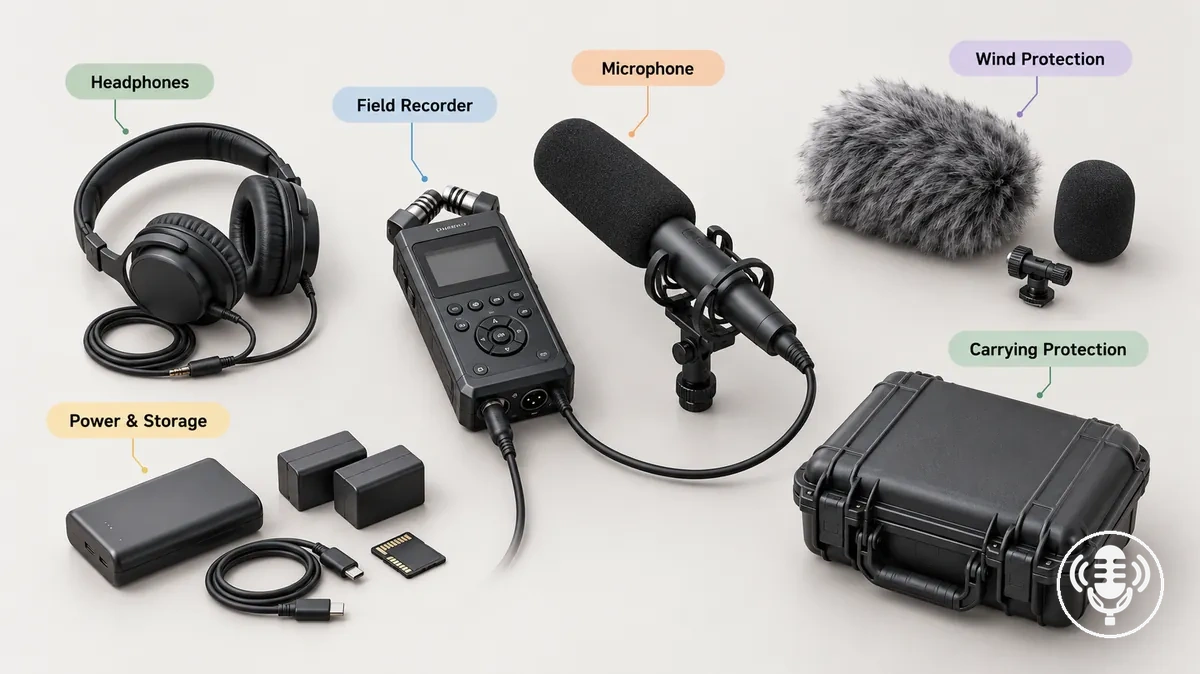
Capture and record
Microphones convert sound into an audio signal; the field recorder accepts or internally captures that signal and stores the recording.
Monitor
Headphones let the recordist hear the captured signal and catch clipping, handling noise, wind or connection problems during the session.
Keep operating
Power and storage must cover the planned session or have a practical replenishment path; longer or remote sessions increase both requirements.
Protect and position
Wind protection, mounting and carrying protection are added when exposure, microphone placement, handling or transport creates the need.
No universal kit is required. A compact task may need only an integrated recorder and appropriate monitoring, while exposed, long-duration or multi-microphone work can justify additional protection, power, storage and support.
Core Recording Equipment
The core capture chain is sound source → microphone → recorder → recorded file. With onboard microphones, the microphone-to-recorder path is internal; an external microphone instead needs a compatible cable or connector, recorder input and recording channel.
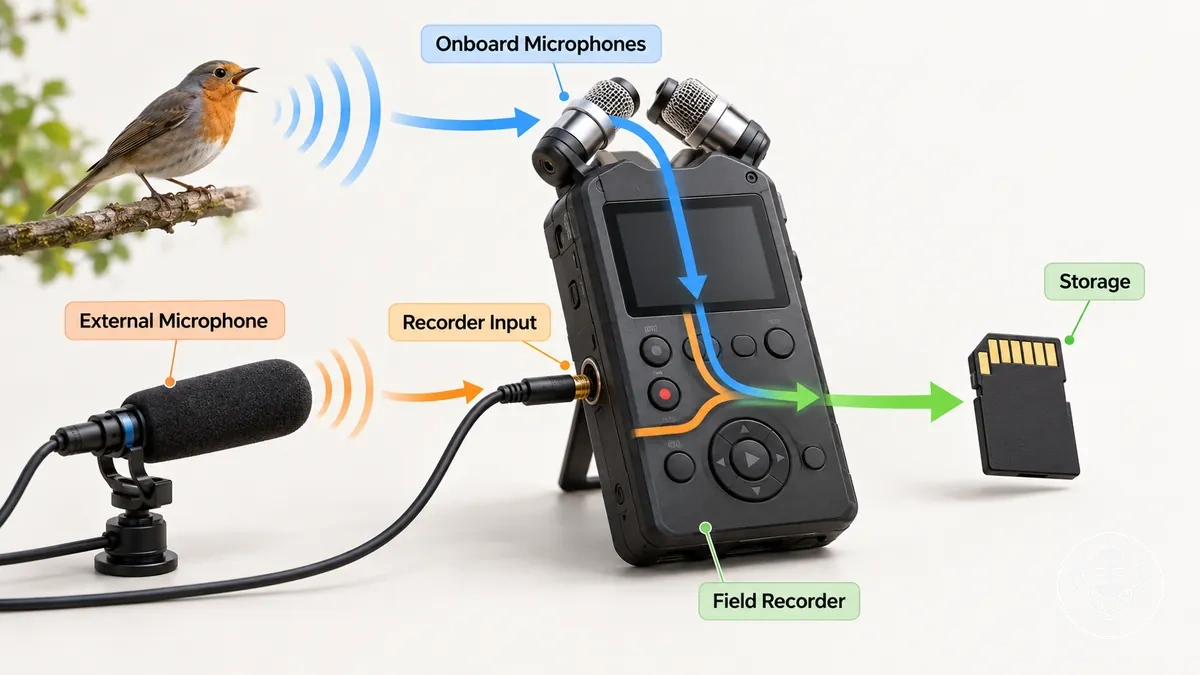
Onboard microphone path
Best fit when: the recorder can be placed where the microphone needs to be and one compact capture position is sufficient.
Trade-off: fewer connections and less setup, but microphone placement is tied to the recorder.
External microphone path
Best fit when: microphone placement, directionality or form factor needs to differ from the recorder’s position.
Trade-off: more placement flexibility, with an added compatibility and connection requirement.
Multiple simultaneous paths
Required value: each microphone signal recorded at the same time needs a corresponding compatible input and recording channel.
Trade-off: more independent capture paths also create more connections to route, monitor and troubleshoot.
For quiet sources, microphone and recorder self-noise matters more because equipment noise can become more audible relative to the wanted signal. Evaluate noise performance for the intended source rather than assuming a single specification is equally important for every recording.
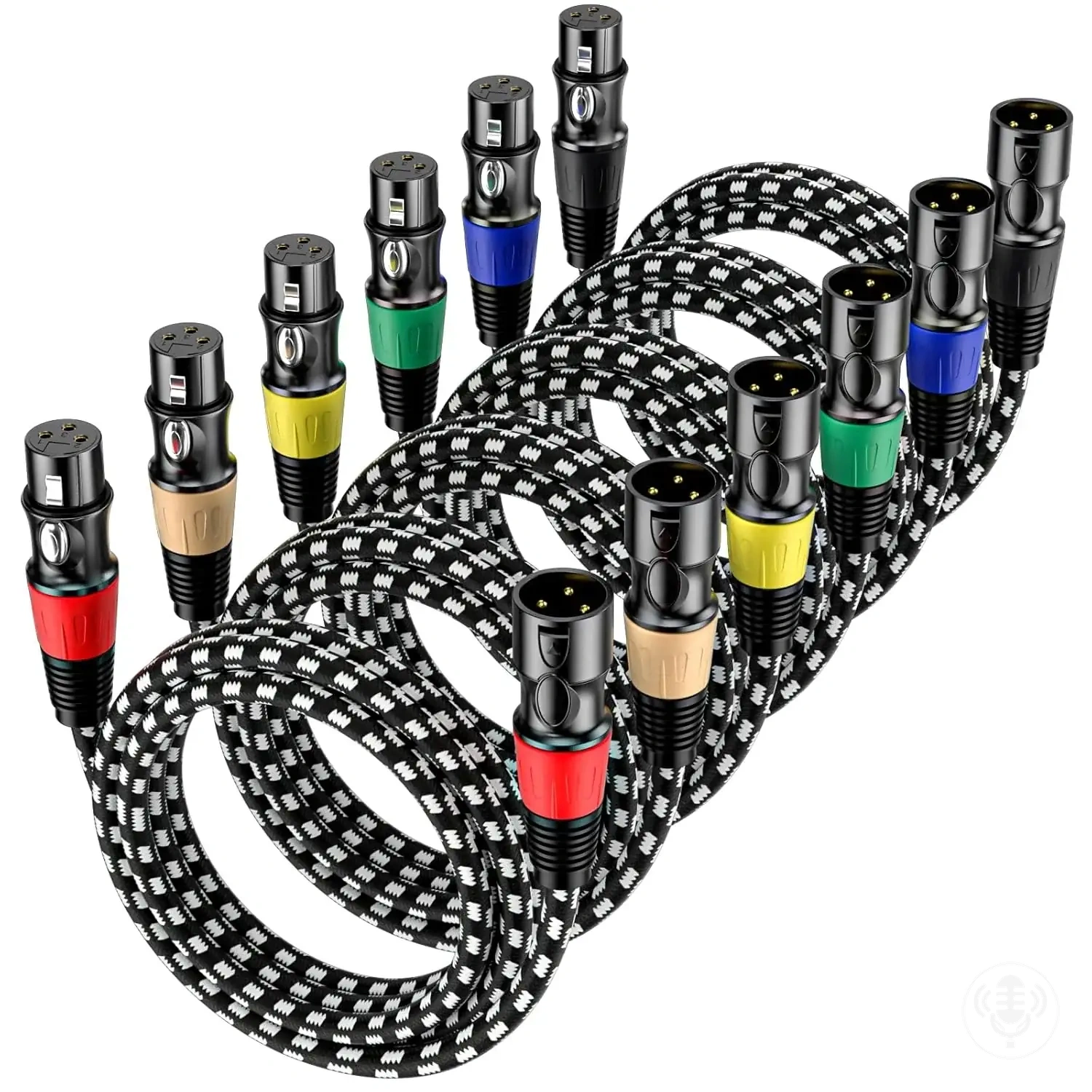
With an external microphone, match the connector, input type and microphone-power requirement to the recorder. Many professional XLR condenser microphones use phantom power—commonly 48 V—but other microphones use different power schemes, so the microphone and recorder specifications must agree.
Supporting Gear for Monitoring, Power, Protection and Transport
Supporting gear covers the operating conditions that the capture chain alone does not solve: monitoring, wind exposure, runtime, storage, placement, handling and transport.
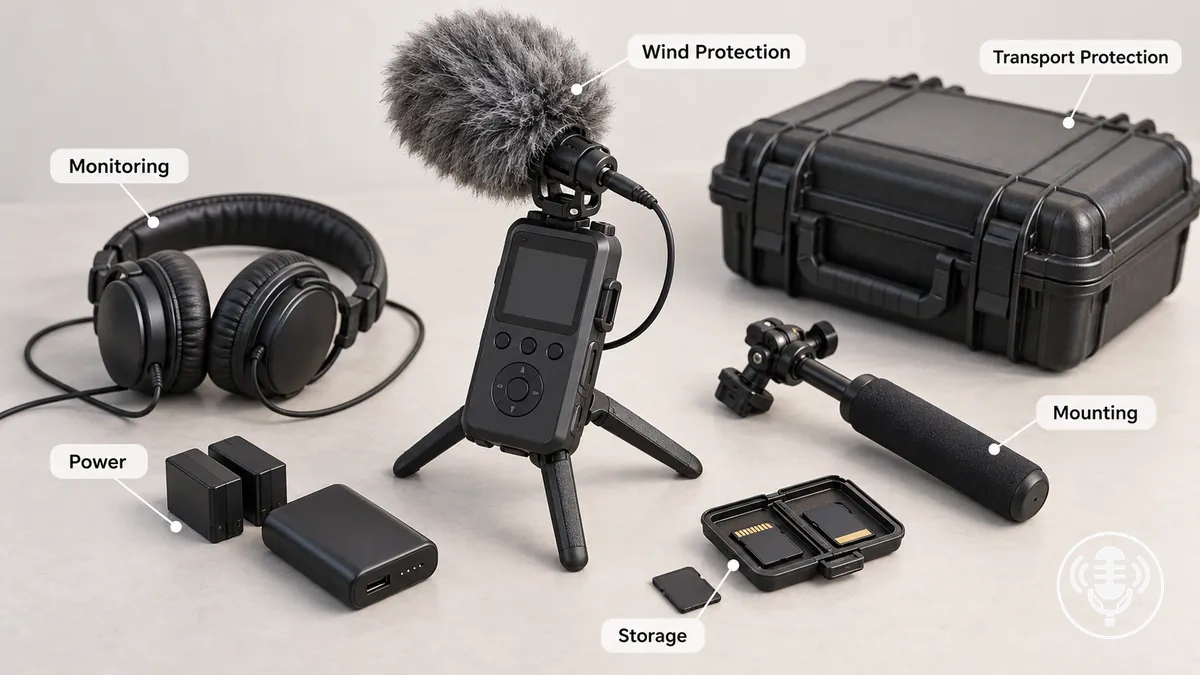
- Monitoring: headphones provide direct listening to the captured signal; closed-back designs are commonly useful in the field because they reduce outside sound reaching the listener compared with open-back designs.
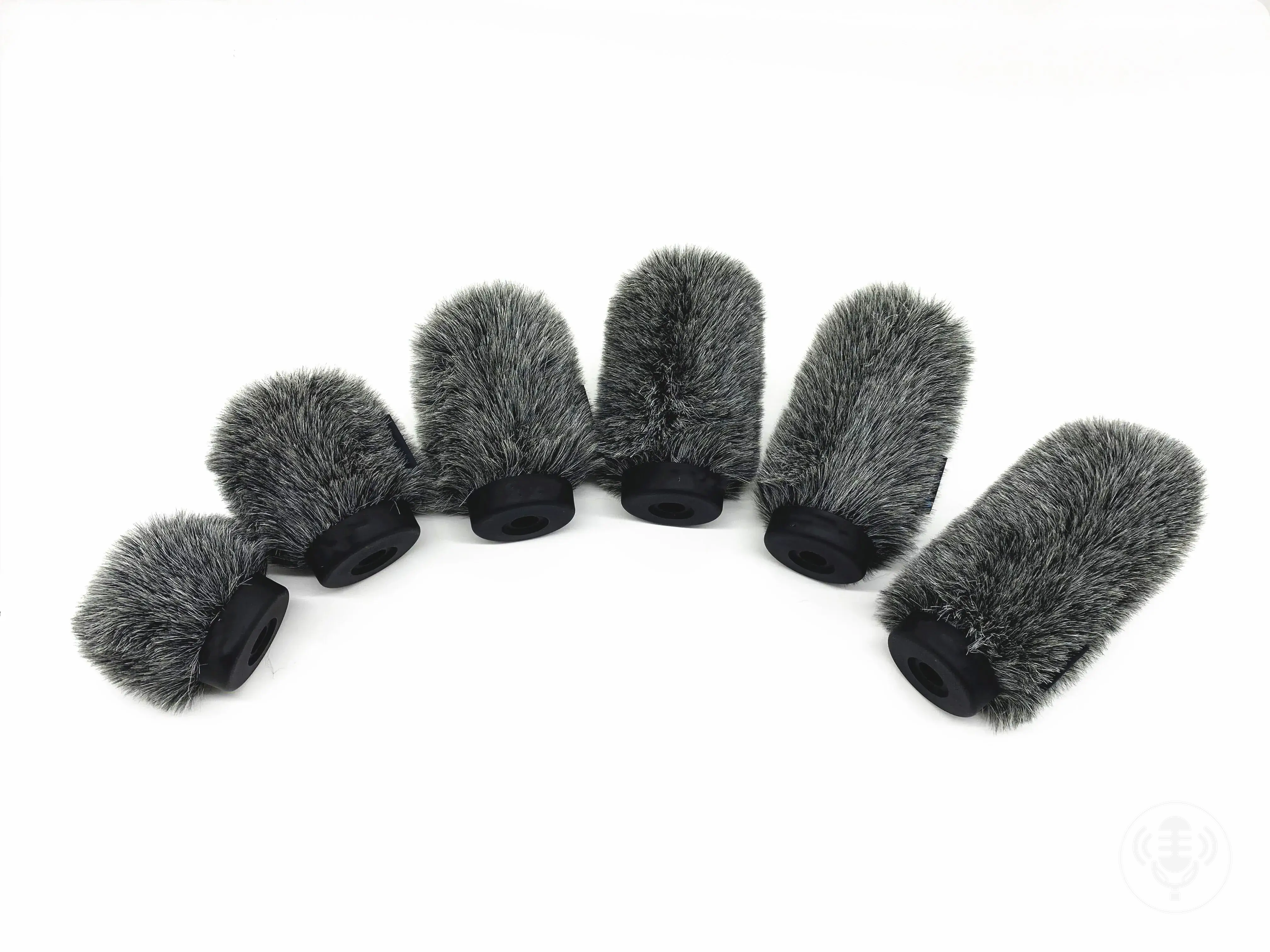
- Wind protection: a windscreen reduces air movement at the microphone. Simple foam protection suits light air movement, while furry or blimp-style systems provide stronger wind attenuation when outdoor exposure is more demanding.
- Power and storage: available battery/runtime and free compatible storage must cover the planned session, or the setup needs a practical way to replenish power or media.
- Mounting and handling: stands, mounts and shock-isolation hardware can separate microphone placement from the recorder and reduce avoidable handling or vibration transfer when the task requires it.
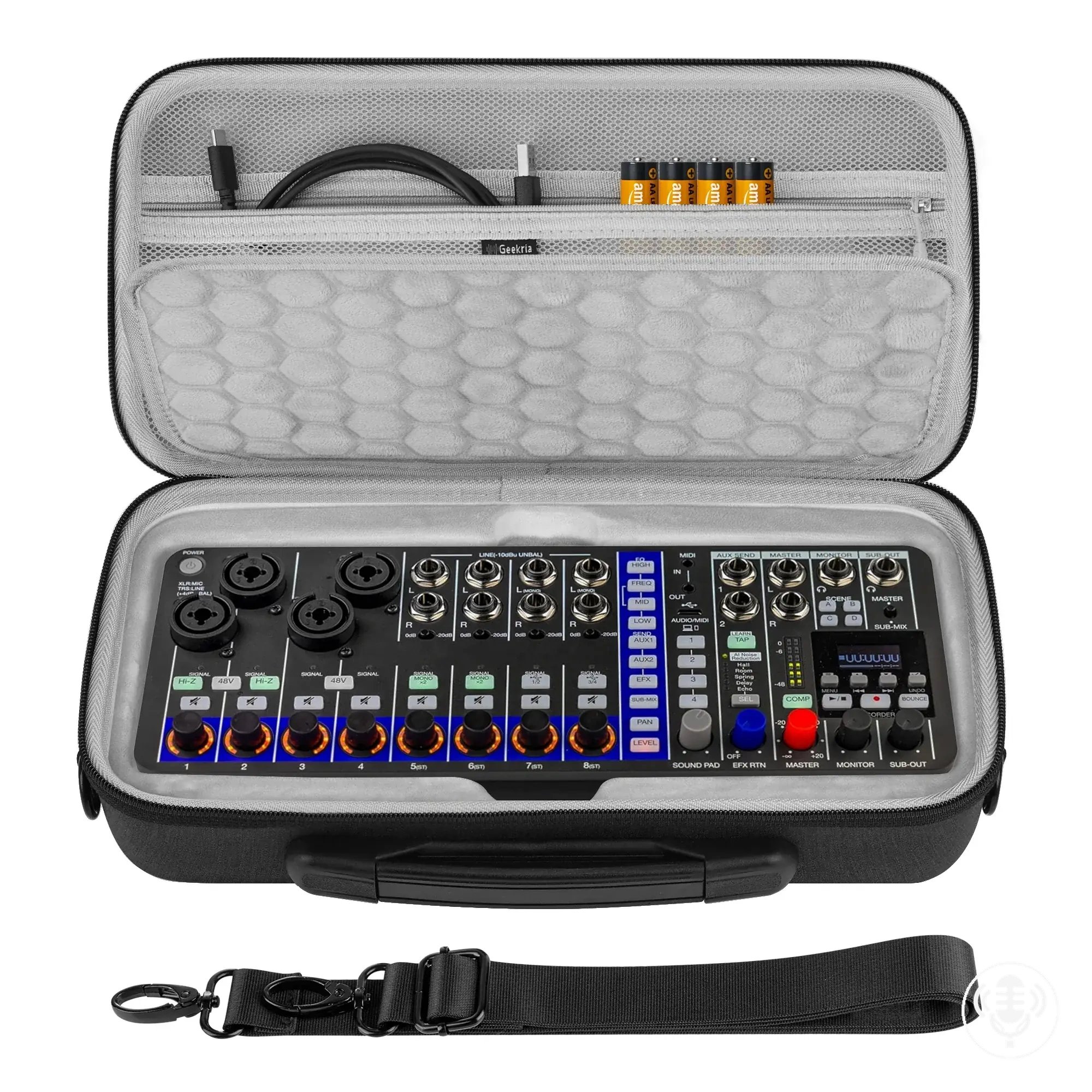
- Transport protection: a suitable bag or protective case supports mobility and protects equipment from routine handling; weather exposure still requires protection appropriate to the actual environmental conditions.
Add support gear in response to a concrete condition. Wind, duration, placement, handling and transport are requirements that determine the accessory mix, not reasons to carry every accessory on every recording.
How Field Recording Components Combine Into Different Setups
Field recording setups differ mainly in microphone placement, simultaneous signal count, connection complexity and portability. The three common profiles below describe increasing separation and modularity rather than quality tiers.
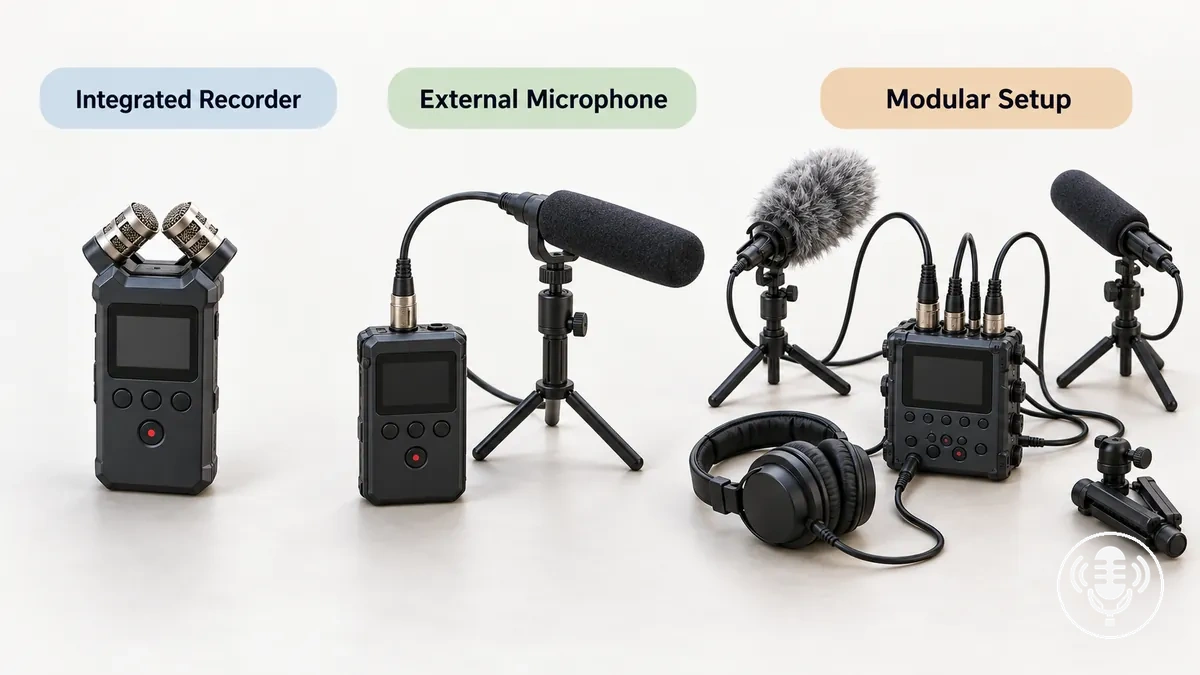
| Setup pattern | Core components | Connection complexity | Portability | Best fit when / trade-off |
|---|---|---|---|---|
| Integrated handheld/onboard-mic | Recorder with onboard microphones | Integrated microphone path with few separate connections | Generally the most portable of the three profiles because fewer separate components are carried | Fit: one compact capture position is sufficient. Trade-off: microphone placement remains tied to the recorder. |
| Recorder plus external microphone | Recorder, external microphone and compatible connection | One or more separate microphone paths through recorder inputs | More components to position and carry than an integrated recorder | Fit: separate microphone placement or a different microphone type is required. Trade-off: added connection and compatibility checks. |
| Modular multi-component | Recorder, multiple microphones or channels, and support gear as required | Multiple signal paths need corresponding compatible inputs and recording channels | Generally the least portable of the three profiles because more components and support are carried | Fit: multiple independent signals must be recorded simultaneously. Trade-off: more routing, monitoring, power, protection and troubleshooting burden. |
Each simultaneous external microphone signal requires a compatible recorder input and recording channel. As the number of paths grows, so does the number of microphones, cables, inputs and channels that must be monitored and checked.
Selection Factors for a Suitable Field Recording Setup
The suitable setup is the one whose recorder, microphone and support attributes satisfy the recording requirements with the least unnecessary complexity. Use the source, environment and operating constraints to set the decision criteria before comparing equipment.
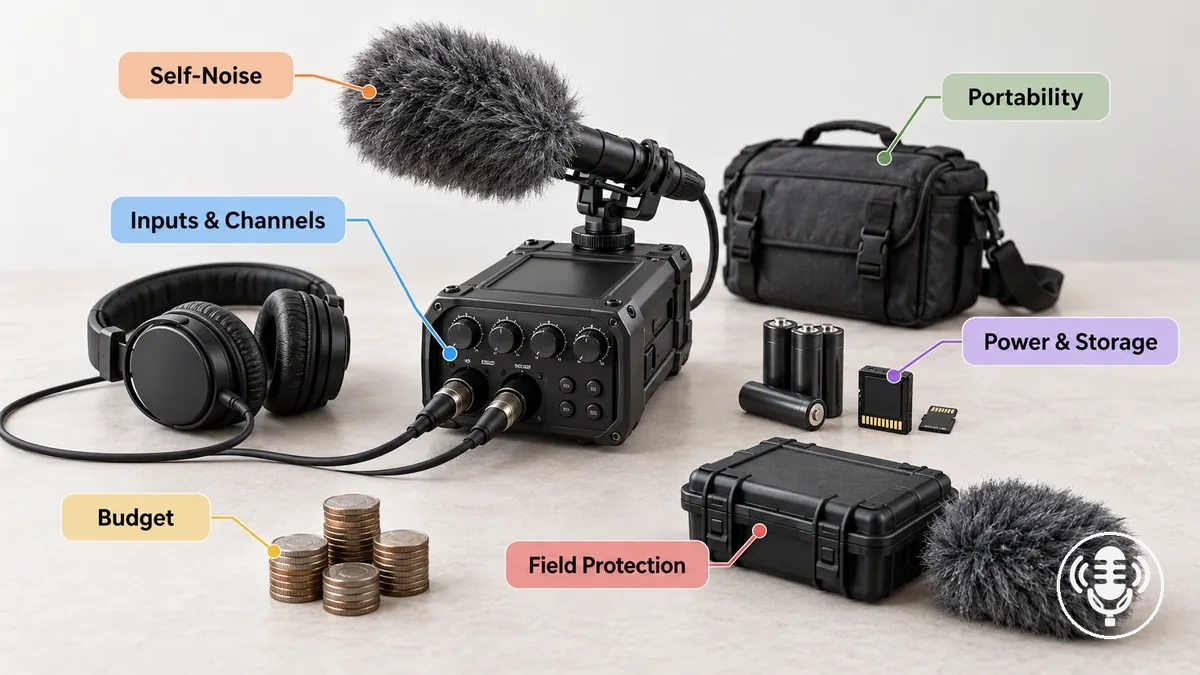
Check each requirement against the equipment attribute that can actually satisfy it:
- Recording purpose: identify the source, desired perspective and capture arrangement; choose equipment whose functions suit that task.
- Microphone and placement: use onboard microphones when recorder placement can also be microphone placement; choose an external microphone when the microphone must be positioned or oriented independently.
- Inputs and channels: count signals that must be recorded simultaneously; the recorder needs at least that many compatible input/recording paths for the required external signals.
- Connection and microphone power: match connector, input type/level and required power. An XLR microphone that needs phantom power requires a recorder or interface that can supply it.
- Self-noise: quiet sources increase the importance of low microphone and recorder noise because equipment noise is less masked by the source.
- Portability: frequent carrying or repositioning favours fewer, lighter or more integrated components; stationary work can tolerate more support gear when it serves the capture requirement.
- Power and storage: planned runtime and recording settings determine capacity needs; long or remote sessions require enough reserve or a realistic replenishment method.
- Protection and durability: wind, weather, handling and transport exposure determine the protection required; do not assume a device is weatherproof unless its specifications state that protection.
- Budget: prioritise requirements that change the recording outcome or reliability before paying for unused channels, connections or accessories.
The highest-impact relationships are direct: more simultaneous sources → more input/channel capacity, quieter sources → greater sensitivity to self-noise, and longer or harsher sessions → greater operating and protection requirements. Budget and portability constrain how those needs are assembled.
Recording Goals and Field Conditions
Field conditions change the priority of equipment attributes. Translate each condition into the recording requirement it creates rather than assigning one fixed kit to a use-case label.
Prioritise microphone placement and suitable directionality so the target can be captured relative to surrounding sound.
Prioritise microphone position and directionality that improve the target-to-surrounding-sound relationship; monitoring becomes important for checking the result.
Prioritise low microphone and recorder self-noise because equipment noise can be more audible relative to the wanted signal.
Add wind protection appropriate to the exposure; stronger wind generally needs more effective protection than a basic foam cover.
Increase power and storage reserve, or provide a practical replenishment method that works at the location.
Reduce component count and carrying burden unless extra microphones, channels or support equipment are required for the recording goal.
A distant target in wind, for example, increases the importance of placement, directionality and wind protection, while a long mobile session shifts weight toward power, storage and portability. The setup should follow the condition-to-requirement relationship, not a generic label.
Portability, Capability and Budget Trade-Offs
Portability, capability and budget move together because adding independent microphones, channels and support gear increases both recording options and the equipment that must be carried, powered, protected and monitored.
| Setup characteristic | More portable tendency | Higher-capability tendency | Decision implication |
|---|---|---|---|
| Size and weight | Fewer or more integrated components reduce carrying burden | Additional separate components increase carrying burden | Prefer integration when mobility matters and separate components do not add a required function |
| Inputs and channels | Fewer simultaneous signals allow a simpler recorder configuration | More simultaneous external microphone signals require corresponding compatible inputs and recording channels | Choose channel capacity for the signals you actually need to record at the same time |
| Monitoring and support | Fewer paths reduce the number of connections and sources to monitor | More microphones and channels create more paths to route, monitor and troubleshoot | Accept the extra burden only when the recording goal requires the additional capture paths |
| Power and protection | Fewer separate components usually reduce support requirements | Added components can introduce more power, mounting, carrying or environmental-protection needs | Include the operating burden in the capability decision, not just the recorder specification |
| Budget | A simpler configuration concentrates spending on the functions required now | Expanded inputs, microphones and support add equipment requirements | Treat budget as a constraint on required capability, not as a proxy for recording quality |
The practical target is required capability with acceptable carrying, operating and cost burden. A modular setup is valuable when its extra paths are necessary; otherwise, unused complexity can reduce portability without improving the intended recording.
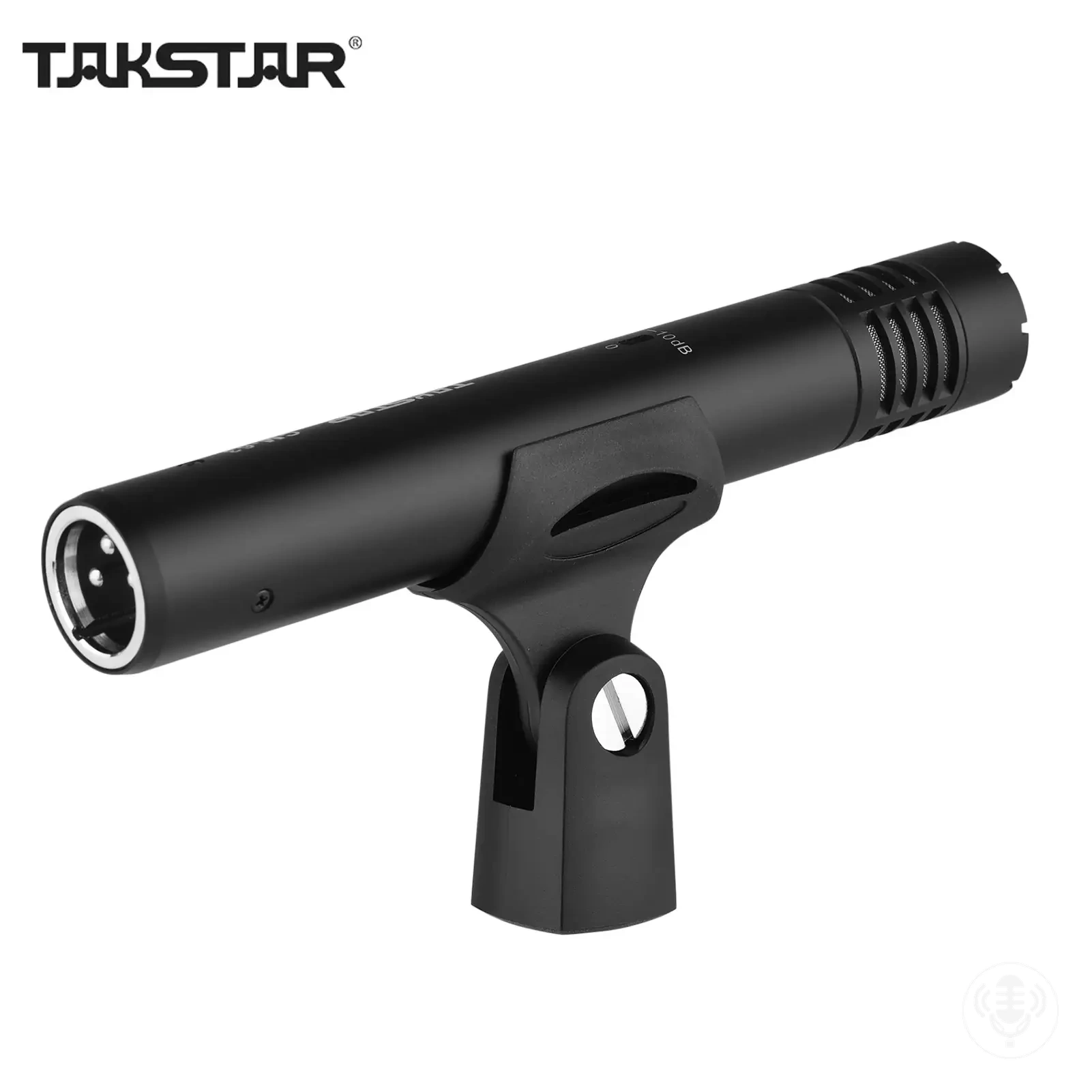
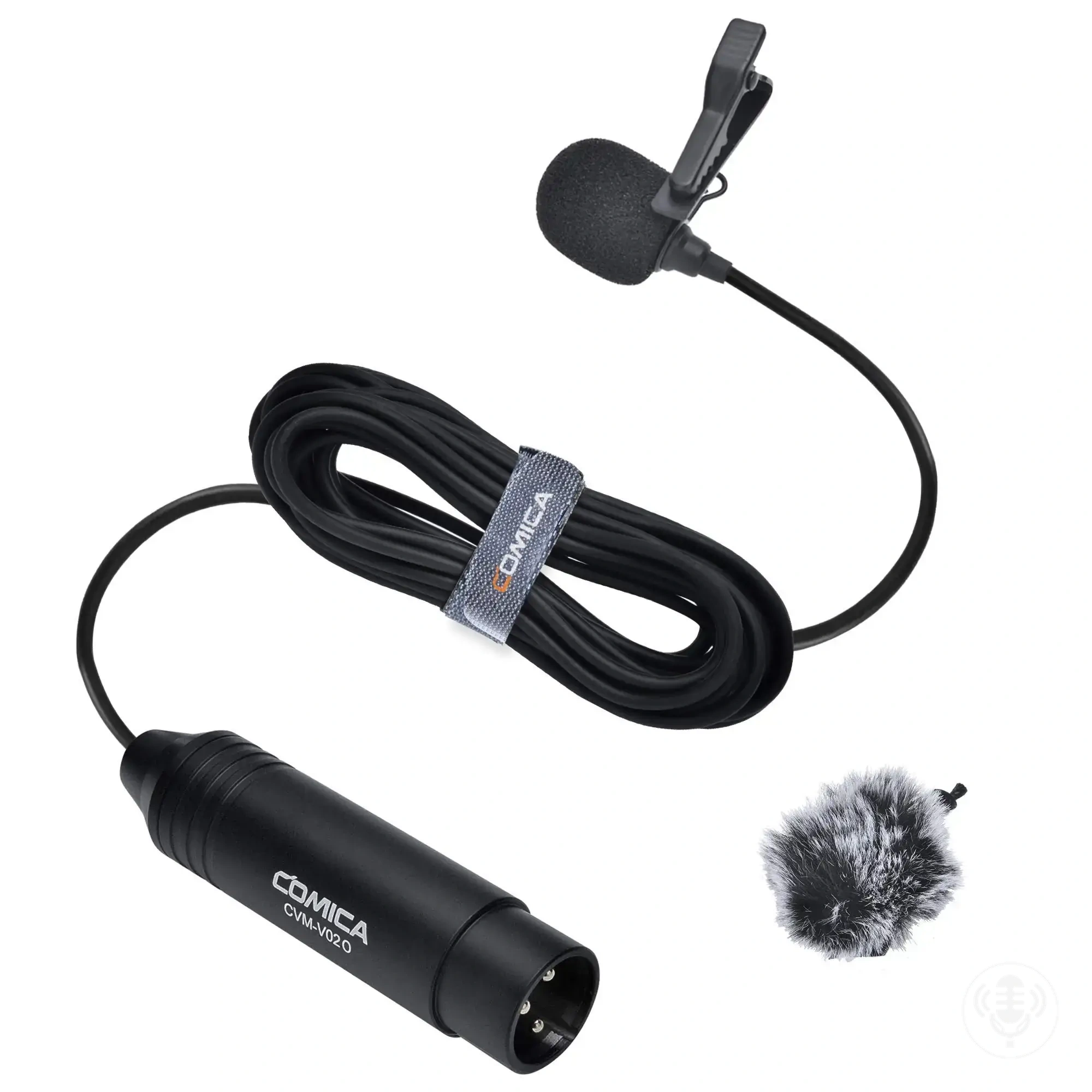
These product examples cover different roles in a field kit—microphones, wind protection, carrying and cabling. They are not a ranked bundle; verify connector, microphone-power, physical-fit and recorder compatibility before following a listing.
Beginner Priorities for a First Setup
A beginner should start with the smallest complete configuration that can capture the intended source reliably. An integrated recorder is a practical starting profile when its onboard microphone can be placed appropriately; add an external microphone or extra support only when a specific requirement makes it necessary.
Before the first session, verify the functions that can stop the recording from working as intended:
- Recorder and signal path: the recorder can capture the required microphone path and store the recording.
- Microphone placement: onboard placement suits the task, or an external microphone provides the separate position or directionality required.
- Connection and power compatibility: any external microphone matches the recorder’s connector, input type and required microphone-power capability.
- Monitoring: headphones are available when direct monitoring is needed to catch wind, handling, clipping or connection problems.
- Wind protection: an exposed microphone has protection appropriate to the expected wind.
- Power: available power covers the planned session or can be replenished practically.
- Storage: compatible media has enough free capacity for the planned recording settings and session length.
- Carrying and protection: transport, handling and field exposure are covered without adding gear that serves no identified need.
If wind is the limiting condition, add wind protection; if duration is limiting, increase power or storage; if placement is limiting, add an external microphone path. Add equipment when the requirement appears, not because a larger kit is automatically better.
