
Before We Begin
I’ve tried very hard to have this be a spoiler-free review, even in terms of spoiling simpler gameplay details. There are a whole lot of things about Death Stranding that I don’t go into—but I do so because I want you to be able to go into the game as fresh as possible.
I’m afraid I have some bad news: Death Stranding is just a video game.
From the moment of its reveal at E3 2016, Hideo Kojima’s first post-Konami project has had an air of otherworldliness to it. Every new trailer was a mystery, every additional character an enigma, every scrap of story another hint of an experience that might just be beyond human comprehension. As more and more trailers for the game hit, I felt like I was watching the early seasons of Lost, when it still seemed like things were obviously leading up to one hell of a gigantic, reality-shifting revelation.
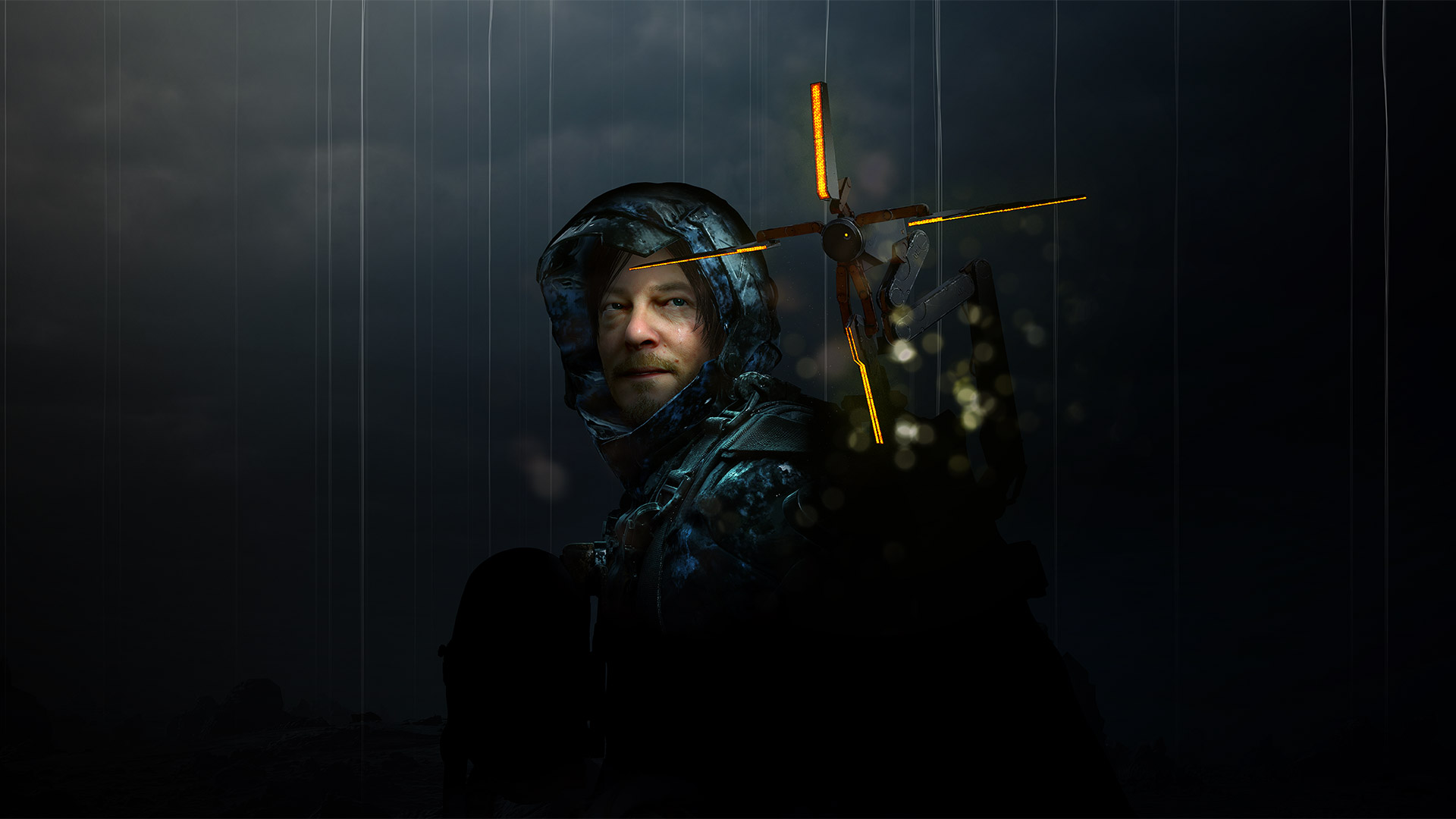
However, like Lost, Death Stranding’s truths are often sadly more mundane than the fictions our imaginations had dreamed up. One of the game’s most notable features, the shadowy figures that float in the air attached to ghostly umbilical cords known as BTs, are utterly unnerving when you first encounter them. Not much later—and especially once you begin to receive tools to deal with them—it’s hard to see them as much more than typical video game enemies. The babies encased in glass that we’re told are stuck between the worlds of the living and the dead? The beings floating in the sky? The constant tears, the handprints suddenly forming on the ground, the black goo, the beaches where countless creatures have stranded themselves, the bouts of bizarre time travel to past real-world conflicts? They too all make sense—well, as much sense as Kojima’s trademark tales of pseudoscience can make. At times, to a pretty straightforward degrees. Once Death Stranding’s unrelenting rainstorms wash away all of the cryptic build-up we’ve been subjected to over the last three years, this video game is, in so many ways, just a video game.
And yet, I can tell you with all sincerity that Death Stranding is also a video game unlike any other that I can remember.
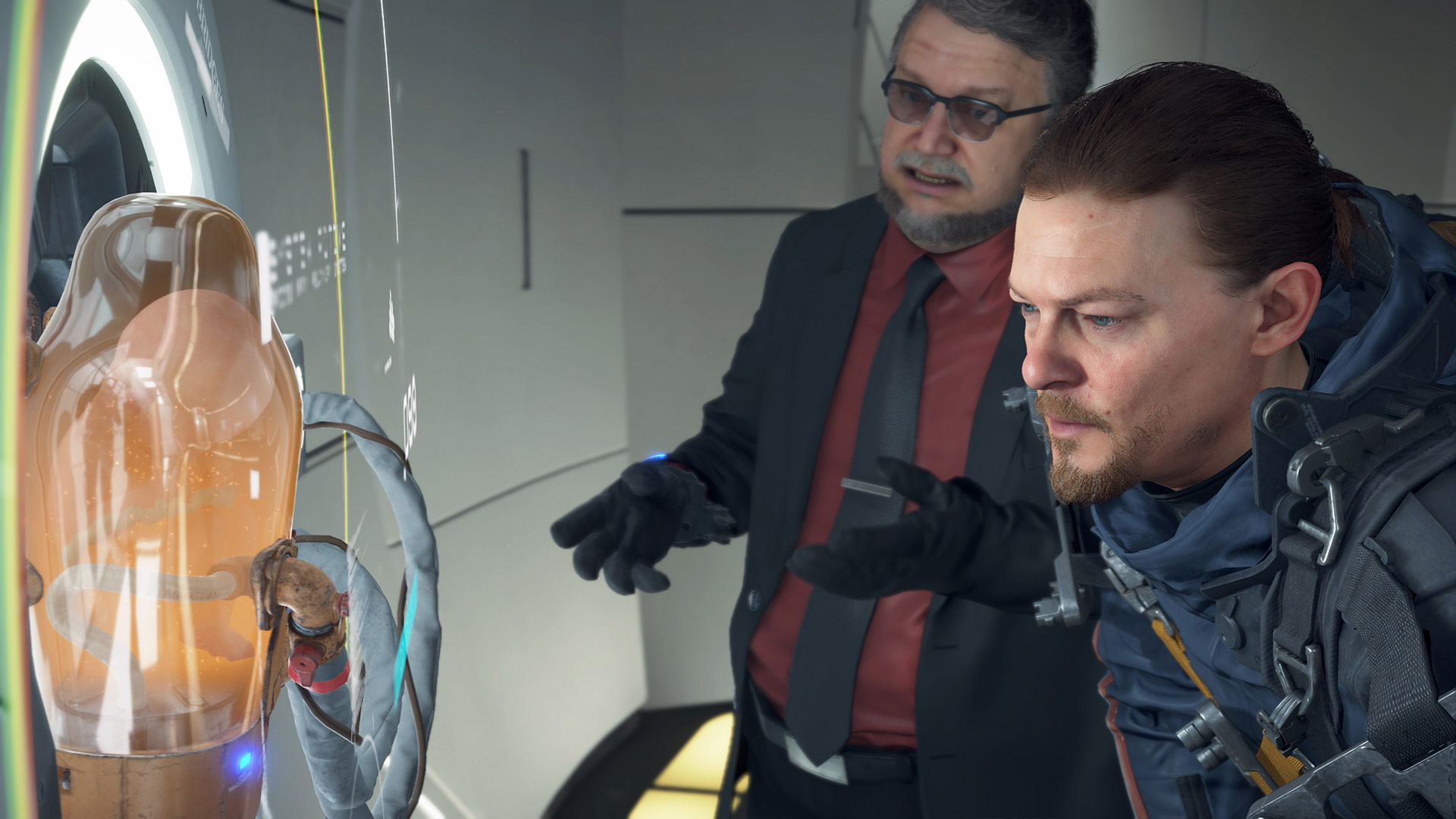
Image credit: Sony Interactive Entertainment
To be clear, I say that as someone who could go either way on Kojima’s gaming efforts. I’ve played less than half of the Metal Gear Solid series, and honestly, my favorite game of his remains the 1995 Sega CD release of Snatcher. While I appreciate his dedication to coming up with digital interactive insanity, the games Hideo Kojima has headed have ranged from groundbreaking (Metal Gear Solid) to almost masturbatory (Metal Gear Solid: Ground Zeroes). No matter what you think of him, it’s been hard to avoid the growing legend that’s built up around this man who broke free from the shackles of his old company so that he could deliver us his potential magnum opus. As we’ve heard author Peter Tieryas call Death Stranding “breathtaking” and “stunning,” and Norman Reedus peg Kojima as a “genius’ genius,” I think it’s been difficult for the game to escape the shadow of its creator—for both good and bad.
It was only Chapter 3 when Death Stranding started to lose me, and I wasn’t sure at first if it was going to be able to pull me back. In its earlier hours, the game had introduced me to its world, our protagonist Sam Porter Bridges (Reedus), the mission we’d be accompanying Sam on—reconnecting the remnants of a fallen America via a high-powered network—and given me a small taste of exploration. In Chapter 3, I was finally let loose in the proper open world where a good chunk of the rest of the game would take place, and it was kind of a slog. Most of what I was doing felt like busywork, and the promise of major narrative moments or the weirdness we’d seen in trailers was strangely absent. I was a glorified delivery boy running errands across harsh terrain for post-apocalyptic shut-ins, and it felt like a thankless job for both Sam and myself.
And then, I hit Chapter 4. While I’m not allowed to tell you anything tangible about the story from then on under the terms of the review embargo—and really, I wouldn’t want to spoil things anyhow—this is where the true Death Stranding begins. At that point, the deeper narrative elements began to emerge, and Sam started to have more interactions with other actual people (and not just the holographic projections of less-important NPCs). That was also when gameplay started to diversify, so it felt like I was doing more than making deliveries to the same small handful of people over and over.
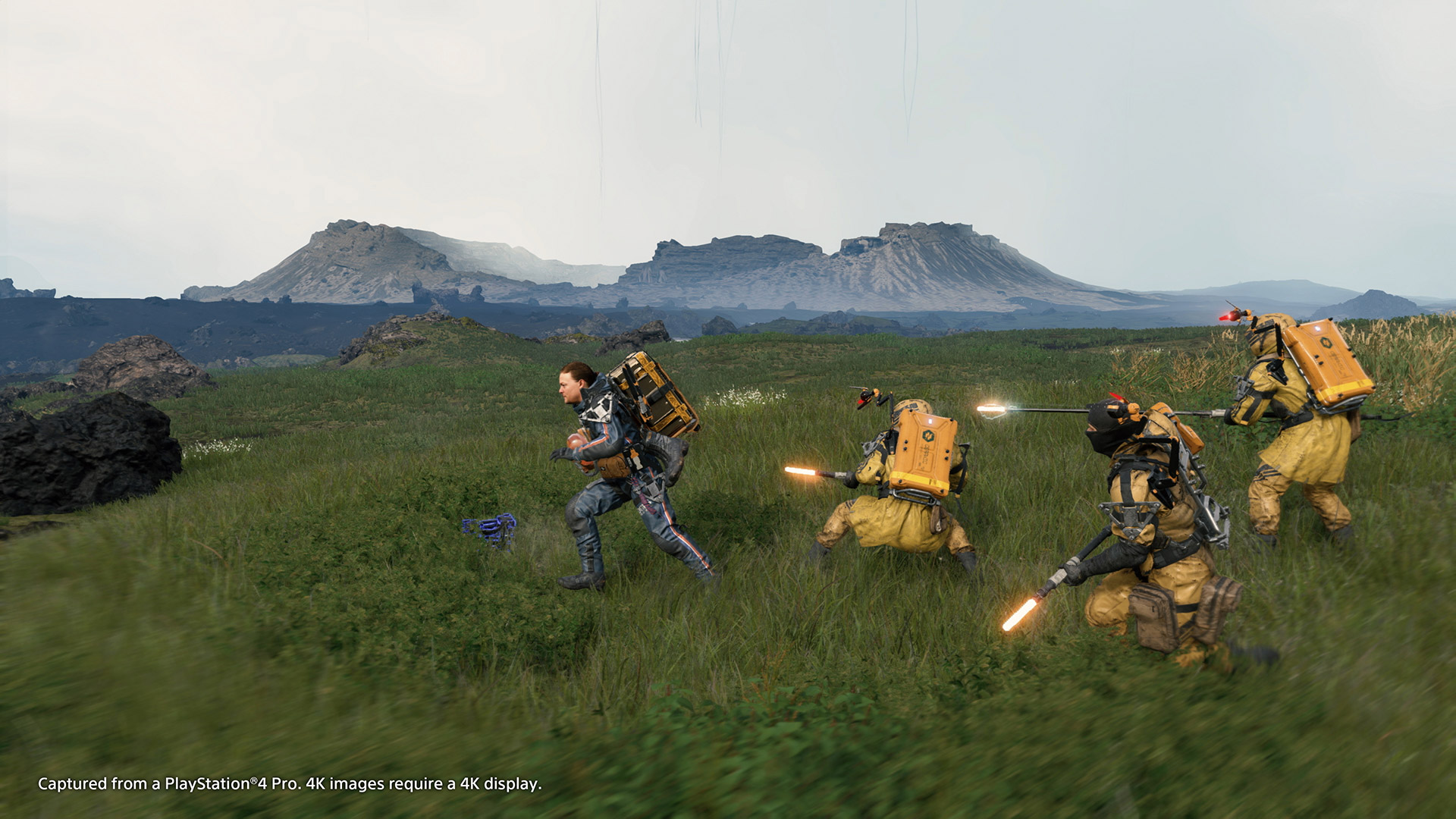
Image credit: Sony Interactive Entertainment
The problem is, in trying to explain why Death Stranding’s gameplay ends up feeling so unique, it might sound like anything but. Fetch quests, exploration, loot hunting, stealth, resource management, escort missions—lots of things we’ve seen and done countless times before. Death Stranding isn’t just a box of random tools duct-taped into a bundle of uselessness, though. Everything that’s gone into it melds together into one cohesive whole, at times to excessive detail.
For example, take the often-vilified “walking simulator” genre. Death Stranding laughs at the label, because it actually gets down to sim levels of complexity just to determine how you will walk around. Every inch of ground has a rating for how easy or hard it is to traverse. Sam can lose his balance if he’s carrying too much or going too fast, and momentum is important when going up or down steep slopes. You can use ladders or climbing anchors to get yourself pretty much everywhere. Footwear will break down after too much walking. Even smaller rivers can be treacherous depending on how fast or deep they run. Carrying items, too, requires legitimate thought. Containers come in different sizes and weights, so how you have Sam load them onto his back, or attach them to other body parts, can make movement easier or harder. Making sure your load is secure is such a big deal, in fact, that the DualShock 4’s left and right triggers are primarily used either to carry additional cargo or grab on to the straps of Sam’s backpack for extra reinforcement.
There was a groove that I got into when it came to making deliveries that became incredibly enjoyable after a while. In one moment, it might be my determination to not leave any lost packages behind. In another, it was pushing myself to see how many, or how big, of deliveries I could make at once. What made those end goals satisfying a lot of the time was actually the journey to get to them. Death Stranding’s world is beautiful. On a technical level, absolutely, as Guerrilla Games’ Decima engine helped produce some gorgeous results even on my original model PlayStation 4. More impressive, however, is the design of the world. The team at Kojima Productions has obviously put a lot of work into building their vision of after-the-fall America, with every location feeling visually rich, complex in design, and completely hand-crafted. Traversing the game’s landscape is never easy and often dangerous, but it’s always engrossing.
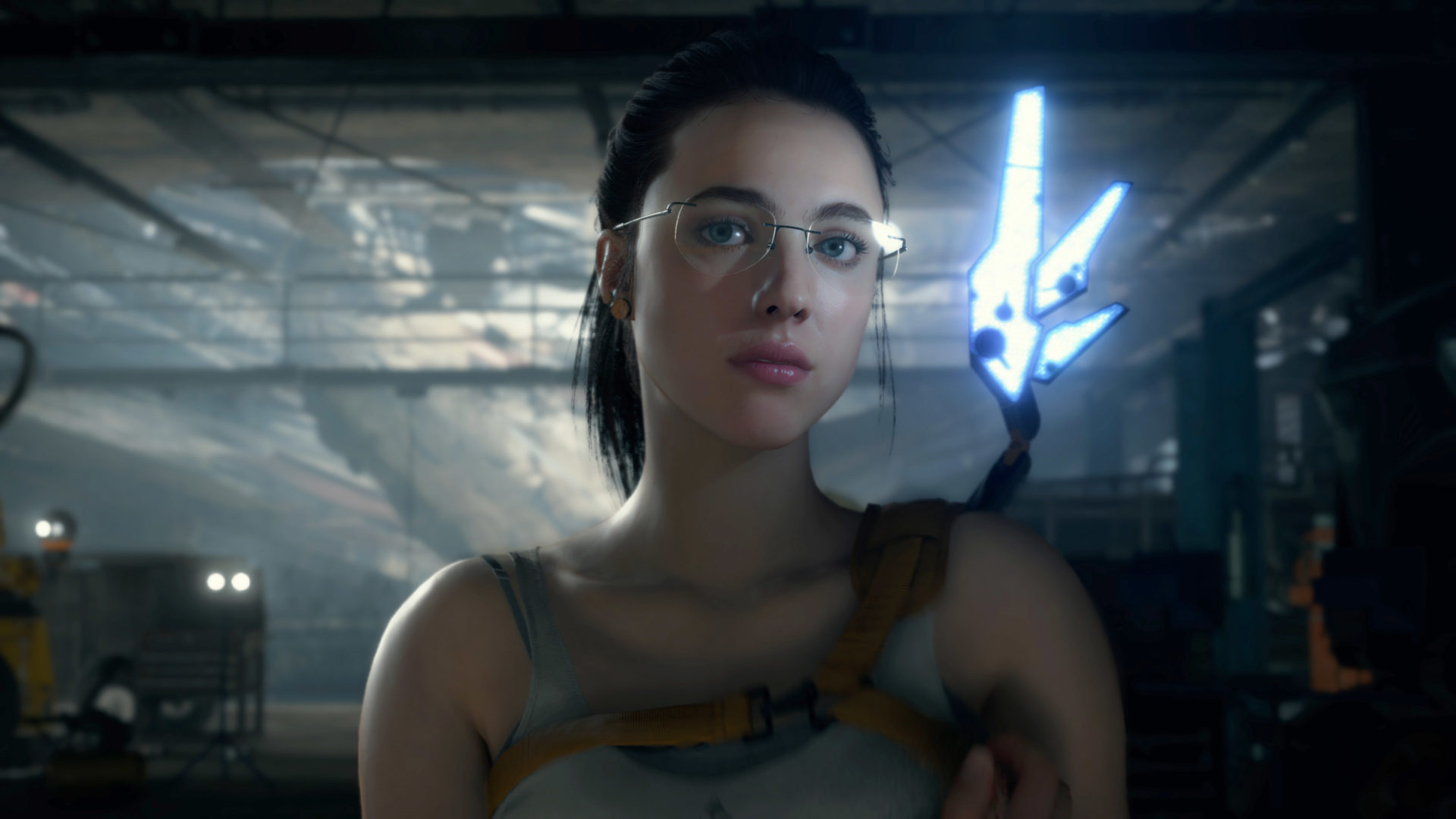
Image credit: Sony Interactive Entertainment
It’s just, in proclaiming that Death Stranding becomes something that feels special, I’m actually uncertain how shared that experience will be. Casual players, longtime Kojima fans, Metal Gear Solid devotees, even my own colleagues out there in gaming media—I don’t know how any of them are going to judge that gameplay. Death Stranding could receive a review calling it a revolution in gaming, another could call it the most boring and pointless trash ever, and yet another could call it a middle-of-the-road effort that ends up being completely average, and all of those opinions might be right.
My final moments with Death Stranding left me feeling like I’d just played a pretty brilliant game, but maybe some of that brilliance comes because it speaks to things I love in gaming. (By the way, those final moments came after around 63 hours, which included me doing a good chunk of, but not all of, the side content.) Like, for example, the exploration. I’m the type who would spend hours finding ways to get my character in World of Warcraft over mountains that I was never expected to cross, just so I could see those typically unseen places without needing there to be something waiting to reward me for my effort (which there often isn’t in this game’s more remote areas). The parts of Death Stranding where you’re able to plan out and build devices to help speed up traversal? They spoke directly to the part of me that obsesses over games like SimCity. Or how about the game’s online elements, which allow you to help other players by sharing resources, equipment, and structures? Player support roles are a passion of mine!
If there’s one part of Death Stranding that I feel has the best chance to work with the widest audience, it’s the game’s story. Yes, it’s deliciously ridiculous, built upon heaps of scientific and historic nonsense, and I wouldn’t have it any other way. What makes it so wonderful, though, are the characters that push the story along. Death Stranding’s cast is fantastic. There isn’t a single major character that I didn’t love, that doesn’t play an important part in the narrative, or who feels like a one-dimensional trope. And if I held any remaining reservations about Kojima’s obsession with Hollywood stars, the stellar acting on display here erased them. Seriously, this is such a great cast—and that definitely includes the women. Even though I haven’t played Metal Gear Solid V and don’t know the character well, I’m far too familiar with the arguments against how Kojima handled Quiet. I can’t tell you how Death Stranding’s women directly compare to her—but I can tell you that Fragile (Léa Seydoux) and Mama (Margaret Qualley) were far and away my favorite people in the game. They’re both incredibly badass, in very different ways.
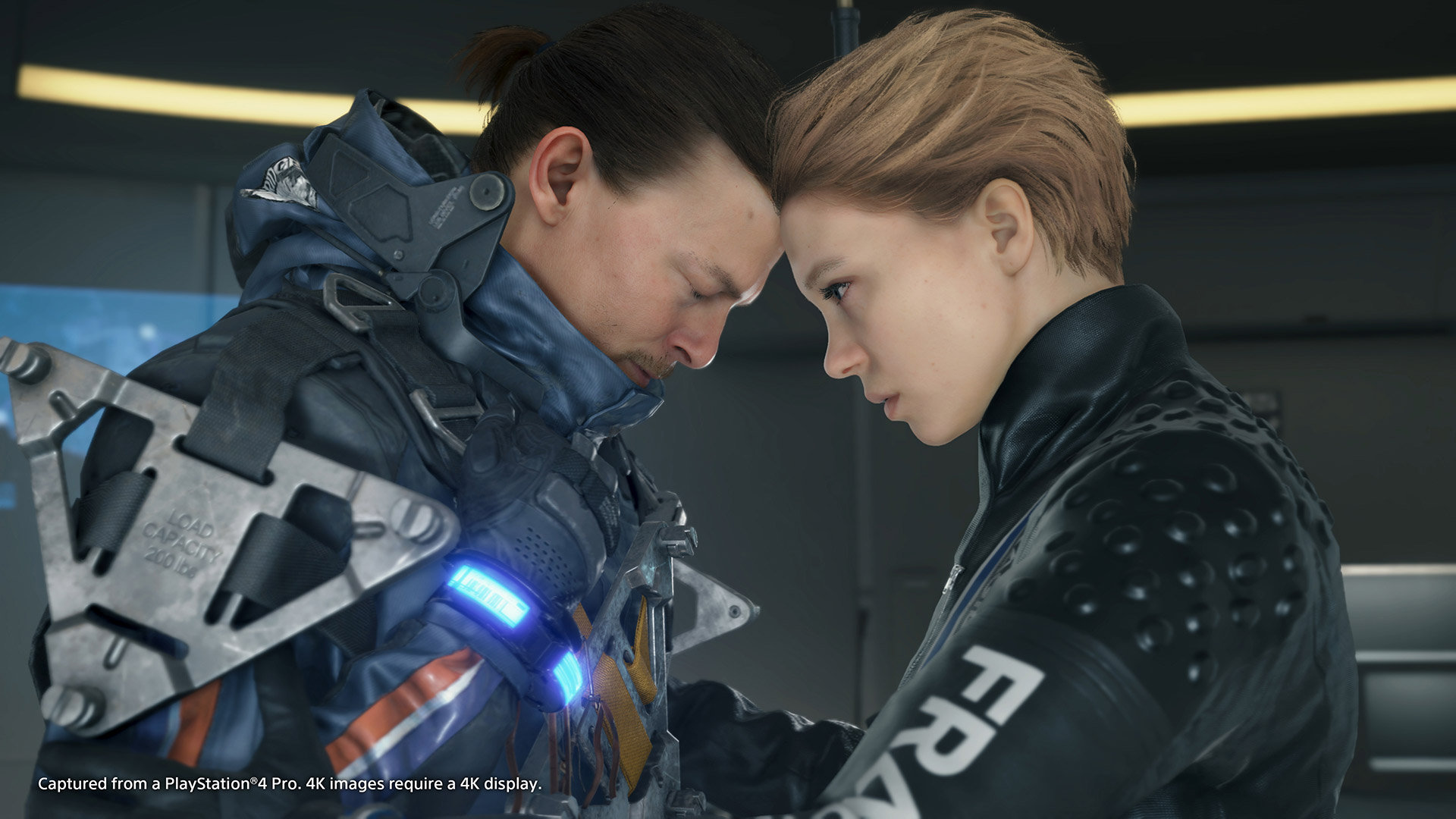
Image credit: Sony Interactive Entertainment
There are two concerns I had with Death Stranding, and I’ve saved them for last because I’m mixed on how much these are legitimate complaints, versus how much they’re me wishing the game had been something it’s not. First, for a story surrounding the act of delivering things to people, that cargo feels far too unimportant far too often. Yes, the core of the story is the bringing together of people separated from one another, so what’s important most of the time is that you’re just taking something to them, not what that something is. However, in the moments when Sam is making a delivery of true importance to someone, and you see the effects of his efforts to get it there safely, the results were some incredibly powerful scenes. Death Stranding wouldn’t work if there was less stuff to carry from place to place, but I do think it could have worked better had more of that stuff held real emotional value.
The other—and I’m well aware that this would be absolutely game-breaking under the vision the development team had—is that I sometimes wished Death Stranding was a more linear experience. At various times, when the game knows where you’re heading and what general route you’ll be taking, one of a selection of songs (from what is a wonderful soundtrack) will kick in as Sam crosses the landscape. For me, those were far and away Death Stranding’s most powerful moments, giving that sense of truly being on an epic journey that so many other games just never seem to capture—and I wished they could go on for longer. I wanted, instead of a varied path across an open world, Sam’s trek to America’s West Coast to be one that was always going forward, constantly exploring new territory I’d not yet covered, never affording me the security of knowing I’d soon be back to an area I’d seen and—to at least some degree—tamed. Again, that would be a very different Death Stranding than what Kojima and crew wanted to give us, but I still long to know what might have been.
What I do know is that Death Stranding isn’t perfect. It isn’t without flaws, and rough edges, and missed opportunities, and ideas that didn’t always land as well as they could have. It isn’t a game that everyone will love, or maybe even like, or maybe even be able to tolerate. It also isn’t the next coming of a video game savior, sent down from the heavens by its creator to change digital entertainment forever.
What Death Stranding is, though, is a work that can truly claim to be something different in a time of overwhelming sameness. It’s a game that isn’t afraid to be unconventional at times and mundane at others, and which benefits from a willingness to be both. Death Stranding makes me glad that Hideo Kojima makes video games—because our hobby would be boring as hell without him.
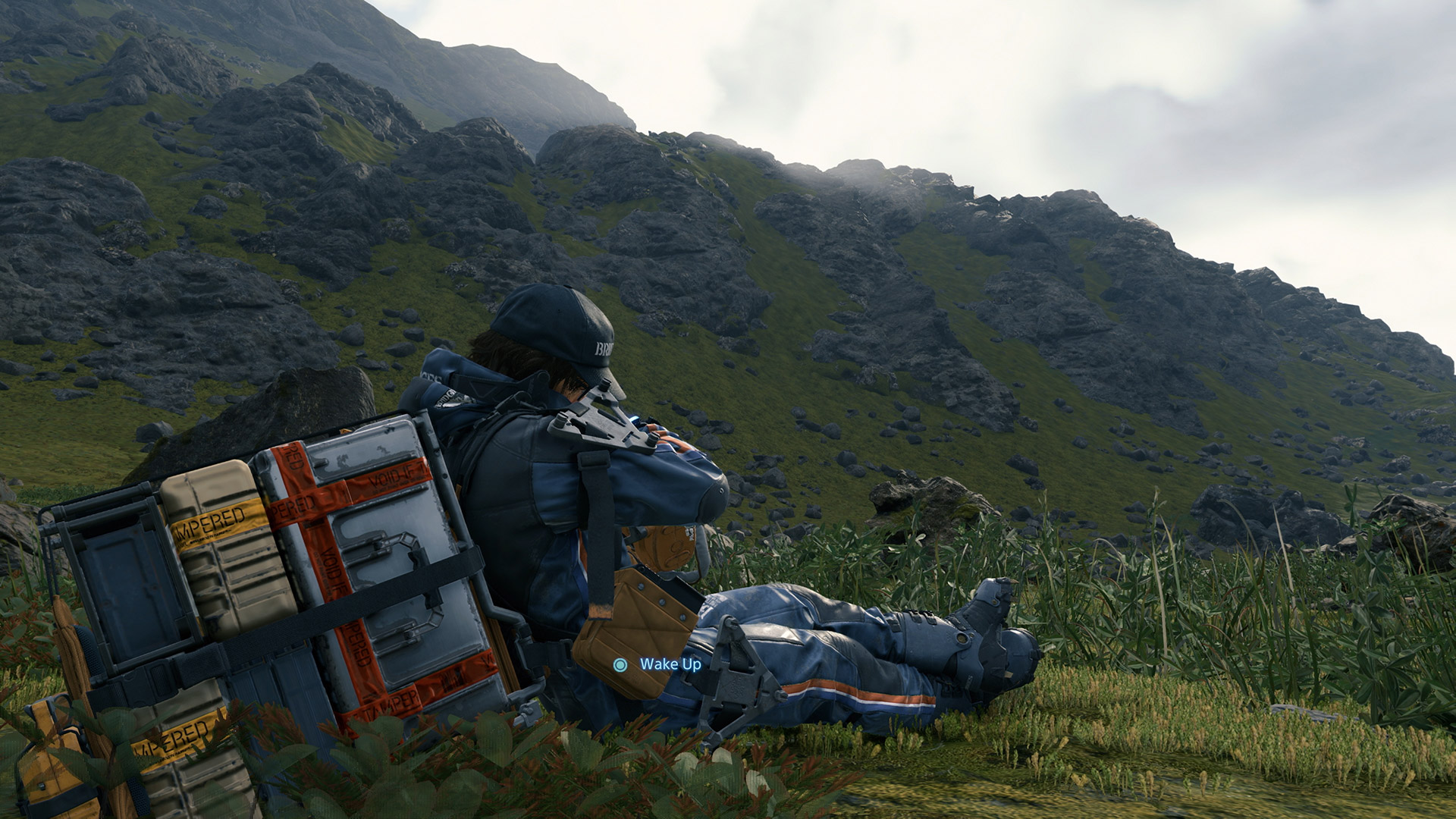
Image credit: Sony Interactive Entertainment
