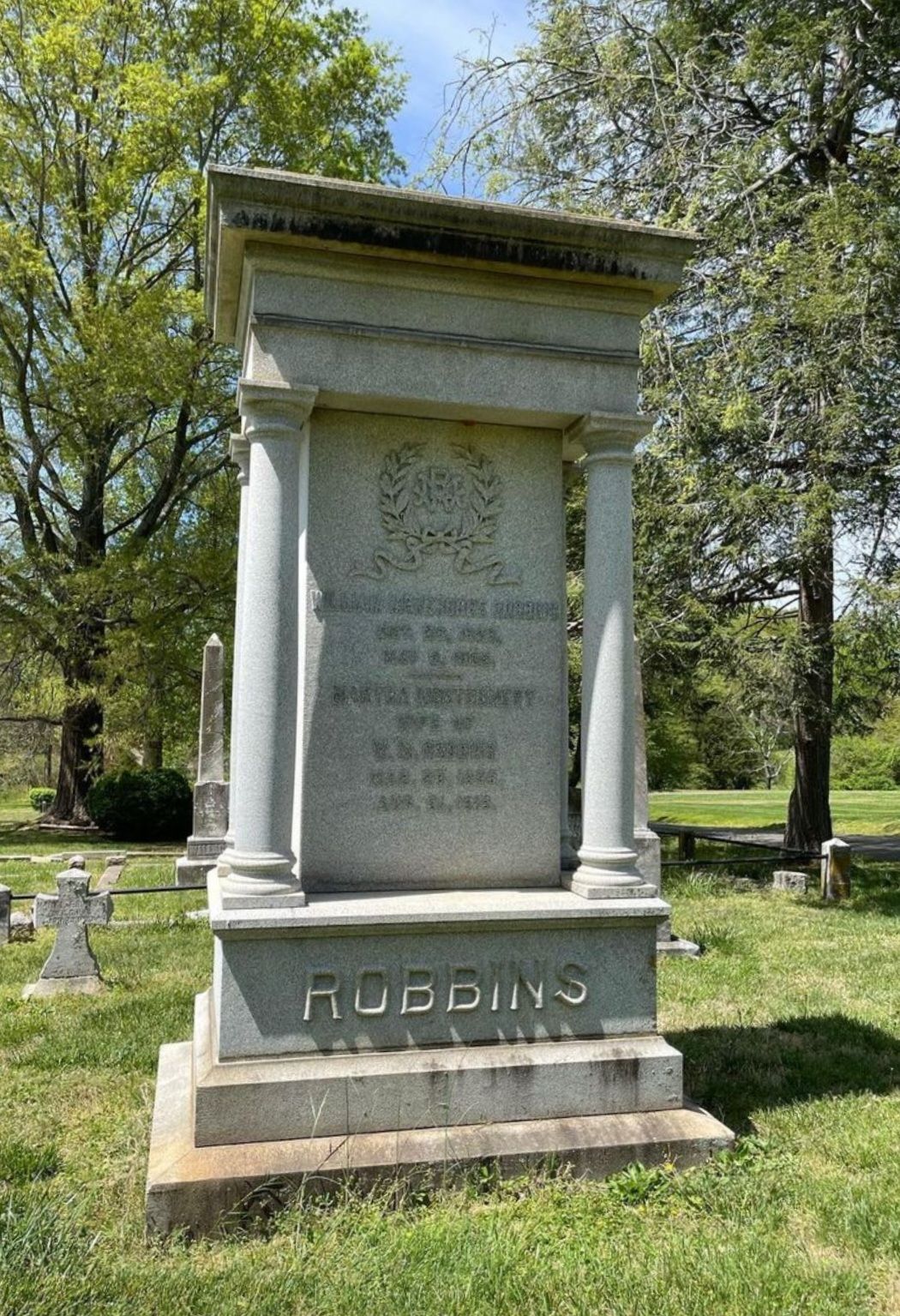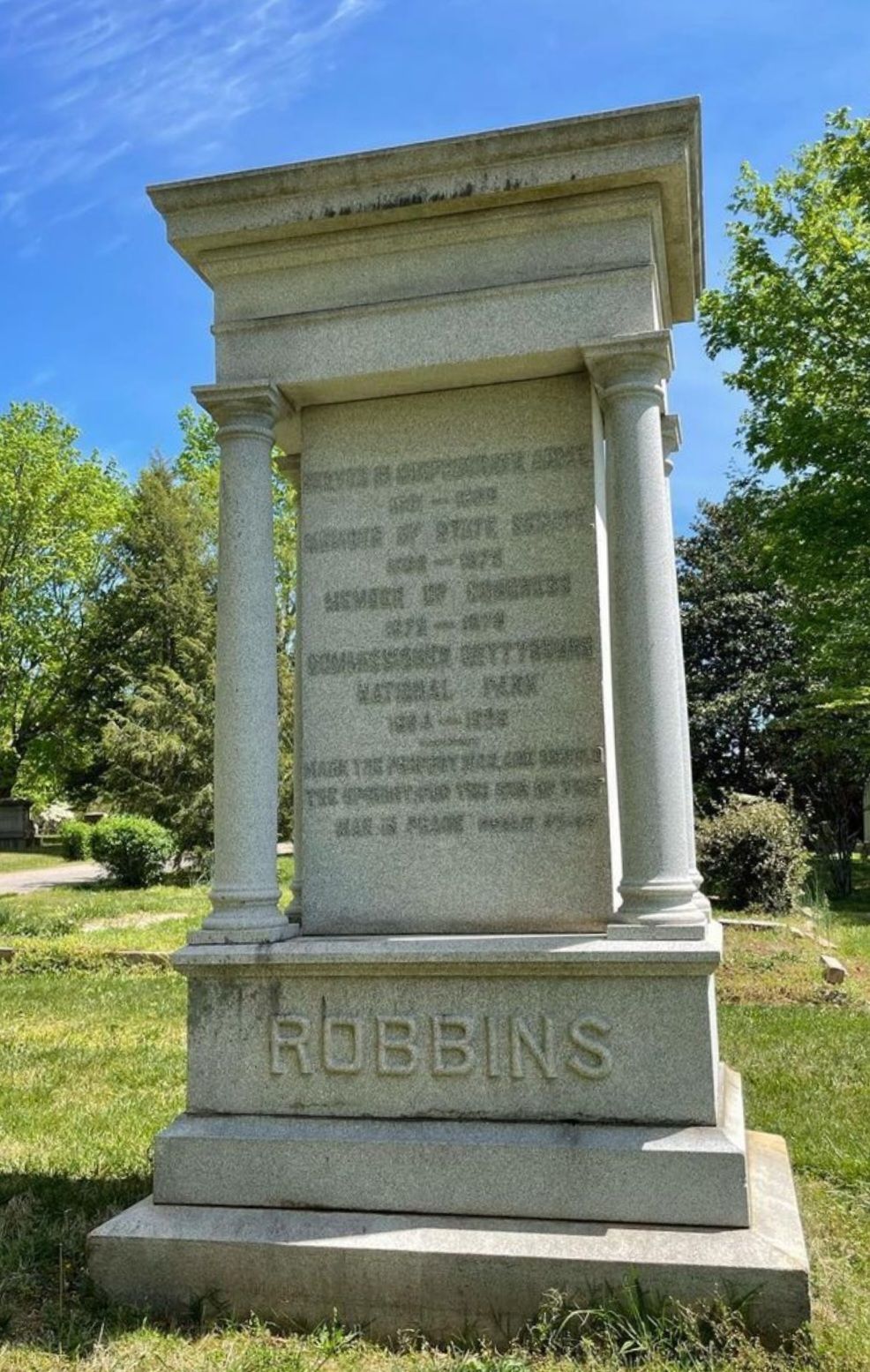
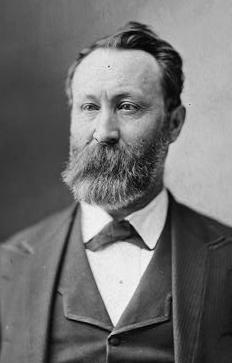
U.S. Congressman. After graduating from Randolph-Macon College in 1850, he studied law, was admitted to the bar in 1854, and commenced to practice law in Eufaula, Alabama. During the Civil War, he served as a Major in the 4th Alabama Regiment, Confederate Army. After the war, he moved to North Carolina and continued to practice law. Entering politics, he was a member of the North Carolina State Senate (1868 to 1872). In 1873, he was elected as a Democrat to the Forty-third, Forty-fourth, and Forty-fifth Congresses, serving until 1879. After leaving Congress, he practiced law and was appointed by President Cleveland as the southern commissioner on the Gettysburg Battlefield Commission in 1894. He held this position until his death.
U.S. Congressman. After graduating from Randolph-Macon College in 1850, he studied law, was admitted to the bar in 1854, and commenced to practice law in Eufaula, Alabama. During the Civil War, he served as a Major in the 4th Alabama Regiment, Confederate Army. After the war, he moved to North Carolina and continued to practice law. Entering politics, he was a member of the North Carolina State Senate (1868 to 1872). In 1873, he was elected as a Democrat to the Forty-third, Forty-fourth, and Forty-fifth Congresses, serving until 1879. After leaving Congress, he practiced law and was appointed by President Cleveland as the southern commissioner on the Gettysburg Battlefield Commission in 1894. He held this position until his death.
Bio by: John "J-Cat" Griffith
Family Members


-
![]()
Capt Julius Alexander Robbins
1830–1864
-
![]()
Parthenia Elis Robbins Barrett
1831–1871
-
![]()
CPT Franklin Childs "Frank" Robbins
1833–1926
-
![]()
James Lafayette Robbins
1834–1862
-
![]()
Nancy Amelia Robbins Barrett
1836–1891
-
![]()
Mary Eliza Robbins Foust
1838–1934
-
![]()
Madison C. Robbins
1839–1862
-
![]()
Roswell W. Robbins
1842–1863
-
![]()
Ahi Robbins