A Walk to the Zōshigaya Old Missionary Museum

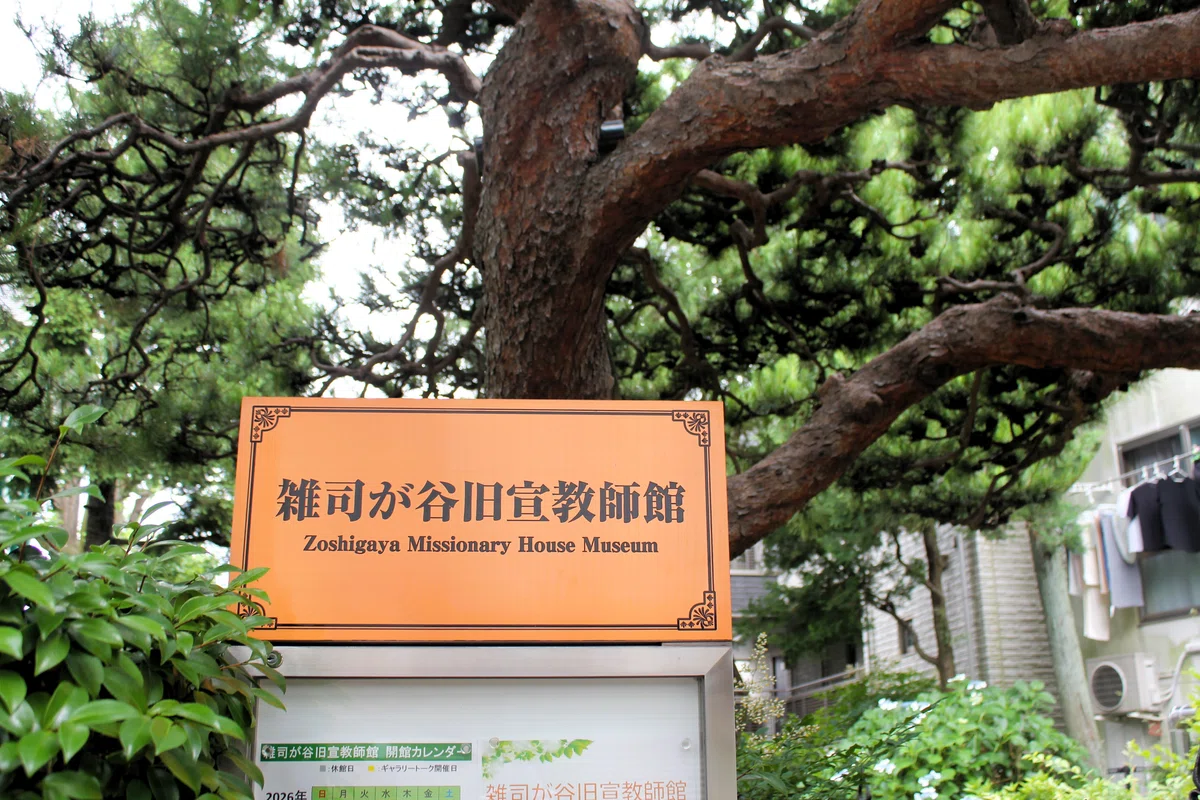
The Zōshigaya Old Missionary Museum, located in the Zōshigaya area of Tokyo, Japan, is a unique cultural site dedicated to preserving the history of Christian missionaries who worked in Japan during the Edo and Meiji periods. While not as widely known as major national museums, it offers a quiet, reflective space for those interested in Japan’s religious history and the early interactions between Japan and the West. Recently it has become popular due to a certain anime this season and has seen a sharp increase in the number of visitors. So why not add it to the list of places to see next time you come to Ikebukuro!?
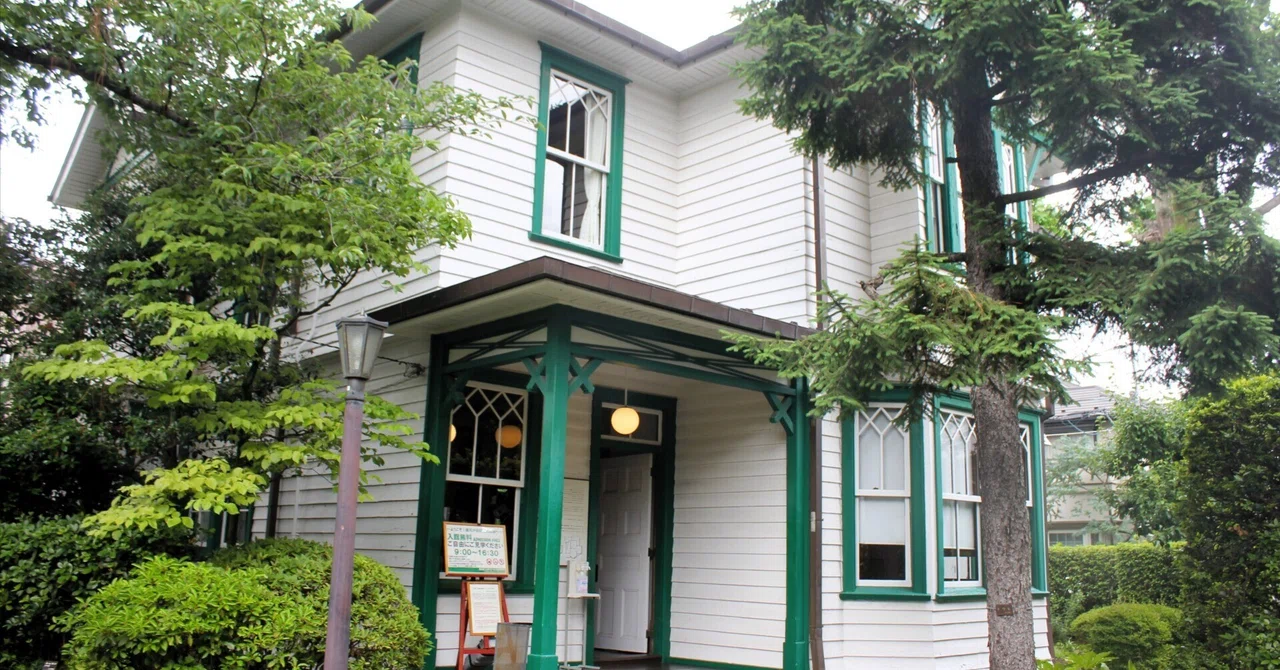
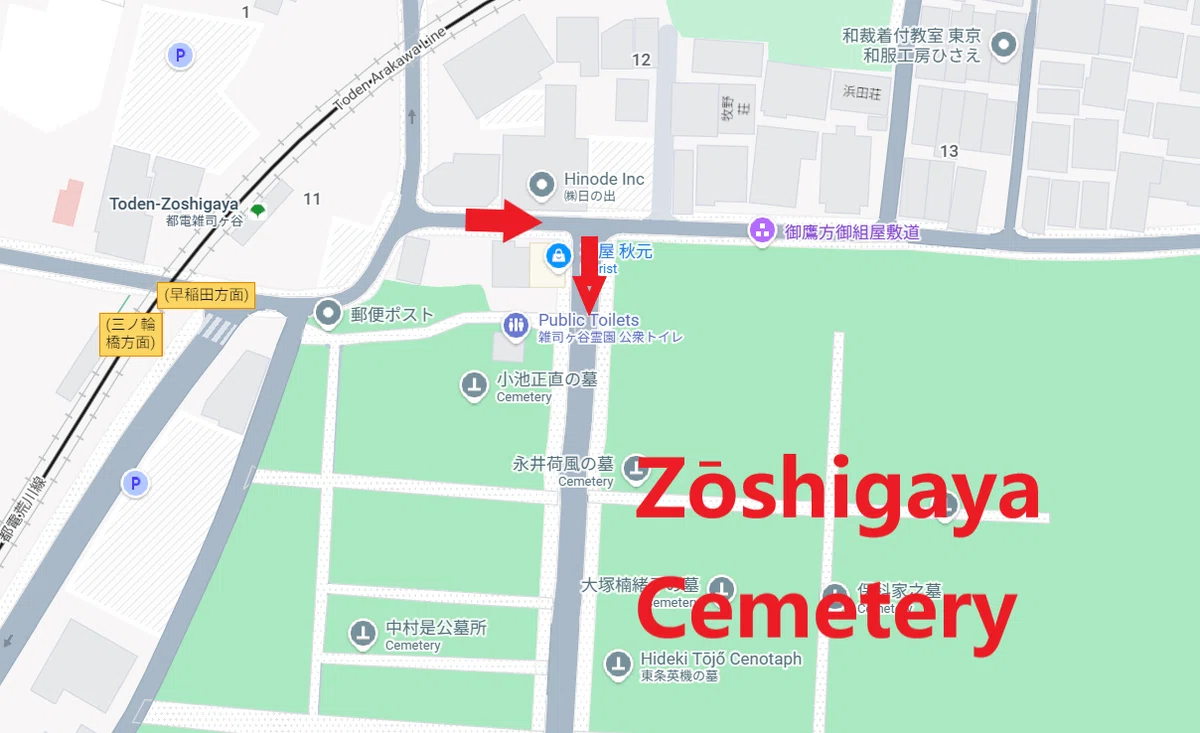
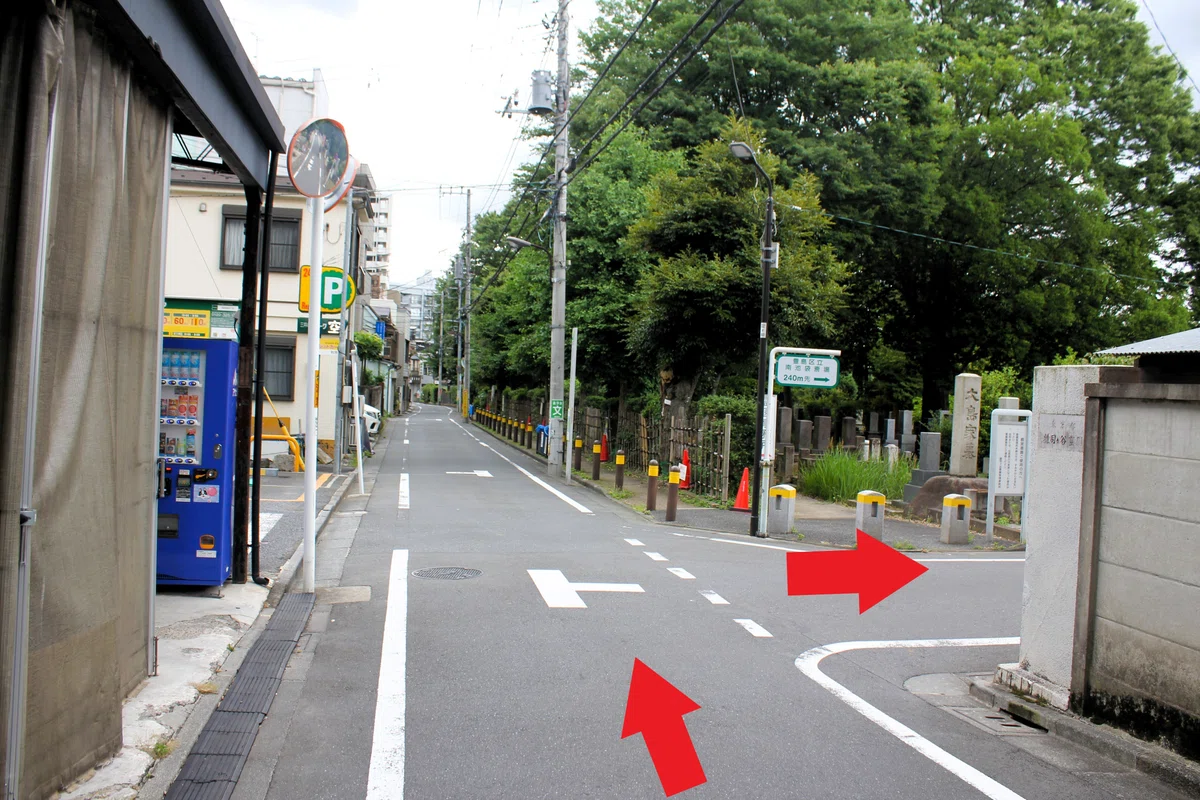
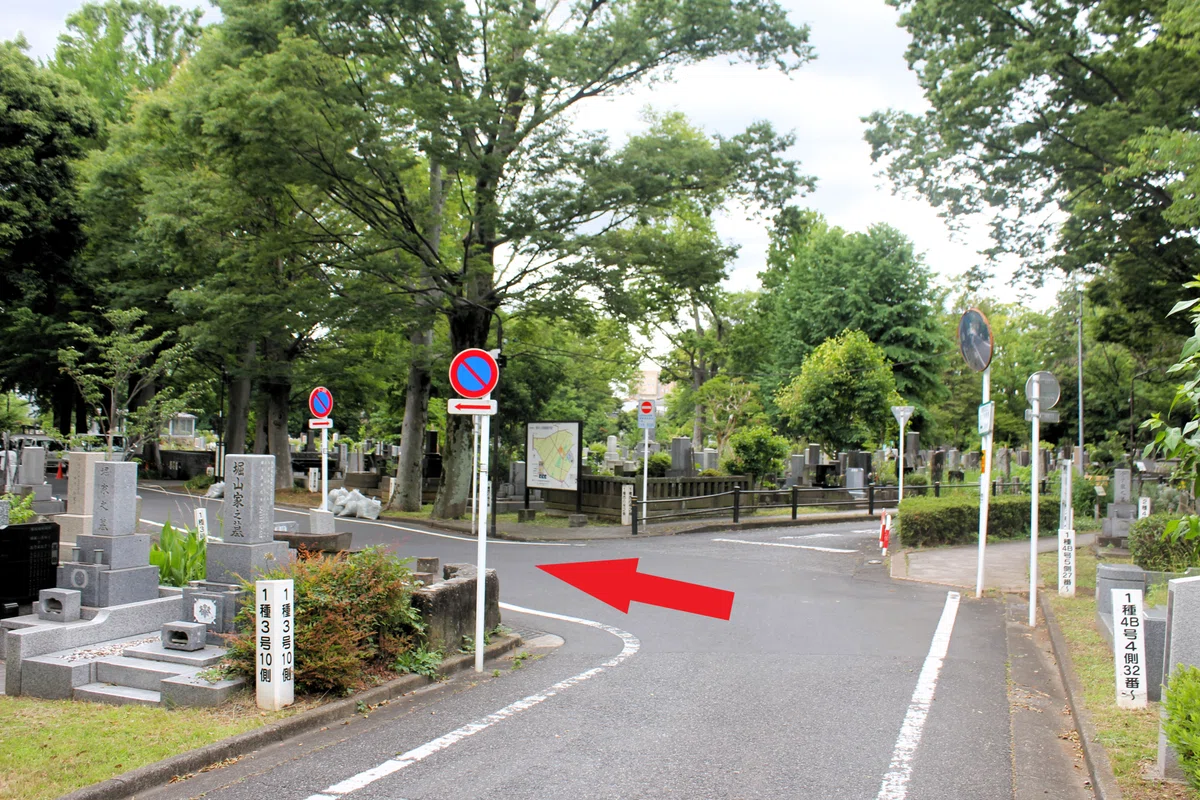
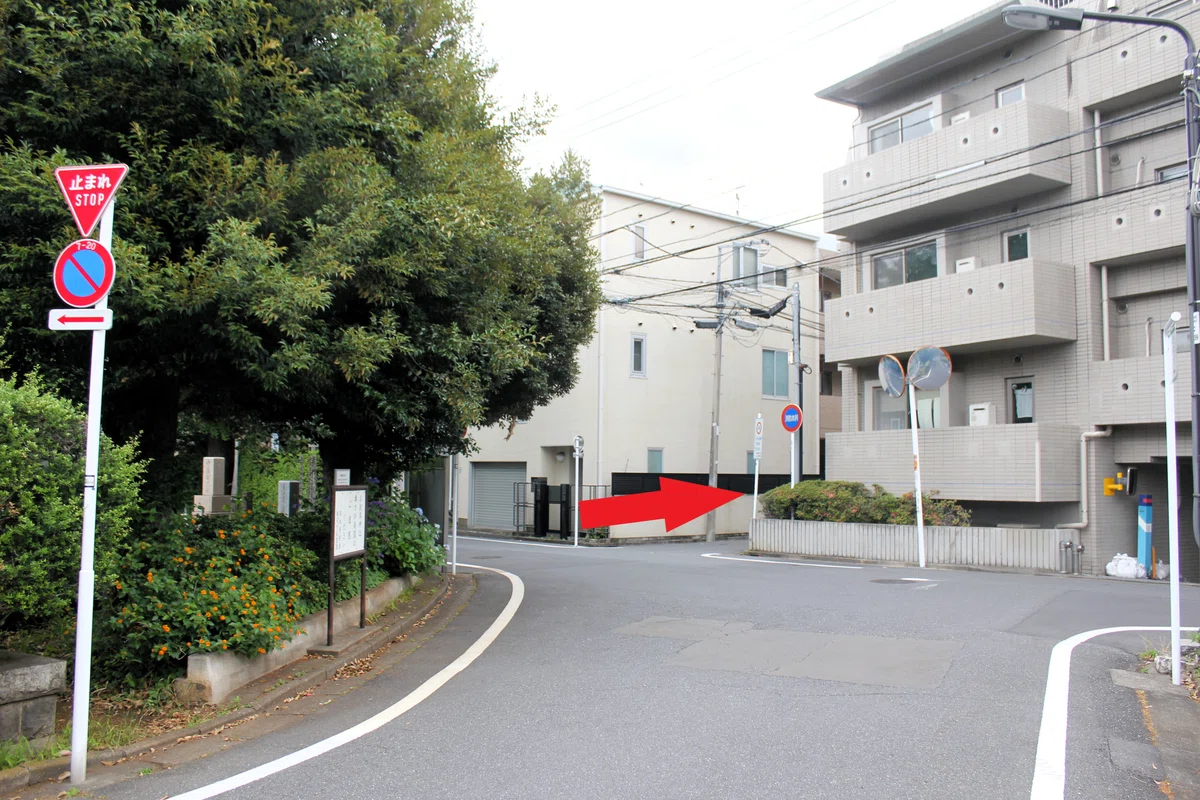
To reach the building, follow these simple directions when entering the Zōshigaya Cemetery from the North West side.
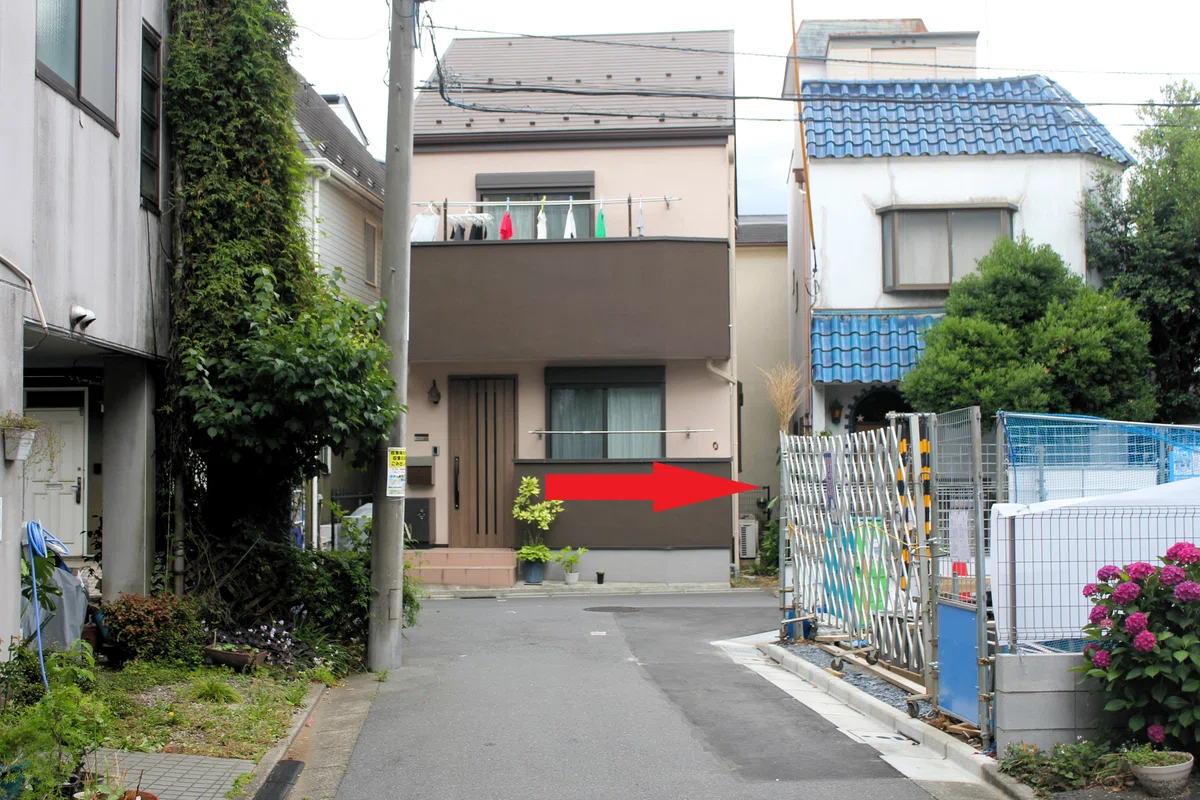
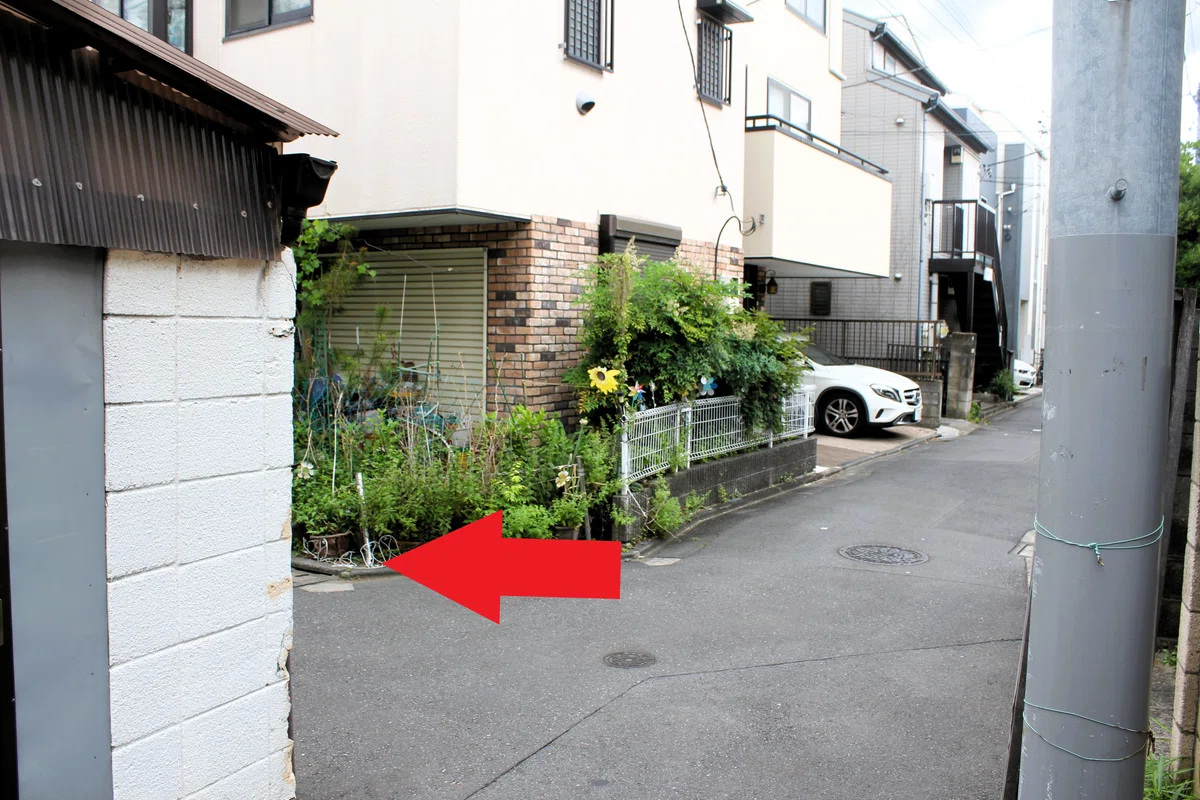
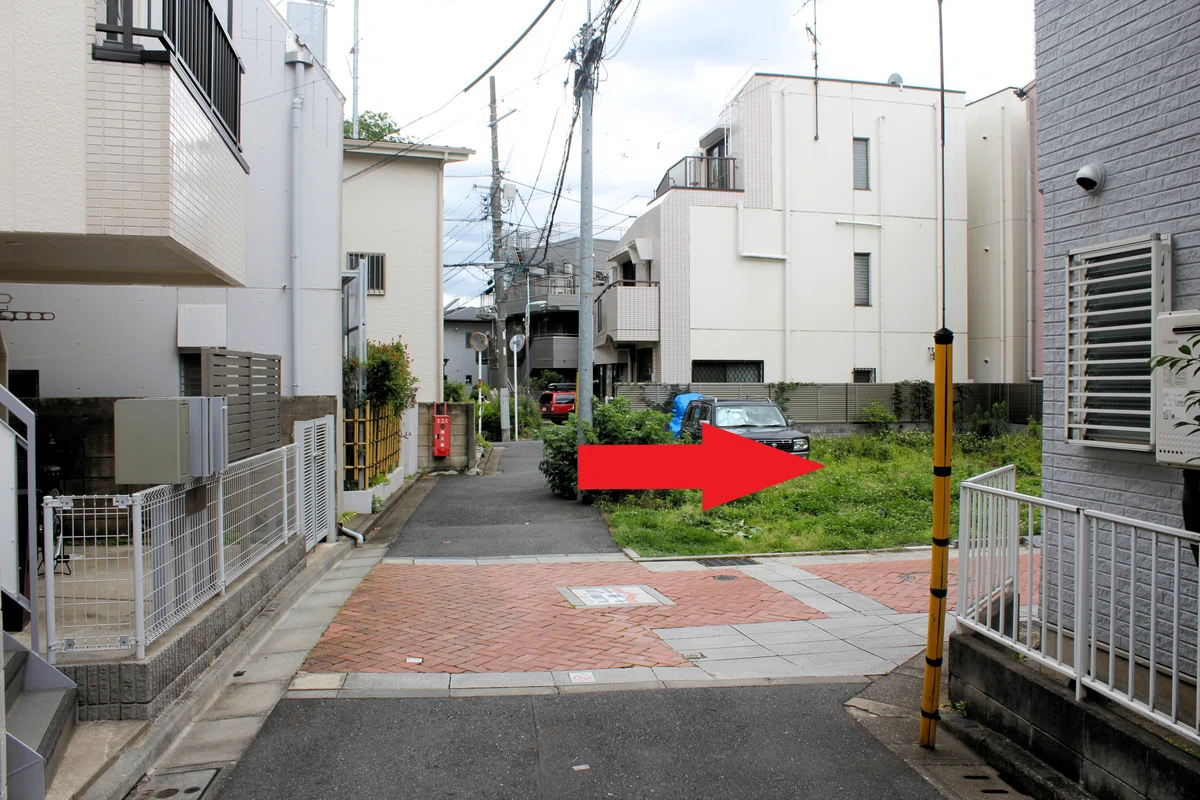
Historical Context
Christianity was introduced to Japan in the 16th century by Portuguese and Spanish missionaries, most notably Francis Xavier. However, following the unification of Japan under the Tokugawa shogunate, Christianity was heavily suppressed, and many missionaries were forced to leave or go underground. It wasn't until the mid-19th century, during the Meiji Restoration, that religious restrictions were lifted, allowing missionaries to return openly.
A brief History of the Missionary House
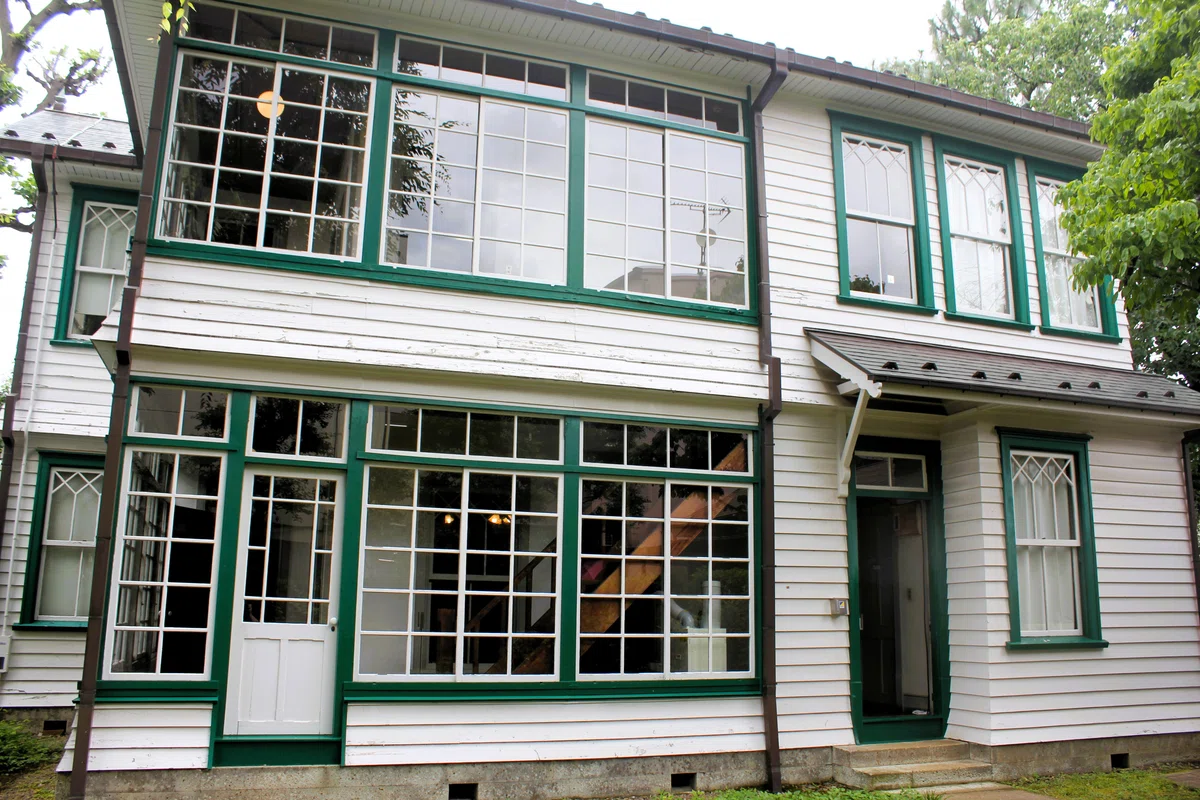
Constructed in 1907 by American missionary John Moody McCaleb as his private residence, the Zoshigaya Former Missionary House stands as Tokyo's oldest surviving modern wooden Western-style building and a rare Meiji-era testament to missionary life. McCaleb and his wife Della lived there for 34 years, using the home as a hub for Puritan-based missionary work, charity, and early childhood education in the developing Zoshigaya district until 1941. Following McCaleb's departure, the structure was acquired by Toshima Ward in 1982, undergoing preservation efforts that led to its opening as a public museum in 1989. Its historical significance was formally recognized through a series of designations: first as a ward-level tangible cultural property in 1987, then as a particularly important cultural property in 1992, and finally as a Tokyo Metropolitan Government-designated tangible cultural property in 1999, securing its status as a vital link to Japan's foreign residential history.
A Real-Life Setting in the Anime Botan Kamiina Fully Blossoms When Drunk
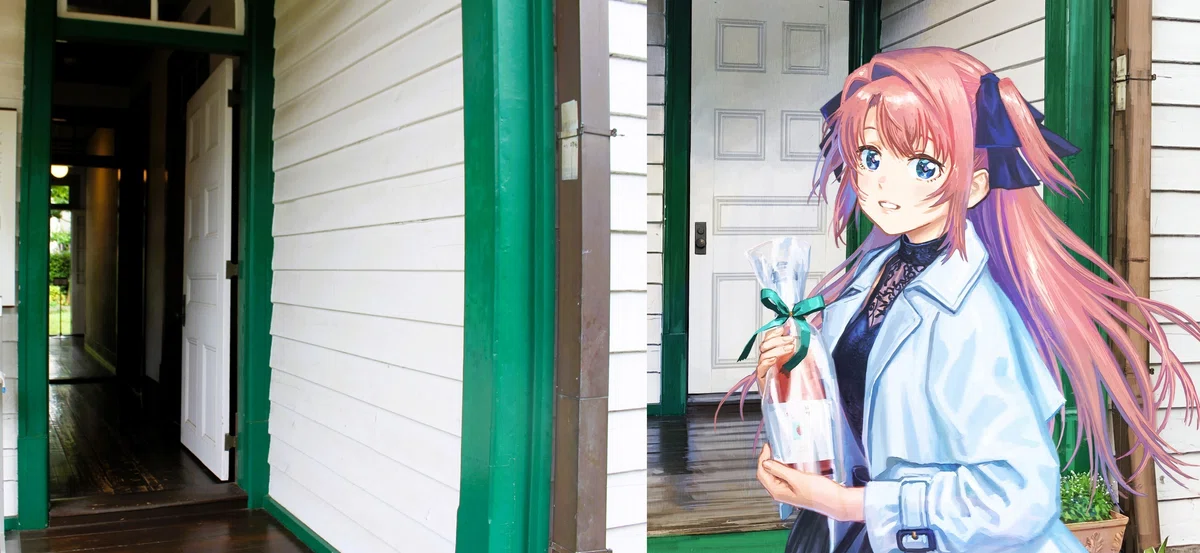
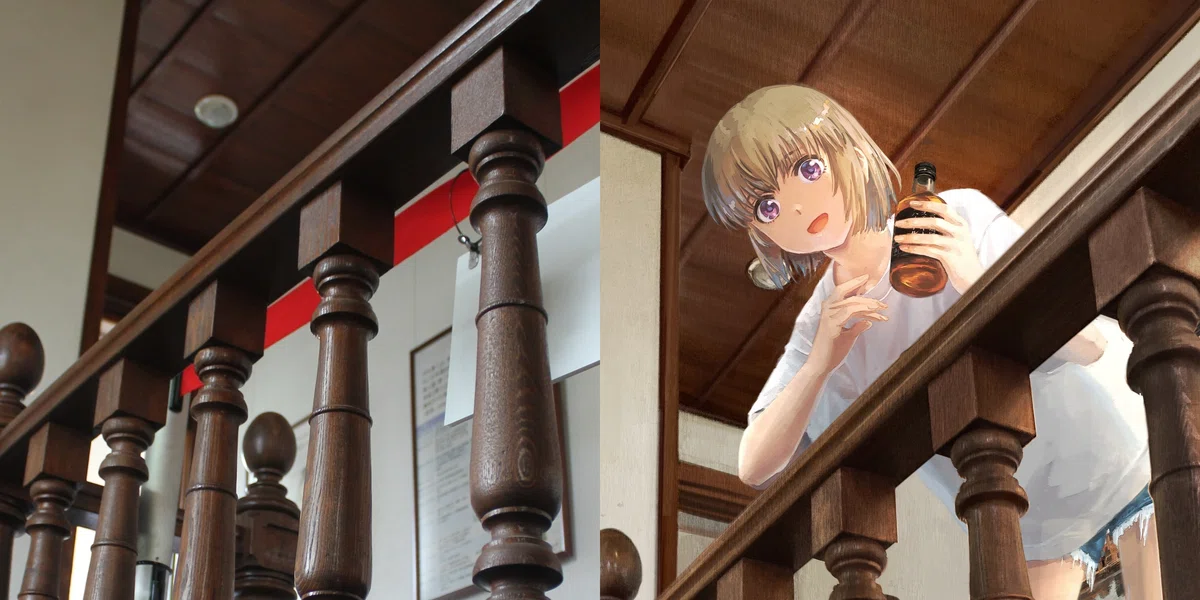
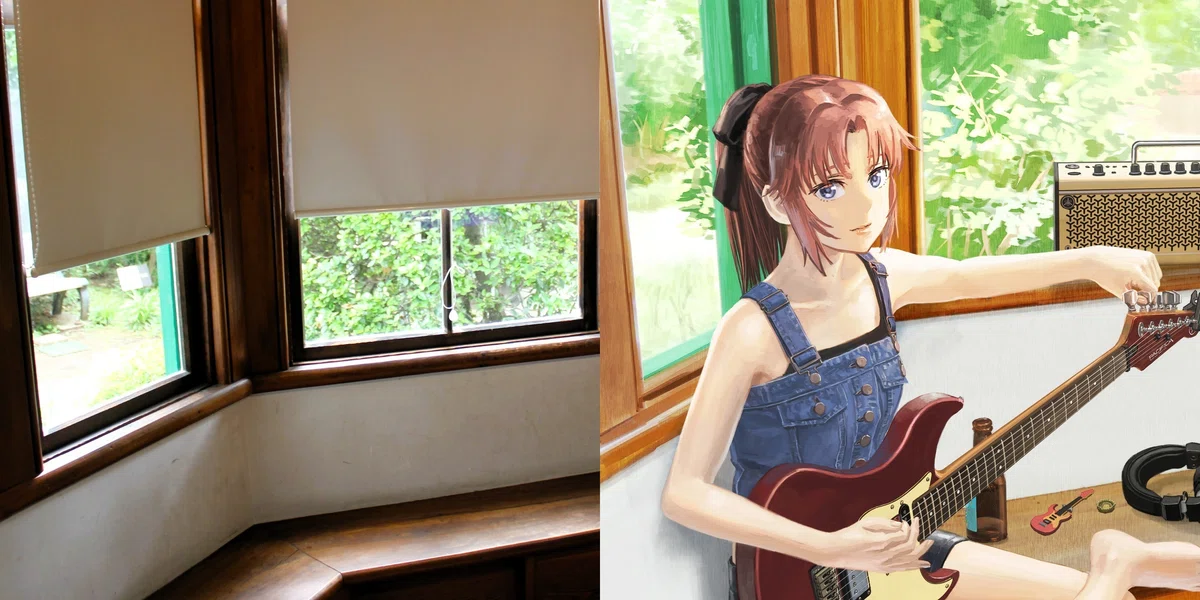
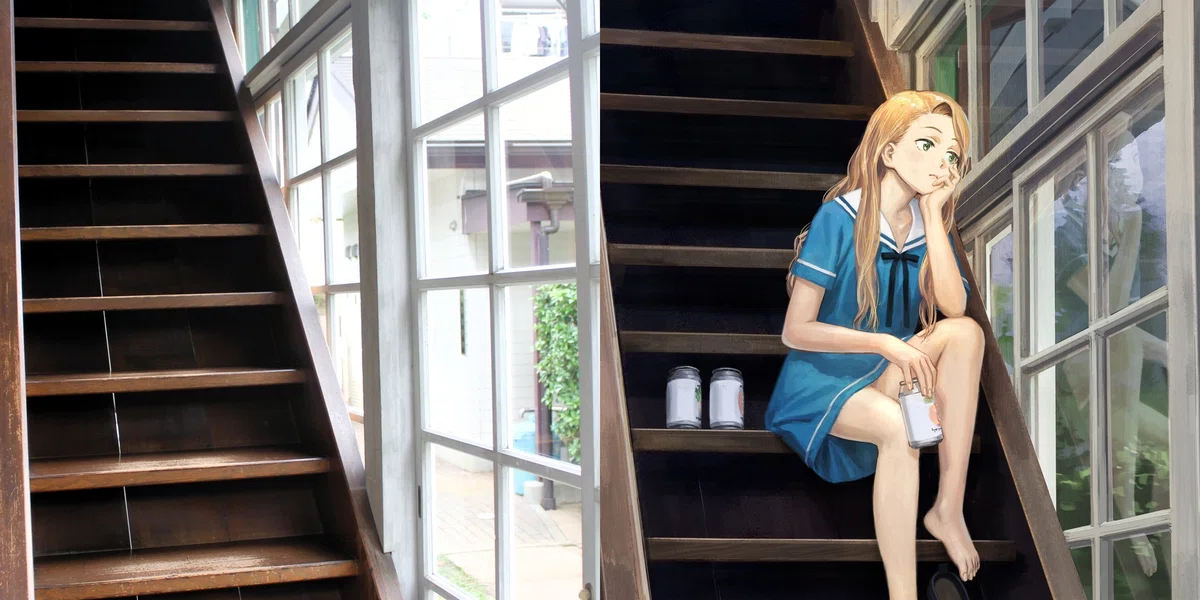
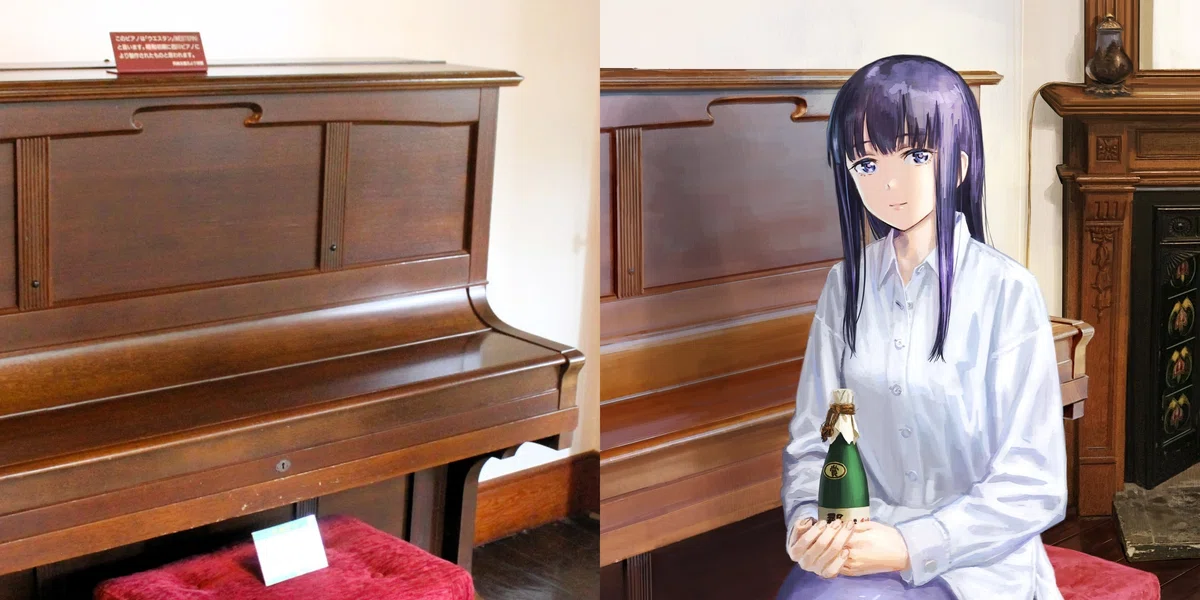
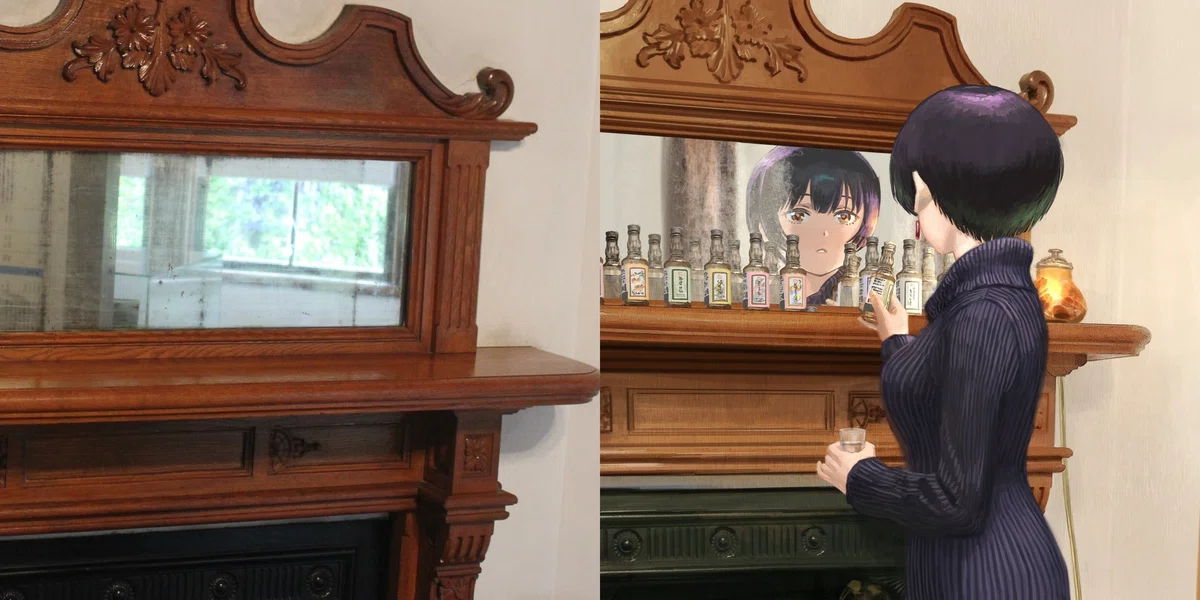
In the anime, this location is transformed into a women's dormitory, one of the important locations where the characters share drinks and growing affection for each other. The museum's distinctive features such as its gate, the layout has mostly been faithfully recreated in the show's various episodes and seeing these places in real life gives a deeper appreciation one can have for the characters.
From History to Anime:
The inclusion of the Zōshigaya Old Missionary Museum in Kamiina Botan has added a new layer of cultural significance to the building. Anime pilgrimages have become a growing trend in Japan, where fans travel to locations featured in their favorite series. For this anime, the museum offers a tangible connection to the story, allowing fans to immerse themselves in the world of Botan, Ibuki and the rest of the girls.
The series, which began as a manga in 2019 and was adapted into a television anime in April 2026, is praised for its realistic depiction of locations and its exploration of relationships through the lens of alcohol culture . By using a real historical sites as key settings, the anime not only enhances its storytelling but also promotes the preservation and appreciation of Japan's cultural heritage.
Whether you are an anime fan seeking to walk in the footsteps of your favorite character or a history buff interested in Meiji-era architecture, the Zōshigaya Old Missionary Museum offers a compelling destination that blends the past with the present, all while serving as a backdrop for one of the year's best anime so far.
You can even enjoy recreating photos or scenes from the anime. I tried to replicate the covers for the character singles.