早川雪洲のハリウッドの邸宅、グレンギャリ城の内部の映像発見か Footage of the interior of Castle Glengarry, Hollywood mansion of Sessue Hayakawa, may have been discovered

(The English article is below)
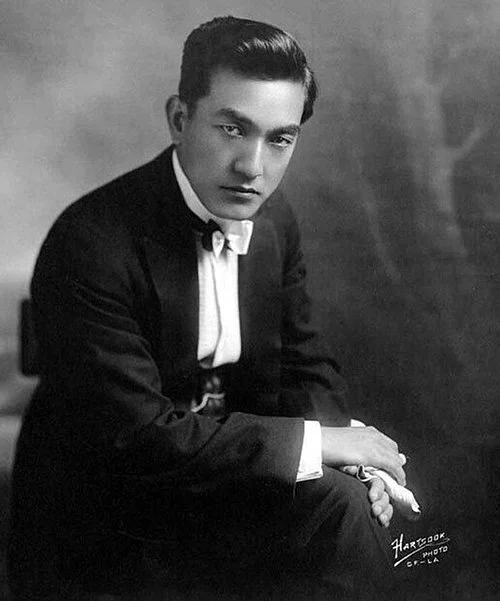
1910年代から60年代にかけ、国際的な映画俳優として活躍した早川雪洲。
1914年の映画デビューから1922年にフランスへ渡るまで、ハリウッドで8年間にわたり活躍し、当時のトップスターの一人として絶大な人気のあった俳優です。
雪洲がハリウッドで1910年代後半から1922年にかけて妻の青木鶴子と共に住んだ邸宅はグレンギャリ城と呼ばれ、その豪華さと多くの賓客をもてなしたことでも知られています。
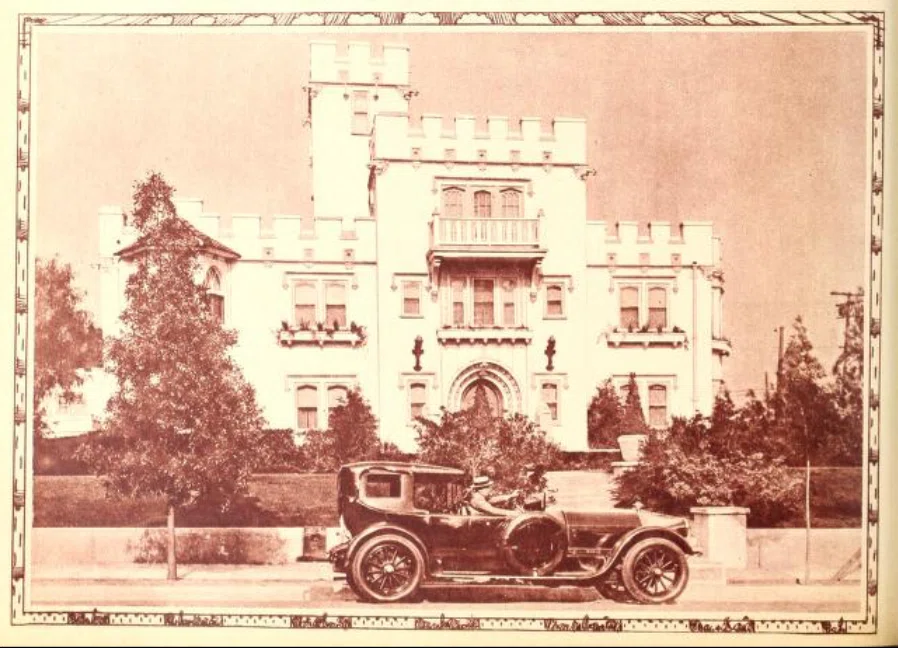
車は夫妻の共有が1台、雪洲が1台、鶴子が1台の計3台を所有していました。
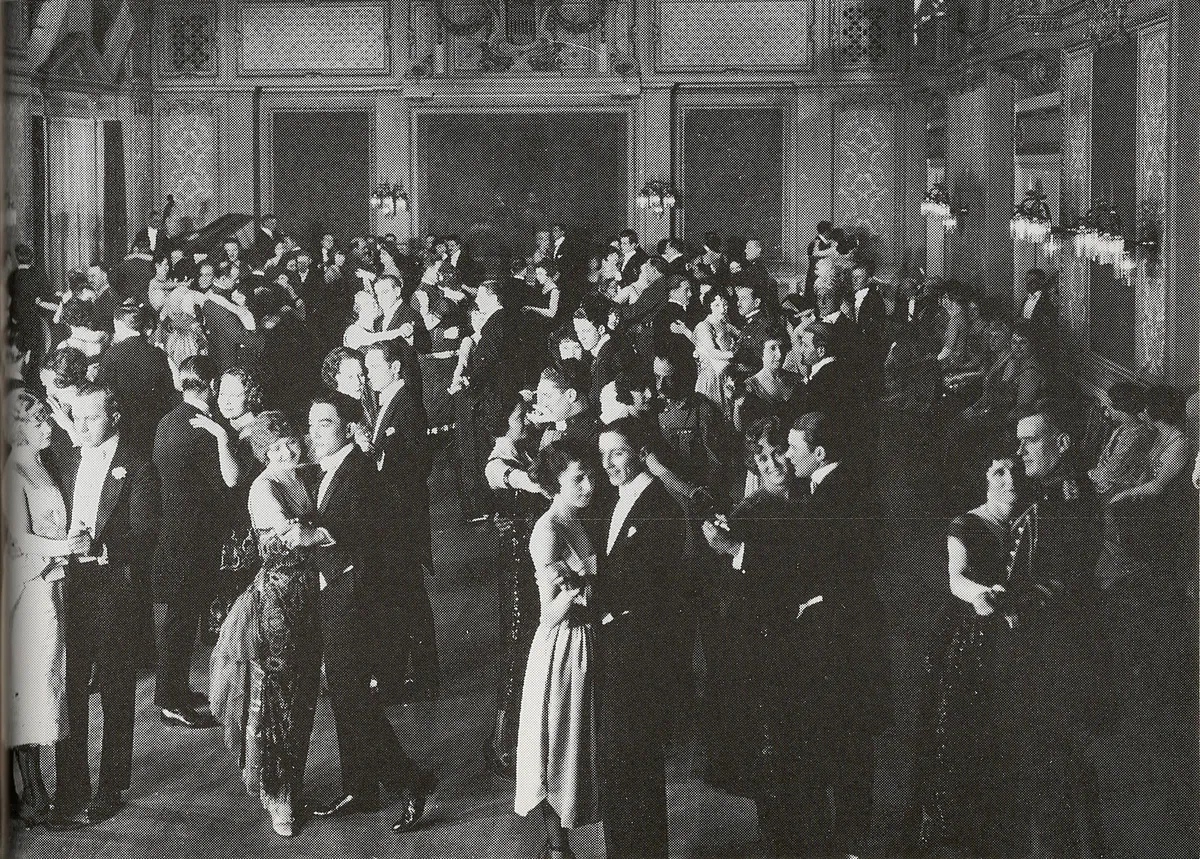
スコットランドのお城を模して建てられたこの邸宅は、一度に数百人を招くことができるほどの規模を持ち、当時の舞踏会の写真も残っています。
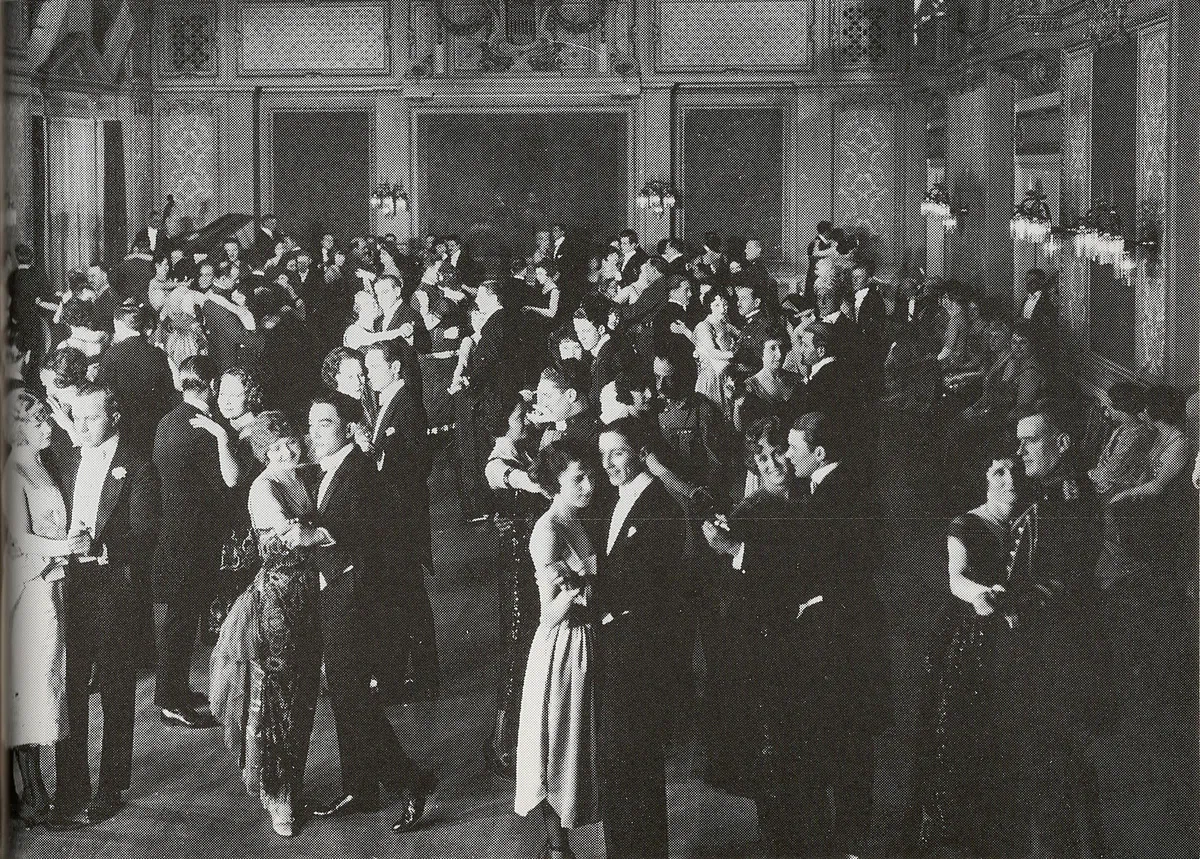
同じ写真は『日録20世紀 1914(大正3年)』にも掲載(早川雪夫 提供)
早川雪洲の映画で、1921年公開の「WHERE LIGHTS ARE LOW(男一匹の意地)」という作品があります。
失われたフィルムとされていたのですが、ベオグラードでクロアチア語の字幕のプリントが発見され、日本の国立映画アーカイブが修復し、2020年のイタリアのポルデノーニ映画祭で上映されています。
こちらはその上映に先駆けての関係者の対談の動画で、この中で映画の映像も紹介されています。
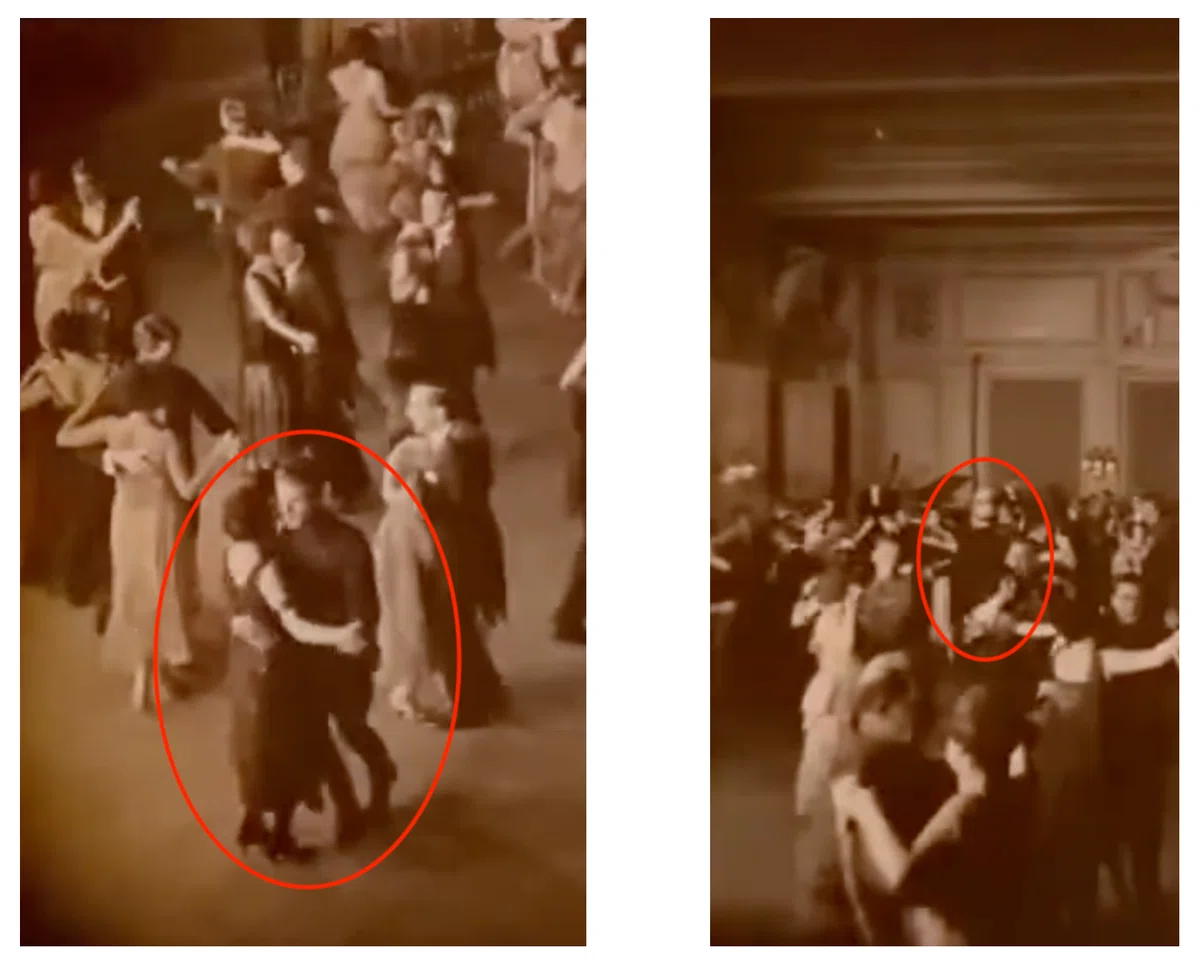
この動画を見ていた際、途中の舞踏会の場面(20:40-21:49)の部屋の装飾をどこかで見たことがある…と思い、グレンギャリ城の舞踏会の写真と見比べてみたところ、同じ場所だということに気づき、とても驚きました。
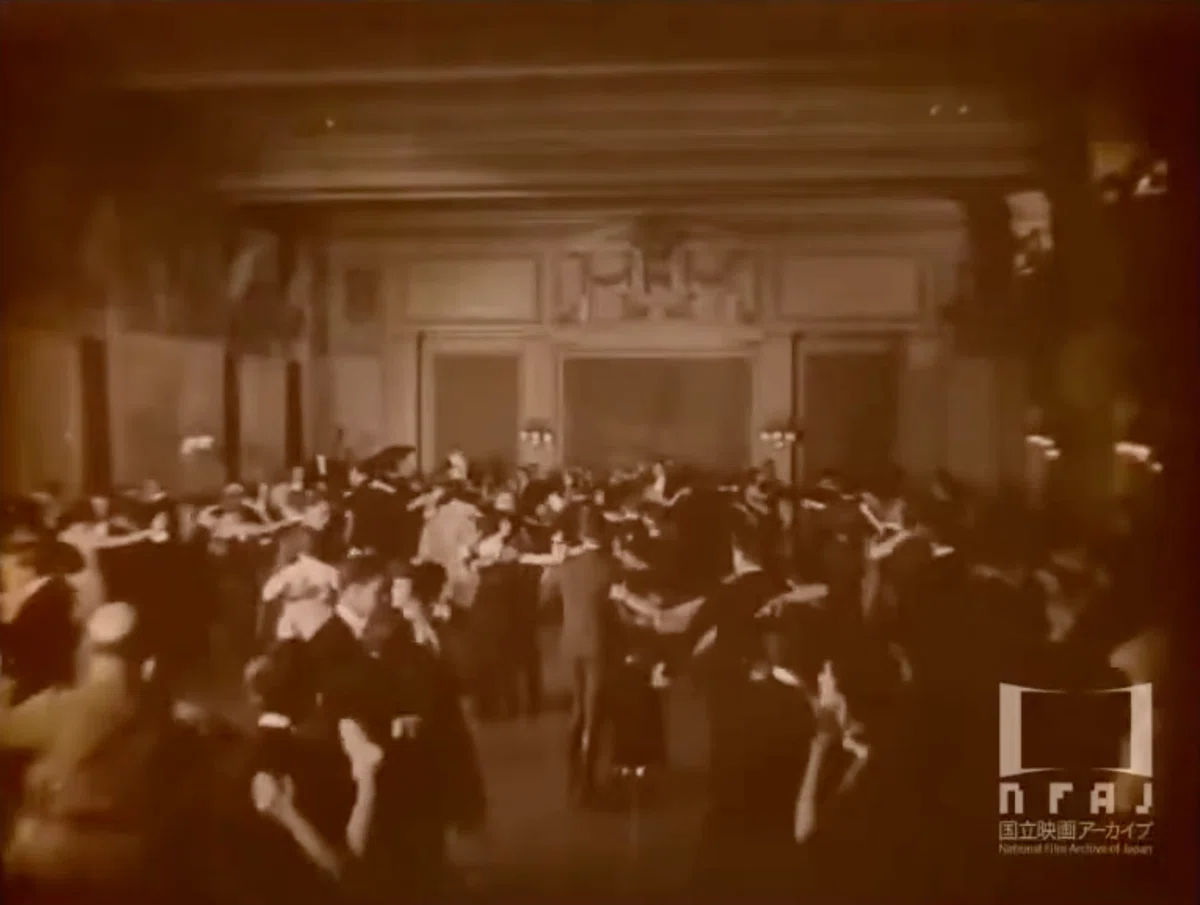
そしてよく見ると、同じ服装の人物が写っており、この写真は映画の撮影時に写されたものではないかと思っています。
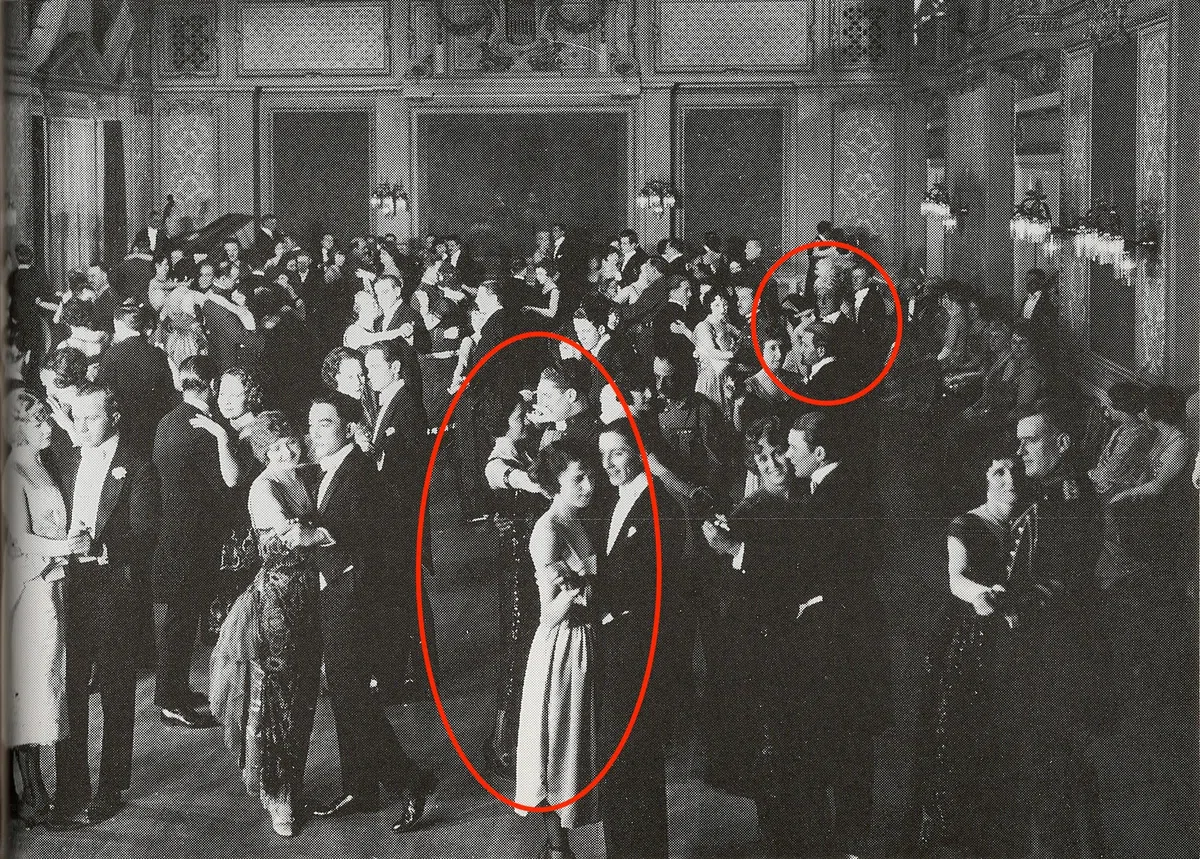
グレンギャリ城の舞踏会の写真にも写っています
実はスタジオか別の場所で撮った写真だったのでは?と思うかもしれませんが、映画に映っている邸宅は装飾や素材、邸内の様子からスタジオではなく実在の建築と考えられます。
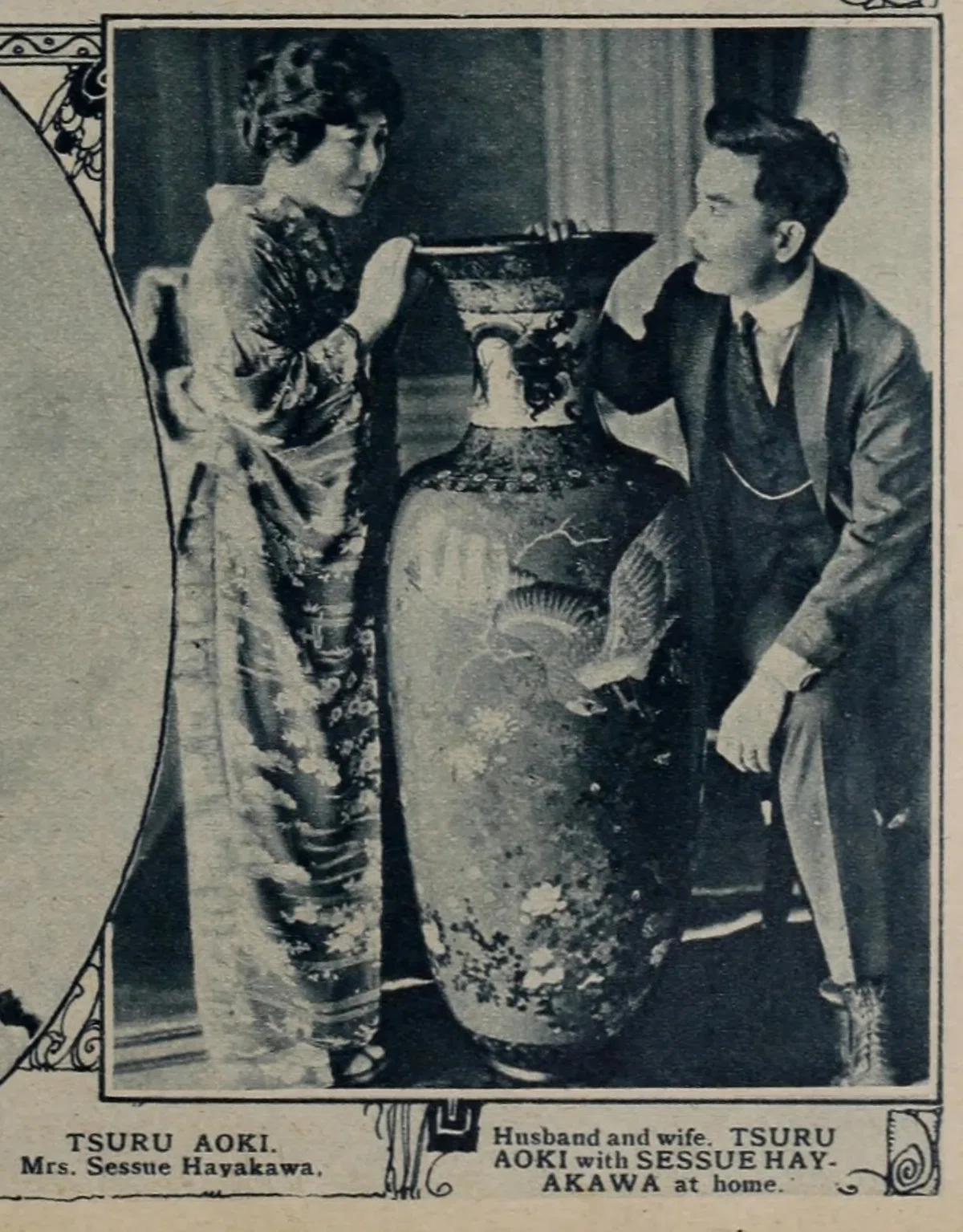
また、当時の雑誌に紹介されたグレンギャリ城の写真の壁(模様のある布貼り)やカーテンの様子は舞踏会の写真の部屋とよく似ています。
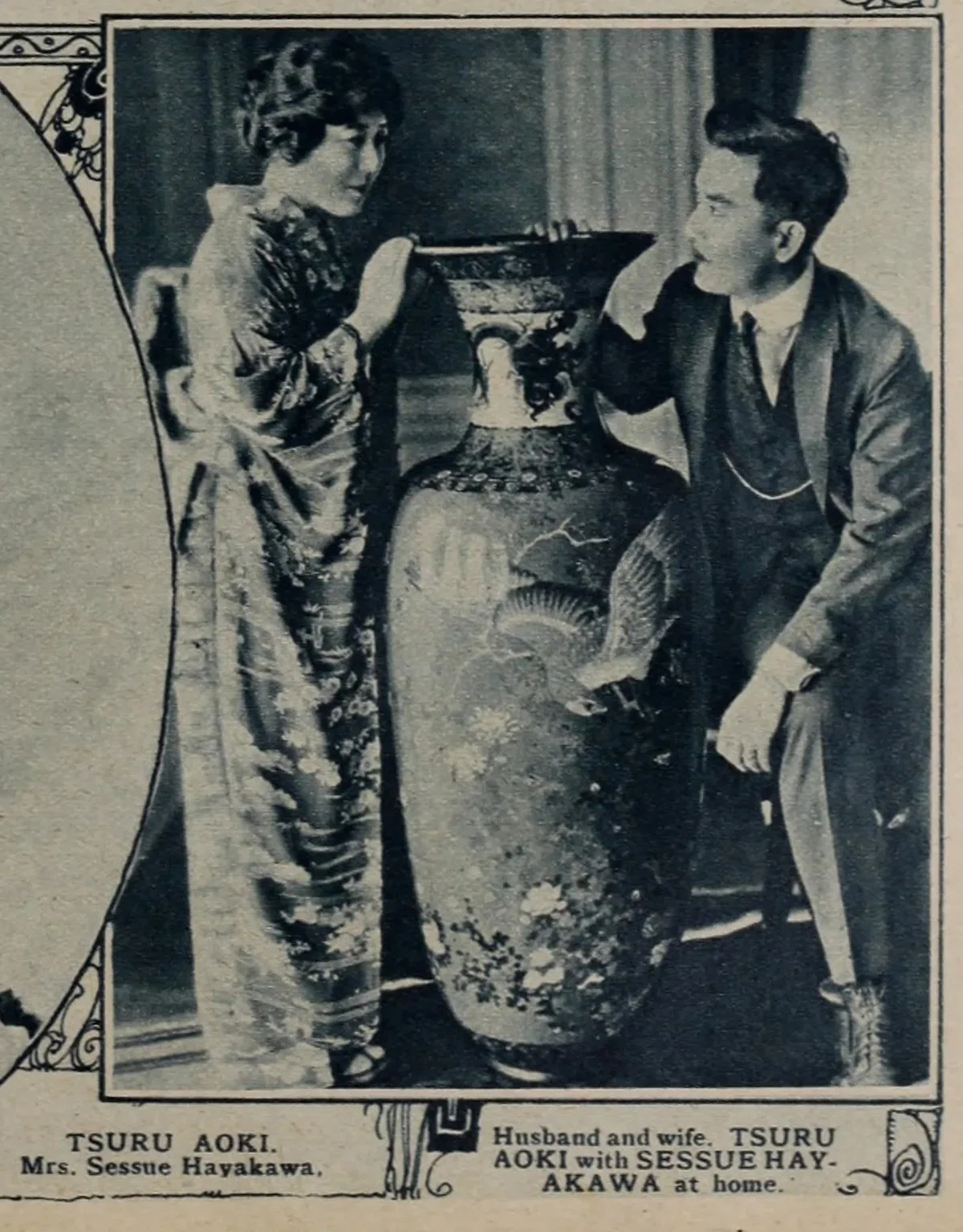
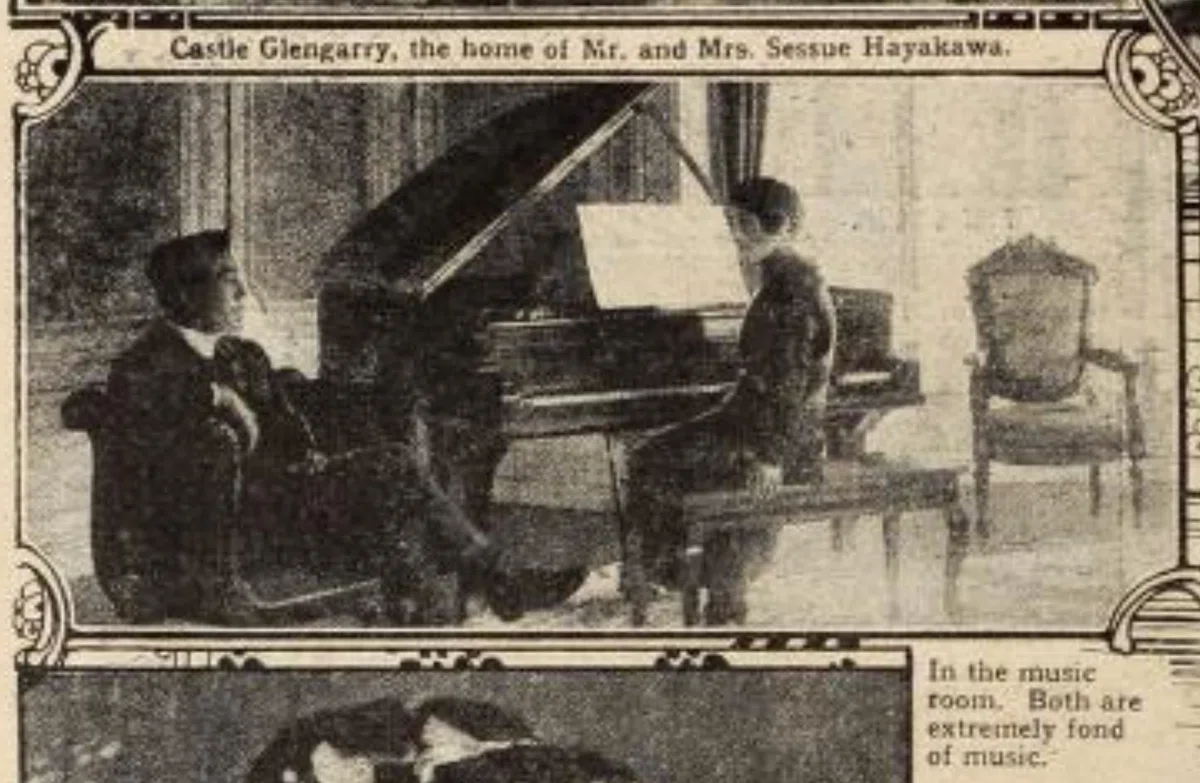
鶴子さんのセミグランドピアノが紹介されており、舞踏会の写真と映画にもピアノが映っています
当時のこうしたボールルーム(舞踏室)があるロサンゼルスやサンフランシスコのホテルなどの建築も検索してみたところ、どこももっと規模が大きく、このグレンギャリ城の写真のような部屋は個人の邸宅によく見られた形式だということがわかりました。
以上のような理由で、私は「WHERE LIGHTS ARE LOW(男一匹の意地)」の中に映っているのは早川雪洲のグレンギャリ城ではないかと思っています。
この映画は早川雪洲が自分の映画会社で撮った作品であり、映画全体を通して美しいセットの演出がされていることも知られています。
美しさを大切にしていた雪洲が、自分の邸宅を使ってロケをしたのではないでしょうか。
そしてその写真を「舞踏会の写真」と伝えていたのではないでしょうか。
当時のハリウッドの映画俳優は豪華な自宅でパーティーを開いていましたが、映画雑誌を見ても、スターのパーティーを写した写真は出てこないのです。
当時は1920年から始まった禁酒法の時代であり、パーティーの写真が撮られることはなかったのではと感じます。
風紀を考えて、ハリウッドの俳優たちも雑誌には家庭的な面を強調した写真が多く載っているように思います。
引き続き調査をしていきたいと思っています。
もし何か情報をお持ちの方がいらっしゃいましたら、ぜひコメント欄でお知らせいただけますと幸いです。
この素晴らしい映画の修復、保存、上映に携わった皆様に心から感謝いたします。
ポルデノーニ映画祭の動画を公開してくださり本当にありがとうございました。
最後までお読みくださりありがとうございました。
よろしければ私のYouTubeチャンネルもご覧ください。
早川雪洲の映画を中心に、字幕と音楽を入れた動画を制作しています。
Sessue Hayakawa was a globally acclaimed actor whose career spanned from the 1910s to the 1960s. Following his film debut in 1914, he spent eight years in Hollywood before moving to France in 1922. During this period, he reigned as one of the industry's premier stars, enjoying immense popularity.
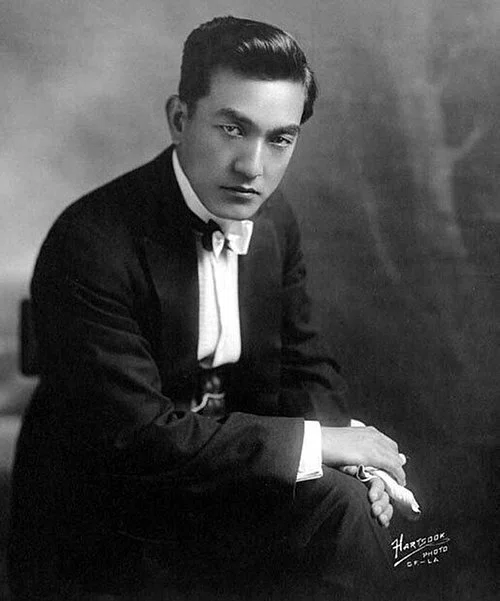
During the late 1910s and through 1922, Sessue Hayakawa lived with his wife, Tsuru Aoki, in a Hollywood mansion known as Glengarry Castle. The estate was renowned for its sheer opulence and for the lavish hospitality the couple extended to their many distinguished guests.
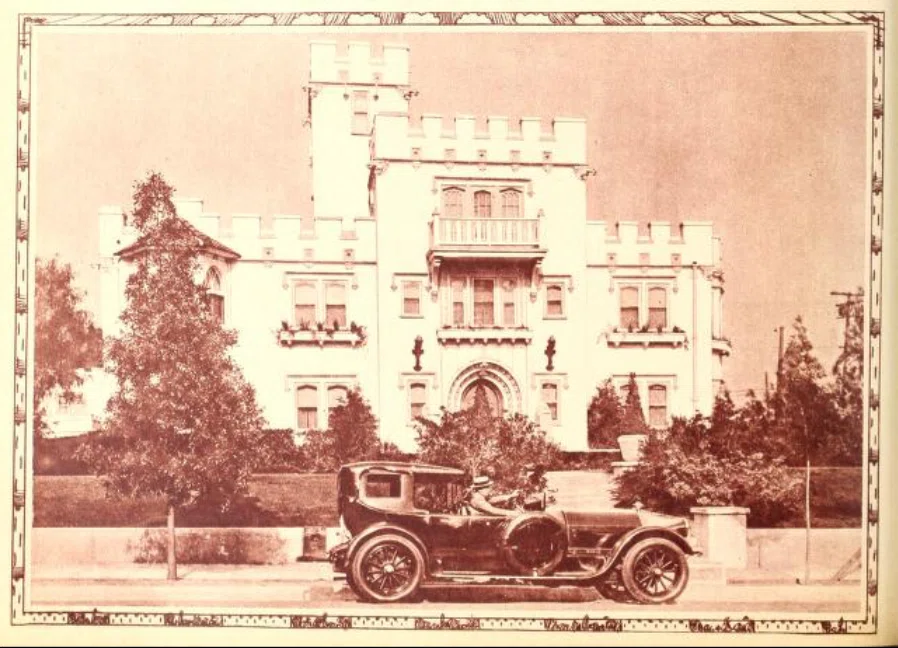
Modeled after a Scottish castle, this mansion was grand enough to host hundreds of guests at a time, and photographs of the lavish balls held there still exist today.
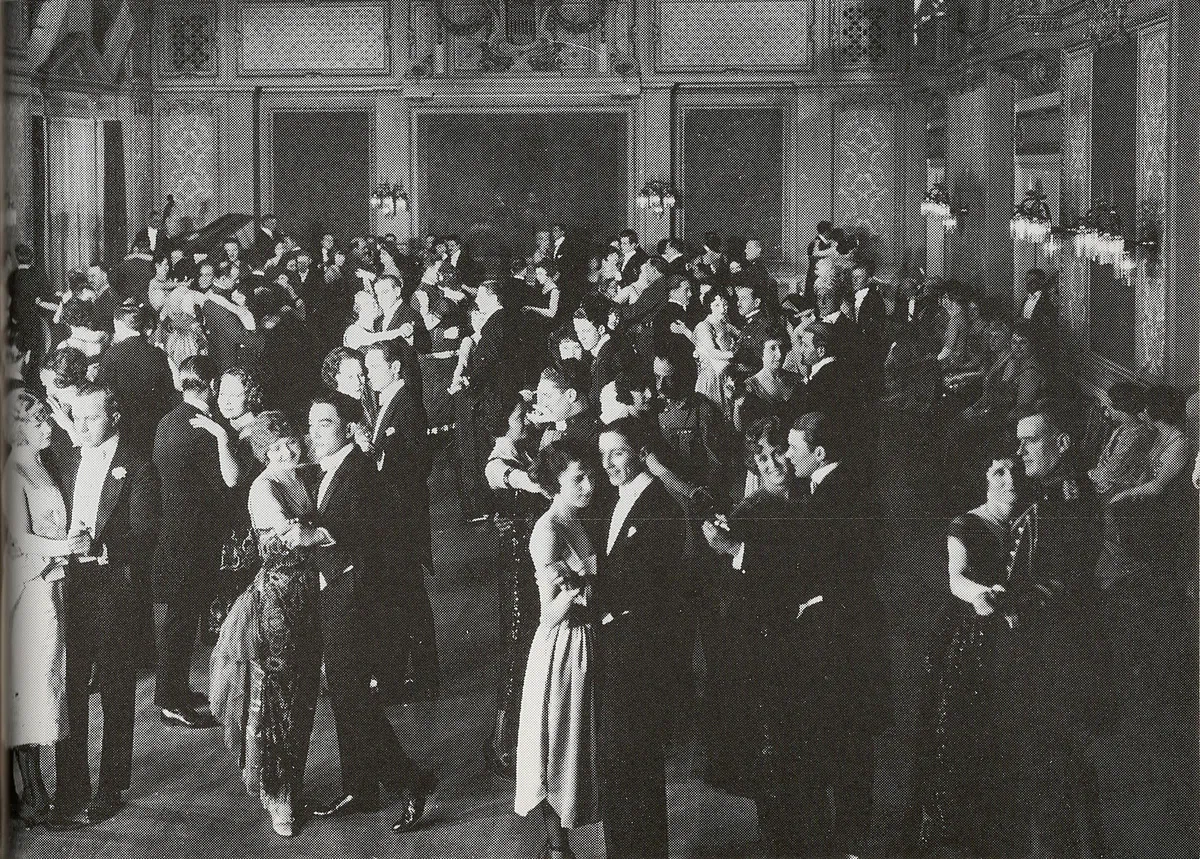
(courtesy of Yukio Hayakawa).
Sessue Hayakawa starred in the 1921 film "WHERE LIGHTS ARE LOW." Long considered a lost film, a print with Croatian subtitles was discovered in Belgrade. After being restored by the National Film Archive of Japan, it was screened at the Pordenone Silent Film Festival in Italy in 2020.
This video features a discussion between experts held prior to that screening, including clips from the film itself.
While watching this video, I felt like I had seen the interior of the ballroom (20:40–21:49) somewhere before. When I compared it with old photographs of Castle Glengarry, I was stunned to realize they were the exact same place. It was a truly incredible discovery.
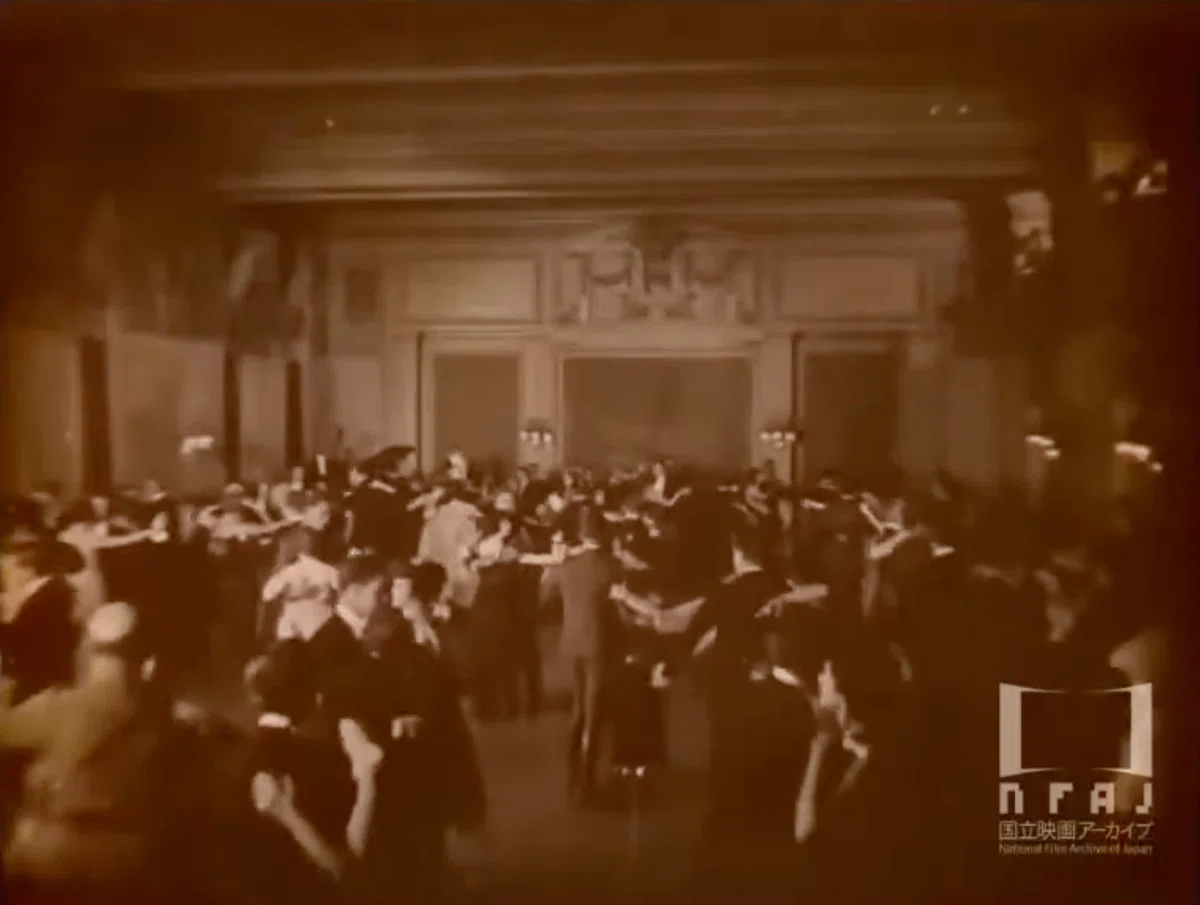
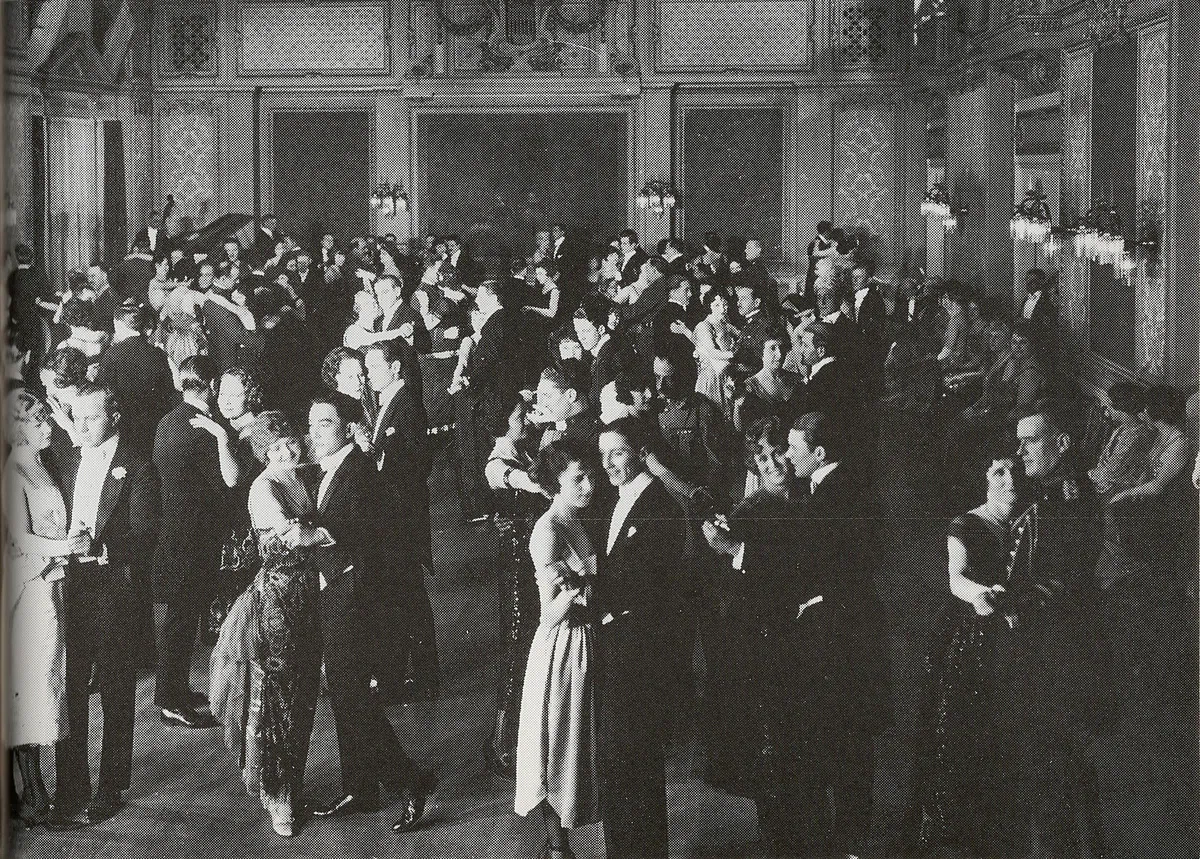
Looking closer, I noticed that the same individuals appear in both, wearing the exact same outfits. This leads me to believe that the photograph was actually taken during the filming of the movie.
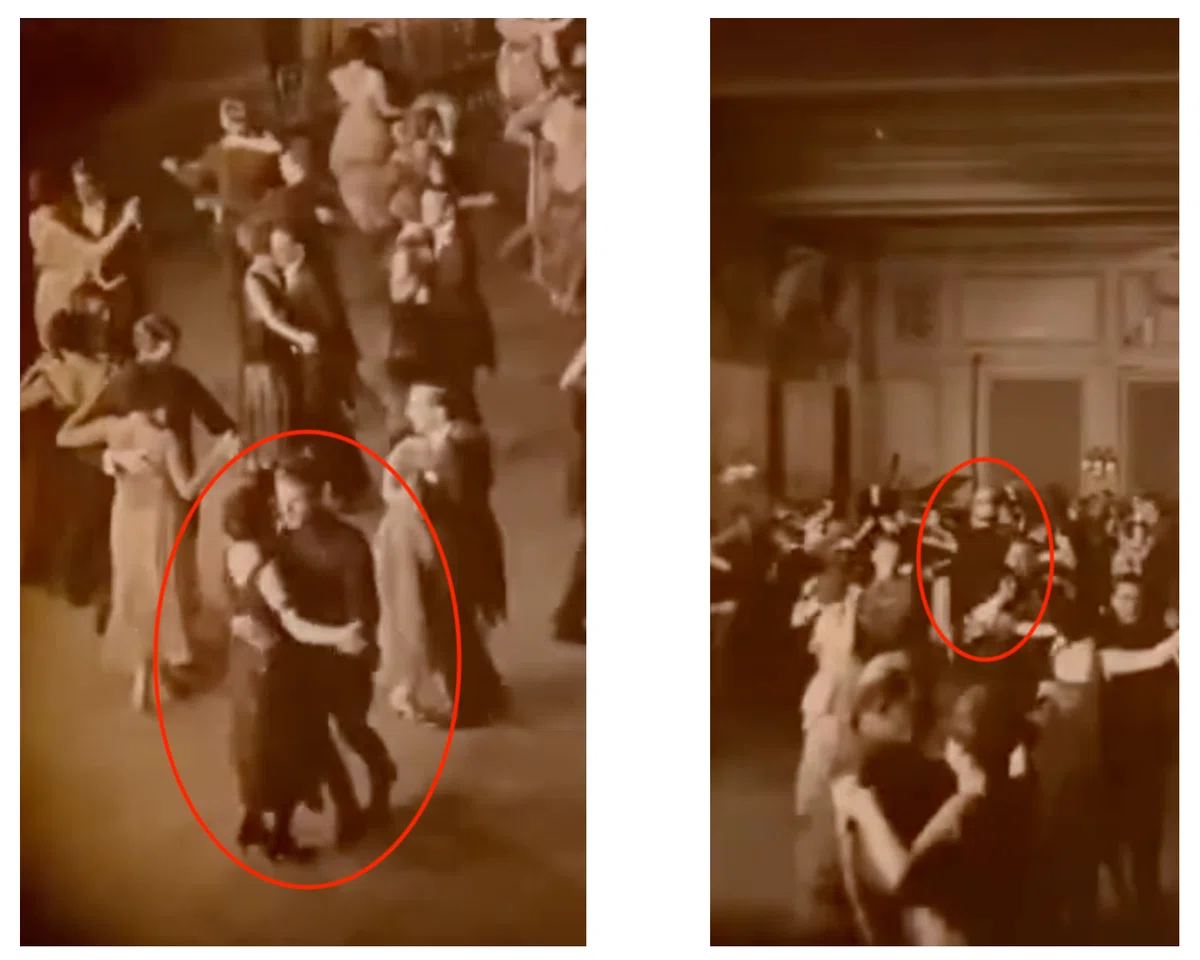
On the right is a man wearing a turban adorned with feathers.
Both of them also appear in the photograph of the ball at Castle Glengarry.
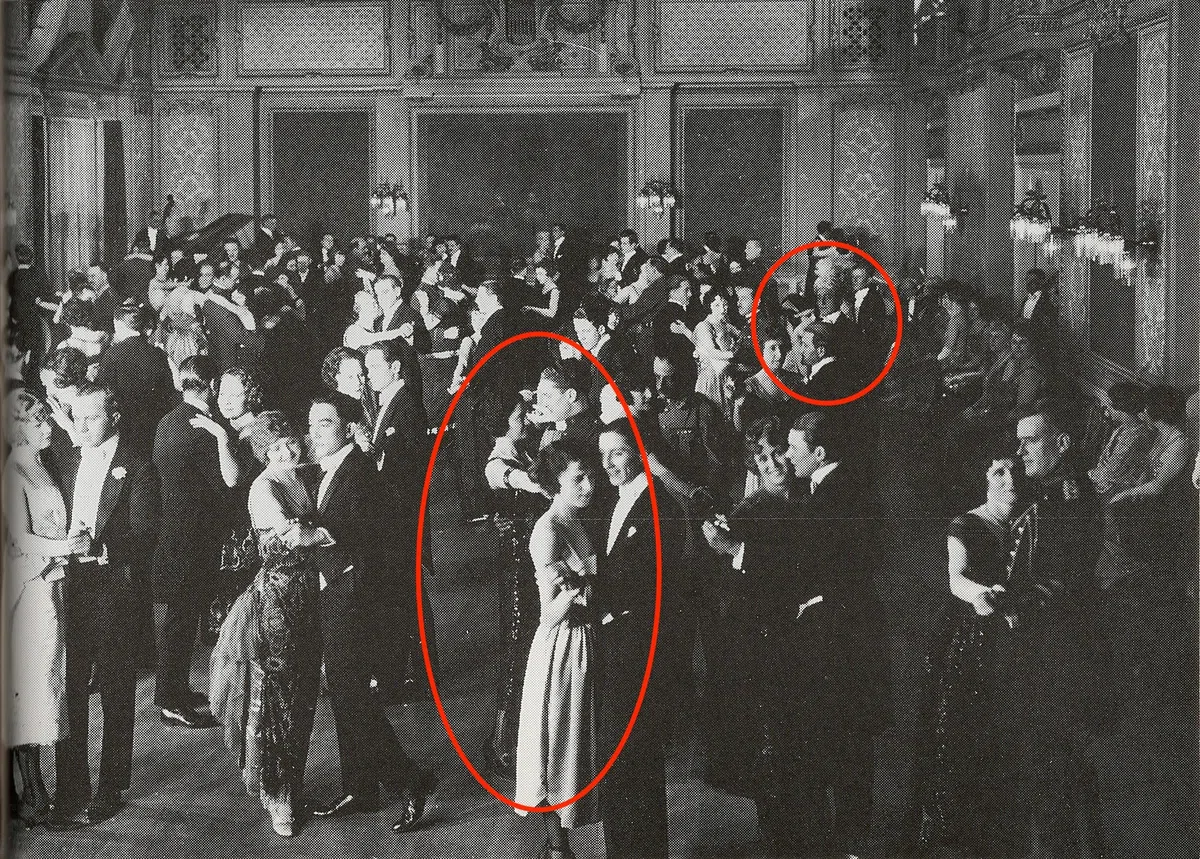
One might wonder if these scenes were filmed in a studio or at a different location. However, judging from the architectural details, materials, and overall layout, the mansion shown in the film is clearly a real building rather than a studio set.
Furthermore, the wall coverings (patterned fabric) and curtains seen in photographs of Castle Glengarry from contemporary magazines closely resemble those in the ballroom photos.
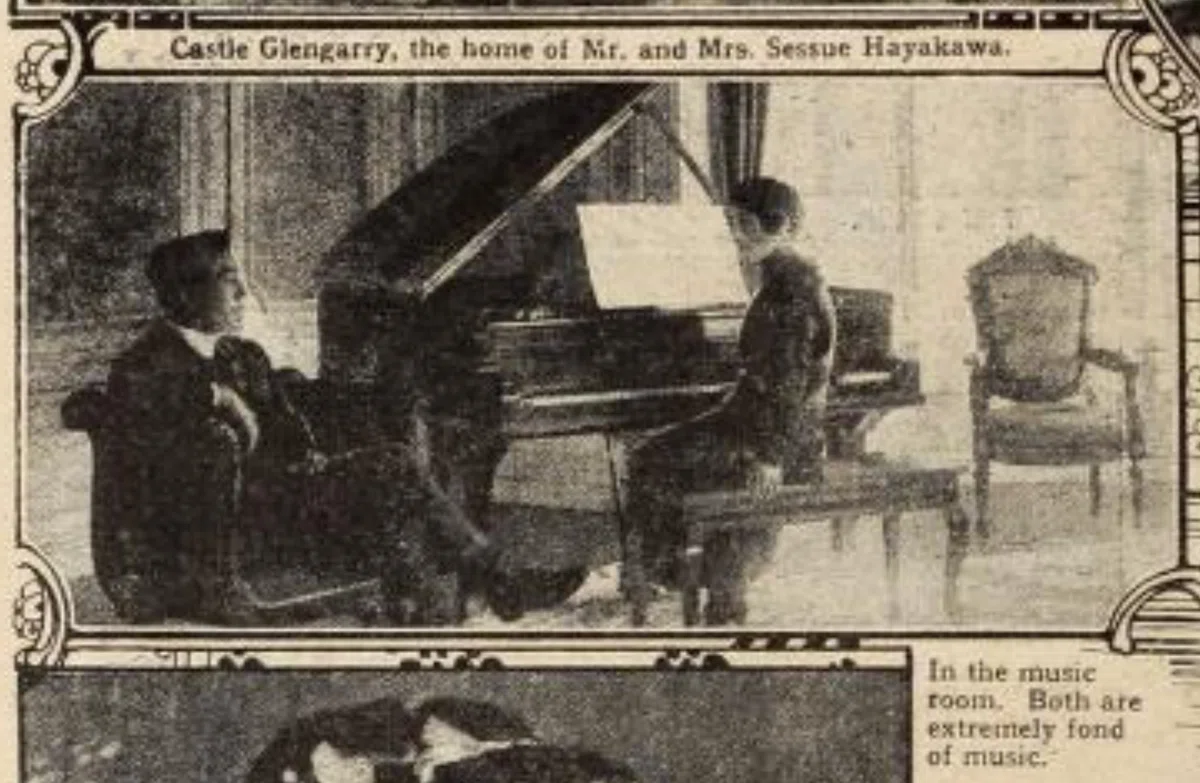
and a piano can also be seen in both the ballroom photograph and the film.
I also researched the architecture of hotels in Los Angeles and San Francisco from that era that featured ballrooms. I found that most were on a much larger scale, and the specific layout and intimacy seen in the Castle Glengarry photos are far more characteristic of a private residence.
For these reasons, I believe the interior shown in "WHERE LIGHTS ARE LOW" is indeed Sessue Hayakawa’s own Glengarry Castle. This film was produced by Hayakawa’s own film company and is well-known for its exquisite set design throughout. Perhaps Hayakawa, with his profound appreciation for aesthetic beauty, chose his own residence as the perfect filming location.
I suspect he may have shared these images simply as "photos of a ball" to protect that aesthetic world.
While Hollywood stars of the era frequently hosted lavish parties at their mansions, you rarely see photos of these actual gatherings in film magazines of the time. We must remember that this was the era of Prohibition, which began in 1920; taking photos of parties was likely avoided to prevent any legal or public scrutiny. To maintain a wholesome image, Hollywood actors seemed to favor magazines photos that emphasized their domestic, everyday lives instead.
I plan to continue my investigation into this discovery.
If you have any information or further insights, please feel free to share them in the comments section. I would greatly appreciate your contribution.
I would like to express my deepest gratitude to everyone involved in the restoration, preservation, and screening of this remarkable film. My sincere thanks also go to the Pordenone Silent Film Festival for making the video available to the public.
Thank you very much for reading to the end.
Please visit my YouTube channel as well. I create videos centered on Sessue Hayakawa's films, adding subtitles and music.
お問い合わせ / Contact
