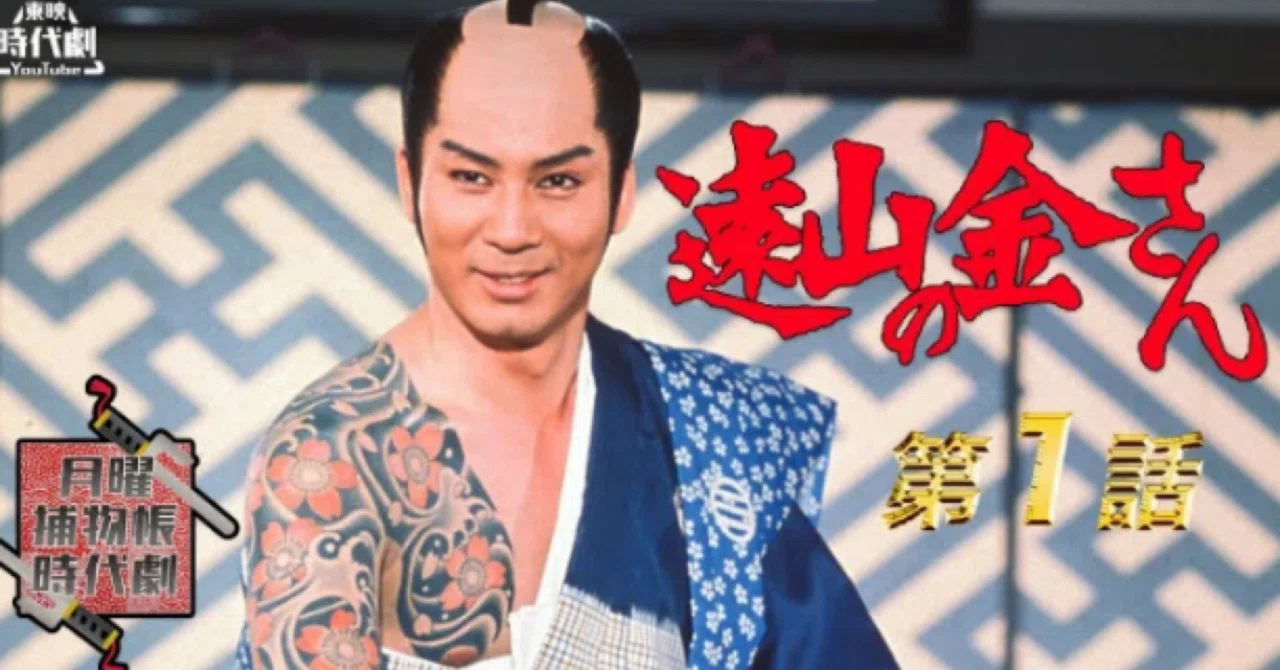
🌸天皇制と身体管理

みなさん よくご存知の
裁判官がコレですよ🌸
#茶の間
#こたつ
#お茶🍵
#刺青
#町人アート
【天皇制と身体管理】
――刺青・裸文化・不敬罪に共通する統治構造
はじめに
刺青文化の話をしていると、まず引かれる。
当たり前といえば当たり前だが、当事者の目線から見れば、これは「思考停止」に近い反応である。
現代日本では、刺青(タトゥー)はしばしば
「ヤクザ」「怖い」「排除してよいもの」
として語られる。
しかしこの認識は、日本の長い歴史を通して形成されたものではない。
むしろ、近代以降に作られた極めて新しい価値観である。
本稿では、
江戸時代における刺青と裸文化の位置づけ
明治国家による断絶と身体管理
戦後に固定化されたイメージ
不敬罪と身体管理の構造的共通性
を、一次資料と歴史的事実に基づいて整理する。
⸻
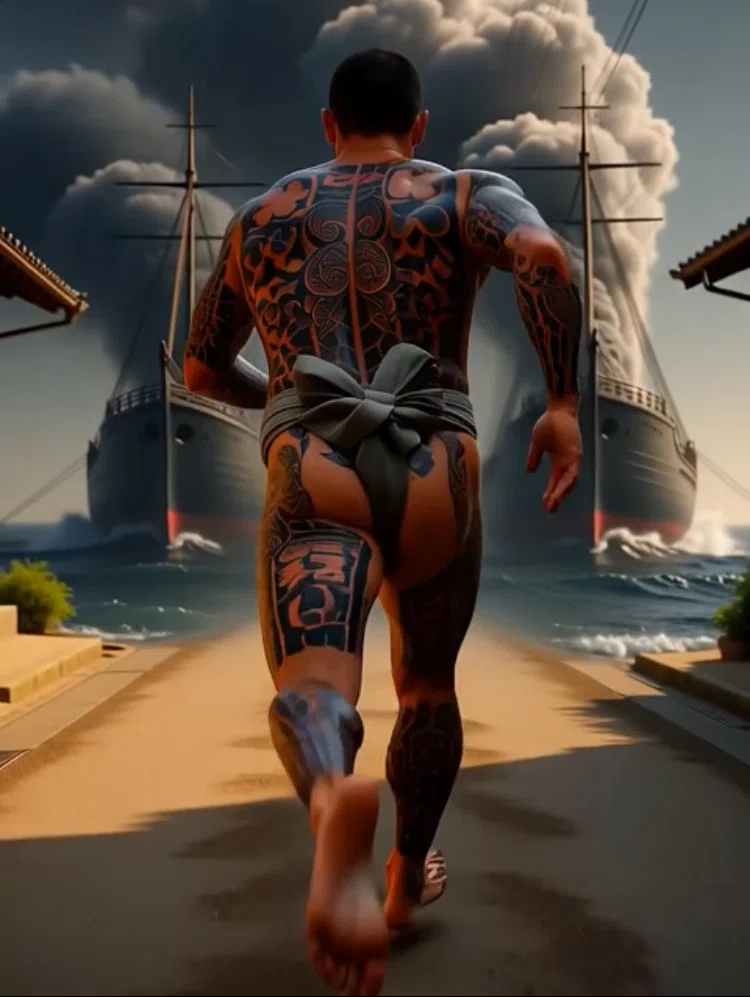
1.江戸社会における刺青と裸は日常だった
江戸時代の日本社会において、刺青や裸は例外的な存在ではなかった。
火消し、鳶職、飛脚、大工、船頭などの町人層では、
刺青を入れていること自体が珍しくなく、
それは粋や男気、美意識、職能集団への帰属を示す身体装飾だった。
刺青は隠すものではなく、見せることが前提だった。
祭礼、労働現場、湯屋(銭湯)などで刺青が露出することは日常的であり、
それは共有された視覚文化だった。
同様に、裸もまた日常だった。
江戸期の湯屋は原則として混浴であり、
上半身裸や半裸は労働や生活の延長として自然に存在していた。
裸は性的に強く意味づけられておらず、
清潔を保つ行為であり、生活の一部だった。
刺青と裸は、ともに
身体を生きている証として可視化する文化の中にあった。
⸻
2.江戸しぐさが称揚され、身体表現が切り捨てられる矛盾
近年、「江戸しぐさ」「江戸の心」「日本人の美徳」といった言説が好んで語られる。
しかしそれらの多くは、所作やマナー、言葉遣いに限定され、
身体表現としての江戸文化にはほとんど触れない。
実際の江戸の町人文化は、
派手で、身体的で、視覚的だった。
刺青や裸文化を無視した江戸文化論は、
文化理解ではなく、選択的忘却に近い。
「江戸文化は好きだが、刺青は怖い」
「裸は日本の伝統だが、見られるのは嫌だ」
こうした態度は、歴史の断絶を前提にした理解である。
⸻
3.明治国家による断絶と身体管理
刺青や裸が否定される決定的な転換点は明治期にある。
1871年、刑罰としての刺青刑は廃止された。
しかし1872年、装飾目的の刺青も含めて全面的に禁止される。
太政官布告第295号では、刺青は
「風俗を紊乱するもの」
として規制された。
同時期に、混浴の禁止、裸体露出の取締、服装・身だしなみの統制も進められる。
これらは治安対策ではない。
西洋列強からどう見えるかという外部視線を基準とした、
文明化政策だった。
明治国家は、天皇を中心とする国民統合を進める中で、
国民の身体を「管理可能なもの」に再編した。
刺青や裸は、
個人の美意識を前面に出し、
国家への忠誠と直接結びつかず、
統制しにくい身体表現だった。
そのため、町人文化としての刺青と裸は排除され、
下層文化・不道徳・反社会の印へと再定義された。
⸻
4.戦後と「刺青=ヤクザ」という単純化
戦後、日本は民主化されたとされるが、
身体管理の論理は断絶しなかった。
GHQおよび日本の警察行政は、
刺青を「反社会性の視覚的指標」として扱い、
「刺青=ヤクザ=危険」という単純な図式を固定化した。
この理解は、
江戸期の文化的背景や、
明治期の政策的断絶を切り捨てたものである。
同時に、銭湯や温泉は
自由な裸の空間ではなく、
規範に従う身体だけが許される管理空間へと変化していった。
⸻
5.不敬罪と身体管理の共通構造
ここで、不敬罪と身体管理を並べて考える必要がある。
不敬罪は、天皇や皇室に対する
言動・態度・認識を処罰対象とした制度である。
実害ではなく、どう考え、どう振る舞ったかが問題にされた。
これは思想・感情の管理だった。
同じ時期、刺青禁止や裸文化の規制は、
身体表現と身体感覚の管理だった。
管理対象は異なるが、構造は同じである。
• 規範を設定する
• 逸脱を可視化する
• 処罰や排除の前例を作る
• 最終的に、人々が自らを監視するようになる
不敬罪が廃止された後も
天皇について「語りにくい空気」が残ったように、
刺青や裸についても
「見せない方がいい」「考えない方がいい」という感覚が残った。
制度が消えても、
管理の論理は内面化され続けた。
⸻
6.現代に残る思考停止
現在でも多くの人が、
「刺青=怖い」
「よくわからないから関わらない」
という態度を取る。
そこには、
調べない、疑わない、歴史を辿らない
という思考停止がある。
これは個人の問題というより、
近代国家が作り上げた思考様式の延長である。
⸻
結論
刺青も、裸文化も、
そして天皇をめぐる言論も、
本来は日本社会の中で多様に存在していた。
それらが
「語ってはいけないもの」
「見せてはいけないもの」
「触れてはいけないもの」
になったのは、
近代国家が
統治しやすい身体と、統治しやすい思考を
同時に作り上げた結果である。
現在残っている排除や忌避は、
日本の伝統ではない。
それは、近代以降に形成された
制度と内面化された管理思想の残滓にすぎない。
⸻
参考資料
• 太政官布告 第295号(1872年)
• 教育勅語(1890年)
• 刑法旧第74条(不敬罪)
• 内務省 風俗取締関係資料
• 福澤諭吉『文明論之概略』
• GHQ民政局文書
• 上野千鶴子『近代日本の身体』
• 田中優子『江戸の身体感覚』
[The Imperial System and Bodily Control]
— A governing structure shared by tattoo culture, nudity, and the crime of lèse-majesté
Introduction
When discussing tattoo culture, people often recoil.
This reaction may seem natural, but from the perspective of those directly involved, it is close to what can be called “thought paralysis.”
In contemporary Japan, tattoos are often spoken of as
“yakuza,” “scary,” or “things that may be excluded.”
However, this perception was not formed through Japan’s long history.
Rather, it is an extremely new value system created after the modern period.
This paper organizes the following, based on primary sources and historical facts:
The position of tattoos and nudity in Edo-period society
The rupture and bodily control imposed by the Meiji state
The images fixed after the war
The structural commonality between the crime of lèse-majesté and bodily control
⸻
Tattoos and nudity were everyday in Edo society
In Edo-period Japanese society, tattoos and nudity were not exceptional.
Among townspeople such as firefighters, scaffolders, couriers, carpenters, and boatmen,
having tattoos was not uncommon,
and they functioned as bodily adornment expressing style, masculinity, aesthetic sense, and belonging to occupational groups.
Tattoos were not something to be hidden, but something to be shown.
Their exposure at festivals, worksites, and bathhouses (public baths) was everyday,
and they formed a shared visual culture.
Likewise, nudity was also everyday.
Bathhouses in the Edo period were, in principle, mixed bathing,
and being bare-chested or half-naked existed naturally as an extension of labor and daily life.
Nudity was not strongly sexualized;
it was an act of maintaining cleanliness and part of everyday living.
Tattoos and nudity both existed within a culture that visualized the body as proof of being alive.
⸻
The contradiction in which “Edo manners” are praised while bodily expression is discarded
In recent years, discourses such as “Edo manners,” “the Edo spirit,” and “Japanese virtues” have been favorably repeated.
However, most of them are limited to gestures, manners, and language,
and hardly touch Edo culture as bodily expression.
Actual Edo townspeople culture was flashy, physical, and visual.
Discussions of Edo culture that ignore tattooing and nudity are not cultural understanding,
but something close to selective forgetting.
“I like Edo culture, but tattoos are scary.”
“Nudity is a Japanese tradition, but I don’t want to be seen.”
Such attitudes presuppose a rupture in history.
⸻
The rupture and bodily control imposed by the Meiji state
The decisive turning point at which tattoos and nudity came to be denied lies in the Meiji period.
In 1871, tattooing as a criminal punishment was abolished.
However, in 1872, tattooing was completely prohibited, including decorative tattooing.
Under Dajōkan Proclamation No. 295, tattoos were regulated as
“things that disturb public morals.”
At the same time, the prohibition of mixed bathing, the policing of nude exposure, and the regulation of clothing and appearance were advanced.
These were not public safety measures.
They were civilization policies based on how Japan appeared to Western powers.
As the Meiji state promoted national integration centered on the Emperor,
it reorganized the population’s bodies into something “manageable.”
Tattoos and nudity emphasized individual aesthetic sense,
were not directly tied to loyalty to the state,
and were bodily expressions that were difficult to control.
For this reason, tattoos and nudity as townspeople’s culture were excluded
and redefined as marks of lower-class culture, immorality, and antisocial behavior.
⸻
The postwar period and the simplification “tattoos = yakuza”
After the war, Japan was said to have been democratized,
but the logic of bodily control did not rupture.
GHQ and Japanese police administration treated tattoos as
“visual indicators of antisociality”
and fixed the simple equation “tattoos = yakuza = danger.”
This understanding discarded
the cultural background of the Edo period
and the policy-driven rupture of the Meiji period.
At the same time, public baths and hot springs
changed from free spaces of nudity
into managed spaces where only norm-compliant bodies are permitted.
⸻
The common structure of the crime of lèse-majesté and bodily control
Here it is necessary to consider the crime of lèse-majesté alongside bodily control.
The crime of lèse-majesté was a system that punished
words, attitudes, and perceptions toward the Emperor and the imperial family.
It was not actual harm that was at issue,
but how one thought and how one behaved.
This was the management of thought and emotion.
In the same period, prohibitions on tattooing and the regulation of nude culture
were the management of bodily expression and bodily sensation.
Although the objects of control differed, the structure was the same.
• Norms are established
• Deviations are made visible
• Precedents of punishment and exclusion are created
• Eventually, people come to monitor themselves
Just as an atmosphere in which it was “difficult to speak” about the Emperor remained
even after the abolition of the crime of lèse-majesté,
so too did the feeling that tattoos and nudity are
“better not shown” and “better not thought about.”
Even when systems disappear,
the logic of control continues to be internalized.
⸻
Thought paralysis that remains today
Even today, many people take the attitude that
“tattoos are scary”
or “I don’t understand them, so I won’t get involved.”
Within this lies
a refusal to investigate, to question, or to trace history.
This is not merely an individual problem,
but an extension of the mode of thought produced by the modern state.
⸻
Conclusion
Tattoos, nude culture,
and discourse surrounding the Emperor
originally existed in diverse forms within Japanese society.
They became
“things that must not be spoken about,”
“things that must not be shown,”
and “things that must not be touched”
as a result of the modern state simultaneously creating
bodies that are easy to govern
and thoughts that are easy to govern.
The exclusion and avoidance that remain today
are not Japanese tradition.
They are merely the remnants of systems
and internalized governing ideology formed after the modern period.
⸻
References
Dajōkan Proclamation No. 295 (1872)
Imperial Rescript on Education (1890)
Former Penal Code Article 74 (crime of lèse-majesté)
Home Ministry materials on morals and customs regulation
Fukuzawa Yukichi, “An Outline of a Theory of Civilization”
GHQ Civil Affairs documents
Ueno Chizuko, “The Body in Modern Japan”
Tanaka Yūko, “Edo Bodily Sensibilities”
#刺青 #タトゥー #裸文化 #江戸文化 #町人文化 #天皇制 #身体管理 #不敬罪 #近代日本 #明治国家 #文化史 #日本史 #排除 #差別 #思考停止
#tattoo #irezumi #nudity #nudeculture #edoculture #japanesehistory #imperialsystem #bodypolitics #bodilycontrol #lesemajeste #modernjapan #culturalhistory #stigma #exclusion
『スポーツとナショナリズムの歴史社会学
――戦前=戦後日本における天皇制・身体・国民統合』
権 学俊/ナカニシヤ出版
Sports and Nationalism: A Historical Sociology
— The Emperor System, the Body, and National Integration in Prewar and Postwar Japan
By Kwon Hak-jun
Nakanishiya Publishing
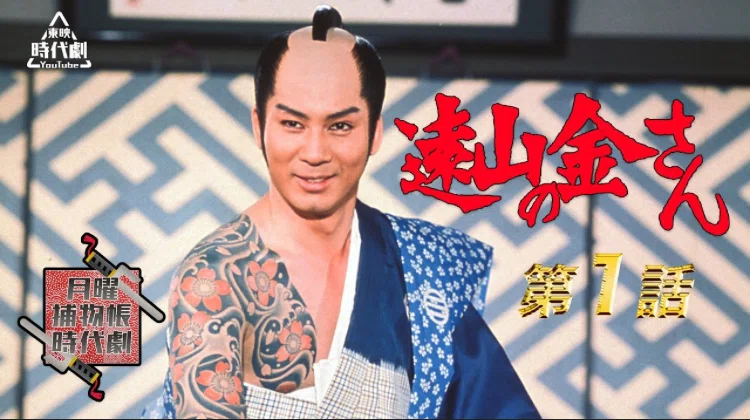
『遠山の金さん 捕物帳』
刺青は、近代日本では
「隠すべき身体」「管理されるべき身体」として
排除されてきた。
しかしこの作品では、
刺青は罪や逸脱の印ではなく、
正義を行使するために秘められた“身体の証”として描かれる。
裁く側でありながら、
国家的秩序の外縁に立つ身体。
この二重性は、
日本社会が刺青という身体表現を
恐れ、同時に物語の中で回復してきた歴史を映している。
制度が否定した身体と、
物語が肯定した身体。
その対比として、今も示唆に富む作品。
“Tōyama no Kin-san: Torimono-chō”
In modern Japan, tattoos have been excluded as
“bodies that must be hidden” and
“bodies that must be regulated.”
In this work, however, tattoos are not depicted as marks of crime or deviance.
Instead, they function as a concealed bodily proof through which justice is exercised.
A body that judges,
yet stands at the outer edge of state order.
This duality reflects a historical tension in Japanese society:
the fear of tattooed bodies, and at the same time,
their recovery and revalidation within narrative.
The body denied by institutions,
and the body affirmed by storytelling.
As a contrast between the two,
this work remains deeply suggestive even today.
【一次資料】
・国土交通省「混浴の歴史に関する資料」
Ministry of Land, Infrastructure, Transport and Tourism (Japan): Materials on the History of Mixed Bathing
https://www.mlit.go.jp/tagengo-db/common/001781430.pdf
#天皇制 #emperor
❁⃘*.゚TUBIBUARTUNIV.❁⃘*.゚
こんにちは!このチャンネルでは、AIを活用したアートや音楽の作品に加えて、リラックスできるヨガ動画もお届けしています。私がAIに初めて触れたのは2年前で、同じくオンラインヨガの生徒としても2年の経験を積み、ヨガインストラクターの資格も取得しました。ヨガは私自身の鬱の寛解にも非常に効果があり、その素晴らしさを広めたいと考えています。
スマートフォンを使って簡単に両方を始めることができ、心の中や頭の中の混乱を可視化することで、自分自身のセラピーにもなっています。AIを通じて、拙い言葉や自由な表現を使いながら、子どもや障碍を抱える方々、高齢者の方々が自分自身をクリエイティブに表現できる場を提供したいと思っています。アートセラピーとしてのAIアートを福祉とつなげ、さらにヨガを通じて心と体の両方を癒す新しい表現の機会を提供していきたいと思っています。
ぜひ、私の動画を楽しんでいただき、AIアートやヨガの魅力を感じてください!応援よろしくお願いします!
❁⃘*.゚ TUBIBUARTUNIV. ❁⃘*.゚
Hello! On this channel, I share AI-powered art and music creations, along with relaxing yoga videos.
I first encountered AI two years ago, and I have also spent the past two years as an online yoga student. I have since obtained my yoga instructor certification. Yoga has been extremely effective in helping my own depression go into remission, and I hope to share its benefits with others.
Both AI art and yoga can be started easily using just a smartphone. By visualizing the confusion inside my mind and thoughts, these practices have also become a form of self-therapy for me. Through AI, I aim to create a space where children, people with disabilities, and older adults can express themselves creatively, using simple words and free forms of expression.
I want to connect AI art as a form of art therapy with welfare, and further provide new opportunities for expression that heal both mind and body through yoga.
Please enjoy my videos and experience the appeal of AI art and yoga.
Thank you for your support!
Kobe branch.
Secret Club i&i Peaceful Nature
☆.。.:*・°☆.。.:*☆.。.:*・°☆
healing💫
music🎵
yoga🧘♀️
massage🤲
. #AIArt
. #DigitalArt
. #ArtOfTheFuture
. #ArtificialIntelligence
. #CreativeAI
. #AestheticArt
. #GenerativeArt
. #NeuralNetworks
. #ArtAndTechnology
. #InnovativeArt
. #VisualArt
. #DigitalArtist
. #ArtCommunity
. #TechArt
. #MachineLearningArt
. #AIArtist
#OTAKU
#hikikomori
#JAPAN
. #AbstractArt
. #FutureArt
. #ArtInspiration
. #TUBIBUARTUNIV .
#ArtisticExpression
#TOTALrelaxationTUBIBU
