
宗教と政治と報復:韓鶴子容疑者の拘束を見慣れていると感じる理由(旧統一教会)

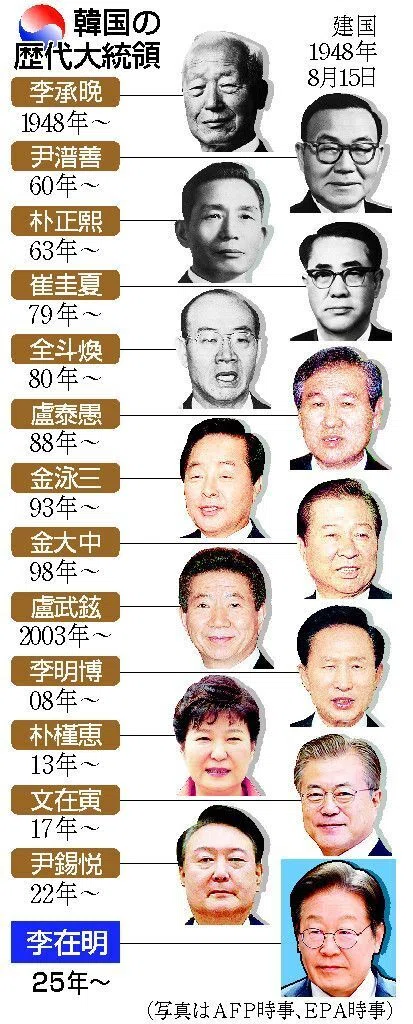
韓国の大統領経験者が畳の上(?)で死ぬことは難しいとこれまで何度か書きましたが
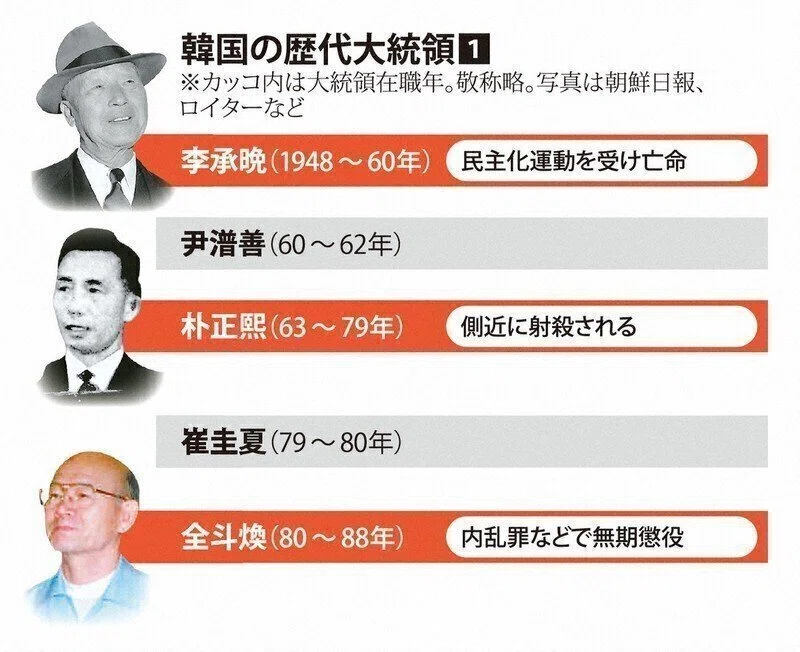
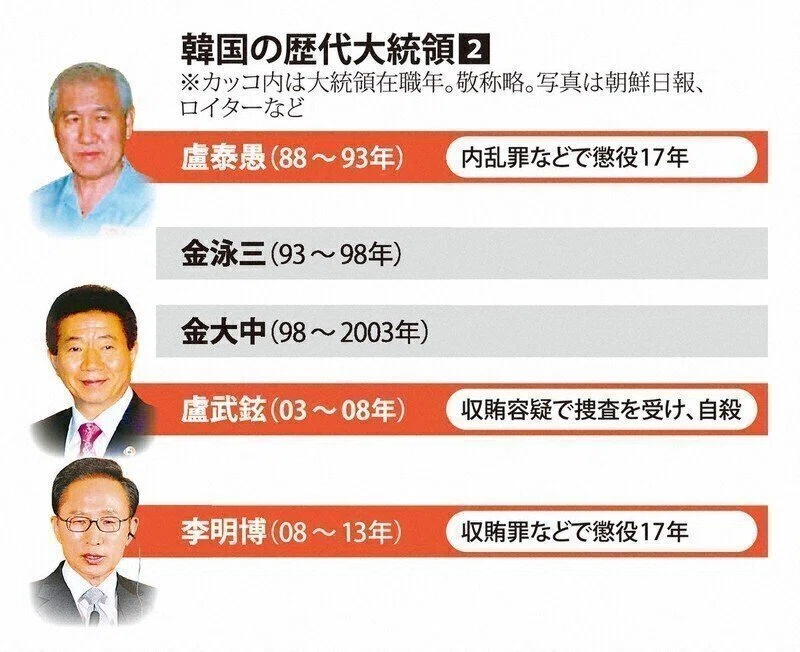
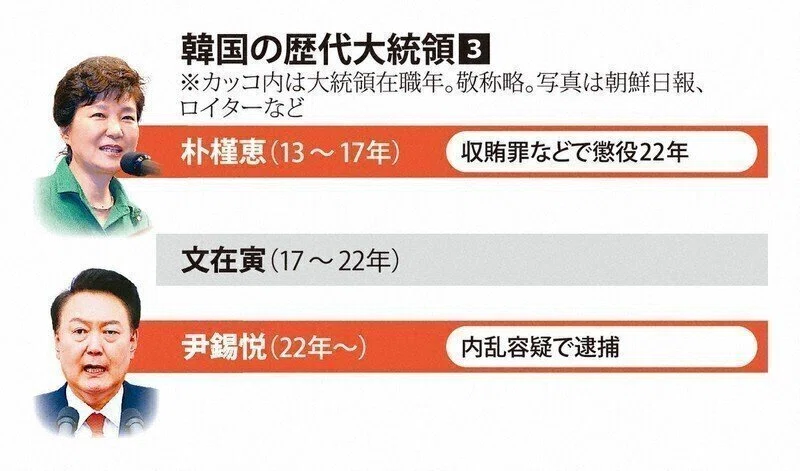
前大統領(および前大統領夫人)の悪行に連座している旧統一教会の韓鶴子総裁は(現地の)連休明け(今週の金曜日)には起訴され、間もなく裁判が始まるようです。尚、日本と同様に韓国でも、起訴されれば、裁判所ではほぼ例外なく(97%)有罪判決が下されるそうです。
政権交代時の政争に巻き込まれている状況について、"Sun Myung Moon, The Early Years, 1920-53"(1999年) の著者でもある Michael Breen 氏(元教会員、元ワシントンタイムズ紙ソウル特派員)の記事が目に留まったので末尾に引用(Google 翻訳)します。
崔順実(チェ・スンシル)ゲート事件で破滅した朴槿恵元大統領と同様に韓半島土着のシャーマニズム依存症(?)であった前大統領と前大統領夫人は旧統一教会にのみ関わったわけではありませんが
(例えば、国民の力に入党した俄党員は(旧統一教会より信徒数が一桁多い)新天地の方がはるかに多かったと推測されていますが、コロナウイルス蔓延時に大規模な集団礼拝を続けて袋叩きにされた新天地が前大統領夫人とは縁が薄かったためか)、今回は旧統一教会が集中砲火を浴びています。
末尾に引用した記事の最後の段落に
韓鶴子師をはじめとする聖職者達が有罪判決を受けた場合、彼らの処遇は、かつて重い判決を受けながらもすぐに釈放された大物実業家たちの処遇と同様になるのか?それとも、彼らは刑務所で苦しみながら、次期保守政権による釈放を待つことになるのか?
とありますが、今後の展開は . . .
The key figure who smoothed Moon's own entry, however, was an enigmatic Seoul businesswoman who later became his partner in a joint venture with the North. According to former Washington Times Seoul correspondent Michael Breen, also a Moon follower at the time, it was he who introduced church leaders to the woman who made it all possible.
“Madame” Park Kyung Youhne was nicknamed “the gateway” in Seoul for her singular ability to arrange meetings with officials in the North, and courted by Hyundai and other South Korean conglomerates for her extraordinary access. She was involved in food aid to the North in 1995. A 1996 Wall Street Journal profile reported persistent rumors that her ventures across the border -- which by then included Moon's Kumgangsan development company -- were a front for espionage.
宗教と政治と報復:韓鶴子容疑者の拘束を見慣れていると感じる理由
2025年9月25日
今週、検察が世界平和統一家庭連合(通称統一教会)の指導者、83歳の韓鶴子氏を拘束した際、海外の信者やワシントンの関係者を含む政治的同盟者から即座に非難が集まった。彼らは、この措置は行き過ぎであり、韓国憲法で保障されている信教の自由を侵害するものだと考えている。
しかし、韓国国内では、この事件はよくあるパターンに当てはまる。つまり、正義よりも政治的な決着の方が重要なのだ。
権威主義の時代から民主主義の政権を経て現在に至るまで、新政権はいずれも前政権を標的にすることを常としてきた。汚職を暴露することは、政敵を弱体化させると同時に、道徳的優位性を示すという二重の目的を果たす。
今回は、主要野党である国民の力党(PPP)に注目が集まっており、最大の標的は、短期間の戒厳令宣言後に失脚した尹錫悦(ユン・ソクヨル)前大統領と、職権乱用の疑いに直面している前大統領夫人だ。
現在の弾圧が異例なのは、戒厳令が敷かれたことに関連して必要な訴追のほかに、その宗教的な側面である。
これまでの反汚職運動の大半では、政治的ではない二次的な標的は企業、つまりサムスン会長をはじめとする財閥の有力幹部たちだった。彼らはしばしば「国家経済」のために刑期を務めながら、早期に恩赦を受けていた。今回は、宗教関係者が網にかかっている。
この変化の根源は、朴槿恵前大統領が弾劾された2017年に遡る。自身の政党と通常は親政府的なメディアから見放された支持者たちは、ニュースや意見を求めてYouTubeへと移行した。かつては右派が常に体制側であったため、体制を通じて行われていた保守運動の大部分が、街頭に繰り出した。
その空間に、意外な集団が足を踏み入れた。福音派プロテスタントで、多くは中年より上だった。教会が政治に関与することは、通常、教会自体によって指示されることはないため、彼らは少数派ではあったが、それでも騒々しい存在だった。彼らの不満は、当時も今も、ソウル中心部の交通を日常的に渋滞させる大規模な礼拝という形で表れている。
この抗議運動の中心にいるのは、ソウルのサラン第一教会の全光勲牧師だ。
李在明(イ・ジェミョン)大統領の就任から数週間後、警察は全氏の教会と関連施設を捜索し、ソウル西部地裁内で無秩序な抗議活動を画策した証拠を捜索した。全氏の娘も捜査対象となっている。
中国で見られるような宗教迫害は、物議を醸し人気のない宗派を標的とする。国家が神学的に誤った宗派を迫害しても、同じ宗教の主要な勢力はそれを非難しないからだ。しかし、韓国の検察は宗教迫害そのものを行っているわけではない。これは政治であり、標的は権力者にとってピットブル(アメリカン・ピット・ブル・テリア、おそらく飼育を禁止するべき猛犬の意)なのだ。
そのため、当局は主流派の宗教指導者にも同時に捜査を強めている。例えば今年の夏、検察は汝矣島純福音教会(韓国最大の単一教会で、信者数は約50万人)のイ・ヨンフン牧師の事務所と、90代の有力なバプテスト派牧師であるビリー・キム・ジャンファン氏の自宅を家宅捜索した。両名は、海兵隊員の死亡に関与した軍人のために違法なロビー活動を行った疑いがある。
なぜ彼らは敵視されているのか?その答えは、宗教専門家マッシモ・イントロヴィーニ氏が、今週、信教の自由と人権に焦点を当てた雑誌「ビター・ウィンター」に寄稿した記事にあるかもしれない。彼は、多数の信者を抱える複数の宗教団体が、反共産主義、反LGBTQ+の立場をとった前保守政権に同調したことを指摘している。
「皮肉なことに、ユン前大統領の宗教的支持者の中には反カルト運動家もいた。」と彼は書いた。「彼らは今かつて非難した『異端者』たち(カルト)と同じ牢獄に収監されているかもしれない。」
これらの「異端者」(カルト)には、統一教会と同様にキリスト教系の新興宗教である新天地のような団体が含まれる。両団体は、多数の信者を国民の力党に加入させたとして非難されている。
この議論は、現在捜査を受けている宗教関係者が無実であることを意味するものではない。告発されている罪でなくても、何らかの法律違反を犯した者もいるかもしれない。また、韓国の検察は贈賄や強要といった犯罪の定義において広範な裁量権を有しているものの、大規模な組織には、何らかの罪状を正当化するのに十分な曖昧さが潜んでいる場合が多い。
そして、韓国人なら誰でも知っているように、推定無罪率はわずか3%で、拘束されるということは有罪を意味する。
もちろん、法律が技術的に問題になる場面はあるが、政治は必ずしも判決を必要としない。例えば、先週、検察が統一教会の信者11万人が国民の力党に加入しているとされるデータベースを発見したというニュースが報じられると、与党は即座に野党の解党を要求した。
検証を待てば、(おそらく教会自身の主張に基づいて)韓国には20万人から30万人の統一教会員がいるとマスメディアが報じているものの、実際の数はその10%に過ぎないことに気づいたかもしれない。このリストは怪しいものだ。もちろん、偽名や知らないうちに登録された人物が含まれていることが判明すれば、統一教会は別途訴追される可能性がある。
最後の疑問が浮かび上がる。韓鶴子師をはじめとする聖職者達が有罪判決を受けた場合、彼らの処遇は、かつて重い判決を受けながらもすぐに釈放された大物実業家たちの処遇と同様になるのか?それとも、彼らは刑務所で苦しみながら、次期保守政権による釈放を待つことになるのか?以上のことは信仰と政治が交差する場面における教訓となるのか?
マイケル・ブリーン
(原文)
Religion, politics, payback: Why the jailing of Han Hak-ja feels familiar
By MIchael Breen
September 25, 2025
When prosecutors this week jailed Han Hak-ja — the 83-year-old leader of the Family Federation for World Peace and Unification, more commonly known as the Unification Church — the move drew swift condemnation from followers abroad and their political allies, including figures in Washington. They saw it as a step too far and a breach of Korea’s constitutional guarantee of religious freedom.
But inside Korea, the case fits a familiar pattern — one less about justice and more about political score-settling.
From the authoritarian era through the democratic governments to the present, each new administration has made a habit of targeting its predecessors. Exposing corruption serves a dual purpose of undermining political rivals while projecting an image of moral superiority.
This time, the spotlight is on the main opposition People Power Party (PPP), with the biggest targets being former President Yoon Suk Yeol, ousted after his short-lived declaration of martial law, and his wife, who faces abuse of power allegations.
What makes the current crackdown unusual, besides the necessary prosecution of imposing martial law, is its religious dimension.
In most previous anti-corruption drives, the secondary nonpolitical targets were corporate — powerful chaebol leaders from the Samsung chairman down, who often served time only to be pardoned early for the sake of the “national economy.” This time, the net is catching religious figures.
The roots of this shift go back to 2017, when former President Park Geun-hye was impeached. Deserted by her own party and by normally pro-government media, her supporters migrated for news and opinion to YouTube. A significant portion of conservative activism, previously done through the system because the right was, in a sense, always the establishment, took to the streets.
Into that space stepped an unlikely group: evangelical Protestants, many of them middle-aged or older. They were a minority, because involvement in politics is not typically directed by churches themselves, but they were a noisy one. Their discontent was and still is expressed in the form of massive worship services that routinely clog downtown Seoul traffic.
At the center of this protest movement is Pastor Jeon Kwang-hoon of the Sarang Jeil Church in Seoul.
A few weeks after President Lee Jae Myung took office, police raided Jeon’s church and related properties, searching for evidence that he had orchestrated a chaotic protest inside the Seoul Western District courthouse. His daughter is also under investigation.
Proper religious persecution, such as that in evidence in China, picks off controversial and unpopular sects, knowing the main body of co-religionists will not disapprove when the state descends on the theologically incorrect. But the Korean prosecutors are not engaged in religious persecution per se. This is politics and they are the pit bulls of those in power.
That is why authorities have also gone after mainstream religious leaders at the same time. This summer, for example, prosecutors raided the offices of Pastor Lee Young-hoon of Yoido Full Gospel Church — Korea’s largest single congregation, with nearly half a million members — and the home of Billy Kim Jang-hwan, an influential Baptist pastor in his 90s. Both are suspected of illegally lobbying on behalf of a military officer involved in a soldier’s death.
Why are they seen as the enemy? The answer may lie in a point made this week by religion expert Massimo Introvigne, writing in Bitter Winter, a publication that focuses on religious liberty and human rights. He notes that several religious groups with huge membership aligned themselves with the previous conservative government because of its anti-Communist and anti-LGBTQ+ positions.
“Ironically, some of Yoon’s religious supporters were anti-cult crusaders,” he wrote this week. “Now they may share jail cells with the ‘heretics’ they once condemned.”
Those “heretics” include groups like Shincheonji, which is another Christian-based new religion like the Unification Church. Both have been accused of enrolling thousands of members into the PPP.
This argument is not to say that the religious figures now under investigation are innocent. Some may well have broken the law, if not the ones they’re accused of, then something else that crops up. And while Korean prosecutors have wide discretion in defining crimes like bribery or coercion, large organizations often contain enough ambiguity to justify some kind of charge.
And, as Koreans all know, with an estimated acquittal rate of just 3 percent, being arrested means you’re guilty.
Of course, there comes a point where the law becomes technical. Politics doesn’t always need a verdict. Last week, for example, when news broke that prosecutors had found a database of 110,000 Unification Church members allegedly enrolled in the PPP, the ruling party quickly called for the opposition party to be disbanded.
Had it waited for verification, it might have learned that, while media reports there are 200,000 to 300,000 Unification members in Korea — probably based on the church’s own claims — the real figure is 10 percent of that. The list is dodgy. Of course, if it turns out it includes fake names or people unknowingly registered, the church could face separate charges.
That brings us to a final question. If Han and the other pastors end up convicted, will their treatment mirror that of tycoons in the past who were given a heavy sentence and quickly released? Or will they be left to languish in prison, awaiting liberation from the next conservative administration, a cautionary tale at the intersection of faith and politics?
Michael Breen
