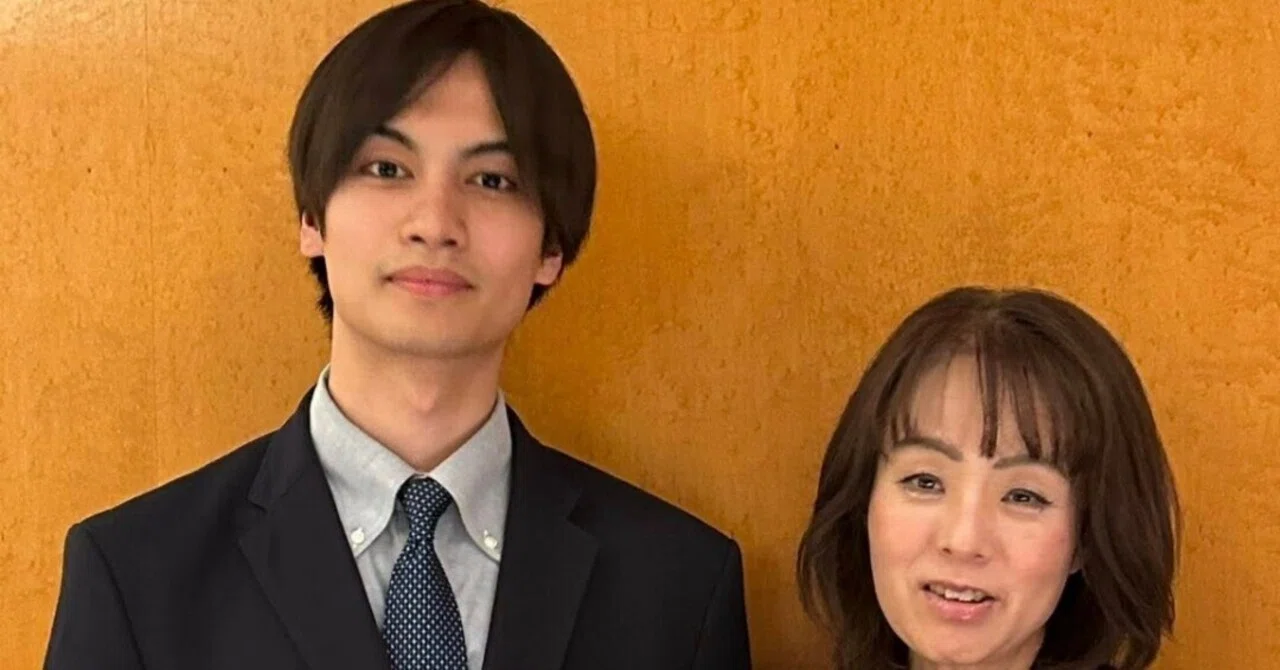
【五月祭・東京大学】ポリティカルに盛り上がった/盛り下がった遠因は「右合の衆」や新しい歴史教科書をつくる会(参政党にとっては巻き添え事故?)山田泰氏(理科二類)

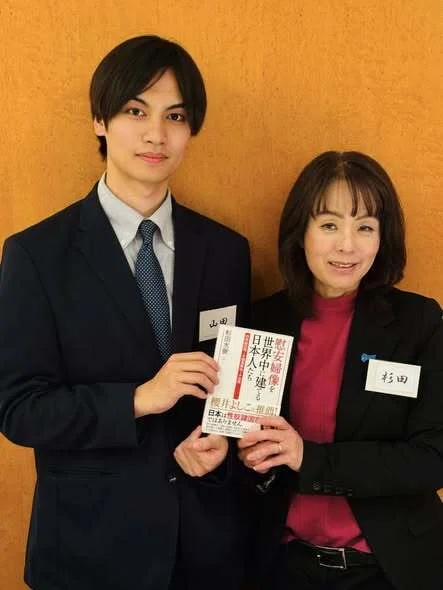
東京大学の政治サークル右合の衆で玉木雄一郎代表(@tamakiyuichiro )をお招きして講演会を開催いたしました。
— 右合の衆 (@ugonoshu_UT) April 28, 2026
基本東大生のみのクローズドな場ということもあり、通常の講演会ではなかなか聞けない率直なお話も多く、大変充実した時間となりました。
玉木代表、誠にありがとうございました。… pic.twitter.com/WR2bITDnAb
東大生3人が国連人権理事会に殴り込みました‼️
— 右合の衆 (@ugonoshu_UT) March 19, 2026
敵は沖縄の極左活動家とバックにいる中国でした‼️近日スイスで発見した中国のスパイとその嘘を全て晒します‼️
沖縄極左活動家の皆さん、震えてお待ちください‼️
拡散の程よろしくお願いします‼️ pic.twitter.com/RtPMy1CJun
(abridged)
That is why this issue matters not only for Japan, but for the credibility of the entire human rights system. My generation does not want human rights turned into a weapon of division. We want truth. We want peace. We want sovereignty to be respected. And we want international institutions to confront real abuses with seriousness, honesty, and integrity.
If this Council wishes to retain its credibility, it must return to its original purpose. Human rights exist to protect human beings - not to fracture nations through narrative manipulation.
(abridged)
(前略)
私たちの世代は、人権が分断のための武器に変えられることを望んでいません。私たちが求めているのは真実です。平和です。主権の尊重です。そして私たちは、国際機関が真の人権侵害に対して真剣さ、誠実さ、そして高い倫理観をもって向き合うことを望んでいます。
人権理事会が信頼性を維持しようとするのであれば、本来の目的に立ち返らねばなりません。人権は人間を護るために存在するのです。ナラティブ操作によって国家を分断するためのものではありません。
(後略)
※ 投稿時に誤って「烏合の衆」と記述していましたが、正しくは「右合の衆」です。お詫びして訂正いたします。
過激で先鋭的な学生運動が安田講堂で終焉を迎えた後、半世紀以上に渡って、五月祭や駒場祭が政治的に荒れることは殆どありませんでしたが、世界中で右旋回が続く中、日本国内の老若男女の右傾化を背景に学生サークル(?)一般社団法人「右合の衆」が企画した参政党代表や(さやとして当選後に既婚者であることが判明した)塩入清香参議院議員による講演会が爆破予告騒動に発展しました。
東大の五月祭にて、神谷さんにご講演頂けることとなりました!後半には参議院議員のさやさんにもご登壇頂き、パネルディスカッションを行います!是非ご来場下さい!
— 右合の衆 (@ugonoshu_UT) May 11, 2026
日時:2026年5月16日(土)12:00〜15:00
会場:東京大学本郷キャンパス 法文1号館(東) 2階 法25番教室… pic.twitter.com/k43uZHjYCV
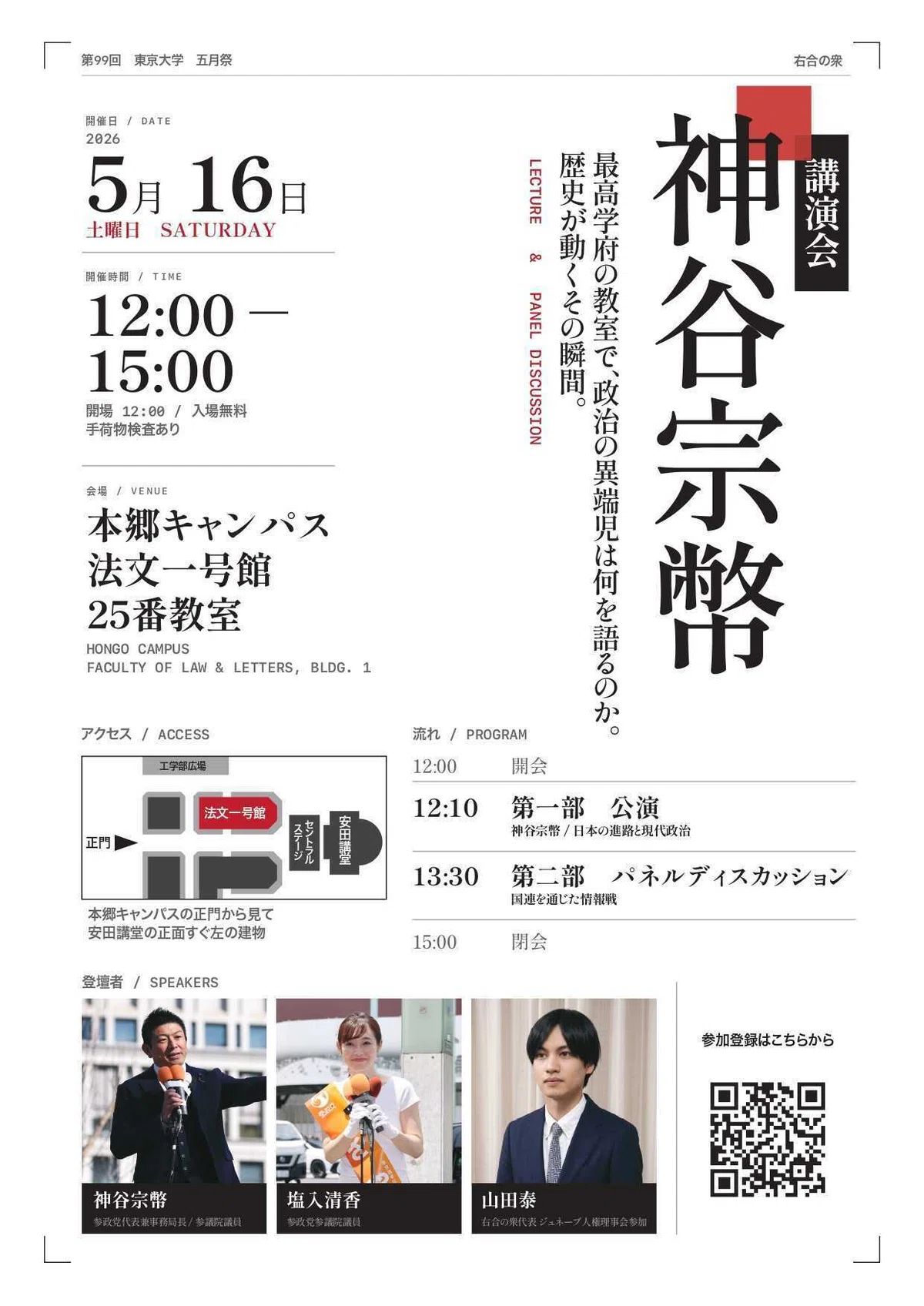
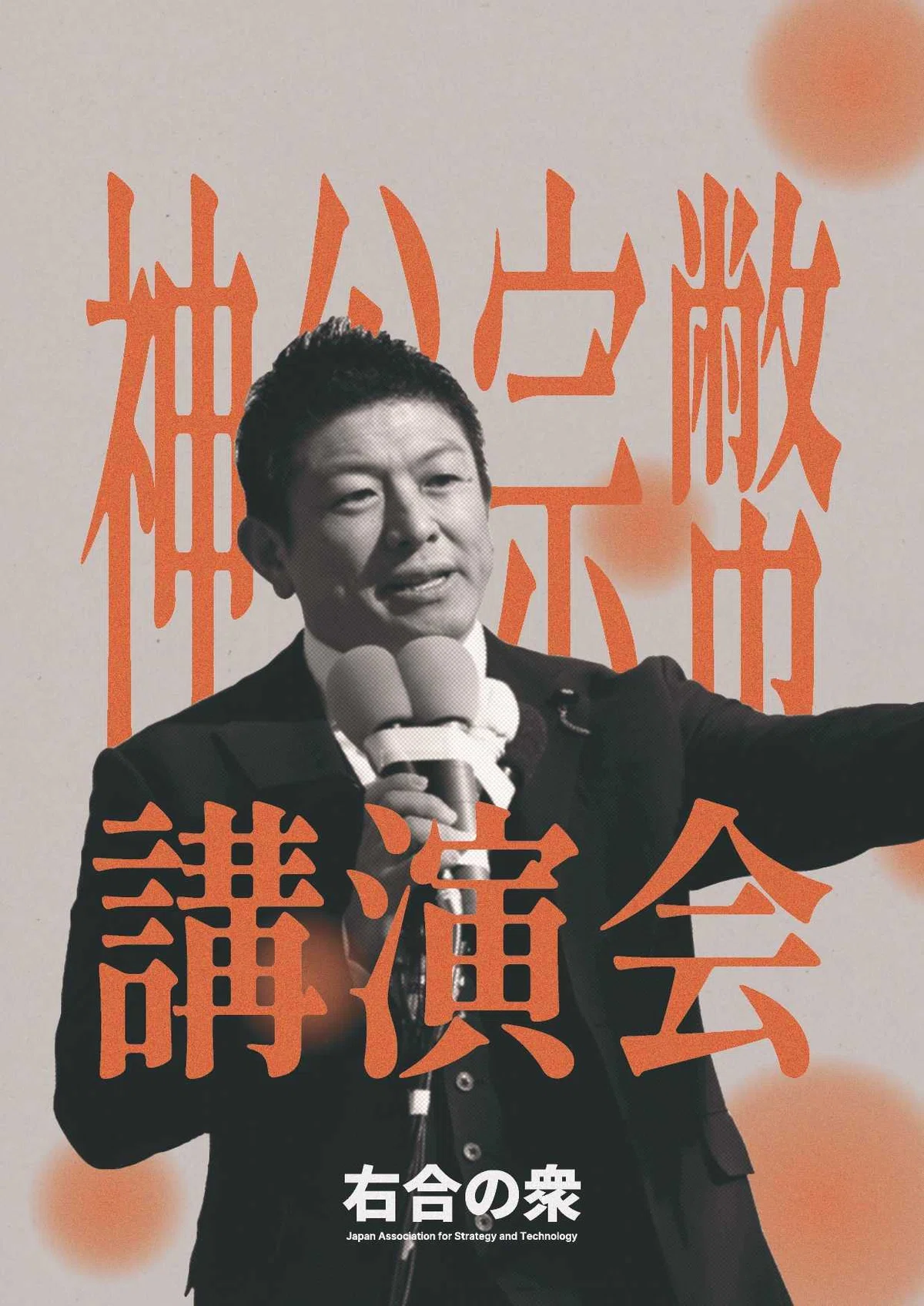
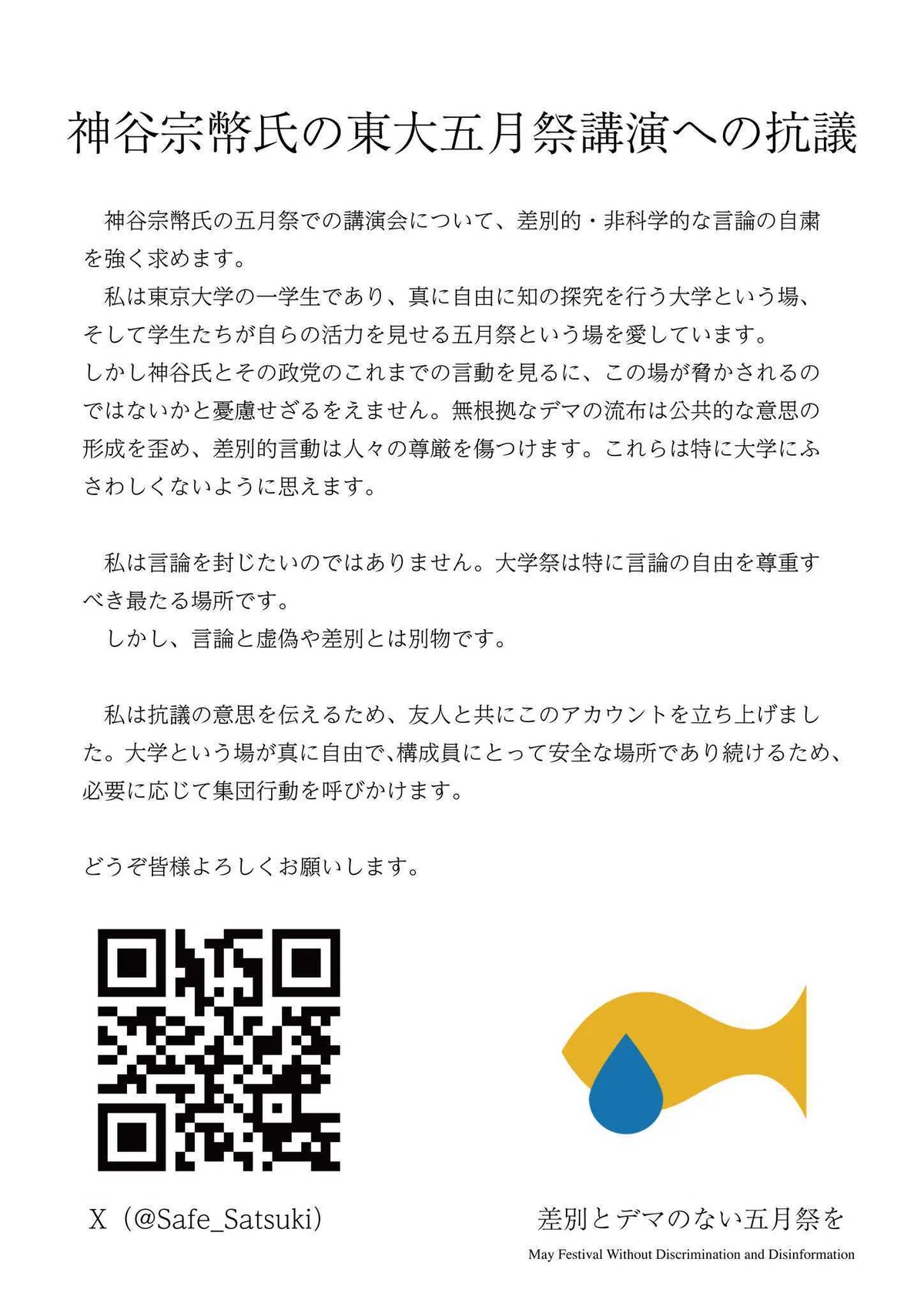
【神谷宗幣氏の東大五月祭講演への抗議】
— 差別とデマのない五月祭を (@Safe_Satsuki) May 11, 2026
神谷宗幣氏の五月祭での講演会について、差別的・非科学的な言論の自粛を強く求めます。 私は東京大学の一学生であり、真に自由に知の探究を行う大学という場、そして学生たちが自らの活力を見せる五月祭という場を愛しています。 (1/4) https://t.co/1ohQXzjLW3 pic.twitter.com/X0ifhOSEr6
爆破予告について本富士警察署に捜査本部が設置されたか否かは不明ですが、名称だけでは活動内容がわからない「右合の衆」を立ち上げたのは(進学振り分け前の)東京大学理科二類の学生さんです。
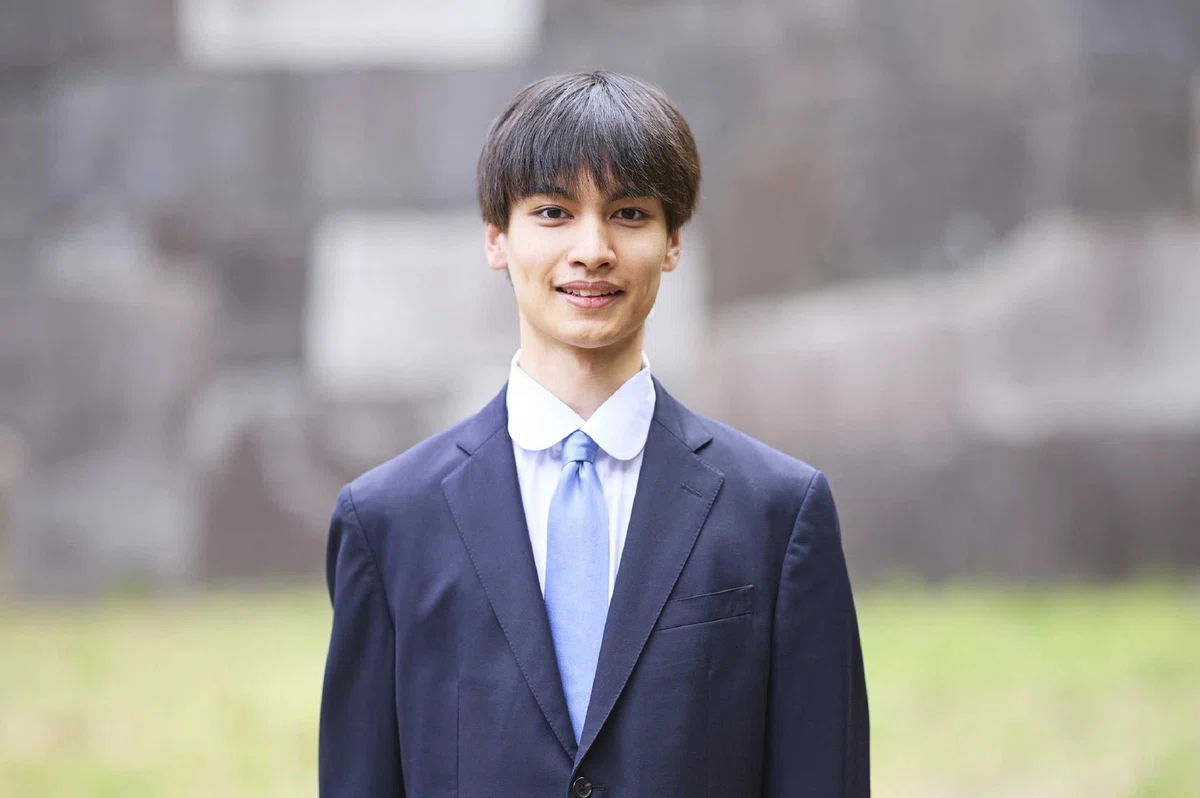
氏名: 山田泰さん
出身校: 岡山県立岡山大安寺高等学校
入学: 2024年 理科二類
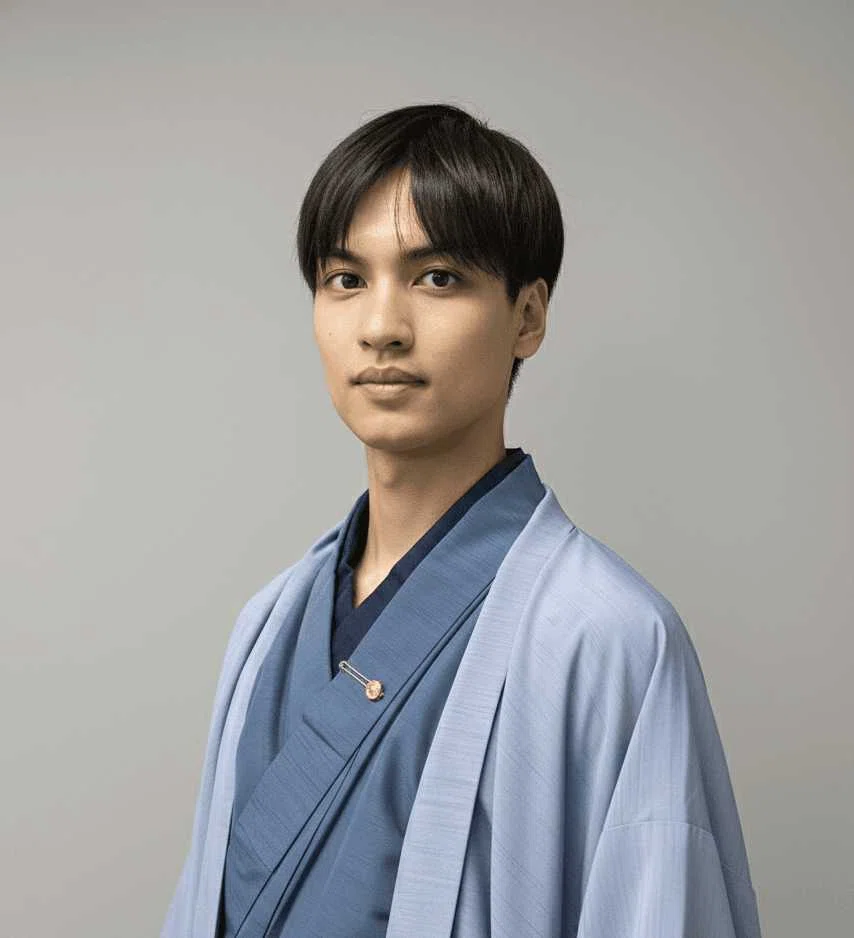
山田 泰 代表理事
Representative Director Thai Yamada
私は、日本を守り保ちたいと考えています。そのためには、志ある仲間たちが必要です。右合の衆は、東京大学から日本の将来を支える人材と志を育むために立ち上げたプラットフォームです。学び、議論し、行動を重ねながら、この国の歴史と伝統、そして未来を担う力を培ってまいります。皆さまのご理解とご協力を、心よりお願い申し上げます。
岡山県出身。東京大学前期教養学部理科二類2年。
内政・外交における政府戦略をテクノロジーの目線から立案し、産学官の連携を見据えた新たなルールメイキングを推進すべく、一般社団法人 右合の衆(JAST)を設立。
入学後に自然科学から人文科学・社会科学へご興味が移られたのかもしれませんが、現役合格されて上京される前からインターネット上では活動されていたようです。
SNS等で開示されている「右合の衆」の活動を拝見する限り、中国も、(おそらく)パンダも、お嫌いなようです。
https://www.ohchr.org/en/hr-bodies/hrc/regular-sessions/session61/regular-session
東大生3人が国連人権理事会に殴り込みました‼️
— 右合の衆 (@ugonoshu_UT) March 19, 2026
敵は沖縄の極左活動家とバックにいる中国でした‼️近日スイスで発見した中国のスパイとその嘘を全て晒します‼️
沖縄極左活動家の皆さん、震えてお待ちください‼️
拡散の程よろしくお願いします‼️ pic.twitter.com/RtPMy1CJun
東大生がスイスの国連で、中国の沖縄に関する情報工作の実態を暴きました!
— 右合の衆 (@ugonoshu_UT) March 22, 2026
私達は既に情報戦の渦中にあります!
拡散の程、何卒よろしくお願いします! pic.twitter.com/S46g5o8Att
東大生が沖縄で街頭アンケートを実施しました!
— 右合の衆 (@ugonoshu_UT) April 4, 2026
国連の勧告とは異なり、沖縄の人々の自認は日本人であることが分かりました!
ご回答頂いた全ての方に感謝申し上げます。
今後ともご協力と拡散の程よろしくお願い致します! https://t.co/3M5hLJsVKz pic.twitter.com/BAQFiKZ82z
代表の山田泰が #激論サミット に出演しました。
— 右合の衆 (@ugonoshu_UT) March 6, 2026
移民問題への若者の率直な意見を社会に伝えていきます。#東大 #春から東大 #サークル #新歓 pic.twitter.com/VHVoZM1iVD
五月祭神谷氏特別講演会は、中止となりました。改めて、来場者、関係者の皆様に、心よりお詫び申し上げます。
— 右合の衆 (@ugonoshu_UT) May 16, 2026
右合の衆は、言論の自由と対話の場を守るという信念のもと、今後も決して萎縮することなく活動を続けてまいります。
引き続き、ご応援の程、何卒よろしくお願い申し上げます。 https://t.co/rfmL6q6dFK pic.twitter.com/CVjBW5uaWN
末尾に引用した(海外で行われた)新しい歴史教科書をつくる会のイベントにも登壇されていますが、新しい歴史教科書をつくる会の中での立ち位置は不明です。
また、日本会議(にっぽんかいぎ)でも活動していらっしゃるようです。
今回の騒動は参政党にとっては巻き添え事故であったかもしれませんが、(今日は予定通り開催される)五月祭が無事に終了することを祈念します。
【本日の五月祭について】
— 東京大学 五月祭 (@gogatsusai) May 16, 2026
本日17日(日)の五月祭は開催いたします。
なお、安全対策強化のため、一部門の封鎖を行います。通行可能な門については、添付画像をご確認ください。… pic.twitter.com/WYRFEUuqO7
追記
その後、無事に終了したようです。
【五月祭総選挙🏆】
— 東京大学 五月祭 (@gogatsusai) May 17, 2026
/
最終結果発表!👑✨
\
ご来場の皆さまの投票をもとに五月祭の人気No.1企画を決定する五月祭総選挙。
2日間にわたる白熱した総選挙の末、見事入賞した企画はこちらです↓↓ pic.twitter.com/JmvQ8j1yoa
付記
末尾に引用した(海外で行われた)新しい歴史教科書をつくる会のイベントには(ワシントンタイムズ紙、セゲイルボ(韓国の世界日報)と並び旧統一教会の傘下にある)世界日報の紙面等で見かける方々も出席されています。
【報告】 第61会期国連人権理事会 沖縄先住民族問題について国連でNGOサイドイベント開催
作成者 irichjp 公開日 2026年3月23日
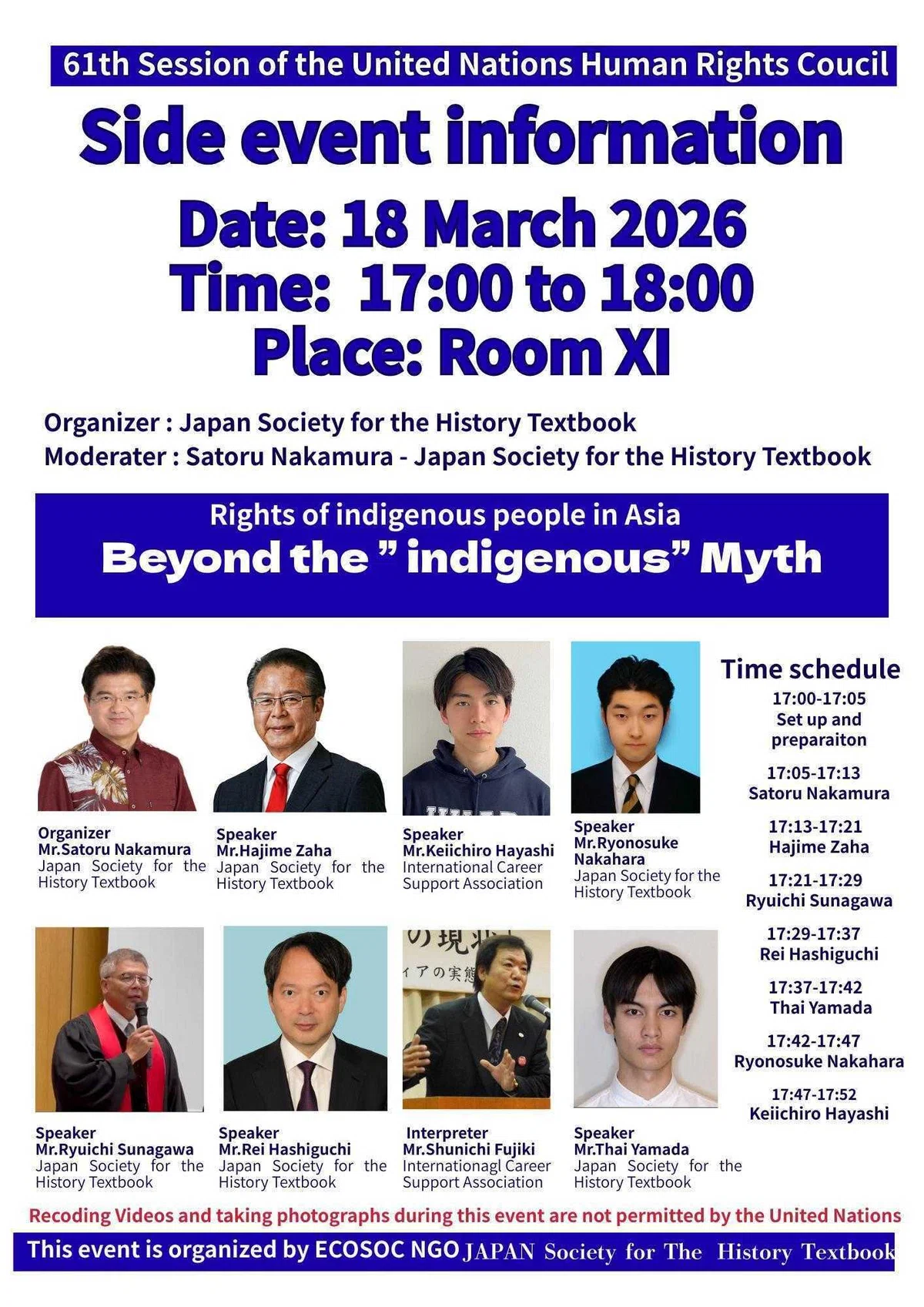
ジュネーブ国連で開催された人権理事会61セッション(2026.2.23-3.31)において、3月18日にサイドイベント「Rights of Indigenous People in Asia ~ Beyond the “Indigenous” Myth」を開催しました。
(発言日本語訳)
人権理事会61セッション
サイドイベント
アジアにおける先住民族の権利
先住民族神話を超えて
日時:2026年3月18日(水) 17:00-18:00
場所:ジュネーブ国連本部 Room XI
主催NGO:国連特別協議資格NGO 新しい歴史教科書をつくる会
モデレーター:仲村覚
発言者:座波一、砂川竜一、橋口玲、山田泰、中原涼之介、林慶一郎
(中略)
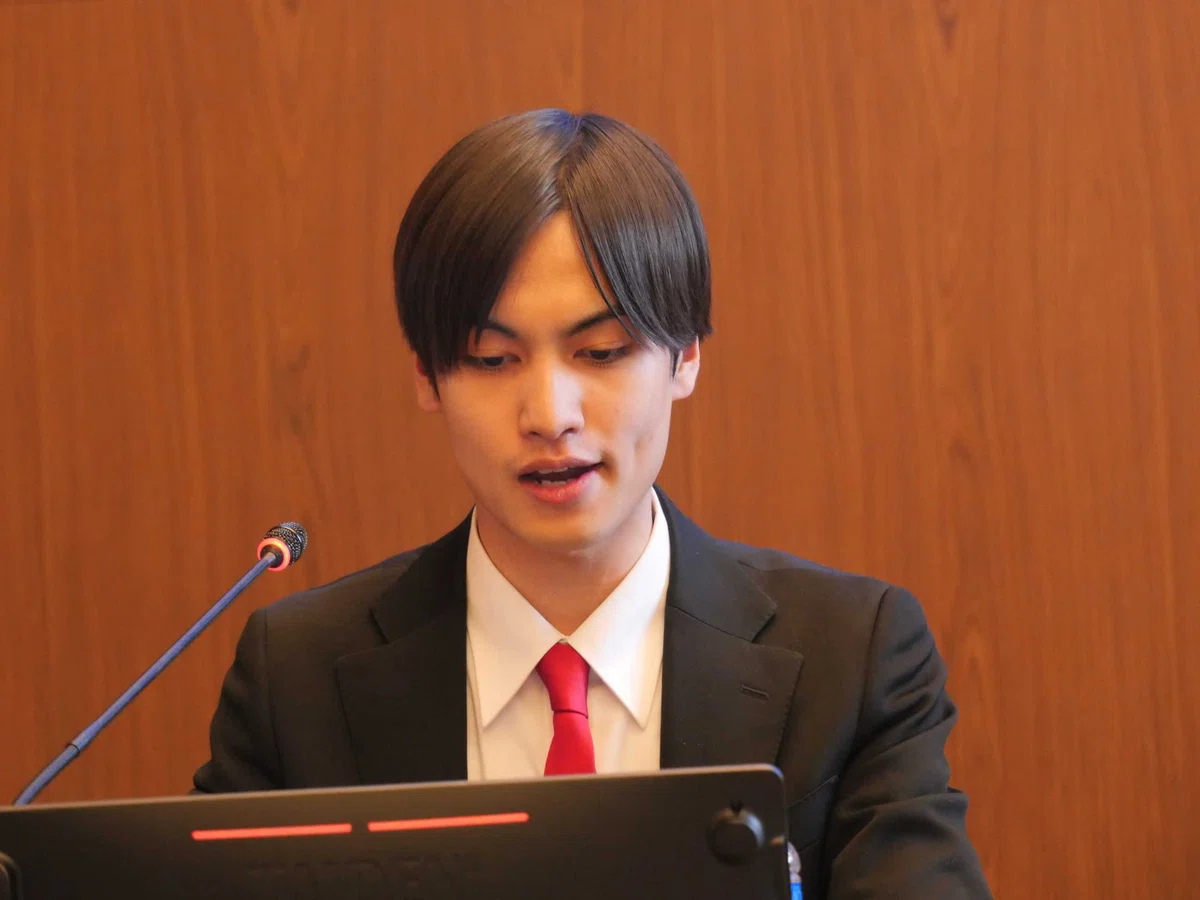
<Mr. Tai Yamada 山田 泰>
私は日本出身の大学生で、山田泰と申します。「右合の衆」という東京大学の学生団体の設立者です。この団体では歴史、外交、安全保障をテーマに活動しています。
本日、私は政府の代表としてではなく、平和、真実、そして政治的工作のない国際秩序を求める一人の若者として発言いたします。
人権理事会は、本来、抑圧や迫害、戦争、そして人間の基本的尊厳を否定され苦しむ人たちを保護するために創設されました。それが本来の使命であり、責任です。国家間の分断を生み出すための政治的なナラティブ(narrative 物語)を推進するために創設されたのではありません。また、戦略的プロパガンダに道徳的正当性を付するために存在するのでもありません。
ところが、沖縄をめぐるナラティブは、人権という言葉がいかに歴史の歪曲と、国家主権を損なうために利用され得るかを表しています。
ここで明確にしたいことがあります。沖縄には独自の地域的伝統、歴史的経験、文化的表現があります。でも、それが沖縄が日本と違うということではありません。言語的には、琉球諸語は日本語と同じ日本語族に属しています。文化的・歴史的にも、沖縄は何世紀にもわたり日本との深い結びつきの中で発展してきました。遺伝的にも、沖縄の人々は本土との地域差はあるものの、日本列島全体の人口史の一部に属しています。近年の研究では、本土と琉球は無関係な民族ではなく、日本人の主要なサブグループとされています。
これらの言語的・文化的・遺伝的な現実に加え、決して消してはならない歴史的事実も存在します。
戦後の沖縄の歴史は、単なる日本からの分離の物語ではありません。それはまた、多くの沖縄の人々が日本への復帰を求めて粘り強く努力した歴史でもあります。アメリカの統治下において、沖縄の人々は組織し、訴え、復帰を求めて運動を展開しました。この歴史は重要です。戦後の沖縄の真実は、日本からの分離という捏造のナラティブではなく、自らの国への復帰を望んだ多くの沖縄の人々の現実の意思であったことを示しています。
それにもかかわらず、国際的な人権の場において、沖縄を分離主義的なナラティブに沿う形で位置づける言説があり続けてます。こういったことは現実の不正義への取組ではありません。存在しない問題を作り出し、分断を助長するために利用されているのです。日本は繰り返し否定しており、沖縄で生まれ、または暮らす人々は完全に平等な日本国民であり、法的立場として彼らを先住民族とは認めていないと明確に述べています。
ここで完全に明確します。
沖縄は誰かの「ナラティブ戦争」の道具ではありません。沖縄の人々は地政学的なチェス盤の駒ではありません。人権という言葉は、政治的分断を覆い隠すためのカモフラージュとして使われるべきではありません。
そのような政治的な誤用は、人権理事会そのものの権威を空洞化させ、結局は真に保護と救済を必要とする人々を見捨てることにつながります。
だからこそ、この問題は日本だけでなく、人権システム全体の信頼性に関わる重要な問題なのです。
私たちの世代は、人権が分断のための武器に変えられることを望んでいません。私たちが求めているのは真実です。平和です。主権の尊重です。そして私たちは、国際機関が真の人権侵害に対して真剣さ、誠実さ、そして高い倫理観をもって向き合うことを望んでいます。
人権理事会が信頼性を維持しようとするのであれば、本来の目的に立ち返らねばなりません。
人権は人間を護るために存在するのです。ナラティブ操作によって国家を分断するためのものではありません。
ありがとうございました。
(後略)
61st Session of the United Nations Human Rights Council Side Event Rights of Indigenous People in Asia Beyond the " Indigenous“ Myth
Date: 18 March 2026
Time: 17:00-18:00
Place: Room XI
Organizer: Japan Society for the History Textbook
Moderator: Mr. Satoru Nakamura 仲村覚
Speakers: Mr. Hajime Zaha 座波一
Mr. Ryuichi Sunagawa 砂川竜一
Mr. Rei Hashiguchi 橋口玲
Mr. Tai Yamada 山田泰
Mr. Ryonosuke Nakahara 中原涼之介
Mr. Keiichiro Hayashi 林慶一郎
**************** Statements ****************
(abridged)
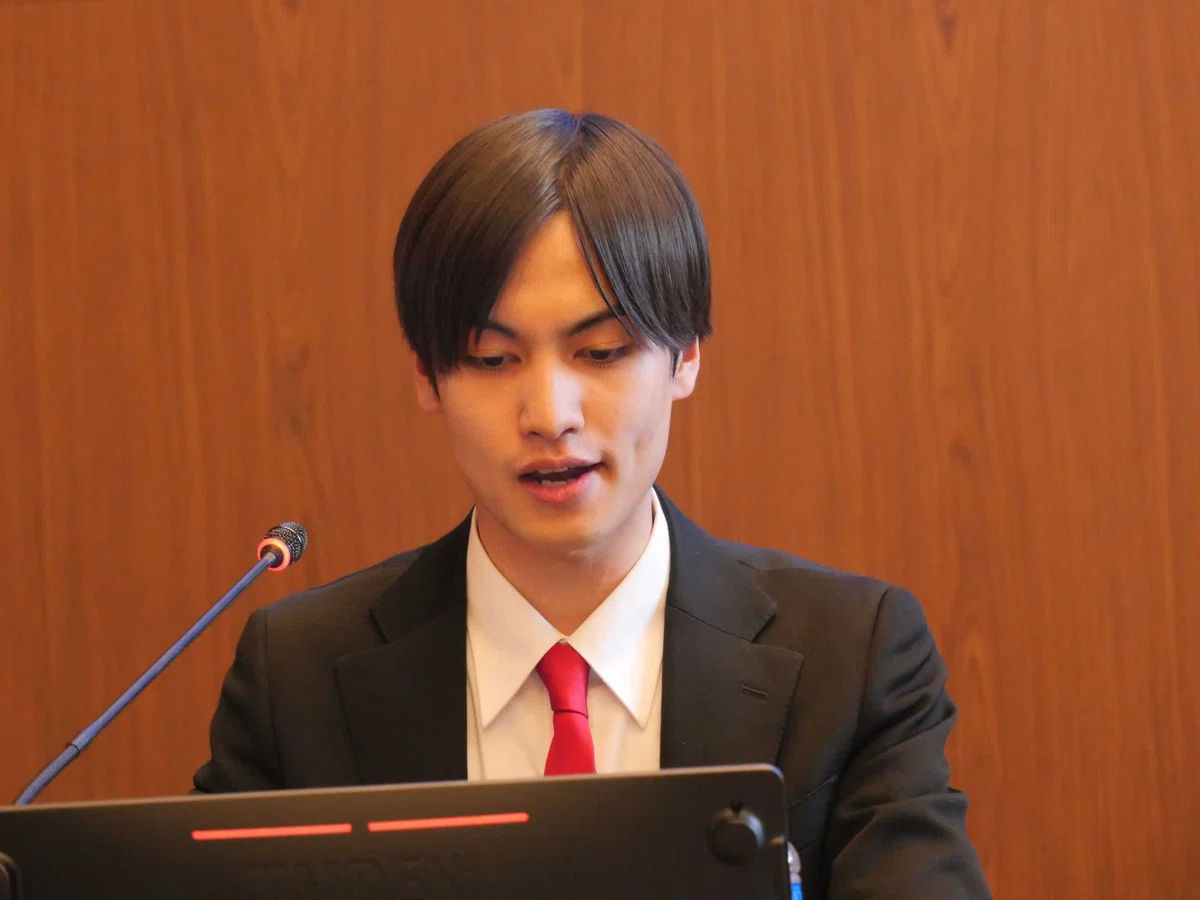
<Mr. Tai Yamada 山田 泰>
My name is Thai Yamada. I am a university student from Japan and a founder of Ugo no Shu, a student organization at the University of Tokyo focused on history, diplomacy, and national security. I speak today not as a government representative, but as a young person who seeks peace, truth, and an international order that does not reward political manipulation.
The Human Rights Council was created to protect those who truly suffer from oppression, persecution, war, and the denial of basic human dignity. It was not created to advance political narratives designed to divide nations. It was not created to lend moral legitimacy to strategic propaganda. That is its mission, and that is its responsibility. And yet, the narrative surrounding Okinawa shows how the language of human rights can be misused to distort history and undermine national sovereignty.
Let us be clear. Okinawa has regional traditions, historical experiences, and cultural expressions of its own. But that does not make Okinawa separate from Japan. Linguistically, the Ryukyuan languages belong to the same Japonic language family as Japanese. Culturally and historically, Okinawa has developed through deep ties with Japan over many centuries. Genetically as well, Okinawan people belong to the broader population history of the Japanese archipelago, even if there is regional variation from mainland populations. Recent research describes Hondo and Ryukyu as major Japanese subpopulations, not as unrelated peoples.
Beyond these linguistic, cultural, and genetic realities, there is also a historical fact that must not be erased. Postwar Okinawan history was not simply a story of separation from Japan. It was also a story of determined efforts by many Okinawans to return to Japan. Under U.S. administration, Okinawans organized, appealed, and campaigned for reversion. That history matters. It shows that the truth of postwar Okinawa is not a fabricated narrative of detachment from Japan, but the lived will of many Okinawans who sought return to their own country.
And yet, despite this history, we continue to see language in international human rights forums that frames Okinawa in ways that align with separatist narratives. They are not addressing a real injustice; they are inventing a problem where none exists and using it to make division.Japan has repeatedly rejected that position, stating clearly that people born in or living in Okinawa are fully equal Japanese nationals and that it does not recognize them as an indigenous people under its legal position. So let me be absolutely clear:
Okinawa is not a tool in anyone’s narrative war. The people of Okinawa are not pieces on a geopolitical chessboard. Human rights language must not be used as camouflage for political fragmentation. Such political misuse hollows out the authority of the Human Rights Council itself and, in the end, amounts to abandoning those who truly need protection and relief.
That is why this issue matters not only for Japan, but for the credibility of the entire human rights system. My generation does not want human rights turned into a weapon of division. We want truth. We want peace. We want sovereignty to be respected. And we want international institutions to confront real abuses with seriousness, honesty, and integrity.
If this Council wishes to retain its credibility, it must return to its original purpose. Human rights exist to protect human beings — not to fracture nations through narrative manipulation. Thank you.
(abridged)
