
【guardian.com】絶滅危惧種か、食卓のサーモンか──タスマニアの決断

20〜30代に響くNote用コピー:約1億年級の進化を背負う希少生物と、私たちの食卓を支える養殖サーモン。環境保護と雇用、法律と企業利益がぶつかるタスマニアのニュースから、「便利な消費」の裏側を考える。
Owner:guardian.com
タイトル: Albanese government reaffirms decision to allow salmon farming in Tasmania, despite fears for endangered Maugean skate
日時:2025/08/14
URL: “https://www.theguardian.com/australia-news/2025/aug/14/albanese-government-reaffirms-decision-to-allow-salmon-farming-in-tasmania-despite-fears-for-endangered-maugean-skate”
🌐 Detailed Summary in English
The Guardian article reports that Australia’s Albanese government has reaffirmed its decision to allow salmon farming to continue in Macquarie Harbour, Tasmania, despite serious concerns from conservationists about the endangered Maugean skate. Environmental groups, including the Bob Brown Foundation and the Australia Institute, had asked the federal government to reconsider a 2012 decision that allowed the expansion of salmon farming without assessment under national environmental laws. Environment Minister Murray Watt informed groups that the government would not reverse the position, saying relevant information had been considered and pointing to government-funded oxygenation measures in the harbour.
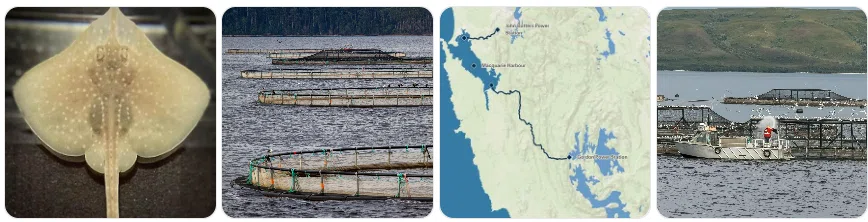
The decision follows amendments to Australia’s Environment Protection and Biodiversity Conservation Act, passed before the federal election, which limit reconsideration requests for developments already operating for at least five years under state or territory oversight. Critics say the law effectively shields the salmon industry from stronger federal scrutiny. The Bob Brown Foundation accused the government of abandoning a priority threatened species, while campaigners signalled further legal challenges.
Scientifically, the central issue is dissolved oxygen. Government scientific advice cited in the article found fish farming in the harbour to be the main cause of a substantial reduction in oxygen levels, which threatens the skate’s survival. Later ABC reporting also noted that industrial aquaculture remains the primary driver of habitat stress for the species and that reducing salmon biomass and feeding rates is considered the fastest way to improve conditions.
🌐 日本語で詳しく要約
この記事は、オーストラリアのアルバニージー政権が、タスマニア州マクォーリー港でのサーモン養殖継続を改めて認めたことを報じている。問題の中心にいるのは、タスマニア固有の希少なエイの仲間「Maugean skate(モージャンスケート)」で、同種はタスマニア州法とオーストラリア連邦の環境保護・生物多様性保全法の両方で絶滅危惧種に指定されている。
環境団体のBob Brown FoundationやAustralia Instituteなどは、2012年にサーモン養殖拡大が連邦環境法上の十分な審査なしに認められた判断について、再検討を求めていた。しかしマレー・ワット環境相は、関係情報を検討したうえで、養殖継続を認める決定を通知した。政府は、マクォーリー港の酸素濃度を改善するための酸素供給策にも資金を投じていると説明している。
一方で、保護団体はこの決定を強く批判している。彼らは、政府がサーモン産業を守るために環境法を弱め、優先的に保護すべき絶滅危惧種を事実上見捨てたと主張している。背景には、連邦選挙前に急いで成立した環境法改正がある。この改正により、すでに長期間操業している事業については、過去の判断を再検討しにくくなった。批判者は、これはサーモン業界への政治的配慮だと見ている。
科学面での焦点は「溶存酸素」だ。マクォーリー港の水質悪化、とくにサーモン養殖に由来する有機物負荷による酸素低下が、モージャンスケートの生存に大きな脅威を与えているとされる。ABCの後続報道でも、産業的な養殖が同種の生息環境に最も大きなストレスを与える要因だとされ、短期的には魚の飼育量や給餌量を大幅に減らすことが最も早い改善策だと報じられている。
このニュースは、単なる「魚の養殖」の話ではない。食料供給、地域雇用、企業ロビー、環境法、絶滅危惧種保護が複雑に絡む現代的な問題である。安く安定したサーモンを食べたい社会の需要と、二度と戻らない生物多様性を守る責任のどちらを優先するのかが問われている。
🌐 CEFR B1以上の重要語彙 12語
reaffirm
再確認する
The government reaffirmed its decision to allow salmon farming.endangered
絶滅の危機にある
The Maugean skate is an endangered species found in Tasmania.conservationist
自然保護活動家
Conservationists warned that the skate could face extinction.extinction
絶滅
The loss of oxygen may increase the risk of extinction.amendment
法改正、修正
The amendment changed how environmental decisions can be reviewed.assessment
評価、審査
Environmental groups wanted a new assessment of the salmon farms.legislation
法律、立法
The legislation was passed before the federal election.oxygenation
酸素供給、酸素化
The government funded oxygenation measures in the harbour.dissolved oxygen
溶存酸素
The skate depends on dissolved oxygen near the harbour floor.lobbying
ロビー活動
Industry lobbying influenced the political debate.sustainable
持続可能な
The government says it supports sustainable salmon farming.reconsideration
再検討
Environmental groups requested reconsideration of the 2012 decision.
📺 外部参照情報
YouTube関連動画: “Tasmania's salmon industry is booming but what about its …”
Reddit関連トピック: “Dead salmon, dying skates: How Tasmania was thrown into the election spotlight”
🗺️ 地名・人名・キーワード調査
地名 1:Tasmania(タスマニア)
オーストラリア南方の島州。豊かな自然、冷涼な気候、森林、海洋資源で知られ、観光・漁業・農業が重要産業。世界遺産級の自然環境と資源開発をめぐる政治的対立がしばしば起きる地域。
地名 2:Macquarie Harbour(マクォーリー港)
タスマニア西海岸にある大きな入り江。ABCは、シドニー港の約6倍の大きさで、野生のMaugean skateが確認される唯一の場所だと説明している。
人物 1:Anthony Albanese
オーストラリア労働党の政治家。オーストラリア議会公式プロフィールでは、2022年5月23日から首相を務めている。この記事では、サーモン養殖継続に関わる法改正方針を示した人物として登場する。
人物 2:Murray Watt
オーストラリアの環境・水資源相。公式サイトによると、2025年5月13日に同職へ就任した。記事では、サーモン養殖継続を認める決定を環境団体に通知した人物として登場する。
人物 3:Sarah Hanson-Young
オーストラリア緑の党の上院議員。議会公式情報では、環境・水、芸術・通信分野のスポークスパーソンを務めている。記事では、サーモンを掲げて政府の環境姿勢を批判した人物として言及される。
主要キーワード 1:Maugean skate
タスマニア固有の希少なエイの仲間。タスマニア州と連邦法の両方で絶滅危惧種に指定され、保全行動計画の対象になっている。
主要キーワード 2:EPBC Act
Environment Protection and Biodiversity Conservation Act。オーストラリアの国レベルの環境保護法。今回の法改正は、過去の開発判断を再検討できる範囲を狭めた点で論争になっている。
🌏 日本・米国の比較情報
Japan / 日本の現状
English: Japan has strong consumer demand for salmon, especially because farmed salmon from Norway and Chile helped expand raw salmon consumption during the Heisei era. Japan’s Fisheries Agency notes that salmon has become one of the commonly purchased fresh seafood items nationwide. Japan is also promoting aquaculture growth, and official materials describe active marine and land-based salmon farming.
日本語:日本ではサーモン需要が非常に強く、ノルウェーやチリの養殖サーモン流通拡大により、生食用サーモンが全国的に普及した。水産庁も、近年よく購入される生鮮魚介類としてサケが上位に入ると説明している。また、日本では海面養殖・陸上養殖のサーモン生産も活発化している。
United States / 米国の現状
English: In the United States, all Atlantic salmon sold in seafood markets is farm-raised, while commercial fishing for Atlantic salmon is prohibited because wild Gulf of Maine Atlantic salmon are protected under the Endangered Species Act. NOAA says U.S. farmed Atlantic salmon is a small part of the global market and that most Atlantic salmon sold in the U.S. is imported.
日本語:米国では、市場で売られるアトランティックサーモンはすべて養殖で、野生のアトランティックサーモンの商業漁業は禁止されている。NOAAによれば、米国産養殖サーモンは世界市場では小規模で、米国内で流通するアトランティックサーモンの多くは輸入品である。
💭 応用・ディスカッション展開
Theme 1: Should governments prioritize jobs or endangered species?
A strong answer should avoid treating this as a simple choice between people and nature. Governments have a duty to protect both livelihoods and biodiversity, but the order of priority matters when extinction is involved. Jobs can often be replaced, transformed, or supported through transition policies, while extinction is permanent. In the Tasmanian case, the salmon industry provides employment and economic stability for local communities, so it is understandable that politicians fear sudden shutdowns. However, if scientific evidence shows that an industry is pushing a unique species toward extinction, the government should not use jobs as an excuse to delay action indefinitely. A better approach would be a planned transition: reduce salmon biomass in the most sensitive areas, invest in land-based aquaculture, compensate affected workers, and create new jobs in conservation, monitoring, tourism, and low-impact seafood production. This approach recognises that environmental protection is not anti-worker. In fact, long-term ecological collapse can also destroy local economies. The key question is not “jobs or nature,” but “what kind of economy can survive without destroying the living systems it depends on?” Governments should be honest about trade-offs and should not weaken environmental laws to avoid political pressure. In cases involving irreversible biodiversity loss, the precautionary principle should carry significant weight.
Theme 2: Is farmed salmon really sustainable?
Farmed salmon can be more efficient than some forms of wild fishing, but sustainability depends heavily on where and how it is produced. The word “sustainable” should not be used as a marketing label without ecological evidence. In theory, aquaculture can reduce pressure on wild fish stocks and produce protein efficiently. However, open-net salmon farming can create serious local problems: waste accumulation, disease risk, escape of farmed fish, feed impacts, and reduced oxygen levels in sensitive waterways. The Tasmanian case shows why location matters. Macquarie Harbour is not just any farming site; it is the only known wild habitat of the endangered Maugean skate. Even if salmon farming is profitable and regulated, it may still be inappropriate in a fragile ecosystem with a rare species that depends on specific oxygen conditions. A more sustainable model might involve lower stocking densities, stronger independent monitoring, transparent data, closed-containment systems, or land-based recirculating aquaculture. Consumers also have a role, but the responsibility should not be pushed entirely onto individuals. Most shoppers cannot easily investigate oxygen levels, legislation, or species risk while buying dinner. Sustainability requires credible regulation, honest labelling, and companies willing to leave ecologically unsuitable areas. Farmed salmon may be part of future food systems, but only if production limits are set by science, not by political convenience or industry lobbying.
Theme 3: How should environmental laws handle old approvals?
Environmental laws must be able to revisit old approvals because scientific knowledge changes. A project approved in 2012 may look very different in 2025 if new evidence shows unexpected harm to a threatened species. Businesses need certainty, but certainty should not mean immunity from updated science. The central challenge is designing a system that is fair to both industry and the environment. One option is to require periodic environmental review for projects operating in sensitive habitats, especially where endangered species are involved. These reviews should not automatically cancel projects, but they should allow regulators to impose new conditions, reduce scale, require technology upgrades, or relocate activity when risks become unacceptable. If a government blocks reconsideration simply because a project has operated for many years, it may reward outdated decisions and weaken public trust. At the same time, businesses should receive clear rules and transition timelines so communities are not suddenly abandoned. The best legal framework would combine adaptive management, transparent scientific review, public participation, and enforceable consequences. In the Tasmanian salmon case, critics argue that law changes were used to protect an industry rather than strengthen biodiversity protection. Whether or not one supports salmon farming, this raises a broader democratic question: should environmental law serve as a living safeguard, or as a shield for past political decisions?
🏷️ 記事の背景
English: A rare skate found only in Tasmania’s Macquarie Harbour is central to a fight over salmon jobs, environmental law, and extinction risk.
日本語:タスマニア固有の希少なエイをめぐり、サーモン養殖、地域雇用、環境法、絶滅リスクが正面から衝突している。
🏷️ ハッシュタグ
#タスマニア #サーモン養殖 #マクォーリー港 #絶滅危惧種 #モージャンスケート #環境問題 #海洋保全 #生物多様性 #環境法 #オーストラリア政治 #食の未来 #持続可能性 #水産業 #自然保護 #気候危機 #若者と社会 #ニュース英語 #英語学習 #Note記事 #海外ニュース #Tasmania #SalmonFarming #MacquarieHarbour #MaugeanSkate #EndangeredSpecies #MarineConservation #Biodiversity #EnvironmentalLaw #Aquaculture #Sustainability #OceanHealth #AustraliaPolitics #FoodSystems #ClimateNews #EnglishLearning #NewsEnglish #教育 #英会話 #習い事
↓👍イイネを押してもらえると嬉しいです
