
【wikipedia】カーボベルデは“世界の交差点”だった、ワールドカップでスペインと引分けた国

アフリカ沖の島国カーボベルデ。火山島、クレオール文化、奴隷貿易の記憶、音楽、移民、観光、再生可能エネルギーまで、たった一国に世界史と未来のテーマが詰まっています。
Owner: wikipedia.org
タイトル: Cape Verde
日時: 2026/06/15
URL: “https://en.wikipedia.org/wiki/Cape_Verde”
🧩 英語要約
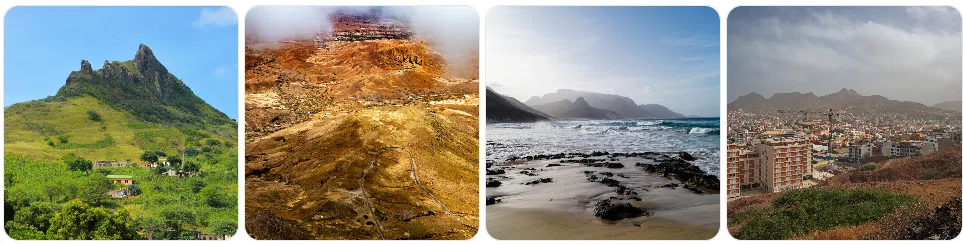
Cape Verde, officially the Republic of Cabo Verde, is an archipelagic country in the central Atlantic Ocean, located off the coast of West Africa. Its capital and largest city is Praia, on Santiago Island. The country is known in Portuguese as Cabo Verde and in Cape Verdean Creole as Kabu Verdi. The name comes from the Cap-Vert peninsula on the Senegalese coast, originally named Cabo Verde, meaning “green cape,” by Portuguese explorers. The islands were uninhabited until the 15th century, when Portuguese explorers settled them and created one of the earliest European settlements in the tropics. Because of its position in the Atlantic, Cape Verde became important in maritime trade and the transatlantic slave trade during the 16th and 17th centuries.
After the decline of the slave trade, Cape Verde faced economic difficulties, but ports such as Mindelo became important for ships crossing the Atlantic. The independence movement grew in the 20th century, strongly linked to Amílcar Cabral and the PAIGC, and the country became independent from Portugal on July 5, 1975. Today, Cape Verde is often described as one of Africa’s most stable democracies. Portuguese is the official language, while Cape Verdean Creole is the widely spoken national language. The culture blends African and European elements, especially in music, dance, religion, language, and cuisine. Tourism, remittances, services, and renewable energy are important themes for its future development.
🧩 日本語要約
カーボベルデ、正式にはカーボベルデ共和国は、西アフリカ沖の大西洋中央部に位置する島国です。首都はサンティアゴ島のプライアで、国名はポルトガル語の “Cabo Verde”、つまり「緑の岬」に由来します。この名前は、現在のセネガル沿岸にある Cap-Vert 半島にポルトガル人探検家が付けた名称から広まりました。カーボベルデ諸島は、15世紀にポルトガル人が到来するまでは無人島だったとされ、その後、熱帯地域における初期のヨーロッパ植民地の一つとなりました。
地理的には、ヨーロッパ、アフリカ、アメリカを結ぶ大西洋航路上にあるため、16〜17世紀には大西洋奴隷貿易の中継地として大きな役割を担いました。その歴史は、現在のカーボベルデ文化にも深い影を落としています。一方で、アフリカ系とヨーロッパ系の文化が混ざり合うことで、音楽、ダンス、食文化、言語に独自のクレオール文化が育まれました。公用語はポルトガル語ですが、多くの国民が日常的にカーボベルデ・クレオール語を話します。
20世紀にはポルトガル支配への不満が高まり、アミルカル・カブラルらが関わった独立運動が進みました。1974年のポルトガル革命後、独立への道が開かれ、1975年7月5日にカーボベルデは独立を達成しました。現在のカーボベルデは、アフリカの中でも政治的安定性が高い国として知られ、観光、港湾、移民からの送金、サービス業、再生可能エネルギーなどを軸に発展を目指しています。世界銀行は、観光が同国GDPの約25%を占める重要産業だと説明しています。
🧩 CEFR B1以上の重要語彙 12語
🧩 01|archipelago
日本語訳:群島、諸島
Example: Cape Verde is an archipelago in the Atlantic Ocean.
🧩 02|strategic
日本語訳:戦略的な、重要な
Example: The country has a strategic location between Africa, Europe, and the Americas.
🧩 03|settlement
日本語訳:入植地、居住地
Example: Portuguese explorers established an early settlement on the islands.
🧩 04|independence
日本語訳:独立
Example: Cape Verde gained independence from Portugal in 1975.
🧩 05|democracy
日本語訳:民主主義
Example: Cape Verde is often seen as a stable democracy in Africa.
🧩 06|official
日本語訳:公式の、公用の
Example: Portuguese is the official language of Cape Verde.
🧩 07|Creole
日本語訳:クレオール語、混成文化の
Example: Cape Verdean Creole is spoken by most people in daily life.
🧩 08|tourism
日本語訳:観光業
Example: Tourism is one of the most important parts of the economy.
🧩 09|remittance
日本語訳:送金、海外送金
Example: Remittances from emigrants support many families.
🧩 10|renewable
日本語訳:再生可能な
Example: The country is investing in renewable energy.
🧩 11|diaspora
日本語訳:移民コミュニティ、離散した人々
Example: The Cape Verdean diaspora has strong ties with the United States.
🧩 12|heritage
日本語訳:遺産、文化的伝統
Example: Music is an important part of Cape Verde’s cultural heritage.
🧩 外部参照情報
🧩 01|YouTube関連動画
Cabo Verde Explained in 16 Minutes | History, Geography, Culture
🧩 02|Reddit(USA)関連トピック
Two weeks in Capo Verde : r/travel
🧩 地名・人名・キーワード調査
🧩 記事内の地名
Cape Verde / Cabo Verde
西アフリカ沖、大西洋中央部にある島国。サンティアゴ、サン・ヴィセンテ、サント・アンタン、フォゴ、サルなど複数の島から成る群島国家です。火山地形、乾燥気候、美しい海岸線、クレオール文化が特徴です。
Praia
カーボベルデの首都で最大都市。サンティアゴ島に位置し、政治・行政・経済の中心です。Wikipedia記事では、サンティアゴ島が2021年国勢調査で最も人口の多い島であり、プライアを含むと説明されています。
Mindelo
サン・ヴィセンテ島の港町。良港を持つため、19世紀以降、大西洋航路上の商業・補給拠点として発展しました。音楽文化の中心地としても知られます。
Santiago Island
首都プライアがある最大級の島で、人口も多い中心的な島です。政治、教育、経済、歴史の面で重要な役割を持っています。
🧩 記事に登場する人物名
Amílcar Cabral
ギニアビサウとカーボベルデの独立運動を主導した思想家・政治指導者。PAIGCの中心人物で、1973年に暗殺されましたが、その運動はカーボベルデ独立につながりました。
António de Noli
15世紀にカーボベルデ諸島の発見に関わったとされるジェノヴァ出身の航海者。ポルトガル王アフォンソ5世によってカーボベルデの統治者に任命された人物として記事に登場します。
Charles Darwin
進化論で知られるイギリスの自然科学者。1832年、HMSビーグル号での航海の最初の寄港地がカーボベルデでした。
🧩 その他の主要キーワード
Transatlantic slave trade
大西洋奴隷貿易。カーボベルデはアフリカ、ヨーロッパ、アメリカを結ぶ航路上にあったため、16〜17世紀に奴隷貿易の重要な拠点となりました。
Cape Verdean Creole / Kriolu
カーボベルデで広く話されるクレオール語。公用語はポルトガル語ですが、日常生活ではクレオール語が母語として広く使われています。
🧩 日本・米国の比較情報
🧩 01|Japan / 日本
English:
Japan recognized Cabo Verde on July 11, 1975, shortly after its independence. According to Japan’s Ministry of Foreign Affairs, trade between Japan and Cabo Verde remains limited, but Japan has maintained diplomatic relations and development cooperation with the country. In 2023, Japan’s imports from Cabo Verde were 1.25 million yen, while exports to Cabo Verde were 730 million yen, mainly machinery and related goods.
日本語:
日本はカーボベルデ独立直後の1975年7月11日に国家承認を行い、外交関係を築きました。外務省によると、2023年時点で日本との貿易規模は大きくありませんが、日本からは機械類などが輸出されています。島国、海洋国家、資源制約という点では、日本とカーボベルデには比較できる視点があります。
🧩 02|United States / 米国
English:
The United States has a long relationship with Cabo Verde. The U.S. Embassy states that full diplomatic relations were established shortly after Cabo Verde became independent on July 5, 1975. The relationship is also shaped by migration: many Cape Verdeans and their descendants live in the United States, especially in New England. The two countries cooperate in areas such as democracy, security, trade, and people-to-people ties.
日本語:
米国とカーボベルデの関係は、独立直後の1975年から続いています。米国大使館によると、米国はカーボベルデ独立後まもなく正式な外交関係を樹立しました。また、カーボベルデ系移民が米国、とくにニューイングランド地域に多いことも、両国関係を支える大きな要素です。
🧩 応用・ディスカッション展開
🧩 01|Theme 1: How geography shapes a country’s destiny
Cape Verde is a good example of how geography can shape a country’s history, economy, and identity. The islands are located in the central Atlantic Ocean, between Africa, Europe, and the Americas. This position made Cape Verde strategically important for ships crossing the ocean. In the past, this brought both opportunity and tragedy. The islands became a center for trade and shipping, but they were also connected to the transatlantic slave trade. Later, ports such as Mindelo became useful for refueling and supplying ships.
Today, geography still matters. Cape Verde has beautiful beaches, volcanic landscapes, and a warm climate, which support tourism. However, the same geography also creates challenges. The country has limited natural resources, scarce water, and dependence on imports. Because it is an island nation, transportation and energy costs can be high. Climate change may also affect coastal areas and water security.
In my opinion, Cape Verde shows that geography is not simply a background. It is an active force that influences choices. A country cannot change its location, but it can change how it uses that location. Cape Verde can turn its Atlantic position into an advantage through tourism, renewable energy, blue economy projects, and international cooperation.
🧩 02|Theme 2: Why Creole culture matters in a globalized world
Cape Verdean culture is important because it shows how mixed identities can become a source of creativity. The country’s history includes African roots, Portuguese colonization, migration, slavery, Catholic traditions, and Atlantic trade. These different influences created a unique Creole culture. This can be seen in language, music, dance, food, and everyday life.
In many countries, people sometimes think identity must be pure or simple. Cape Verde challenges this idea. Its culture is not based on only one origin. Instead, it is built from contact, movement, pain, survival, and adaptation. Cape Verdean Creole is a powerful symbol of this history. Portuguese is the official language, but Creole is the language of daily life and emotion for many people.
In a globalized world, more people live between cultures. They may speak several languages, move between countries, or belong to diaspora communities. Cape Verde helps us understand that mixed identity is not a weakness. It can be a strength. It can produce new music, new ways of thinking, and strong connections across borders. Studying Cape Verde is therefore not only about one small island country. It is also about the future of global identity.
🧩 03|Theme 3: Can small island countries lead the future of sustainability?
Small island countries often face serious challenges. They may have limited land, few natural resources, high import costs, and vulnerability to climate change. Cape Verde has many of these challenges. Only a small part of its land is suitable for farming, and water scarcity is a major issue. The economy also depends strongly on tourism, which can be affected by global crises such as pandemics or economic shocks.
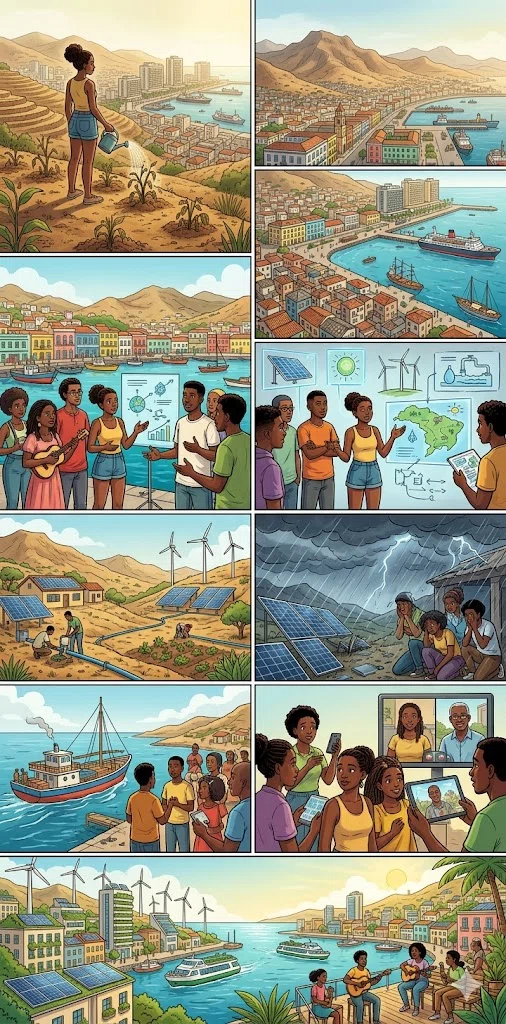
However, small island countries can also become leaders in sustainability. Because their challenges are clear, they often need practical and creative solutions. Cape Verde has invested in renewable energy and has set ambitious goals for cleaner power. Its government has also explored environmental projects and climate-resilient development. These actions show that sustainability is not only for rich or large countries.
I think Cape Verde’s experience teaches an important lesson: innovation often begins where pressure is strongest. A small country cannot waste resources. It must think carefully about energy, water, transport, tourism, and community life. If Cape Verde succeeds, it can become a model for other island nations. Its future may depend not only on economic growth, but on smart, resilient, and inclusive development.
🧩 記事の背景
🧩 01|English Background
Cape Verde’s history reflects Atlantic trade, Portuguese colonial rule, Creole culture, migration, and today’s search for sustainable island development.
🧩 02|日本語背景
カーボベルデの背景には、大西洋貿易、ポルトガル植民地支配、クレオール文化、移民、島国の持続可能な発展があります。
🧩 ハッシュタグ
#カーボベルデ #ケープベルデ #アフリカ #西アフリカ #島国 #大西洋 #世界史 #地理 #クレオール文化 #ポルトガル語 #海外文化 #国際理解 #観光 #移民 #ディアスポラ #再生可能エネルギー #奴隷貿易 #独立運動 #音楽文化 #英語学習 #CapeVerde #CaboVerde #Africa #WestAfrica #AtlanticOcean #Archipelago #CreoleCulture #PortugueseLanguage #WorldHistory #Geography #Tourism #Diaspora #RenewableEnergy #Sustainability #IslandNation #GlobalLearning #教育 #英会話 #習い事
🧩↓👍イイネを押してもらえると嬉しいです
🧩 語彙ダジャレ記憶
🧩01|archipelago
読み:アーキペラゴ
意味:群島、諸島
ダジャレ:アー来て、ペラ語で島めぐり。たくさんの島=archipelago!
🧩02|strategic
読み:ストラティージック
意味:戦略的な
ダジャレ:ストローで地図をチックと指す、そこが戦略的ポイント!
🧩03|settlement
読み:セトルメント
意味:入植地、居住地
ダジャレ:人がセットで住み始める場所=settlement!
🧩04|independence
読み:インディペンデンス
意味:独立
ダジャレ:インでペン出す、自分の名前でサインして独立!
🧩05|democracy
読み:デモクラシー
意味:民主主義
ダジャレ:デモ暮らしでも声を上げる、みんなで決めるdemocracy!
🧩06|official
読み:オフィシャル
意味:公式の、公用の
ダジャレ:オフィスある場所で出る正式発表=official!
🧩07|Creole
読み:クレオール
意味:クレオール語、混成文化
ダジャレ:文化が混ざってくれおーる、それがCreole!
🧩08|tourism
読み:ツーリズム
意味:観光業
ダジャレ:ツアーリズム、旅で経済が動くtourism!
🧩09|remittance
読み:リミタンス
意味:送金
ダジャレ:海外からリミットなしに助ける送金=remittance!
🧩10|renewable
読み:リニューアブル
意味:再生可能な
ダジャレ:何度もリニューアルぶるっと復活、renewable energy!
🧩11|diaspora
読み:ダイアスポラ
意味:移民コミュニティ、離散した人々
ダジャレ:世界に散らばりダイヤ、空へ広がる人々=diaspora!
🧩12|heritage
読み:ヘリテージ
意味:遺産、文化的伝統
ダジャレ:文化を減りてーじゃなく守る、heritage!
