
ヒメリュウキンカ 独特のツートンカラーの花弁の秘密に迫る

姫立金花 (ヒメリュウキンカ)
このヒメリュウキンカの花弁には、独特な色分け
が施されているもの。これは私が子供の頃に何故
かと疑問に思いながらそのままにしていたものを
今回の記事では、このツートンカラーについての
秘密に迫ってみた内容となっている。
先ずはこのヒメリュウキンカの分類であるのだが
キンポウゲ目、キンポウゲ科、に属している植物
で、原産は地中海沿岸部となる。日本へは観賞用
に渡ってきたもの。春の4〜5月に花を咲かせた
後には地上部は全て枯れてしまい地中部に残った
根塊だけを残すスプリングエフェメラルの一種。
学名はこの根塊のカタチがイチジクのカタチから
ついたものである。
さて、改めてこの植物の花の部分に注目して観察
してみよう。
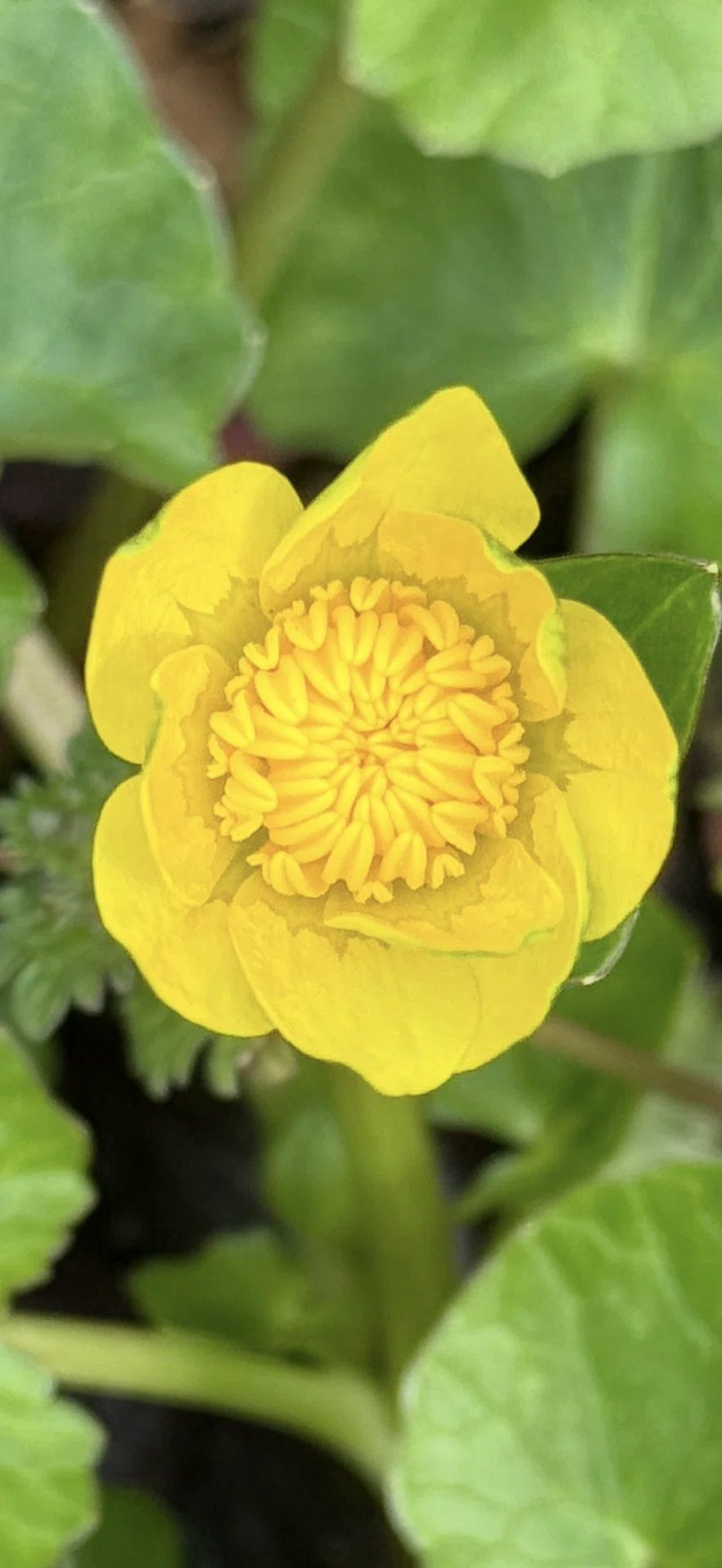
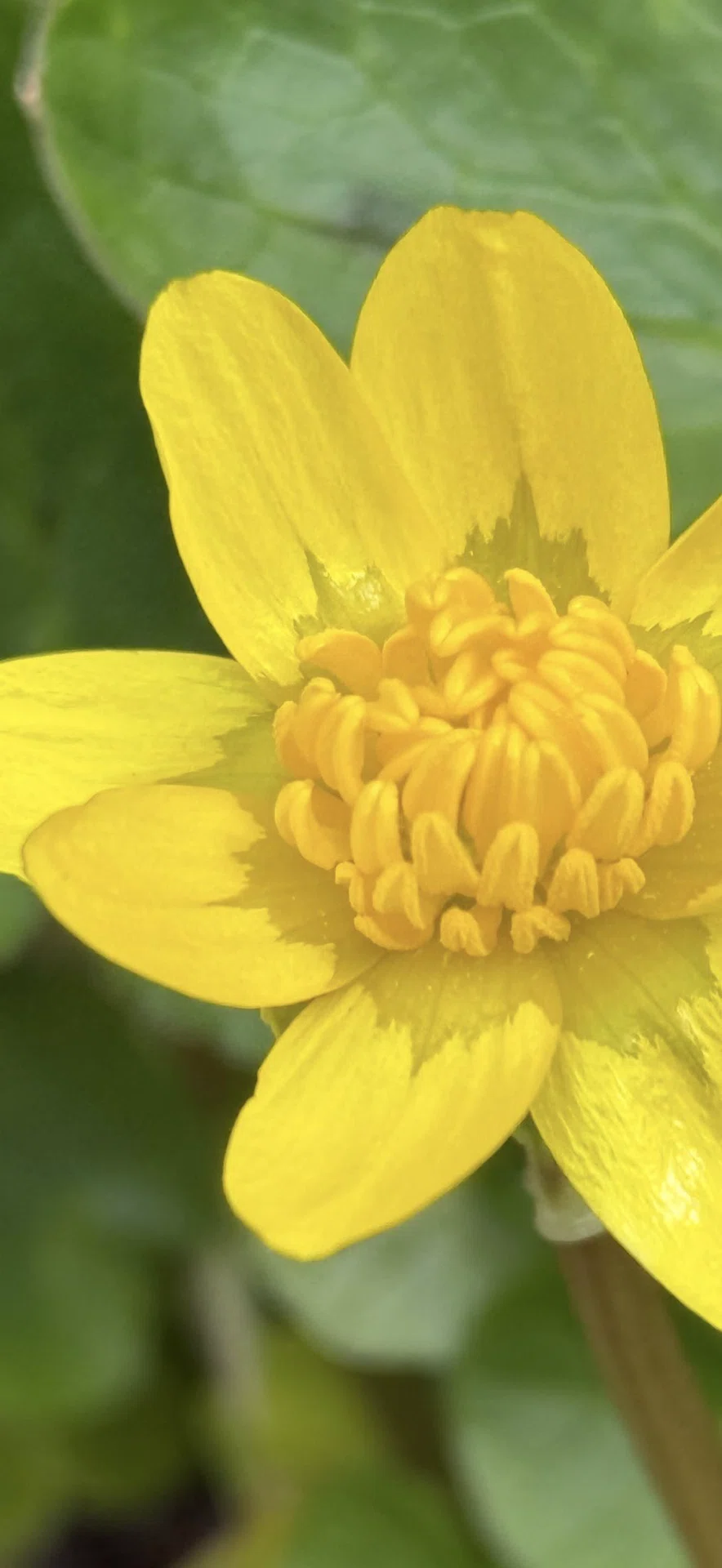
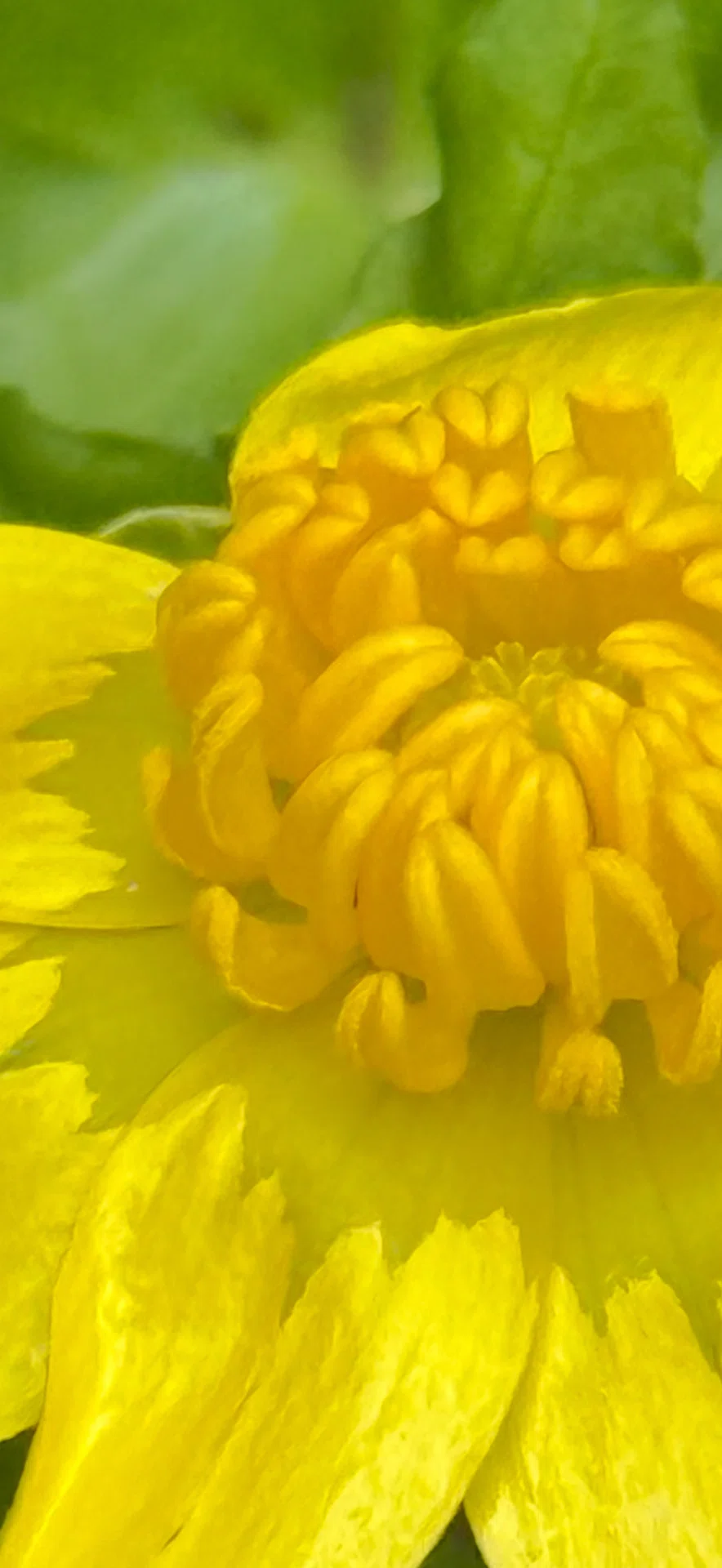
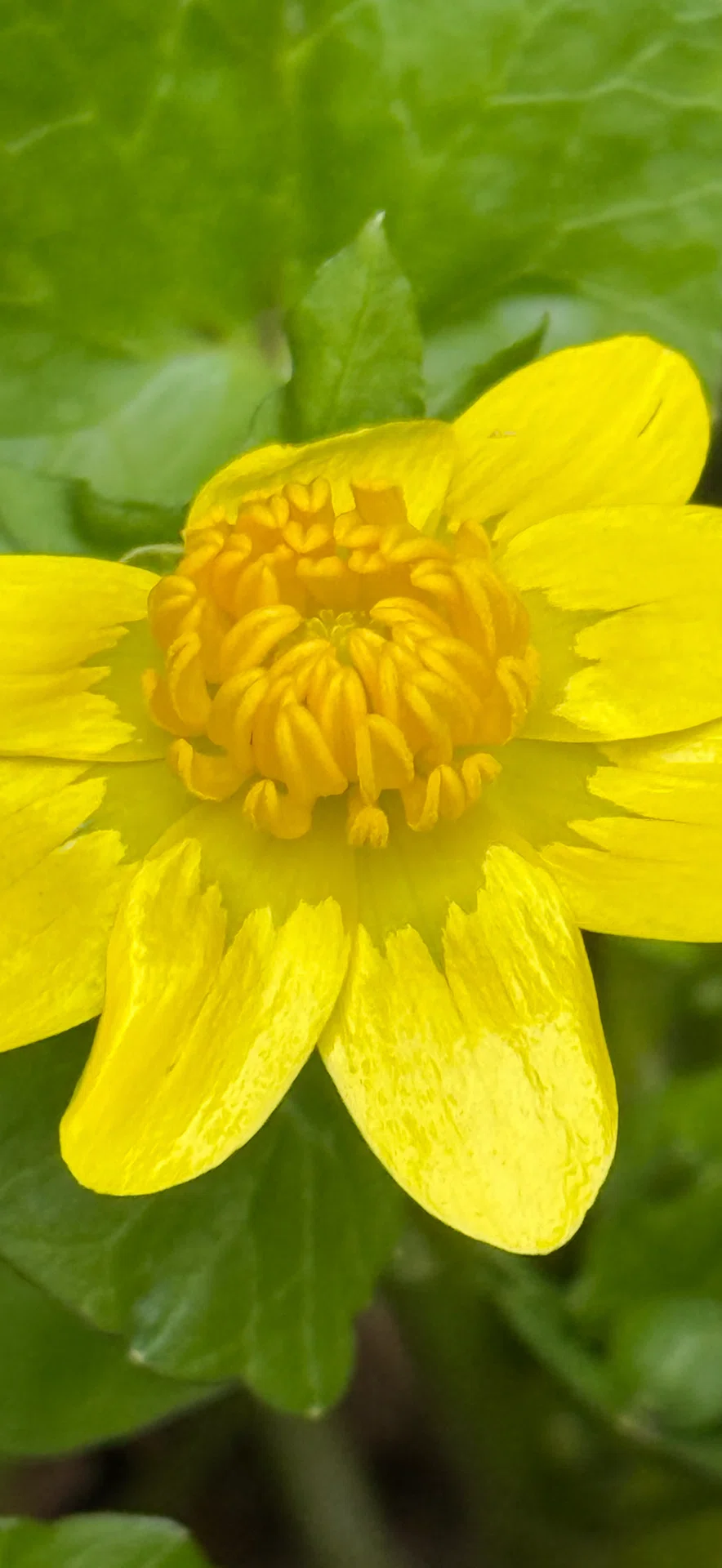
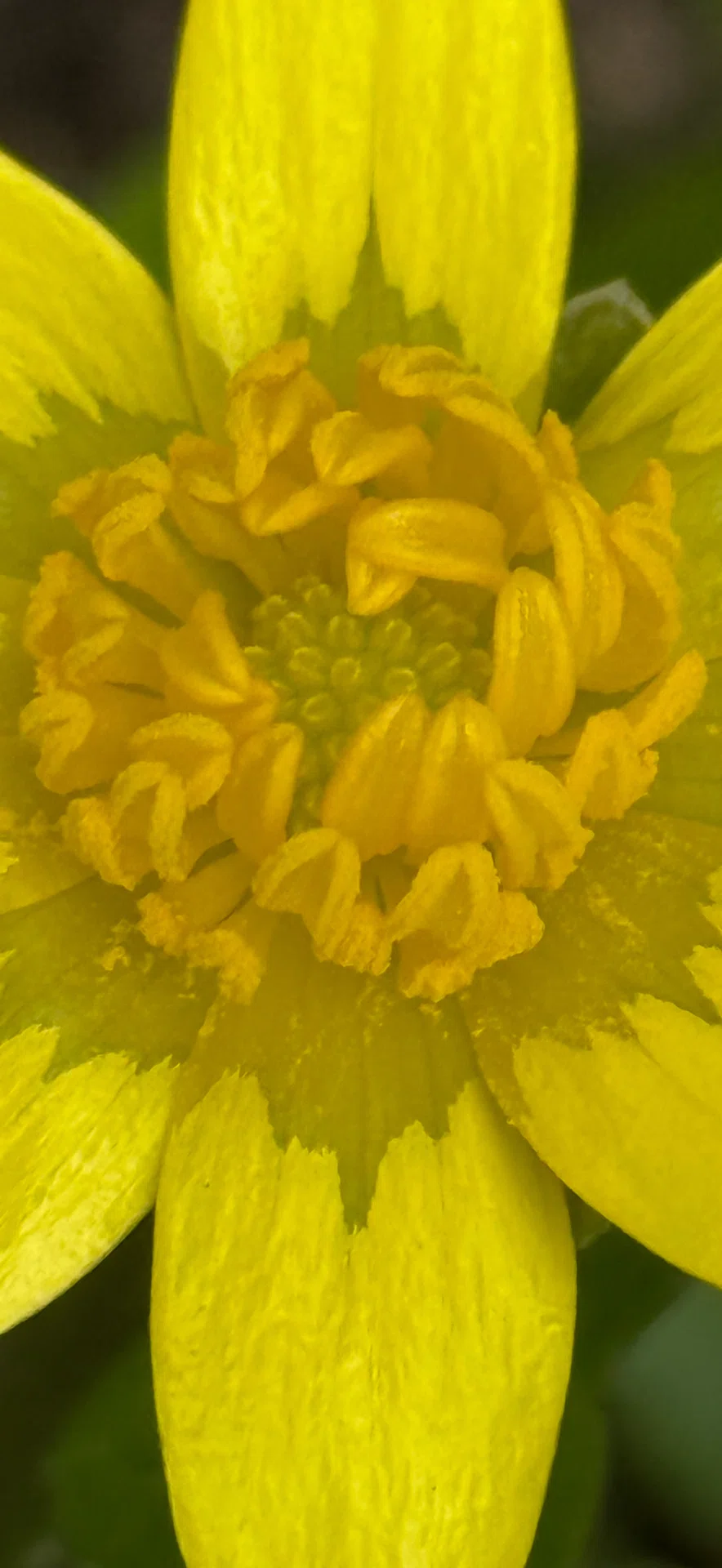
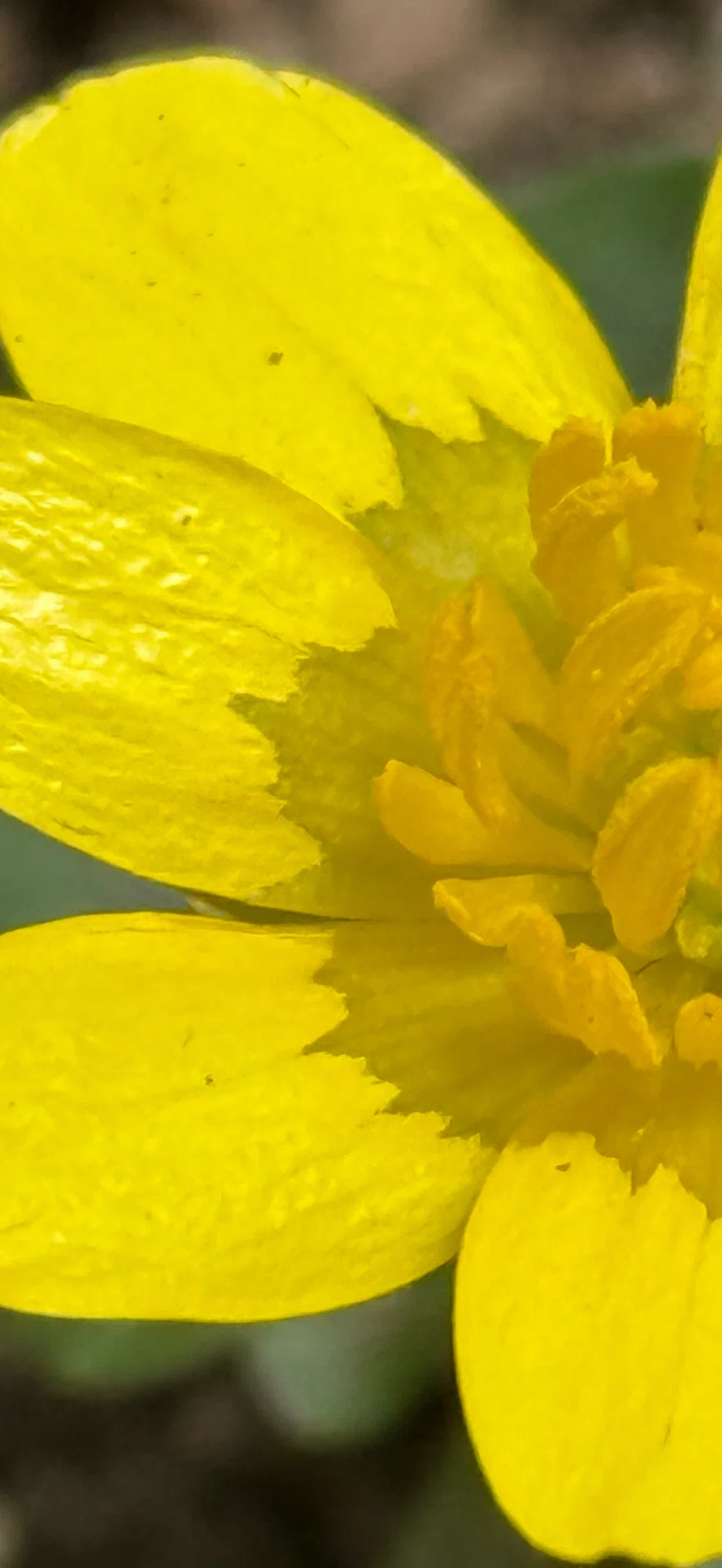
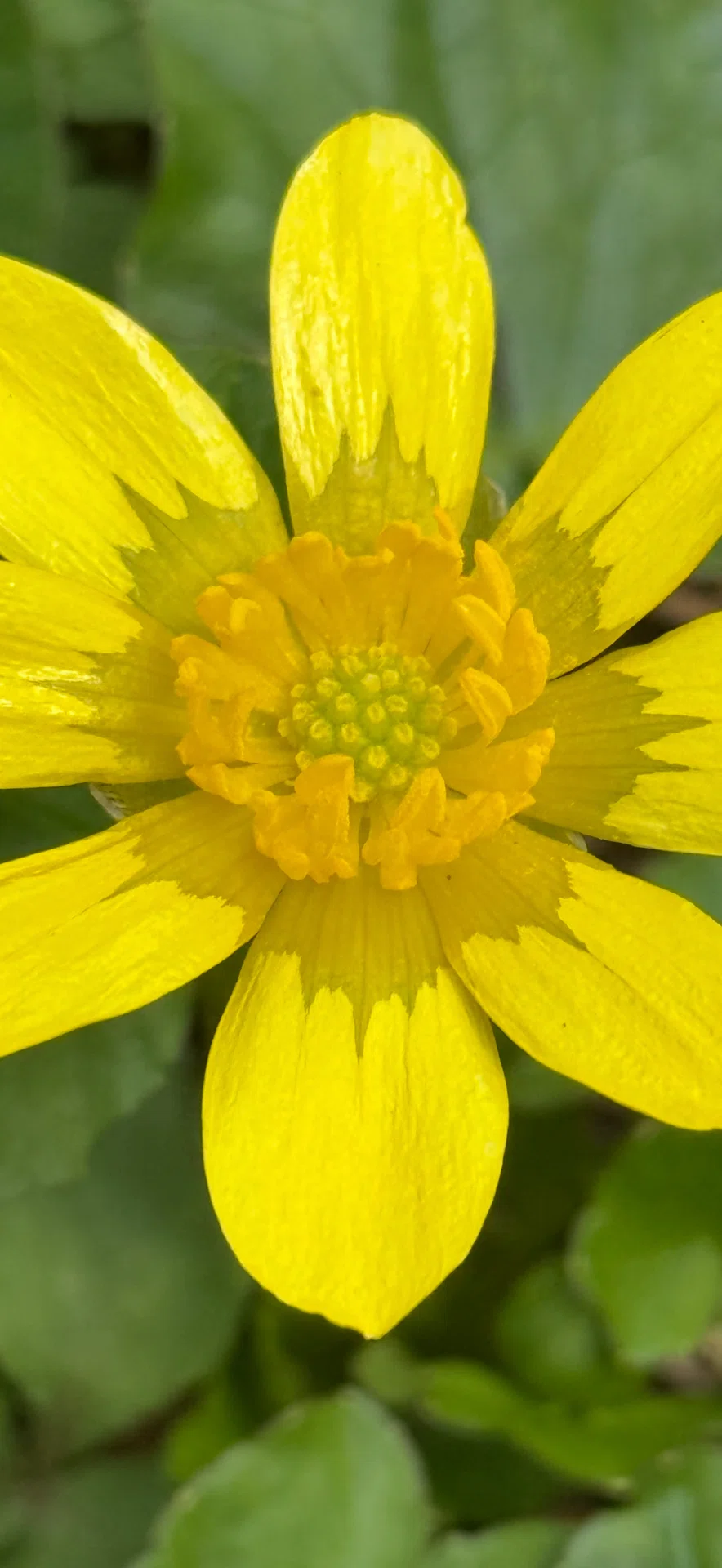
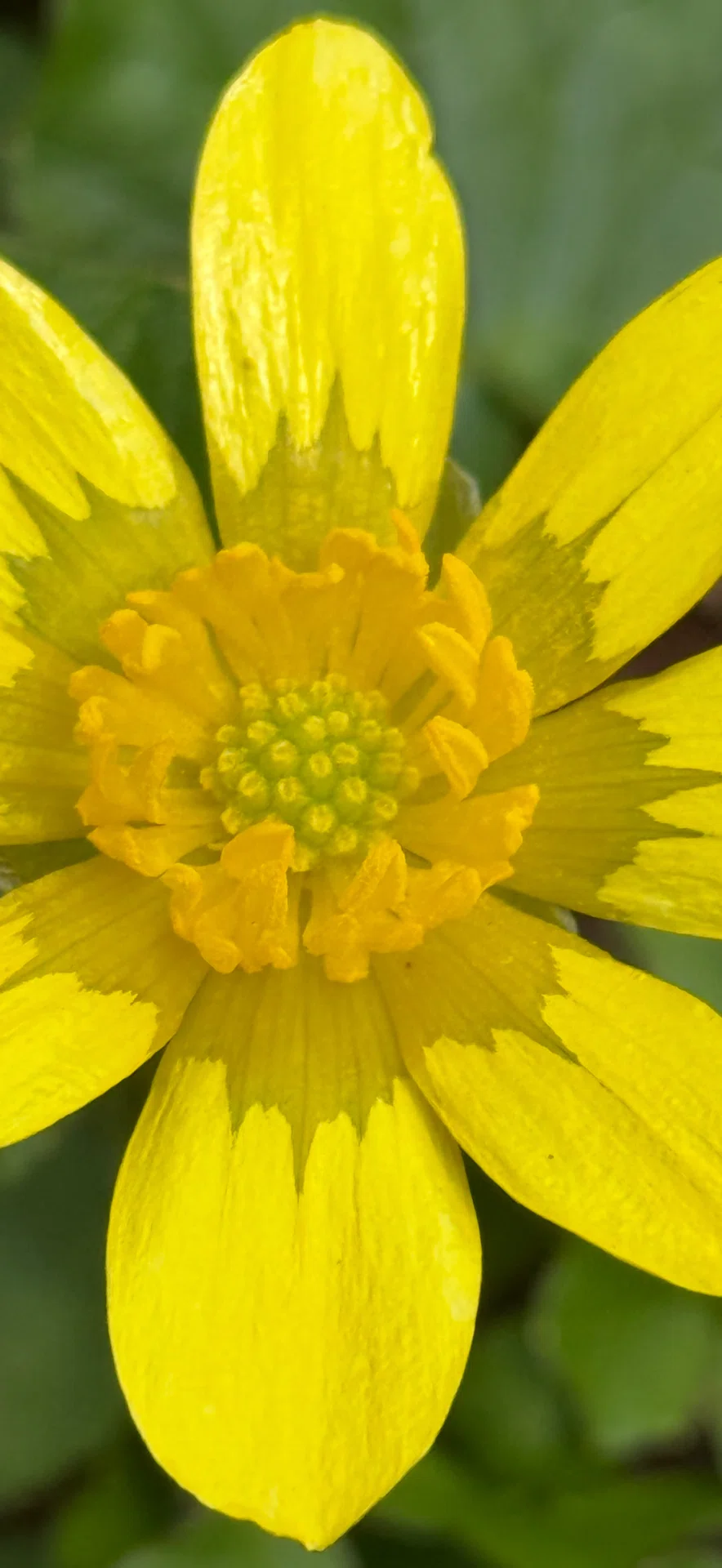
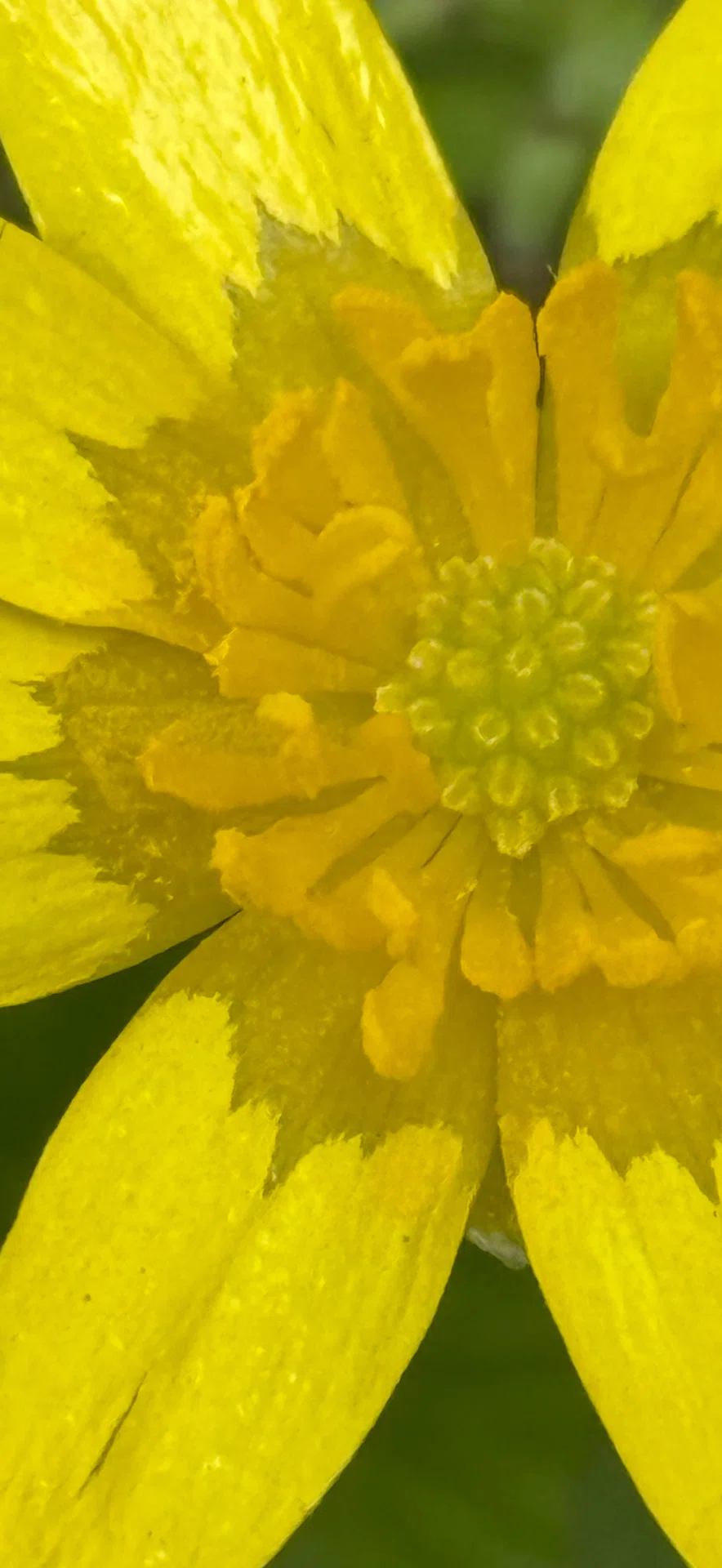
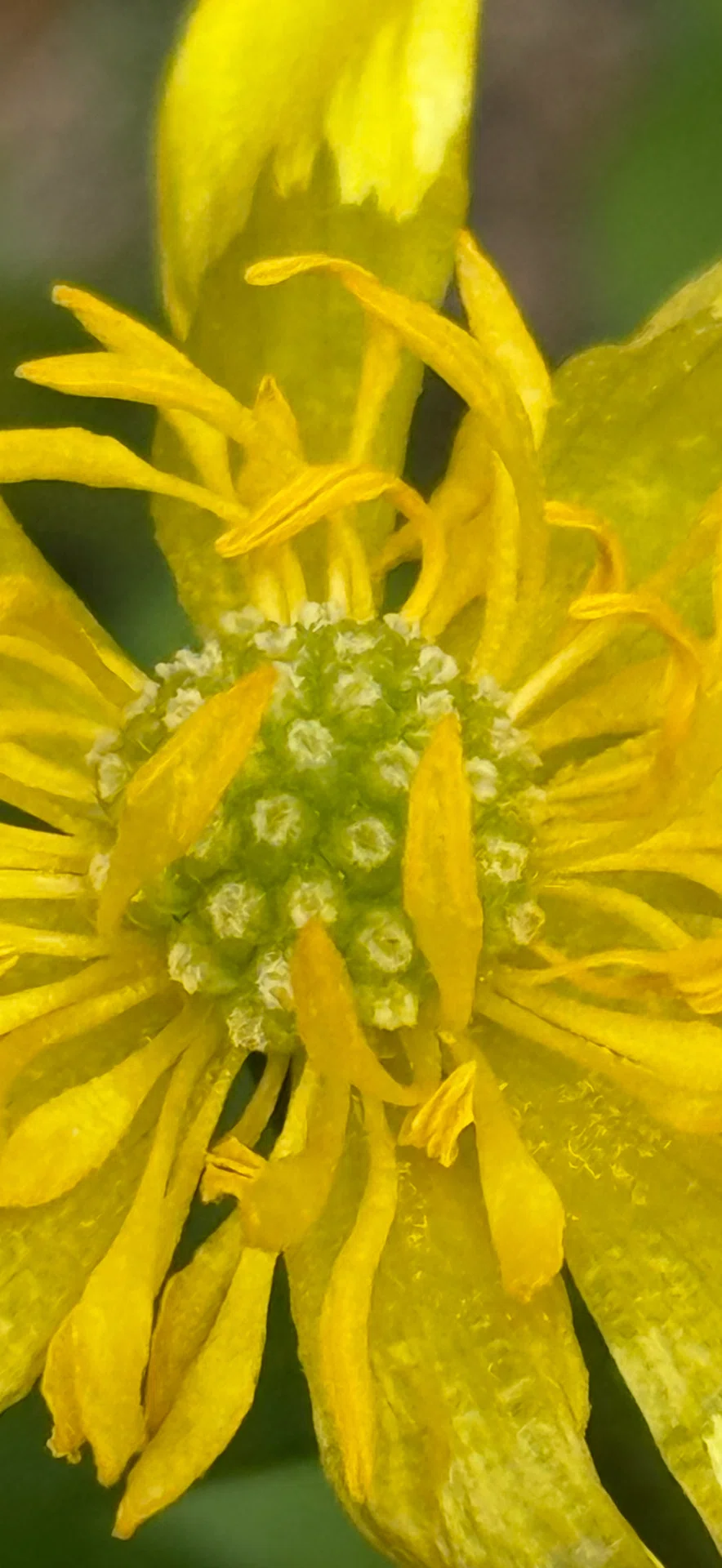
花の中心に近い部分をグルリと艶消仕上の山吹色
の部分がある。花弁の外出部分は逆に光沢のある
鮮やかな黄色をしている。パッと見は濡れている
かの様に見えるのは光沢の強さによるもの。
この色の違いは、色素の局在によるパターン形成
によるものと考えられ、色素体のアントシアニン
やカロテノイドなどのそれぞれの蓄積量の違いで
異なる色で表現されているものと考えられる。
その二色化させているのは、ひとつに受粉協力者
に対する視覚的なガイド効果が考えられる。花の
中心部には、雄蕊や雌蕊が配置されており、そこ
に向かわせる為にと、花蜜の在処を示したものが
『ネクターガイド』、つまり花蜜標識を表す機能を
そこに持たせているもの。それを明確化する事で
蜜を吸いにきた昆虫たちに対して、蜜の所在場所
を示すサインとなり、結果として受粉行動を促進
させる役割をも果たしている。
花弁の外周部の表面は、微細なワックス層や特殊
な細胞構造によって光を反射し、まるで濡れてる
かのような光沢を生じさせている。この光沢にも
また、視覚的に花を目立たせ、受粉者にとっては
魅力的なシグナルとなっている。
そしてこれは原産である地中海沿岸部での研究で
花の外周にある光沢部分は紫外線を反射する機構
となっており外気温が低い時でも、花の中心部は
周囲の空気より数度暖かい環境となっている為に
種子と花粉の成熟が促進される目的と同時に花粉
を媒介してくれるハチ、アブ、ハエなどの虫達に
この環境が好まれている事が研究により分かって
いるものなのである。
Himeryuukinka
Some specimens of Himeryuukinka feature a
distinctive dual-color pattern on their petals.
As a child, I always wondered why this was so,
and in this article I have delved into the secret
behind the differences in these patterns.
First, let’s consider the classification of
Himeryuukinka. It is a plant belonging to the
order Ranunculales and the family
Ranunculaceae, native to the Mediterranean
coastal regions. It was introduced to Japan for ornamental purposes. After flowering in the
spring (around April to May), the above-ground
parts wither completely, leaving only the
underground tuber—a type of spring ephemeral.
The scientific name is derived from the shape
of this tuber, which resembles that of a fig.
Now, let us take a closer look at the flower itself.
Near the center of the flower, there is a part
finished in a matte, rich yellow (yamabuki color).
In contrast, the outer part of the petal is a glossy,
vivid yellow. At first glance, the glossy appearance
makes it seem as though the petals are wet.
This difference in color is believed to result from
pattern formation due to the localization of
pigments, with variations in the accumulation
of pigment bodies such as anthocyanins and carotenoids producing the different colors.
The two-tone effect likely serves, in part, as a
visual guide for pollinators. The center of the
flower, which houses the stamens and pistils,
functions as a “nectar guide,” clearly signaling
to insects that come to sip the nectar where it is
located, thereby promoting the pollination process.
Furthermore, the surface of the petal’s outer
edge reflects light due to a fine waxy layer and
specialized cellular structure, creating a glossy
appearance as if it were wet. This gloss also
serves to visually highlight the flower, making
it an attractive signal to potential pollinators.
Research conducted in its native Mediterranean
region has revealed that the glossy part of the
flower’s periphery reflects ultraviolet light. This
mechanism helps ensure that, even when the
ambient temperature is low, the center of the
flower remains several degrees warmer than
the surrounding air. This warmth promotes
the maturation of seeds and pollen, and
simultaneously creates an environment favored
by insects such as bees, horseflies, and flies
that mediate pollen transfer.
和名 姫立金花 (ヒメリュウキンカ)
菊咲立金花 (キクザキリュウキンカ)
欧州金鳳花 (オウシュウキンポウゲ)
洋名 フィグ バターカップ
(FIG BUTTERCAP)
レッサー セランダイン
(LESSER CELANDINE)
パイルウォート
(PILE WORT)
学名 フィカリア ヴェルナ)
(FICARIA VERNA)
分類 キンポウゲ目、キンポウゲ科、
キクザキリュウキンカ属
種類 多年生草本
草丈 10〜20cm
開花 4〜5月
花色 花弁内側 艶消山吹色
花弁外周 光沢黄色
花径 5cm
花弁 8〜10枚
原産 地中海沿岸部
言葉 あなたに会える幸せ
会える喜び
撮影 兵庫県川西市、実家の庭にて撮影
■■■■■■■■■■■■■■■■■■■■■■■■■■■■
#姫立金花
#ヒメリュウキンカ
#菊咲立金花
#キクザキリュウキンカ
#欧州金鳳花
#オウシュウキンポウゲ
#フィグバターカップ
#FIGBUTTERCAP
#レッサーセランダイン
#LESSERCELANDINE
#パイルウォート
#PILEWORT
#フィカリアヴェルナ
#FICARIAVERNA
■■■■■■■■■■■■■■■■■■■■■■■■■■■■
