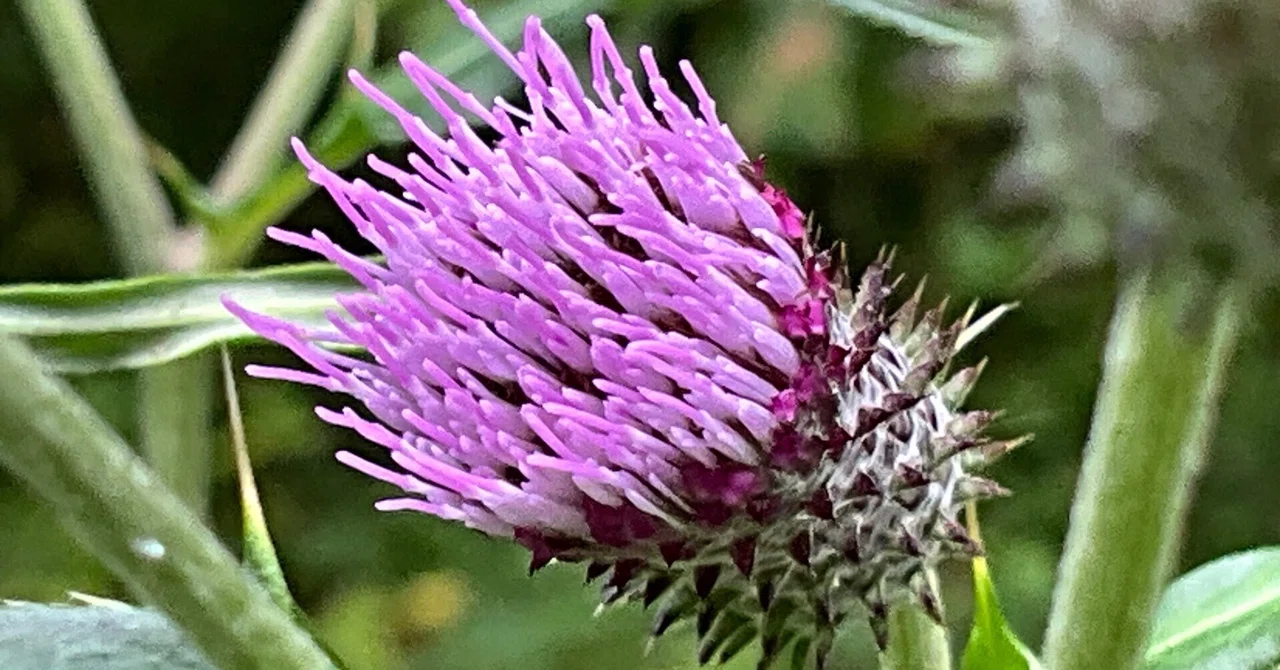
オハラメアザミの開花が始まる(京都府立植物園):2026年8月15日(土)

【要旨】
2026年8月中旬,京都府立植物園植物生態園においてオハラメアザミを観察した。園内ラベルには Cirsium microspicatum var. kiotoense と記されていたが,近年は Cirsium kiotoense として扱う分類学的整理も提案されている。オハラメアザミは北陸地方から近畿地方北部に分布する日本固有の大型アザミであり,山地林縁を代表する植物の一つである。今回の観察では,蕾から開花初期までの複数段階が同時に確認され,植物園が植物そのものだけでなく,植物の時間的過程をも展示していることが読み取れた。植物園という制度空間のなかで,本種は分類学,自然史,地域文化,人為的展示という複数の文脈を重ね合わせながら提示されていた。本稿は,オハラメアザミの形態観察を出発点として,植物園において自然史がどのように編集され,観察者に提示されているかを記録するものである。
【本文】
2026年8月中旬の午後,京都府立植物園植物生態園においてオハラメアザミを観察した。観察は園内散策のなかで実施したものであり,長期追跡調査の一部ではない。天候は晴れであった。観察対象は植物生態園に植栽された個体群である。現地ラベルには「オハラメアザミ」「Cirsium microspicatum var. kiotoense」と表示されていた。一方で,近年の分類学資料では Cirsium kiotoense を標準的学名として扱う例も見られるため,本稿ではラベル記載学名と分類学的見解とを区別して扱う。
京都府立植物園は植物を単に栽培する場所ではない。各植物は分類学的位置,自然分布,植生との関係,教育的役割などを考慮しながら配置されている。とりわけ植物生態園は,日本各地の野生植物相を再構成することを目的とした展示空間であり,来園者は歩きながら地域ごとの自然史に接することになる。そこに存在する植物は,自然から切り離された標本でもなく,完全に自然状態の個体でもない。むしろ,人間による分類と展示という操作を経て提示された自然史の断面である。
オハラメアザミが植栽されていた場所は,高木や低木がつくる半陰地的環境に近かった。周囲には林縁的景観が形成され,光条件は開放草地と閉鎖林内との中間に位置していた。本種は自然状態では夏緑樹林や常緑樹林の林縁に生育することが知られており,植物生態園における配置は原生育環境への参照を意識したものと考えられる。
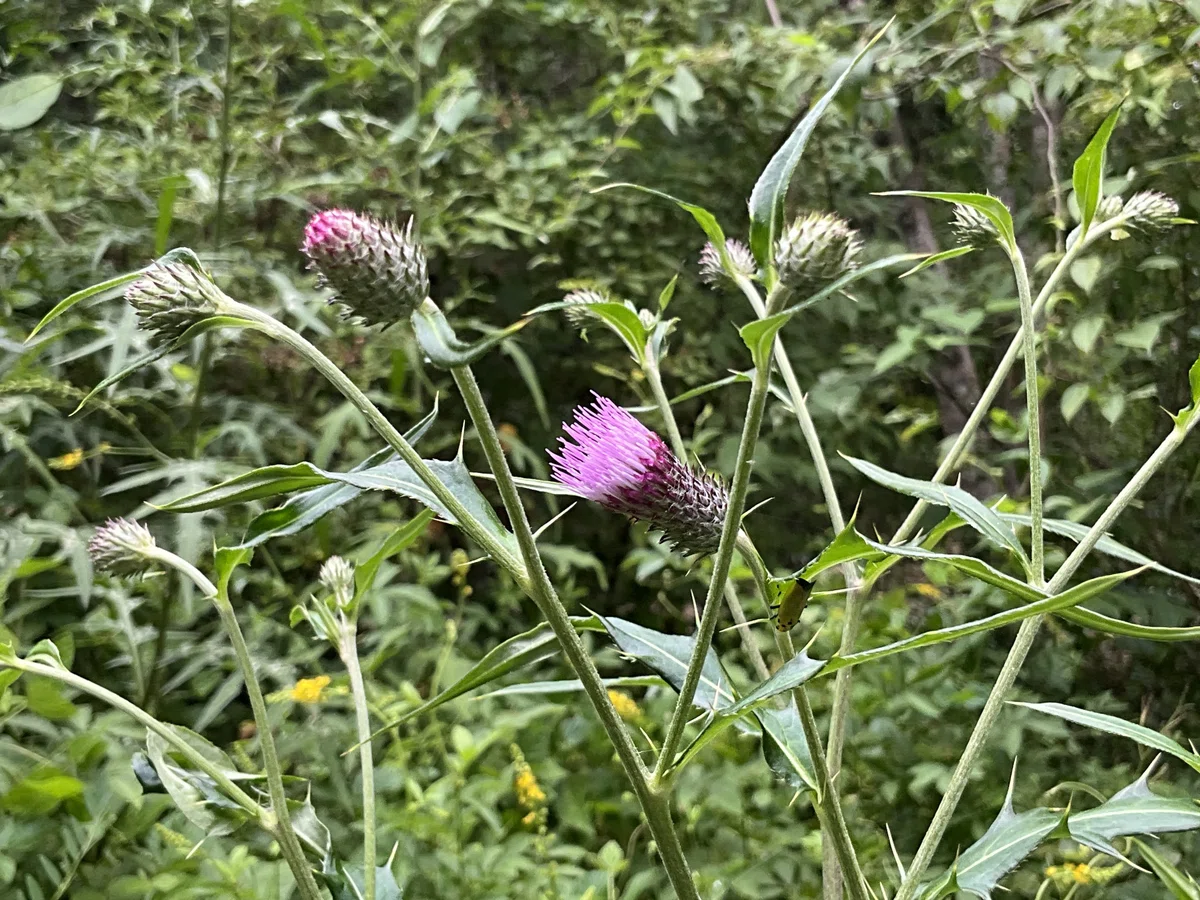
観察された個体群は大型であった。茎は中部以上で枝分かれし,多数の頭花を形成していた。葉には鋭い刺があり,羽状に深く裂ける傾向が見られた。高さは目測で1mを大きく超え,一部個体では2m近くに達しているように見えた。これらの特徴は,本種が北陸地方から近畿地方北部に分布する大型アザミとして記載されている内容と一致する。
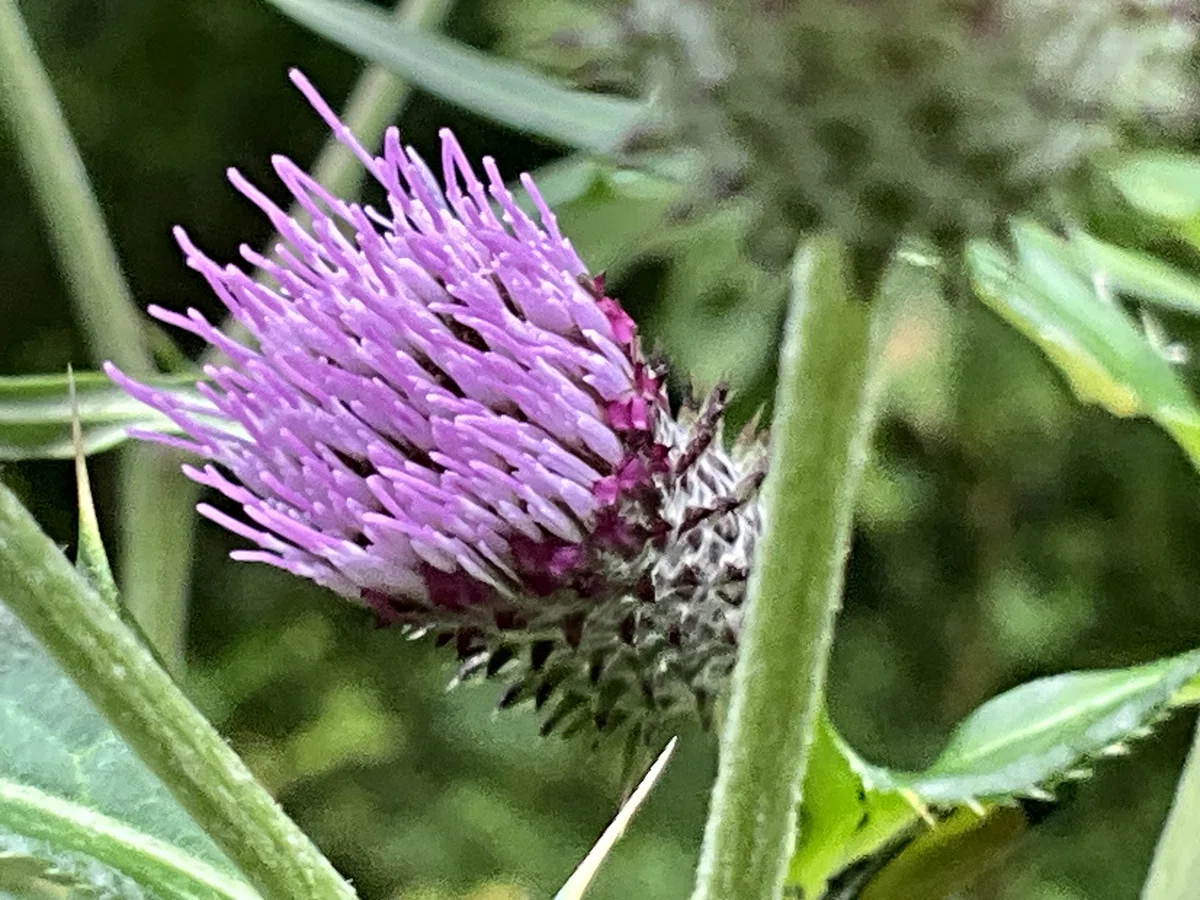
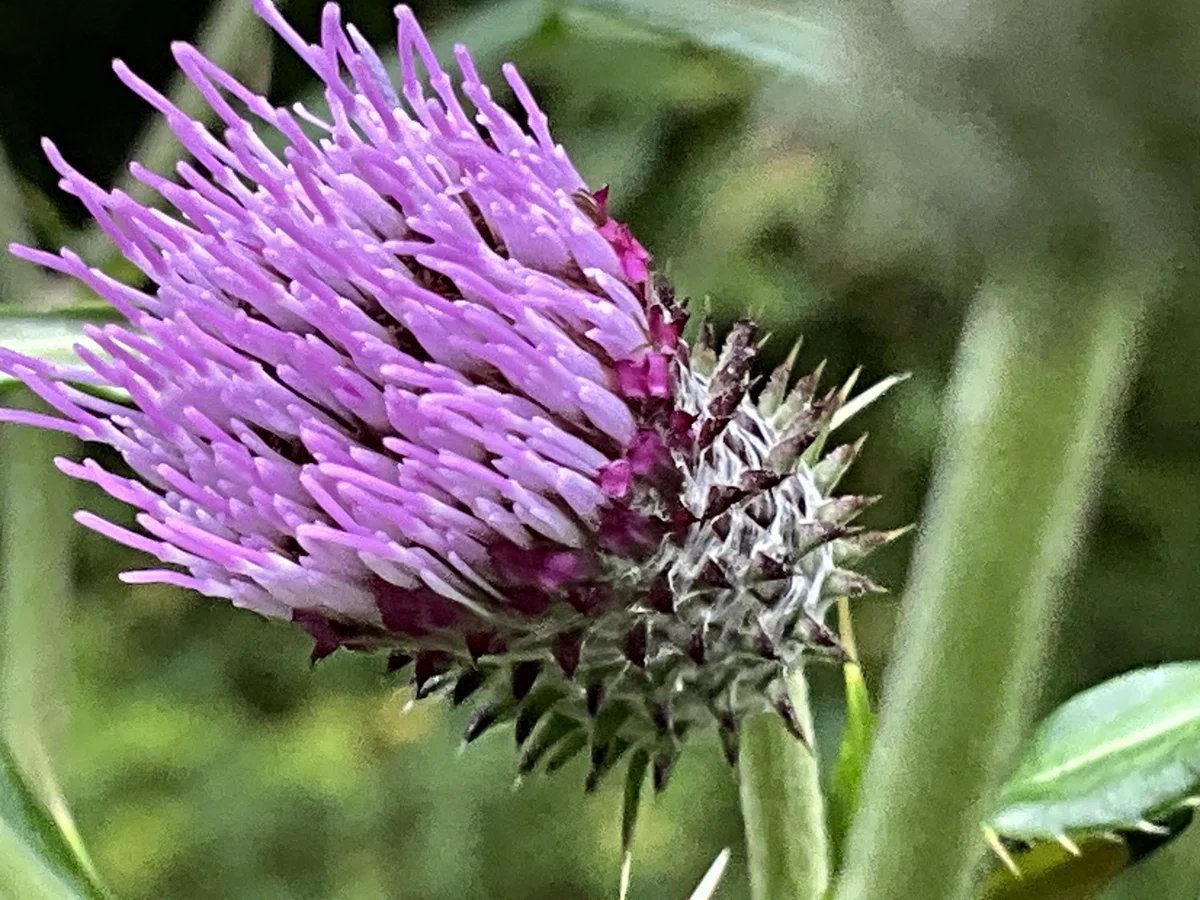
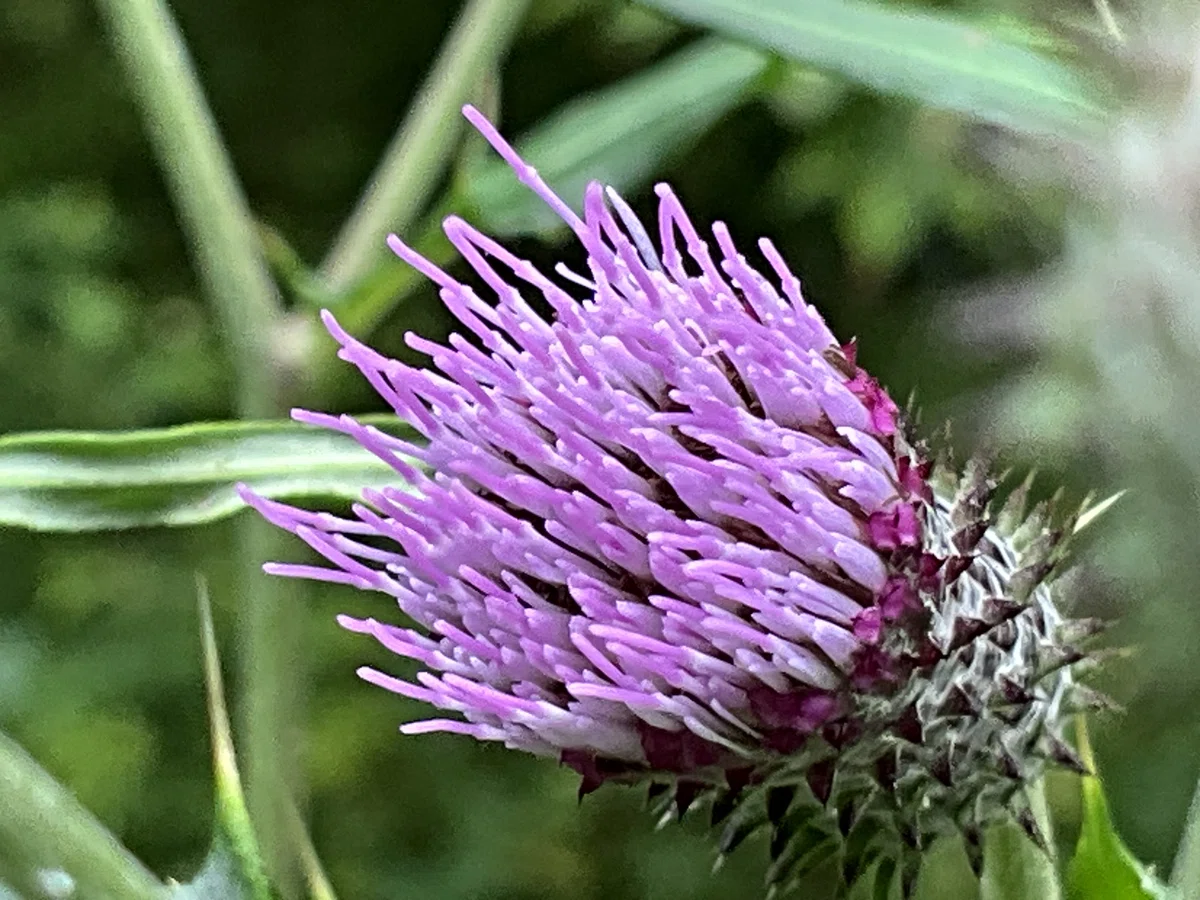
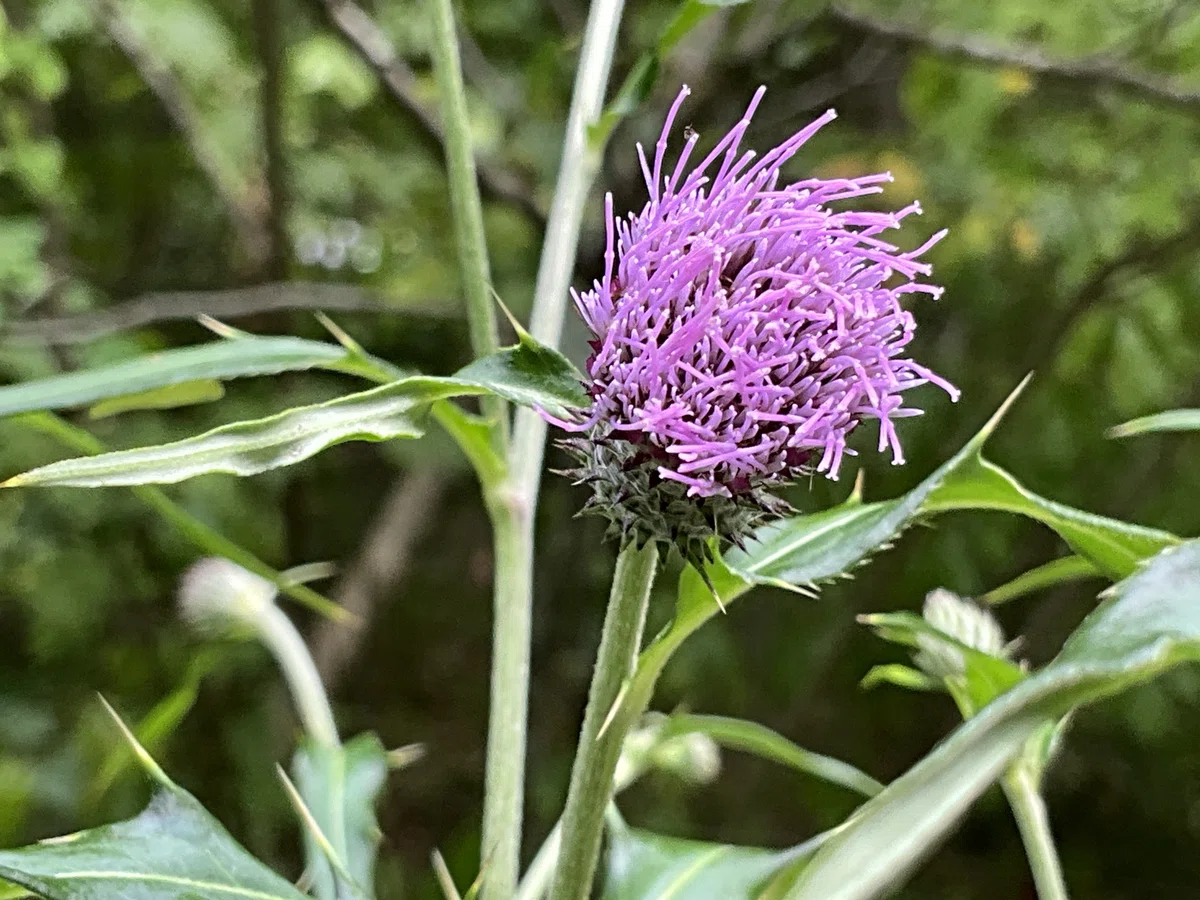
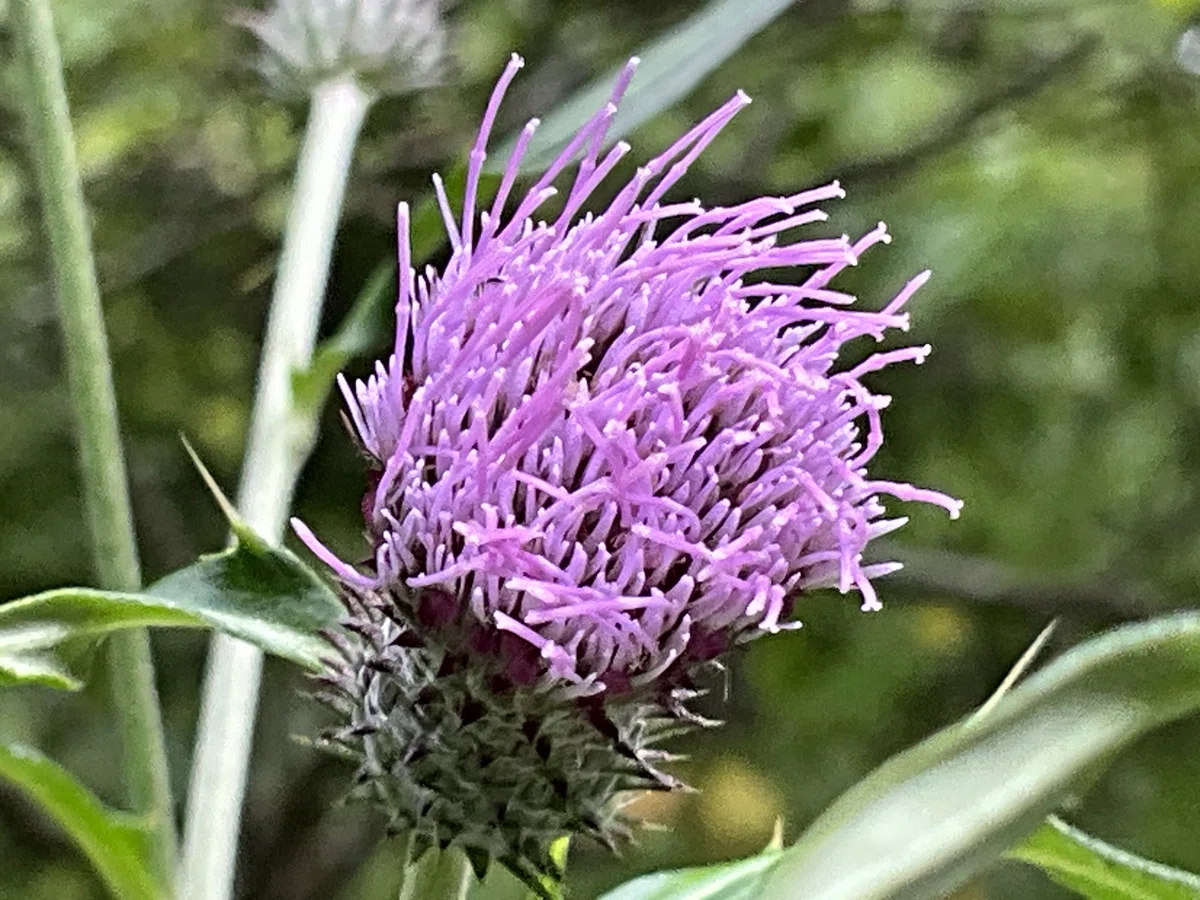
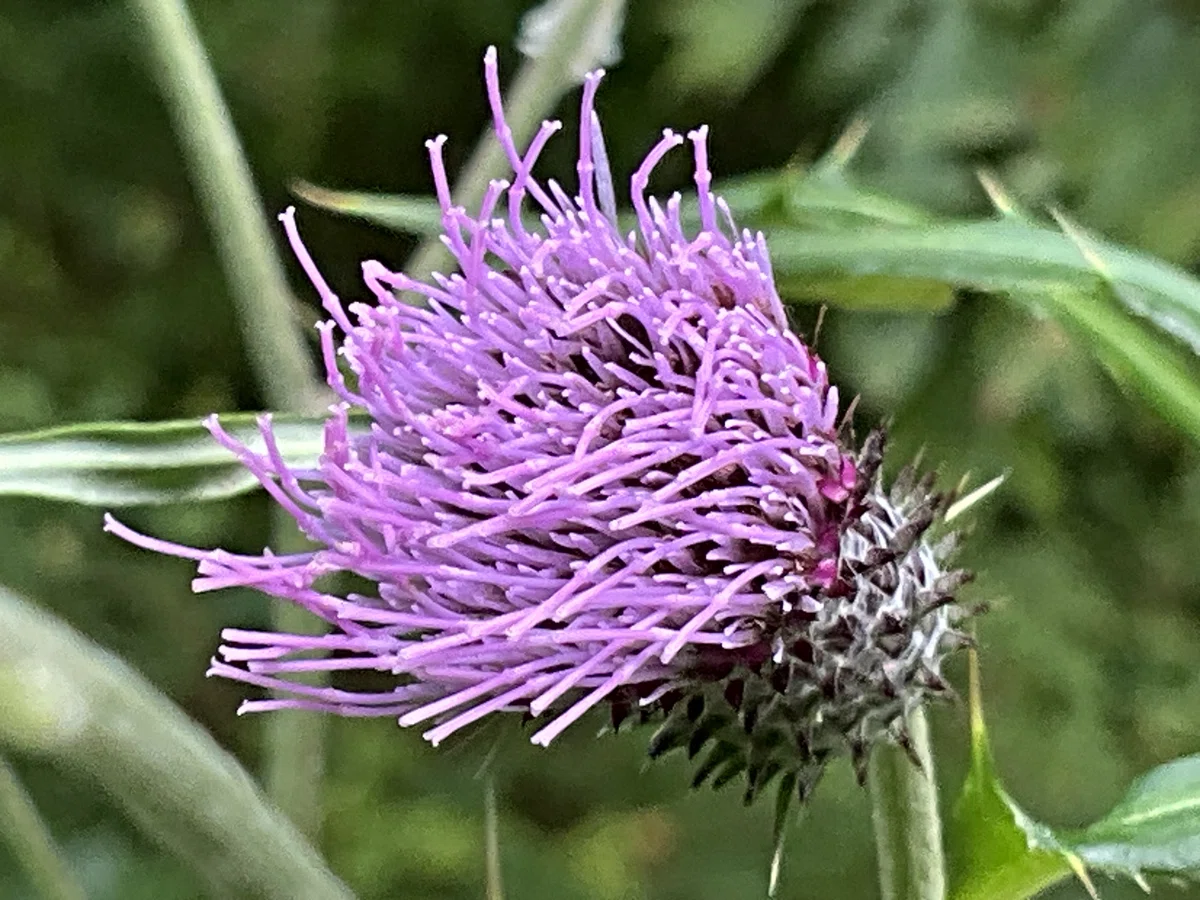
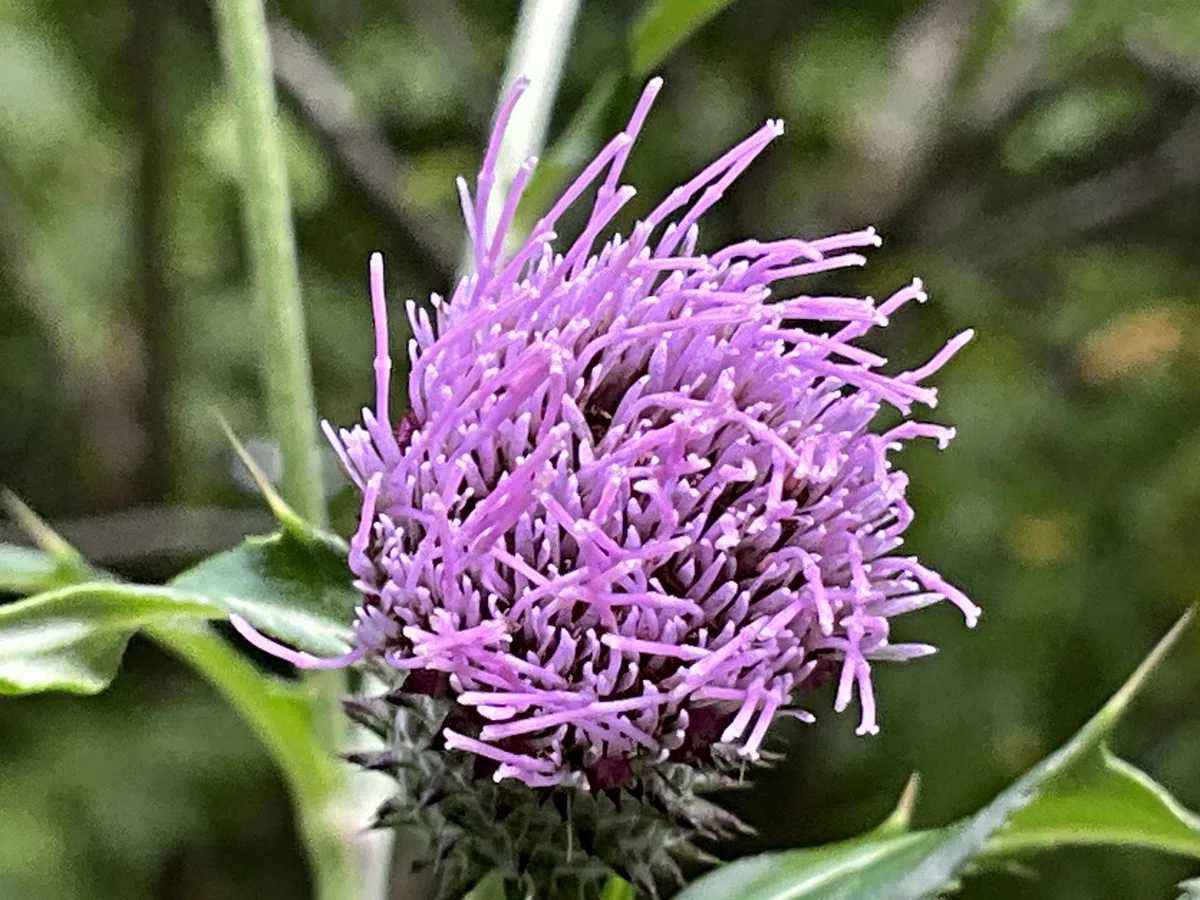
頭花は今回の観察で最も注目すべき対象であった。写真記録を整理すると,同一群落内に未開花の蕾,開花直前の頭花,開花開始直後の頭花,さらに開花初期の頭花が同時に存在していた。花色は淡紫紅色から藤紫色を呈し,頭花は主として横向きからやや斜上向きについていた。総苞は細い筒状で,総苞片は密着し,著しく反転することはなかった。この形態は国立科学博物館データベースなどに示されるオハラメアザミの特徴と矛盾しない。
ここで観察者が見ていたのは花だけではない。より正確には,開花という過程の異なる段階であった。自然状態において蕾から開花への移行は時間順に進行する。しかし植物園では,その連続した過程が空間的に並置される。観察者は数分間の歩行のなかで,本来なら数日以上にわたって進行する変化の複数断面を同時に受け取ることになる。今回の観察では,植物園が植物そのものを展示しているというよりも,植物を通じて時間を展示していることが明瞭に現れていた。
文献によれば,本種の主花期は9〜11月頃,あるいは9〜12月頃とされる。今回の観察は8月中旬であり,既存文献で示される開花盛期より早い段階に相当する。したがって,本稿で確認できるのは「オハラメアザミ一般の開花状況」ではなく,「2026年8月中旬の京都府立植物園植物生態園における植栽個体群の状態」である。観察記録において重要なのは普遍的記述と局所的事実を区別することである。
植物学的に見るなら,本種は分類学上の興味深い事例でもある。従来はアズマヤマアザミ Cirsium microspicatum の変種として扱われてきた。しかし,総苞片の形態や頭花の特徴などを根拠として,独立種 Cirsium kiotoense とする見解も提示されている。現在でも植物園表示と分類学データベースとのあいだには運用上の差異が存在する。観察者はラベルに示された学名を確認しているようでいて,実際には分類概念が更新され続ける学問の現場に接しているのである。植物園のラベルは確定した真理ではなく,特定時点における知識体系の表示である。
文化的価値について考えると,「オハラメアザミ」(大原女薊)という名称は京都を強く想起させる。名称の由来には大原あるいは京都との関係が反映されていると解釈されてきた。しかし,植物地理学的には,本種の分布は京都府のみには限定されず,北陸地方から近畿地方北部に及ぶ。ここには名称が与える地域的印象と,実際の分布域とのあいだにずれが存在する。植物生態園における展示は,このずれを隠すのではなく可視化しているように見える。来園者は京都にちなむ名を入口として植物に接近しながら,同時により広域的な地域自然史へ導かれていく。
経済的価値については,本種は農業生産や園芸産業を支える主要植物ではない。その意味で直接的市場価値は限定的である。一方で,植物園という制度空間においては,経済価値だけでは保存対象は決まらない。地域固有性を示す植物,自然史教育に資する植物,研究対象として重要な植物が維持される。オハラメアザミはその好個の例である。市場での流通量ではなく,自然史的情報量によって存在意義を獲得している。
環境資源的価値も見逃せない。本種は北陸から近畿地方北部における林縁植生の構成要素である。その展示は単一個体の保存ではなく,本来それが属している生態系への入口として機能する。来園者はオハラメアザミを見ることで,山地林縁という環境そのものへの想像力を喚起される。植物園は生態系全体を移植することはできないが,個体を通じて生態系への参照点を提供することができる。
今回の観察では,人間による現地観察と,写真記録,さらに文献資料との照合が並行して行われた。形態の確認だけでオハラメアザミを理解することはできない。分類学史,植物地理学,展示設計,管理運営という複数の情報を重ね合わせて初めて,この個体群が植物園のなかで何を語っているのかが見えてくる。観察とは対象そのものを見る行為であると同時に,対象の背後に配置された知識体系を読み解く行為でもある。
今回確認できたのは,開花期へ移行しつつある2026年8月中旬の個体群の状態である。その後,どの程度の頭花が開花し,結実へ進み,秋の景観を形成するのかはまだ確認されていない。現時点で得られた記録は結論ではなく,今後の観察と照合するための基準点である。植物生態園に植栽されたオハラメアザミは,北陸から近畿地方北部に広がる自然史の代理物であると同時に,2026年という特定の年の特定の季節を記録する時間標本でもあった。その時間標本が次にどのような姿を示すのかは,次回の歩行と観察のなかに残されている。
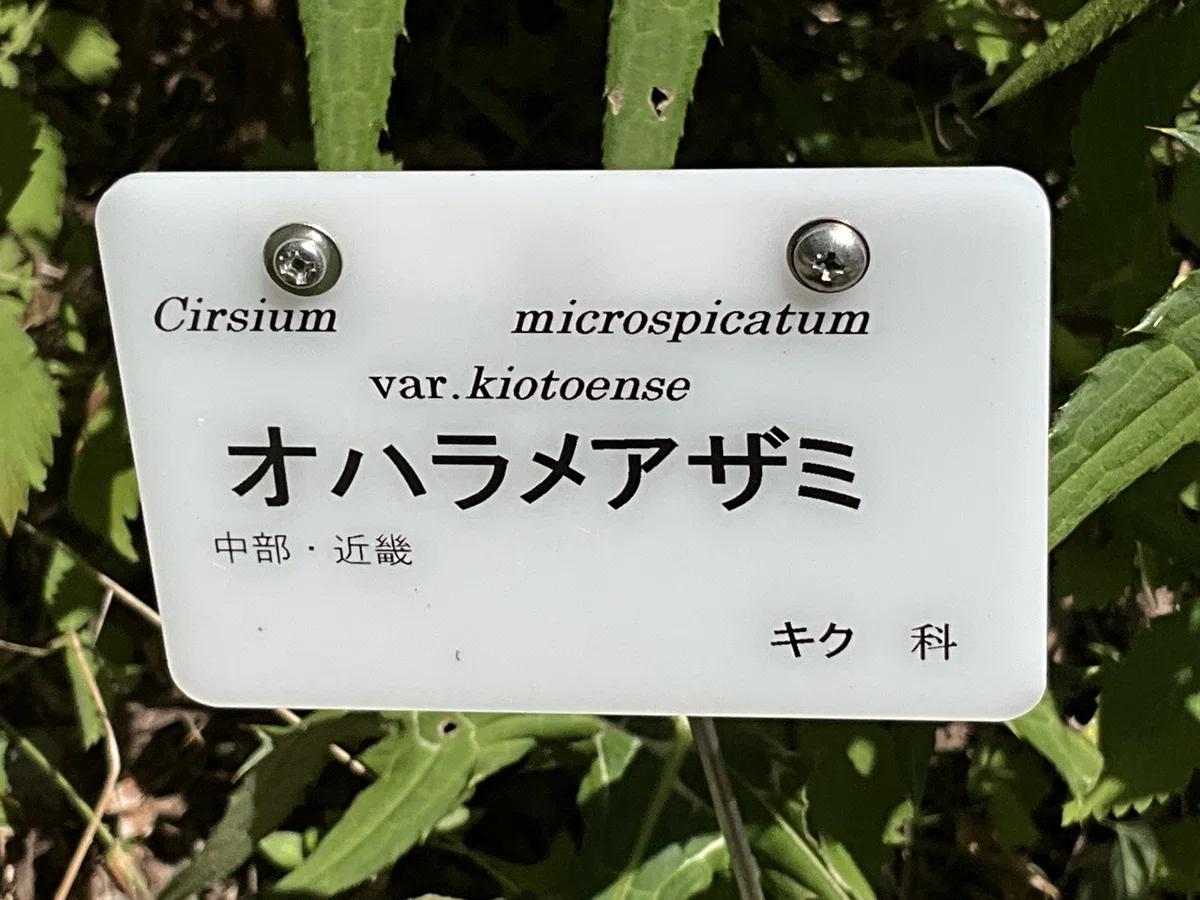
キク科,原産地:日本(中部,近畿),植物表示板
京都府立植物園植物生態園
2026年8月10日,筆者撮影
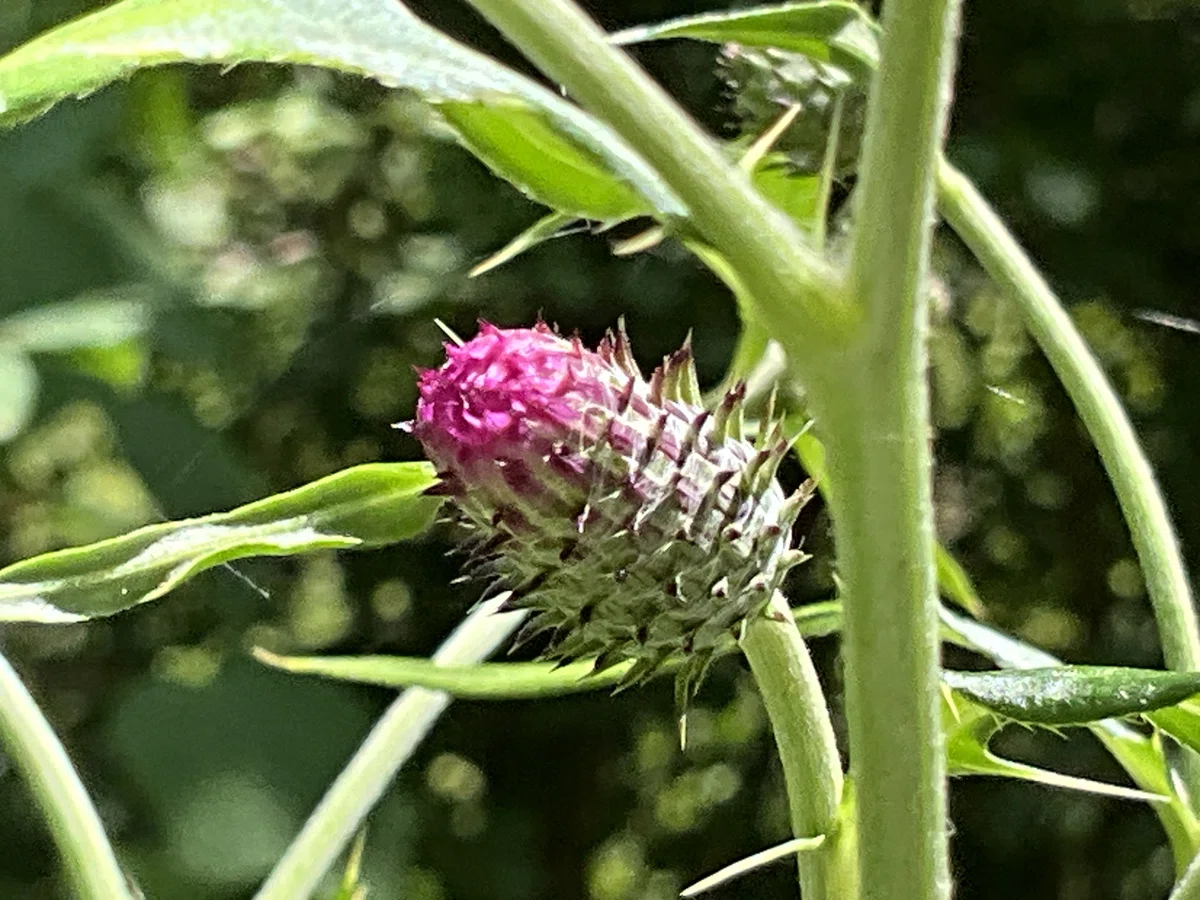
キク科,原産地:日本(中部,近畿)
京都府立植物園植物生態園
2026年8月10日,筆者撮影
©️Hideaki FUJII
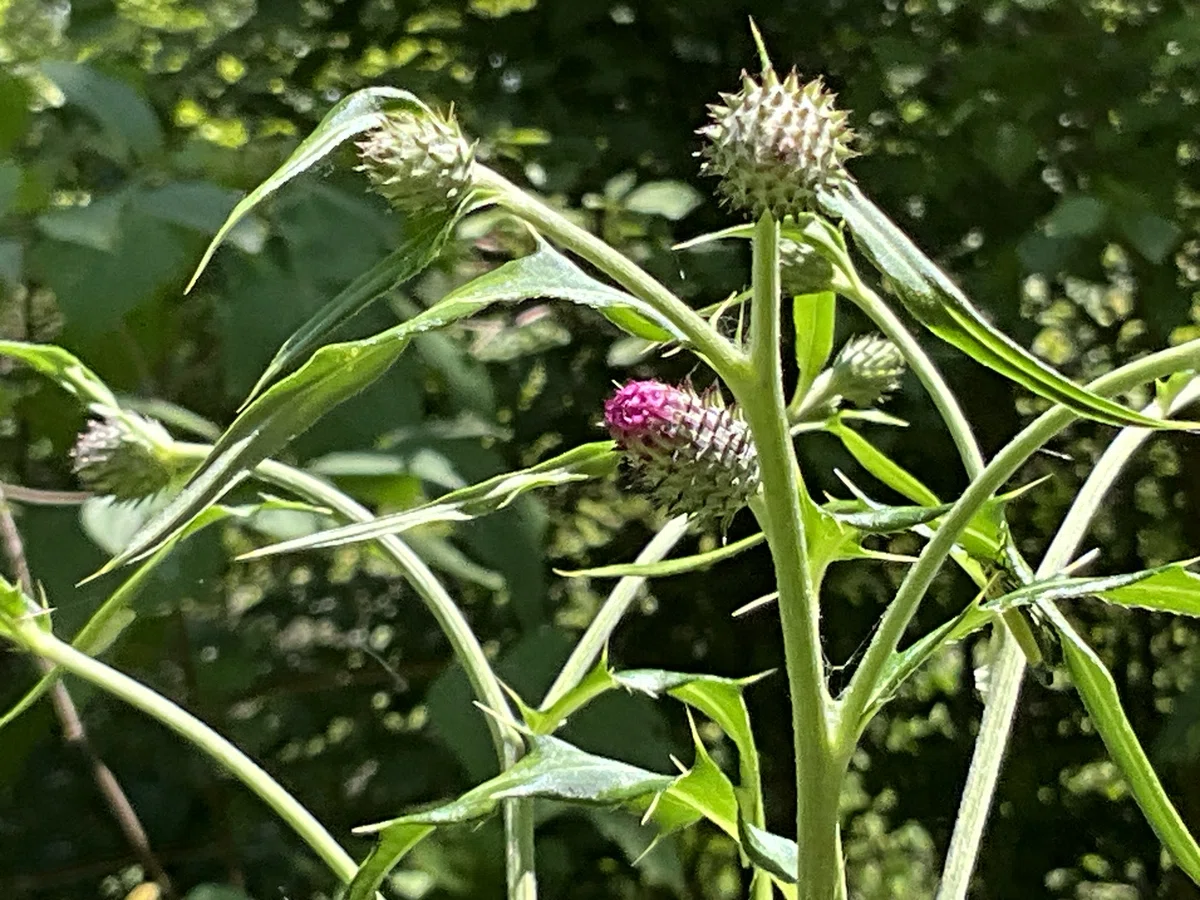
キク科,原産地:日本(中部,近畿)
京都府立植物園植物生態園
2026年8月10日,筆者撮影
©️Hideaki FUJII
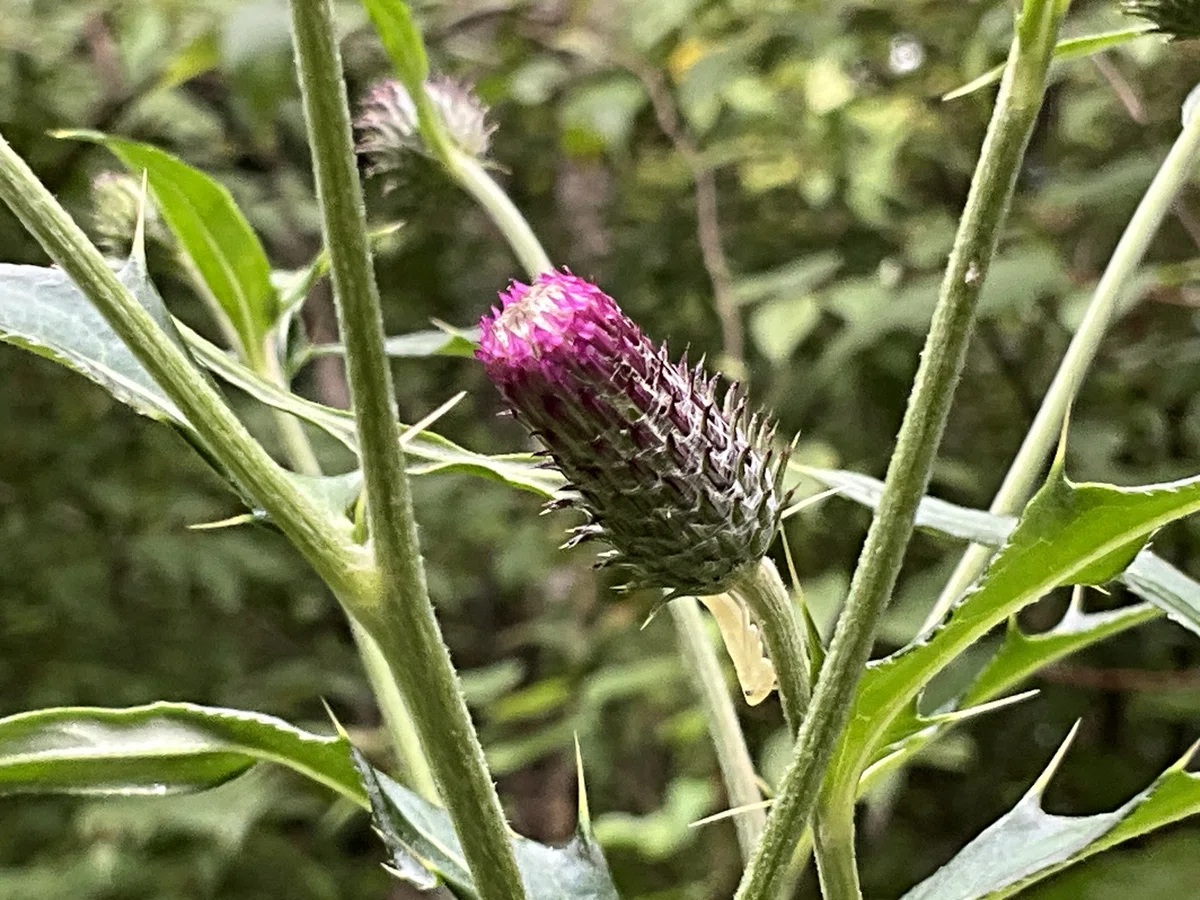
キク科,原産地:日本(中部,近畿)
京都府立植物園植物生態園
2026年8月13日,筆者撮影
©️Hideaki FUJII
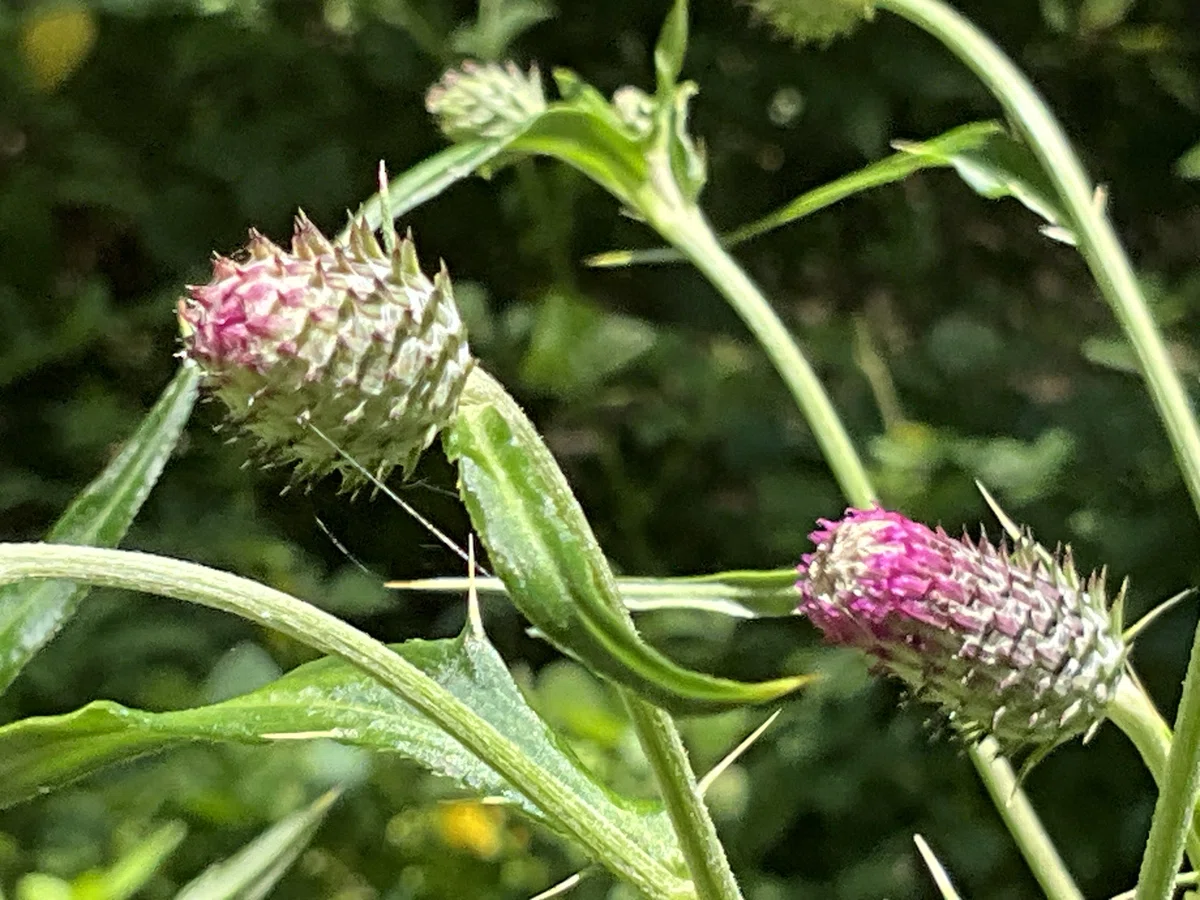
キク科,原産地:日本(中部,近畿)
京都府立植物園植物生態園
2026年8月14日,筆者撮影
©️Hideaki FUJII
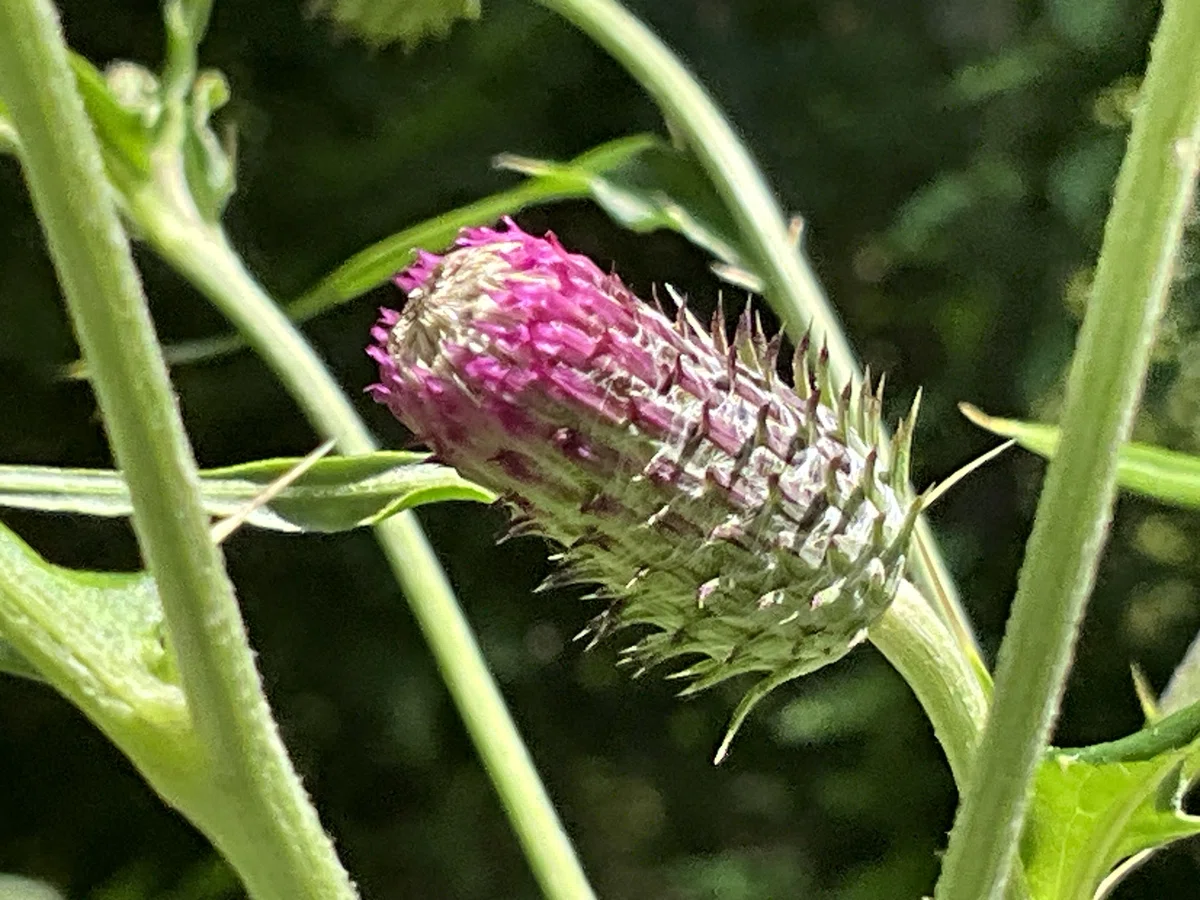
キク科,原産地:日本(中部,近畿)
京都府立植物園植物生態園
2026年8月14日,筆者撮影
©️Hideaki FUJII
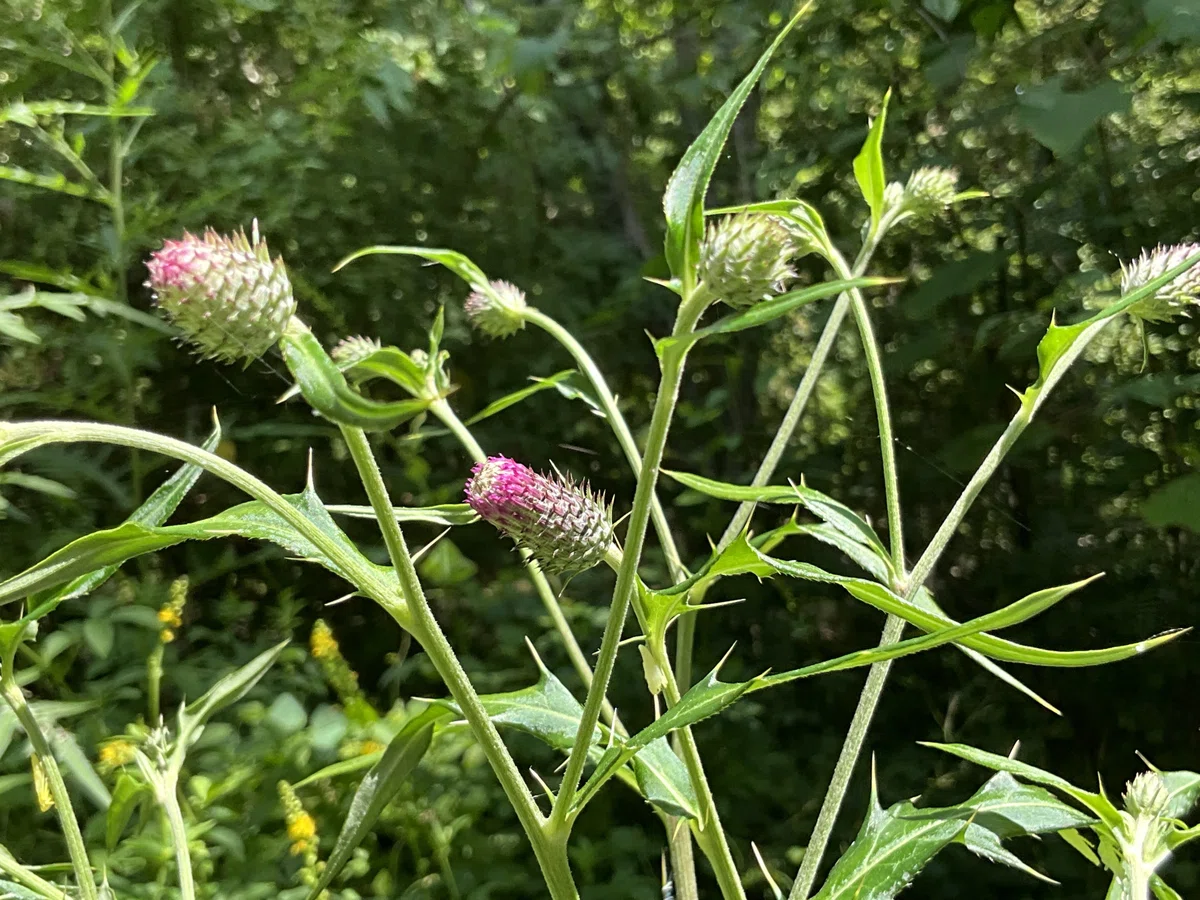
キク科,原産地:日本(中部,近畿)
京都府立植物園植物生態園
2026年8月14日,筆者撮影
©️Hideaki FUJII
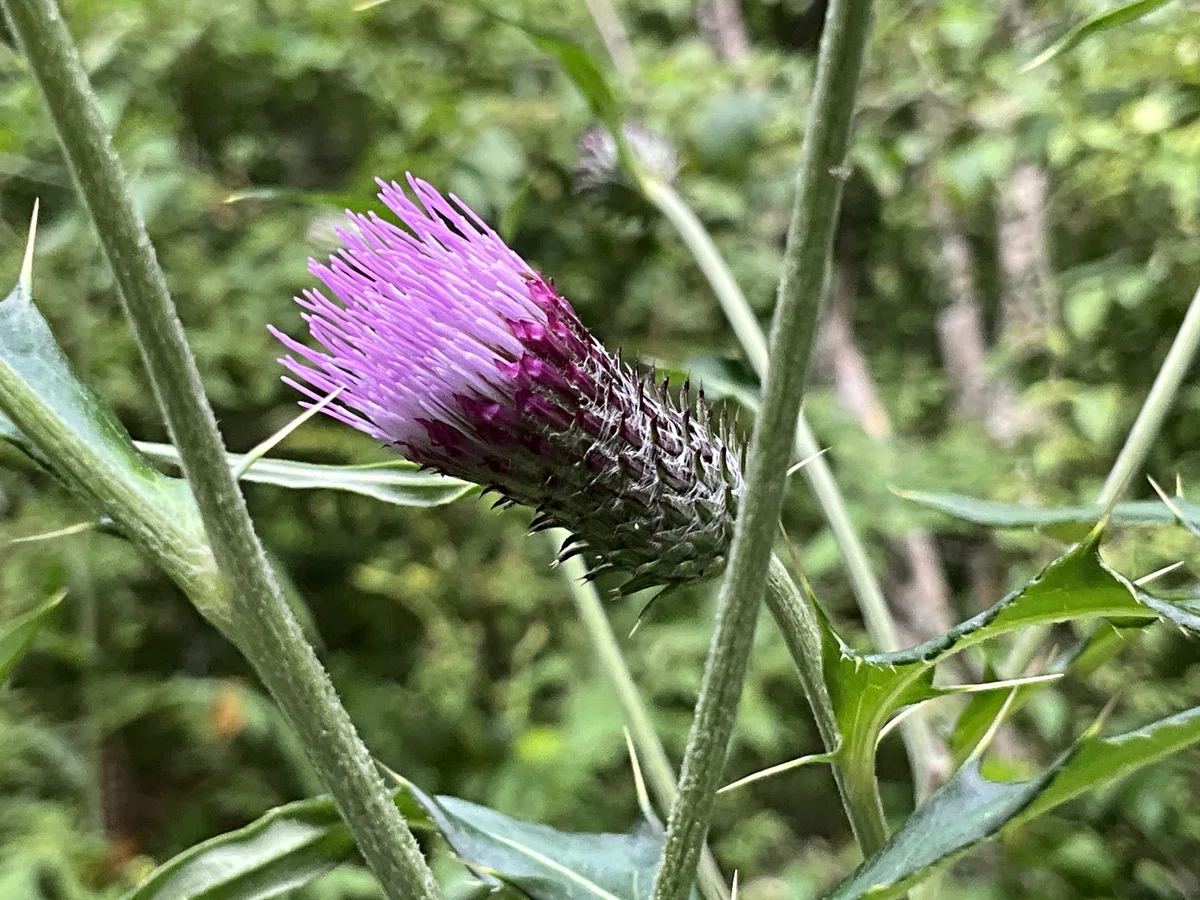
キク科,原産地:日本(中部,近畿)
京都府立植物園植物生態園
2026年8月15日,筆者撮影
©️Hideaki FUJII
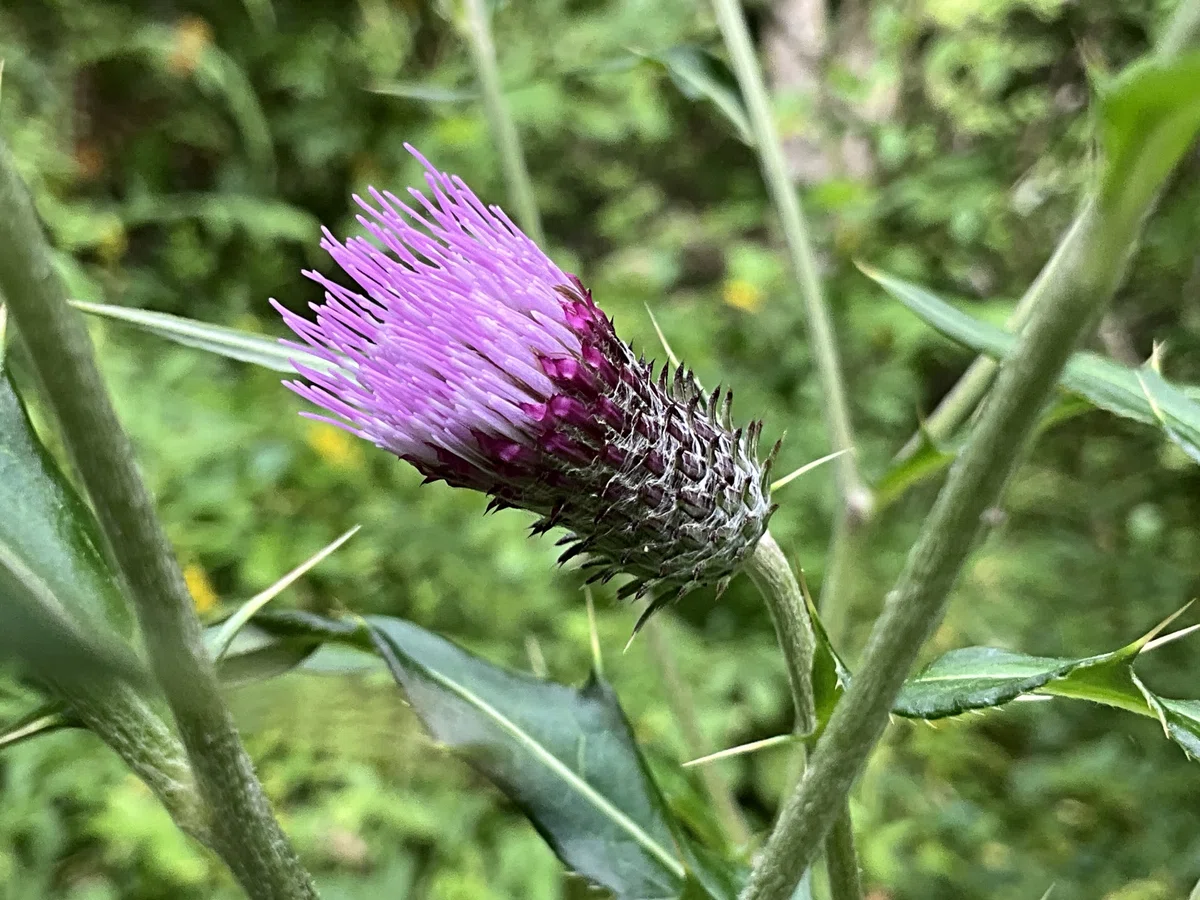
キク科,原産地:日本(中部,近畿)
京都府立植物園植物生態園
2026年8月15日,筆者撮影
©️Hideaki FUJII
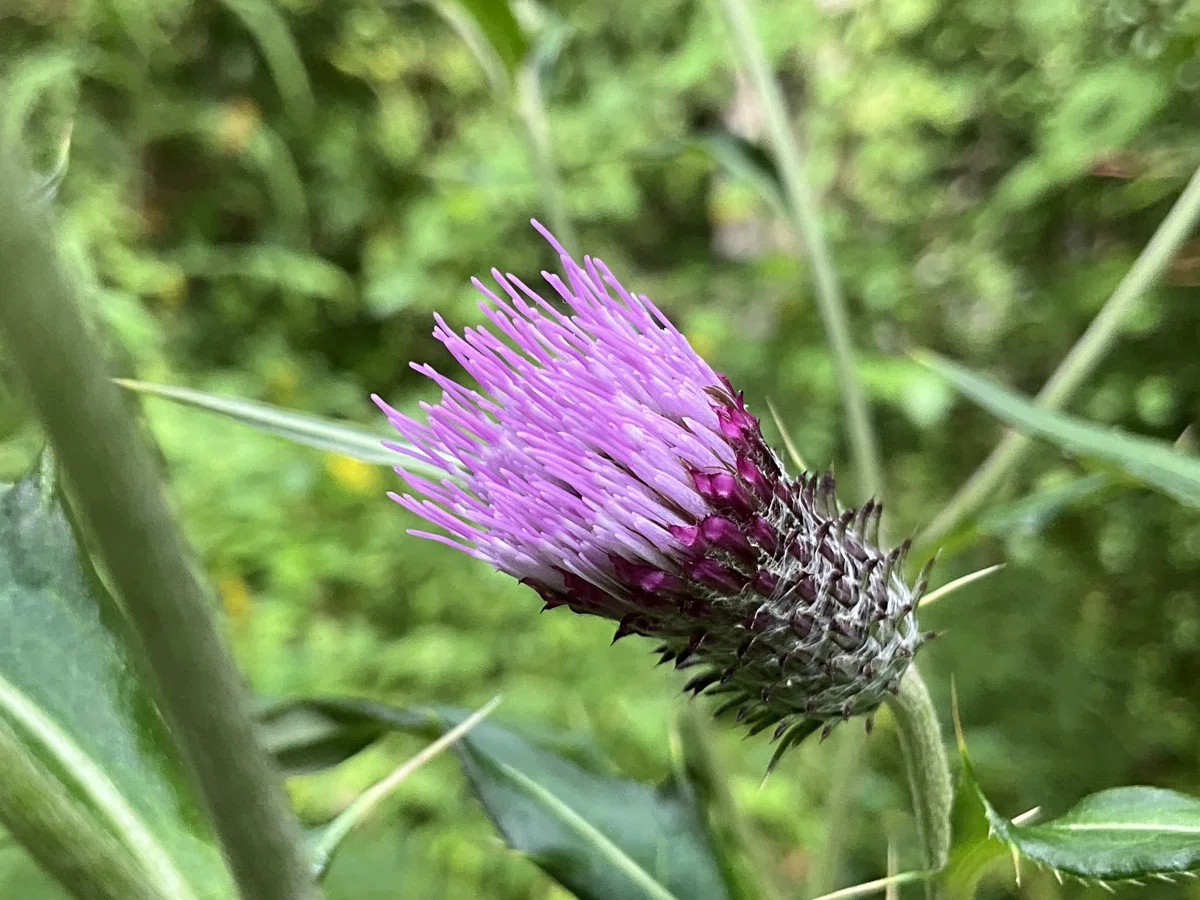
キク科,原産地:日本(中部,近畿)
京都府立植物園植物生態園
2026年8月15日,筆者撮影
©️Hideaki FUJII
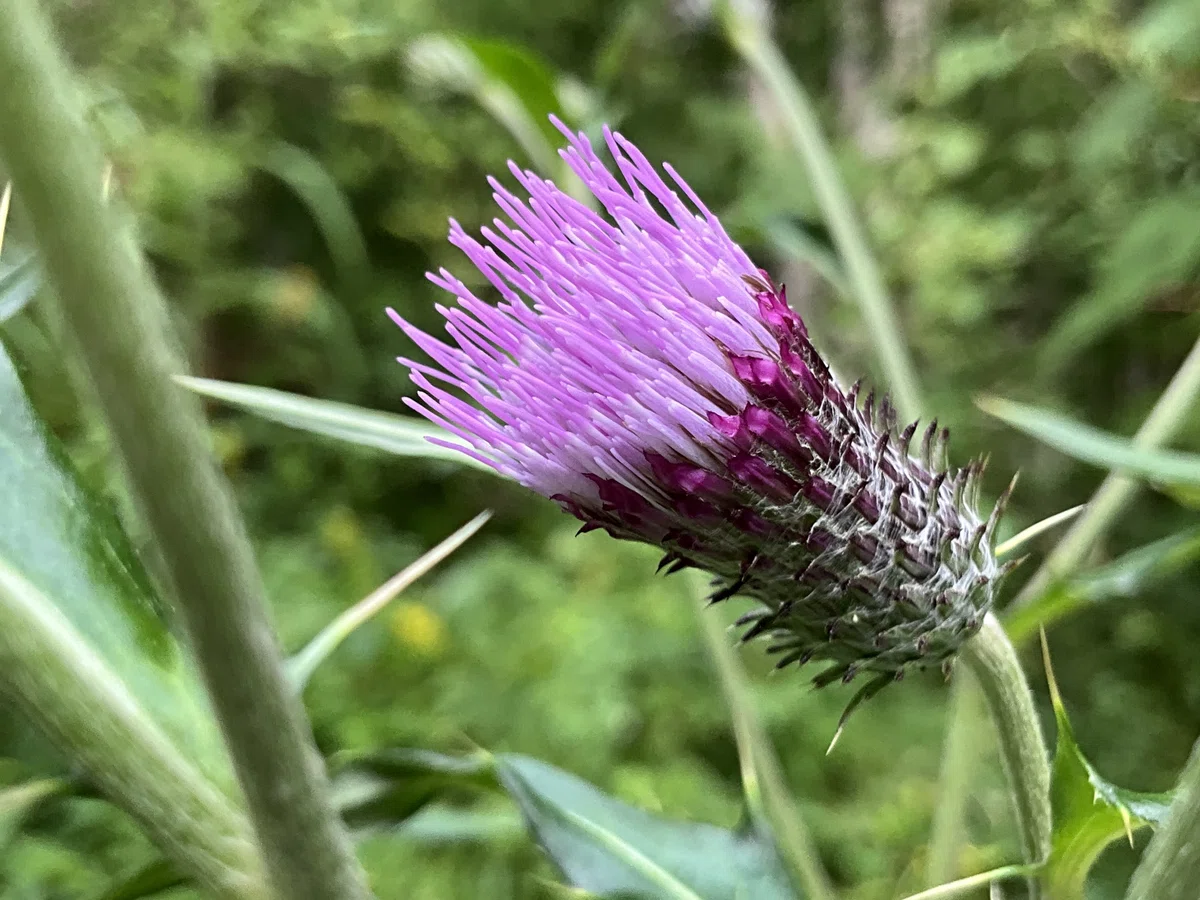
キク科,原産地:日本(中部,近畿)
京都府立植物園植物生態園
2026年8月15日,筆者撮影
©️Hideaki FUJII
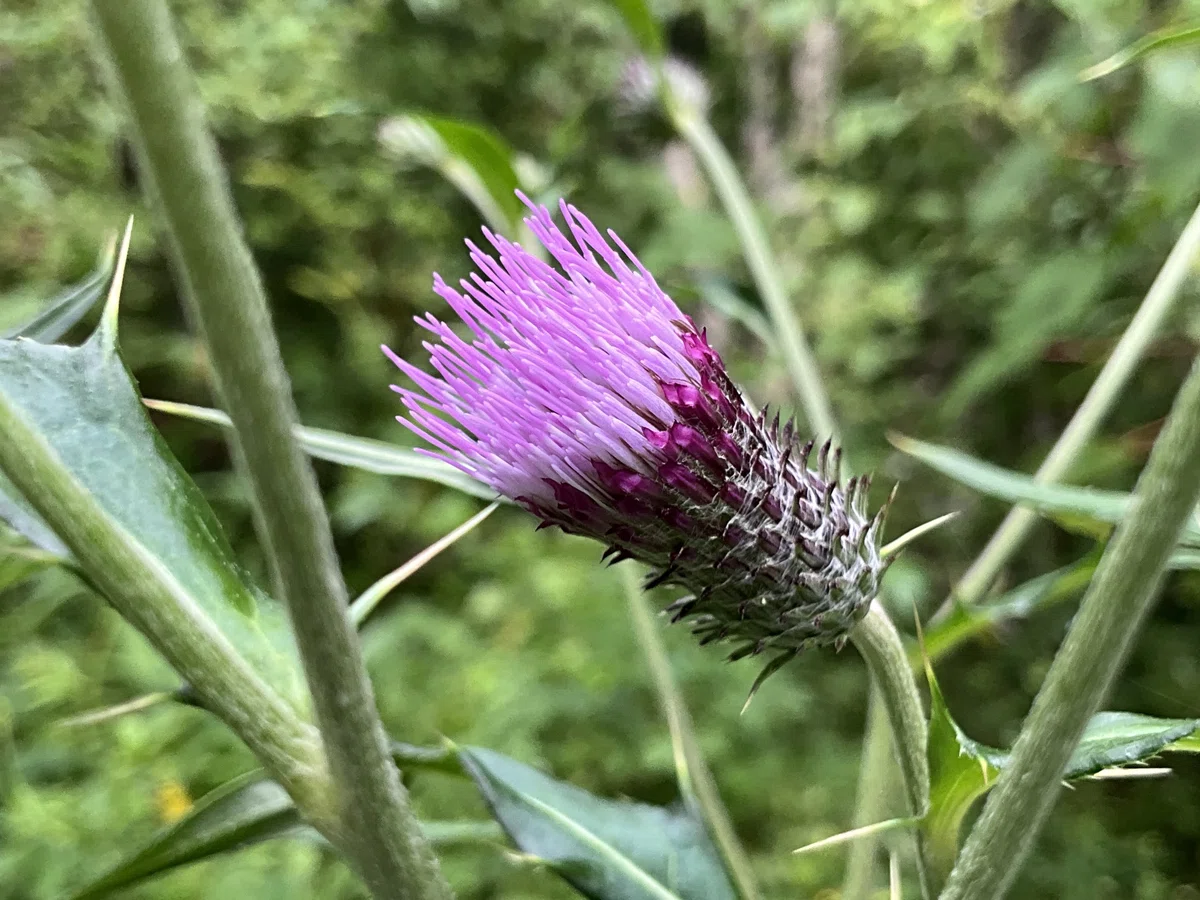
キク科,原産地:日本(中部,近畿)
京都府立植物園植物生態園
2026年8月15日,筆者撮影
©️Hideaki FUJII
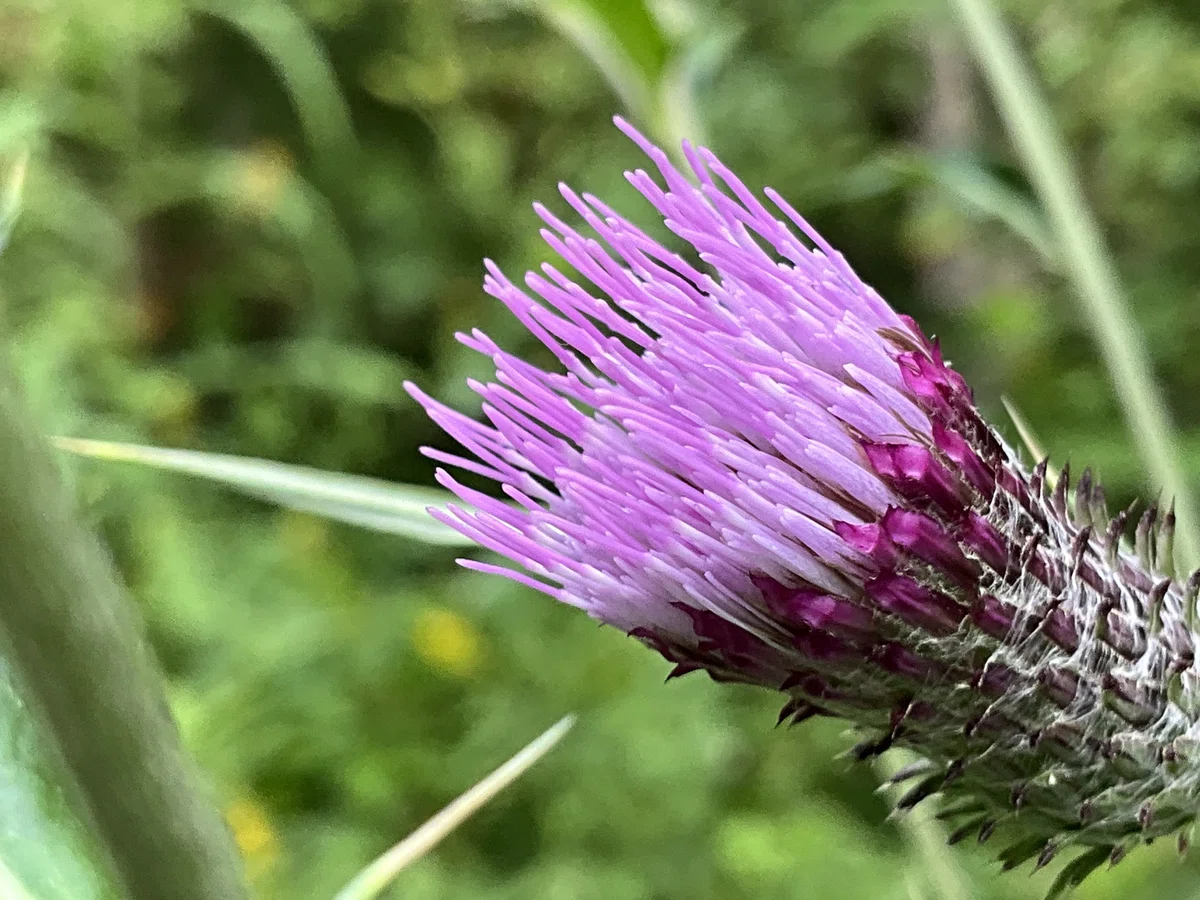
キク科,原産地:日本(中部,近畿)
京都府立植物園植物生態園
2026年8月15日,筆者撮影
©️Hideaki FUJII
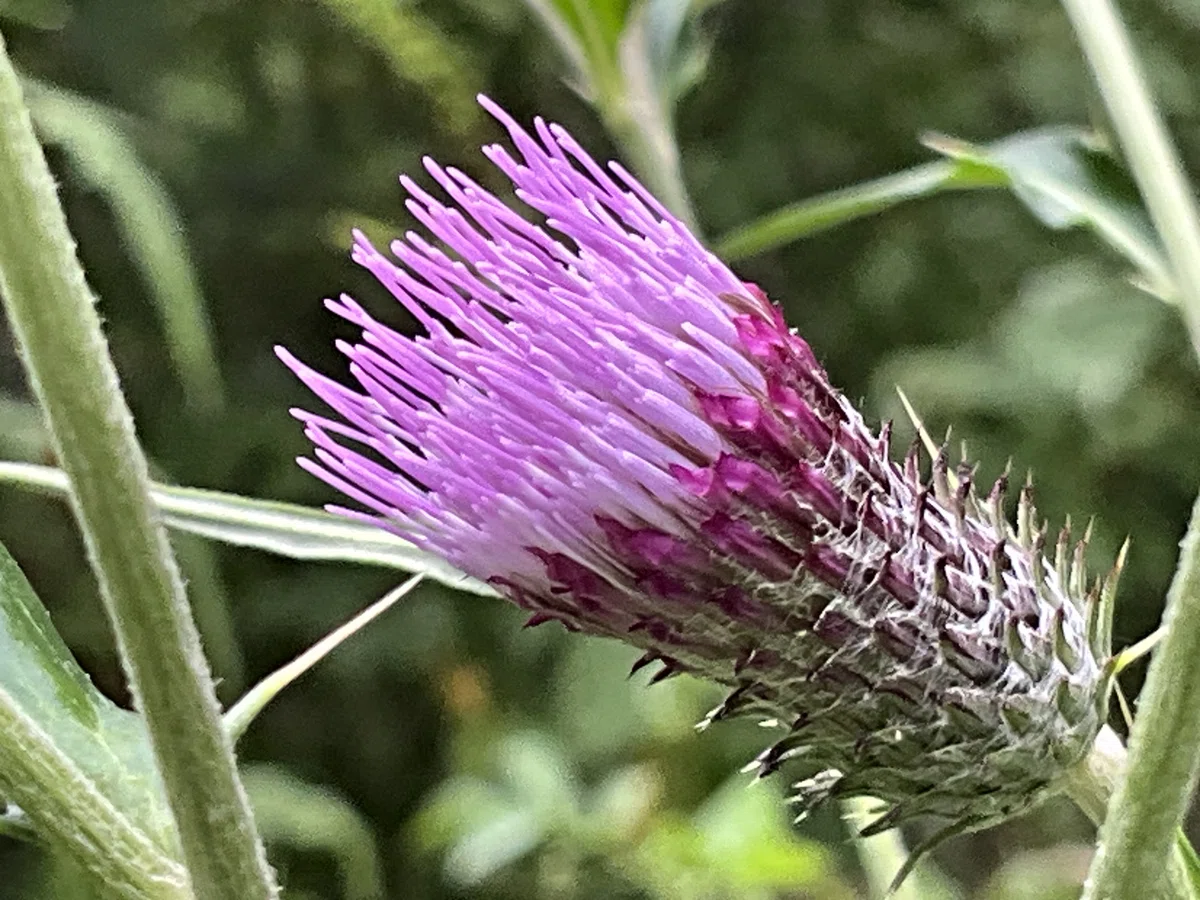
キク科,原産地:日本(中部,近畿)
京都府立植物園植物生態園
2026年8月15日,筆者撮影
©️Hideaki FUJII
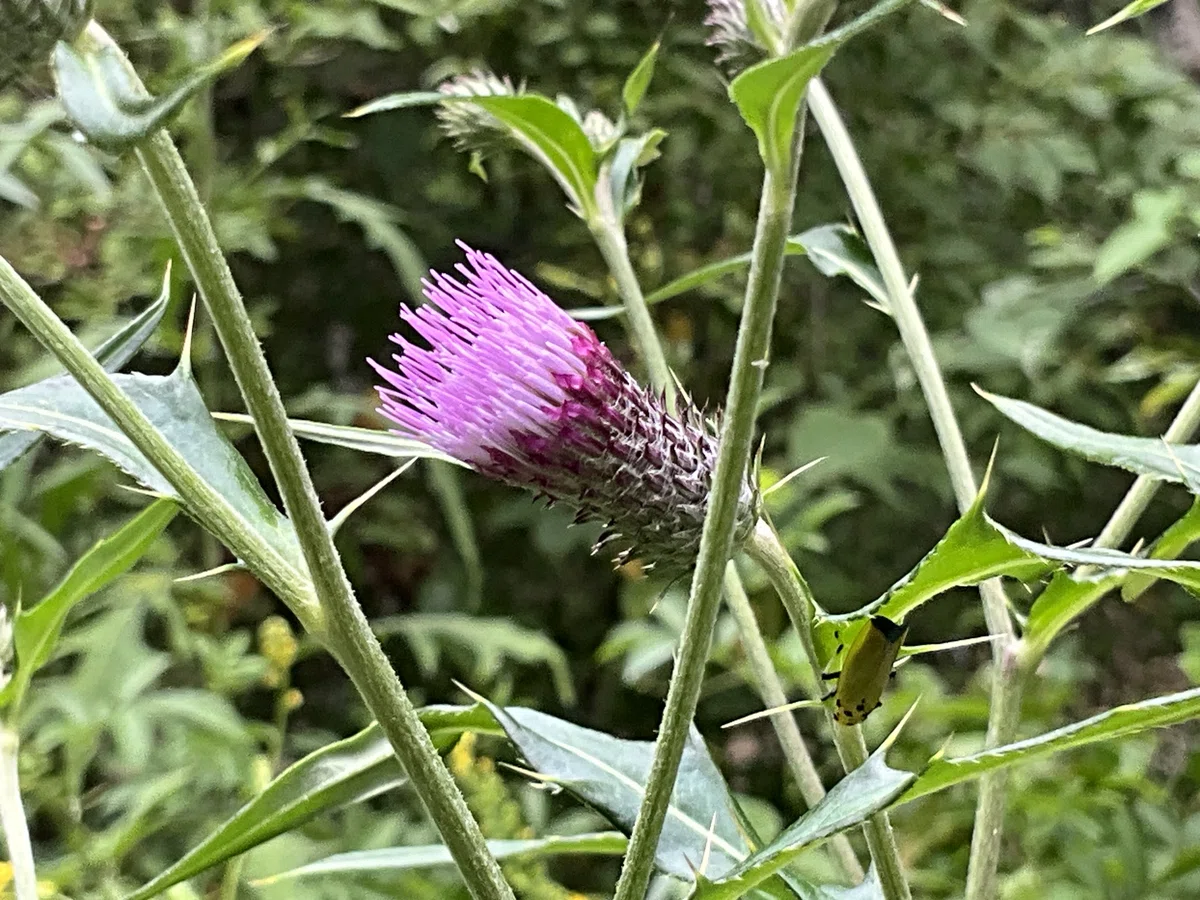
キク科,原産地:日本(中部,近畿)
京都府立植物園植物生態園
2026年8月15日,筆者撮影
©️Hideaki FUJII
キク科,原産地:日本(中部,近畿)
京都府立植物園植物生態園
2026年8月15日,筆者撮影
©️Hideaki FUJII
キク科,原産地:日本(中部,近畿)
京都府立植物園植物生態園
2026年8月15日,筆者撮影
©️Hideaki FUJII
キク科,原産地:日本(中部,近畿)
京都府立植物園植物生態園
2026年8月15日,筆者撮影
©️Hideaki FUJII
キク科,原産地:日本(中部,近畿)
京都府立植物園植物生態園
2026年8月15日,筆者撮影
©️Hideaki FUJII
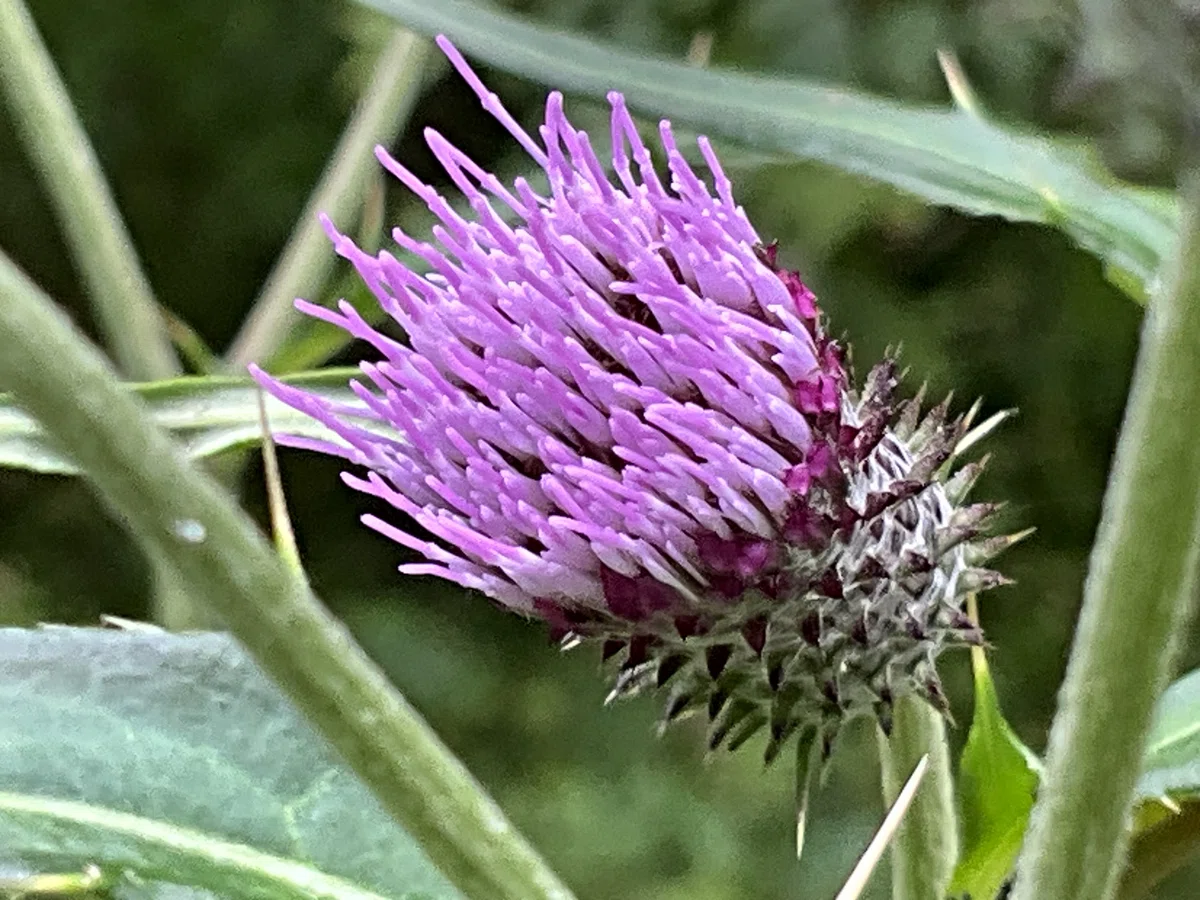
キク科,原産地:日本(中部,近畿)
京都府立植物園植物生態園
2026年8月15日,筆者撮影
©️Hideaki FUJII
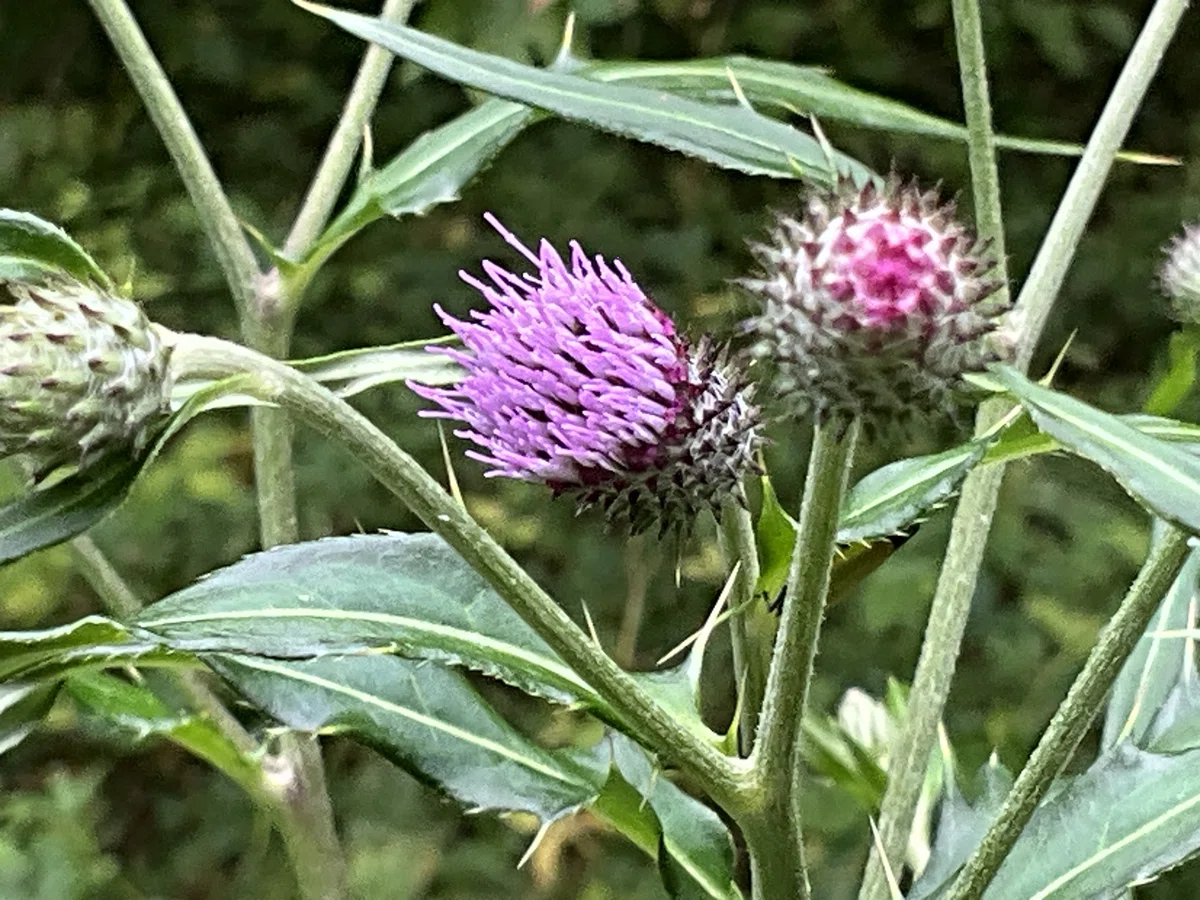
キク科,原産地:日本(中部,近畿)
京都府立植物園植物生態園
2026年8月15日,筆者撮影
©️Hideaki FUJII
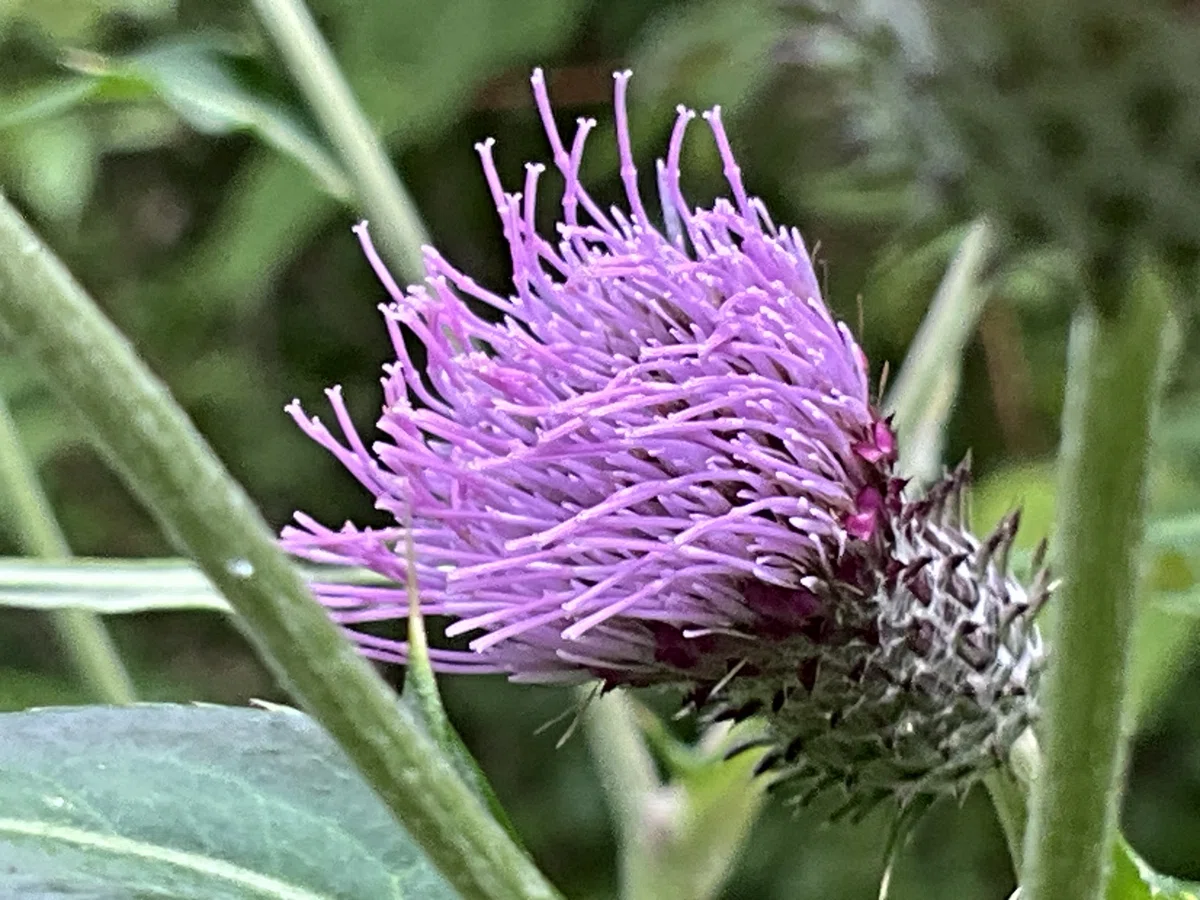
キク科,原産地:日本(中部,近畿)
京都府立植物園植物生態園
2026年8月16日,筆者撮影
©️Hideaki FUJII
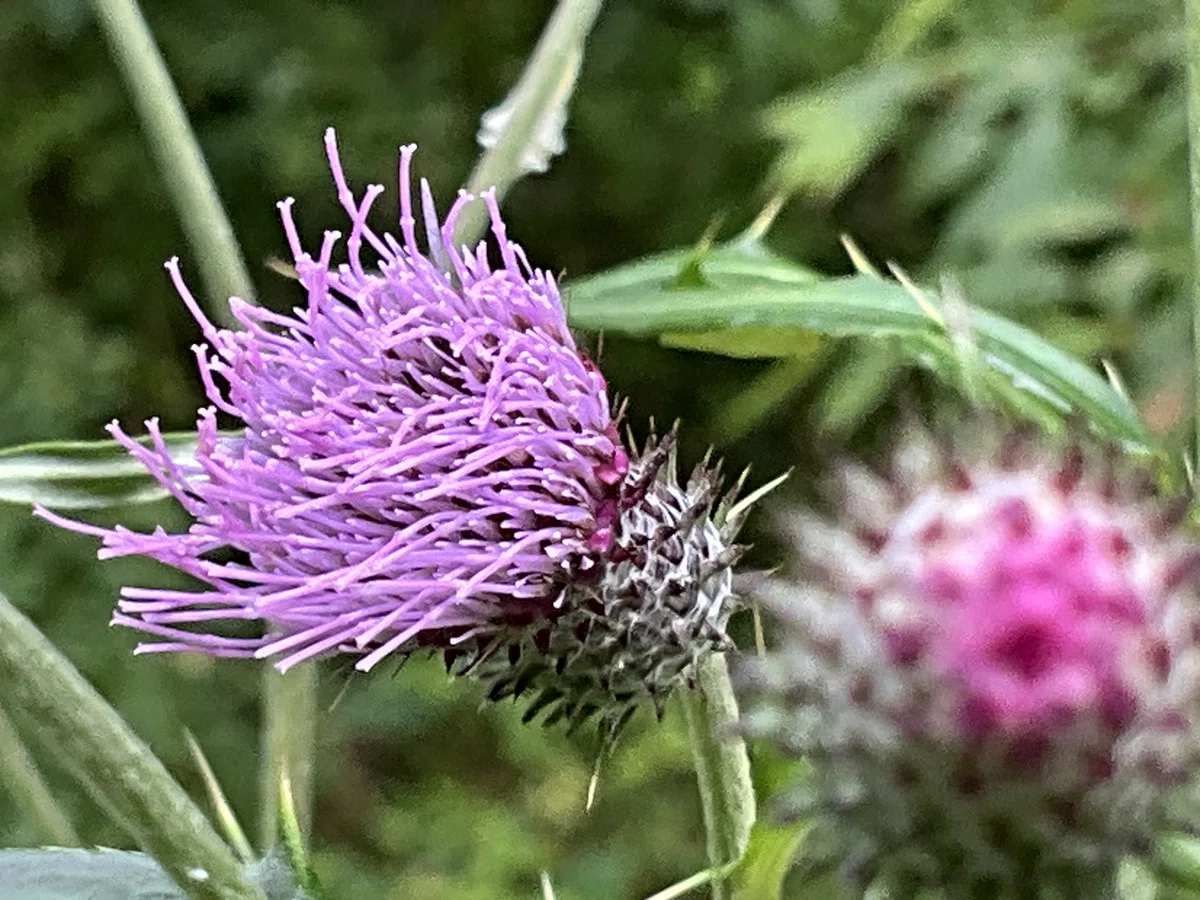
キク科,原産地:日本(中部,近畿)
京都府立植物園植物生態園
2026年8月16日,筆者撮影
©️Hideaki FUJII
キク科,原産地:日本(中部,近畿)
京都府立植物園植物生態園
2026年8月16日,筆者撮影
©️Hideaki FUJII
キク科,原産地:日本(中部,近畿)
京都府立植物園植物生態園
2026年8月16日,筆者撮影
©️Hideaki FUJII
キク科,原産地:日本(中部,近畿)
京都府立植物園植物生態園
2026年8月16日,筆者撮影
©️Hideaki FUJII
キク科,原産地:日本(中部,近畿)
京都府立植物園植物生態園
2026年8月16日,筆者撮影
©️Hideaki FUJII
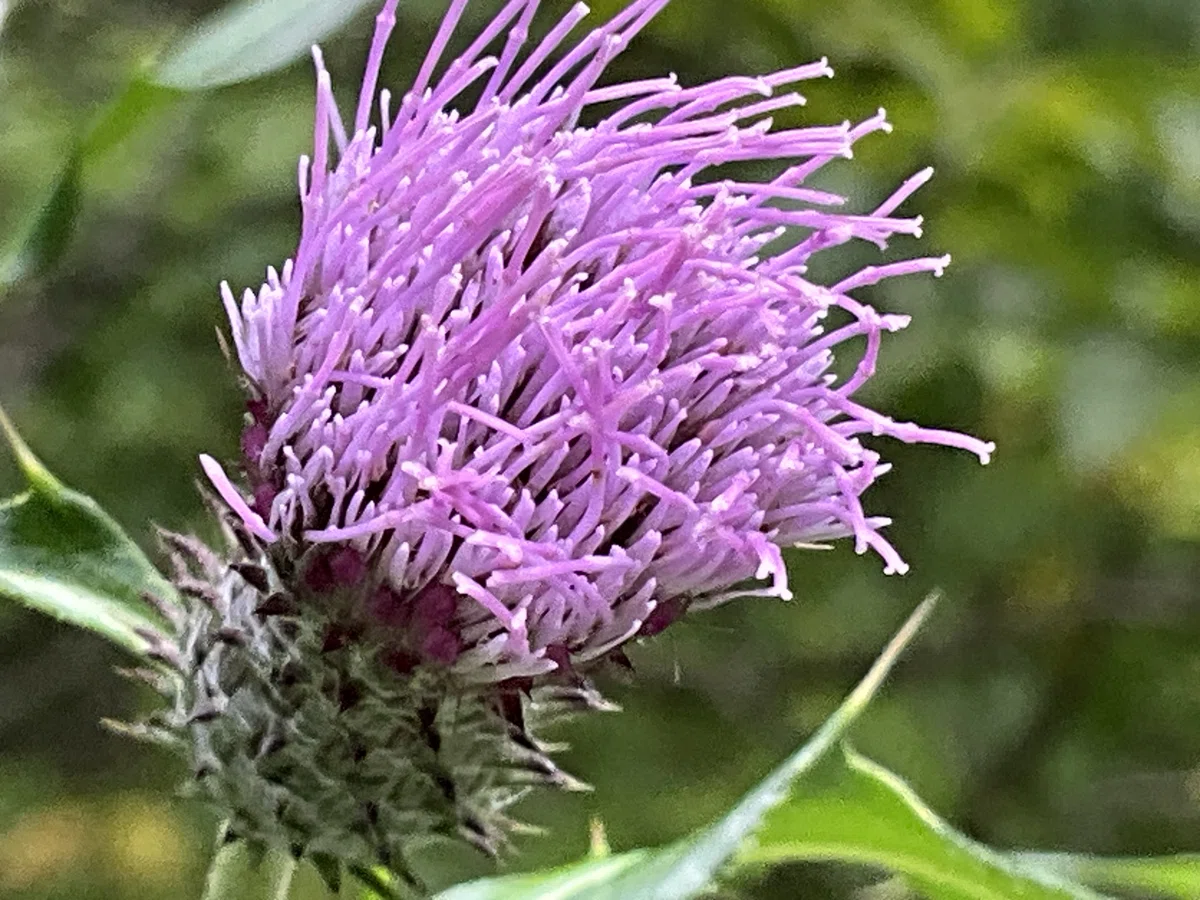
キク科,原産地:日本(中部,近畿)
京都府立植物園植物生態園
2026年8月16日,筆者撮影
©️Hideaki FUJII
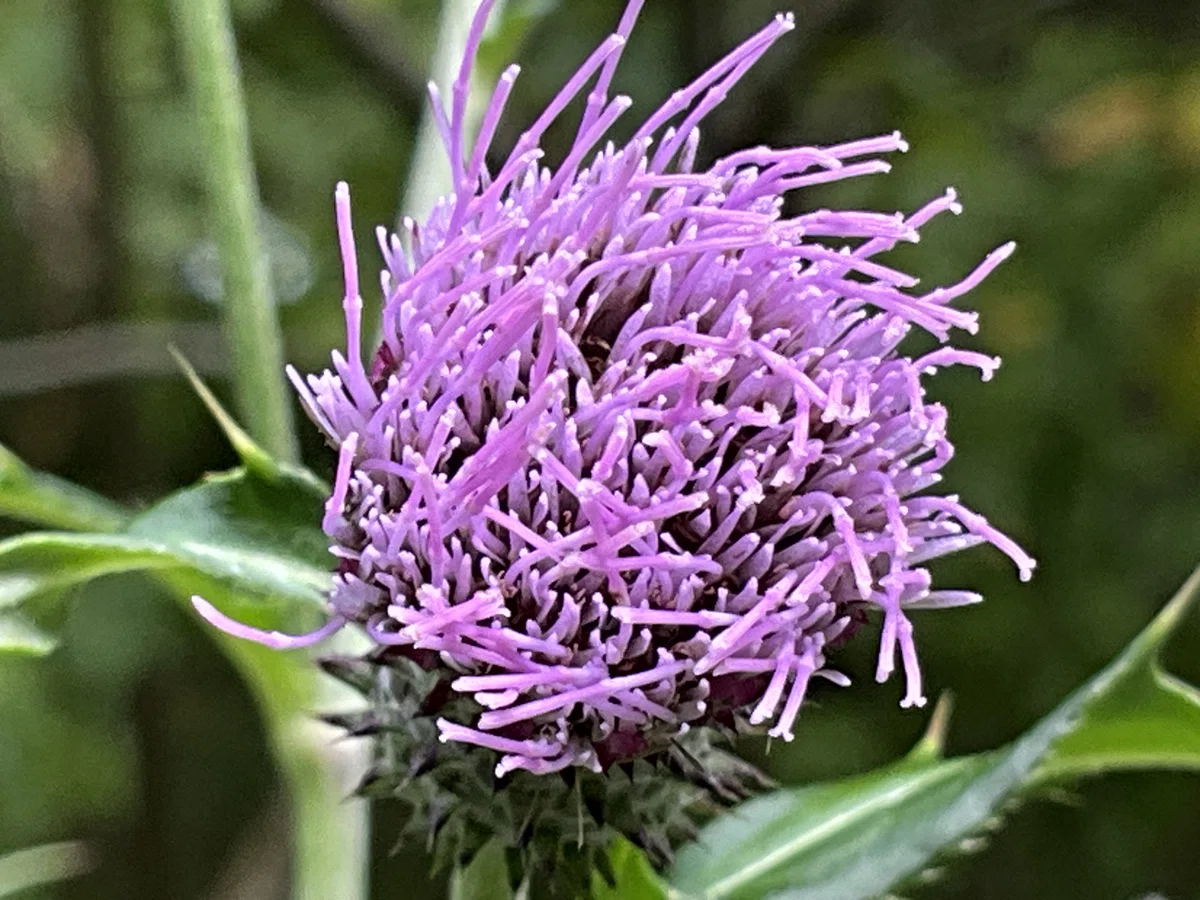
キク科,原産地:日本(中部,近畿)
京都府立植物園植物生態園
2026年8月16日,筆者撮影
©️Hideaki FUJII
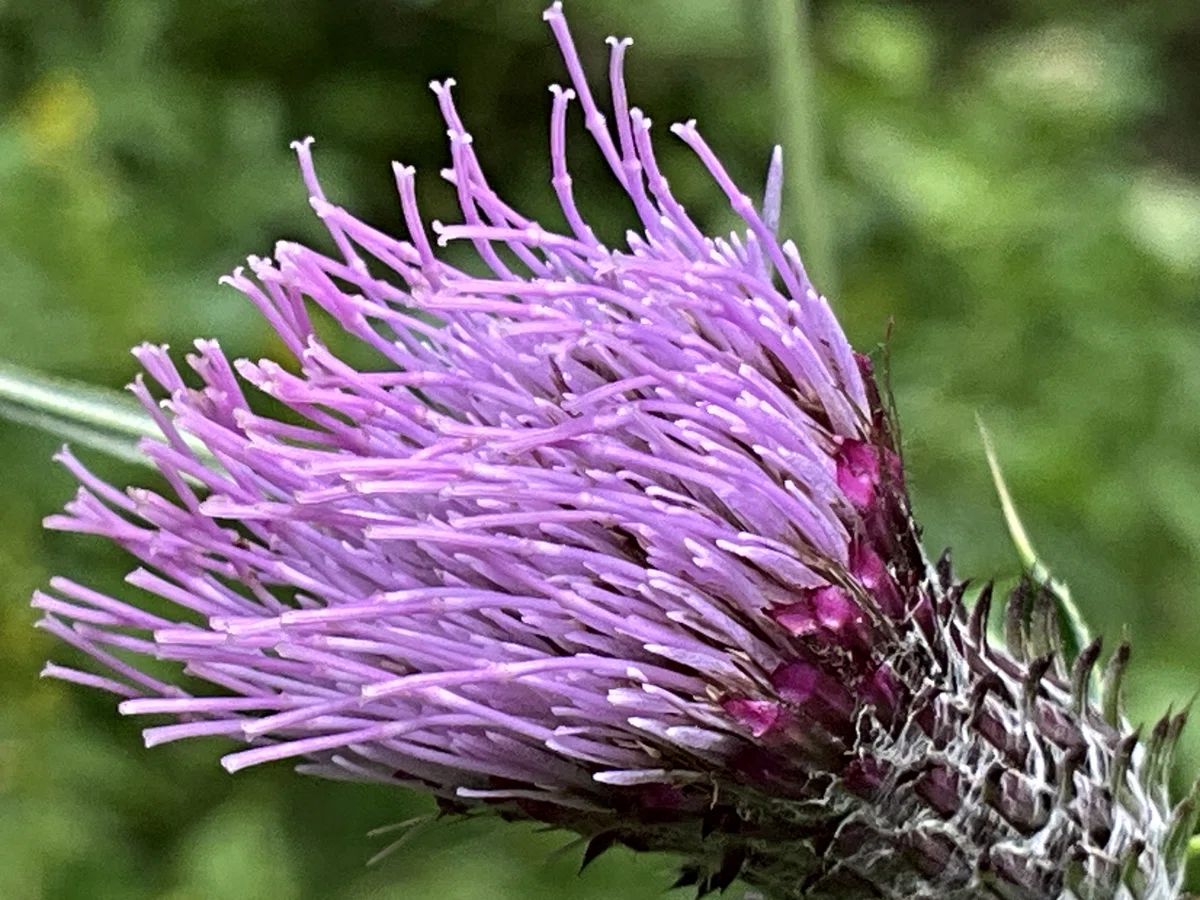
キク科,原産地:日本(中部,近畿)
京都府立植物園植物生態園
2026年8月16日,筆者撮影
©️Hideaki FUJII
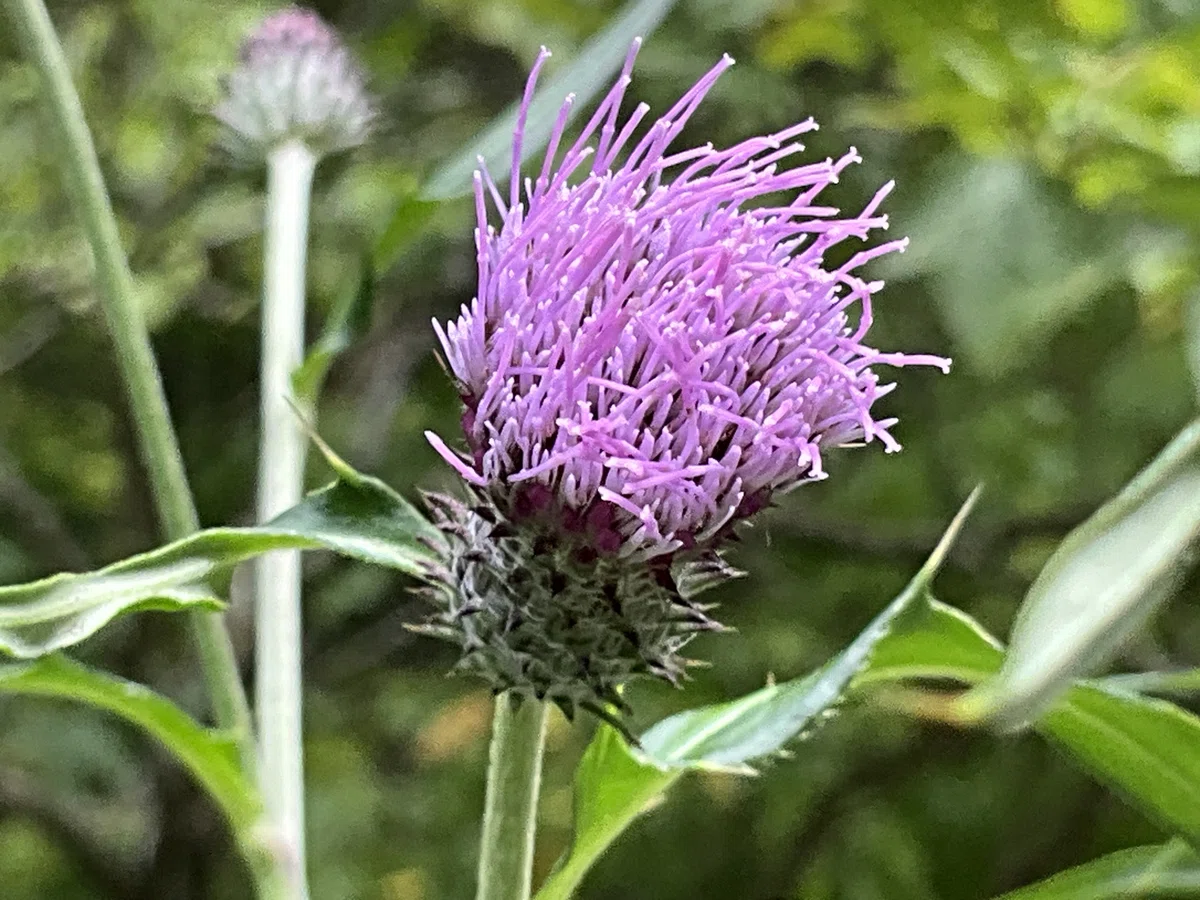
キク科,原産地:日本(中部,近畿)
京都府立植物園植物生態園
2026年8月16日,筆者撮影
©️Hideaki FUJII
The Flowering of Oharame‑azami Begins (Kyoto Botanical Gardens): Saturday, August 15, 2026
Abstract
In mid‑August 2026, I observed Oharame‑azami at the Native Plants Garden of Kyoto Botanical Gardens. The plant label identified the taxon as Cirsium microspicatum var. kiotoense, although a taxonomic treatment recognizing it as Cirsium kiotoense has also been proposed in recent years. Oharame‑azami is a large Japanese endemic thistle distributed from the Hokuriku region to the northern part of the Kinki region, and it is one of the representative species of montane forest‑edge habitats. During the observation, multiple developmental stages ranging from unopened buds to the early flowering stage were present simultaneously. This made it possible to recognize that a botanical garden exhibits not only plants themselves but also the temporal processes embodied by plants. Within the institutional space of a botanical garden, this species was presented through overlapping contexts of taxonomy, natural history, regional culture, and intentional human display. Starting from a morphological observation of Oharame‑azami, this essay records how natural history is edited, structured, and presented to observers within the botanical‑garden setting.
Main Text
Observation Setting
On an afternoon in mid‑August 2026, I observed Oharame‑azami in the Native Plants Garden of Kyoto Botanical Gardens. The observation was conducted during a walk through the garden and was not part of a long‑term monitoring program. The weather was clear. The subject of observation was a planted population growing within the Native Plants Garden. The plant label displayed both the Japanese name “Oharame‑azami” and the scientific name Cirsium microspicatum var. kiotoense. At the same time, some recent taxonomic references adopt Cirsium kiotoense as the standard scientific name. For this reason, I distinguish between the name displayed on the plant label and alternative taxonomic interpretations.
Kyoto Botanical Gardens is not merely a place where plants are cultivated. Individual plants are arranged with consideration for their taxonomic position, natural distribution, relationship to vegetation, and educational significance. The Native Plants Garden, in particular, functions as an exhibition space that reconstructs the wild flora of different regions of Japan. Visitors encounter regional natural histories while walking through the site. The plants growing there are neither specimens detached from nature nor organisms existing in a fully natural state. Rather, they are fragments of natural history presented through the human processes of classification and display.
Habitat Recreation and Display Context
The site where Oharame‑azami was planted approximated a semi‑shaded environment created by surrounding trees and shrubs. A forest‑edge landscape had been established around the planting area, and the light regime occupied an intermediate position between open grassland and closed forest. In the wild, this species is known to occur along the edges of deciduous and evergreen forests in mountainous areas. The placement of the plants within the Native Plants Garden therefore appears to reflect, at least in part, a deliberate reference to their natural habitat.
The observed population was conspicuously large. Stems branched above the middle portion and produced numerous capitula. The leaves bore sharp spines and showed a tendency toward deeply pinnate lobing. Visually estimated heights were well above 1 m, and several individuals appeared to approach 2 m. These characteristics correspond with published descriptions of Oharame‑azami as a large thistle distributed from the Hokuriku region to northern Kinki.
Morphology and Phenology
The capitula were the most noteworthy feature encountered during the observation. Examination of the photographic record revealed that unopened buds, capitula immediately before anthesis, newly opened capitula, and capitula in the early flowering stage were all present simultaneously within the same population. Flower color ranged from pale reddish‑purple to wisteria purple. Most capitula were oriented horizontally or slightly upward. The involucre was narrow and cylindrical, and the phyllaries were tightly appressed without pronounced recurving. These features are consistent with descriptions of Oharame‑azami provided in major botanical references.
What was visible here was not simply a collection of flowers. More precisely, what appeared before the observer were multiple stages of a flowering process. In nature, the transition from bud to anthesis unfolds sequentially through time. Within the botanical garden, however, different phases of that continuous process are spatially juxtaposed. During a walk lasting only a few minutes, an observer can encounter several temporal slices of a developmental sequence that normally extends across several days or longer. The observation therefore suggested that the botanical garden was displaying not merely plants, but time as expressed through plants.
According to published sources, the principal flowering period of this species extends from approximately September to November, or in some accounts from September to December. The present observation took place in mid‑August and therefore corresponds to a stage somewhat earlier than the peak flowering season described in the literature. Consequently, this record should not be interpreted as documenting the flowering condition of Oharame‑azami in general. Rather, it documents the condition of a planted population in the Native Plants Garden of Kyoto Botanical Gardens in mid‑August 2026. A fundamental requirement of observation is to distinguish between general statements and local facts.
Taxonomy and the Dynamics of Knowledge
From a botanical perspective, Oharame‑azami represents an intriguing taxonomic case. Traditionally, it has been treated as a variety of Azumayama‑azami, Cirsium microspicatum. However, an alternative interpretation has been proposed that recognizes it as the independent species Cirsium kiotoense, based on characters including phyllary morphology and capitulum structure.
Differences therefore remain between certain plant labels and contemporary taxonomic databases. An observer may appear to be confirming a scientific name displayed on a label, but in reality the observer is encountering a field of knowledge whose classificatory concepts continue to change. A botanical‑garden label is not a statement of immutable truth. Rather, it is an expression of a knowledge system at a particular moment in time.
Cultural, Economic, and Environmental Value
From a cultural perspective, the name “Oharame‑azami” strongly evokes Kyoto. The origin of the name has generally been interpreted as reflecting an association with Ōhara or with Kyoto more broadly. Yet from the standpoint of plant geography, the distribution of the species extends well beyond Kyoto Prefecture, ranging from the Hokuriku region to northern Kinki. A discrepancy therefore exists between the regional impression generated by the name and the actual geographical distribution of the plant. The display in the Native Plants Garden appears not to conceal this discrepancy but to render it visible. Visitors approach the plant through a Kyoto‑associated name while being guided toward a broader regional natural history.
The species is not a major crop nor an economically important horticultural plant. Direct market value is therefore limited. Within the institutional framework of a botanical garden, however, economic value alone does not determine which species are maintained. Plants that express regional distinctiveness, contribute to natural‑history education, or hold research significance are also preserved. Oharame‑azami offers a clear example. Its significance derives less from commercial circulation than from the amount of natural‑historical information embodied in its presence.
Its value as an environmental resource is likewise noteworthy. The species is a constituent element of forest‑edge vegetation in the Hokuriku and northern Kinki regions. Its display does not function merely as the preservation of individual plants. Instead, it serves as an entry point into the wider ecosystem to which the species belongs. By observing Oharame‑azami, visitors are encouraged to imagine the montane forest‑edge environment itself. Although a botanical garden cannot transplant an entire ecosystem, it can provide reference points through which that ecosystem becomes intellectually accessible.
Observation as Interpretation
In the present observation, direct field observation, photographic documentation, and comparison with published literature proceeded in parallel. Morphological inspection alone is insufficient for understanding Oharame‑azami. Only by integrating information from taxonomic history, plant geography, exhibition design, and garden management does it become possible to understand what this population is communicating within the botanical‑garden context.
Observation is therefore not merely an act of seeing an object. It is also an act of reading the system of knowledge arranged behind that object.
Aufhebung / Stopping Point
What was documented here was a population in transition toward the flowering season in mid‑August 2026. How many additional capitula would open, how fruiting would proceed, and how the population would contribute to the autumn landscape remained unknown at the time of observation. The present record is not a conclusion. It is a reference point against which future observations may be compared.
The Oharame‑azami planted in the Native Plants Garden functioned simultaneously as a surrogate for the natural history of the Hokuriku and northern Kinki regions and as a temporal specimen recording one particular season in the year 2026. What form that temporal specimen will take next remains to be encountered in a future walk and a future observation.
いいなと思ったら応援しよう!
 よろしければご応援をお願いします! いただいたチップはクリエイターとしての活動費に使わせていただきます!