ガソリン補助金問題(補足3:ガソリン税とトリガー条項):2023年11月13日(月)

【要旨】
2023年11月現在,日本ではガソリンに対して複数の税が課されており,揮発油税や地方揮発油税,石油石炭税,さらに消費税が加わることで二重課税の問題もある。揮発油税等の暫定税率分25.1円については,価格高騰時に一時免除する「トリガー条項」が2010年に導入されたが,東日本大震災後に凍結された。現在の補助金支給では年間約3兆円が費やされているが,トリガー条項を発動すれば約1兆円の税収減で済む可能性があるとの議論がある。ただし,ガソリン価格を「予測価格」で議論することには限界があり,会計検査院もその点を指摘している。価格抑制策の妥当性が問われている。
【本文】
2023年11月現在で日本においてガソリンに課せられている税(リットルあたり)は,いずれも国税で,国の一般財源としての揮発油税48.6円(本則税率24.3円),地方の一般財源としての地方揮発油税5.2円(本則税率4.4円),燃料安定供給対策及びエネルギー需給構造高度化対策財源としての石油石炭税2.8円(本則税率2.04円),これに加えてガソリン購入価格に対しての消費税10%がある。この消費税は二重課税である。
このガソリンに課せられている税のうち,揮発油税のうちの暫定税率分24.3円(=48.6円-24.3円)と地方揮発油税のうちの暫定税率分0.8円(=5.2円-4.4円)を合計した暫定税率分25.1円について,ガソリン価格高騰時には,この暫定税率分25.1円を一時的に免除することを定めた「トリガー条項」と呼ばれるルールが2010年の民主党(当時)政権時に導入された。しかしながら,翌年,東日本大震災が起き,復興財源確保のために法律により「トリガー条項」の発動を凍結する措置が取られた。今回のガソリン価格高騰時に,ガソリン補助金を石油元売事業者等に支給するのではなく,「トリガー条項」を発動しておけば年間約1兆円の税収の減少が見込まれるものの,年間約3兆円の補助金を支給せずともガソリン価格の高騰を抑制できたのではないかとの議論がある。
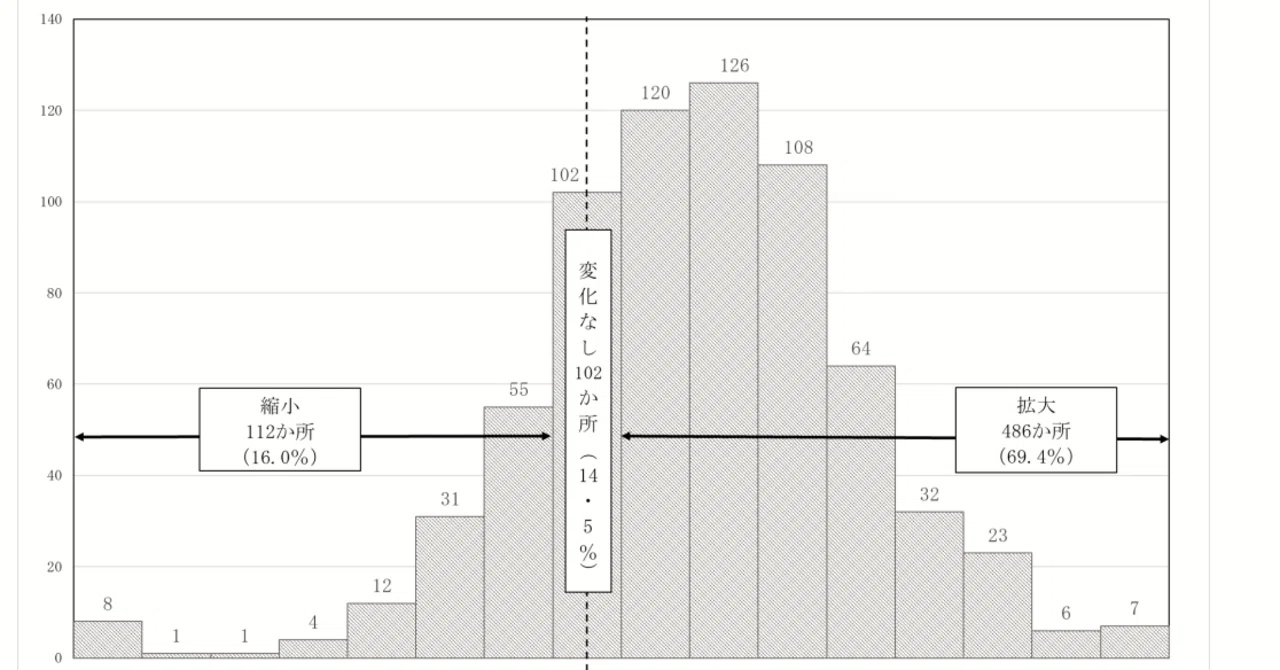
こうした議論において重要な点は,ガソリン小売価格を「予測価格」として捉える考え方についてである。ガソリン税のうち暫定税率分の25.1円を引き下げてもガソリン小売価格は170円を超えていたかもしれない。この場合,税収が減ると同時に,ガソリン価格も下がらなかったら,二重の負担ではないかということになろう。したがって,予測価格を前提に議論することは意味がない。同様にして,今回のガソリン補助金のスキームで設定された支給単価(「予測価格」から基準価格を差し引いて求めた値)も意味がないということになる。この点こそが,11月7日公表の検査報告において,会計検査院が指摘したかったことなのではないかと私は考えている。
Gasoline Subsidy Issue (Supplement 3: Gasoline Tax and Trigger Clause): Monday, November 13, 2023
Summary
As of November 2023, multiple taxes are imposed on gasoline in Japan, including the gasoline tax, local gasoline tax, petroleum and coal tax, and a 10% consumption tax, which results in double taxation. A rule known as the “trigger clause” was introduced in 2010 to temporarily exempt 25.1 yen of provisional tax rates during price surges, but it was frozen after the 2011 Great East Japan Earthquake. Amid recent price hikes, some argue that activating the clause could have curbed gasoline prices without the need for approximately 3 trillion yen in subsidies, despite a projected 1 trillion yen tax revenue loss. However, relying on “forecast prices” to evaluate such measures is problematic. The Board of Audit of Japan highlighted this issue in its November 7 report, questioning the validity of price suppression strategies based on uncertain projections.
Main Text
As of November 2023, the taxes imposed on gasoline in Japan (per liter) are all national taxes. The volatile oil tax is 48.6 yen (basic tax rate of 24.3 yen) as a general financial resource for the country, the local volatile oil tax is 5.2 yen (basic tax rate of 4.4 yen) as a general financial resource for local governments, and the petroleum coal tax is 2.8 yen (basic tax rate of 2.04 yen) as a financial resource for fuel stability supply measures and advanced energy supply and demand structure measures. In addition, there is a 10% consumption tax on the gasoline purchase price. This consumption tax is a double taxation.
Among these taxes imposed on gasoline, a temporary tax rate of 24.3 yen ( = 48.6 yen - 24.3 yen) for the volatile oil tax and a temporary tax rate of 0.8 yen ( = 5.2 yen - 4.4 yen) for the local volatile oil tax, totaling a temporary tax rate of 25.1 yen, were introduced in the "trigger clause" during the Democratic Party (at that time) administration in 2010. This trigger clause stipulates the temporary exemption of the 25.1 yen temporary tax rate during times of gasoline price increases. However, the following year, the Great East Japan Earthquake occurred, and measures were taken to freeze the activation of the "trigger clause" by law to secure reconstruction funds. In the current situation of rising gasoline prices, there is a discussion about whether, instead of providing gasoline subsidies to oil wholesalers, triggering the "trigger clause" could have restrained the rise in gasoline prices without providing approximately 3 trillion yen in subsidies annually, resulting in an expected decrease of about 1 trillion yen in tax revenue.
An essential point in this discussion is the perspective of considering gasoline retail prices as "predicted prices." Even if the temporary tax rate of 25.1 yen is reduced from the gasoline tax, the retail price of gasoline may have exceeded 170 yen. In this case, it might be considered a double burden if tax revenue decreases while gasoline prices do not fall. Therefore, discussing based on predicted prices is meaningless. Similarly, the subsidy unit price set in the scheme of this gasoline subsidy (the value obtained by subtracting the reference price from the "predicted price") is also considered meaningless. I believe this is what the Board of Audit wanted to point out in the inspection report released on November 7.
いいなと思ったら応援しよう!
 よろしければご応援をお願いします! いただいたチップはクリエイターとしての活動費に使わせていただきます!