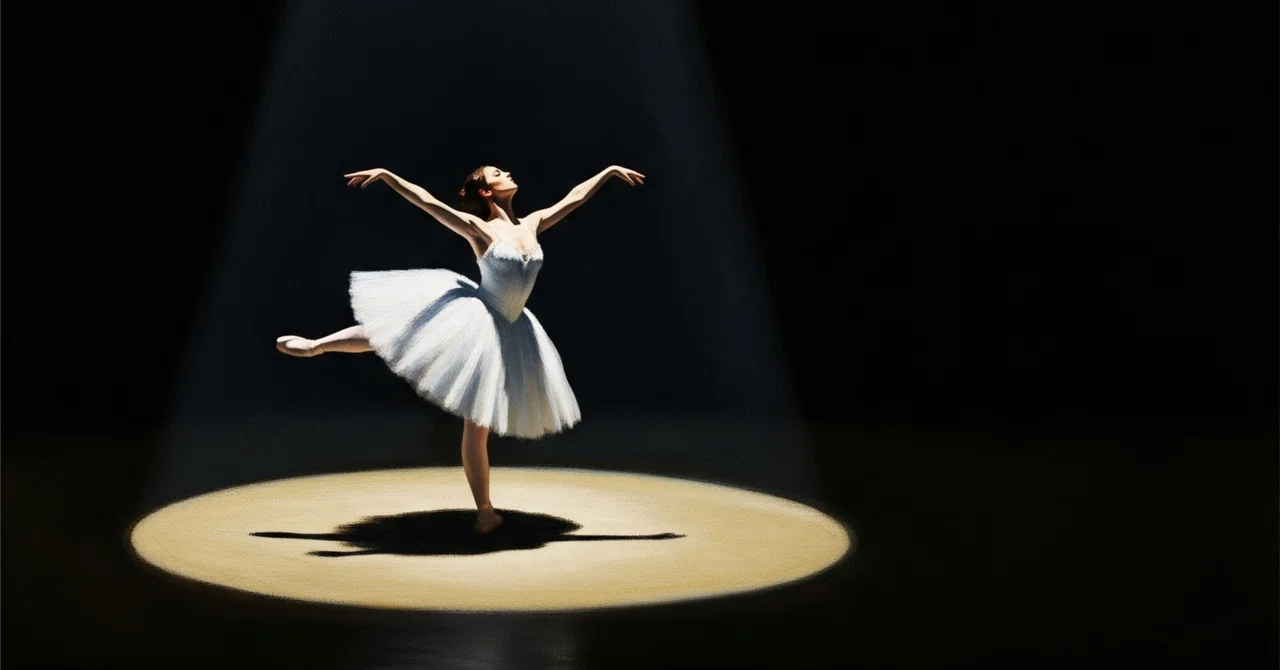
relaxation time【SS】ドガの冷たい眼差し、その奥のぬくもり

作品への思い: 断片的な情報を一つの「物語」として再構築することで、ドガという複雑な画家の人間性に迫りたかった。読者が美術評論を読むのではなく、一人の人間との対話を体験するような感覚を目指した。
こだわり: 舞踊家の身体感覚を通した描写。「着地の衝撃」「筋肉の悲鳴」など、身体的な言葉で絵画を語ることで、ドガの視線の生々しさを表現した。
読者へのメッセージ: アートは知識で見るものではなく、心で対話するものです。このエッセイをきっかけに、あなただけの「推し画家」を見つけ、彼らとの対話を楽しんでみてください。
キーフレーズ: 「人の油断につけこむ画家」「冷たい眼差しの奥のぬくもり」「見せたくない瞬間こそ、美しい」
【作品カテゴリー】
美術エッセイ、評伝、アート
Art Essay, Biography, Art
(和文)タイトル、サブタイトル
タイトル: ドガの冷たい眼差し、その奥のぬくもり
サブタイトル: ―ある舞踊家が、舞台裏のリアリストと対話した記録―
(English) Title, Subtitle
Title: Degas's Cold Gaze, and the Warmth Within
Subtitle: -A Dancer's Dialogue with the Realist of the Backstage-
キャッチコピー(35文字以内)
(和文)
なぜ彼は、最も美しい瞬間の「裏側」を描き続けたのか。
(English)
Why did he keep painting the "other side" of the most beautiful moments?
帯推薦文
「これは、ただの美術解説ではない。一人の芸術家が、別の芸術家の魂に触れるまでの、スリリングな旅の記録だ。」
――作家・〇〇 〇〇
推薦レビュー(3点)
(美術ファンより) ドガの断片的な知識が、この本を読んで一本の線で繋がった。舞踊家の視点というのが新鮮で、まるで自分がドガの絵の中に入り込んだような感覚になった。アートの新しい楽しみ方を発見できた。
(ダンサー・表現者より) 「見せたくない瞬間」という言葉に、胸をえぐられるようだった。表現者としての葛藤と、ドガの視線が重なり、涙が出た。すべての表現者に読んでほしい魂の書。
(読書家より) 知的好奇心をくすぐられる、極上のエッセイ。美術、歴史、個人の思索が見事に織り交ぜられ、一気に読んでしまった。読後、無性に美術館に行きたくなる。
ピックアップ
「そこかい!」――舞踊家は、画家の視線に反発した。しかし、その冷たいレンズが捉えていたのは、あらゆる虚飾を剥ぎ取った「生」の真実だった。時を超え、二人の芸術家の魂が交錯する、スリリングなアート・探求の旅。
作品紹介文
(和文)
「人の油断につけこむ画家」――舞踊家である私は、エドガー・ドガの絵にそう反発を覚えた。なぜ彼は、華やかな舞台の裏側や、人の無防備な瞬間ばかりを描くのか?その問いをきっかけに、気難しく孤独だった画家の人生を辿り始める。視力の悪化、写真との出会い、そして彼が愛した踊り子たちの真実。冷徹なリアリストの仮面の下に隠された、人間への熱い眼差しを発見するまでを描く、魂の対話的アート・エッセイ。
(English)
"An artist who preys on unguarded moments"—as a dancer, that was my initial repulsion to the paintings of Edgar Degas. Why did he exclusively paint the backstage of glamorous stages and people's vulnerable moments? This question led me to trace the life of this difficult and lonely artist. His deteriorating eyesight, his encounter with photography, and the truth of the dancers he loved. This is a soulful, dialogic art essay that depicts the journey to discovering the passionate gaze towards humanity hidden beneath the mask of a cold realist.
登場人物の説明
私(語り手): 現代を生きる舞踊家。ドガの絵画に反発しながらも次第に惹きつけられ、彼の芸術と人生の探求を始める。
エドガー・ドガ: 19世紀フランスの画家。印象派の創設者の一人とされるが、本人は写実主義を主張。気難しく、人間嫌いと言われる一方で、その作品は人間の真実を鋭く、そして時に優しく捉えている。
冒頭の一文
(和文)
スポットライトの熱狂が嘘のように冷めた稽古場で、私は一枚の絵と出会い、そして、一人の画家と喧嘩を始めた。
(English)
In the practice room, where the fever of the spotlight had cooled as if it were a lie, I encountered a painting, and thus began a quarrel with an artist.
前書き
これは、19世紀のパリを生きた一人の画家と、現代を生きる一人の舞踊家の、時を超えた対話の記録です。
エドガー・ドガ。彼の絵は、時に私たちを苛立たせ、時に私たちの心の柔らかな場所を不意に突き刺します。
なぜなら彼は、私たちが無意識に隠している「真実」を描き出すからです。
このエッセイは、彼の冷たいとされる眼差しの奥に、私が見出したぬくもりについての物語です。
あなたも、この対話に参加してみませんか。
Foreword
This is a record of a dialogue across time, between a painter who lived in 19th-century Paris and a dancer living in the modern age.
Edgar Degas. His paintings sometimes irritate us, and at other times, they unexpectedly pierce the soft spots of our hearts.
This is because he depicts the "truth" that we subconsciously hide.
This essay is a story about the warmth I found behind his supposedly cold gaze.
Would you like to join this conversation?
目次 (Table of Contents)
第一章:反発―人の油断につけこむ画家 (Chapter 1: Repulsion - The Artist Who Preys on Unguarded Moments)
そこを描くのか! (You Paint That?)
冷徹なリアリスト (A Cold Realist)
見せたいもの、見ているもの (What We Want to Show, What He Sees)
第二章:探求―失われた光を追って (Chapter 2: Exploration - Chasing a Lost Light)
スナップショットの視線 (The Gaze of a Snapshot)
まぶしがり症の孤独 (The Solitude of Photophobia)
ブルジョワと庶民の狭間で (Between Bourgeois and Commoner)
第三章:共鳴―舞台裏の真実 (Chapter 3: Resonance - The Truth of the Backstage)
「生きている女性」への眼差し (A Gaze Towards "Living Women")
パステルという希望 (The Hope Called Pastel)
怖い絵、そして名画を見る目 (Scary Paintings, and the Eye to See Masterpieces)
第四章:対話―時を超えたぬくもり (Chapter 4: Dialogue - A Warmth Beyond Time)
真正面から描くということ (To Paint Head-On)
あなたのいる意味 (The Meaning of Your Existence)
【リライト作品:ドガの冷たい眼差し、その奥のぬくもり】[Rewritten work: Degas' cold gaze, and the warmth behind it]
第一章:反発―人の油断につけこむ画家
Chapter 1: Repulsion—The Painter Who Preys on Unguarded Moments
スポットライトの熱狂が嘘のように冷めた稽古場で、私は一枚の絵と出会った。
In the rehearsal hall, where the spotlight's frenzy had cooled to a lie, I met a single painting.
そして、一人の画家と、心の中で喧嘩を始めた。
And I began to argue, in my mind, with a single painter.
その画家の名は、エドガー・ドガ。
The painter's name was Edgar Degas.
画集に載っていたのは、バレエの絵だ。
The image in the art book was a ballet painting.
しかし、それは私が知るバレエではなかった。
But it was not the ballet I knew.
ジャンプの最高到達点ではない。
It wasn't the peak of a jump.
優雅なポーズの途中でもない。
Nor was it the middle of a graceful pose.
描かれていたのは、重力に引きずられ、床に叩きつけられる着地の、まさにその瞬間。
He painted the precise moment of landing—dragged by gravity, slammed onto the floor.
筋肉が悲鳴を上げ、一瞬、顔が苦痛に歪む、あの瞬間だ。
The moment when muscles scream and the face briefly contorts in pain.
「そこかい!」
"That moment?!"
思わず声が出た。
The words escaped my lips.
舞踊家として、いや、人間として、最も見せたくない一瞬。
It's a moment one least wants to be seen, as a dancer, or even as a human being.
ドガは、人のそんな油断につけこむ画家なのだ。
Degas is a painter who preys on such unguarded moments.
彼の絵では、主役はいつも隅にいる。
In his paintings, the main subject is always off to the side.
きらびやかな衣装の踊り子は、背景に溶けている。
The dancer in her brilliant costume melts into the background.
その代わりに主役となるのは、舞台袖で出番を待つパトロンの黒いシルクハットだったり、
Instead, the focus might be a patron's black top hat, waiting in the wings.
くたびれて床にあくびをする少女だったりする。
Or it might be an exhausted girl, yawning on the floor.
華やかな光より、その光が生み出す生々しい影。
He preferred the raw shadows created by the brilliant light.
彼は、そちらにレンズを向けている。
That is where he aimed his lens.
その視線は、冷徹なリアリストそのものだ。
His gaze is that of a cold-hearted realist.
人間は、無意識のうちに自分を繕う。
People unconsciously compose themselves.
見せるべき顔と、隠すべき顔を取捨選択している。
They choose which face to show and which to hide.
ドガは、その隠すべき顔を容赦なく暴き出す。
Degas mercilessly exposes the face meant to be hidden.
「こんなトコ見られても描かれても困る!」
"I can't have you seeing or painting me like this!"
モデルたちは、きっとそう思ったに違いない。
The models must have surely thought so.
ルノワールが「彼と友人になった人はすべて、彼と喧嘩別れしなければいけなかった」と語るほど、
Renoir said, "Anyone who became his friend had to part with him in a quarrel."
気難しく、理屈っぽい性格だったという。
He was known to be difficult and argumentative.
さもありなん、と私は妙に納得した。
"That figures," I thought, strangely convinced.
第二章:探求―失われた光を追って
Chapter 2: The Quest—Chasing a Lost Light
しかし、私は彼の絵から目が離せなかった。
However, I could not look away from his paintings.
その冷たさの奥に、奇妙な臨場感が宿っていたからだ。
Because a strange sense of reality dwelled within their coldness.
まるで、偶然切り取られたスナップショット。
They were like snapshots, captured by chance.
『コンコルド広場』という作品。
A piece titled "Place de la Concorde."
それは、絵画というより一枚の写真だ。
It is more a photograph than a painting.
フレームから半分はみ出した通行人。
A passerby is cut in half by the frame.
気まぐれに歩く犬。
A dog wanders about whimsically.
これから何かが起こるわけでもなく、ただ「そこにある」日常。
Nothing is about to happen; it is just the everyday, simply "being there."
写真がまだ普及していなかった時代に、
In an era before photography was widespread,
彼はなぜこれほどまでに「瞬間」を切り取ることに執着したのか。
why was he so obsessed with capturing the "moment"?
答えの糸口は、彼の目にあった。
The clue to the answer lay in his eyes.
ドガは、普仏戦争に従軍した際の寒さが原因で、網膜の病を患ったという。
Degas suffered from a retinal disease, caused by the cold during his military service.
光を異常に眩しく感じる「まぶしがり症」。
He had photophobia, a condition where light feels abnormally bright.
私も、少しだけその感覚がわかる。
I understand that feeling, just a little.
世界が、白く、輪郭を失っていくような不安。
The anxiety of the world turning white, losing its contours.
彼にとって、戸外の光は暴力だったのかもしれない。
For him, the light outdoors may have been a form of violence.
だから彼は、室内の、人工の光に満ちたオペラ座や、
So he sought his subjects indoors, in opera houses filled with artificial light,
薄暗いカフェ、娼婦の館に題材を求めた。
in dimly lit cafés, and in brothels.
失われゆく視力の中で、
With his fading eyesight,
今見えるものを、この目に焼き付けようとする執念。
he was determined to burn what he could still see into his memory.
そう考えると、彼の冷徹な視線は、切実な祈りのようにも思えてきた。
Seen that way, his cold gaze began to feel like an earnest prayer.
裕福な銀行家の家に生まれたブルジョワ。
He was a bourgeois, born to a wealthy banking family.
だが、彼が描いたのは、同じ階級の人間ではない。
But he did not paint people of his own class.
踊り子、洗濯女、娼婦。
He painted dancers, laundresses, and prostitutes.
自身の身一つで、過酷な社会を生き抜く女性たち。
Women who survived a harsh society with nothing but their own bodies.
彼女たちの、飾らない日常の姿。
He depicted their unadorned daily lives.
そこには、商品としてではない、「生きている人間」への共感が透けて見える。
In them, one can see empathy for "living people," not for commodities.
それは、変わりゆく自身の立ち位置からの償いだったのか。
Was it an atonement for his own shifting position in society?
あるいは、手の届かない場所へ行ってしまった者への、共感の残り香だったのだろうか。
Or was it the lingering scent of empathy for those who had gone somewhere he could not reach?
第三章:共鳴―舞台裏の真実
Chapter 3: Resonance—The Truth Behind the Stage
ドガを調べていくうちに、中野京子氏の『怖い絵』に行き当たった。
While researching Degas, I came across Kyoko Nakano's "Kowai-e" (Scary Paintings).
そこには、当時のバレエの残酷な現実が描かれていた。
It described the cruel reality of ballet at that time.
19世紀のオペラ座は、芸術の殿堂であると同時に、
The 19th-century opera house was a temple of the arts.
裕福な男たちが貧しい踊り子たちを品定めする社交場でもあったのだ。
But it was also a social club where wealthy men would select poor dancers.
「エトワール(星)」と呼ばれるプリマの栄光の裏には、
Behind the glory of the prima ballerina, called the "étoile" (star),
数えきれない少女たちの汗と涙、そして貧困があった。
lay the sweat, tears, and poverty of countless young girls.
ドガが描いたのは、その真実だ。
What Degas painted was that truth.
彼は、舞台のきらびやかな嘘ではなく、
He chose not to paint the glittering lies of the stage.
舞台裏の、汗と疲労にまみれた本当の姿を描こうとした。
He sought to paint the true figures backstage, covered in sweat and fatigue.
見る側の立ち位置を、夢見る観客から、
He quietly shifts the viewer's position,
現実を知る当事者へと、静かにシフトさせる。
from that of a dreaming spectator to that of an insider who knows the reality.
彼の冷たさは、感傷を排し、真実だけを見つめようとする誠実さの裏返しだったのだ。
His coldness was the flip side of an integrity that rejected sentimentality to gaze only at the truth.
視力の低下は、彼の画風にも変化をもたらす。
His deteriorating vision also brought changes to his style.
精密なデッサンから、大胆な色彩のパステル画へ。
He moved from precise drawings to bold pastels.
皮肉なことに、借金に追われ、高価な油彩から安価なパステルへ移行したこの時期の作品こそ、
Ironically, his works from this period—forced by debt to switch from expensive oils to cheaper pastels—
最も「印象派」らしいと私は思う。
are what I find to be the most "Impressionistic."
輪郭が溶け合い、色彩が乱舞する画面。
Contours dissolve and colors dance wildly on the canvas.
それは、失われゆく光の中で、彼が掴んだ新たな希望の光だったに違いない。
It must have been a new light of hope that he grasped amidst the fading light.
高階秀爾氏の『名画を見る目』は、絵画を読み解く面白さを教えてくれた。
Shuji Takashina's "Meiga o Miru Me" (How to See a Masterpiece) taught me the joy of interpreting paintings.
ならば、私は、私の目でドガを読み解こう。
In that case, I will interpret Degas with my own eyes.
舞踊家としての、この身体で。
With this body, as a dancer.
第四章:対話―時を超えたぬくもり
Chapter 4: Dialogue—A Warmth Across Time
ある老婦人を描いた肖像画がある。
There is a portrait of an elderly woman.
対象を、真正面から、まっすぐに捉えた作品だ。
It is a work that captures its subject straight-on, from the front.
画家が何かを真正面から描くことは、実は稀だという。
It is said to be rare for a painter to depict something from directly in front.
多くは少し斜めから捉え、立体感や奥行きを出そうとする。
Most artists capture subjects from a slight angle to create depth and dimension.
だが、ドガはまっすぐに見つめる。
But Degas gazes straight ahead.
黒い衣装と背景のコントラストは、
The contrast between the black dress and the background,
かろうじて対象の輪郭を捉えようとする、彼の懸命さの表れではないか。
is perhaps a sign of his desperate attempt to capture the subject's outline.
視力を失うかもしれないという、暗澹たる不安の中で。
He worked amid the dark fear of losing his sight completely.
今、目の前にある存在を、ありのままに描き留めたい。
He wanted to capture the being before him, exactly as she was.
その真摯な姿勢に、私は心を打たれた。
I was deeply moved by his sincere posture.
ひねくれ者の舞踊家は、こう思う。
This cynical dancer thinks this way:
「人が見せたいと思うものを描いてもしょうがない。」
"There's no point in painting what people want to show."
「そこじゃないものを描かなければ、あなたのいる意味はどこにある?」と。
"If you don't paint what lies beyond that, what is the point of your existence?"
ドガは、その問いに、生涯をかけて答えた画家だ。
Degas was a painter who answered that question with his entire life.
彼は、踊り子のジャンプの高さではなく、着地の重さを描いた。
He painted not the height of a dancer's jump, but the weight of her landing.
美しい微笑みではなく、ふとした瞬間の疲れを描いた。
He painted not a beautiful smile, but the fatigue of a fleeting moment.
なぜなら、そこにこそ、ごまかしのない「生」の真実があると信じていたから。
Because he believed that there, and only there, lay the unvarnished truth of "life."
彼の冷たい眼差しは、対象への無関心ではない。
His cold gaze is not one of indifference to his subjects.
むしろ、その逆だ。
It is quite the opposite.
あらゆる虚飾を剥ぎ取り、その奥にある魂の核に触れようとする、
It is a gaze that strips away all artifice, trying to touch the very core of the soul within.
究極の愛情ではないのか。
Is this not the ultimate form of love?
その視線の奥には、孤独な魂が、別の孤独な魂に寄り添うような、
Behind that gaze, there is a quiet warmth,
静かなぬくもりがある。
like one lonely soul drawing close to another.
稽古場の鏡に映る、汗まみれの自分を見る。
I see my own sweat-drenched reflection in the rehearsal hall mirror.
それは、ドガが描こうとした姿だ。
That is the figure Degas tried to paint.
もう、彼と喧嘩をすることはないだろう。
I don't think I will argue with him anymore.
時を超えた対話は、私に大切なことを教えてくれた。
Our dialogue across time has taught me something precious.
舞台の上で輝く一瞬は、
The single moment that shines on stage,
舞台裏の無数の「見せたくない瞬間」によって支えられているのだと。
is supported by countless "unseen moments" from backstage.
そして、その全てが、等しく美しいのだと。
And that all of them are equally beautiful.
あとがき
ドガという画家は、私たちに問いかけます。
「あなたは何を見ていますか?」と。
美しさの裏側にあるもの、完成の裏にある過程、笑顔の裏にある涙。
私たちは普段、あまりに多くのものを見過ごしているのかもしれません。
このエッセイが、あなたの日常に潜む「舞台裏の真実」に目を向ける、小さなきっかけになれば、これほど嬉しいことはありません。
アートとは、美術館に飾られているものだけではない。
それは、世界を見るための、新しい「目」を手に入れることなのです。
Afterword
The artist Degas asks us, "What are you looking at?"
What lies behind beauty, the process behind completion, the tears behind a smile.
Perhaps we overlook too many things in our daily lives.
I would be overjoyed if this essay serves as a small catalyst for you to turn your attention to the "backstage truths" hidden in your everyday life.
Art is not just what is displayed in museums. It is about acquiring a new "eye" with which to see the world.
📚 言語による感受性の違い 日本語と英語で同じ小説を読むと、それぞれの言語特有の表現やニュアンスに触れることができ、異なる楽しみ方が生まれる。Translated with DeepL.com (free version)
ビジュアル提案
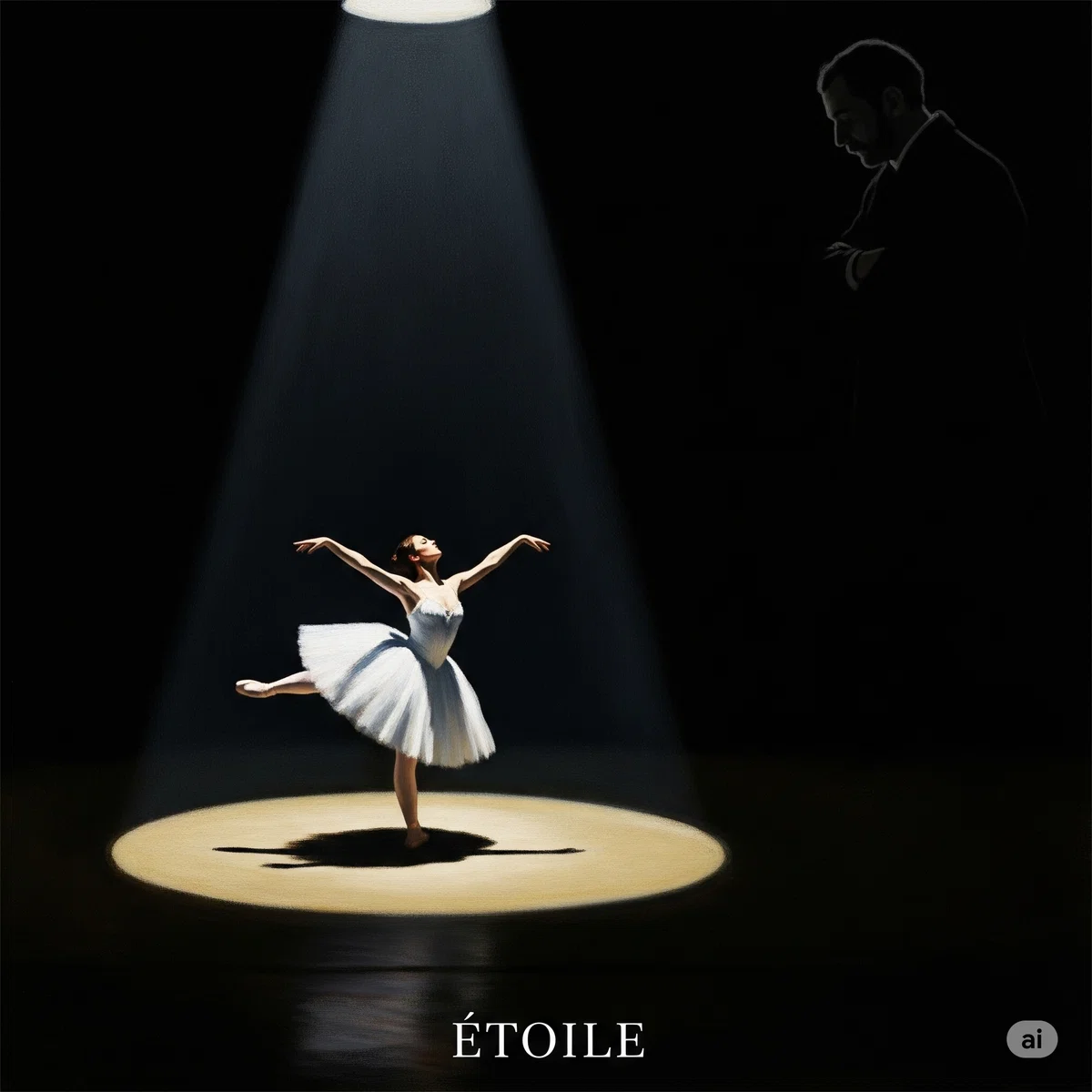
表紙絵: ドガの『エトワール(舞台の踊り子)』をベースにデザイン。光を浴びる踊り子を中央に、その周囲を深い闇が包む。その闇の中に、鑑賞するドガのシルエット(あるいは眼差しだけ)をうっすらと描き、彼の視線を象徴させる。タイトルは、光と闇の境界線上に配置。
挿絵: ドガの代表作(『コンコルド広場』『アブサン』『浴槽』など)を各章の冒頭に配置。本文中には、踊り子の足元や、パステルの粉がついたドガの手など、ディテールを切り取ったスケッチ風のイラストを挿入し、臨場感を出す。
重要なアピールポイント(5点)
ユニークな視点: 「舞踊家」という当事者の視点からドガを語ることで、従来の美術解説にはない、身体的で情熱的なアート体験を提供する。
物語性のある構成: 読者が語り手と共に謎を解き明かしていくような、ミステリー仕立ての構成で、知的好奇心を刺激する。
多角的な情報: 美術史、画家の伝記、社会背景、個人的な考察がバランス良く織り交ぜられており、深い学びと感動が得られる。
共感を呼ぶテーマ: 「見せたい自分と本当の自分」「光と影」といった普遍的なテーマを扱い、読者が自己を投影しやすい。
美しい文章: 芸術を語るにふさわしい、詩的で映像的な文章表現。
想定されるフィードバックに対する質疑応答集
Q1: 内容が筆者の主観に寄りすぎているのでは?
A1: ご指摘の通り、本作は学術的な美術論文ではなく、あくまで一人の舞踊家の視点を通してドガという画家の魅力に迫る主観的なエッセイです。この主観的な旅路を通して、読者の皆様がご自身の視点でアートと対話するきっかけとなることを目指しています。
Q2: 専門的な知識がなくても楽しめますか?
A2: はい、もちろんです。ドガや美術史に関する前提知識がなくても、語り手の探求の旅を追体験する形で読み進められるよう構成されています。この一冊が、アートへの入り口となれば幸いです。
Q3: なぜドガだけをここまで深掘りするのですか?
A3: ドガは、美しさと醜さ、光と影といった、人間の持つ二面性を最も鋭く捉えた画家の一人だと考えているからです。彼の作品は、単なる「美しい絵」に留まらず、私たちに「見ることとは何か」「真実とは何か」を問いかけてきます。その深淵な魅力をお伝えしたく、一冊を捧げました。
SNSハッシュタグ(10個)
続編PR文
ドガとの対話を終えた私は、次なる画家の魂を探す旅に出る。ゴッホの燃えるような狂気、モネの追い求めた光、そしてセザンヌの構築した世界……。画家たちの眼差しは、現代を生きる私たちに何を語りかけるのか。――シリーズ第二弾『ゴッホの黄色、その奥の絶望』ご期待ください。
思考するフレーズ
悪魔の毒々フレーズアクション10個(ドガの皮肉・批判的視点)
美しさなんて、しょせん皮一枚だ。
君たちが熱狂するのは、ただの虚構だろう。
感傷は、真実から目を逸らすための麻薬だ。
人間なんて、無防備な時が一番面白い。
私の目に映るものだけが、真実だ。
共感?くだらない。私はただ、記録するだけだ。
完璧なものなど、退屈で吐き気がする。
光が強ければ、影もまた濃くなるものさ。
彼らは私を理解できない。それでいい。
私は絵描きだ。友人など必要ない。
天使のラブリーハート10選(ドガの作品に宿る人間愛)
その疲れも、君が生きた証だ。
ありのままの君が、一番美しい。
この一瞬を、永遠にしてあげよう。
君の孤独を、私は知っている。
汗も涙も、絵の具にしてしまえばいい。
見せかけの笑顔はいらない。
世界が君を見なくても、私だけは見ている。
その不完全さこそが、愛おしい。
大丈夫、君は一人ではない。
光を失っても、心で見ることはできる。
バックグラウンドミュージック提案
【和楽】
高木正勝 - "Girls": ピアノの繊細なタッチと少女たちの声が、ドガが描いた踊り子たちの儚さや健気さと重なります。
Cornelius - "Point of View Point": スナップショットのように風景を切り取っていく感覚が、ドガの視点とシンクロします。知的でクールな雰囲気が合います。
阿部海太郎 - "L'oiseau Bleu": クラシカルでどこかノスタルジックなメロディが、19世紀パリの空気感と、語り手の思索の時間を演出します。
【洋楽】
Erik Satie - "Gymnopédies": 19世紀末のパリを生きたサティの、静かで少しメランコリックなピアノ曲は、ドガの孤独な世界観に完璧にマッチします。
Claude Debussy - "Préludes, Book 1, L. 117: 8. La fille aux cheveux de lin (The Girl with the Flaxen Hair)": 印象派の音楽家であるドビュッシーの、光の粒子を感じさせるような音楽が、ドガの絵画と響き合います。
Yann Tiersen - "Comptine d'un autre été, l'après-midi": 映画『アメリ』で知られる曲。パリの日常に潜む小さな詩情や切なさが、ドガが捉えようとしたものと通じます。
免責および著作権表示
本作品はフィクションです。実在の人物・団体・出来事とは一切関係ありません。また、特定の実例や事象を描写・批判する意図はありません。万が一、類似する事実や関係者が存在したとしても、それは純粋に創作上の偶然であり、個人・団体を特定するものではありません。
本作品の著作権は著者に帰属します。無断転載・複製・改変・商用利用を禁じます。
© 2025 Yutaka Seo All rights reserved.
Disclaimer and Copyright Notice
This work is a work of fiction. It has no connection whatsoever with any real persons, organizations, or events. Furthermore, it is not intended to describe or criticize any specific examples or events. Even if there are any similarities to actual facts or persons, these are purely coincidental and do not identify any individuals or organizations.
The copyright of this work belongs to the author. Unauthorized reproduction, modification, or commercial use is prohibited.
© 2025 Yutaka Seo All rights reserved.
Translated with DeepL.com (free version)
