
お盆SP最終回:お盆の凪2020

お盆は、(13日~16日)ご先祖様の霊を家に迎える日本の大切な行事です。7月の新盆と8月の旧盆があり、地域によって時期は異なりますが、仏教の「盂蘭盆会」と日本の祖霊信仰が結びついて、ご先祖様が帰ってくる期間とされています。きゅうりの馬やなすの牛を飾る「精霊馬」や、霊が迷わないように焚く「迎え火・送り火」など、故人を思う気持ちが込められた伝統的な風習があります。お墓参りは、故人を偲び、生かされていることに感謝を伝える大切な時間であり、お墓をきれいにする行為には、ご先祖様への感謝だけでなく、心を整え、家族の絆を再確認する意味も含まれています。先祖を敬う文化は世界共通であり、根本にある思いは同じです。
お盆は、懐かしい思い出が沢山あります。
思い出を振り返るって、きっと、側に寄り添ってくれているからかな。
*企画最終回です。明日から通常通りの配信になります。皆様へ暑い日が続きますがお体ご自愛下さい。宜しくお願い致します。
作品カテゴリー (Category)
和文: 文学 > 現代小説 / 思索的フィクション
English: Literature > Contemporary Fiction / Speculative Fiction
タイトル (Title)
和文: お盆の凪2020
English: Obon calm 2020
サブタイトル (Subtitle)
和文: それぞれの送り火
English: Each Person's Bonfire
キャッチコピー (Catchphrase)
和文: 一杯の酒、一つの記憶、あなただけの静かな祈り。
English: A glass, a memory, a quiet prayer of your own.
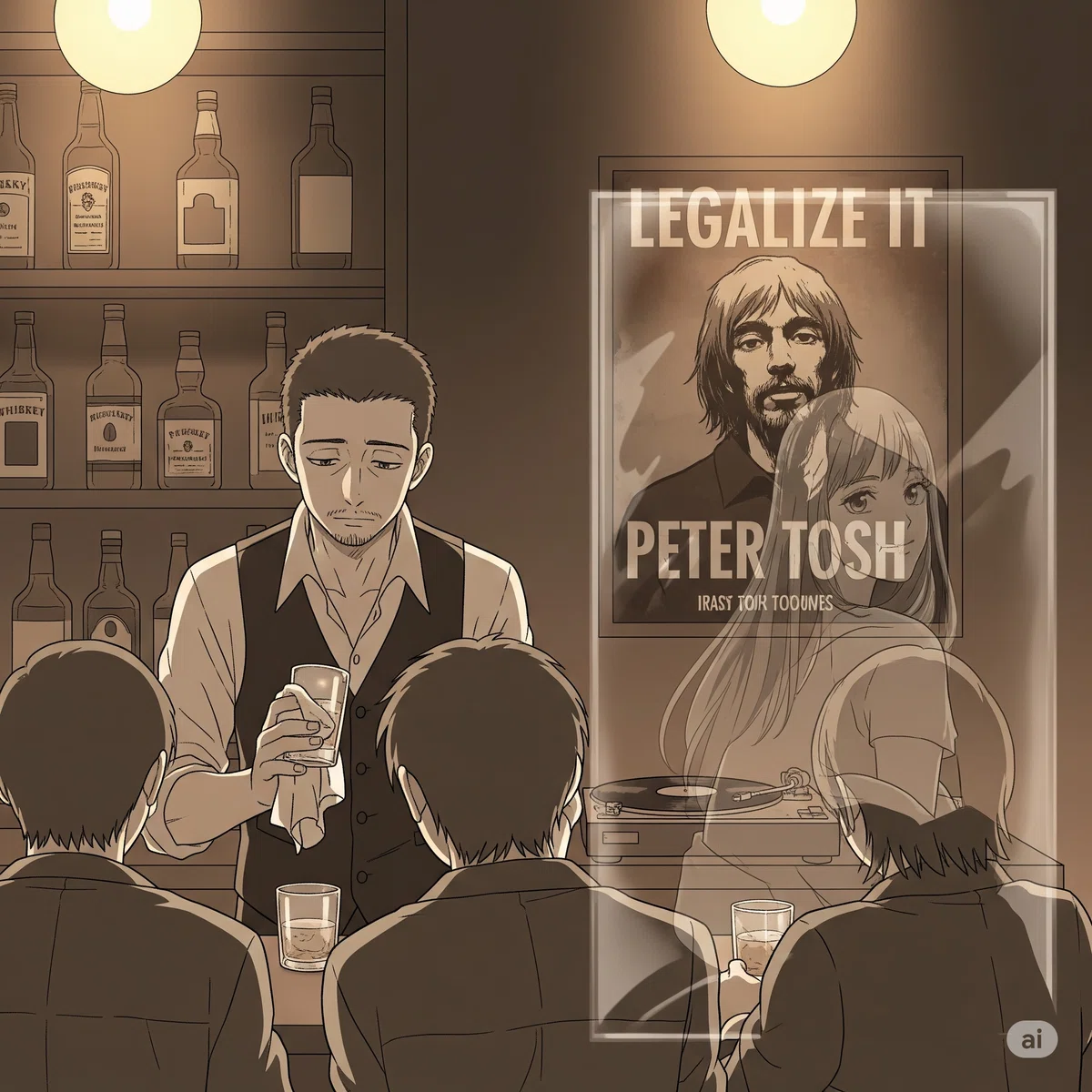
サムネイル (Thumbnail Concept)
和文:
構図: 年季の入ったレコードプレーヤーが置かれた、薄暗いバーのカウンター。その奥で、マスターである恭平が静かにグラスを拭いている。カウンター席には数人の客の後ろ姿。恭平の視線の先には、壁に飾られた一枚の古いポスター(ピーター・トッシュの『Legalize It』)。ポスターのガラスに、カウンターの客と、その背後にぼんやりと佇む、今はいない誰かの気配が二重写しになっている。
色彩: 全体的にセピア調で、温かみのある電球色が主体。レコードプレーヤーやウイスキーボトルが鈍い光を放つ。恭平の表情は物憂げでありながら、どこか優しい。
文字: タイトル『お盆の凪』を、レコードのレーベルのような円の中に、ミニマルなフォントで配置。
English:
Composition: A dimly lit bar counter with a vintage record player. The master, Kyohei, polishes a glass. Silhouettes of customers are seated. Kyohei's gaze is on an old Peter Tosh "Legalize It" poster on the wall. The poster's glass reflects the customers and, faintly superimposed behind them, the ghostly presence of someone no longer there.
Color Palette: A warm, sepia-toned palette dominated by incandescent light. The record player and whiskey bottles gleam softly. Kyohei's expression is melancholic yet gentle.
Typography: The title "The O-bon Lull" is placed within a circle, resembling a record label, in a minimalist font.
冒頭の一文 (Opening Line)
和文: 八月の湿った空気が、首筋にまとわりつく。店には、氷の溶ける音だけが響いていた。
English: The humid August air clung to the back of my neck. In the bar, only the sound of melting ice echoed.
帯推薦文 (Endorsement for Book Band)
角田光代 (Mitsuyo Kakuta) | 作家 (Author)
「お盆とは、儀式ではない。記憶そのものだ。この物語に登場する人々は、私たち自身である。帰る場所、帰れない人、守るべき味、そして忘れてはならない痛み。カウンターの向こう側で交わされる言葉の一つ一つが、あなたの心の柔らかな場所を、静かに、しかし確かに揺さぶるだろう。」
"Obon is not a ritual; it is memory itself. The people in this story are us. A place to return to, people who cannot, a taste to protect, and a pain that must not be forgotten. Each word exchanged across the counter will quietly, but surely, stir a soft place in your heart."
推薦レビュー (Reviews)
書店員 (Bookseller)
「これは、現代の『囲炉裏端』の物語だ。小さなバーに集う人々が語る、それぞれの『お盆』。そのどれもが、私たちの日常と地続きで、あまりに愛おしい。読み終えた後、きっと誰かに連絡を取りたくなる。そんな温かい一冊。」
"This is a modern 'fireside' story. People gathered in a small bar share their respective 'Obon.' Each story is connected to our daily lives and incredibly dear. After reading, you'll surely want to contact someone. A truly warm book."
読者 (Reader)
「『人間の証明』の詩が引用される場面で、涙が止まらなくなった。親となり、初めてわかる親の気持ち。戦争の記憶。コロナ禍の断絶。ばらばらのテーマが『お盆』という一つの凪に集約されていく構成が見事。自分の過ごし方も、きっとこれでいいんだと思えた。」
"I couldn't stop crying at the scene quoting the poem from 'Proof of the Man.' The feelings of a parent you only understand after becoming one. Memories of war. The disconnection of the pandemic. The structure, where disparate themes converge into the single 'lull' of Obon, is brilliant. It made me feel that my own way of spending it is okay, too."
音楽評論家 (Music Critic)
「ピーター・トッシュと西條八十が、同じカウンターの上で違和感なく共存する。このマスターの選曲センスに脱帽だ。伝統と反骨、鎮魂と抵抗。お盆という行事が持つ、複雑な文化的側面を、音楽を通して描き出した稀有な作品。」
"Peter Tosh and Saijō Yaso coexist without incongruity on the same counter. I take my hat off to the master's musical taste. Tradition and rebellion, requiem and resistance. A rare work that depicts the complex cultural aspects of Obon through music."
ピックアップ (Pickup Quote)
母さん、僕のあの帽子、どうしたんでせうね?……その詩を思い出すたび、胸の奥が軋む。失くしたものは、麦わら帽子だけじゃなかった。
"Mama, I wonder what happened to that hat of mine?"... Every time I remember that poem, my heart aches. It wasn't just a straw hat that was lost.
作品紹介文 (Synopsis)
和文:
都会の片隅に佇む、小さなバー「凪」。お盆の夜、カウンターに集った人々は、それぞれの過ごし方をぽつり、ぽつりと語り始める。故郷の銘菓作りに励む者、コロナ禍で帰省を諦めた者、厳かに先祖供養に勤しむ者。そして、マスターの恭平がレコードに針を落とすとき、音楽は封印された記憶の扉を開く。戦争の記憶、失われた親子、そしてカウンターカルチャーの祈り。一杯の酒が、異なる人生と死生観を繋ぎ、それぞれの魂を静かに照らし出す、一夜の物語。
English:
In a quiet corner of the city lies a small bar, "Nagi." On an O-bon night, patrons gathered at the counter begin to share their stories. One is busy making a famous hometown sweet, another has given up returning home due to the pandemic, and another solemnly honors their ancestors. When the master, Kyohei, drops the needle on a record, the music unlocks sealed memories: memories of war, lost parent-child bonds, and counter-culture prayers. This is the story of one night, where a single glass of spirits connects different lives and views on mortality, quietly illuminating each soul.
登場人物 (Characters)
恭平(きょうへい)/ Kyohei:
本作の語り手。バー「凪」のマスター。40代。物静かだが、客の言葉の奥にある感情を汲み取る。音楽、特に古いレコードに造詣が深い。
茜(あかね)/ Akane:
広島出身の20代の女性。快活で、故郷への愛が強い。お盆は地元の銘菓「川通り餅」の製造で多忙を極める。
佐藤(さとう)/ Sato:
50代の自営業の男性。コロナ禍で仕事も家族の帰省も無くなり、手持ち無沙汰なお盆を過ごしている。
藤代(ふじしろ)/ Mrs. Fujishiro:
70代の気品ある女性。京都出身。お盆は伝統に則り、先祖供養に専念する。その言葉には、戦争や平和への深い祈りが込められている。
目次 (Table of Contents)
前書き: 凪の夜 (Prologue: The Night of the Lull)
第一章: それぞれのグラス (Chapter 1: Each Person's Glass)
第二章: 故郷の灯、都会の影 (Chapter 2: Hometown Lights, City Shadows)
第三章: レコードの記憶 (Chapter 3: Memories on a Record)
あとがき: それぞれの送り火 (Epilogue: Each Person's Bonfire)
本文main text
前書き: 凪の夜
Prologue: The Night of the Lull
八月の湿った空気が、首筋にまとわりつく。店には、氷の溶ける音だけが響いていた。
The humid August air clung to the back of my neck. In the bar, only the sound of melting ice echoed.
俺、恭平が営むこのバー「凪」は、そういう夜にこそ、人が集まる。
This bar, "Nagi," which I, Kyohei, run, is the kind of place where people gather on nights like these.
世間がお盆休みに入り、街から人の気配が少しだけ遠のく。
The O-bon holiday begins, and the presence of people in the city recedes just a bit.
帰る場所がある者、帰らないことを選んだ者、そして、帰る場所を失くした者。
Those who have a place to return to, those who choose not to, and those who have lost their place to return.
それぞれの孤独や追憶が、この薄暗い空間の気圧を、ほんの少しだけ重くする。
Their respective loneliness and reminiscences make the pressure in this dim space just a little heavier.
それが、俺にとっての「お盆」の始まりの合図だった。
For me, that was the signal for the start of O-bon.
第一章: それぞれのグラス
Chapter 1: Each Person's Glass
「マスター、今年も大忙しよ」
"Master, it's another busy year for me."
カウンターの端でジンジャーエールを飲んでいた茜ちゃんが、屈託なく笑った。
Akane-chan, drinking ginger ale at the end of the counter, laughed cheerfully.
「お盆は『川通り餅』の出荷がピークで。手、きな粉の匂いが取れないんだから」
"The shipment of 'Kawatōri Mochi' peaks during O-bon. The smell of kinako just won't come off my hands."
広島出身の彼女は、この時期だけは実家の手伝いに帰る。その声には、疲れよりも誇りが滲んでいた。
From Hiroshima, she returns home to help her family only during this season. Her voice held more pride than fatigue.
「広島に来たら絶対食べてね。これは宣伝じゃなくて、自慢だから」
"You have to try it if you come to Hiroshima. This isn't an ad, it's a boast."
その隣で、佐藤さんが寂しそうにウイスキーグラスを傾けた。
Next to her, Mr. Sato tilted his whiskey glass forlornly.
「羨ましいねえ。うちは、息子も娘も帰ってこない。コロナがまた増えてるってんで」
"I'm envious. My son and daughter aren't coming home. They say COVID is on the rise again."
自営業の彼の店は、自粛で休業。ぽっかりと空いた時間を、墓参りくらいでしか埋められない。
His self-owned business is closed due to self-restraint. He has nothing but grave visits to fill the gaping void of time.
「収入は減るが、支出も減る。笑っていいんだか、泣いていいんだか」
"My income is down, but so are my expenses. I don't know whether to laugh or cry."
対照的な二人の言葉が、カウンターの上に並んで浮かんでいた。
The contrasting words of the two floated side by side above the counter.
働くお盆と、働かないお盆。賑やかなお盆と、静かすぎるお盆。
A working O-bon and a non-working O-bon. A bustling O-bon and a too-quiet O-bon.
第二章: 故郷の灯、都会の影
Chapter 2: Hometown Lights, City Shadows
「私は、お盆は供養三昧ですわ」
"For me, O-bon is devoted to memorial services."
凛とした声の主は、藤代さんだった。彼女はいつも、静かに日本酒を嗜む。
The owner of the dignified voice was Mrs. Fujishiro. She always enjoys sake quietly.
「朝夕の読経に、精進料理のお供え。昨夜も、テレビで五山の送り火を見ながら、両親の魂を送りました」
"Morning and evening sutras, offerings of vegetarian cuisine. Last night, too, I sent off the souls of my parents while watching the Gozan no Okuribi on TV."
彼女の言う「送り火」は、ただの観光行事ではない。
The "Okuribi" she speaks of is not just a tourist event.
「あの灯は、108の煩悩を焼く祈りの炎。そして、遠い国の戦争で命を落とす人々への、平穏を願う灯でもあるのです」
"That fire is a flame of prayer, burning away the 108 worldly desires. And it is also a light praying for peace for those who lose their lives in distant wars."
その言葉に、店の空気がすっと澄み渡るようだった。
Her words seemed to clear the air in the bar.
個人の供養が、世界の平和への祈りに繋がっている。そのスケールの大きさに、誰もが言葉を失う。
Personal remembrance is linked to prayers for world peace. The sheer scale of it left everyone speechless.
「俺の故郷じゃ、お盆は海に入っちゃいけないって言われるんすよ」
"Where I'm from, they say you're not supposed to go in the ocean during O-bon."
沈黙を破ったのは、壁際でギターケースを抱えていた青年だった。奄美出身のミュージシャンだ。
The one who broke the silence was a young man holding a guitar case by the wall. A musician from Amami.
「引きずり込まれる、って。まあ、大人が酔っ払ってるから、子供を海に行かせたくないだけだと思うけど」
"They say you'll get dragged in. Well, I think it's just that the adults are drunk and don't want the kids going to the sea."
彼は笑いながら、お供え物の話をした。マンゴー、島バナナ、パッションフルーツ。トロピカルな盆だ。
He laughed as he spoke of the offerings. Mango, island bananas, passion fruit. A tropical Bon.
京都の荘厳な送り火と、奄美の満月とトロピカルフルーツ。
The solemn Okuribi of Kyoto and the full moon and tropical fruits of Amami.
同じ日本。同じお盆。なのに、こんなにも違う。
The same Japan. The same O-bon. And yet, so different.
俺は、それぞれの故郷の光景を思い浮かべながら、黙ってグラスを磨いた。
I silently polished a glass, imagining the scenes of each of their hometowns.
第三章: レコードの記憶
Chapter 3: Memories on a Record
会話が途切れたタイミングで、俺は一枚のレコードに針を落とした。
When the conversation paused, I dropped the needle on a record.
ジョー山中が歌う、『人間の証明』のテーマ。
The theme from "Proof of the Man," sung by Joe Yamanaka.
物悲しいメロディが、店内に静かに満ちていく。
A melancholic melody quietly filled the bar.
「……懐かしいな」佐藤さんが呟いた。
"...Nostalgic," Mr. Sato murmured.
「この時期になると、思い出すんですよ」俺は言った。
"I remember it around this time of year," I said.
「映画の冒頭で詠まれる、西條八十の詩を」
"The poem by Saijō Yaso recited at the beginning of the movie."
“母さん、僕のあの帽子、どうしたんでせうね?”
"Mama, I wonder what happened to that hat of mine?"
俺は、その一節をそっと口にした。
I quietly recited the line.
「谷底へ落とした、あの麦わら帽子ですよ……」
"That straw hat I dropped into the valley..."
親になって初めてわかる、親の気持ち。戦争で失われた、数えきれない「麦わら帽子」。
The feelings of a parent you only understand after becoming one. The countless "straw hats" lost in war.
この詩は、ただのノスタルジーじゃない。鎮魂歌だ。
This poem isn't just nostalgia. It's a requiem.
俺自身の、会ったことのない祖父への。そして、この国が失くしたものすべてへの。
For my own grandfather, whom I never met. And for everything this country has lost.
「……マスターは、渋いねえ」
"...You have sophisticated taste, Master."
佐藤さんが、少しだけ笑った。その目元が、ほんのり赤く見えた。
Mr. Sato smiled a little. The corners of his eyes looked slightly red.
空気がしんみりしたのを察してか、茜ちゃんが壁のポスターを指差した。
As if sensing the somber mood, Akane-chan pointed to the poster on the wall.
「あのレゲエの人は?お盆っぽくないけど」
"What about that reggae guy? He doesn't seem very O-bon-like."
ピーター・トッシュの『Legalize It』。俺が若い頃、お守りのように聴いていた一枚だ。
Peter Tosh's "Legalize It." A record I listened to like a talisman when I was young.
「彼も、祈っていたんですよ」俺は答えた。
"He was praying, too," I answered.
「やり方は違うけどね。体制に、常識に、批判するな、と。自分の信じるものを、宣伝させてくれ、と」
"In a different way, though. Don't criticize the establishment, the common sense, he said. Let me advertise what I believe in, he said."
伝統的な供養と、反骨の祈り。
Traditional memorial services and a rebellious prayer.
一見、正反対だ。でも、根っこは同じなのかもしれない。
At first glance, they're opposites. But maybe the root is the same.
見えない何かを信じ、今の世界に何かを訴えかける。その点では。
Believing in something unseen, and appealing something to the world today. In that respect.
あとがき: それぞれの送り火
Epilogue: Each Person's Bonfire
客が帰り、一人になったカウンターで、俺はバーボンのロックを傾ける。
After the customers leave, I sit alone at the counter, sipping bourbon on the rocks.
賑やかなお盆も、静かなお盆も、伝統的なお盆も、少し変わったお盆も、ここにあった。
A bustling O-bon, a quiet O-bon, a traditional O-bon, a slightly different O-bon—they were all here.
どれが正解、というわけじゃない。
There's no right answer.
誰もが、自分のやり方で、見えない誰かに手を合わせ、今を生きる自分を確認する。
Everyone, in their own way, puts their hands together for someone unseen and affirms their own existence in the present.
それが、お盆という季節がもたらす、不思議な凪なのかもしれない。
Perhaps that is the strange lull that the O-bon season brings.
俺はグラスを置き、静かに立ち上がる。
I put down my glass and stand up quietly.
壁のポスターの向こうに、麦わら帽子を被った少年と、ラスタカラーの帽子を被った男の姿が、重なって見えた気がした。
Beyond the poster on the wall, I thought I saw the overlapping figures of a boy in a straw hat and a man in a Rasta-colored hat.
「また、来年」
"See you next year."
俺は、見えない誰かにそう呟き、店の灯りを消した。
I murmured to the unseen someone and turned off the lights.
アピールポイント (5 Key Selling Points)
多様な「お盆」の描写: 働く人、休む人、伝統を重んじる人、地域ごとの特色など、現代日本の多様なお盆の過ごし方を描き、読者が自身の姿を投影しやすい。
音楽と文学の融合: ジョー山中やピーター・トッシュの音楽、西條八十の詩を物語の重要な要素として組み込むことで、単なる会話劇に留まらない、文化的で奥行きのある世界観を構築。
ノンフィクションのリアリティ: 実際の体験談をベースにしているため、登場人物の言葉一つ一つに嘘のない重みとリアリティがあり、心に深く響く。
対比によるテーマの深化: 「伝統と反骨」「故郷と都会」「賑わいと孤独」といった対比を巧みに用いることで、「お盆とは何か」というテーマを多角的に掘り下げている。
静かな肯定感: どんな過ごし方であっても、故人や見えない何かを想う気持ちは等しく尊いという、静かで温かい肯定感を読者に与え、優しい余韻を残す。
質疑応答集 (Q&A)
Q1: いろいろな人の話が出てくるが、散漫な印象にならないか?
A1: 物語の舞台をバー「凪」という一つの場所に絞り、マスターの恭平を語り手とすることで、一貫した視点と雰囲気を提供しています。それぞれの話は、恭平の選曲や相槌によって有機的に繋がり、最終的には「それぞれのお盆」という一つの大きなテーマに収斂していく構成になっています。
Q2: 宗教的な話が多いように感じるが、特定の信条がないと楽しめないか?
A2: 本作は特定の宗教を推奨するものではありません。仏教的な儀式も、あくまで日本の文化や風習の一つとして描いています。中心にあるのは、宗教や信条を超えた「誰かを想う気持ち」や「記憶の継承」といった普遍的なテーマですので、どなたにも楽しんでいただけます。
Q3: なぜピーター・トッシュの曲を選んだのか?
A3: 伝統的なお盆のイメージとは対極にあるようなピーター・トッシュの曲を登場させることで、物語に現代的な視点と批評性をもたらす意図があります。「祈り」の形は一つではない、という多様性を象徴する役割を担っています。
SNSハッシュタグ (Hashtags)
#お盆の凪 #読書 #短編小説 #バー凪 #お盆の過ごし方 #人間の証明 #ピータートッシュ #故郷の味 #送り火 #それぞれの祈り
続編PR文 (Sequel Promotion)
お盆の夜が明け、季節は秋へ。バー「凪」のカウンターに、一枚の古い写真を持った女性が訪れる。写っているのは、戦時中の見知らぬ兵士。「この人が誰なのか、知りたいんです」。恭平と常連客たちは、彼女と共に、写真一枚を手がかりにした記憶探しの旅に出る。それは、忘れられた過去と、今を生きる私たちを繋ぐ、切なくも温かいミステリー。『お盆の凪 〜秋霖のアルバム〜』、静かな雨の夜に、またお会いしましょう。
創作支援フレーズ集 (Creative Prompt Phrases)
悪魔の毒々フレーズアクション (10 Devil's Poison Phrases)
(恭平の、戦争や過去に対する内なる葛藤)
結局、感傷に浸ってるだけだ。詩や音楽で、何が変わる。
「平和への祈り」だって?そんなもので、銃弾の一つも止められない。
失われたものは戻らない。供養なんて、残された者の自己満足だ。
伝統だの風習だの、面倒なだけだ。合理的じゃない。
どうせみんな、すぐに忘れる。戦争も、災害も、死んだ人の顔も。
俺がここでバーテンやってるのも、誰かの犠牲の上か。反吐が出る。
「故郷」なんて、幻想だ。帰る場所なんて、どこにもない。
若いやつらは、何も知らない。痛みも、喪失も。
信じるものなんて、このバーボンくらいさ。あとは全部、不確かだ。
結局、人間は何も学ばない。同じ過ちを繰り返すだけだ。
天使のラブリーハート (10 Angel's Lovely Hearts)
(恭平が、客たちの言葉から見出す希望)
違う過ごし方でも、根っこは同じか。面白いな。
故郷の味を誇れるって、幸せなことだ。
会えなくても、想うことはできる。それだけで、十分なのかもしれない。
一杯の酒が、こうして人の心を繋ぐ。この仕事も、悪くない。
彼女の祈りは、きっと届く。そう信じたい。
忘れないでいること。それ自体が、一つの抵抗であり、希望だ。
音楽は、時間を超える。死んだ人の声も、こうして聴ける。
みんな、それぞれの場所で、ちゃんと戦ってるんだな。
俺も、俺のやり方で、何かを繋いでいけるだろうか。
また来年、みんな元気にここで会えたら、それが一番だ。
BGM (Background Music)
和楽 (Japanese Music)
ジョー山中 - "人間の証明のテーマ"
物語の核となる楽曲。喪失感、親子の情、そして戦争の記憶を呼び覚ます。
細野晴臣 - "泰安洋行" (アルバム)
異国情緒と日本の原風景が混ざり合ったサウンドが、奄美や京都など、多様な故郷のイメージを喚起させる。
はっぴいえんど - "風をあつめて"
都会の孤独と、ふと故郷を想う気持ち。恭平や佐藤さんの心情に寄り添う、普遍的な名曲。
洋楽 (Western Music)
Peter Tosh - "Legalize It"
伝統的なお盆のムードに一石を投じる、反骨と信念の音楽。恭平のもう一つの側面を象徴する。
Tom Waits - "Tom Traubert's Blues (Four Sheets to the Wind in Copenhagen)"
酔いどれのブルース。バーの物悲しさ、孤独、そしてその中に灯る人間的な温かさを表現する。
Bill Evans Trio - "Waltz for Debby"
静かな夜のバーに流れる、内省的で美しいピアノの旋律。客たちの会話の合間を、優しく埋める。
※この作品はフィクションです。実在する企業、団体、事故、人物等とは一切関係ありません。
