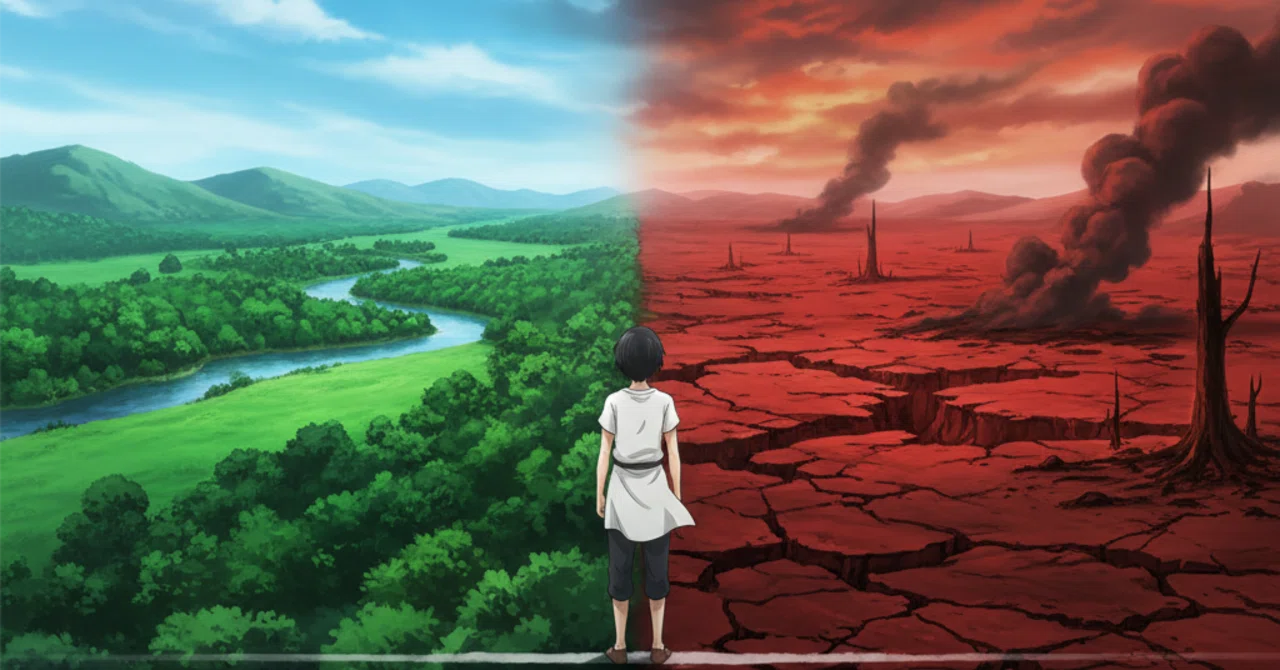
日本への『攻撃権』を主張する中国――知られざる虐殺の歴史と5000万人の犠牲者

2025年11月21日、在日本中国大使館がX(旧ツイッター)で「中国は安全保障理事会の許可なしに日本を軍事攻撃できる権利を有する」と主張する投稿を行い、日本国内に衝撃が走った。この発言は、高市早苗首相が国会で台湾有事について「存立危機事態になり得る」と答弁したことへの反発として行われたものだ。しかし、この一連の事態は単なる外交的な応酬ではない。中国共産党が辿ってきた「侵略と拡張、そして虐殺の歴史」、そして現在進行形で続く周辺国への軍事的圧力の実態を浮き彫りにしている。
「これでも日本は平和ですか?」――この問いかけは、私たち一人ひとりが真剣に向き合うべき現実を突きつけている。
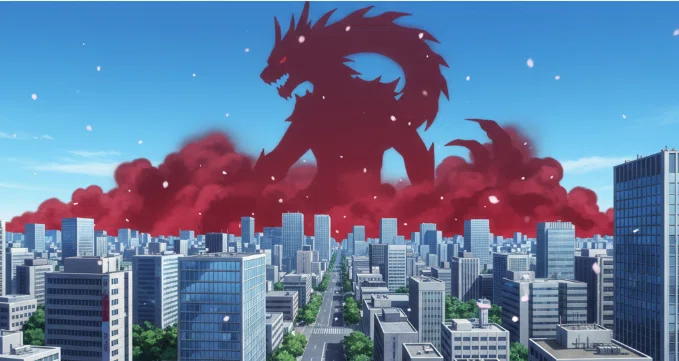
事態の経緯――外交官による異例の「脅迫」発言

まず、今回の事態がどのように展開したのかを整理しよう。発端は2025年11月7日、高市早苗首相が国会で台湾有事について「武力の行使も伴うものであれば『存立危機事態』になり得るケースだと考える」と答弁したことだった。
この発言に対し、中国側は即座に猛反発した。まず、中国の薛剣(せつけん)駐大阪総領事が11月8日にX上で「勝手に突っ込んできたその汚い首は一瞬の躊躇もなく斬ってやるしかない。覚悟ができているのか」と投稿し、物議を醸した。この投稿は日本政府の強い抗議を受けて削除されたが、中国外務省は薛剣氏の発言を擁護し、「むしろ日本側が事態をあおって混乱させている」と批判した。
そして11月21日、中国大使館は国連憲章の「旧敵国条項」を持ち出し、「ドイツ・イタリア・日本などのファシズム/軍国主義国家が再び侵略政策に向けたいかなる行動を取った場合でも、中・仏・ソ・英・米など国連創設国は、安全保障理事会の許可を要することなく、直接軍事行動を取る権利を有する」と投稿した。この主張には大きな問題がある。
まず、「旧敵国条項」は1995年の国連総会決議50/52において「死文化」したことが確認されており、中国も賛成票を投じている。さらに、2005年の国連首脳会合でも削除への決意が表明された。法的には既に無効な条項を持ち出して軍事行動を正当化しようとする中国の姿勢は、国際法を無視した恫喝に他ならない。
また、この条項が指す「中国」は中華民国(台湾)であり、ソ連はすでに存在していない。さらに重要なのは、条項の前提となる「再び侵略政策に向けた行動」を日本が取っているという事実はないという点だ。むしろ、侵略的行動を取り続けているのは中国自身である。
中国共産党の建国以来の虐殺と侵略――国内での暴虐から周辺国への拡張へ
中国大使館の「軍事行動の権利」発言を理解するには、中国共産党が建国以来辿ってきた虐殺と領土拡張、そしてジェノサイドの歴史を知る必要がある。これは決して過去の話ではなく、現在進行形で続く脅威なのだ。中国共産党の暴力性は、周辺国への侵略だけでなく、自国民に対しても、そして少数民族に対しても、容赦なく向けられてきた。
反右派闘争(1957-1958年)――知識人への組織的弾圧

1957年、毛沢東共産党主席が発動した「反右派闘争」は、思想統制の一つの始まりだった。毛沢東は「百花斉放百家争鳴」(百の花が咲き、百の学派が争鳴する)という方針を掲げて知識分子に意見を述べるよう奨励した。多くの知識分子、特に民主党派の指導者たちは、党と政府に対する不満や提案を述べ始めた。
しかし毛沢東は、これを「反革命主義者による党への攻撃」と見なした。6月8日、人民日報に「これはなぜか」と題された社論を掲載し、「少数の右派分子が共産党と労働者階級の指導権に挑戦している」と批判した。
その結果、1958年には55万人以上の「右派分子」が、辺境の労働改造所への収容や失職などの処罰を受け、多くが死亡した。章伯鈞社長ら民主党派の指導者たちは「反革命主義者」として投獄され、獄中で拷問され、多くが苦労の末に生涯を終えた。この運動により、中国の知識人の言論の自由は根本から奪い去られたのである。
天安門事件(1989年6月4日)――民主化運動の武力鎮圧と万人規模の虐殺
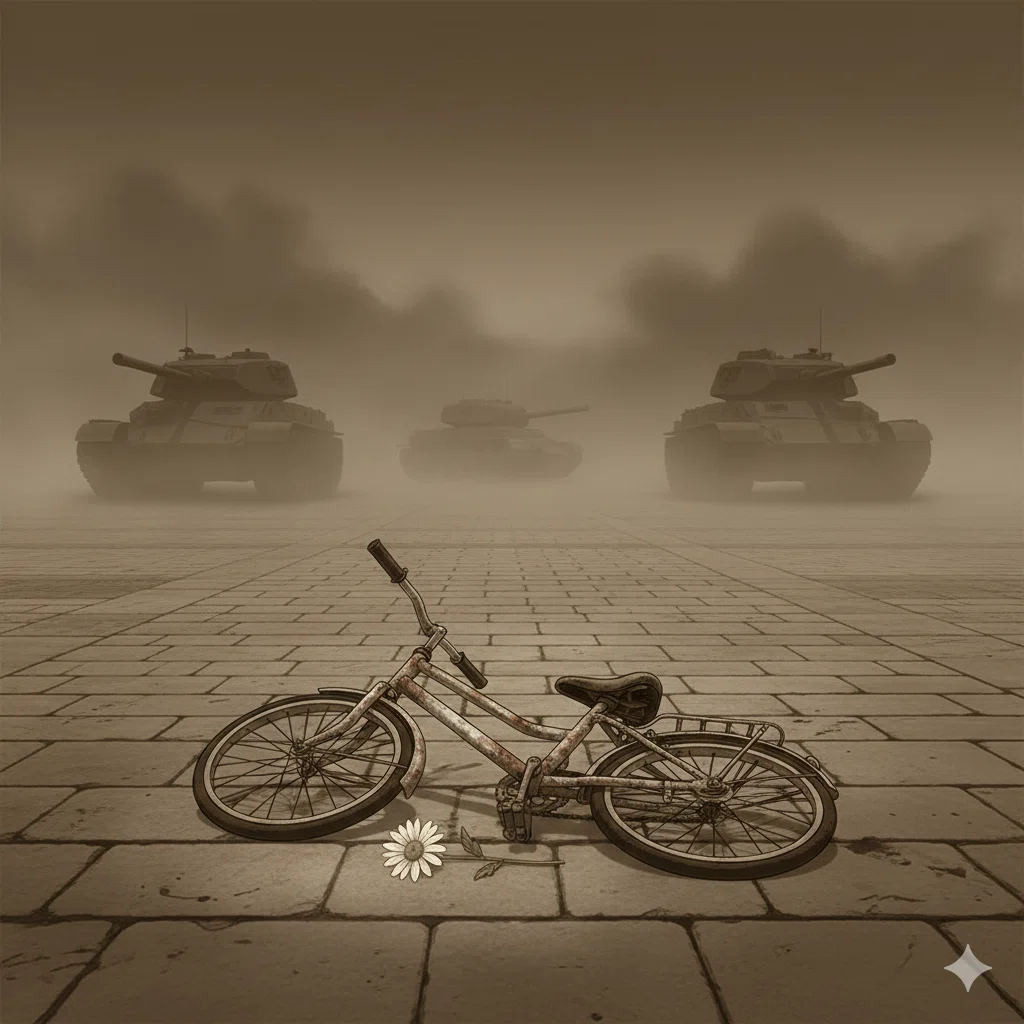
1989年4月から6月にかけて、北京の天安門広場とその周辺では、民主化を求める学生と市民による平和的なデモが展開されていた。「民主の女神」像が建設され、政治改革と自由化を求める声が日増しに高まっていた。
しかし、中国共産党の指導部は、これを「反革命主義者による党支配への脅威」と見なした。ついに1989年6月3日夜から4日朝にかけて、鄧小平の指示により、国から派遣された戦車と人民解放軍部隊がこの広場に突入した。武装していない学生や市民に対し、無差別に発砲した。
天安門事件の死者数については、中国政府は公式には「319人」と発表しているが、英国の公文書では「少なくとも1万人」に上るとされている。イギリスのエリザベス女王の医師であるエドワード・スペンサーは、当時の中国大使から聞いた話として「少なくとも1万人が戦車の下敷きになった」と証言している。負傷者も9000人以上に上る。
現場に残された遺体の状態は、筆舌に尽くしがたい悲劇を物語っていた。「手足が潰れ、頭部の半分がなくなり、自転車と一緒に押し潰されてハンドルが胴体に刺さったままの者もいた」。若い学生たちの遺体は、戦車に踏まれ、ぐちゃぐちゃに潰されてしまったのだ。
その後、中国共産党は天安門事件について徹底した情報統制を行った。中国国内では「64」という数字さえ検索できなくなり、この事件に関する情報はすべて削除された。江沢民が後継者となってからは、「愛国教育」を通じて、この事件に関する知識が国民から抹消されてしまった。30年以上経った2025年現在でも、多くの中国国民は天安門事件の真実を知らないのである。
大躍進(1958-1962年)――2000万人を超える大飢饉と餓死

1958年から1962年にかけて、毛沢東が推進した「大躍進」政策は、中国社会と中国人に対する最大の人災だった。このプロジェクトは、「人民公社」という巨大な農業共同体を作り、強引な工業化を推進しようとしたものであった。
しかし、強引な政策実行と天然災害が重なった結果、国内は大飢饉に襲われた。農民たちは十分な食料を得られず、労働改造所では栄養失調者ばかりになった。中国共産党第11期中央委員会が後に「文革時の死者40万人、被害者1億人」と推計する一方で、実際の死者数は1600万人から4500万人に上ると推定されている。多くの研究者は、このうち最大3000万人が大躍進政策による飢饉で亡くなったと考えている。
これは、20世紀最悪の人災の一つであり、第二次世界大戦での死者数に匹敵する規模である。にもかかわらず、この悲劇は中国国内ではほぼ無視され、国民の多くはその規模を知らされていない。
文化大革命(1966-1976年)――110万人から2000万人の死者と文化破壊
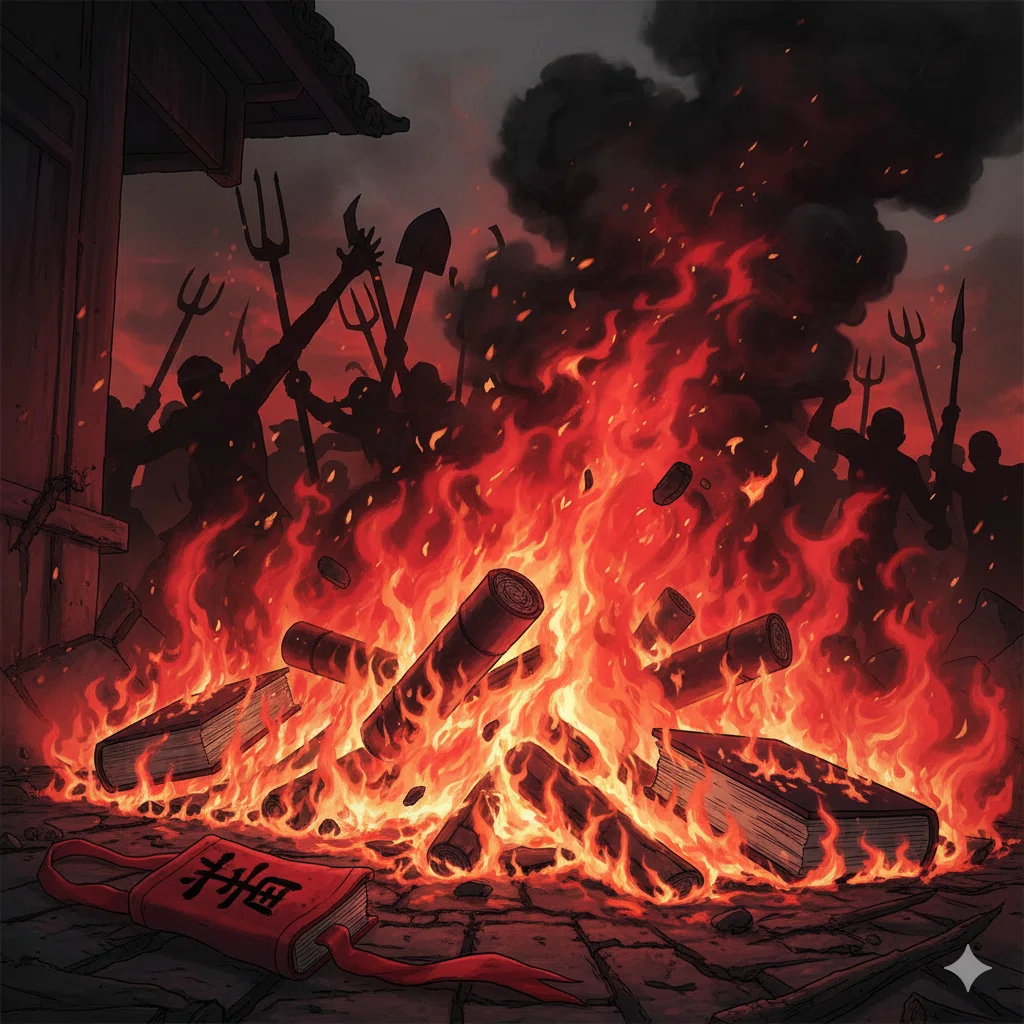
1966年5月から1976年10月まで続いた文化大革命は、中国共産党内の権力闘争から発生し、全国に広がった大規模な社会混乱であった。毛沢東は、文化大革命を通じて、党内のライバルや「走資派」(資本主義の道を行く当局者)と称する人物たちを追い落とそうとした。
文化大革命の特徴は、毛沢東による「大鳴大放」の呼びかけに応じ、青年たちを中心とした「紅衛兵」と呼ばれる組織が、教育者、文化人、党指導部の人物たちをターゲットにした暴力的な運動を展開したことだ。著名な文化人たちは、紅衛兵と造反派による吊し上げや暴行の対象となり、その多くが自殺に追い込まれた。
中国共産党第11期六中全会による「建国以来の党の若干の歴史問題についての決議」では「死者100万~160万人」と記載されているが、実際の死者数はこれをはるかに上回るとの推定もある。チベット人作家ツェリン・オーセルが記録した『殺劫(シャーチエ)』では、チベットにおける文化大革命の死者数は極めて高いことが記されている。
文化大革命の最も悲劇的な側面の一つは、5000年以上続く中華文明の文化と伝統が、組織的に破壊されたという点である。古書、芸術作品、建築物が燃やされ、破壊され、多くの文化財が永遠に失われた。また、知識人、党指導部の人物たち、宗教指導者たちが次々と獄死し、または自殺に追い込まれた。劉少奇国家主席や彭徳懐元国防部長など、共産党の幹部たちさえ、迫害の対象となり、獄中で「病死」させられた。
さらに悲劇的だったのが、少数民族地域、特にチベット地域での大量虐殺である。チベットにおける文化大革命では、寺院が破壊され、仏像や経典が焼却されるなか、多くの僧侶や一般のチベット人が虐殺された。チベット人の伝統的なアイデンティティーと宗教の自由は、根本から奪い去られたのだ。
チベット占領(1950-現在)――120万人の大虐殺と民族浄化
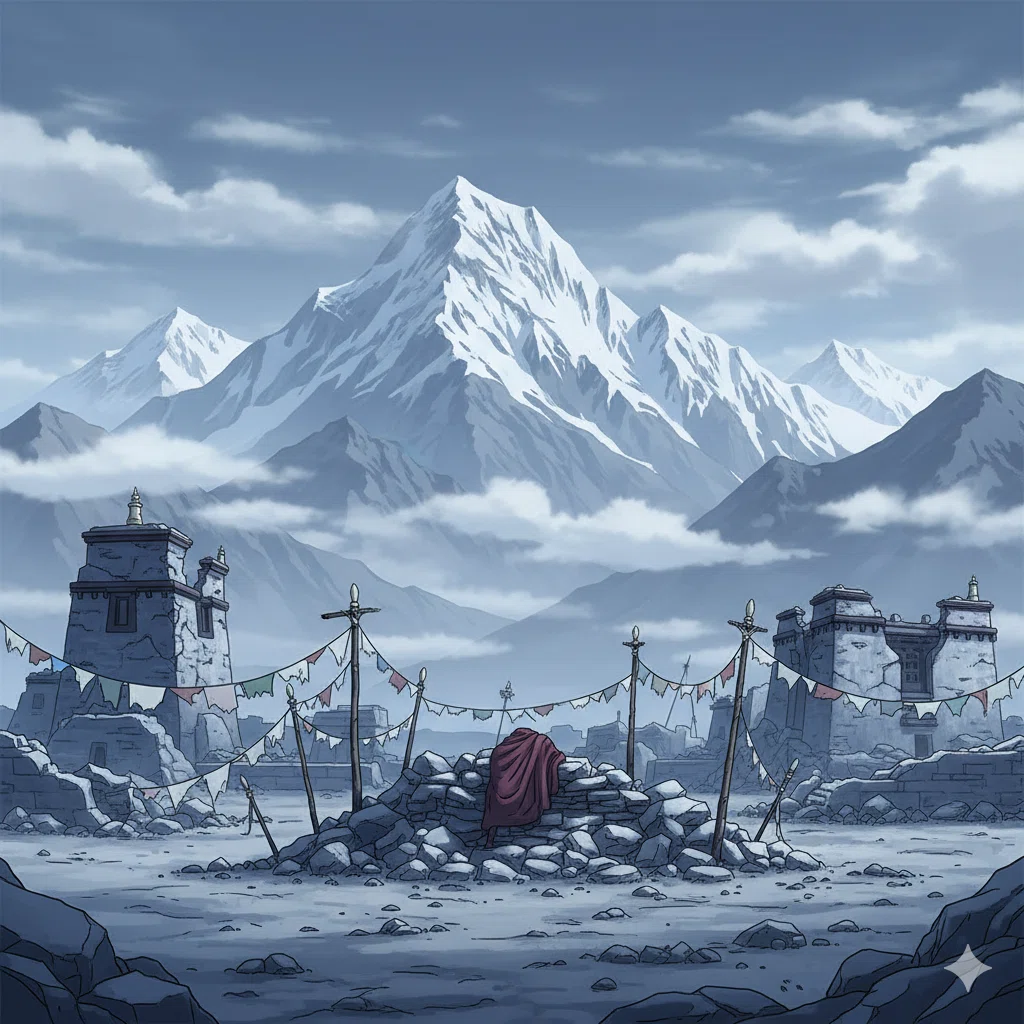
中国共産党による最初の大規模な侵略は、1949年から1951年にかけて行われたチベット侵攻だった。中国共産党は「チベット人民を帝国主義侵略勢力から解放する」と主張したが、実態は独立国家だったチベットへの武力侵略に他ならなかった。
1950年、中国軍は圧倒的な武力でチベットに侵攻し、チベット政府を屈服させた。その後、中国共産党はチベットで組織的な文化破壊と人権弾圧を開始した。特に1956年以降、「民主的改革」「土地改革」の名の下に行われたのは、暴力、脅迫、飢餓、死であった。
チベット亡命政府の報告によれば、中国による占領以降、120万人以上のチベット人が命を奪われたとされている。犠牲者の内訳は以下の通りだ:
17万3221人のチベット人が、刑務所もしくは強制収容所で死亡
15万6758人が処刑死
34万2970人が餓死
43万2705人が戦闘もしくは暴動中に死亡
9万2731人が拷問死
9002人が自殺
1950年から1976年の間だけで、合計120万7387人のチベット人が命を失ったのである。
妻、娘、尼僧たちは繰り返し強姦され、尊敬されている僧たちは尼僧との性交を強要された。拒否した僧は腕を切断され、「仏陀に腕を返してもらえ」と嘲笑された。6000以上の僧院が破壊され、チベット固有の文化と宗教は組織的に破壊された。
2008年3月には、チベット全土で新たな抗議活動が始まり、中国政府は1989年の天安門事件以来、最も大規模な治安作戦を展開した。中国政府の統計によっても、ラサ市だけで21人が殺害され、数百人が負傷した。しかし国際的な法的基準では、治安部隊が過度な武力と有形力を行使し、意図的に残虐行為を行ったことが目撃者の証言で裏付けられた。
現在も中国はチベットで厳しい弾圧を続けており、2025年の報告でも「チベット人居住地域における弾圧がひどい」と指摘されている。
ウイグルへの侵略と「ジェノサイド」
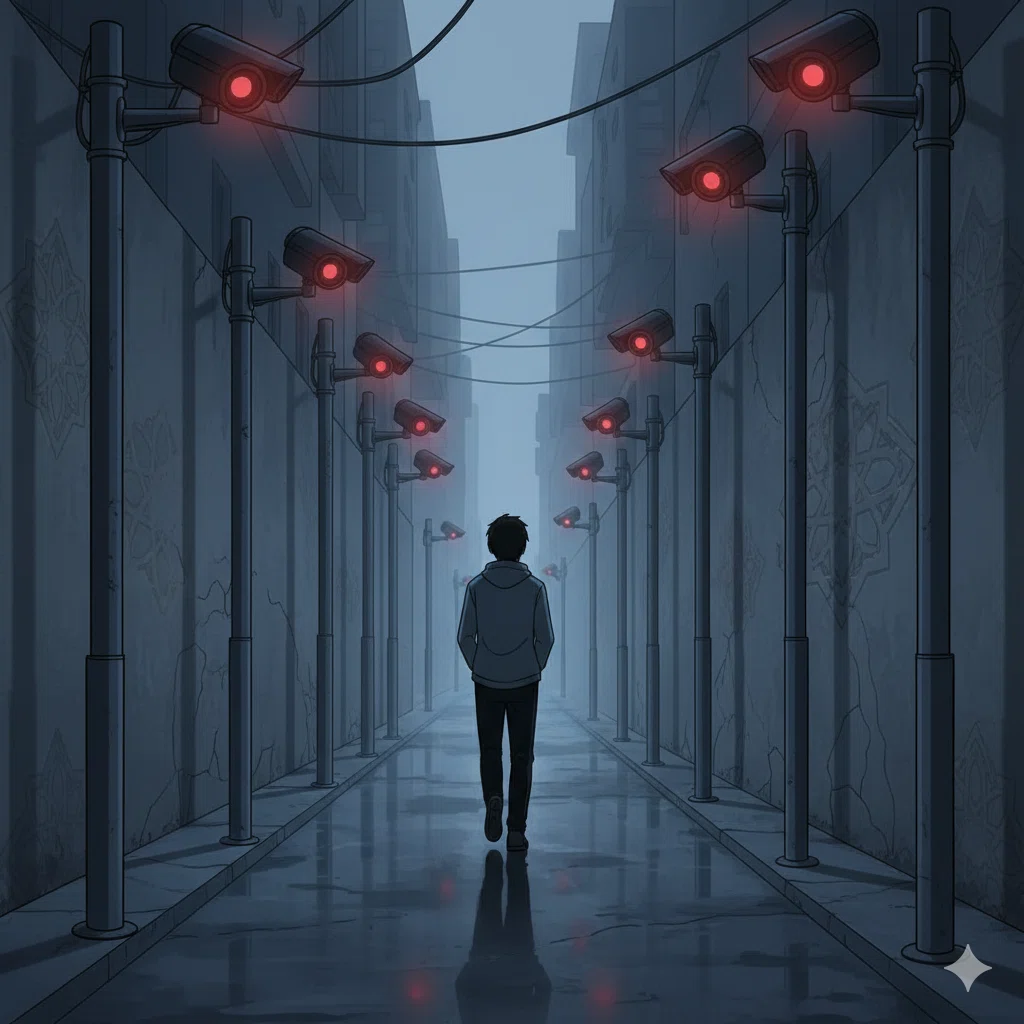
東トルキスタン(新疆ウイグル自治区)もまた、中国共産党による侵略と民族浄化の犠牲となった地域だ。1949年10月、人民解放軍が東トルキスタンに進軍し、中国共産党による支配が始まった。以降、ウイグル人は「民族主義者」「反革命主義者」「分離主義者」のレッテルを貼られ、組織的な迫害を受けてきた。
特に2017年以降、習近平政権下で弾圧は激化した。約100万人のウイグル族などのイスラム教徒が拘束され、さらに数十万人が収監されたと専門家は推定している。「再教育施設」と呼ばれる強制収容所では、拷問、洗脳、強制労働が行われており、アムネスティ・インターナショナルは「地獄のような光景」と表現した。
さらに深刻なのは、強制不妊手術や強制堕胎による民族浄化、ウイグル文化の組織的破壊、そして顔認識技術やDNA収集を用いた監視国家の構築だ。ウイグル族が多く住む地域では出生率が2015年から2018年にかけて60%以上低下し、2019年には24%近く低下している。
複数の国がこれを「ジェノサイド」と認定しており、米国務長官ブリンケンは2024年4月に公式に「中国は新疆ウイグル自治区でウイグル族などのイスラム系少数民族に対するジェノサイドや人道に対する罪を犯し続けている」と述べた。
南モンゴル(内モンゴル)――忘れられた侵略と民族浄化
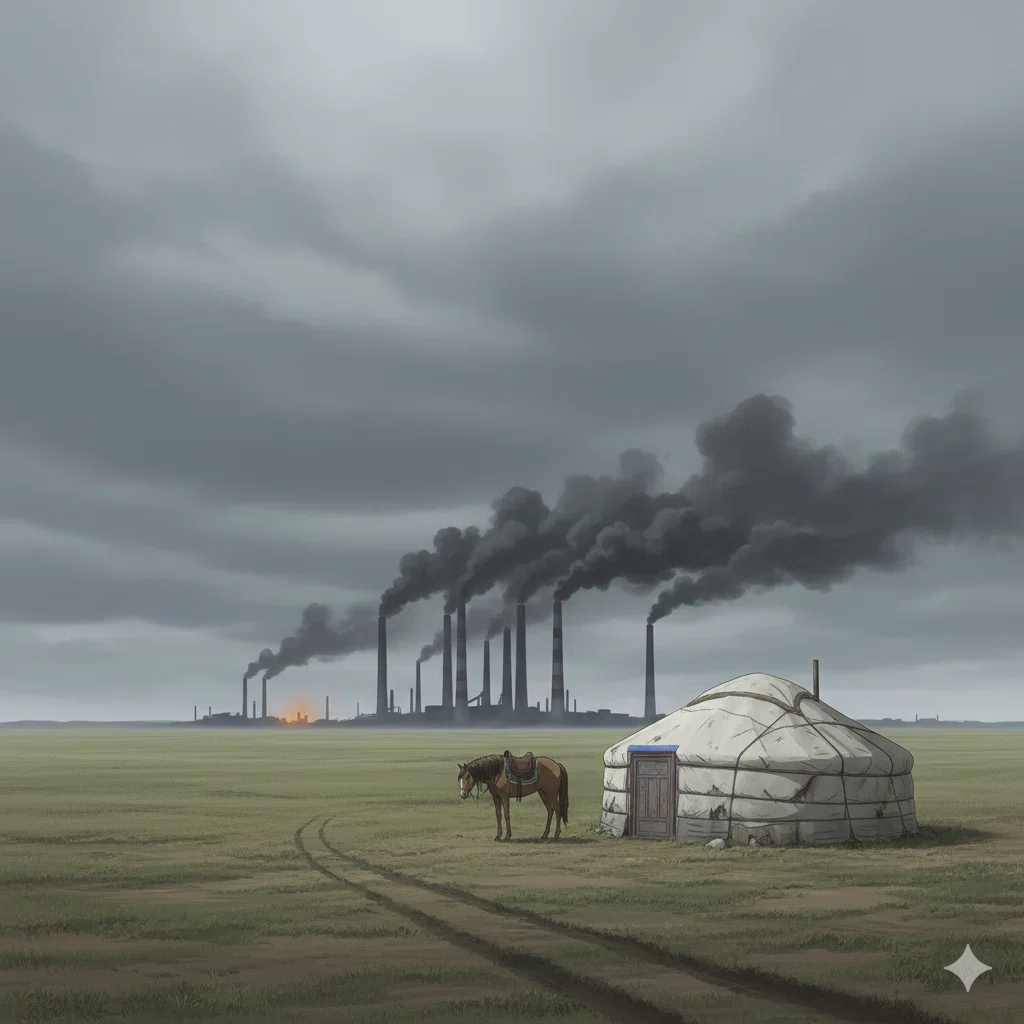
南モンゴル(内モンゴル自治区)もまた中国の侵略を受けた地域である。実は、南モンゴルこそが「中国の侵略行為の第一歩」だった。
1945年8月、ソ連とモンゴル人民共和国の連合軍が満州・南モンゴルで日本軍と激戦し、解放した。しかし、その後中国共産党が侵出し、1947年に内モンゴル自治区を設立した。
1950年代から現在まで、大量の漢民族が南モンゴルに移住し続けた結果、現在では人口の80%が漢民族、モンゴル人はわずか17%という絶対的少数民族になってしまった。これは明らかな「人口侵略」である。
さらに悲劇的なのは、文化大革命期(1966-1976年)に内モンゴルで起きた大量虐殺だ。当時の150万人近いモンゴル人のうち、34万人が逮捕され、2万7900人が拷問を受けて殺害され、12万人に身体障害が残った。「遅れた死」を含めると、死者数は10万人以上に達するという報告もある。
北京から派遣された人民解放軍の将校は「旧満州国には中国の敵が多く、モンゴル人だけで70万人もいる」と兵士を動員し、漢民族の労働者と農民を扇動して殺戮へと駆り立てた。満州国時代に日本人と親しかったというだけで、多くのモンゴル人が「日本のスパイ」「対日協力者」として処刑された。この虐殺はまさに「モンゴル人だから」という理由だけで行われた民族浄化だった。
周辺国への侵略と軍事的拡張
中国共産党の侵略と暴力は、国内での虐殺と民族浄化だけにとどまらない。現在も、周辺国に対して軍事的な脅威を続けている。
南シナ海――現在進行形の軍事拡張と領土侵犯
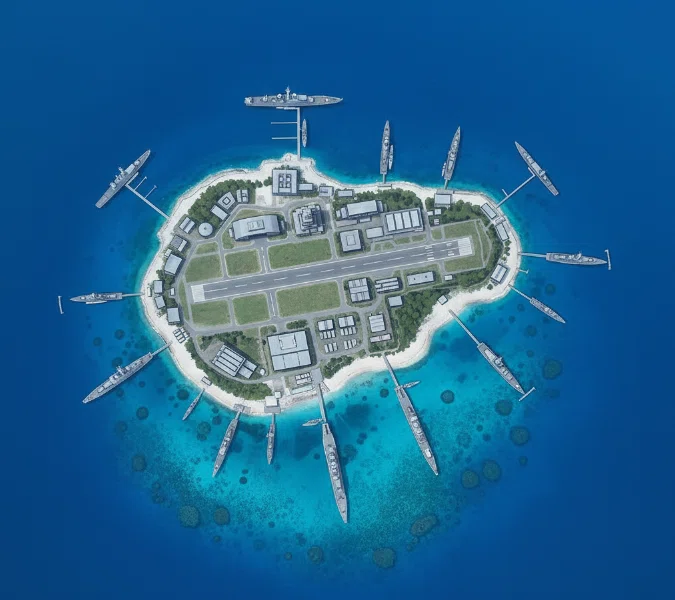
中国の侵略と拡張は過去の話ではない。南シナ海では現在も、中国による露骨な軍事的拡張が進行している。
中国は「九段線」を根拠に、南シナ海のほぼ全域の領有を主張している。この九段線は1947年に中華民国が作成したものを、1953年に中華人民共和国が継承したものだが、2016年のハーグ仲裁裁判所は「歴史的な権利を主張する法的根拠はない」と明確に否定した。
しかし中国はこの裁定を無視し、南沙諸島の7つのサンゴ礁を埋め立てて人工島を建設し、3000メートル級の滑走路や港湾、軍事施設を整備した。2022年には、米インド太平洋軍司令官が「中国が南シナ海の人工島を完全に軍事化した」と指摘している。
さらに中国は2024年、地下要塞の建設計画を進めていることが明らかになった。これは、島の上層部を軍関係者の居住スペースとし、下層部を大型ミサイルや装甲車などの兵器保管場所とする計画だ。
尖閣諸島と東シナ海――日本への直接的脅威
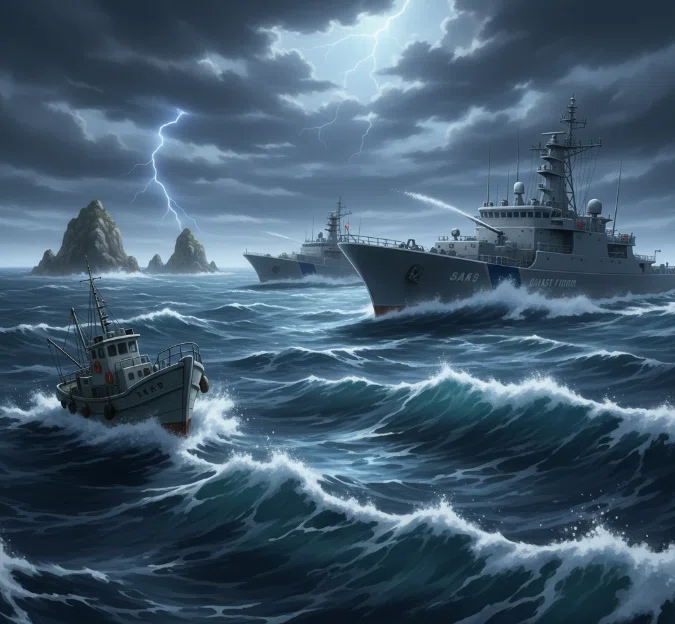
中国の軍事的拡張は、日本の領土である尖閣諸島にも向けられている。中国は1971年まで尖閣諸島を日本領と認識していたが、1971年12月に突如「釣魚島は古来より中国の領土」と主張し始めた。
2025年11月時点で、中国艦船が尖閣周辺で領海侵入したのは4日連続で、2025年だけで28日目(投稿時)になる。接続水域を含めると、中国艦船が尖閣周辺で航行するのは335日連続という異常事態が続いている。
さらに、中国は2023年に「九段線」を台湾東部にまで拡大した「十段線」を記載した地図を発表し、尖閣諸島や台湾の外側も中国の領土領海として主張し始めた。これは1992年の中国領海法に基づくものだが、日本政府が当時適切に抗議しなかったことが、現在の事態を招いた一因となっている。
インドとの国境紛争――暴力的な領土拡張
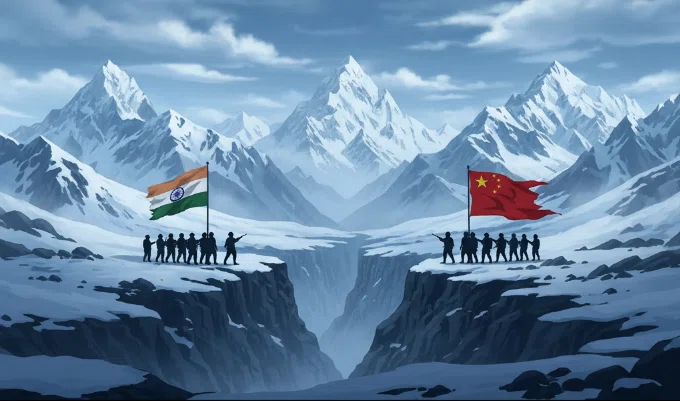
中国の拡張主義はインドとの国境地帯でも顕著だ。1962年の中印国境紛争では、中国軍がインド軍を撃退し、領土を獲得した。
2020年5月以降、中国はインドが領有権を主張する約2000km²の土地を占拠した。2020年6月15日から16日のガルワン渓谷での乱闘戦では、インド兵20名が死亡、中国兵43名が死傷した。45年ぶりに実効支配線(LAC)沿いで発砲が行われ、緊張が高まった。
経済的視点――日本への経済的圧力と依存関係のジレンマ
中国の軍事的脅威は、経済面での影響も深刻だ。高市首相の発言後、中国は日本への渡航自粛を呼びかけ、日本産水産物の輸入手続きを停止するなど、経済的圧力を強めている。
さらに深刻なのは、来週予定されていた日中韓の文化相会合を中国側が「高市総理の発言が3カ国協力の雰囲気を壊した」として延期したことだ。これは、中国が経済や文化交流を外交的圧力の道具として使っていることを示している。
日本企業は中国市場への依存度が高く、サプライチェーンも深く結びついている。2025年4月に中国が実施した輸出規制により、既に製造業が大混乱に陥っており、約900万人の雇用が影響を受ける可能性があるという。特に、レアアース(希土類)やガリウム、ゲルマニウムなどの重要鉱物の供給が中国に依存しているため、原料の安定供給が脅かされれば、日本の製造業は致命的な打撃を受ける可能性がある。
社会・文化的視点――中国の「戦狼外交」とプロパガンダ
今回の中国大使館や薛剣総領事の発言は、「戦狼外交」と呼ばれる中国の新しい外交スタイルの典型例だ。戦狼外交とは、中国の外交官が挑発的・攻撃的な言動を繰り返す現象で、習近平政権下で顕在化した。
薛剣氏は2021年の着任以来、アムネスティ・インターナショナルを「害虫」と呼び、日本のメディアを「マスゴミ」と中傷し、国民民主党の玉木代表を「ハエがウンコに飛びつこうとする西側子分政治家」と罵倒してきた。このような品位を欠いた発言は、外交官として明らかに不適切だが、中国外務省は一貫して擁護している。
これは、習近平政権が「中華民族の偉大なる復興」を掲げ、外交官に教条主義的な姿勢を求めていることの表れだ。中国共産党は1994年の「愛国主義教育実施綱要」や2001年の「国防教育法」により、国民全体へのナショナリズム教育を強化してきた。
この愛国主義教育とプロパガンダは、国内の不満を外に向けさせる機能も果たしている。経済成長の鈍化、不動産不況、少子高齢化といった国内問題から目をそらすため、中国共産党は反日感情や台湾統一への欲求を煽っている。
政治・安全保障的視点――「2027年台湾有事」のリアリティ
中国の軍事的脅威で最も差し迫っているのが、台湾侵攻の可能性だ。米インド太平洋軍のアキリーノ司令官は2024年3月、中国軍が2027年までに台湾に侵攻する準備を整えるとの見方を示した。
中国は2020年以降、2230億ドル(約33兆7200億円)超を費やし、戦闘機400機以上と軍艦20隻を追加、弾道ミサイルと巡航ミサイルを倍増させた。さらに、台湾に対する軍事的圧力は急激に高まっており、台湾の防空識別区域(ADIZ)進入が2019年の20回から2023年は3075回に、台湾海峡中間線侵犯は2020年の20回から2023年は1472回へと、6591%増加した。
米議会傘下の米中経済安全保障調査委員会(USCC)は2025年11月、習近平国家主席が人民解放軍に対し2027年までに台湾を攻撃する準備を終えるよう指示したと明らかにした。中国は2025年に「中華人民共和国予備役法」を改正し、戦時体制下の徴兵ともみられる規定を加えている。
台湾有事が起きれば、日本は直接的な影響を受ける。台湾は日本の南西諸島に近接しており、台湾海峡は日本のシーレーン(海上交通路)の要衝だ。台湾が中国に併呑されれば、日本の経済、戦略、周辺海域の安全など多方面で深刻な影響を受ける。
高市首相が「台湾有事は存立危機事態になり得る」と答弁したのは、こうした現実を踏まえた発言だ。
国際的視点――アジア太平洋の秩序への挑戦
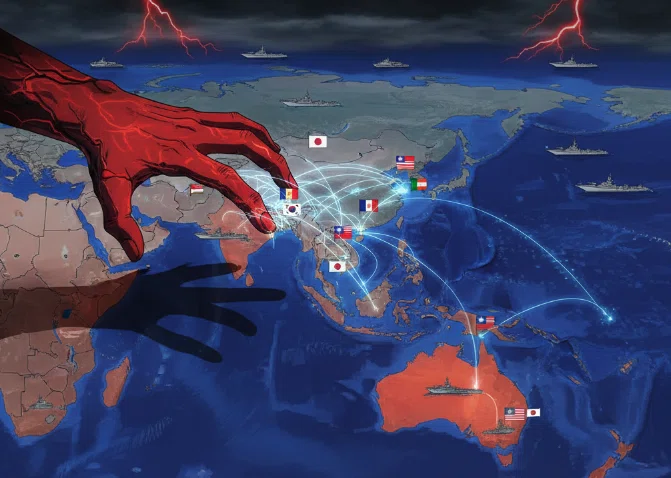
中国の拡張主義は、アジア太平洋地域全体の秩序に対する挑戦だ。南シナ海での軍事拠点化、尖閣諸島周辺での領海侵入、台湾への軍事的圧力、インドとの国境紛争――これらはすべて、「力による一方的な現状変更」の試みである。
特に注目すべきは、中国がベトナムやフィリピンなど、軍事的に弱い国々に対して威圧的な行動を強めていることだ。
歴史的視点――「中華思想」と拡張主義の連続性
中国の拡張主義を理解するには、歴史的な文脈を知る必要がある。中国共産党の行動原理の根底には「中華思想」がある。これは、中国が世界の中心であり、周辺国は中国に朝貢すべきだという思想だ。
習近平国家主席が掲げる「中華民族の偉大なる復興」「チャイナドリーム」は、まさにこの中華思想の現代版だ。中国共産党は、かつての清朝が支配した領土を「中国固有の領土」と主張し、これを「回復」することを正当化している。
総合考察――「平和」とは何か

「これでも日本は平和ですか?」――この問いは、私たちに「平和とは何か」を根本から問い直すことを求めている。
表面的には、日本は平和だ。戦争は起きていない。街は安全で、人々は日常生活を送っている。しかし、それは本当の意味での「平和」なのだろうか。
尖閣諸島周辺では、中国艦船が連日領海侵入を繰り返している。中国大使館は公然と「日本を軍事攻撃できる」と主張している。中国の外交官は日本の首相に対し「汚い首を斬ってやる」と恫喝している。そして、わずか1000km先の台湾では、来年にも戦争が起きるかもしれない。
真の平和とは、単に戦争が起きていない状態ではない。武力による脅迫がなく、主権が尊重され、人々が自由と尊厳を享受できる状態こそが、真の平和だ。
その意味で、日本は決して平和ではない。私たちは、中国という巨大な全体主義国家による、明白かつ現在進行形の脅威に直面している。
同時に、チベット、ウイグル、南モンゴルの人々は、中国共産党の支配下で、今この瞬間も、人権侵害と民族浄化を受けている。彼らの痛みと苦しみは、日本が平和を追求する際の大きな責任でもある。

結論
中国大使館による「日本攻撃の権利」発言は、決して一時的な外交的摩擦ではない。それは、中国共産党が建国以来続けてきた虐殺と拡張の歴史の延長線上にある、日本への直接的な軍事的脅威の顕在化だ。
チベット、ウイグル、南モンゴル、そして国内での反右派闘争、天安門事件、大躍進、文化大革命――これらは、中国共産党が辿ってきた暴力の歴史の証拠である。そして現在、その矛先は台湾へ、そして日本へと向けられようとしている。
高市早苗首相が「台湾有事は存立危機事態になり得る」と述べたのは、この厳しい現実を踏まえた、責任ある発言だった。それを「中国を刺激した」と批判する声は、現実から目を背けた危険な楽観主義に過ぎない。
「これでも日本は平和ですか?」――この問いに、私たちは正直に答えなければならない。「いいえ、日本は平和ではありません。しかし、私たちは平和を守るために、できる限りのことをします」と。
真の平和は、それを守るための覚悟と行動なしには維持できない。今こそ、私たち一人ひとりが、この現実に向き合う時だ。
チベット、ウイグル、南モンゴルの苦しむ人々への想い、そして日本の子孫たちが享受するであろう未来の平和への責任感を持って、私たちは行動しければならない。

旧敵国条項(きゅうてきこくじょうこう)
意味:国連憲章に残る条項で、第二次世界大戦の敗戦国(日本など)が再び侵略行動を起こした場合、安保理の許可なく軍事制裁を行えるとする規定。現在は死文化(無効)されている。
存立危機事態(そんりつききじたい)
意味:日本と密接な関係にある他国(アメリカなど)が攻撃され、それによって日本の存立が脅かされる明白な危険がある事態。集団的自衛権の行使が可能になる要件の一つ。
大躍進政策(だいやくしんせいさく)
意味:1958年から毛沢東が主導した、急激な共産主義化と増産を目指した政策。無謀なノルマや農業破壊により、数千万人の餓死者を出す大失敗に終わった。
文化大革命(ぶんかだいかくめい)
意味:1966年から1976年にかけて毛沢東が発動した権力闘争と政治運動。伝統文化の破壊や知識人への弾圧、大量虐殺が行われ、中国社会に甚大な被害をもたらした。
九段線(くだんせん)
意味:中国が南シナ海のほぼ全域を自国の管轄だと主張するために地図上に引いた9本の境界線。国際法上の根拠はないとされている。
戦狼外交(せんろうがいこう)
意味:中国の外交官が、SNSやメディアを使って攻撃的・威圧的な言動を行い、自国の主張を押し通そうとする外交スタイル。
参考記事
[中国大使館、日本へ「直接軍事行動を取る権利を有する」旨Xで主張 田母神俊雄氏が強く警鐘(日刊スポーツ)]
[「天安門事件の死者は1万人」 英公文書を公開(AFP)]
[30年前天安門事件に遭遇した日本人として言っておきたいこと(Wedge)]
[六四天安門事件(ウィキペディア)]
[チベット問題(ウィキペディア)]
[チベット侵略:中国共産党100の残虐行為]
[中国はいかにチベットを侵略したか(講談社)]
[ウイグル人大量虐殺(ウィキペディア)]
[ウイグル人とは? ウイグルのキャンペーン]
[反右派闘争(ウィキペディア)]
[嵐を生きた中国知識人――「右派」章伯鈞をめぐる人びと]
[『殺劫 チベットの文化大革命』決定版刊行へ!不屈の作家・ツェリン・オーセルさんの代表作]
[中国:チベットでの治安部隊による人権侵害の実態(HRW)]
[モンゴル人を大量「虐殺」 記憶遺産に値する中国の罪(Newsweek)]
[中国が南シナ海の人工島を完全に軍事化(インド太平洋軍)]
[中国は2027年までに台湾侵攻の準備を整える 米司令官(Forbes)]
[米議会「習近平主席、2027年までの台湾侵攻準備を指示した」]
[米国務長官、新疆での民族大量虐殺を指摘 中国訪問控え報告書(ロイター)]
この記事が、現在の日中関係と中国の脅威について、多角的な理解を深める一助となれば幸いです。私たち一人ひとりが、この深刻な現実に目を向け、平和を守るために何ができるかを考えることが、今、求められています。
#中国共産党 #台湾有事 #平和 #歴史 #チベット #ウイグル #天安門
#ニュース #無法者
English version of the article
China’s Claimed “Right to Attack” Japan: A Hidden History of Massacres and 50 Million Victims
On November 21, 2025, the Embassy of the People’s Republic of China in Japan posted on X (formerly Twitter) that “China has the right to take military action against Japan without authorization from the UN Security Council.” The statement was made in reaction to Prime Minister Sanae Takaichi’s remarks in the Diet, where she said that a contingency in Taiwan “could amount to a situation threatening Japan’s survival.”
But this is not just a diplomatic war of words. It exposes the Chinese Communist Party’s (CCP) long history of invasion, expansion, and mass killing, as well as the very real, ongoing military pressure it directs at neighboring countries.
“Can you still say Japan is at peace?”
Table of Contents
The Course of Events: An Unprecedented “Threat” from a Diplomat
Massacres and Aggression Since the Founding of the PRC: From Domestic Brutality to Regional Expansion
The Anti-Rightist Campaign (1957–1958): Systematic Repression of Intellectuals
The Tiananmen Square Massacre (June 4, 1989): Armed Suppression of a Democracy Movement
The Great Leap Forward (1958–1962): Famine and Over 20 Million Starvation Deaths
The Cultural Revolution (1966–1976): 1.1–20 Million Dead and Cultural Devastation
The Occupation of Tibet (1950–Present): 1.2 Million Dead and Ethnic Cleansing
Invasion and “Genocide” in Xinjiang (Uyghur Region)
Southern Mongolia (Inner Mongolia): A Forgotten Invasion and Ethnic Cleansing
Aggression and Military Expansion Against Neighboring States
The South China Sea: Ongoing Militarization and Expansion
The Senkaku Islands and the East China Sea: Direct Threats Against Japan
Border Conflict with India: Violent Territorial Expansion
Economic Pressure: Japan’s Vulnerability and the Dependency Trap
“Wolf Warrior Diplomacy” and Propaganda
The “2027 Taiwan Contingency”: A Hard Security Reality
Challenge to the Regional Order in the Indo-Pacific
Historical Roots: “Sinocentrism” and Expansionism
Comprehensive Reflection: What Do We Mean by “Peace”?
Conclusion
Glossary of Key Terms
References
The Course of Events: An Unprecedented “Threat” from a Diplomat
Let us first整理 how this incident unfolded.
It began on November 7, 2025, when Prime Minister Sanae Takaichi stated in the Diet that, in the event of a Taiwan contingency, “if it involves the use of armed force, it could become a ‘situation that threatens Japan’s survival.’”
China reacted immediately and fiercely. On November 8, Xue Jian, Consul-General of China in Osaka, posted on X:
“If that filthy head dares to crash in of its own accord, we will have no choice but to cut it off without a moment’s hesitation. Are you prepared for that?”
The post sparked outrage in Japan. Although it was eventually deleted after strong protests by the Japanese government, the Chinese Ministry of Foreign Affairs defended Xue, claiming instead that “Japan is the one stoking and destabilizing the situation.”
Then, on November 21, the Chinese Embassy in Japan invoked the “enemy state clause” of the UN Charter and posted:
“If former fascist/militarist states such as Germany, Italy, and Japan once again take actions aimed at launching aggressive policies, the founding members of the UN, including China, France, the Soviet Union, the UK, and the US, have the right to take direct military action without needing authorization from the UN Security Council.”
There are several serious problems with this claim.
First, the so-called enemy state clauses were effectively declared obsolete in UN General Assembly Resolution 50/52 (1995)—a resolution that China itself voted for. In addition, the 2005 World Summit reaffirmed the intention to delete them from the Charter. Legally, the clauses are already void. To drag them out now as a justification for military action is nothing short of intimidation in defiance of international law.
Second, the “China” referred to in the original clause is the Republic of China (Taiwan), and the Soviet Union no longer exists. Even more crucially, the clause assumes that the former enemy is once again taking “actions aimed at launching aggressive policies.” There is no such fact with respect to Japan today.
If anything, it is China itself that has consistently engaged in aggressive behavior.
Massacres and Aggression Since the Founding of the PRC: From Domestic Brutality to Regional Expansion
To understand the embassy’s reference to a supposed “right” to use force, we must look at the history of the Chinese Communist Party since it seized power in 1949—its path of mass killings, territorial expansion, and ongoing acts that many describe as genocide.
This is not just about the past. It is an ongoing threat.
CCP violence has been directed not only at neighboring countries but also ruthlessly at its own citizens and at ethnic minorities under its control.
The Anti-Rightist Campaign (1957–1958): Systematic Repression of Intellectuals
In 1957, CCP Chairman Mao Zedong launched the Anti-Rightist Campaign, which marked a major turning point in ideological control.
First, Mao had promoted the slogan “Let a hundred flowers bloom, let a hundred schools of thought contend.” Intellectuals were encouraged to voice their opinions. Many did so, particularly leaders of the democratic parties, offering criticism and proposals to the Party and government.
But Mao soon labeled this outpouring of views “attacks on the Party by anti-revolutionary rightists.” On June 8, People’s Daily published an editorial titled “Why Is This?”, condemning “a small number of rightists challenging the leadership of the Communist Party and the working class.”
By 1958, over 550,000 people had been branded as “rightists” and subjected to punishments such as exile to remote labor camps and dismissal from their positions. Many died as a result. Democratic Party figures such as Zhang Bojun were imprisoned as “counterrevolutionaries,” tortured in jail, and forced to live out their lives in hardship.
This campaign crushed freedom of expression among Chinese intellectuals at its root.
The Tiananmen Square Massacre (June 4, 1989): Armed Suppression of a Democracy Movement
From April to June 1989, Beijing’s Tiananmen Square and surrounding areas saw large, peaceful demonstrations by students and citizens calling for democracy. The “Goddess of Democracy” statue was erected as public calls for political reform and liberalization grew.
The CCP leadership regarded this movement as a threat to Party rule by “counterrevolutionary elements.”
On the night of June 3 and the early hours of June 4, under the orders of Deng Xiaoping, People’s Liberation Army units with tanks moved into the square and opened fire indiscriminately on unarmed students and citizens.
The death toll for the Tiananmen crackdown has been severely downplayed by the Chinese government, which officially claims 319 deaths. However, British government documents indicate that “at least 10,000 people” may have been killed. Edward Spencer, physician to Queen Elizabeth II, later said that the Chinese ambassador told him that “at least 10,000 people were crushed under tanks.” More than 9,000 people were injured.
The condition of the bodies left at the scene testified to the horror:
“Some had their limbs crushed, half their heads blown off. Others were flattened together with their bicycles, the handlebars driven into their torsos.”
Bodies of young students were mangled beyond recognition after being run over by tanks.
Afterward, the CCP enforced a total information blackout on the Tiananmen incident. In mainland China, even the numerals “6-4” became unsearchable. All online references were scrubbed. Under Jiang Zemin, “patriotic education” further erased the event from public memory.
More than 30 years later, as of 2025, many Chinese citizens still do not know the truth about Tiananmen.
The Great Leap Forward (1958–1962): Famine and Over 20 Million Starvation Deaths
From 1958 to 1962, Mao’s Great Leap Forward turned into one of the worst man-made disasters in human history.
The policy aimed to create massive agricultural communes (People’s Communes) and force-march industrialization. Unrealistic steel production targets and collectivized agriculture were imposed with no regard for reality.
The result was a catastrophic nationwide famine. Farmers were deprived of adequate food; labor camps were filled with the malnourished.
The CCP later estimated “400,000 deaths and 100 million victims” for the Cultural Revolution in a separate context, but for the Great Leap Forward itself, researchers estimate that between 16 and 45 million people died, with many scholars converging on the figure of up to 30 million deaths due to famine.
This makes the Great Leap Forward one of the worst catastrophes of the 20th century, comparable in scale to World War II—yet inside China it remains largely ignored, and the majority of citizens are never told the true scale of the tragedy.
The Cultural Revolution (1966–1976): 1.1–20 Million Dead and Cultural Devastation
The Cultural Revolution, which lasted from May 1966 to October 1976, began as an internal power struggle within the CCP and escalated into nationwide chaos.
Mao used the Cultural Revolution to purge rivals inside the Party, labeling them “capitalist roaders” and “class enemies.”
A distinctive feature of this period was the mobilization of youth into Red Guards, who, together with “rebel factions,” attacked teachers, cultural figures, and Party officials.
Prominent intellectuals were subjected to public humiliation, violent “struggle sessions,” and often physical abuse. Many were driven to suicide.
The CCP’s 1981 resolution “On Certain Questions in the History of Our Party Since the Founding of the PRC” put the death toll at 1–1.6 million, but many believe the real number to be significantly higher. Tibetan writer Tsering Woeser’s work The Killing Wind documents how devastating the Cultural Revolution was in Tibet.
One of the most tragic aspects of the Cultural Revolution is that it led to systematic destruction of 5,000 years of Chinese cultural heritage. Ancient books, art, and architecture were burned or smashed. Countless cultural treasures were lost forever.
Leading figures—including state chairman Liu Shaoqi and former defense minister Peng Dehuai—were branded as enemies, imprisoned, and effectively killed through neglect and abuse in custody.
The Cultural Revolution also brought enormous suffering to ethnic minority regions, especially Tibet, where monasteries were destroyed, statues and scriptures burned, and monks and lay Tibetans were killed in large numbers. Traditional Tibetan identity and religious freedom were crushed at their foundations.
The Occupation of Tibet (1950–Present): 1.2 Million Dead and Ethnic Cleansing
One of the CCP’s first major acts of aggression after taking power was its invasion of Tibet from 1949 to 1951.
Beijing claimed to be “liberating the Tibetan people from imperialist forces,” but in reality it was a military invasion of a de facto independent country.
In 1950, the People’s Liberation Army, vastly superior in numbers and arms, marched into Tibet and forced the Tibetan government to capitulate. The CCP then began systematic cultural destruction and repression.
From 1956 onward, under the banners of “democratic reform” and “land reform,” Tibetans were subjected to violence, coercion, famine, and death.
According to the Tibetan government-in-exile, more than 1.2 million Tibetans have died as a result of Chinese rule. Reported breakdowns include:
173,221 Tibetans who died in prisons or forced labor camps
156,758 who were executed
342,970 who starved to death
432,705 who died in combat or uprisings
92,731 who died under torture
9,002 who committed suicide
Between 1950 and 1976 alone, 1,207,387 Tibetans are said to have lost their lives.
Women, daughters, and nuns were repeatedly raped. Respected monks were forced to have sexual intercourse with nuns in public. Those who refused had their arms cut off while soldiers mocked them: “Ask Buddha to give you your arms back.” Over 6,000 monasteries were destroyed. Tibetan culture and religion were systematically targeted for annihilation.
In March 2008, widespread protests erupted again across Tibet. China responded with its largest domestic security operation since Tiananmen in 1989. Even by Chinese government figures, 21 people were killed and hundreds injured in Lhasa alone. Eyewitness accounts indicate that security forces used excessive force and committed deliberate abuses in violation of international standards.
As of 2025, China continues its harsh repression in Tibetan areas. Reports consistently describe extremely severe human rights abuses.
Invasion and “Genocide” in Xinjiang (Uyghur Region)
The region known as East Turkestan—today the Xinjiang Uyghur Autonomous Region—has also been a victim of CCP invasion and ethnic persecution.
In October 1949, the People’s Liberation Army marched into East Turkestan and established CCP control. Since then, Uyghurs have been labeled “nationalists,” “counterrevolutionaries,” and “separatists” and subjected to systematic repression.
Under Xi Jinping, repression escalated dramatically after 2017. Experts estimate that around one million Uyghurs and other Muslims have been detained, with many more imprisoned.
In the so-called “re-education camps,” detainees are subjected to torture, coercive indoctrination, and forced labor. Amnesty International has described the conditions as “hell-like.”
Of particular concern are reports of forced sterilizations, forced abortions, and coercive birth control aimed at reducing Uyghur birth rates, coupled with destruction of Uyghur cultural sites and pervasive surveillance using facial recognition and DNA collection.
In Uyghur-majority areas, birth rates fell by more than 60% between 2015 and 2018, and nearly 24% in 2019 alone.
Several countries have recognized this as genocide. In April 2024, U.S. Secretary of State Antony Blinken officially stated that China continues to commit “genocide and crimes against humanity” against Uyghurs and other Muslim minorities in Xinjiang.
Southern Mongolia (Inner Mongolia): A Forgotten Invasion and Ethnic Cleansing
Southern Mongolia (today’s Inner Mongolia Autonomous Region) was also a target of Chinese expansion—and in fact may be considered “the first step” in the CCP’s external aggression.
In August 1945, Soviet and Mongolian forces fought fierce battles against Japanese troops in Manchuria and Southern Mongolia and expelled them. Subsequently, the Chinese Communist Party moved in and, by 1947, established the Inner Mongolia Autonomous Region.
From the 1950s on, large numbers of Han Chinese settlers were moved into the region. Today, roughly 80% of the population is Han, while ethnic Mongolians account for only about 17%, a classic case of demographic colonization.
During the Cultural Revolution (1966–1976), Inner Mongolia experienced large-scale mass killings. Of the roughly 1.5 million Mongolians in the region at the time, 340,000 were arrested, 27,900 tortured to death, and 120,000 left with permanent disabilities. Including those who died later from injuries (“deferred deaths”), some estimates put the death toll at over 100,000.
PLA officers dispatched from Beijing told their troops that “there are many enemies of China in the former Manchukuo, 700,000 Mongols among them,” inciting Han workers and peasants to participate in the killing. Many Mongols were executed merely because they had been friendly with Japanese during the Manchukuo period and were branded “Japanese spies” or “collaborators.” This was ethnic cleansing carried out simply because they were Mongolian.
Aggression and Military Expansion Against Neighboring States
CCP violence is not limited to domestic massacres and ethnic persecution. It continues to pose a serious military threat to neighboring countries.
The South China Sea: Ongoing Militarization and Expansion
China’s expansion in the South China Sea is ongoing and very much a present-day reality.
Beijing claims almost the entire South China Sea based on the “nine-dash line.” This line was first drawn by the Republic of China in 1947 and later adopted by the PRC in 1953. However, in 2016, the Permanent Court of Arbitration in The Hague ruled that China’s claims of “historic rights” have no legal basis.
China has ignored this ruling. It has reclaimed seven reefs in the Spratly Islands, built artificial islands, and equipped them with 3,000-meter-class runways, ports, and military installations. In 2022, the commander of U.S. Indo-Pacific Command stated that China has fully militarized these artificial islands.
In 2024, it became clear that China was planning to build underground fortifications on some of these islands, with upper levels serving as living quarters for troops and lower levels used to store large missiles and armored vehicles.
The Senkaku Islands and the East China Sea: Direct Threats Against Japan
China’s expansionist ambitions extend to the Senkaku Islands, which are an inherent part of Japanese territory.
Until 1971, China effectively recognized the Senkakus as Japanese. But in December 1971, it suddenly began claiming that “Diaoyu Dao has been Chinese territory since ancient times.”
As of November 2025, Chinese government vessels had entered Japan’s territorial waters around the Senkakus on four consecutive days, making this the 28th such day in 2025 alone at the time of posting. Including the contiguous zone, Chinese vessels have been operating around the Senkakus for 335 consecutive days—an extraordinary situation.
In 2023, China went further by publishing a map that extended the nine-dash line into a “ten-dash line” covering waters east of Taiwan and including areas around the Senkakus, claiming these as Chinese territory and waters. This move was based on China’s 1992 Territorial Sea Law, which Japan failed to challenge sufficiently at the time—one factor that has led to today’s situation.
Border Conflict with India: Violent Territorial Expansion
China’s expansionism is also starkly visible along its border with India.
In the 1962 Sino-Indian War, Chinese forces pushed back Indian troops and seized territory.
Since May 2020, China has reportedly occupied roughly 2,000 square kilometers of land claimed by India. On June 15–16, 2020, a brutal clash took place in the Galwan Valley, leaving 20 Indian soldiers dead and 43 Chinese casualties (dead or wounded). It was the first time in 45 years that shots were fired along the Line of Actual Control (LAC), sending tensions soaring.
Economic Pressure: Japan’s Vulnerability and the Dependency Trap
China’s military threat is tightly intertwined with economic coercion.
Following Prime Minister Takaichi’s Taiwan remarks, China called on its citizens to refrain from travel to Japan and suspended import procedures for Japanese marine products, intensifying economic pressure.
More broadly, Japan’s economic dependence on China is deep. Supply chains are heavily intertwined. Export controls China imposed in April 2025 have already caused turmoil in manufacturing, potentially affecting around 9 million jobs.
Japan is particularly vulnerable because it relies on China for key materials such as rare earths, gallium, and germanium. If supplies of these critical minerals are disrupted, the Japanese manufacturing sector could suffer devastating damage.
“Wolf Warrior Diplomacy” and Propaganda
The recent statements by the Chinese Embassy and Consul-General Xue Jian are textbook examples of China’s so-called “Wolf Warrior diplomacy”—the aggressive, confrontational style of diplomacy that has become prominent under Xi Jinping.
Since his appointment in 2021, Xue has called Amnesty International a “pest,” derided Japanese media as “trash media,” and insulted Democratic Party for the People leader Yuichiro Tamaki as “a Western lapdog politician like a fly rushing to dung.” These vulgar insults are obviously unbecoming of a diplomat, yet the Chinese Foreign Ministry has backed him throughout.
This reflects Xi’s stance of promoting the “great rejuvenation of the Chinese nation” and demanding ideologically rigid behavior from his diplomats.
The CCP has also strengthened nationalism through measures such as the 1994 “Guidelines for Patriotic Education” and the 2001 “National Defense Education Law.”
This propaganda and patriotic education also serve to redirect domestic discontent outward. As economic growth slows, real estate bubbles burst, and population aging accelerates, the CCP uses anti-Japanese sentiment and the goal of “unifying” Taiwan as tools to distract the public from internal problems.
The “2027 Taiwan Contingency”: A Hard Security Reality
Among China’s threats, the most urgent is the risk of a military invasion of Taiwan.
In March 2024, the commander of U.S. Indo-Pacific Command, Admiral John Aquilino, warned that the Chinese military could be ready to invade Taiwan by 2027.
Since 2020, China has spent over $223 billion (about 33.72 trillion yen) to add more than 400 combat aircraft, over 20 warships, and to double its ballistic and cruise missile arsenal.
Military pressure on Taiwan has soared. PLA incursions into Taiwan’s Air Defense Identification Zone (ADIZ) increased from 20 in 2019 to 3,075 in 2023, and breaches of the median line of the Taiwan Strait rose from 20 in 2020 to 1,472 in 2023—a 6,591% increase.
In November 2025, the U.S.–China Economic and Security Review Commission (USCC), which reports to the U.S. Congress, disclosed that Xi Jinping has instructed the PLA to be prepared to attack Taiwan by 2027. In 2025, China also revised its Reserve Forces Law, adding provisions that many interpret as preparing for wartime mobilization and conscription.
If war breaks out over Taiwan, Japan will be directly affected. Taiwan lies close to the Nansei (Southwest) Islands, and the Taiwan Strait is a vital part of Japan’s sea lanes of communication. If Taiwan is swallowed by China, Japan will suffer severe consequences economically, strategically, and in terms of maritime security.
Prime Minister Takaichi’s statement that “a Taiwan contingency could become a situation that threatens Japan’s survival” is firmly grounded in this reality.
Challenge to the Regional Order in the Indo-Pacific
China’s expansionism is ultimately a challenge to the entire Indo-Pacific regional order.
Militarization of the South China Sea
Repeated incursions into Japanese territorial waters around the Senkakus
Mounting military pressure on Taiwan
Violent clashes along the border with India
All of these are attempts at “unilateral changes to the status quo by force.”
Of particular concern is China’s tendency to target militarily weaker countries such as Vietnam and the Philippines, using intimidation and coercion.
Historical Roots: “Sinocentrism” and Expansionism
To understand China’s expansionism, we need to look at the historical and ideological background.
At its core lies “Sinocentrism” (Zhonghua ideology)—the notion that China is the center of civilization and that surrounding countries should pay tribute.
Xi Jinping’s slogans of “the great rejuvenation of the Chinese nation” and the “China Dream” are essentially modern iterations of this mindset.
The CCP claims that territories once controlled by the Qing empire are “inherently Chinese” and portrays its efforts to extend control over these areas as “restoring historical sovereignty.”
Comprehensive Reflection: What Do We Mean by “Peace”?
The question “Can you still say Japan is at peace?” forces us to rethink what we mean by peace at the most fundamental level.
On the surface, Japan appears peaceful. There is no war on Japanese soil. Streets are safe. Life seems normal.
But is that genuine peace?
Chinese government vessels are repeatedly intruding into Japanese territorial waters around the Senkakus.
The Chinese Embassy has openly claimed a “right” to attack Japan militarily.
A Chinese diplomat has threatened the Japanese prime minister with words like “we’ll cut off that filthy head.”
Just about 1,000 kilometers away, in Taiwan, there is a real risk that war could break out as early as next year.
True peace is not simply the absence of open warfare.
It is a condition in which there is no coercive threat of force, where sovereignty is respected, and where people enjoy freedom and dignity.
By that standard, Japan is not truly at peace. We face a clear and ongoing threat from a massive totalitarian state.
At the same time, people in Tibet, Xinjiang (Uyghur region), and Southern Mongolia are, at this very moment, suffering under CCP rule—subjected to human rights abuses and ethnic cleansing. Their pain and struggle are directly connected to Japan’s responsibility as a country that values peace.
Conclusion
The Chinese Embassy’s statement claiming a “right” to militarily attack Japan is not merely a temporary diplomatic spat. It is the visible tip of a much longer historical pattern—the continuation of the CCP’s legacy of mass killings and expansion, now manifesting as a direct military threat to Japan.
Tibet, Xinjiang, Southern Mongolia; the Anti-Rightist Campaign; the Tiananmen massacre; the Great Leap Forward; the Cultural Revolution—these are all evidence of the CCP’s violent history. Today, that violence is directed toward Taiwan, and increasingly, toward Japan.
Prime Minister Sanae Takaichi’s statement that “a Taiwan contingency could become a situation that threatens Japan’s survival” was a responsible recognition of this harsh reality. To criticize her for “provoking China” is a form of dangerous wishful thinking that refuses to look reality in the eye.
To the question, “Can you still say Japan is at peace?” we must answer honestly:
“No, Japan is not truly at peace.
But we will do everything we can to protect peace.”
True peace cannot be maintained without the resolve and action to defend it. Now is the time for each of us to confront this reality.
With solidarity for the suffering of the people of Tibet, Xinjiang, and Southern Mongolia, and with a sense of responsibility for the future peace that our descendants in Japan should enjoy, we must choose to act.
Glossary of Terms
Enemy State Clause
A set of provisions in the UN Charter that, in theory, allow UN founding members to take military enforcement measures without Security Council approval if former enemy states from World War II (including Japan) were to resume aggressive actions. These clauses are now considered obsolete and without legal force.
Situation That Threatens Japan’s Survival
A concept under Japan’s security laws referring to a situation in which attacks on a country with close ties to Japan (such as the United States) create a clear danger that Japan’s survival and its people’s right to life, liberty, and pursuit of happiness will be fundamentally undermined. One of the conditions under which Japan can exercise the right of collective self-defense.
Great Leap Forward
A radical policy initiated by Mao Zedong in 1958 to rapidly industrialize China and collectivize agriculture. Unrealistic production targets and disastrous policies led to the destruction of agriculture and caused a famine that killed tens of millions.
Cultural Revolution
A political and social movement launched by Mao Zedong from 1966 to 1976. Under the banner of purging “capitalist roaders” and “old ideas,” it destroyed traditional culture, persecuted intellectuals, and led to massive human rights violations and deaths.
Nine-Dash Line
A U-shaped line China uses on maps to claim almost the entire South China Sea as its own historic waters. The Permanent Court of Arbitration ruled in 2016 that these claims have no basis in international law.
Wolf Warrior Diplomacy
A term describing the aggressive, confrontational style of diplomacy adopted by some Chinese diplomats, especially on social media and in the media, where they use inflammatory language and threats to push Beijing’s positions.
Hashtags
#ChineseCommunistParty #TaiwanContingency #Peace #History #Tibet #Uyghur #Tiananmen
#News #OutlawState #Japan #China #Mongolia
