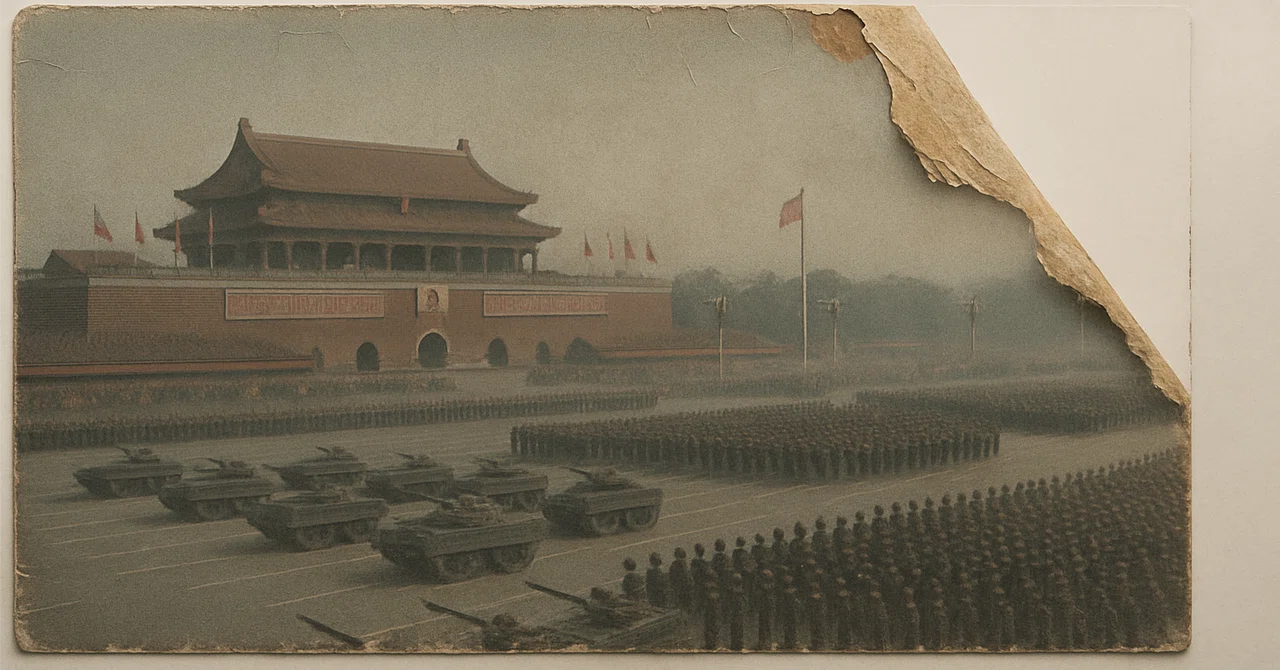
中国の戦勝80年はなぜ虚構か|プロパガンダの作法を読み解く

アメリカの研究機関が放った"衝撃弾"
2025年8月末、一つの報告書が静かな波紋を呼んでいる。アメリカの大手シンクタンク、ハドソン研究所が発表した「China's World War II Victory Parade: A Supreme Fiction(中国の第二次世界大戦戦勝パレード:至高のフィクション)」という論考だ。
著者のマイルズ・ユー氏(同研究所中国センター所長)は、中国共産党が行う抗日戦勝記念式典を「捏造写真、虚偽の物語、そして嘘に基づく今後の記念行事」で構成された究極の虚構だと断じている。
第二次世界大戦終戦80周年という節目の年に、なぜこのような厳しい批判が飛び出したのか?そして、この指摘は私たちに何を教えてくれるのだろうか。実はここには、現代社会を理解する上で欠かせない「歴史の作られ方」という大きなテーマが隠されている。
「勝利物語」はどう作られるのか?
史実との決定的な齟齬
まず、ハドソン研究所が何を問題視しているかを整理してみよう。報告書の核心は、中国共産党が「抗日戦争の英雄」として自らを描く物語が、歴史的事実と大きく乖離しているという点だ。
実際の日中戦争(1937-1945年)で主要な戦闘を担ったのは、蒋介石率いる国民党軍だった。共産党系の八路軍や新四軍は、主にゲリラ戦に従事し、正面戦闘での役割は限定的だった。例えば、共産党軍の代表的作戦とされる「百団大戦」でも、日本軍の死傷者数千人に対し、八路軍側は約1万5千~2万人の犠牲を出している。(諸説ある)
つまり、「共産党が日本軍を打ち破って勝利した」という基本設定自体が、史実とは異なる「作り話」だということになる。
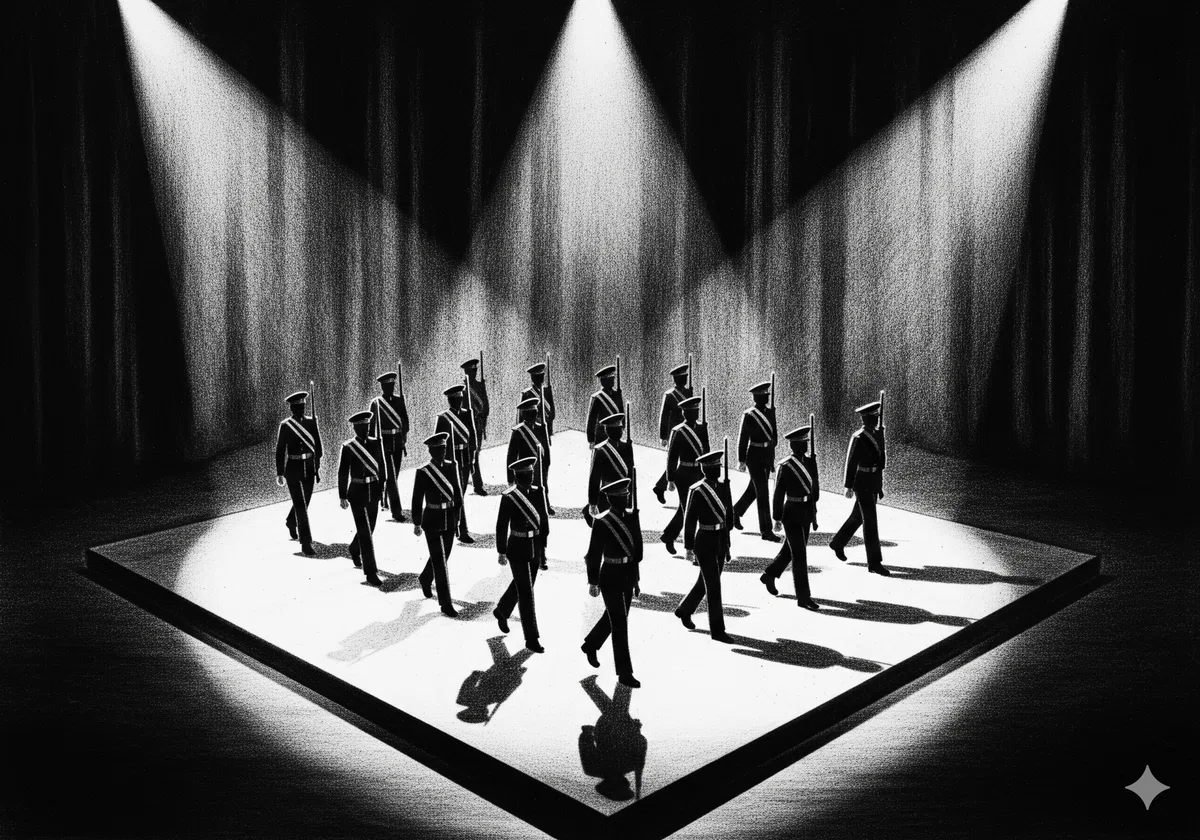
視覚的演出の政治学
では、なぜこのような「作り話」が大々的に演出されるのか?ここには、現代的なプロパガンダの巧妙な仕組みがある。
2009年の北京軍事パレードを分析した研究によると、こうした大規模な儀礼は「古代から連なる新興大国」という中国の自己イメージを可視化し、国家アイデンティティを刷新する装置として機能している。軍服、兵器、行進の完璧な同期─これらすべてが「強い中国」「勝利した中国」というメッセージを視覚的に植え付けるのだ。
問題は、この視覚的説得力が「事実かどうか」とは無関係に働くことだ。美しく演出された映像や写真は、それ自体が「真実らしさ」を演出し、見る人の感情に直接訴えかける。ハドソン研究所が「捏造写真」と批判するのは、まさにこの点なのである。
経済の視点:不満のはけ口としての歴史カード
現在の経済的困窮と歴史利用
現在の中国は深刻な経済問題を抱えている。不動産バブルの崩壊、高い青年失業率、地方政府の財政難など、構造的な課題が山積している。こうした状況で、政府にとって「外敵」の存在は格好の政治的ツールとなる。
国民の経済的不満を外部(この場合は日本や欧米)への怒りに転換することで、政府批判をかわす──これは古典的な政治手法だが、抗日戦争の記憶はその最も効果的な「カード」なのだ。
記念産業の経済効果
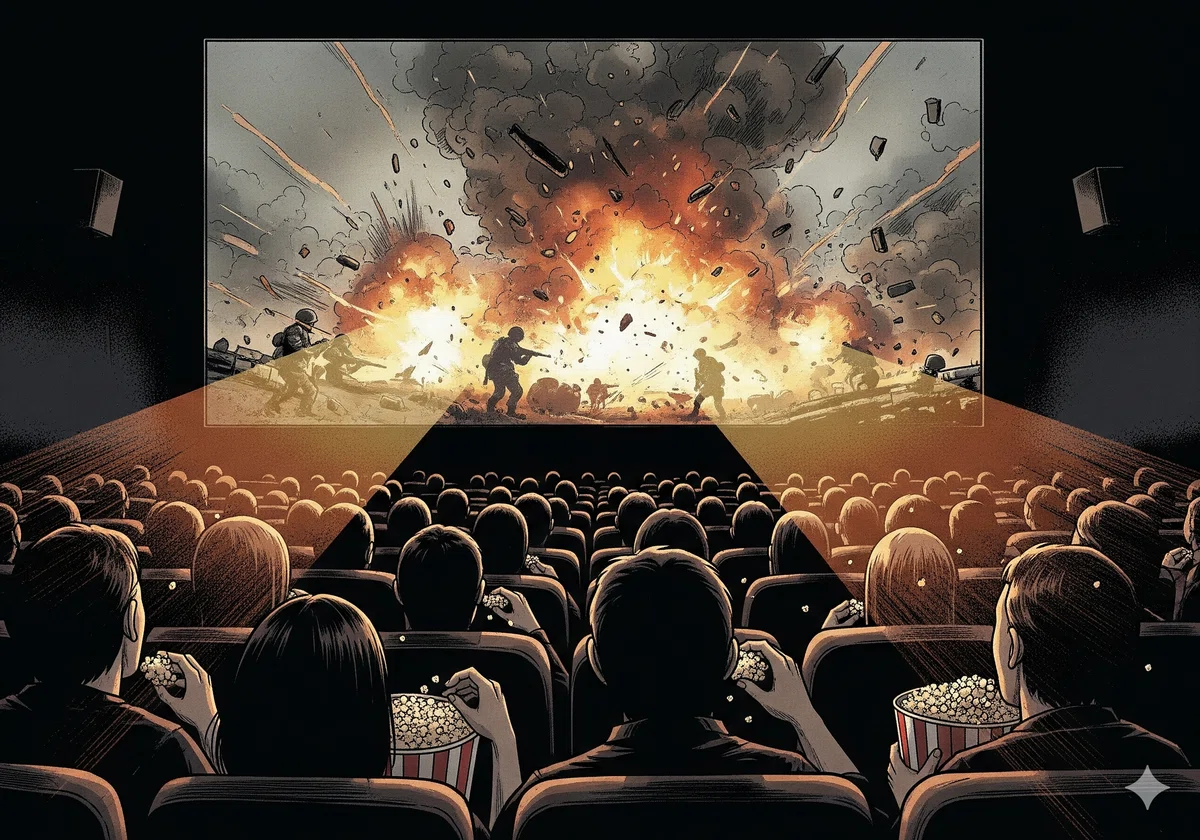
興味深いことに、抗日戦争をテーマにした映画やドラマは中国で記録的な興行成績を上げている。つまり、この「勝利物語」は政治的効果だけでなく、エンターテインメント産業としても巨大な経済価値を生んでいる。
歴史が「商品」として消費される時、事実の検証よりも「感情的満足」が優先される。これもまた、史実から離れた「勝利物語」が拡再生産される理由の一つだろう。
政治・政策の視点:政権の正統性をめぐる歴史戦争
共産党の存在意義としての抗日史観
中国共産党にとって、抗日戦争の歴史は現在の一党支配を正当化する根本的な根拠である。「日本軍国主義から中国を解放した英雄的政党」という物語なくして、共産党の政治的正統性は大きく揺らぐ。
建国後の中国共産党は、文化大革命や大躍進政策など、多くの政治的失敗を重ねてきた。これらの「不都合な真実」から国民の注意をそらし、党への支持を維持するために、「輝かしい抗日戦争」の記憶が重要な役割を果たしているのだ。
国際関係における歴史の武器化
一方、この報告書を発表したハドソン研究所も、純粋に学術的な動機だけで動いているわけではない。同研究所は共和党系のシンクタンクとして知られ、著者のマイルズ・ユー氏も第1次トランプ政権で対中強硬派として活動した経歴を持つ。
つまり、中国の歴史認識を批判することで、アメリカの対中政策を正当化する意図もあるということだ。歴史問題は、現在の地政学的競争の「武器」としても使われているのである。
社会・文化の視点:集合的記憶はどう作られるか
教育による記憶の植え付け
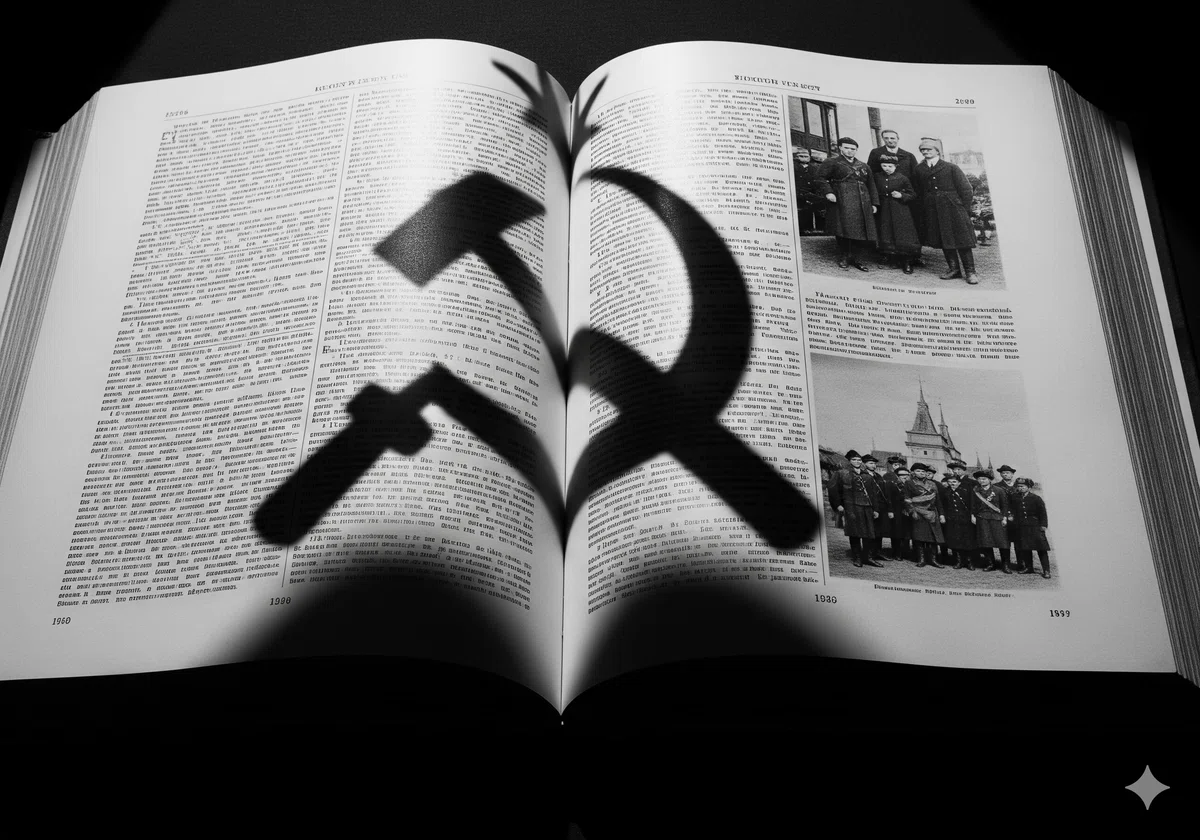
中国の歴史教育では、19世紀のアヘン戦争に文化大革命よりも多くのページが割かれている。つまり、「外国による侵略」の記憶は強調される一方で、共産党統治初期の混乱は意図的に軽視されているのだ。
このように、集合的記憶は自然発生的に形成されるのではなく、教育制度や メディアを通じて意図的に構築される。抗日戦争の「勝利」という記憶も、こうした組織的な取り組みの産物なのである。
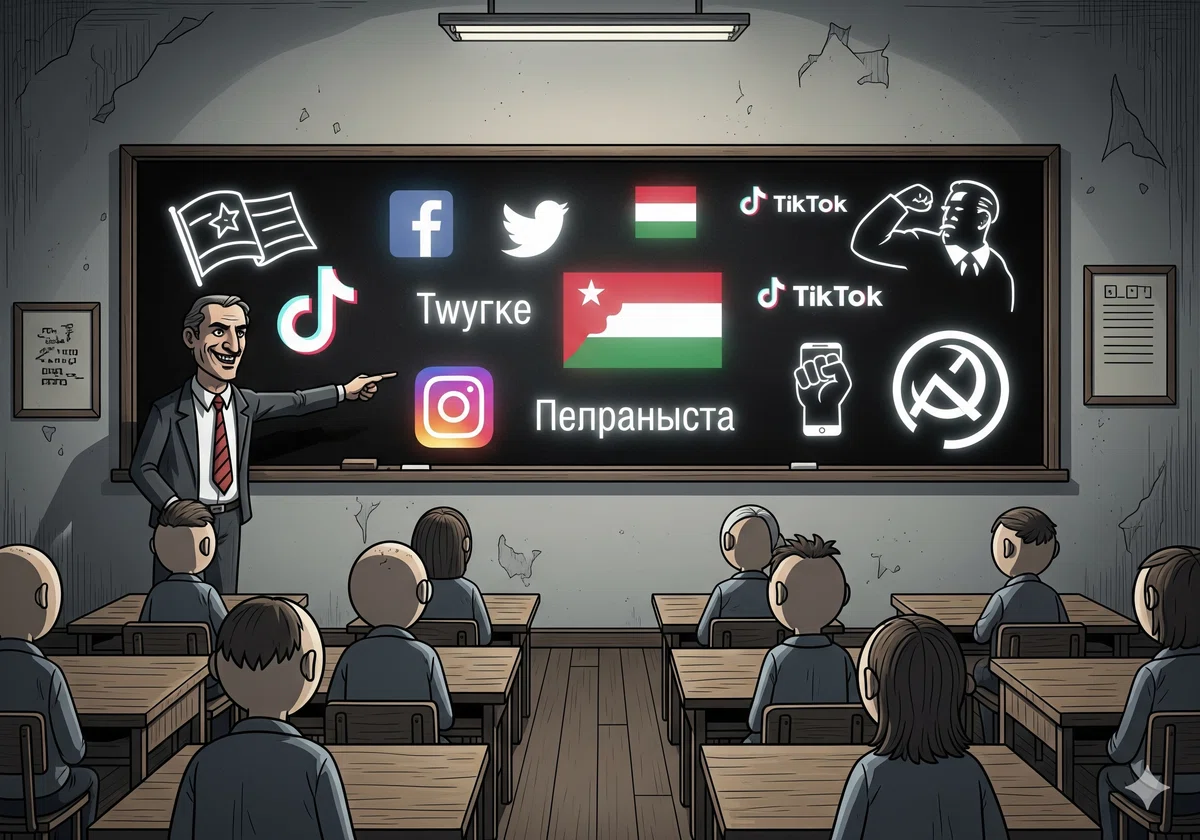
SNS時代の記憶戦争
興味深いことに、中国政府によるオンライン世論操作の研究では、大量の投稿で特定の話題への注意を「そらす」戦略が確認されている。これは、軍事パレードや記念式典が果たす機能と本質的に同じだ。
大量の画像、映像、スローガンで人々の注意を特定の方向に集中させ、他の問題(経済問題や政治的失敗など)から目を逸らさせる。デジタル時代のプロパガンダは、オフラインの儀礼とオンラインの情報操作を巧妙に組み合わせて機能しているのである。
国際関係の視点:歴史認識の相互批判
「歴史修正主義」の応酬
興味深いのは、「歴史修正主義」という批判が双方向に向けられていることだ。中国は日本の政治家の発言を「歴史修正主義」として非難し、一方でアメリカの研究機関は中国の歴史叙述を「虚構」と批判している。
これは北東アジアにおける「歴史修正競争」とも呼べる現象で、各国が自国に都合の良い歴史解釈を主張し、他国の解釈を否定する循環構造が生まれている。
第三者の視点からの検証
こうした状況では、当事国以外の研究者や機関による客観的な検証がますます重要になる。ただし、今回のハドソン研究所の報告書のように、第三者機関も政治的な立場を持っていることを忘れてはならない。
真実を見極めるためには、複数の情報源を比較検討し、それぞれの背景にある政治的動機も含めて理解する必要があるのだ。
歴史の視点:記録と記憶の分離
客観的記録vs政治的記憶
歴史学的に見ると、日中戦争期の実際の戦況記録と、現在語られている「記憶」の間には大きな隔たりがある。国民党軍が主要会戦を担い、共産党軍は限定的な役割を果たしたというのが、多くの史料に基づく客観的な理解だ。
しかし、戦後の政治的な必要性から、各政治勢力は自らに有利な歴史解釈を構築してきた。その結果、「記録」と「記憶」が乖離するという現象が生じているのである。

歴史の政治利用は普遍的現象
ただし、これは中国だけの問題ではない。どの国でも、政治的正統性を確保するために歴史が「利用」される側面はある。重要なのは、そうした操作に自覚的になり、複数の視点から検証する姿勢を持つことだろう。
未来予測・展望:歴史問題の出口戦略
短期的な対立の激化
米中対立が深刻化する中、歴史認識をめぐる応酬はさらに激しくなる可能性が高い。中国は9月3日の記念式典で大規模な軍事パレードを予定しており、これに対するアメリカ側の反応も予想される。
長期的な解決の可能性
しかし、長期的には、この問題を解決する道筋も見えてくる。プロパガンダの特徴は、複雑な現実を単純な善悪に還元することだが、成熟した社会では、そうした二分法的思考から脱却し、複雑さを許容する議論が可能になる。
市民レベルでの対処法
私たち個人ができることは何か?まず、軍事パレードや記念式典の映像に接した時、以下の点をチェックする習慣を身につけることだ
演出目的:この映像は何を訴えたいのか?
史実との距離:実際の歴史記録とどの程度一致するか?
政治的利益:誰がこの物語から利益を得るのか?
こうした批判的思考を身につけることで、プロパガンダに惑わされることなく、より客観的な判断ができるようになるはずだ。
デジタル時代の"記憶操作"を見抜く
オンラインとオフラインの統合戦略
現代のプロパガンダは、従来の軍事パレードのような「オフライン儀礼」と、SNSでの大量投稿による「オンライン操作」を統合して機能している。
中国政府による大規模なSNS投稿が、議論ではなく注意の「転換」を狙っているという研究結果は、軍事パレードが果たす役割と本質的に同じだ。大量の視覚情報で人々の注意を特定方向に固定し、他の問題から目を逸らさせる──この作動原理を理解することが、現代のメディアリテラシーには不可欠である。

情報の洪水への対処法
私たちが日々接する情報の中にも、こうした「注意操作」(アテンション)の仕組みが潜んでいる可能性がある。重要なのは、情報の量や迫力に圧倒されることなく、「なぜこの情報が今、この形で提供されているのか?」という視点を持つことだろう。
総合考察:歴史と政治の絡み合い
この問題が私たちに教えてくれるのは、歴史認識がいかに現在の政治に深く関わっているかということだ。中国の抗日戦勝記念式典も、アメリカの研究機関の報告書も、どちらも現在の政治的文脈の中で意味を持つ。
重要なのは、これらの「歴史問題」が実際には現在の政治問題であることを認識することだ。 過去の事実をめぐる議論のように見えて、実は現在の権力関係や国際情勢を反映している。
私たちが問うべきは、なぜこの時期にこのような報告書が発表されたのか、なぜ中国は抗日戦争の記憶にこれほど固執するのか、そして日本はこの状況にどう対応すべきなのか、ということだろう。
歴史は変えられないが、歴史の解釈と利用の仕方は現在と未来の選択によって決まる。この複雑な問題に対して、単純な善悪の判断ではなく、多角的で冷静な分析が求められている。
そして何より大切なのは、私たち一人一人が「作られた記憶」に惑わされることなく、複数の視点から情報を検証し、自分なりの判断を下す能力を身につけることなのである。
【機関・人物】
ハドソン研究所
アメリカの有力シンクタンク。国防・外交政策を研究し、政府に政策提言を行う保守系の研究機関。
マイルズ・ユー
ハドソン研究所中国センター所長。第1次トランプ政権でポンペオ国務長官の中国問題顧問を務めた対中強硬派の研究者。
【歴史用語】
抗日戦争
1937年から1945年にかけての日中戦争を指す中国側の呼称。日本では「日中戦争」と呼ぶのが一般的。
八路軍・新四軍
中国共産党が指揮した軍事組織。八路軍は華北、新四軍は華中・華南で活動した。
百団大戦
1940年に八路軍が実施した日本軍に対する大規模攻勢作戦。中国共産党軍の代表的な対日作戦とされる。
国民党
蒋介石が率いた中国の政党。第二次世界大戦期に日本軍と正面戦闘を行った中国の主要軍事力。
【概念・専門用語】
プロパガンダ
政治的・思想的目的のために、情報や物語を意図的に操作し、大衆の意識や行動に影響を与える宣伝活動。
集合的記憶
社会や国民が共有する歴史的な記憶や経験。個人の記憶ではなく、社会全体で形成される共通の「思い出」。
アテンション操作(注意操作)
人々の注意や関心を特定の方向に向けさせるため、情報の提示方法を意図的にコントロールする手法。
歴史修正主義
政治的・イデオロギー的な理由から、既存の歴史認識を意図的に書き換えようとする行為や思想。
ゲリラ戦
正規軍同士の正面戦闘ではなく、小規模部隊による奇襲、待ち伏せ、破壊工作などを中心とした戦術。
参考ニュース記事・情報源
ハドソン研究所「China's World War II Victory Parade: A Supreme Fiction」by マイルズ・ユー氏
#歴史問題
#プロパガンダ
#情報操作
#ニュース
#国際関係
#メディアリテラシー
#歴史
Why China’s 80th "Victory" Anniversary is a Fabrication | Decoding the Mechanics of Propaganda
A "Bombshell" from a Major American Research Institute
In late August 2025, a single report sent quiet shockwaves through the international community. The Hudson Institute, a prominent American think tank, published a scathing critique titled "China's World War II Victory Parade: A Supreme Fiction."
The author, Miles Yu (Director of the Hudson Institute's China Center), condemns the Chinese Communist Party’s (CCP) commemoration of the War of Resistance against Japan as an ultimate fabrication, constructed from "fabricated photos, false narratives, and upcoming celebrations based on lies."
Why has such harsh criticism emerged on the 80th anniversary of the end of World War II? And what does this tell us? Hidden here is a crucial theme for understanding our modern world: how history is manufactured by authoritarian regimes.
How the "Victory Narrative" is Fabricated
A Decisive Contradiction with Historical Fact
First, let us clarify what the Hudson Institute is problematizing. The core of the report is that the CCP’s narrative of casting itself as the "hero of the War of Resistance" is a gross deviation from historical fact.
In the actual Second Sino-Japanese War (1937–1945), the major battles were fought by the Kuomintang (KMT) forces led by Chiang Kai-shek. The CCP-affiliated Eighth Route Army and New Fourth Army were primarily engaged in guerrilla warfare, playing a limited role in frontal combat. For example, even in the "Hundred Regiments Offensive"—touted as the CCP’s representative operation—while Japanese casualties numbered in the thousands, the Eighth Route Army suffered approximately 15,000 to 20,000 casualties (estimates vary).
In short, the foundational premise that "the Communist Party defeated the Japanese military to win the war" is, in itself, a "fiction" created to usurp credit from the actual combatants.
The Politics of Visual Performance
Why is such a "fiction" staged on such a grand scale? Here lies the sophisticated mechanism of modern propaganda.
According to analyses of the 2009 Beijing military parade, these massive rituals function as devices to visualize China’s self-image as an "ancient yet rising great power" and to overhaul national identity. The perfect synchronization of uniforms, weaponry, and marching troops visually implants the message of a "Strong China" and a "Victorious China."
The danger is that this visual persuasion works independently of facts. Beautifully choreographed images and footage create an aura of "truthfulness" that appeals directly to the viewer's emotions. When the Hudson Institute criticizes "fabricated photos," they are targeting precisely this manipulation of reality.
The Economic Perspective: The History Card as a Vent for Discontent
Using History to Mask Economic Distress
China is currently facing severe economic headwinds: the collapse of the real estate bubble, high youth unemployment, and local government debt crises. In such a situation, the existence of an "external enemy" becomes the ultimate political tool for the regime.
By diverting public economic dissatisfaction into anger toward the outside world (in this case, Japan or the West), the government deflects criticism away from itself. While this is a classic political tactic, the memory of the War of Resistance is the most potent "card" in the CCP's deck.
The Economic Effect of the "Commemoration Industry"
Interestingly, movies and dramas themed around the War of Resistance are breaking box office records in China. This "Victory Narrative" is not only a political tool but has also generated immense economic value as an entertainment industry.
When history is consumed as a "product," "emotional satisfaction" takes precedence over factual verification. This is another reason why a "Victory Narrative" divorced from historical reality continues to be reproduced and amplified.
The Political Perspective: A War Over Regime Legitimacy
Anti-Japanese History as the CCP’s Raison d'être
For the CCP, the history of the War of Resistance is the fundamental basis justifying its current one-party dictatorship. Without the narrative of being the "heroic party that liberated China from Japanese militarism," the CCP’s political legitimacy would crumble.
Since its founding, the CCP has accumulated numerous political failures, including the Cultural Revolution and the Great Leap Forward. To divert attention from these "inconvenient truths" and maintain support, the memory of a "Glorious War of Resistance" plays a critical role.
Weaponizing History in International Relations
Conversely, the Hudson Institute is not acting solely on academic motives. As a conservative think tank, and with author Miles Yu having served as a China policy advisor in the first Trump administration, there is a clear strategic intent.
By exposing the CCP's historical revisionism, the report aims to justify a hardline U.S. policy toward China. History has been weaponized in the current geopolitical competition.
The Social & Cultural Perspective: How Collective Memory is Manufactured
Implanting Memory Through Education
In Chinese history education, more pages are often dedicated to the 19th-century Opium Wars than to the Cultural Revolution. Memories of "foreign aggression" are emphasized, while the chaos of early CCP rule is intentionally downplayed.
Collective memory is not formed naturally; it is systematically constructed through education systems and media. The memory of "Victory" in the War of Resistance is the product of this organized engineering.
The Memory War in the Age of Social Media
Research into online public opinion manipulation by the Chinese government has confirmed strategies to "distract" attention from specific topics by flooding platforms with unrelated posts. This is functionally identical to the role of military parades and commemorative ceremonies.
By saturating the space with images, videos, and slogans, the regime focuses public attention in a specific direction, blinding them to other issues (such as economic failures or political corruption). Digital propaganda functions by cunningly integrating offline rituals with online information manipulation.
The International Perspective: Mutual Criticism of Historical Views
The Exchange of "Historical Revisionism" Accusations
It is ironic that the accusation of "historical revisionism" is thrown in both directions. China condemns statements by Japanese politicians as "revisionism," while American research institutes label China's historical narrative as "fiction."
This phenomenon can be called a "competition of historical revisionism" in Northeast Asia, creating a cycle where nations assert interpretations convenient to themselves while denying others.
Verification from a Third-Party Perspective
In this context, objective verification by third-party researchers becomes increasingly important. However, we must remember that even third-party institutions, like the Hudson Institute, have political stances.
To discern the truth, we must compare multiple sources and understand the political motives behind each.
The Historical Perspective: Separating Record from Memory
Objective Record vs. Political Memory
Historically, there is a massive gap between the actual records of the Sino-Japanese War and the "memory" currently being narrated. The objective understanding based on numerous historical documents is that the Nationalist (KMT) forces bore the brunt of major battles, while the Communist forces played a limited role.
However, due to post-war political necessities, each political force constructed a historical interpretation favorable to itself. The result is a phenomenon where "record" and "memory" have completely diverged.
The Political Use of History is a Universal Phenomenon
However, this is not solely a Chinese issue. Every nation utilizes history to some extent to secure political legitimacy. The key is to be self-aware of such manipulations and to maintain a posture of verification from multiple angles.
Future Outlook: Is There an Exit Strategy?
Short-term Intensification of Conflict
As U.S.-China confrontation deepens, the exchange over historical perception is likely to intensify. China plans a massive military parade for the September 3rd ceremony, and a reaction from the U.S. side is expected.
Possibility of Long-term Resolution
In the long term, however, a path to resolution may emerge. While propaganda reduces complex reality to simple "good vs. evil," a mature society allows for discussions that tolerate complexity, breaking away from dichotomous thinking.
How Citizens Can Cope
What can we, as individuals, do? First, when encountering footage of military parades or ceremonies, we should acquire the habit of checking the following:
Purpose of Staging: What is this footage trying to claim?
Distance from Fact: To what extent does it match actual historical records?
Political Benefit: Who benefits from this narrative?
By developing this critical thinking, we can make more objective judgments without being misled by propaganda.
Seeing Through Digital "Memory Manipulation"
Integrated Strategy of Online and Offline
Modern propaganda functions by integrating traditional "offline rituals" like military parades with "online manipulation" via mass social media posting.
Research showing that the Chinese government’s massive social media posts aim to "divert" attention rather than engage in debate reveals a mechanism identical to that of the military parade. Fixing public attention in a specific direction with massive visual information to distract from other issues—understanding this operating principle is essential for modern media literacy.
Coping with the Flood of Information
The mechanism of "Attention Manipulation" may lurk in the information we consume daily. It is crucial not to be overwhelmed by the volume or impact of information but to maintain the perspective: "Why is this information being presented in this form, right now?"
Comprehensive Analysis: The Entanglement of History and Politics
This issue teaches us how deeply historical perception is intertwined with current politics. Both China's Victory Commemoration and the American institute's report hold meaning within the context of current politics.
It is vital to recognize that these "historical issues" are, in reality, current political issues. They appear to be debates about past facts, but they actually reflect current power dynamics and international situations—specifically, the rise of a hegemonic power challenging the world order.
We must ask: Why was this report released at this time? Why does China cling so tenaciously to the memory of the War of Resistance? And how should the world respond to this situation?
History cannot be changed, but the interpretation and utilization of history are determined by choices made in the present and future. This complex issue requires multifaceted and cool-headed analysis, not simple moral judgments.
Above all, it is essential for each of us to acquire the ability to verify information from multiple perspectives and form our own judgments, without being misled by "manufactured memories."
Key Terms & Explanations
Hudson Institute
A prominent American conservative think tank conducting research on defense and foreign policy, known for its hardline stance against authoritarian regimes.
Miles Yu
Director of the Hudson Institute's China Center. A key researcher and hawk on China policy who served as China Policy Advisor to Secretary of State Mike Pompeo during the first Trump administration.
War of Resistance (Against Japan)
The Chinese term for the Second Sino-Japanese War (1937–1945).
Eighth Route Army / New Fourth Army
Military organizations commanded by the Chinese Communist Party. They primarily engaged in guerrilla tactics rather than frontal combat during the war.
Hundred Regiments Offensive
A large-scale offensive campaign launched by the Eighth Route Army against Japanese forces in 1940. Often cited by the CCP as their representative contribution to the war effort, though casualties were high.
Kuomintang (KMT / Nationalist Party)
The ruling party of China during WWII, led by Chiang Kai-shek. They provided the primary military force that fought frontal battles against the Japanese military.
Propaganda
Information, especially of a biased or misleading nature, used to promote or publicize a particular political cause or point of view—in this case, to bolster the legitimacy of the CCP regime.
Collective Memory
The shared pool of knowledge and information in the memories of two or more members of a social group. It is often socially constructed rather than a natural accumulation of facts.
Attention Manipulation
A technique of intentionally controlling how information is presented to direct people's focus toward specific topics and away from others.
Historical Revisionism
The act of reinterpreting the historical record. In this context, it refers to the distortion of historical facts for political or ideological purposes.
Guerrilla Warfare
A form of irregular warfare in which small groups of combatants use military tactics including ambushes, sabotage, and raids, rather than traditional frontal confrontations.
References & Sources
Sankei Shimbun: "China's 'Victory' Ceremony is a Distortion of History; Major U.S. Institute Slams it as 'Fiction'" (August 30, 2025) - Yahoo! News
Hudson Institute: "China's World War II Victory Parade: A Supreme Fiction" by Miles Yu - Hudson Institute
