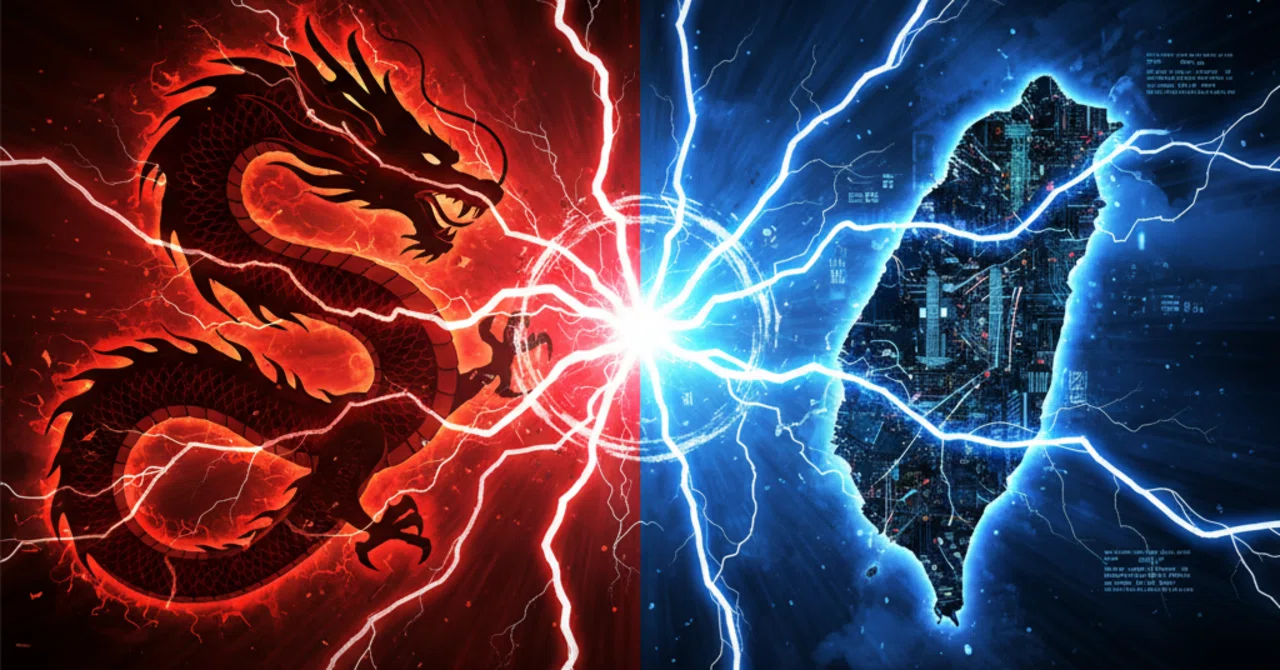
中国が台湾を支配したことは一度もない──知られざる76年の真実

中国は「台湾は中華人民共和国の領土の不可分の一部」と主張し続けていますが、この主張は本当に正しいのでしょうか?2025年11月、日本の高市早苗首相の台湾有事に関する国会答弁をきっかけに、日中関係が急速に悪化しました。中国は「一つの中国」原則に反すると激しく批判しましたが、実はこの「一つの中国」という概念自体、多くの人が思っているほど単純ではないんです。今回は、台湾が中国の一部であるという主張に疑問を投げかけ、様々な角度から台湾問題の本質に迫ってみたいと思います。
歴史的視点:台湾は本当に「ずっと中国だった」のか?

よく中国は「台湾は古来より中国の領土だった」と主張しますが、歴史を詳しく見ると、そう単純な話ではありません。確かに清朝時代に台湾は中国の統治下にありましたが、1895年の日清戦争の結果、台湾は日本に割譲され、50年間日本の統治下にありました。
第二次世界大戦後、ポツダム宣言とカイロ宣言に基づいて台湾は「中華民国」に返還されましたが、ここがポイントです。返還されたのは「中華民国」であって、1949年に成立した「中華人民共和国」ではないんです。1949年、国共内戦で敗れた国民党政権が台湾に移転し、以降、中華人民共和国は一度も台湾を実効支配したことがありません。
つまり、中華人民共和国にとって台湾は「失った領土を取り戻す」というより、「一度も統治したことのない土地を統一したい」というのが実態なんです。これって「古来より中国の一部」という主張と矛盾しませんか?
法的・国際関係の視点:「一つの中国」の真実

ここで最も重要なのが、多くの国が誤解している「一つの中国」原則についてです。実は、日本は中国が主張する「台湾は中華人民共和国の一部である」という立場を一度も正式に受け入れていません。
1972年の日中共同声明で、日本は中国の立場を「十分理解し、尊重する」と述べただけで、「承認する」「同意する」とは言っていないんです。この微妙な表現の違いには深い意味があります。1973年に大平外務大臣は「台湾問題は基本的には中国の国内問題」と述べましたが、この「基本的には」という言葉の背景には重要な意図がありました。当時の日中国交正常化交渉の責任者だった栗山尚一氏(後の駐米大使)は、「中国が武力によって台湾を統一しようとする場合には、これは国内問題というわけにはいかない」と解説しており、日本政府は武力統一の場合は「立場を留保する」という方針でした。
さらに興味深いのは、アメリカも同様に中国の立場を「acknowledge(認知する)」とだけ表現し、「recognize(承認する)」という言葉を避けています。つまり、主要国は「中国がそう主張していることは知っているよ」と言っているだけで、その主張を正しいと認めたわけではないんです。
中国は近年、各国の「一つの中国」の立場を「一つの中国原則」と同一視することで、国際的に広く支持されているように見せかけているという指摘もあります。これは意図的な言葉のすり替えと言えるでしょう。
政治・実効支配の視点:台湾は独立した政治体である

現実を見てみましょう。台湾は事実上、完全に独立した政治体として機能しています。独自の政府、議会、軍隊、通貨、パスポート、そして民主的な選挙制度を持っています。台湾の人々は中華人民共和国の法律に従っていませんし、中国共産党の支配も受けていません。
台湾の総統は台湾の人々によって民主的に選ばれ、中国政府の承認や任命は一切必要ありません。台湾は独自の外交政策を持ち、独自の国際貿易を行い、独自の経済システムを運営しています。これらは全て、主権国家の特徴そのものです。
中国は「台湾を統治する権利がある」と主張しますが、権利と実態は別物です。中華人民共和国は建国以来76年間、一日たりとも台湾を実効支配したことがありません。実効支配のない領土主張を国際法上どう正当化できるのでしょうか?
国際社会の視点:変化する世界の認識
確かに、国連では1971年に中華人民共和国が「中国の代表権」を獲得し、中華民国(台湾)は議席を失いました。しかし、これは「中華人民共和国が台湾を代表する」という意味ではなく、「中国を代表する正統政府は中華人民共和国である」という意味でした。
現在、台湾を国家として正式に承認している国は少数ですが、これは中国の経済力と外交圧力の結果であって、台湾の実態を反映したものではありません。実際、多くの国が台湾との「非公式な関係」を維持し、経済・文化交流を活発に行っています。
特に注目すべきは、近年の国際世論の変化です。中国の軍事的威嚇が強まるにつれ、台湾の民主主義と自由を守るべきだという声が欧米を中心に高まっています。2025年には日本の高市首相が台湾有事を「存立危機事態」になり得ると発言し、中国が激しく反発しましたが、これは日本を含む国際社会が台湾問題を「中国の内政問題」としてだけでは見なくなってきたことを示しています。
民主主義と人権の視点:台湾人の意思を無視していいのか?

ここで最も重要な問いを投げかけたいと思います。台湾の2300万人の人々の意思は、この議論でどこに位置づけられるのでしょうか?
台湾は活気ある民主主義社会で、言論の自由、集会の自由、報道の自由が保障されています。一方、中国は一党独裁体制で、これらの自由が厳しく制限されています。
台湾住民の最新世論調査が示す真実
台湾の人々は実際にどう考えているのでしょうか?2025年11月に発表された台湾民意基金会の世論調査によると、44.3%が台湾独立を支持し、24.6%が現状維持を支持、13.9%が統一を支持しています。同基金会の董事長、游盈隆氏は「将来の台湾独立を期待していることがはっきりと台湾の主流民意である」と分析しています。
ただし注目すべきは、調査の質問の仕方によって数字が変わることです。台湾の大手紙「聯合報」の過去10年間(2013-22年)の世論調査平均では、独立支持30.2%、現状維持支持49.8%、統一支持14.3%となっています。政治大学選挙研究センターの調査では、現時点あるいは永遠に両岸関係の「現状維持」を望む見方が6割を占め、「台湾独立」という意見は5%にも満たないという結果も出ています。
この数字の違いは何を意味するのでしょうか?「今すぐ独立」と「将来的な独立」、そして「現状維持(事実上の独立継続)」を区別する必要があります。重要なのは、どの調査でも中国との統一を支持する人は20%未満の少数派であり、70〜80%以上の台湾住民が何らかの形で中国からの独立または距離を維持することを望んでいるという点です。
もし台湾が「中国の一部」であるなら、なぜ台湾の人々の意思が全く考慮されないのでしょうか?現代の国際社会において、人々の自己決定権は基本的人権として認められています。台湾の人々が「私たちは中国の一部ではない」と考え、独自の政治システムを選択しているのに、それを外部から「お前たちは中国の一部だ」と強制することは、民主主義と人権の原則に反していませんか?
経済的視点:依存関係は領土主張を正当化するか?

中国は台湾との経済的結びつきを強調し、「一体不可分」だと主張します。確かに、台湾と中国の間には密接な経済関係があります。しかし、経済的依存関係は領土主張を正当化する根拠になるでしょうか?
カナダはアメリカと密接な経済関係にあるからといって、アメリカの一部になりますか?メキシコは?答えは明らかにノーです。経済的相互依存と政治的主権は全く別の問題です。
むしろ注目すべきは、台湾が世界経済において独自の重要な役割を果たしているという事実です。特に半導体産業において、台湾は世界のサプライチェーンで不可欠な位置を占めています。台湾は独自の貿易政策を持ち、独自に国際的なビジネスを展開し、中国とは別の経済主体として機能しています。
軍事的視点:力による現状変更は正当化されるのか?

中国は台湾に対して武力行使も辞さないという姿勢を明確にしています。習近平体制下で、この脅迫はさらに強まっています。しかし、武力による現状変更は現代の国際秩序において明確に禁じられています。
中国は「内政問題だから武力行使も中国の権利」と主張しますが、これは危険な論理です。もしこれが認められるなら、どの国も「あの土地は歴史的に我が国のものだった」と主張して武力攻撃することが正当化されてしまいます。
日本の高市首相が台湾有事を「存立危機事態」になり得ると述べたのは、まさにこの点を指摘しているんです。台湾への武力攻撃は、もはや「中国の内政問題」では済まされない国際的な危機だということです。
国際法の視点:領土主張の根拠を検証する

国際法の観点から見ると、中国の台湾に対する領土主張には重大な問題があります。国際法上、領土主権を主張するには、歴史的権原だけでなく実効支配が重要な要素となります。
中華人民共和国は一度も台湾を実効支配したことがなく、台湾の政府、法律、司法に何の影響力も持っていません。一方、台湾(中華民国)は1945年から現在まで80年間、台湾を継続的に実効支配してきました。
さらに、カイロ宣言やポツダム宣言で台湾が返還されたのは「中華民国」であって、1949年に建国された「中華人民共和国」ではありません。中国は「中華民国の継承国家」と主張しますが、台湾の中華民国政府は現在も存続しており、継承という概念自体が成立しません。
国際法学者が認める台湾の「自決権」
国際法学者の視点から見ると、台湾には重要な権利が認められています。国際法学者の伊藤一頼氏は、台湾が主張しうる国際法上の権利として「自決権」を挙げています。
自決権の法的基盤は、国連憲章1条2項に規定された「人民の同権及び自決の原則」であり、そこでの権利主体は「人民(people)」です。仮に台湾が国家の地位を持たなくとも、その住民が人民に該当すれば自決権の主体となることができるんです。
さらに重要なのは、「人民から自決権・自由・独立を奪ういかなる強制的な行為をとることも禁じており、台湾は武力行使禁止原則による保護を、事実上の統治体としてのみならず、自決権の主体という形でも受けることができる」という指摘です。
つまり、国際法の観点からも、台湾の人々には自己の将来を決定する権利があり、中国が武力でそれを奪うことは国際法違反となる可能性が高いということです。
他の事例から学ぶ:コソボと南スーダンの教訓
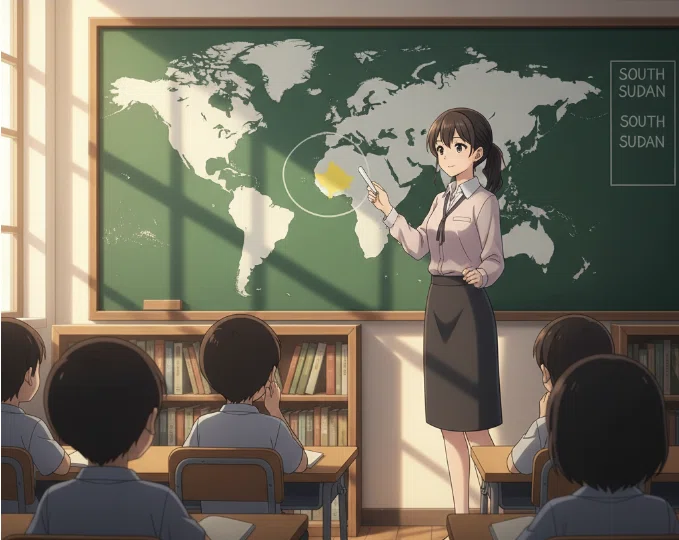
台湾問題を理解する上で、他の類似事例を見ることも重要です。特にコソボと南スーダンの事例は、現代の国際社会における国家承認と実効支配の関係を示す興味深い例です。
コソボの事例:独立宣言は国際法違反ではない
コソボは1999年にNATOのセルビア空爆によって強制的にセルビアから分離され、2008年2月17日に独立を宣言しました。セルビアとロシアはこれに憤慨し、国連総会は国際司法裁判所に勧告的意見を求めました。
ところが、国際司法裁判所は2010年7月、「独立宣言を一般に違法とする国際法はなく、したがってコソボの独立宣言は国際法違反とは言えない」との意見を提示しました。現在、国連加盟国の過半数がコソボを承認しています。
これは何を意味するのでしょうか?実効支配している政治体が独立を宣言すること自体は、国際法違反ではないということです。もちろん、コソボのケースには複雑な背景がありますが、台湾は既に76年間独立して機能しており、コソボよりもはるかに強固な実効支配の実績を持っています。
南スーダンの事例:住民投票による平和的分離独立
南スーダンは2011年に住民投票を経て、スーダンから分離独立しました。これは「脱植民地化後の一方的分離独立」の事例として国際法学で研究されています。
南スーダンのケースは、人々の自決権が国際的に尊重され、平和的な方法で独立が達成された例です。台湾の場合、既に事実上の独立状態が76年間続いており、台湾の人々の多数が中国との統一を望んでいないという点で、南スーダンよりも独立の正当性が高いとも言えます。
台湾とこれらの事例の違い
もちろん、台湾の状況はコソボや南スーダンとは異なります。しかし、これらの事例が示しているのは、実効支配の実態と住民の意思が国際社会において重要視されるということです。台湾は76年間の実効支配、民主的な統治、そして住民の圧倒的多数が統一を望んでいないという事実を持っており、国際法的にも倫理的にも、独立を維持する強固な根拠があると言えるでしょう。
国際社会の曖昧な対応がもたらす問題
多くの国が中国の経済力を恐れて台湾問題で明確な立場を取らないことが、この問題をさらに複雑にしています。中国は各国に対して「一つの中国」原則への支持を求める外交攻勢を強めており、多くの国が経済的利益のために曖昧な態度を取り続けています。
しかし、この曖昧さが中国の軍事的威嚇を助長しているという指摘もあります。もし国際社会が「台湾への武力攻撃は絶対に認めない」という明確なメッセージを送れば、中国の軍事的冒険主義を抑止できる可能性があります。
日本政府が1972年以来維持してきた「理解し尊重する」という曖昧な表現も、今日の状況変化を考えれば見直しの時期に来ているかもしれません。中国が武力行使を辞さない姿勢を明確にしている以上、半世紀前の「日中友好」時代の表現がまだ有効かどうか、真剣に検討すべきでしょう。
まとめ:台湾問題の本質は何か?
ここまで様々な角度から台湾問題を見てきましたが、一つの結論が見えてきます。「台湾は中国の一部である」という主張は、歴史的にも法的にも実態的にも、そして倫理的にも、多くの疑問符がつくということです。
中華人民共和国は台湾を一度も統治したことがない。台湾は76年間、独自の政府、法律、経済、社会を持って機能してきた。台湾の人々の70〜80%以上は中国との統一を望んでいない。国際社会の多くの国は中国の主張を「承認」していない。国際法学者は台湾の人々に自決権があると認めている。国際司法裁判所はコソボの事例で独立宣言を違法とする国際法はないと判断した。そして何より、武力による現状変更は現代の国際秩序において許されない。
これらの事実を総合すると、「台湾は中国の一部である」という主張は、中国共産党の政治的願望であって、客観的事実ではないと言わざるを得ません。
もちろん、この問題に簡単な答えはありません。複雑な歴史的経緯があり、様々な立場があり、強大な経済的・政治的利害が絡み合っています。しかし、だからこそ私たちは事実を直視し、多角的に考え、そして最も重要なこと―台湾の人々の意思と権利―を忘れてはいけないのではないでしょうか?
あなたはどう思いますか?台湾の未来は、誰が決めるべきだと思いますか?

参考記事・情報源
基本文献
【SPF China Observer】「一つの中国」とは
日本政府が「一つの中国」原則を実際には受け入れていない歴史的経緯を詳しく解説
日本国際問題研究所「台湾問題についての日本の立場-日中共同声明第三項の意味」
栗山尚一元駐米大使による日中国交正常化交渉の内幕
最新情勢
BBC「【解説】 高市首相の台湾をめぐる発言、なぜ中国を怒らせたのか」
2025年の高市首相発言と中国の反応を分析
日本経済新聞「『一つの中国』日本は認めている? 解釈の違い、日中対立」
日中間の「一つの中国」解釈の相違点を検証
世論調査データ
風傳媒「台湾民意基金会の世論調査」
2025年11月発表の最新世論調査(独立支持44.3%、現状維持24.6%、統一支持13.9%)
国際法の視点
「台湾に国際法の保護は及ぶ」伊藤一頼論文紹介
台湾の自決権と武力行使禁止原則による保護について
その他:
防衛研究所NIDSコメンタリー第327号
頼清徳政権の発足を受けた中国の対台湾政策の展望
これらの記事を読むことで、台湾問題の複雑さと、報道されない背景をさらに深く理解できるはずです。台湾の未来について、私たち一人ひとりが考え、議論していくことが大切ではないでしょうか。
一つの中国原則
中国政府(中華人民共和国)が主張する「台湾は中国本土の一部であり、中華人民共和国政府のみが全中国を代表する唯一の合法的政府である」とする原則のことです。中国はこの原則を他国との国交樹立の条件としていますが、この原則の解釈には国際的に議論があります。
一つの中国政策
日本やアメリカなど多くの西側諸国が採用している外交政策です。中国の「一つの中国」の主張を「理解し、尊重する」(日本)や「認知する」(アメリカ)などの表現にとどめ、台湾が中国の一部であることを必ずしも全面的に承認しているわけではないという立場を指します。原則と政策の違いは非常に重要です。
日中共同声明
1972年9月に日本と中華人民共和国が国交を正常化する際に署名した共同声明です。この声明の中で日本は中国の「一つの中国」の主張について「十分理解し、尊重する」と表明しましたが、台湾の帰属について最終的な法的判断(承認)を行わなかったという歴史的経緯があります。
実効支配
ある国や政府が、特定の領域において実際に統治権を行使している状態のことです。台湾(中華民国政府)は1949年以降、独自の政府、軍隊、通貨、法制度を持ち、台湾本島とその付属島嶼を実効支配し続けています。国際法において実効支配は国家の重要な要件の一つとされます。
自決権
ある集団(人民)が、他国からの干渉を受けることなく、自らの政治的地位や経済的・社会的・文化的発展を自由に決定する権利のことです。国連憲章や国際人権規約で認められており、台湾の人々が自分たちの将来(独立か、統一か、現状維持か)を決める権利があるという議論の根拠となります。
存立危機事態
2015年に成立した日本の平和安全法制(安保法制)で定義された事態の一つです。日本と密接な関係にある他国(例:アメリカ)に対する武力攻撃が発生し、それにより日本の存立が脅かされ、国民の生命や権利が根底から覆される明白な危険がある事態を指します。この認定がなされれば、集団的自衛権の行使が可能となります。
カイロ宣言
1943年にアメリカ、イギリス、中華民国の首脳が発表した宣言です。日本が盗取した地域(満州、台湾、澎湖諸島など)を中華民国に返還することなどが記されました。あくまで戦時中の連合国の意向を示した政治的宣言であり、法的拘束力を持つ条約ではないという議論もあります。
ポツダム宣言
1945年にアメリカ、イギリス、中華民国(後にソ連も参加)が日本に対して発した降伏勧告の宣言です。この中で「カイロ宣言の条項は履行されるべき」とされており、日本はこの宣言を受諾して降伏しました。
#台湾問題 #一つの中国 #台湾有事 #存立危機事態 #地政学
#東アジア #時事解説
China Has Never Ruled Taiwan: The Hidden Truth of 76 Years
December 3, 2025
China continues to insist that "Taiwan is an inseparable part of the People's Republic of China," but is this claim actually true? In November 2025, Japan-China relations rapidly deteriorated following Japanese Prime Minister Sanae Takaichi's parliamentary statement regarding a Taiwan contingency. China harshly criticized her remarks as violating the "One China" principle, but in reality, this concept of "One China" is far more complex than most people realize. In this article, we'll examine Taiwan's status from multiple perspectives and get to the heart of the Taiwan issue.
Table of Contents
Historical Perspective: Was Taiwan Really "Always Part of China"?
Legal and International Relations Perspective: The Truth Behind "One China"
Political Perspective: Taiwan Is an Independent Political Entity
International Community Perspective: The World's Changing Recognition
Democracy and Human Rights Perspective: Should the Will of Taiwanese People Be Ignored?
Economic Perspective: Does Economic Interdependence Justify Territorial Claims?
Military Perspective: Can Unilateral Force Be Justified?
International Law Perspective: Examining the Basis for Territorial Claims
Learning from Other Cases: Lessons from Kosovo and South Sudan
The Problem with the International Community's Ambiguous Response
Conclusion: What Is the Essence of the Taiwan Issue?
Historical Perspective: Was Taiwan Really "Always Part of China"?
China often claims that "Taiwan has been Chinese territory since ancient times," but a closer look at history reveals a more nuanced picture. While Taiwan was indeed under Qing Dynasty rule, following the First Sino-Japanese War in 1895, Taiwan was ceded to Japan and remained under Japanese governance for 50 years.
After World War II, Taiwan was returned to the "Republic of China" based on the Potsdam Declaration and Cairo Declaration—and this is the crucial point. It was returned to the "Republic of China," not the "People's Republic of China," which was established in 1949. When the Nationalist government retreated to Taiwan after losing the Chinese Civil War in 1949, the People's Republic of China had never exercised effective control over Taiwan—not even for a single day.
In other words, for the People's Republic of China, Taiwan is not about "reclaiming lost territory" but rather about "unifying a land it has never governed." Doesn't this contradict the claim that Taiwan has been "part of China since ancient times"?
Legal and International Relations Perspective: The Truth Behind "One China"
The most important point here is the widespread misunderstanding about the "One China" principle. In fact, Japan has never formally accepted China's position that "Taiwan is part of the People's Republic of China."
In the 1972 Japan-China Joint Communiqué, Japan stated that it "fully understands and respects" China's position—it did not say "recognizes" or "agrees with." This subtle difference in wording carries profound significance. In 1973, Foreign Minister Masayoshi Ohira stated that "the Taiwan issue is basically a domestic matter for China," but the word "basically" contained an important implication. Naohiro Kuriyama, who led Japan's normalization negotiations with China (and later became Ambassador to the United States), explained: "If China were to attempt to unify Taiwan by force, this could not be considered a domestic matter." Japan's policy was to "reserve its position" in the event of forcible unification.
Even more interesting is that the United States similarly chose to "acknowledge" China's position rather than "recognize" it. In other words, major nations are essentially saying, "We are aware that China makes this claim"—they have not acknowledged the claim as valid.
In recent years, China has been conflating various countries' "One China policies" with its own "One China Principle," creating the appearance of widespread international support. This appears to be a deliberate manipulation of terminology.
Political Perspective: Taiwan Is an Independent Political Entity
Let's look at the reality. Taiwan functions as a completely independent political entity in practice. It has its own government, parliament, military, currency, passport, and democratic electoral system. The Taiwanese people do not follow the laws of the People's Republic of China, nor are they under the rule of the Chinese Communist Party.
Taiwan's president is democratically elected by the Taiwanese people, requiring no approval or appointment from the Chinese government. Taiwan has its own foreign policy, conducts its own international trade, and operates its own economic system. These are all characteristics of a sovereign nation.
China claims it has "the right to govern Taiwan," but rights and reality are two different things. The People's Republic of China has not exercised effective control over Taiwan for even a single day in its 76-year history. How can a territorial claim without effective control be justified under international law?
International Community Perspective: The World's Changing Recognition
It's true that in 1971, the People's Republic of China gained China's seat at the United Nations, and the Republic of China (Taiwan) lost its membership. However, this meant "the People's Republic of China is the legitimate government representing China"—not that "the People's Republic of China represents Taiwan."
Currently, only a small number of countries formally recognize Taiwan as a nation, but this is the result of China's economic power and diplomatic pressure, not a reflection of Taiwan's actual status. In reality, many countries maintain "unofficial relations" with Taiwan and actively engage in economic and cultural exchanges.
Particularly noteworthy is the shift in international public opinion in recent years. As China's military threats have intensified, calls to protect Taiwan's democracy and freedom have grown stronger, especially in the West. In 2025, when Japanese Prime Minister Takaichi stated that a Taiwan contingency could constitute a "survival-threatening situation" for Japan, China reacted angrily—but this demonstrates that the international community, including Japan, no longer views the Taiwan issue solely as "China's internal affair."
Democracy and Human Rights Perspective: Should the Will of Taiwanese People Be Ignored?
Here, I want to pose the most important question: Where do the wishes of Taiwan's 23 million people fit into this discussion?
Taiwan is a vibrant democratic society where freedom of speech, freedom of assembly, and freedom of the press are guaranteed. China, by contrast, is a one-party authoritarian state where these freedoms are severely restricted.
What Recent Polls of Taiwanese Residents Reveal
What do the Taiwanese people actually think? According to a poll released by the Taiwanese Public Opinion Foundation in November 2025, 44.3% support Taiwan independence, 24.6% support maintaining the status quo, and 13.9% support unification. The foundation's chairman, You Ying-long, analyzed that "support for eventual Taiwan independence is clearly the mainstream public opinion in Taiwan."
However, it's important to note that the numbers vary depending on how questions are framed. The average of polls conducted by Taiwan's major newspaper United Daily News over the past decade (2013-2022) shows: 30.2% for independence, 49.8% for status quo, and 14.3% for unification. A survey by the Election Study Center at National Chengchi University found that about 60% prefer to maintain the "status quo" in cross-strait relations either now or indefinitely, with fewer than 5% supporting "Taiwan independence."
What explains these differences? We need to distinguish between "immediate independence," "eventual independence," and "maintaining the status quo (de facto continued independence)." The crucial point is that in every survey, fewer than 20% support unification with China, and 70-80% or more of Taiwanese residents want to maintain some form of independence or distance from China.
China claims that "Taiwan unification is the aspiration of the Chinese nation," but who speaks for the aspirations of the people living in Taiwan? The Taiwanese people exercise their right to choose their own government and determine their own future. Dismissing this as "China's internal affair" means ignoring the existence and will of 23 million people.
If Taiwan is "part of China," why is the will of the Taiwanese people completely disregarded? In the modern international community, the right to self-determination is recognized as a fundamental human right. When the Taiwanese people believe "we are not part of China" and have chosen their own political system, isn't forcing upon them from the outside that "you are part of China" a violation of democratic and human rights principles?
Economic Perspective: Does Economic Interdependence Justify Territorial Claims?
China emphasizes its economic ties with Taiwan, claiming they are "inseparable." Indeed, there are close economic relations between Taiwan and China. But can economic interdependence justify territorial claims?
Does Canada become part of the United States because of its close economic relationship with America? What about Mexico? The answer is clearly no. Economic interdependence and political sovereignty are entirely separate issues.
What's more noteworthy is that Taiwan plays its own crucial role in the global economy. Particularly in the semiconductor industry, Taiwan occupies an indispensable position in global supply chains. Taiwan has its own trade policies, conducts international business independently, and functions as an economic entity separate from China.
Military Perspective: Can Unilateral Force Be Justified?
China has made clear that it is willing to use military force against Taiwan. Under Xi Jinping's leadership, this threat has intensified. However, changing the status quo by force is explicitly prohibited in the modern international order.
China argues that "since this is an internal matter, military force is China's right," but this is dangerous logic. If this were accepted, any country could justify military attacks by claiming "that land was historically ours."
When Japanese Prime Minister Takaichi stated that a Taiwan contingency could constitute a "survival-threatening situation," she was making precisely this point. A military attack on Taiwan would no longer be merely "China's internal affair"—it would be an international crisis.
International Law Perspective: Examining the Basis for Territorial Claims
From an international law perspective, China's territorial claim over Taiwan has significant problems. Under international law, asserting territorial sovereignty requires not only historical title but also effective control as a crucial element.
The People's Republic of China has never exercised effective control over Taiwan and has no influence over Taiwan's government, laws, or judiciary. Meanwhile, Taiwan (the Republic of China) has continuously and effectively controlled Taiwan for 80 years since 1945.
Furthermore, the Cairo Declaration and Potsdam Declaration specified that Taiwan would be returned to the "Republic of China"—not the "People's Republic of China," which was founded in 1949. China claims to be the "successor state to the Republic of China," but the Republic of China government in Taiwan continues to exist, making the concept of succession inapplicable.
International Legal Scholars Recognize Taiwan's "Right to Self-Determination"
From international legal scholars' perspective, Taiwan possesses important rights. Legal scholar Kazuyori Ito has identified the "right to self-determination" as an international legal right that Taiwan can claim.
The legal basis for self-determination is the "principle of equal rights and self-determination of peoples" stipulated in Article 1, Paragraph 2 of the UN Charter, where the rights-holder is "peoples." Even if Taiwan does not have the status of a nation, its residents can become subjects of the right to self-determination if they qualify as "peoples."
Even more importantly, "any coercive action that would deprive peoples of their right to self-determination, freedom, and independence is prohibited, and Taiwan can receive protection under the principle prohibiting the use of force not only as a de facto governing entity but also as a subject of the right to self-determination."
In other words, from an international law perspective, the people of Taiwan have the right to determine their own future, and China's use of force to take that away would likely constitute a violation of international law.
Learning from Other Cases: Lessons from Kosovo and South Sudan
To understand the Taiwan issue, it's also important to examine similar cases. The cases of Kosovo and South Sudan, in particular, are interesting examples that demonstrate the relationship between state recognition and effective control in the modern international community.
The Kosovo Case: Independence Declarations Are Not Illegal Under International Law
Kosovo was forcibly separated from Serbia following NATO's bombing campaign in 1999 and declared independence on February 17, 2008. Serbia and Russia were outraged, and the UN General Assembly requested an advisory opinion from the International Court of Justice.
However, in July 2010, the International Court of Justice issued an opinion stating that "there is no international law that generally prohibits declarations of independence, and therefore Kosovo's declaration of independence cannot be said to violate international law." Today, a majority of UN member states recognize Kosovo.
What does this mean? Declaring independence by a political entity that exercises effective control is not, in itself, a violation of international law. Of course, the Kosovo case has its own complex background, but Taiwan has been functioning independently for 76 years and has a far more solid track record of effective control than Kosovo.
The South Sudan Case: Peaceful Separation Through Referendum
South Sudan separated from Sudan and became independent in 2011 following a referendum. This case is studied in international law as an example of "unilateral secession after decolonization."
The South Sudan case is an example where peoples' right to self-determination was internationally respected and independence was achieved through peaceful means. In Taiwan's case, the de facto state of independence has continued for 76 years, and the majority of Taiwanese do not want unification with China—arguably giving Taiwan an even stronger claim to independence than South Sudan.
The Differences Between Taiwan and These Cases
Of course, Taiwan's situation differs from Kosovo and South Sudan. However, what these cases demonstrate is that the reality of effective control and the will of the people are important factors in the international community. Taiwan has 76 years of effective control, democratic governance, and an overwhelming majority of residents who do not want unification—providing strong grounds, both legally and ethically, for maintaining independence.
The Problem with the International Community's Ambiguous Response
The fact that many countries, fearing China's economic power, refuse to take a clear stance on the Taiwan issue has only complicated matters further. China has intensified its diplomatic offensive, demanding that countries support its "One China Principle," and many countries continue to take ambiguous positions for the sake of economic interests.
However, some argue that this ambiguity is emboldening China's military threats. If the international community were to send a clear message that "a military attack on Taiwan will absolutely not be tolerated," it might be possible to deter China's military adventurism.
Japan's "understand and respect" phrasing, maintained since 1972, may also need to be reconsidered given today's changing circumstances. Given that China has made clear its willingness to use force, we should seriously consider whether expressions from the "Japan-China friendship" era half a century ago are still valid.
Conclusion: What Is the Essence of the Taiwan Issue?
Having examined the Taiwan issue from various angles, one conclusion becomes clear. The claim that "Taiwan is part of China" raises many questions—historically, legally, in terms of actual reality, and ethically.
The People's Republic of China has never governed Taiwan. Taiwan has functioned for 76 years with its own government, laws, economy, and society. More than 70-80% of Taiwanese people do not want unification with China. Many countries in the international community have not "recognized" China's claim. International legal scholars acknowledge that the Taiwanese people have the right to self-determination. The International Court of Justice ruled in the Kosovo case that there is no international law prohibiting declarations of independence. And above all, changing the status quo by force is not permitted in the modern international order.
Considering all these facts, the claim that "Taiwan is part of China" must be seen as the political aspiration of the Chinese Communist Party, not an objective fact.
Of course, there is no simple answer to this issue. There are complex historical circumstances, various positions, and powerful economic and political interests at stake. But precisely because of this, shouldn't we face the facts squarely, think from multiple perspectives, and never forget what matters most—the will and rights of the Taiwanese people?
What do you think? Who should decide Taiwan's future?
Glossary
One China Principle: China's position that "Taiwan is an inseparable part of the People's Republic of China"
One China Policy: The position adopted by countries like Japan and the U.S., which "acknowledge" or "understand and respect" China's claim without formally "recognizing" it
Japan-China Joint Communiqué: The joint statement issued when Japan and China normalized diplomatic relations in 1972
Effective Control: The actual governance and administration of a territory; an important basis for territorial sovereignty under international law
Right to Self-Determination: The right of peoples to determine their own political status; recognized under the UN Charter
Survival-Threatening Situation: Under Japan's security legislation, a situation where an armed attack on a country closely related to Japan threatens Japan's survival; enables the exercise of collective self-defense
Cairo Declaration: The 1943 Allied statement regarding Japan, which specified that Taiwan would be returned to the Republic of China
Potsdam Declaration: The 1945 surrender ultimatum to Japan, which required implementation of the Cairo Declaration
References
SPF China Observer, "What is 'One China'?" (December 2025)
Japan Institute of International Affairs, "Japan's Position on the Taiwan Issue: The Meaning of Article 3 of the Japan-China Joint Communiqué"
BBC, "Explainer: Why Prime Minister Takaichi's Remarks on Taiwan Angered China"
Nikkei, "Does Japan Recognize 'One China'? The Difference in Interpretation at the Root of Japan-China Conflict"
Taiwan Foundation for Democracy, Public Opinion Survey (November 2025)
"International Legal Protection for Taiwan" by Kazuyori Ito
National Institute for Defense Studies Commentary No. 327
#TaiwanIssue #OneChina #TaiwanContingency #InternationalRelations #Geopolitics #EastAsia #CurrentAffairs
