
【日本語を学ぶインドの学生】サクシさんが語る”言葉がつなぐ日印の架け橋”

「日本語は、私にとって“言葉”以上の存在です。文化や人をつなぐ“架け橋”なんです。」
そう語るのは、デリーの大学で日本語を学ぶ学生、サクシ(Sakshi)さん。
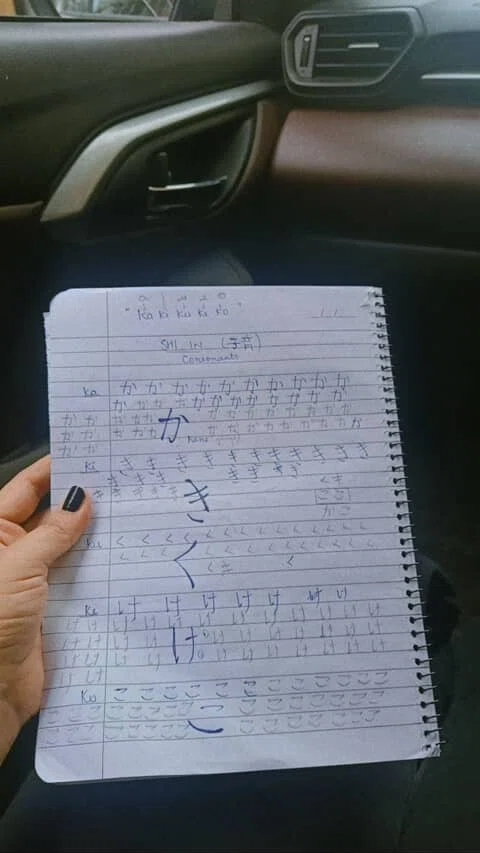
大学の授業の一環として日本語を学び始めて1年あまり、今では日本語能力試験(JLPT)N4に合格するまでに成長しました。
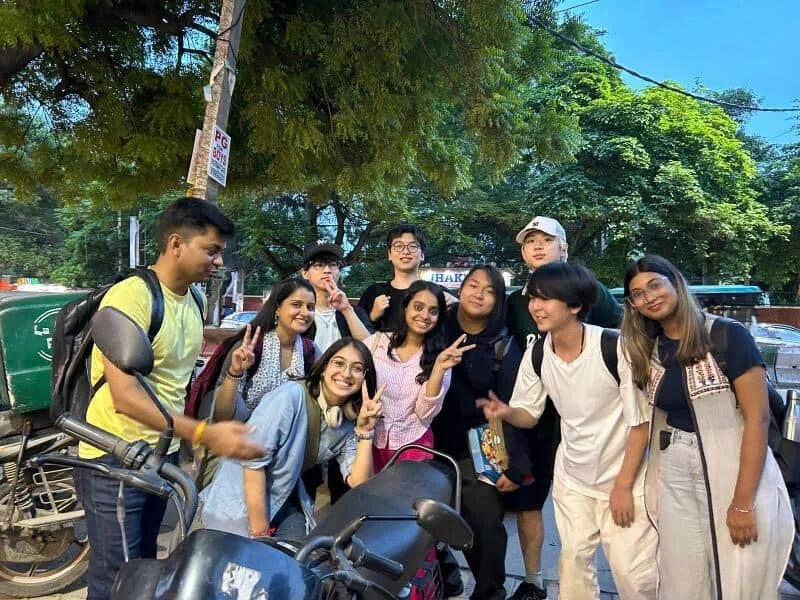
彼女の学びの原点には、2人の先生との出会いがあります。ナビン・パンダ先生と、日本人講師の加藤かすみ先生。授業は、ひらがな・カタカナといった基礎から始まりましたが、単に文法を教えるだけでなく、その言葉の背景にある「文化・価値観・考え方」までも伝えてくれたといいます。
サクシ👩:加藤先生は、いつも授業を楽しく、実践的にしてくれました。会話練習や文化的なロールプレイなど、教室の中で“日本語を使う”時間がたくさんありました。おかげで、日本語の文法だけでなく、その“心”にも惹かれるようになったんです。
JLPT合格と、人との出会いがくれた自信
1年間の学習を経て、日本語能力試験N4に合格したサクシさん。
「最初は“あいうえお”も難しかったのに」と振り返ります。
それでも、学びを続ける原動力になったのは、試験の結果ではなく“人との出会い”でした。
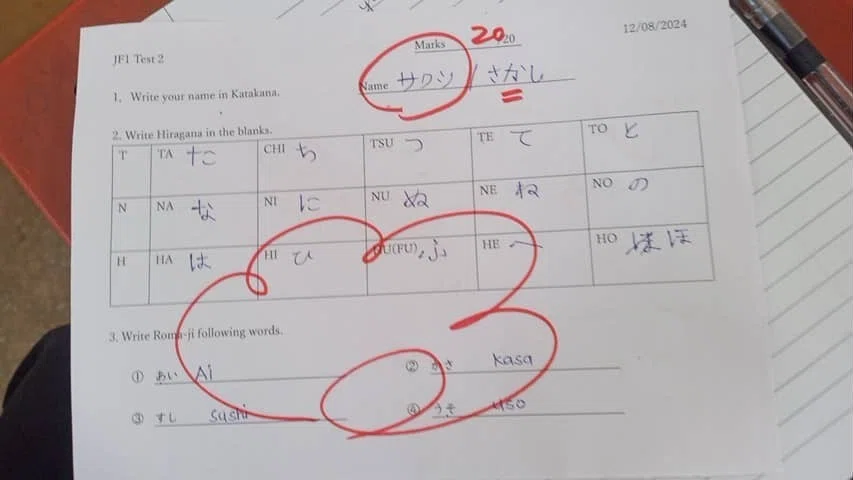
サクシ👩:昨年、埼玉県の大東文化大学の学生たちとの言語交換プログラムに参加する機会がありました。レンキさんという日本人学生がとても明るくて(日本語で言うと“めっちゃ明るい”ですね笑)、日本語がうまく話せなかった私にも、優しく接してくれました。その時、言葉は単なるコミュニケーションの道具ではなく、“心をつなぐもの”なんだと実感しました。
日本文化イベントで感じた“あたたかさ”
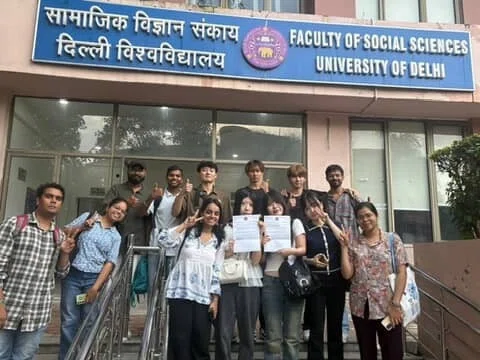
学びが進むにつれ、サクシさんは日本文化にも強く惹かれるようになりました。「Konnichiwa Japan」というイベントに参加したとき、ミサトさんという日本人女性と出会い、美しい書道セットをプレゼントされたことが忘れられないといいます。
「その贈り物には、日本人の思いやりや優しさが込められていました。日本人の礼儀正しさや謙虚さ、誠実さに触れるたびに感動します。日本語を学ぶことは、そうした価値観を学ぶことでもあるんです。」
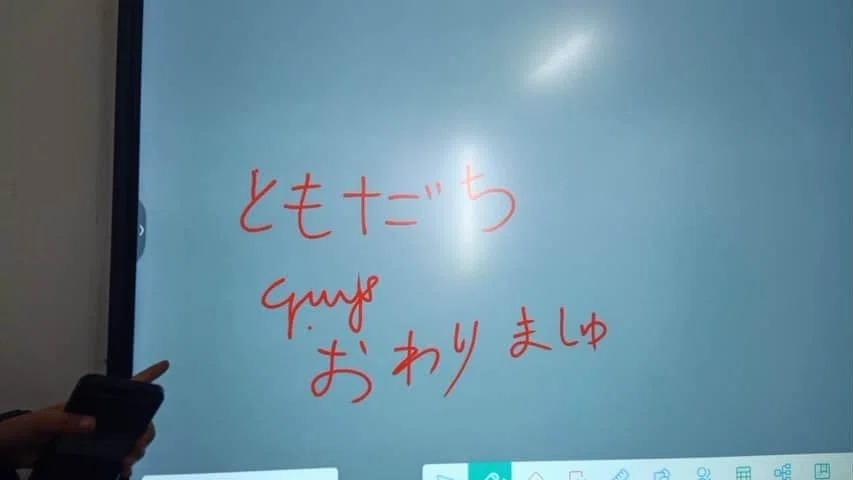
日本語を学んで見えてきた「自分の文化」
現在は学習2年目。文法や語彙に加えて、日本社会や伝統、行動様式への理解も深めています。大東文化大学の学生たちとは今年も再会し、ヒンディー語と日本語を教え合う関係を続けています。
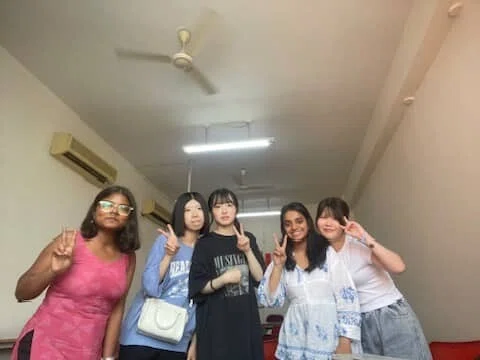
サクシ👩:彼らは少しシャイですが、私はかなりおしゃべりなタイプ(笑)。だから会話のバランスが取れていて楽しいです。日本語を教えてもらう一方で、私もヒンディー語を教える。お互いの文化を学び合える時間は本当に貴重です。
そんな中で、サクシさんは意外な発見もしたそうです。
サクシ👩:日本語を学ぶことで、自分の母語であるヒンディー語やインドの文化にも興味を持つようになりました。言語と文化は表裏一体。日本語を通して、自分自身のルーツも再発見できた気がします。
広がる日本語学習の輪
近年、デリー、プネー、バンガロールなど都市部を中心に、日本語を学ぶインド人学生が急増しています。アニメやJ-POPなどポップカルチャーの影響も大きく、さらには日本企業で働くことを目指す学生も増えています。
高齢化が進む日本では、外国人の専門人材への需要が高まり、日本語を話せるインド人への期待も大きくなっています。
「日本で働きたい」「日本と関わる仕事をしたい」そんな夢を持つ学生が年々増えています。
サクシさんもその一人。将来は日本で働き、日印の懸け橋になることを目標にしています。
日本語がくれたもの“未来への鍵”
「日本語は、私にとって未来への鍵です。言葉を通して世界とつながり、人と心を通わせることができる。日本語を学ぶことが、私の人生の一部になりました。」
現在、サクシさんはInstagramで日本文化を紹介するページも運営しています。日本語の学習法や文化情報を発信しながら、「もっと多くの人に日本を知ってもらいたい」と話します。
「授業も、先生も、出会った日本の人たちも、すべてが私の学びを支えてくれました。これからも日本語を通して、人と文化をつなぐ活動を続けていきたいです。」
📍編集後記|インド留学サポートより
サクシさんの物語は、言語の学びが“文化の理解”へと広がる素敵な学びの実体験ですね。日本語を通じて出会い、感じ、つながる、その過程こそが、グローバル時代に生きる若者にとって最も大切な学びなのかもしれません。
Below is the original English version written by Sakshi-san.
Why Indians Are Learning Japanese: Through the Experience of Sakshi
My name is Sakshi, and I began learning Japanese last year as part of my university curriculum. My journey with the language started with two amazing teachers — Mr. Nabin Panda and Ms. Kato Kasumi, a native Japanese speaker. They introduced us to the basics of Japanese, starting with hiragana and katakana. But what made this experience truly memorable was how they taught not just the *language*, but also the *culture, values, and mindset* behind it.
Kasumi-sensei, in particular, made every effort to keep our learning fun and engaging. She used different classroom activities to get us speaking Japanese confidently. From simple dialogues to cultural roleplays, we were encouraged to *use* the language rather than just memorize it. Her way of teaching helped me fall in love not just with the structure of Japanese, but with its *spirit*.
Over time, my confidence grew, and now, after a year of consistent study, I’ve cleared the JLPT N4 — the Japanese Language Proficiency Test, which is an internationally recognized exam for non-native speakers. Passing it felt like a big milestone, and it reminded me of how far I’ve come from those first few weeks of struggling with kana.
What keeps me going, beyond exams or grades, is the people. Meeting Japanese individuals in India has become one of the most motivating parts of my learning experience. Last year, I had the opportunity to participate in a language exchange program with students from Daito Bunka University in Saitama, Japan. I still remember Renki-san, one of the exchange students — he was super cheerful (or as we’d say in Japanese, *meccha akarui*). Although I couldn’t speak much Japanese at that time, he and the other students were patient, kind, and always encouraging. That experience made me realize how language isn’t just about communication — it’s about connection.
Since then, I’ve made an effort to attend various Japanese cultural events in India. One of the most memorable was an event called *Konnichiwa Japan* held in Saket. There, I met Misato-san, another extroverted and incredibly kind Japanese person. She even gifted me a beautiful set of Japanese calligraphy and paints. Small acts like this leave a lasting impression. They reflect the warmth and generosity that I’ve experienced time and time again from Japanese people. Their politeness, humility, and sincerity inspire me — and I feel grateful to be learning a language that carries such values.
Now in my second year of learning, I continue to deepen my understanding not just of grammar or vocabulary, but of Japanese society, traditions, and behavior. The students from Daito Bunka University have returned again this year, and even though most of them are around 19 and I’m 23, we still have a great time. They’re quite shy, but I’m very extroverted, so I think that balances out the conversations. We learn from each other in every interaction. Interestingly, they’re also learning Hindi — so teaching them a few Hindi phrases while they help me with Japanese creates a beautiful, mutual exchange of culture and language.
But I’m not the only one on this journey. Many Indians, especially in cities like Delhi, Pune, and Bangalore, are now learning Japanese. Some are inspired by anime and Japanese pop culture, others by career opportunities in Japanese companies both in India and abroad. For many, including myself, the ultimate goal is to work in Japan or within a Japan-related field. With Japan’s aging population and its growing interest in skilled foreign professionals, the demand for Japanese-speaking talent from India is increasing — and I believe this trend will only grow in the future.
What’s more, learning Japanese has unexpectedly taught me something else — the importance of my own mother tongue. As I explore how language is deeply tied to culture, I’ve started reflecting more on Hindi and Indian traditions too. In a way, learning Japanese has helped me reconnect with my own identity.
I also run a small Instagram page where I share bits of Japanese culture with Indian audiences. From language tips to cultural facts and event updates, my aim is to bring the two cultures closer together. It makes me happy to see more people becoming curious about Japan and eager to learn more — whether it’s the language, the food, the etiquette, or even the writing system.
Through everything — my classes, my teachers, the exchange students, and cultural events — I’ve come to truly love the Japanese language and the people who speak it. I dream of one day going to Japan, working in a Japanese company, and continuing to build bridges between our two cultures.
Japanese is more than just a language for me now — it’s a path, a connection, and a passion that I want to carry with me wherever I go.
