
My Shakespeare Play Critique Series No.14: “King Henry IV Part 2 ーThe Changing Times and Sorrow Depicted in Prose Poetryー

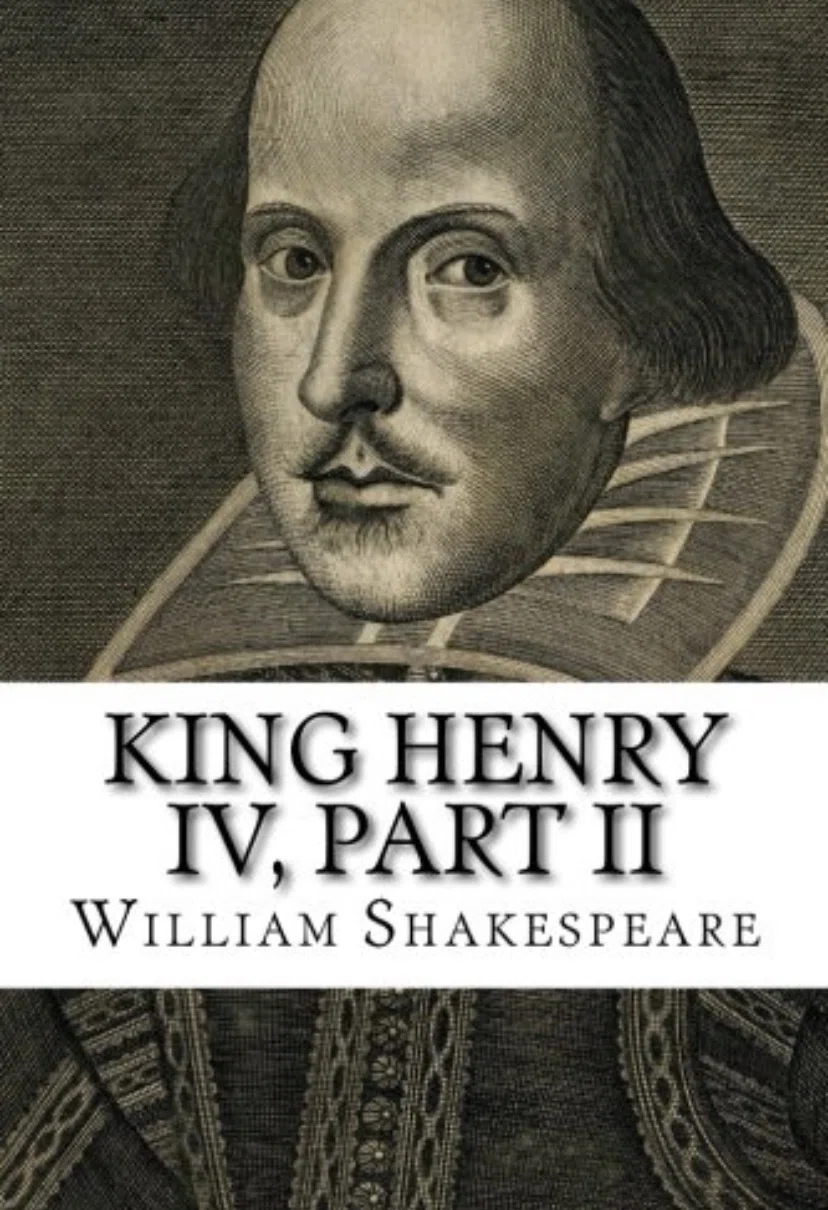
In Part II, rather than the dazzling wordplay of Part I, this restrained rhythm evoking the 'twilight of life' that resonates deeply. With each beat of the words, the process by which vitality drains from the heroes of old and converges into a cold, calculated national order is conveyed with musical beauty. In stark contrast to the exhilaration of Part I, this work is suffused with a melancholy of ageing, illness, and the 'transition of the times'. I shall cite two passages of masterful prose where the blank verse accentuates its psychological depth.
Henry IV's Soliloquy (Act III, Scene I) : "Uneasy lies the head that wears a crown."
The scene depicts a king troubled by insomnia, envying the peaceful slumber of the poor common folk. The regular rhythm of the weak-strong five-beat pattern paradoxically emphasises the inescapable weight of royal authority and the oppressive heaviness akin to footsteps drawing ever closer to death. "Thy wish was father, Harry, to that thought." These are words of admonishment for the son who feigned death to carry off the crown. The personification of 'wish' as the 'father' of 'thought', set to rhythm, carries profound irony and sorrow.
【日本語訳】
第2部では、第1部の眩いばかりの言葉遊びとは対照的に、「人生の黄昏」を彷彿とさせるこの抑制の効いたリズムが、深く心に響く。言葉の一つひとつの拍子とともに、かつての英雄たちから活力が失われ、冷徹で計算尽くされた国家秩序へと収束していく過程が、音楽的な美しさをもって描かれている。第1部の高揚感とは対照的に、この作品は老い、病、そして「時代の移ろい」による哀愁に満ちている。ここでは、無韻詩がその心理的深みを際立たせている、見事な散文の一節を引用したい。
ヘンリー4世の独白(第3幕第1場) : 「王冠を戴く者の頭は安らかには休まぬ。」
この場面は、不眠に悩まされ、貧しい庶民の安らかな眠りを羨む王を描いている。弱強の5拍子という規則的なリズムは、皮肉にも王権の逃れようのない重みと、死へと刻一刻と近づく足音のような抑圧的な重さを強調している。「ハリーよ、その考えの父は、汝の願いであった。」これは、王冠を手に入れるために死を装った息子への戒めの言葉である。「願い」を「思考」の「父」として擬人化し、リズムに乗せたこの表現には、深い皮肉と悲しみが込められている。
