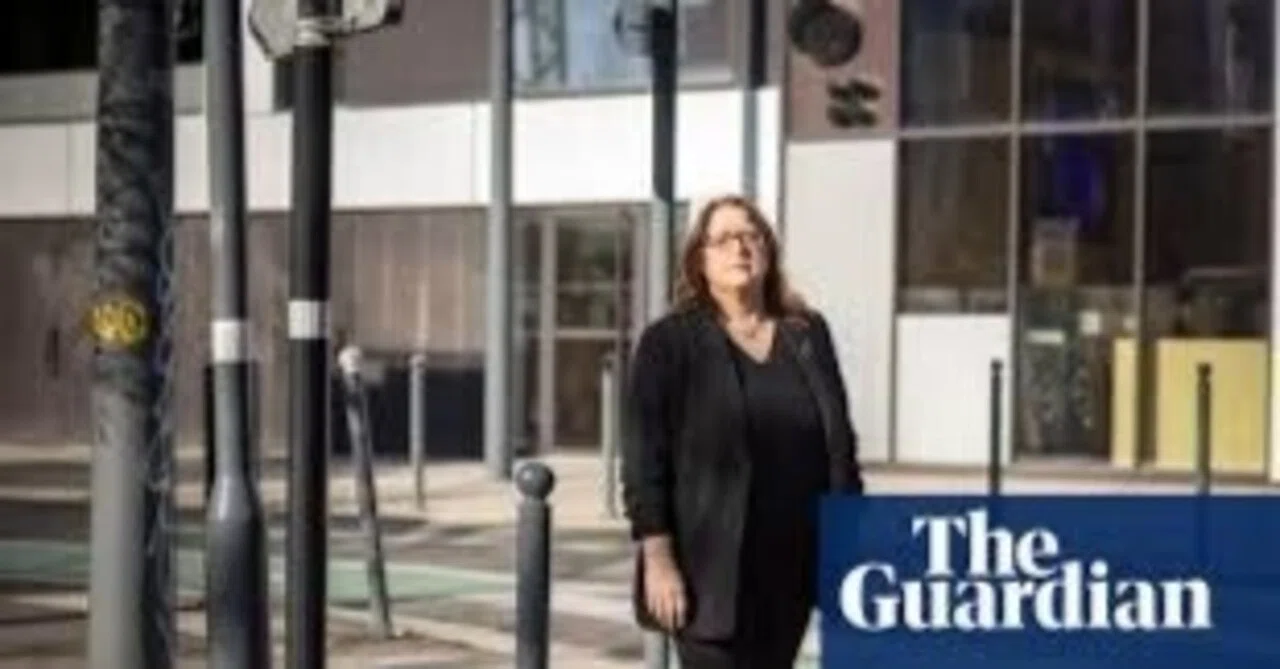
「こんな攻撃があることすら知らなかった」:200人以上の女性がフランスの高官による薬物使用を訴える The Guardian 2025/11/26

ペリコット裁判を彷彿とさせる事件で、数十人の女性が、排尿を促すために利尿剤を混ぜた熱い飲み物を飲まされたと主張している。そのうち3人がここで証言している。
In a case echoing the Pelicot trial, dozens of women allege they were given hot drinks mixed with a diuretic to make them urinate. Three of them speak out here
リール出身のマーケティング専門家、シルヴィ・デルゼンヌさんは2015年、就職活動をしていた時、LinkedInでフランス文化省の人事部長から連絡を受け、パリでの面接に招待された。彼女は喜びに溢れた。
When Sylvie Delezenne, a marketing expert from Lille, was job-hunting in 2015, she was delighted to be contacted on LinkedIn by a human resources manager at the French culture ministry, inviting her to Paris for an interview.
「文化省で働くことが夢でした」と彼女は語る。
“It was my dream to work at the culture ministry,” she said.
しかし、就職活動は叶わず、45歳のデルゼンヌさんは今、就職面接という、まさか標的にされるとは思ってもみなかった場所で、女性たちに無断で薬物を投与した疑いで刑事捜査の中心に立つ240人以上の女性のうちの一人となった。
But instead of finding a job, Delezenne, 45, is now one of more than 240 women at the centre of a criminal investigation into the alleged drugging of women without their knowledge in a place they never expected to be targeted: a job interview.
捜査判事は、9年間にわたり、クリスチャン・ネグレという上級公務員が面接に訪れた数十人の女性に対し、強力な違法利尿剤を混ぜたコーヒーや紅茶を勧めていたという疑惑を捜査している。ネグレは、女性が排尿を促されることを承知の上だった。
An investigating judge is examining allegations that, over a nine-year period, dozens of women interviewed for jobs by a senior civil servant, Christian Nègre, were offered coffees or teas by him that had been mixed with a powerful and illegal diuretic, which he knew would make them need to urinate.
女性たちによると、ネグレは面接を屋外で続けるよう、トイレから遠く離れた長い散歩をしながら続けることをしばしば提案したという。多くの女性が、トイレに行きたくてたまらず、気分が悪化したことを記憶している。中には、絶望のあまり、人前で排尿したり、トイレに間に合わず服を濡らしてしまったりしたという女性もいる。中には、人生に影響を与えるほどの羞恥心や挫折感を味わった女性もいるという。
Nègre often suggested continuing the interviews outside, on lengthy strolls far from toilets, the women say. Many of the women recall struggling with the need to go to the toilet and feeling increasingly ill. Some, in desperation, say they urinated in public, or didn’t reach a bathroom in time, wetting their clothes. Some felt a sense of shame and failure that has had an impact on their lives, they say.
「当時は、このような暴行が存在することすら知りませんでした」とデレゼンヌ氏は語った。
“At the time, I didn’t even know this type of attack existed,” Delezenne said.
この暴行疑惑は2018年に発覚した。同僚がネグレ容疑者が高官の脚を撮影しようとしたと通報したことがきっかけとなり、警察は捜査を開始した。警察は「実験」と題されたコンピューターのスプレッドシートを発見した。そこには、ネグレ容疑者が薬物を投与した時間と女性たちの反応を記録していたとされている。
The alleged assaults came to light in 2018, after a colleague reported Nègre allegedly attempting to photograph the legs of a senior official, prompting police to open an investigation. Officers found a computer spreadsheet titled “Experiments”, where he had allegedly noted the times of druggings and the women’s reactions.
2019年、省庁と公務員職から外されたネグレ氏は、薬物使用から性的暴行まで、複数の容疑で正式な捜査を受けました。弁護士のヴァネッサ・スタイン氏は、捜査が続く間はコメントを控えると述べました。ネグレ氏は裁判を待つ間も、民間部門で仕事を続けることができました。
In 2019, removed from the ministry and the civil service, Nègre was placed under formal investigation on several charges ranging from drugging to sexual assault. His lawyer, Vanessa Stein, said he would not comment while the investigation continues. Awaiting trial, Nègre has been able to continue working in the private sector.
複数の女性の弁護士であるルイーズ・ベリオ氏は、薬物使用疑惑について次のように述べています。「これは、性的幻想を口実に、女性の身体に対する権力と支配…屈辱と支配を通して行われたものです。」
Louise Beriot, a lawyer for several of the women, said of the alleged druggings: “Under the pretext of a sexual fantasy, this is about power and domination over women’s bodies … through humiliation and control.”
6年経った今、この事件はフランスにおいて、薬物を媒介とした虐待、すなわち「ケミカル・サブミッション」に光を当てる新たな事例となった。この用語が広く知られるようになったのは昨年、ジゼル・ペリコが、元夫に薬物を投与されて意識を失わせた後、レイプ罪で有罪判決を受けた数十人の男たちの裁判で匿名を放棄した時だった。
Six years on, the case is the latest in France to cast a spotlight on drug-facilitated abuse, known in the country as “chemical submission”. The term became prominent last year when Gisèle Pelicot waived her anonymity in the trial of dozens of men who were found guilty of raping her after she had been drugged unconscious by her ex-husband.
しかし、就職面接薬物使用事件の捜査に関わった複数の女性は、裁判が始まるまであまりにも長い年月がかかり、トラウマが増すばかりだと訴えた。「6年経った今もまだ裁判を待っているなんて、本当に気が狂いそうです」と、エミリーという仮名で知られる女性の一人は語った。「時間がかかりすぎます。司法手続きは、癒しよりもトラウマをもたらしています。司法とは本来そういうものではありません」
But several women in the job interview drugging investigation said their case was taking too many years to come to trial, only increasing their trauma. “Six years later, we’re still waiting for a trial, which is mind-blowing,” said one of the women, known by the pseudonym Émilie. “It’s taking too long. The justice process is bringing more trauma than healing. That’s not what justice is supposed to be about.”
ドゥレゼンヌは35歳の時、パリのルーブル美術館近くの文化省の建物に招待され、ネグル氏に会議室に案内された。礼儀としてコーヒーを受け取ったと彼女は言う。「インタビューの場では、断ることなんて絶対にありません」と彼女は言った。
Delezenne was 35 when she was invited to the prestigious culture ministry building near Paris’s Louvre museum and was shown by Nègre to a meeting room. Out of politeness, she said, she accepted a coffee. “In an interview situation, I’d never say no,” she said.
自動販売機は人通りの多い廊下にあり、ドゥレゼンヌは軽く甘みのあるコーヒーのボタンを押したと彼女は言った。ネグル氏は彼女のカップを手に取り、同僚に挨拶するために振り返り、廊下を横切って戻ってきて飲み物を彼女に渡したという。彼は外に出ていくつかのモニュメントを見に行こうと提案し、「素晴らしい天気だ。歩き続けようか?」と付け加えたとされている。
The vending machine was in a busy corridor, and Delezenne said she pressed the button herself for a lightly sweetened coffee. She said Nègre had picked up her cup, turned to greet a colleague, then moved across the corridor, before returning and handing her the drink. He allegedly suggested going outside to view some monuments, adding: “The weather’s marvellous; shall we keep walking?”
ドゥレゼンヌさんは、チュイルリー庭園を案内されながら長時間質問に答えさせられたと語り、面接は全体で数時間に及んだ。彼女は健康上の理由で前の職を辞め、貯金も減っていることを自覚していたため、仕事の必要性を強調した。
Delezenne said she was led around the Tuileries gardens answering questions for a long time, with the entire interview process lasting several hours. She focused on her need for a job, having left her previous position for health reasons and knowing that her savings were dwindling.
「でも、だんだんと尿意がこみ上げてきました」と彼女は言った。「手は震え、心臓はドキドキと鼓動し、額には玉のような汗が流れ、顔は赤くなっていきました。『ちょっと休憩が必要です』と言いました。でも彼は歩き続けました」
“But I felt an increasing need to urinate,” she said. “My hands were trembling, my heart was palpitating, beads of sweat ran down my forehead and I was turning red. I said: ‘I’m going to need a technical break.’ But he kept on walking.”
ついに彼女は耐えられなくなった。「体調が悪かったので、どうすればいいのかと思いました」。セーヌ川にかかる歩道橋へと続くトンネルの脇にしゃがみ込むしかなかった。「彼は近づいてきて、ジャケットを脱いで『僕が君を守るよ』と言いました。変だと思いました」と彼女は言った。
Eventually, she couldn’t hold on: “I wasn’t well; I thought what can I do?” She had to crouch down at the side of a tunnel leading to a footbridge across the Seine. She said: “He approached, took off his jacket and said: ‘I’ll shield you.’ I thought that was strange.”
彼女は打ちのめされた。「『せっかくのインタビューが台無しになった』と思いました」。帰宅途中、彼女は異常に喉が渇き、あっという間に何リットルもの水を飲み干した。「足がひどく腫れていて、靴が擦れて血が出ていました」
She was devastated. “I thought: ‘I’ve wrecked my interview.’” On the way home she was abnormally thirsty, quickly downing litres of water. “My feet were so swollen they were bleeding from rubbing my shoes.”
その後の数ヶ月、そして数年の間、ドゥレゼンヌは「失敗した」と自分を責め続けました。パリへ行くのを避け、求職活動もやめました。「悪夢にうなされ、怒りが爆発しました。仕事も探さず、自分は役立たずだと思っていました」と彼女は言います。
In the months and years that followed, Delezenne blamed herself for “messing up”. She avoided going to Paris and stopped applying for jobs. “I had nightmares, angry outbursts. I didn’t look for work; I thought I was useless,” she said.
4年後の2019年、警察から連絡がありました。彼女は、自分の個人情報が下腿の写真とともにスプレッドシートに入力されていたことを発見したと語りました。その後、彼女は心的外傷後ストレス障害(PTSD)と診断されました。「裁判が始まるまでの時間が、私を苦しめています」と彼女は言います。「怒りは消えません」
Four years later, in 2019, police contacted her. She said she discovered her details had been entered into a spreadsheet, along with photographs of her lower legs. She has since been diagnosed with post-traumatic stress disorder. “The time this is taking to come to trial is weighing on me,” she said. “The anger is not going away.”
警察から連絡を受けたもう一人の女性は、アナイス・デ・ヴォスさんです。彼女は2011年に文化省の管理補佐官の職に応募した当時28歳でした。普段はコーヒーを飲む習慣はありません。「でも、面接で誰かがコーヒーを勧めてきたら、特にマネージャーが勧めてきたら、もちろん『はい』と答えます」と彼女は言います。ネグレさんは会議室の隅に行き、自分でコーヒーを入れたと彼女は言います。
Another woman to have been contacted by police is Anaïs de Vos, who was 28 when she applied for a job as a managerial assistant at the culture ministry in 2011. She doesn’t habitually drink coffee. “But in an interview when someone offers coffee, especially the manager, you say yes,” she said. Nègre went to a corner of the meeting room to prepare it himself, she said.
彼は外へ歩いて行こうと提案したが、ドゥ・ヴォスはトイレに行きたくなり、寒いからと引き返すように言った。ところが、彼は道を渡らず、セーヌ川の岸辺へ向かったという。
He suggested they walk outside, but de Vos started to need the toilet, and asked to head back because she was cold. Instead, she said, he crossed the road in the other direction, to the banks of the Seine.
彼女がトイレに行きたいと訴えた時、彼女はこう言った。「彼は私の目を見て、『おしっこしたい?』と言いました。まるで大人が子供に話しかけているようでした。私は奇妙に感じたので、冷たく答えました」。彼は橋の下の倉庫を用足し場所として指さしたが、彼女は拒否した。「何かおかしいと警告灯が頭の中で光りました」
When she expressed the need for the toilet, she said: “He looked me in the eye and said: ‘Do you need a wee?’ It was like an adult talking to a child. I found it bizarre, so I replied quite coldly.” He gestured to a storage unit under a bridge as a place to urinate, but she refused. “I had a warning light in my head telling me there was something wrong.”
ネグルはルーブル美術館に行くことを提案した。しかし、ドゥ・ヴォスが見つけたトイレは1ユーロで、彼女はすぐに着くだろうと思ってバッグを省庁に置き忘れていた。彼女にはお金がなく、ドゥ・ヴォスも貸すお金がないと言った。
Nègre suggested going towards the Louvre. But the toilet that de Vos found cost €1 and she had left her bag behind at the ministry, thinking they wouldn’t be long. She had no money, and he said he had none to lend her.
ついに、彼女は耐えられなくなり、カフェに入った。トイレは2階にあり、ドアを見た途端、服を濡らし始めたが、なんとか乾いた。その後、電車で家に帰る途中、彼女は「ひどく気分が悪くなり、気を失いそうだった」と言った。
Eventually, unable to cope, she entered a cafe. The toilet was upstairs, and as soon as she saw the door, she began to wet her clothes, but managed to dry herself. On the train home later, she said she had felt “really ill and as if I was about to faint”.
2019年に警察から連絡を受けたことに、彼女は驚きはしなかった。「何かおかしいとずっと思っていました」と彼女は言った。「司法制度は時間がかかりすぎています…私たちは、二度目の被害者になっているような気がします。」
She wasn’t surprised to be contacted by police in 2019. “I always thought something was strange,” she said. “The justice system has taken too long … For us, it feels like we’re being victimised a second time.”
捜査が継続中であるため弁護士から仮名を使うよう勧められたエミリーは、2017年に新しい仕事を探し始めた当時、29歳で芸術界で確固たる地位を築いていた。LinkedInでネグルから連絡があり、当時彼が勤務していたストラスブールの地方文化事務所に招待された。彼は彼女に紅茶を勧め、部屋を出て自分で紅茶を入れ、その後、川沿いの散歩と大聖堂見学へと続き、2時間にわたるインタビューを続けたと彼女は語った。
Émilie, whose lawyer advised she use a pseudonym because the investigation is ongoing, was 29 and established in the arts world when she began looking for a new job in 2017. She was contacted by Nègre on LinkedIn and invited to the regional culture office in Strasbourg, where he then worked. He offered her tea and left the room to make it himself, before continuing the interview on a river walk and cathedral visit, which lasted two hours, she said.
彼女はこう語った。「トイレに行きたかったのですが、彼は『ここにはトイレはありません。そのまま行きましょう』と言いました。彼はとてもゆっくりと歩き、立ち止まって質問をしてきました。私はめまいがして、気を失いそうでした。」彼女はなんとか戻ってきて、彼はすぐに自分のオフィスに隣接する個室トイレに彼女を案内した。「本当に奇妙な感覚でした」と彼女は語った。
She said: “I wanted to go to the bathroom, but he said: ‘There are no toilets here. Let’s just carry on.’ He was walking very, very slowly, stopping to ask questions. I was feeling dizzy; I thought I might pass out.” She made it back, and he showed her straight to a private toilet directly adjoining his office. “It felt really weird,” she said.
2年後、彼女は文化省の匿名の人物による利尿剤投与疑惑に関する捜査がメディアで報道されていることを知った。「突然、すべてが腑に落ちましたが、とてつもないショックでした」と彼女は語った。彼女は警察に被害届を出し、ストラスブールでの仕事を辞め、後にフランスを去った。
Two years later, she heard about a media report on an investigation into alleged drugging with diuretics by an unnamed figure at the culture ministry. “Suddenly everything made sense, but it was an immense shock,” she said. She filed a complaint with police. She left her Strasbourg job, and later left France.
ベリオット氏は、この事件は「異例の規模」であり、異例に長期にわたる捜査は、法的には司法制度による女性たちの「二次的被害」に相当すると述べた。「ペリコット裁判は非常に重要な第一歩であり、薬物使用は依然として大きな問題です」と彼女は述べた。
Beriot said the case was on an “extraordinary scale” and the unusually long investigation amounted in legal terms to “secondary victimisation” of the women by the justice system. She said: “The Pelicot trial was a very important first step and chemical submission remains a vast issue.”
一部の女性は、文化省を相手取った民事訴訟で損害賠償を勝ち取っており、文化省自体に過失は認められていない。文化省の職員は、同省はハラスメントや性的暴力の防止と被害者への支援に尽力していると述べた。
Some women have won compensation in a civil case against the state, where the culture ministry itself was not found to be at fault. A culture ministry official said it was committed to preventing harassment and sexual violence and providing support to survivors.
CGT文化労働組合は、「省庁には雇用主としての責任を認めてほしい。上級公務員が10年間もこのような行為を許してきたのは、組織的な問題だ」と述べた。組合によると、他の職員が以前、会議中に女性の脚の写真を撮影したとして、同氏を告発していたという。
The CGT culture trade union said: “We want the ministry to recognise its responsibility as an employer – there is a systemic problem, which enabled a senior civil servant to act like this for a decade.” The union said other staff had previously made allegations against him, accusing him of taking pictures of women’s legs in meetings.
現在リールの美容院でマーケティング業務に携わるドゥレゼンヌ氏は、「このようなことが二度と誰にも起こらないようにすることが私の最優先事項です」と述べた。
Delezenne, who now works in marketing for a hairdresser in Lille, said: “My priority is that this never happens to anyone else again.”
いいなと思ったら応援しよう!
 よろしければ応援お願いします! いただいたチップはクリエイターとしての活動費に使わせていただきます!m(__)m