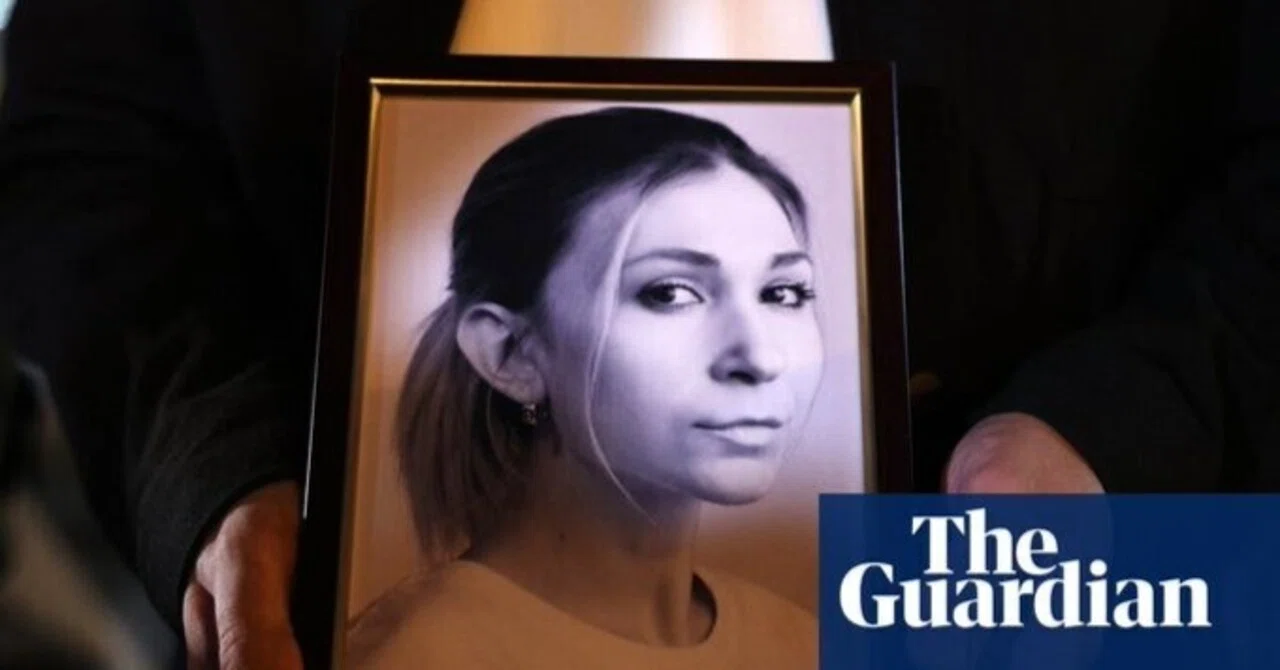
「拷問の痕跡が多数」:ロシアの刑務所で拘束され死亡したウクライナ人ジャーナリスト The Guardian 2025/4/29

2月、人里離れた森の道で、このやり取りは行われた。冷蔵トラックの列に沿って、防護服を着た作業員たちは、ロシアから引き渡されたウクライナ軍の戦死者757名の遺体をキエフへ送還するための準備という、陰鬱な作業に取り組んでいた。
The exchange took place on a lonely forest road in February. Moving along a line of refrigerated lorries, the teams in hazmat suits went about their grim work: preparing the remains of 757 Ukrainian military casualties handed over by Russia for the journey back to Kyiv.
赤十字の仲介役たちはクリップボードを手に、遺体リストを確認した。白いビニール袋に包まれた遺体それぞれに、ロシア側は番号、氏名、場所、そして時には死因まで記入していた。そして、最後のページの一番下に、謎の記述があった。「NM SPAS 757」。これらの文字は略語で、「身元不明の男性」と「冠動脈への広範囲の損傷」を意味すると解釈された。
Clipboards in hand, intermediaries from the Red Cross checked their lists. For each body shrouded in white plastic, the Russians had provided a number, a name, a location, sometimes a cause of death. And then, at the very bottom of the last page, a mystery entry: “NM SPAS 757.” The letters were abbreviations, taken to mean “unidentified man” and “extensive damage to the coronary arteries”.
ガーディアン紙とその報道パートナーが本日発表した内容を当局が確認するには数週間かかるだろう。ラベルの付いていない遺体は女性のものだった。兵士ではなかったが、本格的な侵攻以来、拘束された民間人の中でも特に著名な人物の一人だった。
It would be weeks before officials could confirm what the Guardian and its reporting partners are publishing today. The unlabelled remains were those of a woman. Not a soldier, either, but one of the most high-profile civilians detained since the full-scale invasion.
ジャーナリストのヴィクトリア・ロシュチナは2023年夏、ザポリージャ原子力発電所付近で捕らえられた。これは彼女にとって占領地への少なくとも4回目の取材旅行だった。戦争のこの段階では、ロシアによる情報統制を突破するために前線を越える危険を冒す覚悟のある唯一のウクライナ人ジャーナリストだった。
The journalist Viktoriia Roshchyna was captured in the summer of 2023 near the Zaporizhzhia nuclear power station. It was at least her fourth reporting trip into the occupied territories. She was by this stage of the war the only Ukrainian journalist prepared to risk crossing the frontline in order to pierce the information blackout imposed by Russia.
ロシュチナさんは1年間の拘留後、27歳で亡くなりました。
Roshchyna died after a year in detention, aged 27.
彼女の死因に関する情報は限られています。ロシュチナさんは起訴も弁護士との面会も許されずに拘留されていました。拘留中、彼女が外界と唯一連絡を取っていたのは、連行されてから丸1年後に両親に4分間かけた電話だけでした。
Information on the circumstances of her death is limited. Roshchyna was held without charge and without access to a lawyer. During her detention, her only known contact with the outside world was a four-minute phone call to her parents, a full year after she was taken.
検察官によると、予備的な法医学鑑定では「多数の拷問の痕跡」が見られたという。足には電気ショックによる火傷、腰と頭部には擦り傷、肋骨の骨折があった。彼女は髪を長く伸ばし、先端をブロンドに染めるのが好きだったが、剃られていた。
Preliminary forensics suggest “numerous signs of torture”, according to the prosecutor. Burn marks on her feet from electric shocks, abrasions on the hips and head, and a broken rib. Her hair, which she liked to wear long and tinted blonde at the tips, had been shaved.
捜査関係者によると、首の舌骨も骨折していたという。これは絞殺の際に起こり得る損傷の一種である。しかし、2月14日の交換で遺体が返還された際、脳、眼球、喉頭などの一部が失われていたため、正確な死因は永遠に解明されない可能性がある。
Sources close to the official investigation have also disclosed that the hyoid bone in her neck was broken. It is the kind of damage that can occur during strangulation. However, the exact cause of death may never be known because when her body was returned during the exchange on 14 February, certain parts were missing, namely the brain, eyes and larynx.
責任者の訴追を視野に入れた戦争犯罪捜査が開始されました。
A war crimes investigation has been opened with a view to prosecuting those responsible.
彼女の苦しみを目撃した人々もいました。ガーディアン紙は、ロシュチナ氏の発行元であるウクラインスカ・プラウダをはじめとするメディアパートナーと協力し、フランスのニュースメディア「フォービドゥン・ストーリーズ」が主導する共同作業の下、直接証言を集め、ロシュチナ氏の拘束に至った経緯と、拘留中の扱いの詳細を再現しました。
There were also witnesses to her suffering. The Guardian, working with media partners including Roshchyna’s publisher, Ukrainska Pravda, in a collaboration led by the French newsroom Forbidden Stories, has tracked down first-hand testimonies to reconstruct the events that led to Roshchyna’s capture, and the details of her treatment in detention.
この報告書は、ウクライナが最大1万6000人に上ると推定する民間人の拉致と組織的拷問に関する調査プロジェクト「ヴィクトリア」の一環であり、その第2部は水曜日に公開される予定です。
This account is part of the Viktoriia project, an investigation into the abduction and systematic torture of what Ukraine believes could be as many as 16,000 of its civilians, the second part of which will be published on Wednesday.
拘束されている人々のほとんどは、起訴されることなく拘留されています。彼らの拘留状況は戦争犯罪の疑いがあり、将来の訴追に向けて証拠収集が行われています。
Most of those detained are being held without charge. The conditions of their detention constitute a suspected war crime, and evidence is being gathered for eventual prosecutions.
拘束されているのは、援助活動家、ジャーナリスト、企業経営者、地元政治家、教会指導者、そして侵略に抵抗した疑いのあるあらゆる人々だ。彼らは占領地とロシア国内の180以上の施設に収容されている。しかし、和平交渉をめぐる騒ぎの中で、彼らのことはほとんど語られていない。ロシュチナはこの問題が十分に報道されていないと感じており、それが彼女の最後の任務の焦点だった。
The detained are aid workers, journalists, business owners, local politicians, church leaders, and anyone suspected of resisting the invasion. They are being held at more than 180 facilities in the occupied territories and inside Russia itself. And yet, in all the noise around peace talks, they are rarely mentioned. It is a subject Roshchyna felt was under-reported, and it was the focus of her last mission.
彼女の最期の数ヶ月に関する情報は、ロシアでの捕虜生活を生き延びた人々、そして今もなお拘束されている人々の家族への50件以上のインタビューによって集められました。ロシア国内および占領地で活動する法務関係者や、目撃した出来事に苦悩して辞職した刑務官からも情報提供を受けました。
The information about her final months has been gathered thanks to more than 50 interviews with survivors of Russian captivity as well as the families of some of those still held. Legal sources operating inside Russia and the occupied territories have also shared information, as have prison officials who resigned from the service in distress over what they had witnessed.
疑問は残るものの、一つ確かなことがあります。ロシュチナは、まさに自らが告発しようとしていた犯罪の犠牲者となったのです。
While questions remain, one thing is certain: Roshchyna fell victim to the very crimes she had set out to expose.
「並外れた仕事」
‘Extraordinary work’
家族からはヴィカと呼ばれていたロシュチナさんは、戦争の影の中で育った。父親はソ連のアフガニスタン戦争の退役軍人で、ロシアがクリミアを併合した時、彼女は17歳だった。彼女と妹は、ウクライナのウォロディミル・ゼレンスキー大統領と同じ町で育った。両親が今も暮らすクリヴィー・リフは、2022年にロシアがウクライナ南部に侵攻した場所から48キロほどしか離れていない。
Known to her family as Vika, Roshchyna grew up in the shadow of war. Her father was a veteran of the Soviet war in Afghanistan, and she was 17 when Russia annexed Crimea. She and her sister were raised in the same town as Ukraine’s president, Volodymyr Zelenskyy. Kryvyi Rih, where her parents still live, was 30 miles from the Russian advance into southern Ukraine in 2022.
同僚たちは、彼女が仕事に執着し、妥協を許さなかったと語っている。「彼女には仕事以外の人生はなく、友人もパートナーもいなかった。しかし、並外れた仕事をしていた。彼女にとってそれは使命だった」と、ウクラインスカ・プラウダ紙の編集長セヴィル・ムサイエワ氏は語った。「彼女は、私がこれまでのキャリアで出会った中で最も勇敢なジャーナリストの一人だった」
Colleagues said she was obsessed with work and uncompromising. “She had no life beyond her job, no friends, no partner. But also doing extraordinary work. For her it was a mission,” said Sevhil Musaieva, the editor-in-chief of Ukrainska Pravda. “She was one of the bravest journalists I met in my career.”
情報源を守るため、ロシュチナは複数の携帯電話を使い分けていた。メッセージは自動的に消えるように設定し、記事も自動削除されるファイルに書き込んでいた。ロシュチナ自身も数週間姿を消し、再び姿を現しては記事を提出していた。
To protect her sources, Roshchyna used multiple phones. She would set her messages to disappear, and her articles were written in files that would also self-delete. Roshchyna herself would vanish for weeks at a time, re-emerging to file her reports.
2022年3月、占領下のベルジャンシク市で取材中、彼女は初めて危険に遭遇した。兵士に捕らえられ、ロシア連邦保安庁(FSB)の捜査官に引き渡された彼女は、プロパガンダ動画の撮影を強要され、数日後に国民の抗議を受けて釈放された。
In March 2022, while reporting from the occupied city of Berdiansk, she had a first brush with danger. Captured by a soldier and turned over to agents of the Russian Federal Security Service (FSB), she was coerced into recording a propaganda video and let go a few days later, after a public outcry.
帰宅後、同僚たちは彼女に休養と治療を受けるよう勧めた。彼女の精神状態は不安定で、ひどく痩せていたと、同僚たちは回想している。
On her return home, colleagues urged her to rest and seek therapy. Her state of mind was fragile and she was very thin, they recalled.
しかし、ロシュチナは最前線を越え続けた。ザポリージャ原子力発電所の稼働を維持する労働者への脅迫を暴露し、占領に敢えて抵抗した16歳の少年2人が射殺された事件を捜査した。
But Roshchyna continued to cross the frontline. She exposed the intimidation of workers keeping the Zaporizhzhia nuclear power station running, and investigated the shooting of two 16-year-old boys who had dared to oppose the occupation.
ムサイエワ氏によると、ロシュチナさんの最後の旅では、ロシアの治安部隊が民間人を尋問したり虚偽の自白を強要したりするために組織的に拷問を行っていた秘密施設、地下室、あるいは工業ビルの場所を探していたという。彼女は、関与したFSB工作員のリストを作成していた。
Musaieva said that on Roshchyna’s last journey she was looking for the location of black sites, basements or industrial buildings where Russian security operatives systematically used torture to interrogate civilians or coerce them into false confessions. She was building a list of the FSB agents responsible.
メリトポリの「ガレージ」
Melitopol ‘garages’
ロシュチナさんは2023年7月25日、ウクライナを最後に出国した。前線を越える安全な通路がなかったため、迂回して占領地へと向かった。同日午後2時9分、彼女の携帯電話はポーランドの携帯電話ネットワークに接続した。ポーランドからリトアニアを経由して北上し、ラトビアへと向かった。Roshchyna left Ukraine for the last time on 25 July 2023, taking a roundabout route into the occupied territories because there were no safe passages over the frontline. At 2.09pm that day, her phone connected to a Polish mobile network. From Poland, she travelled through Lithuania and north into Latvia.
本捜査で入手した彼女のパスポートと入国書類の写真から、彼女はラトビアからルドンカ国境検問所を経由して、自身の名前でロシアに入国したことが窺える。入国カードにはメリトポリ市行きと記載されていた。彼女はロシアを南に1,000マイル移動し、数日後に占領下のウクライナに入国した。
A photo of her passport and her entrance form, obtained by this investigation, suggests she entered Russia from Latvia, under her own name, via the Ludonka border crossing. The card states she was heading to the city of Melitopol. She travelled 1,000 miles south through Russia, crossing into occupied Ukraine a few days later.
8月3日、入国からわずか数日後、彼女の父親であるヴォロディミル・ロシュチン氏は、彼女がオンラインメッセージアカウントにログインしなくなったことに気づき、警鐘を鳴らした。
On 3 August, just a few days into her trip, her father, Volodymyr Roshchyn, raised the alarm after realising she had stopped checking in to her online messaging accounts.
彼が収集した情報と、ロシア国境にほど近いロシア沿岸の町タガンログにある悪名高い刑務所でロシュチナ氏と共に収監されていた3人の証言は、その後の出来事を示唆している。
Information he has gathered, together with the accounts of three people held with Roshchyna at a notorious prison in the Russian coastal town of Taganrog, just inside the Russian border, points to what happened next.
目撃者の一人は、昨年9月に釈放されたロシュチナ氏の同房者で、検察官のために彼女の証言をビデオ録画していた。彼女は自身と家族を守るため、名前を明かすことを希望している。
One of the witnesses was her cellmate, who was released last September and recorded her testimony on video for the prosecutor. She has asked not to be named, to protect herself and her family.
ロシュチナさんは、ザポリージャ発電所に隣接するベッドタウン、エネルホダルでアパートを借りていたようだ。3泊分の料金を前払いし、バックパックを置いて、ブラックサイト(違法な活動拠点)の捜索に出かけた。Roshchyna appears to have rented an apartment in Enerhodar, the dormitory town next to the Zaporizhzhia power plant. She paid in advance for three nights and, leaving her backpack behind, went out to search for black sites.
ジャーナリストのロシュチナさんは、ドローンに発見されたようだと同房者に話した。パトカーが到着し、彼女は警察署に連行された。警察署は、あばた模様の青いタイルで覆われ、窓は金属格子で補強された5階建ての建物だった。彼女はそこで数日間拘留された後、南へ80マイル(130キロ)離れたメリトポリに移送された。
The journalist told her cellmate she thought she had been spotted by a drone. A police car arrived and she was taken to the police station, a five-storey building covered in pockmarked blue tiles where the windows are reinforced with metal grilles. She was held there for several days before being moved 80 miles (130km) south to Melitopol.
メリトポリは「蜂蜜の街」と訳され、この地域はサクランボ園で有名です。占領下において、メリトポリははるかに暗い役割を果たしました。「メリトポリにはFSB(連邦保安庁)が集中しており、臨時の拘留センターが設けられています」と、占領地の状況に詳しい欧州の情報機関関係者は述べています。FSBは「フィルタリング」と呼ばれるプロセスで、捕虜の価値に応じてトリアージ(選別)を行っています。ロシュチナさんは、彼女が収集していた情報から判断すると、特別なケースとみなされていた可能性が高いです。The name translates as city of honey, and the area is famous for its cherry orchards. During the occupation, it played a far darker role. “In Melitopol there is a big concentration of FSB and they have these temporary detention centres,” said a European intelligence official familiar with the situation in the occupied territories. In a process known as filtration, the FSB triages captives, depending on how valuable it deems them to be. Roshchyna is likely to have been considered a special case, given the information she was gathering.
検察官は、彼女がメリトポリの「ガレージ」と呼ばれる秘密施設に連れて行かれたと考えている。同房者の証言によると、ロシュチナは後にそこで拷問を受けた様子を語った。彼女の体は痣だらけだった。「尋問中、電気ショックが使われました…彼女は数回刺されました。私は彼女の体中に刺されたのを見ました。腕はもちろん、足にも…前腕、手首と肘の間の軟部組織に、生々しいナイフの跡がありました。約3センチの傷跡が貫通していました。彼女は、ある男のことを「嫌な奴」と呼び…残忍で気が狂っていたと言いました。
The prosecutor believes she was taken to a black site in Melitopol known as the “garages”, and according to her cellmate’s testimony, Roshchyna later recounted how she was tortured there. Her body was covered in bruises. “During interrogations, they used electric shocks … She got stabbed a few times – I saw them on her: arm for sure, leg too … Fresh knife scar – forearm, soft tissue between wrist and elbow. A scar of roughly 3cm, pierced through. She said one guy, she called him a jerk … was brutal, unhinged.
「彼女の足のかかとの上に、それも見えました。5センチほどの傷でした。彼女はこう言いました。『足に触らないでくれと言ったんです…あの傷に触らないでと懇願したんです』」
“On her leg, above the heel – I saw that too, 5cm wound. She said: ‘I told them not to touch my leg … I begged them not to touch that wound.’”
2023年末頃、ロシュチナさんは、マクシム・モロズという名のFSB職員から、別の刑務所に移送され、そこではより良い待遇が約束されると告げられた。目撃者によると、彼女はジープで一人でタガンログに移送された。そこで、シゾ2と呼ばれる未決拘置所に拘留された。
Towards the end of 2023, Roshchyna was told by an FSB officer she named as Maxim Moroz that she would be transferred to another prison and was promised better treatment there. According to witnesses, she was transported alone, by Jeep, to Taganrog. Here, she was detained at a pre-trial detention centre known as Sizo 2.
食事を拒否
Refusing food
「彼女は到着時に既に正体不明の薬物を大量に投与されていました」と、タガンログでロシュチナ氏に遭遇した2人目の被拘禁者は語った。安全上の理由から、この人物の氏名は公表できない。「彼女は到着すると、ほとんど気が狂いそうになっていました。」
“She arrived already pumped full of unknown drugs,” said a second detainee who encountered Roshchyna at Taganrog, who cannot be named for security reasons. “She arrived and she basically started to go crazy.”
ガーディアン紙は、タガンログに収容されていたウクライナ人への虐待について、別途詳細な記事を掲載する予定だ。同施設の環境は、ロシアが運営する数多くの収容施設の中でも最悪レベルだった。
The Guardian will publish a separate, detailed account of the abuses inflicted on Ukrainians held at Taganrog. The conditions there were among the worst seen at any of the many detention facilities operated by Russia.
ウクライナ情報機関は、釈放された兵士からの情報に基づき、同施設での死亡者数を15人と記録している。拷問室では、兵士と民間人が水責め、暴行、電気椅子での電気ショックを受けた。独房の外では、「白鳥の姿勢」と呼ばれるストレス体勢を強制された。これは、両手を背中の後ろで胸の高さで組んで前かがみになる姿勢だ。食事は厳しく制限されており、数えたある収容者によると、一皿にスプーン4杯半しか出なかったという。
Ukrainian intelligence has recorded 15 fatalities at the prison, based on information from released troops. In the torture rooms, soldiers and civilians were water-boarded, beaten and shocked in an electric chair. When outside their cells, they were forced to adopt a stress position known as the swan – bent forward with their hands clasped behind their back at chest level. Food was severely rationed, with four and a half spoonfuls per plate, according to one detainee who counted.
ロシュチナにとって、その影響は壊滅的でした。彼女は食事を摂らなくなってしまいました。「私たちは彼女に話しかけましたが、彼女はぼんやりとしていて、恐怖に怯えた目をしていました」と、最初の目撃者である彼女の同房者は回想します。ロシュチナは、看守の目から逃れるため、トイレを仕切るカーテンの後ろで「床に胎児のように丸まって」いました。
For Roshchyna, the effect was catastrophic. She stopped eating. “We would talk to her but she was lost in her head, eyes terrified,” recalled the first witness, her cellmate. Roshchyna would lie “curled up foetal on the floor” behind a curtain that screened the toilet, out of sight of the guards.
彼女の体重は30キロ(5ストーン以下)まで落ちました。「彼女は立ち上がることはできましたが、枕から頭を上げることさえできないほどだったので、私が手伝ってあげるしかありませんでした。私が支えると、彼女は二段ベッドの上段につかまって起き上がりました」と、同房者は語りました。Her weight dropped to 30kg (less than 5st). “She could stand up, but only with me helping as she was in such a state that she could not even lift her head off the pillow. I would prop her up and she would grab the top bunk to pull herself upright,” her cellmate said.
捕虜交換の後、現在ウクライナでリハビリ中の兵士、エフゲニー・マルケビッチ氏は、「彼女は正式にハンガーストライキを宣言したわけではなく、単に食事を拒否し始めただけです」と述べた。彼は、彼女を115番房で自分の近くに拘留されていたため、一度しか会ったことがないものの、ほとんど毎日彼女の声が聞こえていたと語った。「最初は宗教上の理由、断食か何かだと説明していましたが、その後、健康上の理由で食べられないと言い始めました。」
Yevgeny Markevich, a soldier now in rehabilitation in Ukraine after a prisoner exchange, said: “She did not officially declare a hunger strike, she simply began to refuse food.” . He said he saw her once but heard her most days as she was held near to him, in cell 115. “At first she explained it by saying that it was for religious reasons, fasting or something, then she began to say that she could not [eat] for health reasons.”
同房者の証言によると、ロシュチナさんの足と脚は腫れていた。心臓の薬を勧められたが、拒否したようだ。心臓の問題と脚の組織における体液貯留は、どちらも飢餓の兆候だ。
Roshchyna’s feet and legs swelled, according to her cellmate’s testimony. She was offered heart pills but appears to have refused these. Heart problems and fluid retention in the leg tissues are both signs of starvation.
6月、彼女は担架で運ばれた。タガンログの病院で数週間を過ごしたが、目撃者によると、そこでは機関銃で武装した覆面の警備員6人に見張られていたという。警備の厳しさと、彼女の生存を確保するために払われた努力は、モスクワが彼女を交渉の貴重な駒と見なしていたことを示唆している。7月、彼女は腕に点滴をされた状態でタガンログに送り返されたと伝えられている。彼女は食事を拒否し続けたようだ。
In June, she was carried out on a stretcher. She spent several weeks at a hospital in Taganrog where, according to witnesses, she was watched over by six masked guards armed with machine guns. The level of security, and the efforts made to keep her alive, suggest Moscow saw her as a valuable negotiating pawn. In July, she was reportedly sent back to Taganrog with an IV drip in her arm. It seems she continued to refuse food.
刑務所長は同房者に彼女の好みを尋ね、彼女のために別々の食事を用意した。目撃者によると、彼女にはバナナとお菓子が与えられたという。
The head of the prison asked her cellmates what she liked to eat, and separate meals were cooked for her. Witnesses say she was offered bananas and sweets.
2024年4月、彼女の家族はロシア国防省からの書簡で、ロシュチナさんが生存していることを初めて公式に確認した。書簡には、彼女が「拘留されており、現在ロシア連邦領内にいる」とだけ書かれていた。
In April 2024, her family had received the first official confirmation that Roshchyna was alive, in a letter from the Russian defence ministry. It stated only that she “has been detained and is currently in the territory of the Russian Federation”.
同僚たちが糸を引いて動き始めた。バチカンに連絡が送られ、ロシアと裏ルートで連絡を取っていたフランシスコ教皇は、彼女の名前を捕虜交換リストに加えるよう要請することに同意した。
Colleagues began pulling strings. A message was sent to the Vatican, where Pope Francis, who had been able to communicate with Russia through backchannels, agreed to ask for her name to be added to the prisoner exchange list.
彼女が釈放されるという知らせが、ようやく編集者に届いた。8月末、ロシュチナは自宅への電話を許された。ウクライナの交渉担当者は、彼女がハンガーストライキ中だと両親に伝えた。両親は一日中携帯電話をつけっぱなしにして、彼女からの電話を待っていた。ようやく電話に出たロシュチナはロシア語で話していた。「9月には家に帰れるって約束されたの」と彼女は両親に告げた。父親は彼女に食事をするように促した。それから彼女は別れの挨拶をした。「それでは、これで終わり。じゃあね。お母さん、お父さん、愛してるよ」
Word eventually reached her editor that she was to be released. Towards the end of August, Roshchyna was allowed to phone home. Her parents were told by the Ukrainian negotiators she was on hunger strike. They kept their mobiles switched on all day, waiting for her call. When she finally came on the line, Roshchyna was speaking in Russian. “I was promised that I would be home in September,” she told them. Her father urged her to eat. Then she said her farewells. “Well, that’s it. Bye, bye. Mom, Dad, I love you.”
「データベースには載っていない」
‘Not in the databases’
9月13日、秋の陽光に照らされた中、49人の捕虜がロシアからバスでウクライナの地へと降り立った。歓迎の宴が開かれ、国旗と青いティッシュペーパーに包まれた黄色いヒマワリの花束が配られた。ロシュチナの同房者も、タガンログに収容されていた少なくとも2人の男性と共にそこにいた。しかし、ロシュチナの姿はなかった。
On 13 September, bathed in autumn sunshine, 49 prisoners of war stepped off a coach from Russia on to Ukrainian soil. A welcome party met them with flags and bouquets of yellow sunflowers wrapped in blue tissue paper. Roshchyna’s cellmate was there, along with at least two other men held at Taganrog. But the journalist was missing.
正確な理由は明らかにされていない。9月8日、ロシュチナさんは独房から連れ出され、ウクライナへの長旅に備えていた。タガンログで匿名で拘束されているこの女性は、生きている彼女を最後に見た一人だった。
Exactly why has never been made clear. On 8 September, Roshchyna was taken from her cell, ready for the long journey back to Ukraine. The anonymous Taganrog detainee was one of the last to see her alive.
「私たちは独房にいた少女に、彼女を降ろすのを手伝ってくれるよう頼みました。彼女の助けを借りて、彼女は交換されるはずの時間に降りることができました。その後、警備員が来て、記者は交換に間に合わなかったと言いました。そして、『それは彼女の責任だ』と付け加えました。」
“We asked a girl from the cell to help her go down. With her help, she went down when they were supposed to exchange her. After that, a security officer came and said that the journalist never made it to the exchange. The officer added: ‘It’s her own fault.’”
数週間後、ロシア軍警察の副長官はロシュチナさんの父親に手紙を送り、彼女が9月19日に死亡したことを伝えた。
Some weeks later, the deputy head of Russia’s military police wrote to Roshchyna’s father to say she had died on 19 September.
ロシュチナさんの遺体がようやく返還された時、その状態はひどく悪く、目視による身元確認は困難でした。しかし、彼女の脚には「V.V. ロシュチナ」と手書きで記されたタグが付けられており、DNA鑑定の結果は両親と一致しました。
When Roshchyna’s body was eventually returned, it was in such bad condition that visual identification was difficult. However, attached to her leg, examiners found a tag with the handwritten inscription “V.V. Roshchyna”, and the DNA test was a match with her parents.
彼女の父親は悲しみに暮れ、彼女が亡くなったという事実を受け入れようとしません。彼は追加調査を要求し、タガンログを含む各地に手紙を送り、情報提供を求め続けています。シゾのアレクサンドル・シュトダ局長は、ロシュチナさんはそこにいなかったと主張する返信を2度送っています。1月に送った最新の返信では、「彼女はデータベースに登録されておらず、登録もされていません」と述べています。
Her father, in his grief, refuses to accept she is gone. He has requested additional examinations. And he has continued to write letters, including to Taganrog, demanding information. The Sizo director, Aleksandr Shtoda, has replied twice claiming Roshchyna was never there. His most recent response, in January, stated she “is not and was not listed in the databases”.
2022年11月、ロシュチナ氏は自身の原動力について語った。国際女性メディア財団から勇気賞を受賞していたものの、ロサンゼルスでの授賞式に出席するために仕事を中断したくなかったため、同僚たちに敬意を表するメッセージを送った。
In November 2022, Roshchyna described what motivated her. She had been given an award for courage by the International Women’s Media Foundation, but she did not want to stop work to attend the ceremony in Los Angeles and so she sent a message, hailing her colleagues.
「私たちは、ロシアのプロパガンダに対抗し、世界に真実を伝えるという使命に忠実であり続けました」と彼女は述べた。「残念ながら、多くのジャーナリストが亡くなりました。この賞を彼らに捧げたいと思います。彼らは真実のために戦い、ロシアの犯罪を記録しようとしたのです。彼らに感謝いたします。」
“We have remained faithful to our mission, to convey the truth to the world, countering Russian propaganda,” she said. “Unfortunately, many journalists have died. I want to dedicate this award to them. After all, they died in the fight for the truth, trying to record Russian crimes. I thank them.”
いいなと思ったら応援しよう!
 よろしければ応援お願いします! いただいたチップはクリエイターとしての活動費に使わせていただきます!m(__)m