「子供、女性、老人が撃たれるのを見た」イランのある都市で起きた虐殺の様子 The Guardian 2026/2/6

1月8日木曜日、イランは闇に包まれました。大規模な全国的な抗議活動のさなか、政府はインターネット、電話、そして国外へのほぼすべての通信を遮断しました。
On Thursday 8 January, Iran went dark. In the midst of massive national protests, the government shut down the internet, phone calls, and almost all communication out of the country.
その夜、暴力的な弾圧が始まりました。一部の都市では、政府軍が群衆に発砲し、2日間にわたる流血の惨事で数千人、場合によっては数万人が死亡しました。
That evening a violent crackdown began. In some cities, government forces opened fire on crowds, killing thousands – according to some estimates, possibly tens of thousands – in two days of bloodshed.
インターネットの遮断により、目撃証言、動画、写真、病院からの証言などから、何が起こったのかをより明確に把握するのに時間がかかりました。
The internet blackout has meant that a clearer picture of what happened – drawn from witness reports, videos, photographs and testimony from hospitals – has taken time to assemble.
人権団体によると、暴力が始まった当時、200以上の都市でデモが行われていた。これは、そのうちの一つの都市で起きた出来事を振り返る。
When the violence began, there were demonstrations taking place in more than 200 cities, according to human rights groups. This is the story of what unfolded in one of them.
1月8日(木)午後5時
Thursday 8 January 5pm
イラン当局がインターネットを遮断した瞬間、36歳のアリ*と彼の友人たちは、イラン中部ラシュトのグランドバザール沿いに走るシャリアティ通りに向かって行進していた。彼らが道路に着く頃には、既に数千人の人々が集まり、自由を求めるスローガンを叫んでいた。
At the moment the Iranian authorities shut down the internet, Ali*, 36, and his friends were already marching toward Shariati Street, which runs along the edge of the grand bazaar in Rasht, central Iran. By the time they reached the road, thousands of people were already there, chanting freedom slogans.
抗議活動は火曜日から拡大し、周辺の小さな都市から人々がラシュトへ集まってきた。
The protests had been building since Tuesday, with people from smaller surrounding cities making their way to Rasht to join them.
人々は街のグランドバザールに集まった。活気に満ちた歴史ある市場は、互いに絡み合う通りの向こう側に広がっていた。市場はハジ・モジタヘド・モスクに近く、街の主要道路の交差点に位置していたため、ラシュトの賑やかな生活の中心地となり、デモ参加者にとって自然な拠点となった。
They flocked to the city’s grand bazaar: a vibrant, historic marketplace, sprawling across a hive of interconnected streets. The market’s location near the Haj Mojtahed mosque and at the intersection of arterial city streets made it the heart of Rasht’s bustling life – and a natural hub for the demonstrators.
その夜、狭い通りは人で溢れかえっていた。「バザール周辺の路地や大通りを取り囲んでいたのは、推定2万人以上だったと思います」とアリ氏は言う。
That evening, its narrow streets were packed. “I would estimate there were more than 20,000 people surrounding the alleys and the boulevards near the bazaar,” says Ali.
あらゆる年齢層の人々がそこにいたと彼は言う。「友人は妻と9歳と12歳の娘二人を連れて来ていました。私たちは皆とても幸せで、自由のために一緒にいられるという一体感を感じていました。」インターネットが遮断されていることに気づいても、彼は心配しなかった。「インターネットが使えなくても、電話が使えなくても、関係ありませんでした。私たちは皆、同じ状況にいたので、危険を感じませんでした。」
People of every age were there, he says. “My friend brought along his wife and his two daughters, one nine and the other 12. We were all so happy and felt united to be together for freedom.” Even when they realised that the internet had been cut off, he wasn’t worried. “It didn’t matter if there was no internet or no calls. We were all in this together and didn’t feel any danger.”
シャリアティ通りの北西約1キロのところに、40歳のシアマク*がいた。彼はデモへの参加をためらっていた。街中に群衆が溢れかえり、雰囲気が重苦しく感じられたからだ。しかし、人々がなぜそこにいるのかは理解していた。
About a kilometre north-west of Shariati Street was Siamak*, 40. He had been cautious about joining the demonstrations, saying that the atmosphere had felt heavy as crowds swelled across the city. But he understood why they were there.
「人々は限界まで追い詰められていました。基本的な生活費さえ払えませんでした」とシアマク氏は語る。彼はその週の初めにバザールに行き、ミカン2キロを買った。58万トマン、つまり約3.40ポンドもした。これは最低賃金で働くイラン人の1日分の賃金を上回る。「何もかもが手に入らないように感じました。人々はただそこに立ち尽くし、食べ物を買えない。それが怒りの引き金になったのです」と彼は言う。
“People were pushed to their limits. We couldn’t afford the basics,” Siamak says. He had been at the bazaar earlier that week, buying 2kg (4.4lb) of tangerines. They cost him 580,000 tomans, or about £3.40 – more than a day’s pay for Iranians on the minimum wage. “Everything just felt unaffordable. People just stood there, unable to buy food. That triggered the anger,” he says.
シアマク氏は街を車で走りながら、老人、子供、家族連れがデモに参加しているのを目にした。10代の若者たちが車から飛び降り、市場へと向かった。「私は車の窓を開けて、『神様のご加護がありますように。無事でいらっしゃいますように』と声をかけました」。しかし、日が暮れるにつれ、彼は人々の数が多ければ多いほど力強いと確信した。「木曜日の午後には、会話の内容が変わりました」と彼は言う。 「人々は家にいることを恥ずかしく思っていました。親たちは子供たちのことを話しながらも、『なぜ私たちは行かないといけないの?』と言っていました。もはやお金の問題ではなく、尊厳の問題だったのです。」彼もまた、集まった群衆に加わった。
As he drove through the city, Siamak saw old people, children, entire families joining the march. Groups of teenagers jumped out of cars and headed to the market. “I lowered the window of my car and told them, ‘May god protect you, I hope you are safe.’” But as the day wore on, he felt reassured that the people were strong in numbers. “By Thursday afternoon, the conversations changed,” he says. “People felt ashamed for staying home. Parents spoke about their children and still said, ‘Why shouldn’t we go?’ It was no longer about money. It was about dignity.” He, too, joined the thronging crowds.
午後8時
8pm
バザールとその周辺の通りに夜が訪れ、誰も家に帰る気配はなかった。人混みをかき分けて進むのには時間がかかった。バザールから徒歩約15分のモアレム大通りから、シアマクは脇道をゆっくりと抜け、市場と同じブロックにあるラシュトの市役所広場へと向かった。彼は屋上に登り、景色を眺めた。「ものすごい人出でした」と彼は言う。どの通りも人でごった返していた。
As night fell over the bazaar and surrounding streets, no one was going home. Making your way through the crowds took time. From Moallem Boulevard, about 15 minutes’ walk from the bazaar, Siamak had slowly wound his way through sidestreets to Rasht’s Municipality Square, which lies on the same block as the market. He climbed up to a rooftop to get a view. “The crowd was massive,” he says. Every street was packed.
シャリアティ通りでは、アリと友人たちがスローガンを連呼しながら、バザール近くの路地に近づいていった。アリによると、周囲は歓喜に満ちていたが、突然、何かが変わったのを感じたという。「勝利の喜びが恐怖に変わった」と彼は言う。「大惨事の前の数秒は説明できない。どんな気持ちだったか、説明できない。心臓がドキドキしていた。治安部隊とマスクを着けた私服警官に囲まれていた」。彼は、白いトヨタ・ハイラックスがマシンガンを装備して群衆の中へと突進していくのを見た。この時点でも、彼と友人たちは本当に怖がっていたわけではなかったと彼は言う。これから何が起こるのか、想像もできなかったのだ。
Over on Shariati Street, Ali and his friends chanted slogans as they got closer to the alleys near the bazaar. The atmosphere felt jubilant, Ali says – when suddenly, he felt something shift. “The feeling of victory turned to fear,” he says, “I can’t explain the seconds before the catastrophe. I can’t explain how that felt. Our hearts were racing. We were being surrounded by security forces and plainclothes officers with masks.” He saw a set of white Toyota Hilux vehicles with machine guns making their way into the crowds. Even at this point, he says, he and his friends were not really afraid – they could not imagine what was to come next.
市場のすぐ外から、シアマクは銃声を聞き取った。
From just outside the market, Siamak recognised the sounds of shooting.
「バザールの方から爆発音と銃声が聞こえた。人々は周囲の通りへと逃げ出した。叫んでいる人もいれば、血を流している人もいた。彼らから、中で何が起こっているのかが分かった」と彼は言う。
“I heard explosions and nonstop gunfire coming from the direction of the bazaar. People started running out toward the surrounding streets. Some were screaming. Some were bleeding. From them, we learned what was happening inside,” he says.
やがて煙の臭いがし、空に赤い光が見えた。市場は火に包まれていた。
Soon, he smelled smoke and saw a red light in the sky. A fire was engulfing the market.
午後8時30分
8.30pm
アリさんは、市場が燃えているのに気づいたのはおそらく午後8時30分頃だったと思う。火事がどこで、いつ、どのように発生したかは正確には分からないが、「火は急速に燃え広がった」と彼は語る。「中にいた人たちは、私たちの方へ走るべきか、それとも火の中にいる人たちを助けるべきか、ジレンマに陥っていた。煙が広がり始め、私たちが場所を作ろうとした途端、大勢の人々が火事から逃げ出し、通りに向かって走っていくのが見えた」。その時、治安部隊が発砲し始めた。
Ali thinks it was probably about 8.30pm when he spotted that the market was burning. It is not clear exactly where, when and how the flames started, but “the fire spread rapidly”, he says. “People inside were in a dilemma, whether to run towards us or to save those in the fire. As soon as the smoke started to spread, and we were trying to make space, we saw huge crowds fleeing the fire and running towards the street.” Then, the security forces began to shoot.
「治安部隊は逃げ惑う群衆に向けて発砲し始めた」と彼は語る。「AK47、G3、そしてドゥシュカの銃で、人々が頭を直撃されるのを見た。まるで地獄の炎が燃えているのを見たかのようだった。今でも、あの時の光景を説明できない」。警備員の一団が彼に向かって発砲し始め、アリさんと友人たちは身を隠すために逃げた。
“The security forces began shooting at the fleeing crowds,” he says. “I saw people being shot directly in the head, with AK47, G3 and also Dushka guns. It was as if you could see how hell burns. I still can’t explain to you what I saw.” One group of guards started firing in his direction, and Ali and his friends ran for cover.
群衆が市場から周辺の通りに流れ出る中、シアマク氏は逃げ惑う人々に何が起こっているのか尋ねた。「市営市場とバザールが放火されたそうです。消防士は立ち入りを許されませんでした。バザールの狭い路地に人々は閉じ込められました。火が燃え広がると、人々は中に留まって燃えるか、外に出るかの選択を迫られました。
As crowds poured out of the market and into surrounding streets, Siamak asked those fleeing what was happening. “They said the municipal market and bazaar had been set on fire. Firefighters were not allowed to enter. The bazaar’s narrow alleys trapped people. When the fire spread, people were forced to choose: stay inside and burn, or come out.
「外に出ると、彼らは撃たれました。」
“When they came out, they were shot.”
イラン国営メディアは、バザールとモスクの一つが「外国の支援を受けた暴徒によって焼き払われた」と報じている。市場の外で、アリ氏は虐殺を目の当たりにしたと語る。
Iran’s state media says the bazaar and one of its mosques were “burned down by foreign-backed rioters”. Outside the market, Ali says he was witnessing a massacre first-hand.
「本当に、私が見たものを言葉で表現することができません。人々は火を消そうとしていましたが、私服の集団が火を消そうとする群衆を襲撃し、同じ集団が消防士たちがバザールに入るのを阻止しました。彼らは人々を完全に閉じ込め、逃げる人々も撃っていました。」
“I can’t, I really can’t find the words to tell you what I saw. People were trying to stop the fire, but there was a group of plainclothes people who attacked crowds trying to put out the fire and the same group stopped the firefighters from entering the bazaar. They had completely trapped people and also shot those who fled.”
アリさんは、ハッジ・モジュタヘド・モスクが炎に包まれるのを見た時、バザールはすでに火に包まれていたと言います。
Ali says the bazaar was already on fire when he saw the Haj Mojtahed mosque engulfed by flames.
「今でも目の前で何が起こったのか理解できません。子供たち、女性、老人たちが撃たれるのを見ました…言葉では言い表せません。たくさんの人が頭を撃たれ、血が通りに流れ出ているのを見ました」と彼は言います。治安部隊と武装した私服の男たちは「逃げる人々の後ろを回り、彼らを撃ちました。まるで灰を追いかけて、灰までも燃やし尽くしたかのようでした」
“I still can’t analyse in my head what happened in front of my eyes. I saw kids being shot, women, old people … I can’t tell you. I saw lots of them shot in their head and blood pouring out on the streets,” he says. Security forces and armed, plainclothes men “went behind those fleeing, shot them – it was like they chased the ashes and burned the ashes down too”.
「あの光景から立ち直ることはできない。二度と、こんな光景を人生で見たくはない。」
“I will never recover from what I witnessed. Never again, do I want to see this in my life.”
午後9時~深夜0時
9pm-midnight
シアマク氏にとって、その後の混乱は当初の混乱と同じくらい悲惨なものだった。「バザールから続く路上で人々が倒れているのを見ました」と彼は言う。「銃撃は複数の方向から聞こえてきました。大きな爆発音、人々が音響爆弾と呼ぶものもありました。覆面をした警官隊を乗せた白いトヨタ・ハイラックスが橋の下や出口に配置されていました。」
For Siamak, the aftermath was as catastrophic as the initial chaos. “I saw people collapsing on the streets leading away from the bazaar,” he says. “Shooting came from multiple directions. There were loud explosions, what people called sound bombs. White Toyota Hilux vehicles filled with masked forces were positioned under bridges and at exits.”
バザール内で最初の銃撃を生き延びた人々が外に出ると、銃を持った男たちに「とどめを刺される」という噂が広まった。「彼らは負傷者を生かしておかなかったのです」と彼は感極まりながら語る。
Word spread that those who survived the first shots inside the bazaar were being “finished off” by men with guns if they got out. “They didn’t let the wounded live,” he says, overcome with emotion.
バザール内で最初の銃撃を生き延びた人々が、外に出たら銃を持った男たちに「殺される」という噂が広まった。「彼らは負傷者を生かしておかなかった」と彼は感極まりながら言った。
Word spread that those who survived the first shots inside the bazaar were being “finished off” by men with guns if they got out. “They didn’t let the wounded live,” he says, overcome with emotion.
午前2時
2am
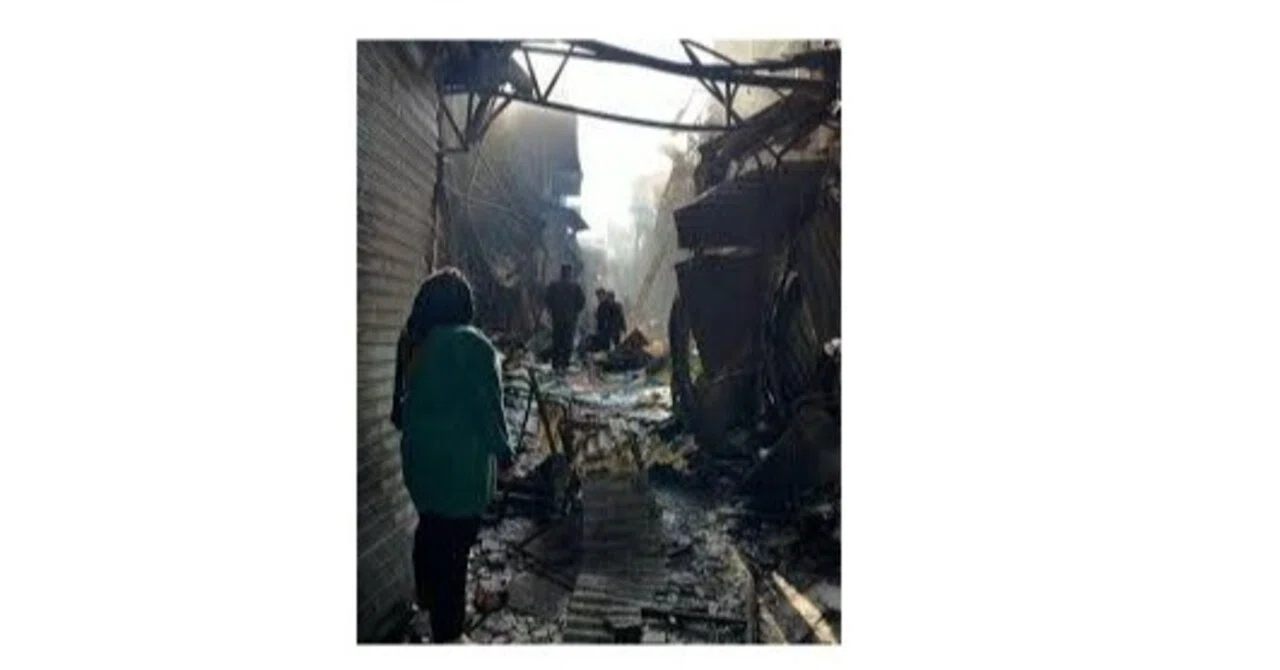
早朝、アリと友人たちはバザール周辺の通りの様子を見に戻った。約500軒の店が焼け落ち、まだ点々と炎が燃えているようだったと彼は言う。「街が灰燼に帰したようでした。まるで悪夢のようでした」。瓦礫の中から運ばれてきた遺体の中には、焼け焦げて身元が分からないほどの状態で路上に横たわっているものもあった。
In the early hours of the morning, Ali and his friends went back to check on the streets surrounding the bazaar. It looked like about 500 shops had been burned and patches of flames were still burning, he says. “It looked like the city was burning to ashes. It was like a bad dream.” Some bodies had been carried from the ruins and lay on the streets, burned beyond recognition.
「DNA鑑定以外に、家族が愛する人を特定する方法はないと思います」と彼は言う。
“I don’t think there’s any way [families could identify their loved ones], other than a DNA test,” he says.
市内の病院や診療所には、負傷者が殺到していた。ラシュトの救急医療班の医師からの報告をまとめた医師(報復を恐れて匿名)によると、病院には「ラシュトのバザール周辺から数百人の火傷患者が搬送され、中には一部が黒焦げになった遺体や、数日後に死亡したⅢ度・Ⅳ度の広範囲熱傷を負った患者も含まれていた」という。また、彼らは「数百人の患者が銃撃と火傷の複合的な負傷を呈しており、これは火災現場から逃げる際に撃たれた人々と一致している」と報告した。
At the city’s hospitals and clinics, the injured were flooding in. According to a doctor [not named due to fear of reprisals] who compiled reports from emergency department doctors in Rasht, the hospitals received “hundreds of burn victims from the Rasht bazaar area, including bodies recovered with partial charring and patients with extensive third- and fourth-degree burns who died in subsequent days”. They also reported “hundreds of patients presenting with combined gunshot and burn injuries, consistent with individuals being shot while fleeing the burning area”.
医療従事者が記録した負傷者と死亡者のパターンは、「従来の群衆鎮圧ではなく、市街地戦闘のシナリオで予想されるものと似ている」と医師は述べている。
The pattern of injuries and fatalities documented by medics, the doctor says, “resembles what might be expected in urban combat scenarios rather than conventional crowd-control”.
夜明け
Dawn
アリが午前5時頃、再び現場を見に行くと、路上の遺体は撤去されていた。
When Ali went back to look again at about 5am, the bodies on the streets had been removed.
ラシュトで起きた出来事は「当局の意図を疑う余地を残さない」と、ノルウェーに拠点を置くNGOイラン人権の代表、マフムード・アミリ=モガダム氏は述べている。「街は殺戮場と化しました。人々は路地裏で追い回され、路上で銃撃され、隠れ場所から焼き殺され、負傷すると処刑されました。これは国際法に違反する人道に対する罪の明白な例です。」
What happened in Rasht “leaves no doubt about the authorities’ intentions,” says Mahmood Amiry-Moghaddam, director of Norway-based NGO Iran Human Rights. “The city was turned into a killing field; people were hunted in alleys, shot in the streets, burned out of hiding places, and executed when wounded. This was a clear example of a crime against humanity under international law.”
その後国外に逃れたシアマク氏にとって、あの出来事の記憶、そしてその後数日間、家族が直面した困難は、胸を締め付けるものだった。「遺体を引き取るために、家族は多額の金を支払わざるを得ませんでした」と彼は言う。「払えない家族は遺体を失いました」。ある家族は一晩中、車の中に遺体を隠した。愛する人を密かに埋葬した家族もいた。庭に、あるいは墓石のない場所に。
For Siamak, who has since fled the country, the memory of what happened – and what families faced in the following days – is agonising. “Families were forced to pay large sums to retrieve bodies,” he says. “Those who couldn’t pay lost them.” Some families hid bodies in cars overnight. Others buried loved ones secretly – sometimes in gardens, sometimes in unmarked graves.
「虐殺の後、街は壊滅したように感じました」と彼は言う。「インターネットも通信手段もありませんでした。どこに行っても、誰かが亡くなったという知らせが聞こえてきました。まるで監獄にいるようでした。完全な孤立状態です。」
“After the massacre, the city felt destroyed,” he says. “No internet. No communication. Everywhere I went, I heard that someone else had died. It felt like prison – total isolation.”
いいなと思ったら応援しよう!
 よろしければ応援お願いします! いただいたチップはクリエイターとしての活動費に使わせていただきます!m(__)m