「注射針だけでなく、血液も共有している」:フィジーでHIV感染者が急増した経緯 BBC 2025/10/5

Fiji's HIV cases surge due to bluetoothing, chemsex and needle-sharing
10歳。セセニエリ・ナイタラ氏がこれまでに出会ったHIV感染者の中で最年少の人の年齢だ。
Ten: that's the age of the youngest person with HIV that Sesenieli Naitala has ever met.
彼女が2013年にフィジーのサバイバー・アドボカシー・ネットワークを立ち上げた当時、この少年はまだ生まれていなかった。今、彼は近年、血液感染性ウイルスに感染したフィジー人数千人のうちの一人だ。その多くは19歳以下で、静脈注射による薬物使用が原因となっている。
When she first started Fiji's Survivor Advocacy Network in 2013, that young boy was yet to be born. Now he is one of thousands of Fijians to have contracted the bloodborne virus in recent years – many of them aged 19 or younger, and many of them through intravenous drug use.
「薬物を使用する若者が増えています」と、フィジーの首都スバで性労働者や薬物使用者を支援する団体を率いるナイタラ氏はBBCに語った。「彼(少年)は、コロナ禍で路上で注射針を貸し借りしていた若者の一人です。」
"More young people are using drugs," Ms Naitala, whose organisation provides support to sex workers and drug users in the Fijian capital Suva, tells the BBC. "He (the boy) was one of those young people that were sharing needles on the street during Covid."
人口100万人未満の南太平洋の小国フィジーは、過去5年間で世界で最も急速にHIV感染が拡大している国の一つとなっています。
Over the past five years, Fiji – a tiny South Pacific nation with a population of less than a million – has become the locus of one of the world's fastest growing HIV epidemics.
2014年には、フィジーのHIV感染者数は500人未満でした。2024年には、その数は約5,900人にまで急増し、11倍に増加しました。
In 2014, the country had fewer than 500 people living with HIV. By 2024 that number had soared to approximately 5,900 – an elevenfold leap.
同年、フィジーでは1,583件の新規感染が記録され、これは通常の5年間の平均の13倍に相当します。そのうち15歳以下の年齢層は41人で、2023年にはわずか11人でした。
That same year, Fiji recorded 1,583 new cases – a thirteenfold increase on its usual five-year average. Of those, 41 were aged 15 or younger, compared to just 11 in 2023.
このような数字を受け、フィジー保健医療大臣は1月にHIVの流行を宣言しました。先週、ペニオニ・ラヴナワ保健次官は、2025年末までにフィジーで3,000件以上の新規HIV感染例が記録される可能性があると警告しました。
Such figures prompted the country's minister for health and medical services to declare an HIV outbreak in January. Last week, assistant health minister Penioni Ravunawa warned Fiji may record more than 3,000 new HIV cases by the end of 2025.
「これは国家的な危機です」とラヴナワ氏は述べ、「そして、その勢いは衰えていません」と続けました。
"This is a national crisis," he said. "And it is not slowing down."
BBCは、感染者数がこれほど急増している理由について、複数の専門家、支援者、そして最前線で働く人々に話を聞いた。HIVに関する意識が高まり、偏見が薄れてきたことで、検査を受ける人が増えていると指摘する人もいました。
The BBC spoke to multiple experts, advocates and frontline workers about the reasons for such a meteoric rise in case numbers. Several pointed out that, as awareness around HIV spreads and stigma diminishes, more people have been coming forward and getting tested.
しかし同時に、公式統計には表れていないケースが無数に存在することも指摘し、問題の真の規模は記録破りの数字が示唆するよりもはるかに大きい可能性が高いと指摘した。
At the same time though, they also noted that countless more remain invisible to the official figures – and that the true scale of the issue is likely much bigger than even the record-breaking numbers suggest.
「血液の共有」
'Sharing the blood'
フィジーのHIV流行の根底には、薬物使用、安全でない性行為、注射針の共有、そして「ブルートゥーシング」といった悪循環が存在します。
Underpinning Fiji's HIV epidemic is a spiralling trend of drug use, unsafe sex, needle sharing and "bluetoothing".
「ホットスポッティング」とも呼ばれるこの行為は、静脈注射による薬物使用者が薬物を摂取した後に自分の血液を採取し、それを別の人に注射する行為を指します。そして、その人がさらに別の人に同じことを繰り返す、という繰り返しです。
Otherwise known as "hotspotting", this latter term refers to a practice where an intravenous drug user withdraws their blood after a hit and injects it into a second person – who may then do the same for a third, and so on.
NGO「ドラッグ・フリー・フィジー」の事務局長、カレシ・ボラタブ氏は、まさにその光景を目の当たりにしてきた。昨年5月、彼女はフィジーの首都スバでいつものように早朝の散歩に出かけ、路上の薬物使用者に支援と啓発活動を行っていた。その時、角を曲がると、7、8人の集団がひしめき合っているのが見えた。
Kalesi Volatabu, executive director for the NGO Drug Free Fiji, has seen it happen firsthand. Last May, she was on one of her regular early morning walks through the Fijian capital of Suva, offering support and education to drug users on the streets, when she turned a corner and saw a group of seven or eight people huddling together.
「血のついた針が見えました。目の前にありました」と彼女は振り返る。「この若い女性は既に注射を打って血を抜いていました。そして、他にも少女たちや大人たちが、注射を受けるために列をなしていたのです。」
"I saw the needle with the blood – it was right there in front of me," she recalls. "This young woman, she'd already had the shot and she's taking out the blood – and then you've got other girls, other adults, already lining up to be hit with this thing.
「彼らが共有しているのは注射針だけではありません。血液も共有しているのです。」
"It's not just needles they're sharing – they're sharing the blood."
ブルートゥースは、世界で最もHIV感染率の高い国の一つである南アフリカとレソトでも報告されています。ボラタブ氏とナイタラ氏の両氏によると、フィジーではここ数年でこの行為が普及したとのことです。
Bluetoothing has also been reported in South Africa and Lesotho, two countries with some of the world's highest rates of HIV. In Fiji, the practice became popular within the past few years, according to both Ms Volatabu and Ms Naitala.
彼らの説明によると、その魅力の一つは、より安価にハイを味わえることだ。複数人で1回分の薬を出し合い、分け合えるのだ。もう一つの理由は、必要な注射器が1本だけという利便性だ。
One reason for its appeal, they explain, is a cheaper high: multiple people can chip in for a single hit and share it among themselves. Another is the convenience of only needing one syringe.
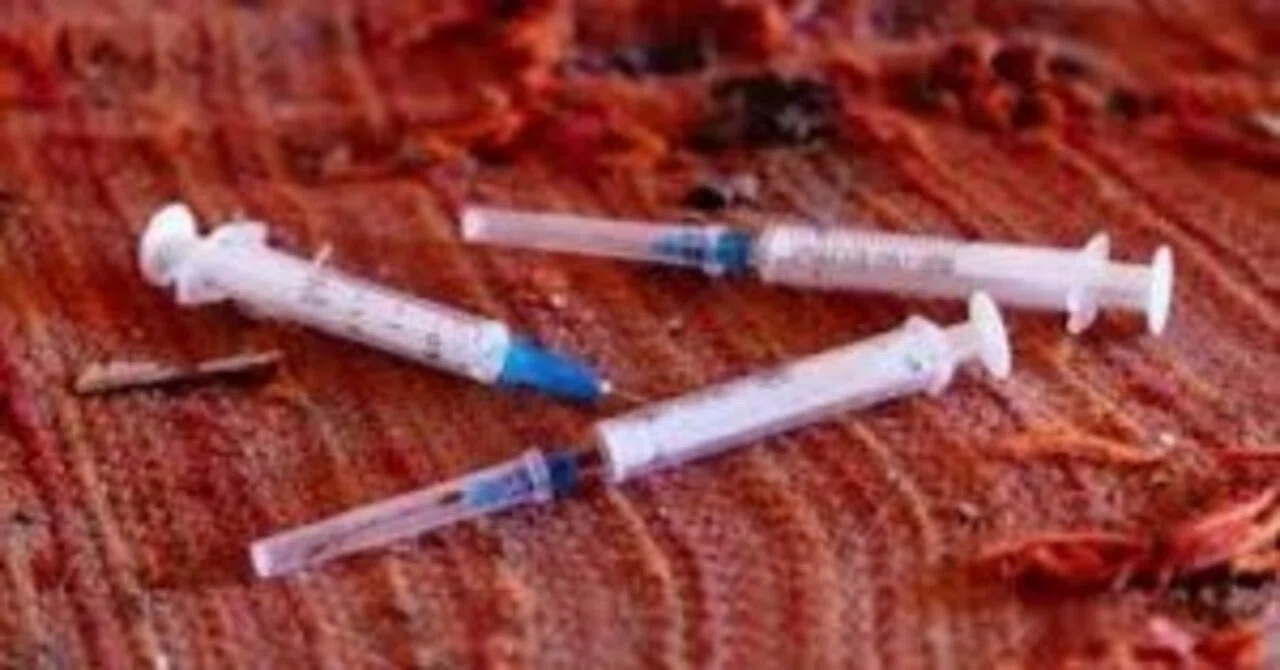
フィジーでは、こうした注射器を入手するのは容易ではない。警察の圧力を受けている薬局は、注射器を購入するのに処方箋を要求することが多く、注射針と注射器を貸し出すプログラムも不足している。
These can be difficult to come by in Fiji, where pharmacies, under police pressure, often demand prescriptions for syringes, and there is a lack of needle-syringe programmes.
HIVなどの血液媒介感染症の感染を減らすため、薬物使用者に清潔な注射器具を提供するこうしたプログラムの導入は、広く受け入れられ、承認されつつあるものの、宗教色が強く保守的なこの国では、実施が困難であることが分かっている。
Although there is growing acceptance and approval for the rollout of such programmes – which provide clean injecting equipment to drug users in an attempt to reduce the transmission of blood-borne infections like HIV – implementation in the highly religious and conservative country has proven challenging.
ヴォラタブ氏は、注射針と注射器の供給場所が「極度に不足」しており、これが注射針の共有やBluetoothといった危険な行為を助長し、コンドームだけでなく注射器の配布もNGOに委ねていると述べた。
Ms Volatabu says there is a "drastic shortage" of needle-syringe sites, which is fuelling dangerous practices like needle-sharing and bluetoothing and putting the onus on NGOs to distribute syringes as well as condoms.
2024年8月、フィジー保健医療省(MOH)は、Bluetooth接続が国内のHIV感染者数増加の要因の一つであると認定しました。また、性行為の前や最中に薬物(主にメタンフェタミン)を使用するケムセックスも要因の一つです。
In August 2024, Fiji's Ministry of Health and Medical Services (MOH) recognised bluetoothing as one of the drivers for the country's rise in HIV cases. Another was chemsex, where people use drugs - often methamphetamine - before and during sexual encounters.
フィジーでは、世界の他の多くの国とは異なり、クリスタルメスは主に静脈注射で使用されています。
In Fiji, unlike most other countries around the world, crystal meth is predominantly consumed via intravenous injection.
MOHはまた、2024年の最初の9か月間に記録された1,093件の新規感染者のうち、約20%にあたる223件が静脈注射による薬物使用によるものであることを明らかにしました。
MOH also found that of the 1,093 new cases recorded in the first nine months of 2024, 223 – about 20% – were from intravenous drug use.
メタンフェタミン中毒の子供たち
Kids on meth
フィジーは過去15年間、太平洋地域におけるクリスタル・メタンフェタミンの密売拠点となっています。これは主に、フィジーが東アジアと南北アメリカ(世界有数のメタンフェタミン製造国)とオーストラリアとニュージーランド(世界最高額の市場)の間に位置するという地理的条件によるものです。
Fiji has become a major Pacific trafficking hub for crystal meth over the past 15 years. A large part of this is due to the country's geographic location between East Asia and the Americas – some of the world's biggest manufacturers of the drug - and Australia and New Zealand – the world's highest-paying markets.
この間、メタンフェタミンは地域社会に蔓延し、HIVと同様に最近「国家非常事態」が宣言されるほどの危機に発展しました。
During that same period, meth has spilled into and spread throughout local communities, developing into a crisis that, like HIV, was recently declared a "national emergency".
最前線で働く人々によると、使用者の年齢は低下傾向にあるという。A
nd according to those on the frontlines, the age of users is trending downwards.
「こうした若者はますます増えています」とボラタブ氏は言う。「彼らはますます若くなっています。」
"We see more and more of these young people," says Ms Volatabu. "They are getting younger and younger."
フィジーの最新のHIV統計によると、最も一般的な感染経路は注射薬の使用で、症例の48%を占めている。性行為による感染は症例の47%を占め、小児症例のほとんどは妊娠中および出産時の母子感染によるものとされている。
Fiji's most recent national HIV statistics cite injectable drug use as the most common known mode of transmission, accounting for 48% of cases. Sexual transmission accounted for 47% of cases, while mother-to-child transmission during pregnancy and childbirth was cited as the cause of most paediatric cases.
BBCが取材した全員が、教育不足が流行の中心的な要因であることに同意した。ヴォラタブ氏とナイタラ氏は共にこの状況を変えようと取り組んでいる。ナイタラ氏は、HIVの危険性に対する意識が地域社会全体に広がるにつれて、「ブルートゥーシング」は彼女の経験からすると不人気になってきたと述べている。
Everyone the BBC spoke to agreed that lack of education is a central factor in the epidemic. Ms Volatabu and Ms Naitala are both working to change that – and Ms Naitala says that as a greater awareness around the dangers of HIV spreads throughout the community, "bluetoothing" has, in her experience, fallen out of favour.
HIV検査を受け、治療を受ける人が増えており、危機の規模に関するより確かなデータが得られている。
More people are getting tested and seeking treatment for HIV, leading to more robust data around the scale of the crisis.
しかし、公式の感染者数は氷山の一角に過ぎないのではないかという懸念や、水面下に何が潜んでいるのかという不安は依然として残っている。
But there is still a worry that the official case numbers are merely the tip of the iceberg – and a fear of what may lie beneath the surface.
雪崩
The avalanche
ニュージーランドのカンタベリー大学太平洋地域安全保障ハブの責任者、ホセ・ソウザ=サントス氏は、「最悪の事態が起こりつつある」と述べている。
José Sousa-Santos, head of the Pacific Regional Security Hub at New Zealand's University of Canterbury, says "a perfect storm is brewing".
「フィジーのHIV危機については、社会と政府のあらゆる階層が懸念を抱いています。現状だけでなく、3年後の状況やフィジーの資源不足についても懸念しています」と、ソウザ=サントス氏はBBCに語った。「看護体制、HIV治療薬の配布や入手といった支援体制が、全く整っていないのです。」
"The concern is across all levels of society and government in regards to Fiji's HIV crisis – not just what's happening at the moment, but where it's going to be in three years' time and the lack of Fiji's resources," he tells the BBC. "The support systems - the nursing, the ability to distribute or to access the drugs for treatment of HIV - just aren't there.
「この地域で働く私たちにとって、まさに恐怖なのです。フィジーにはこれに対処する術がないのです。」
"That's what terrifies us, the people that work in the region: there is no way that Fiji can deal with this."
1月にアウトブレイクを宣言して以来、フィジー政府はHIVサーベイランスを強化し、症例の報告不足に対処する能力を強化しようと努めてきました。
Following its declaration of an outbreak in January, the Fijian government has sought to improve its HIV surveillance and enhance its ability to address the likely underreporting of cases.
支援を要請されたグローバル・アラート・アンド・レスポンス・ネットワーク(GALNR)は、最近の報告書の中で、「フィジーにおけるHIV流行の軌道を逆転させるには、十分に調整された国家的な対応を通じてこれらの緊急の問題に対処することが不可欠である」と述べています。
The Global Alert and Response Network, which was called upon to provide that support, stated in a recent report that "addressing these pressing issues through a well-coordinated national response is crucial in reversing the trajectory of the HIV epidemic in Fiji".
この報告書はまた、人員不足、コミュニケーションの問題、検査機器の不具合、HIV迅速検査や医薬品の在庫切れが、スクリーニング、診断、治療に影響を与えていると指摘した。
That report also noted that staffing shortages, communication issues, challenges with lab equipment and stockouts of HIV rapid tests and medicines were impacting screening, diagnosis and treatment.
データ収集は遅く、困難で、間違いが起きやすいと報告書は付け加えており、フィジーにおけるHIVの流行の規模やアウトブレイク対策の有効性を把握する取り組みを妨げている。
Data collection is slow, difficult and error-prone, it added – hampering efforts to understand the extent of Fiji's HIV epidemic and the efficacy of the outbreak response.
そのため、多くの専門家、当局、そして一般のフィジー国民は、情報に乏しい状況に置かれています。そして、ソウザ=サントス氏は、今後さらに感染者数が「雪崩のように」増加すると予測しています。
That leaves many experts, authorities and everyday Fijians in the dark. And Mr Sousa-Santos is predicting an "avalanche" of cases still to come.
「今私たちが目にしているのは、まさに感染拡大の始まりです。しかし、これを止めることはできません。なぜなら、感染は既に発生している、あるいは既に発生しているからです。ただ、私たちがそれを目にすることはできず、人々が検査を受けようとしなくなるのは、今後2~3年先になるでしょう」と彼は言います。
"What we're seeing at the moment is the beginning of the avalanche, but you can't stop it, because the infections are already happening now, or they've already happened – we're just not going to be able to see them and people aren't going to look to get tested for another two to three years," he says.
「過去1年間に既に発生し、そして今まさに発生している感染者数を止めるために、現時点で私たちにできることは何もありません。それが本当に恐ろしいのです。」
"There's nothing that we can do at the moment to stop the number of infections that have already happened over the past year, and that are happening now. That's what's really terrifying."
いいなと思ったら応援しよう!
 よろしければ応援お願いします! いただいたチップはクリエイターとしての活動費に使わせていただきます!m(__)m