
2607A- How Far Has AI‑Driven Content Creation Come?

## an essay
以下の文章をベースに、2000文字の経済思考ベースのエッセイを作成ください。
===
## Question
-

## Anser
- 生成されたコンテンツをもとに、10分ぐらいの動画を、10個くらいのタイトルスライドを意図して、生成ください。生成した原稿を、英国人向けの原稿にしてください。英国人に分かりやすい説明に見直して、英語で記述ください。1. How Far Has AI‑Driven Content Creation Come?
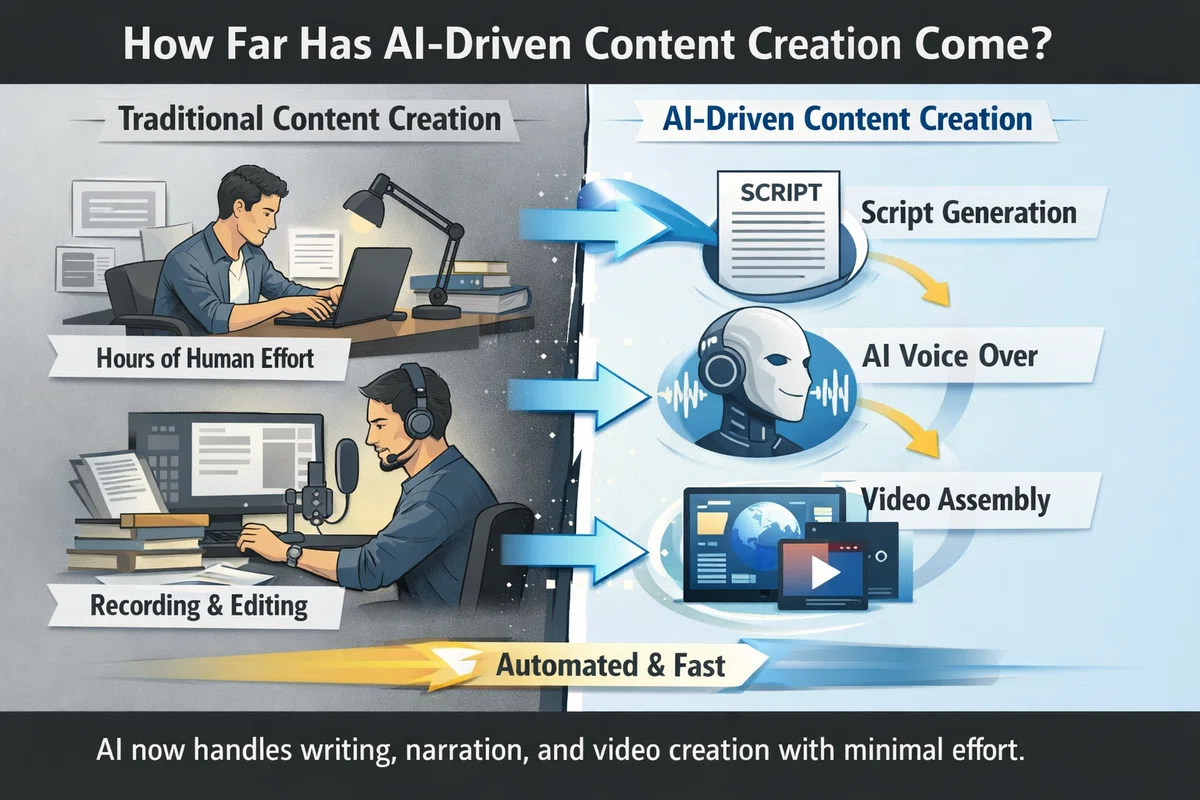
In recent years, YouTube has become filled with videos such as “Economics in a Nutshell” or “Five‑Minute Guides to…”.
At first glance, these seem like carefully researched explainers created by knowledgeable presenters.
But in reality, many of them are produced almost entirely by generative AI.
With AI now capable of writing scripts, generating voice‑overs and even assembling video sequences, individuals can create large volumes of content with minimal effort.
In this article, we’ll explore how AI produces these videos, why they’ve become so widespread, and where this trend is heading.
2. Why Are AI‑Generated Videos Increasing So Rapidly?
The surge in AI‑generated videos is largely due to the dramatic reduction in production costs.
Previously, creating a video required planning, research, scriptwriting, recording and editing — all time‑consuming tasks.
Today, you can simply ask an AI system to “explain this topic clearly”, and within seconds it produces a polished script.
AI can then generate a natural‑sounding narration and assemble visuals automatically.
This efficiency has made it possible for almost anyone to publish videos at scale.
3. The Basic Workflow Behind AI‑Made Videos
The process is surprisingly straightforward.
First, the creator provides AI with a summary — perhaps the final page of a textbook chapter or a short collection of notes.
The AI then expands this into a full explanation, often several thousand words long.
Next, it generates a video‑ready script, complete with titles and on‑screen text.
Finally, voice synthesis and automated video tools combine the elements into a finished product.
The entire workflow requires very little human involvement.
4. Why So Many Videos Feel “Smooth but Shallow”
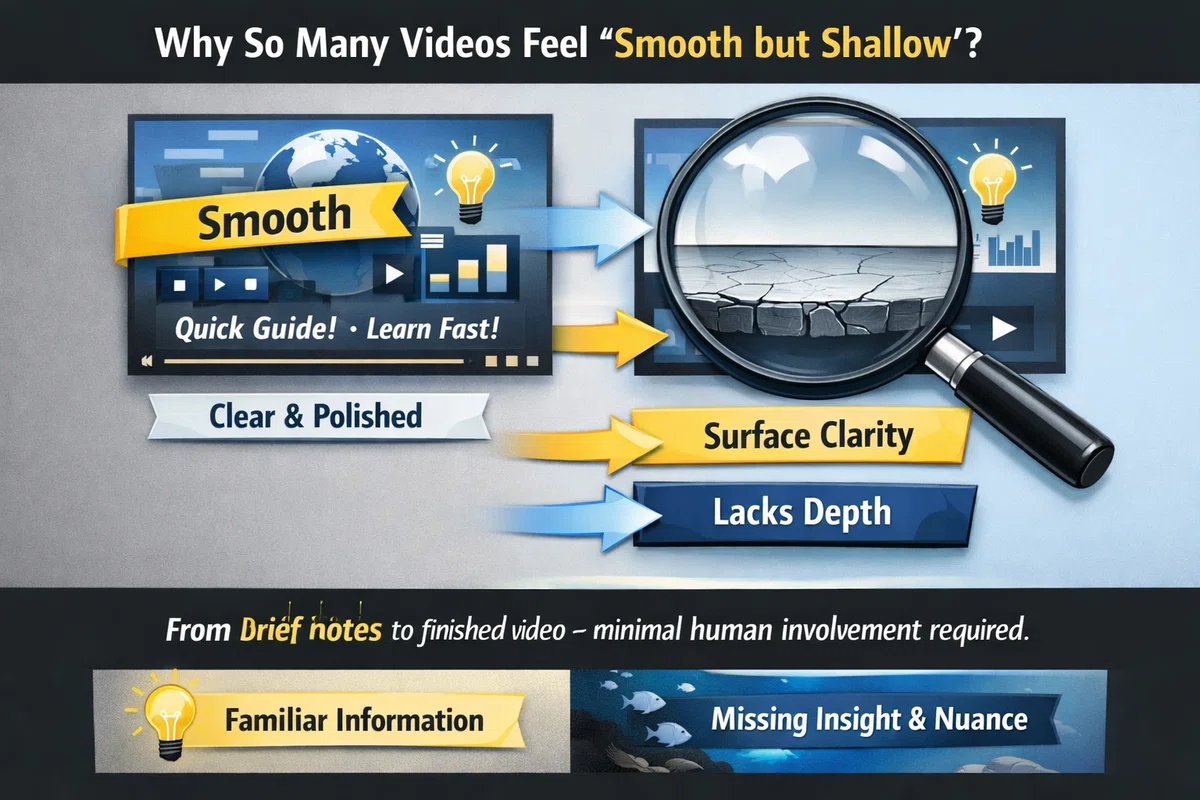
AI‑generated writing tends to be coherent and easy to follow.
However, it often lacks depth, nuance and original insight.
For viewers with some prior knowledge, these videos can feel like a collection of familiar statements rather than meaningful analysis.
AI is excellent at organising information, but it struggles to replicate the lived experience, judgement and perspective that human experts bring.
5. The Pitfalls of Story‑Driven AI Videos
Many recent videos use a narrative hook to draw viewers in.
Yet once you start watching, you may find the same points repeated in slightly different wording, or long sections added simply to stretch the runtime.
This happens because AI prioritises structural coherence over substance.
It can produce a video that “sounds” complete, even when the underlying content is thin.
6. How Advanced Voice AI Creates a Sense of Credibility
Early AI voices were robotic and difficult to listen to.
Today’s systems, however, produce speech that is remarkably natural, with realistic pacing and intonation.
This creates an impression of authority, making viewers more likely to assume the content is well‑researched.
In reality, the smooth delivery can mask the fact that the script itself may be superficial or repetitive.
7. The Problems with Fully Automated Content
When creators rely entirely on AI, quality control often disappears.
Incorrect facts, awkward phrasing and logical inconsistencies can slip through unnoticed.
AI also tends to reuse similar expressions, which can make the content feel repetitive.
To ensure accuracy and value, human oversight remains essential — especially when dealing with educational or analytical topics.
8. Yet AI‑Generated Content Will Continue to Evolve
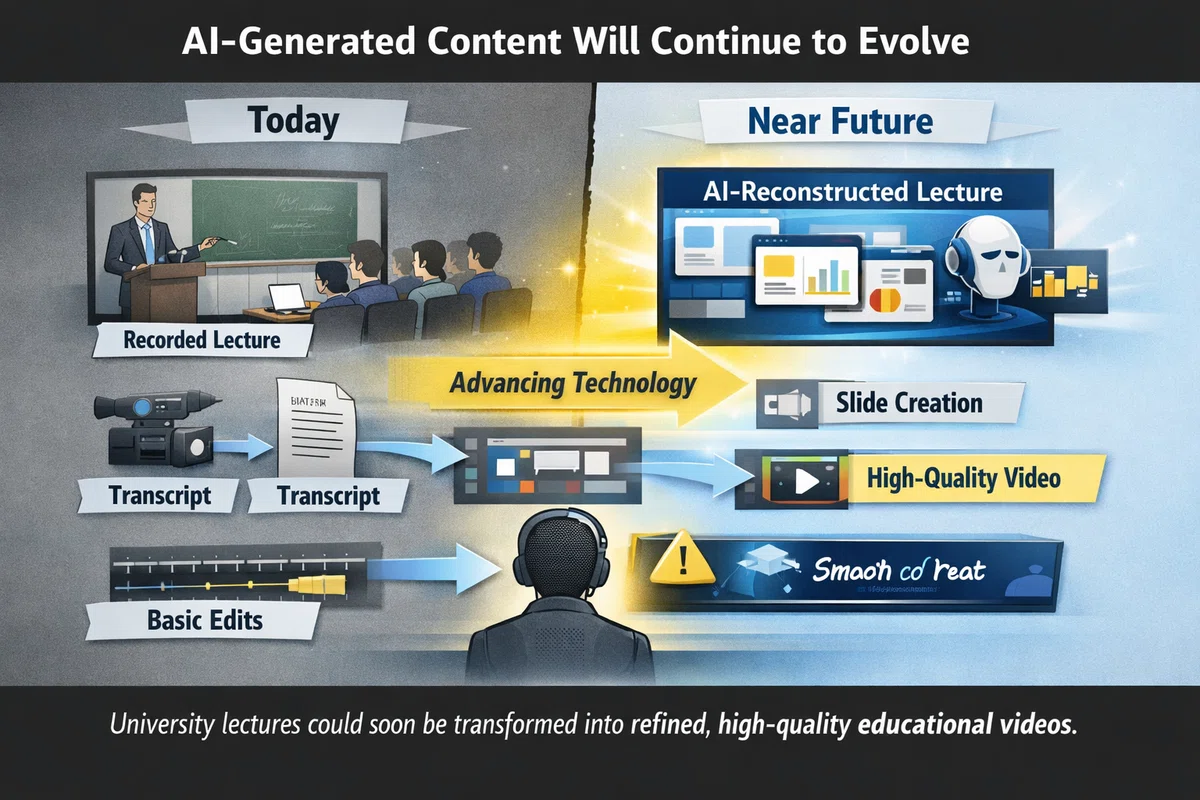
Despite these issues, AI‑driven video production will only become more sophisticated.
Within a few years, we may see university‑level lectures reconstructed by AI and released as high‑quality educational content.
A recorded lecture could be transcribed automatically, turned into slides and re‑edited into a polished video.
The technology already exists; it simply needs refinement and thoughtful use.
9. The Future Lies in Combining Human Expertise with AI Tools
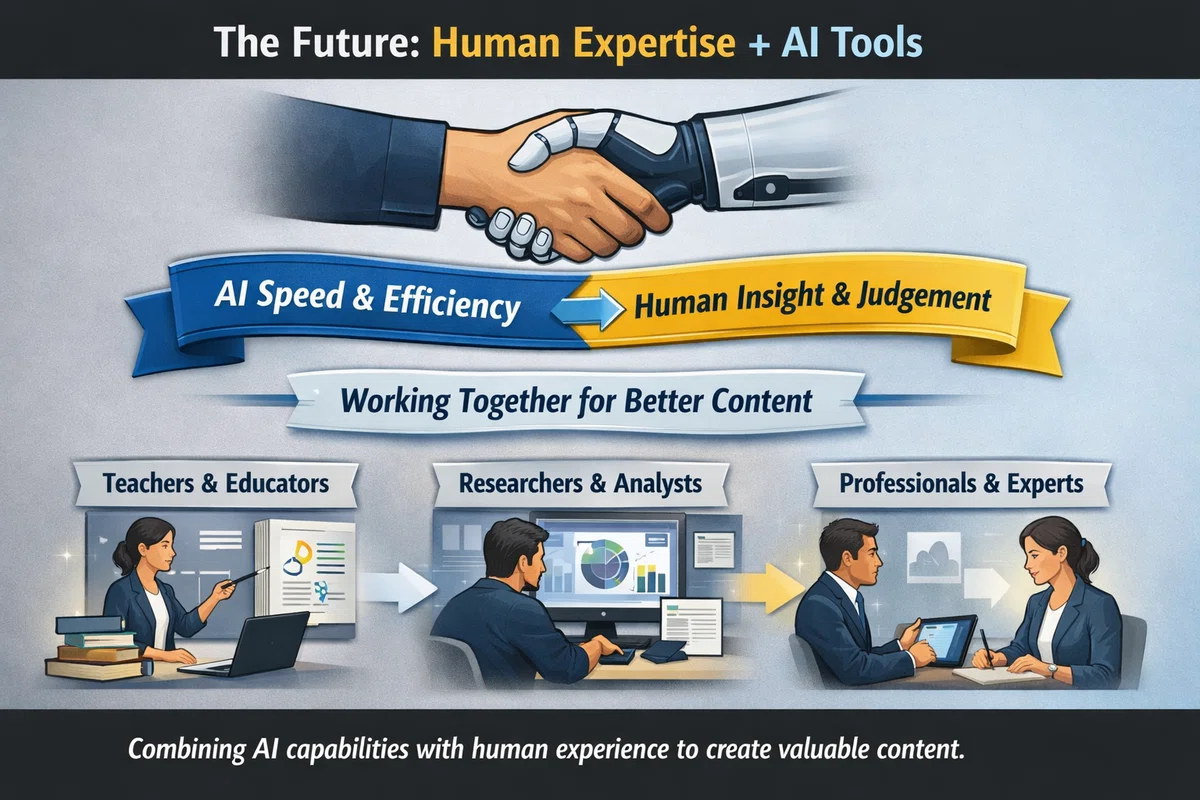
AI excels at speed and structure, while humans provide insight, judgement and real‑world experience.
When teachers, researchers or professionals use AI as a support tool, the result can be genuinely valuable content.
This hybrid approach — human expertise enhanced by AI efficiency — is likely to define the next stage of online education and information sharing.
10. A New Era of Evaluating Information Quality
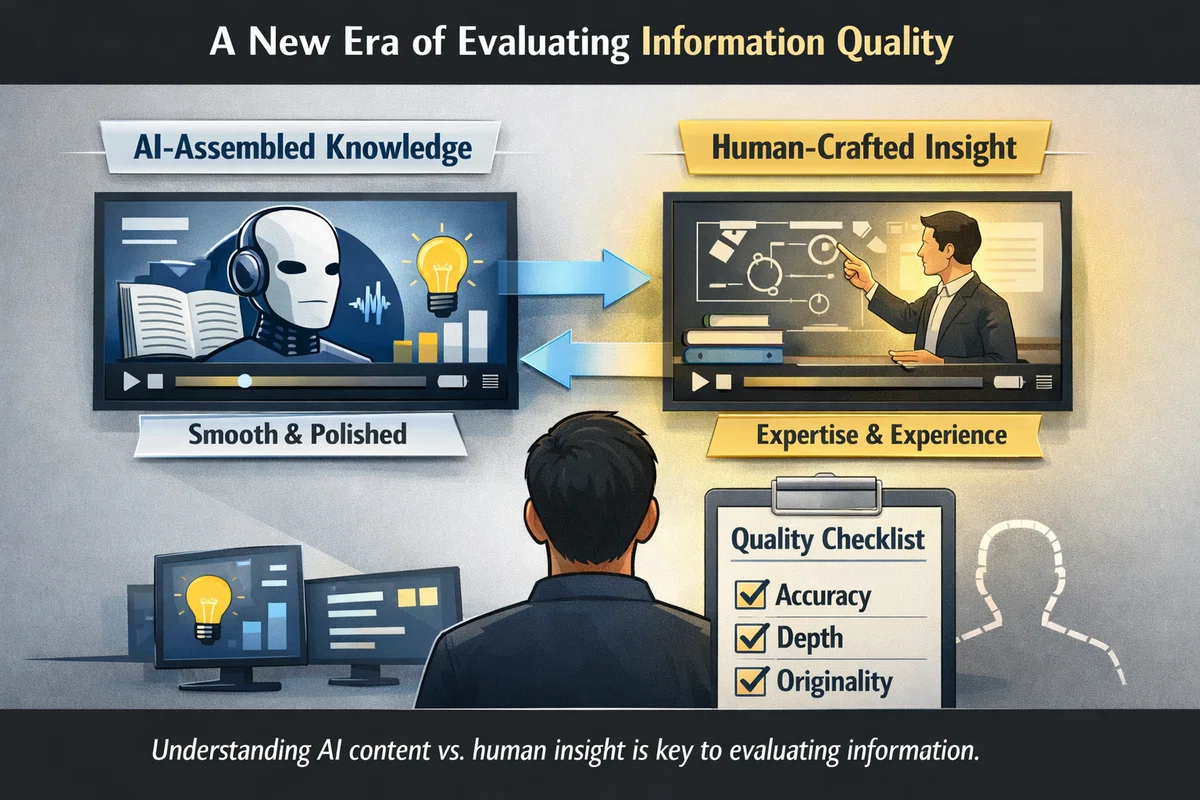
AI‑generated content is smooth, accessible and increasingly convincing.
But it can also lack depth, originality and accuracy.
As AI‑made videos become more common, viewers will need to develop the ability to judge the quality of information for themselves.
Understanding the difference between AI‑assembled knowledge and human‑crafted insight will be essential.
AI is a powerful tool — but how we choose to use it will shape the information landscape of the future.
## 10 tags
Make 10 blog tags from the essay formatted as "#tag1 #tag2"#AIContent #GenerativeAI #AIVideoProduction #DigitalEducation #UKTechTrends #AIExplainers #MediaLiteracy #EdTechInnovation #AIEthics #FutureOfContent
## 10 Key Terms with Remarks
please extract 10 key terms from an essay and please note them with remarks.10 Key Terms with English Remarks
1. Generative AI
Remark: The core technology behind automated content creation, capable of producing text, audio and visuals at scale.
2. Automated Video Production
Remark: A workflow where AI handles most steps of video creation, reducing time and cost dramatically.
3. Script Generation
Remark: The process in which AI expands short notes or summaries into full-length explanatory scripts.
4. Voice Synthesis
Remark: Advanced AI speech technology that creates natural‑sounding narration, increasing the perceived credibility of videos.
5. Content Quality
Remark: A central concern, as AI‑generated videos often sound smooth but lack depth, nuance or original insight.
6. Human Oversight
Remark: Essential for checking accuracy, correcting errors and ensuring that AI‑generated content is reliable.
7. Educational Applications
Remark: A rapidly growing use case where AI restructures lectures or learning materials into accessible video content.
8. Human Expertise
Remark: The irreplaceable element that provides judgement, context and real‑world understanding beyond AI’s capabilities.
9. Media Literacy
Remark: A necessary skill for viewers to distinguish between high‑quality information and shallow AI‑generated material.
10. Future of Content Creation
Remark: A hybrid model where AI efficiency and human insight combine to shape the next generation of digital media.
## Key expressions
Please extract key expressions in English for English learners as a grammar understanding with 2 example sentences.1. “is becoming increasingly…”
Meaning: 状態が徐々に強まっていることを表す。
Example 1: AI‑generated content is becoming increasingly common on YouTube.
Example 2: The quality of automated videos is becoming increasingly difficult to judge.
2. “is capable of ~ing”
Meaning: 能力・可能性を表す。
Example 1: Modern AI is capable of producing long, coherent scripts in seconds.
Example 2: Voice synthesis is capable of sounding remarkably natural today.
3. “tends to…”
Meaning: 傾向を述べるときに使う。
Example 1: AI‑generated explanations tend to sound smooth but lack depth.
Example 2: Automated videos tend to repeat similar phrases throughout.
4. “is likely to…”
Meaning: 未来の予測・可能性を述べる。
Example 1: AI‑based educational tools are likely to become more sophisticated.
Example 2: Viewers are likely to assume the content is reliable if the narration sounds natural.
5. “relies heavily on…”
Meaning: 依存していることを表す。
Example 1: Many short explainer videos rely heavily on generative AI.
Example 2: Automated production relies heavily on pre‑existing summaries and basic information.
6. “plays a crucial role in…”
Meaning: 重要な役割を示す。
Example 1: Human oversight plays a crucial role in ensuring accuracy.
Example 2: Expertise plays a crucial role in creating meaningful educational content.
7. “is shaped by…”
Meaning: 影響を受けて形成されることを表す。
Example 1: The future of content creation is shaped by both AI and human judgement.
Example 2: Viewer expectations are shaped by the increasing presence of AI‑made videos.
8. “raises questions about…”
Meaning: 問題提起・懸念を述べるときに使う。
Example 1: The rise of AI‑generated videos raises questions about content quality.
Example 2: Automated narration raises questions about how viewers assess credibility.
9. “is built on the idea that…”
Meaning: 基盤となる考え方を説明するときに使う。
Example 1: AI‑driven production is built on the idea that information can be automated.
Example 2: Many educational tools are built on the idea that learning materials can be repurposed efficiently.
10. “serves as a reminder that…”
Meaning: 教訓・注意喚起を述べるときに使う。
Example 1: The spread of AI videos serves as a reminder that not all smooth explanations are reliable.
Example 2: The need for media literacy serves as a reminder that viewers must evaluate information critically.
## Collocations, Binomials etc
生成した英語のエッセイより、以下の視点で、20個の英語表現を抽出し、例文を30文字以上の2~3文で生成ください。

- Collocation
- Compounds
- Phrasal verbs
- Institutionalized expression
- Fixed phrases
① Collocations(コロケーション)
1. rapid growth
AI‑generated videos have seen rapid growth over the past few years, especially on platforms like YouTube. This rapid growth has changed how audiences consume educational content online.
2. increasing reliance
Many creators show an increasing reliance on generative AI to produce scripts and voice‑overs. This increasing reliance often results in videos that sound polished but lack genuine insight.
3. human oversight
High‑quality content still requires human oversight to ensure accuracy and depth. Without proper human oversight, AI‑generated explanations may contain subtle errors that mislead viewers.
4. educational value
Some AI‑generated videos offer limited educational value, especially when they simply repeat surface‑level information. Viewers must learn to judge whether a video truly provides educational value or merely sounds convincing.
② Compounds(複合語)
5. content creation
AI‑driven content creation has become a major trend, allowing individuals to produce videos quickly. However, content creation without human review can lead to shallow or repetitive explanations.
6. voice synthesis
Modern voice synthesis technology produces speech that sounds remarkably natural. Because of this, voice synthesis can make even poorly researched scripts appear more credible than they actually are.
7. script generation
AI‑based script generation tools can expand short notes into long explanations. Script generation is efficient, but it often lacks the nuance that comes from real human experience.
8. information quality
The rise of AI videos raises concerns about information quality across digital platforms. Information quality becomes especially important when viewers rely on these videos for learning.
③ Phrasal Verbs(句動詞)
9. rely on
Many creators rely on AI to handle most of the production process. When they rely on AI too heavily, the final product may lack originality or depth.
10. build on
Some educational tools build on existing lecture materials and restructure them using AI. When they build on high‑quality sources, the resulting videos can be genuinely helpful.
11. point out
Experts often point out that AI‑generated content can sound smooth but still be inaccurate. They also point out that viewers must develop stronger media literacy skills.
12. carry out
AI systems can carry out tasks such as summarising text or generating narration. When they carry out these tasks without human review, errors may go unnoticed.
④ Institutionalized Expressions(慣用的表現)
13. raises questions about
The spread of AI‑generated videos raises questions about how we evaluate credibility. It also raises questions about the responsibility of creators who publish unchecked content.
14. plays a crucial role
Human judgement still plays a crucial role in ensuring that educational videos are accurate. It also plays a crucial role in adding depth and meaningful interpretation.
15. serves as a reminder
The rise of shallow AI videos serves as a reminder that smooth delivery does not guarantee quality. It also serves as a reminder that viewers must think critically.
16. is likely to
AI‑driven education is likely to expand significantly in the coming years. It is also likely to reshape how universities share lecture materials.
⑤ Fixed Phrases(定型表現)
17. at the end of the day
At the end of the day, AI is only a tool that organises information. At the end of the day, the value of a video depends on the creator’s judgement.
18. for the most part
For the most part, AI‑generated videos are smooth but lack depth. For the most part, viewers must decide whether the content is genuinely useful.
19. in the long run
In the long run, AI may help produce high‑quality educational materials. In the long run, however, creators must still ensure accuracy and meaningful insight.
20. to a certain extent
AI can replace human effort to a certain extent, especially in repetitive tasks. To a certain extent, though, human expertise remains irreplaceable.
## Chie-Bukuro
本投稿は、「知恵袋」サイトでのQ&Aをベースに、英語のエッセイを、Copilotにて、英語学習用に生成したものです。
以下、日本語版。
※Copilotで生成したので、イラスト内は字化けしています。ご了承ください。
1. 生成AI時代のコンテンツ制作はどこまで進んだのか
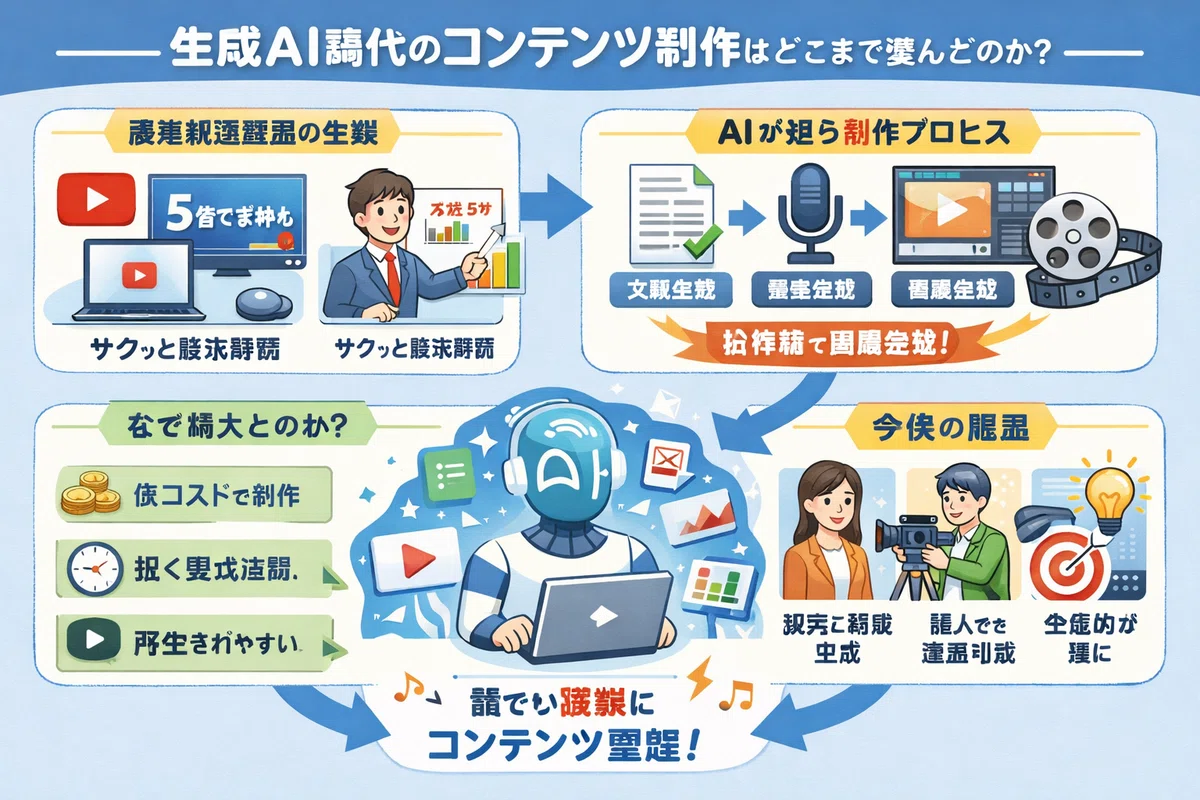
近年、YouTubeでは「サクッと経済」や「○分で分かる○○」といった軽量な解説動画が急増しています。
一見すると、人が丁寧に調べてまとめたように見えますが、実はその多くが生成AIによって作られています。
文章生成、音声生成、そして動画生成まで、AIが一連の流れを担えるようになったことで、個人でも短時間で動画を量産できるようになりました。
この動画では、AIがどのようにコンテンツを作り、なぜこうした動画が増えているのか、そして今後どこへ向かうのかを解説していきます。
2. なぜAI動画が急増しているのか
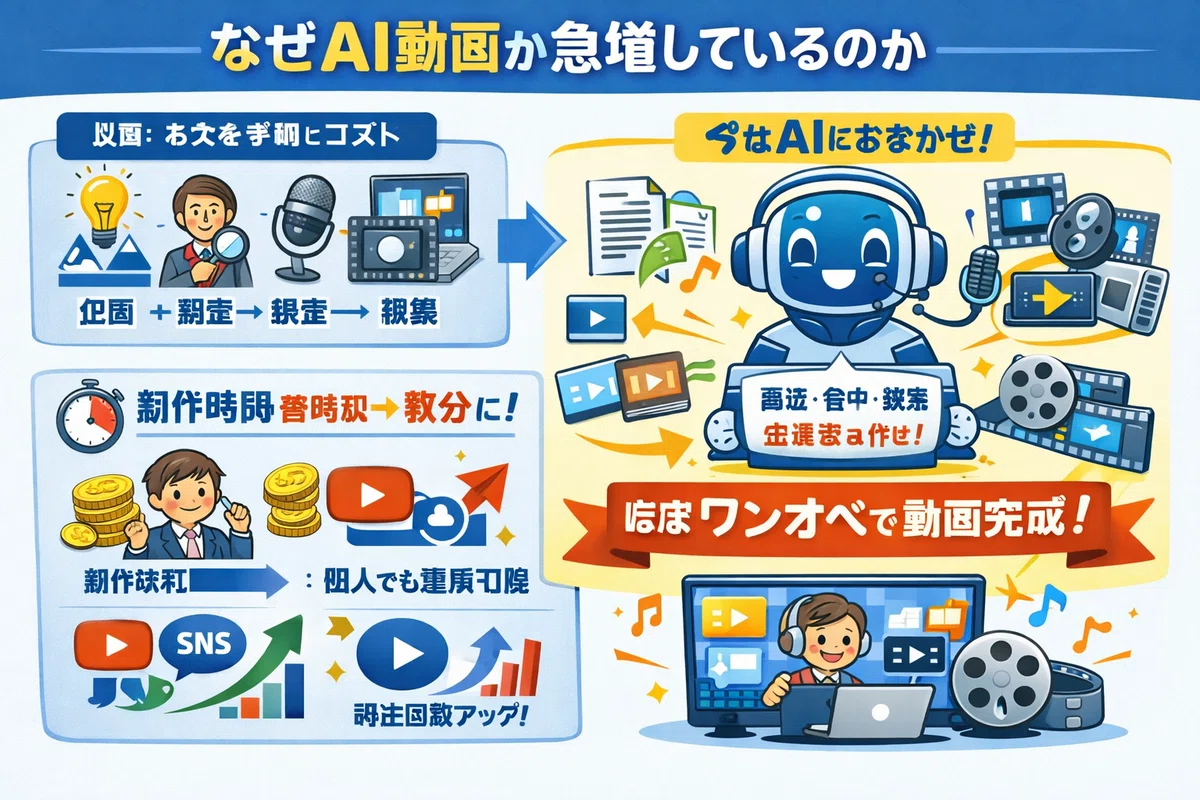
AI動画が増えている最大の理由は、制作コストの劇的な低下です。
以前は、企画、調査、原稿作成、録音、編集と、多くの工程に時間と労力が必要でした。
しかし今では、AIに「このテーマを分かりやすく説明して」と指示するだけで、数千字の文章が数秒で生成されます。
さらに、音声も自然に読み上げられ、映像もテンプレートで自動生成できるため、ほぼ“ワンオペ”で動画が完成します。
こうした効率化が、AI動画の爆発的な増加を後押ししています。
3. AIが作る動画の基本ワークフロー
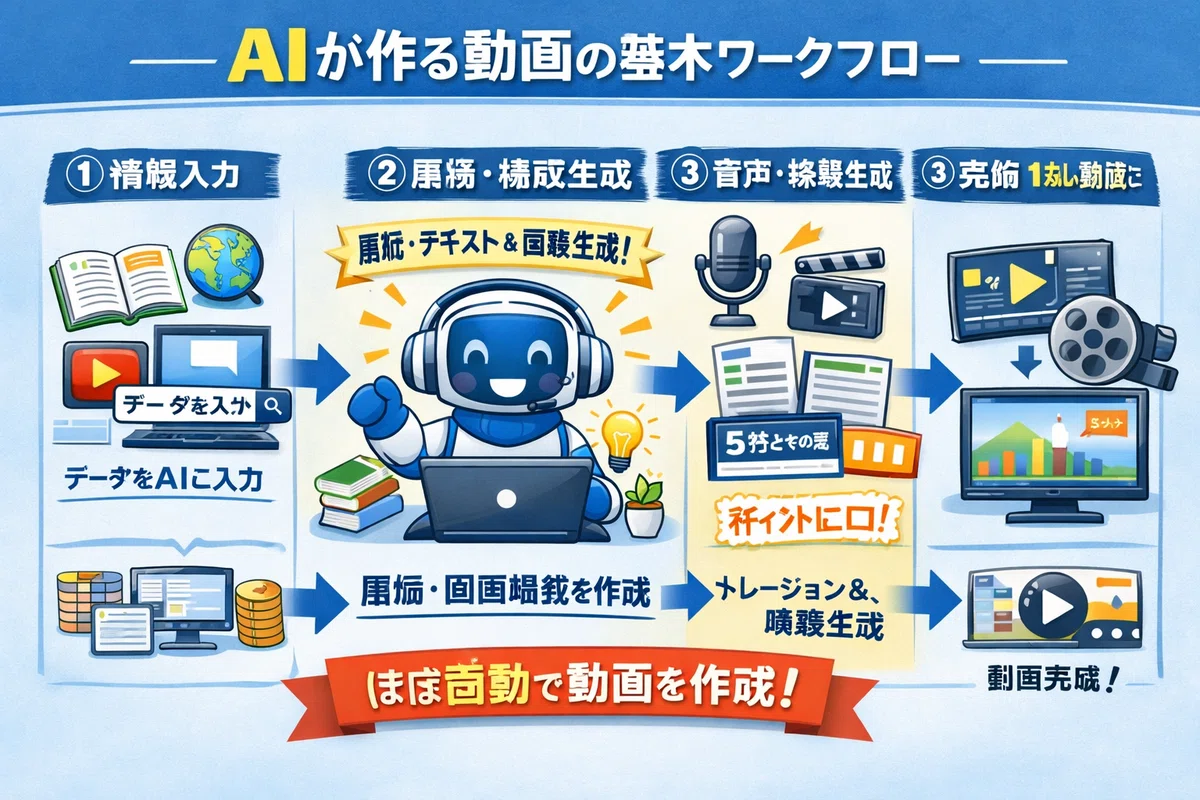
AI動画の制作フローは非常にシンプルです。
まず、教科書のサマリーやネット上の基本情報をAIに入力します。
次に、AIがそれをもとに説明文を生成し、動画用の原稿やタイトル、画面に表示するテキストまで自動で作成します。
最後に、音声生成と映像生成を組み合わせれば、一本の動画が完成します。
この一連の流れは、ほとんど人の手を介さずに行われるため、短時間で大量の動画を作ることが可能になります。
4. “なめらかだけど薄い”動画が増える理由
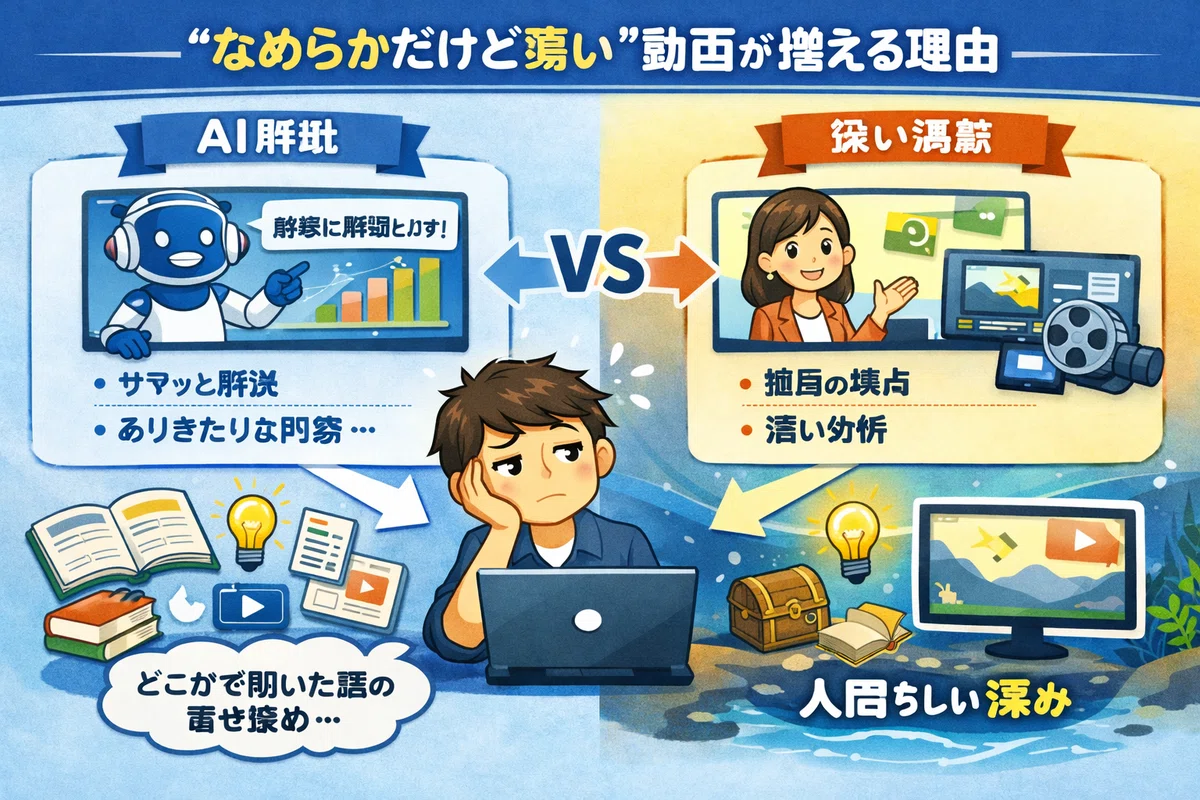
AIが作る文章は、論理的で滑らかです。
しかしその一方で、独自の視点や深い洞察が欠けていることが多く、内容が薄く感じられることがあります。
特に、専門知識を持つ視聴者からすると、「どこかで聞いたような話の寄せ集め」に見えてしまうこともあります。
AIは情報を整理するのは得意ですが、経験や価値観に基づく“人間らしい深み”を生み出すのはまだ難しいのです。
5. ストーリー仕立ての動画に潜む罠
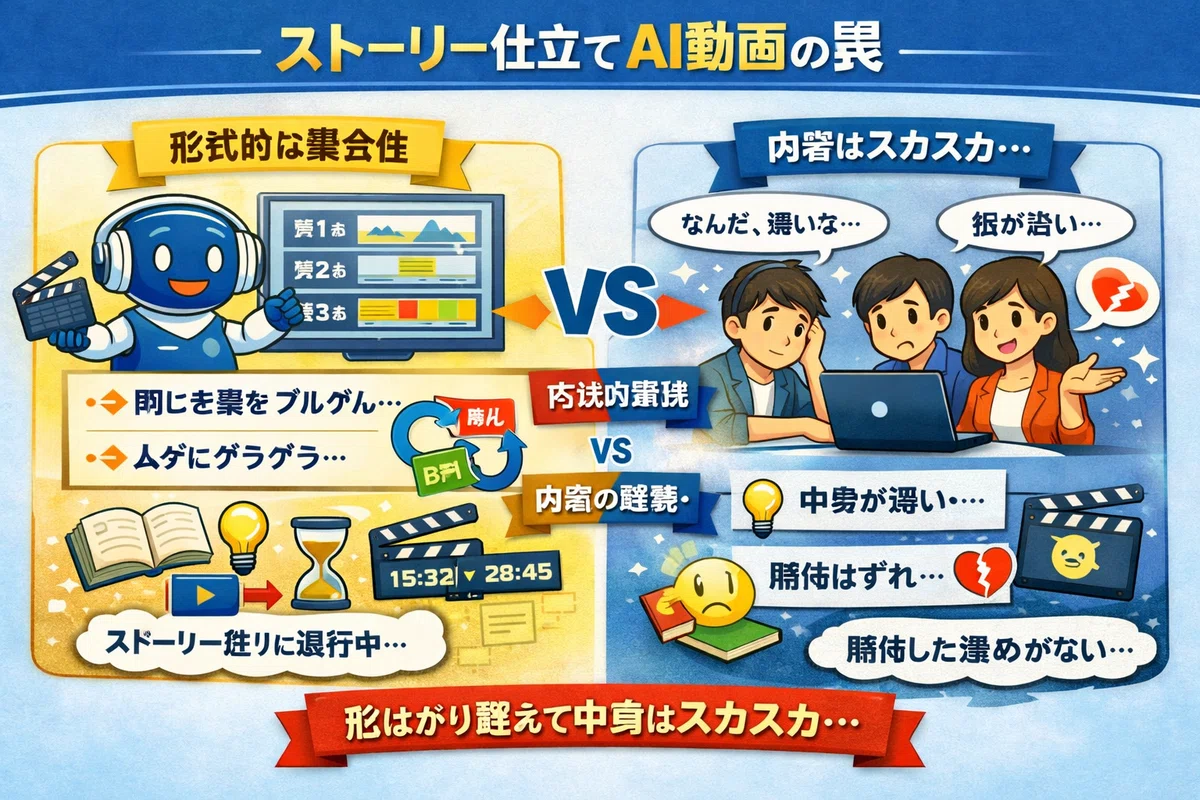
最近は、ストーリー仕立てで視聴者の興味を引く動画も増えています。
しかし、期待して視聴してみると、同じ主張を言い回しを変えて繰り返しているだけだったり、動画時間を引き延ばすための冗長な説明が続いたりすることがあります。
これは、AIが「動画として破綻しない構成」を優先するため、内容の密度よりも形式的な整合性を重視してしまうことが原因です。
6. 進化した音声AIが生む“もっともらしさ”
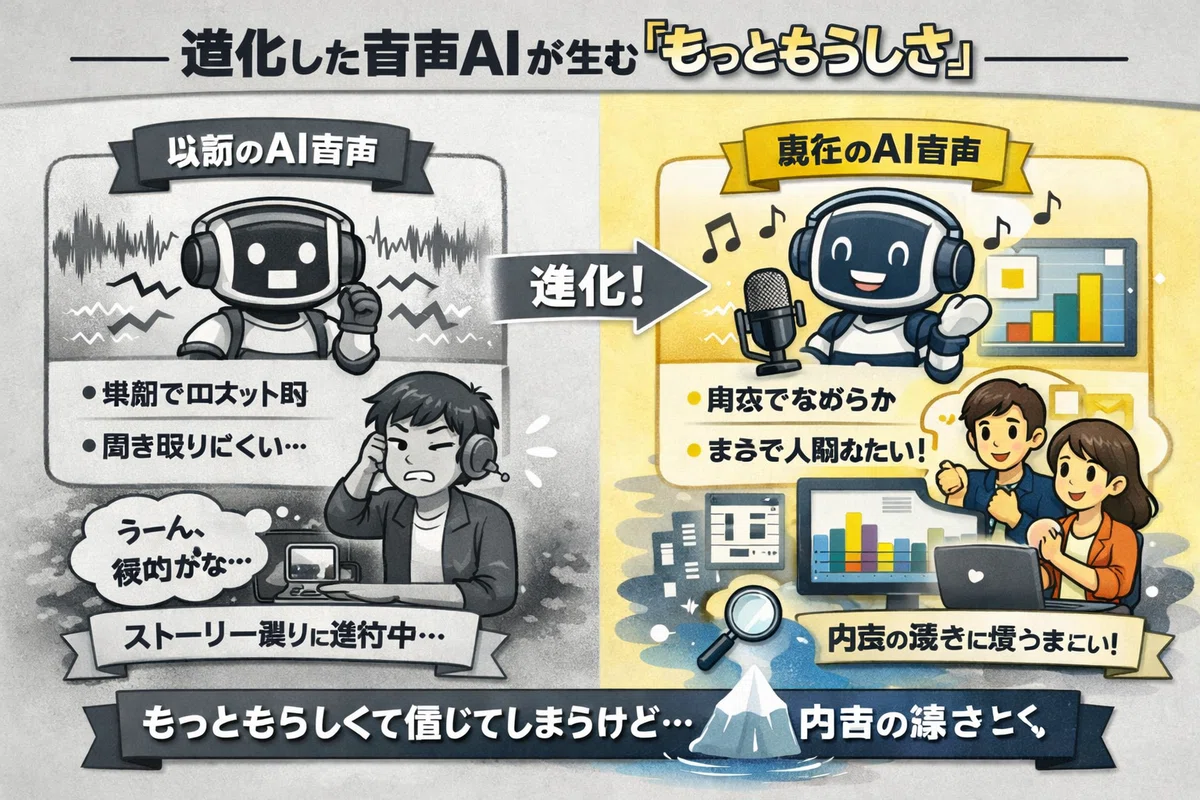
以前のAI音声は、イントネーションが不自然で、聞き続けるのが難しいものでした。
しかし現在は、音声生成技術が大きく進化し、人間の話し方に近い自然な読み上げが可能になっています。
そのため、視聴者は「これはしっかり作られた動画だ」と錯覚しやすくなり、内容の薄さに気づきにくくなっています。
AIの“もっともらしさ”が、情報の質を見極める難しさを生んでいるのです。
7. AI丸投げ動画の問題点
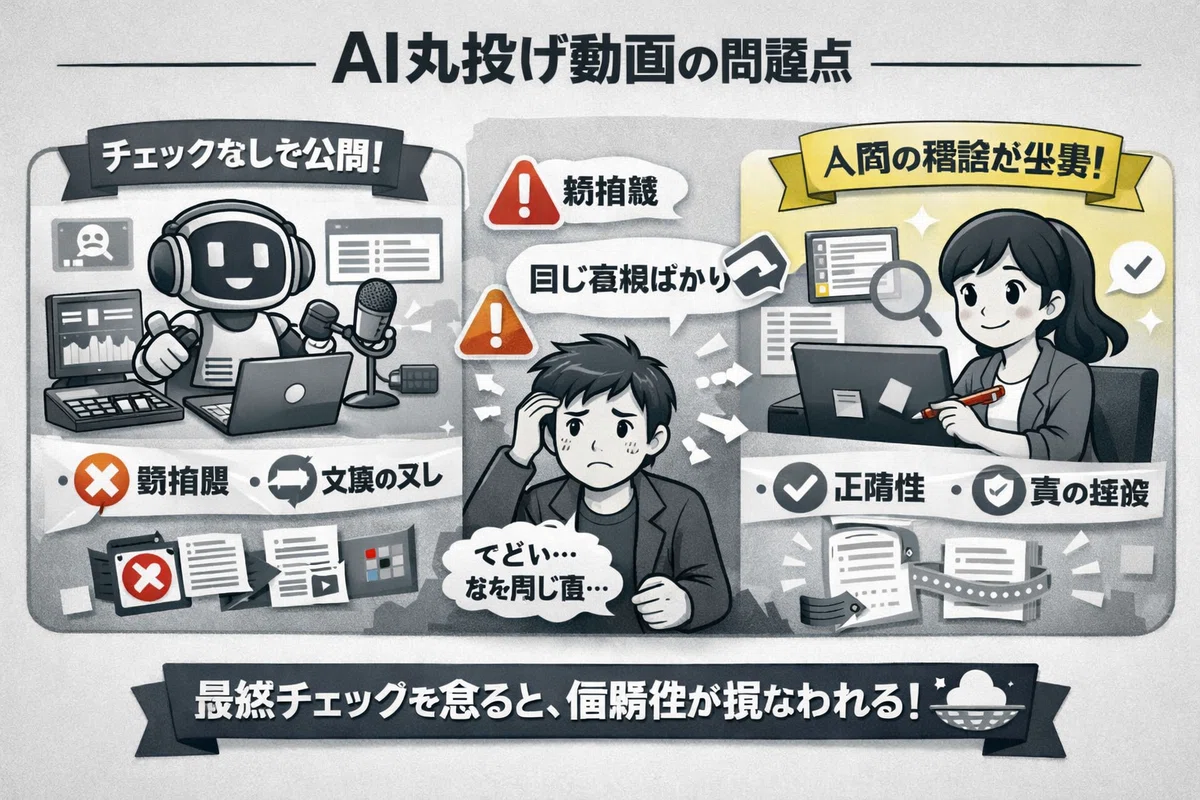
AIに丸投げした動画の問題点は、内容のチェックが行われないことです。
誤った情報がそのまま流されたり、文脈のズレが放置されたりするケースもあります。
また、AIが生成した文章は、同じ表現を繰り返す傾向があり、視聴者にとっては冗長に感じられることもあります。
情報の正確性や質を担保するためには、最終的な確認作業を人間が行うことが不可欠です。
8. それでもAI動画は進化し続ける
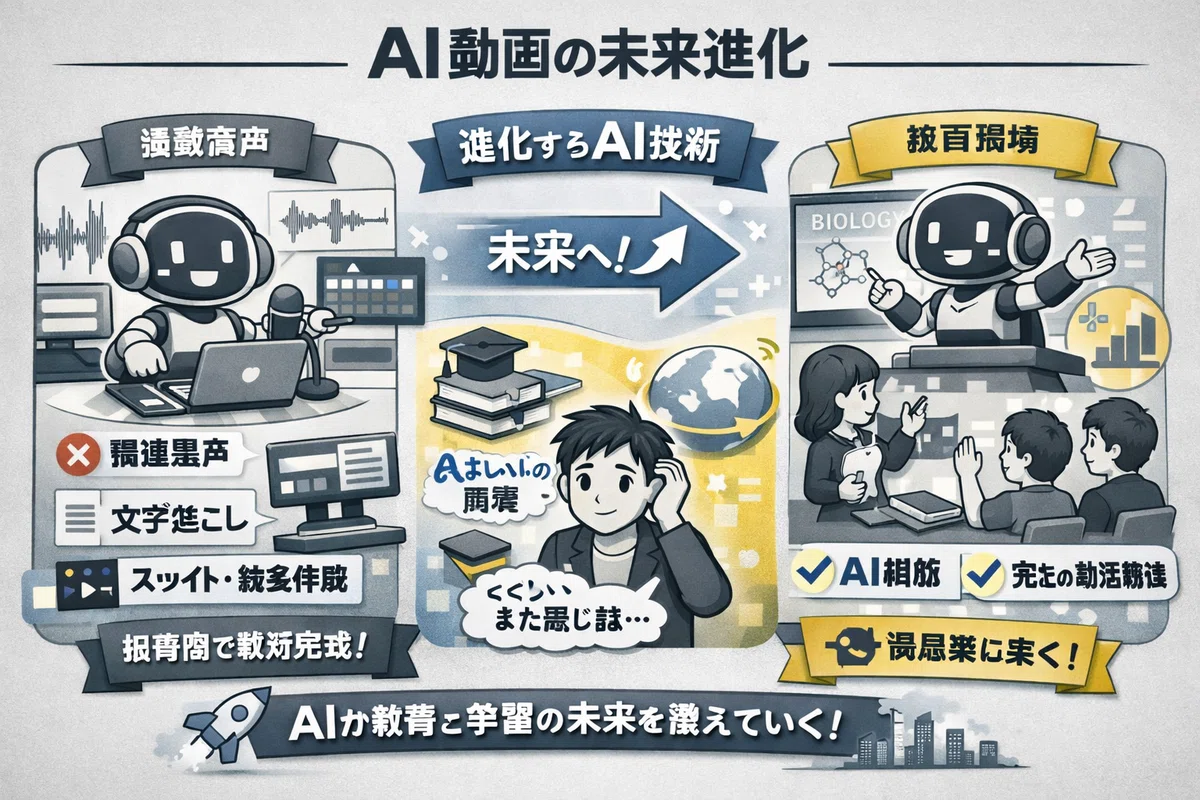
とはいえ、AI動画は今後さらに進化していきます。
あと数年もすれば、大学レベルの講義をAIが再構成し、質の高い教育コンテンツとして配信される未来も十分に考えられます。
講義の録音を文字起こしし、AIがスライドと動画に再編集する。
こうしたワークフローはすでに技術的に可能であり、教育現場の負担軽減にもつながります。
9. 人間の経験 × AI の組み合わせが鍵
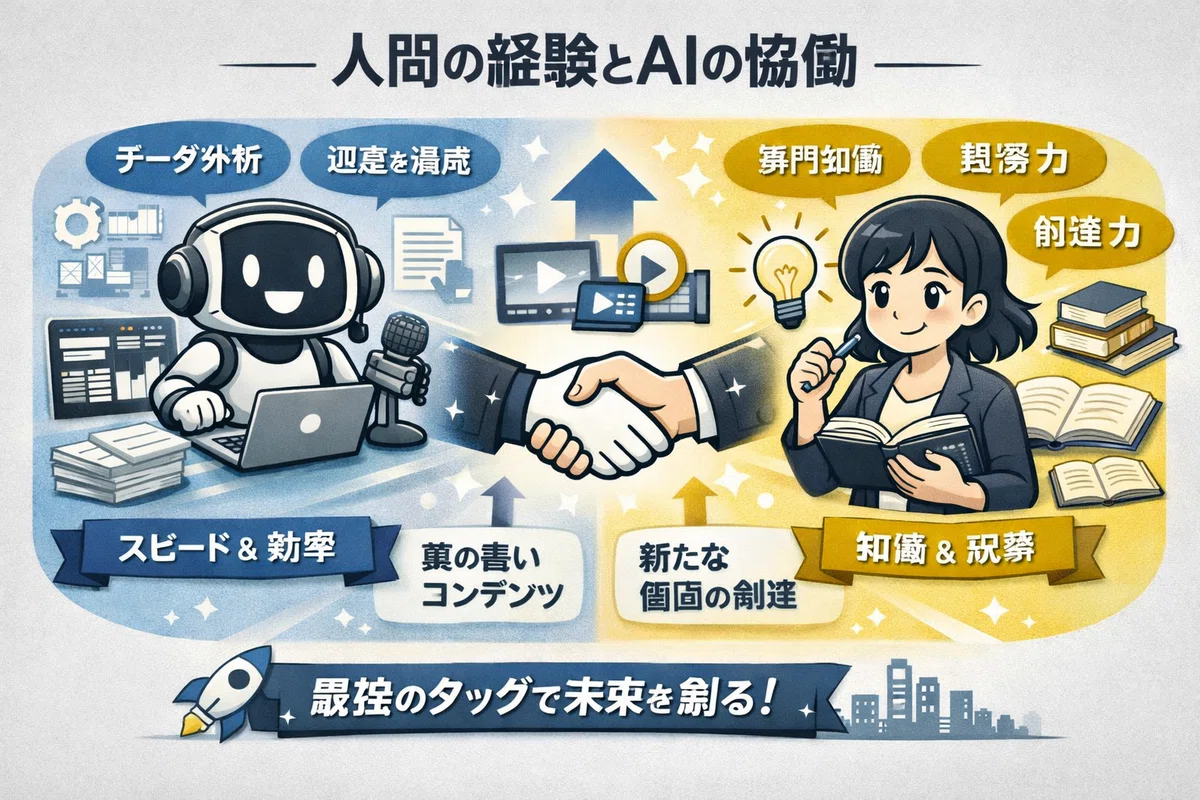
AIが優れているのは、情報整理と構成のスピードです。
一方で、人間が持つ経験や洞察は、AIには代替できません。
教師や専門家がAIを活用すれば、質の高い教育動画を短時間で作ることができ、視聴者にとっても価値のあるコンテンツが増えていくでしょう。
AIと人間、それぞれの強みを組み合わせることが、これからのコンテンツ制作の鍵になります。
10. 情報の“質”を見抜く時代へ
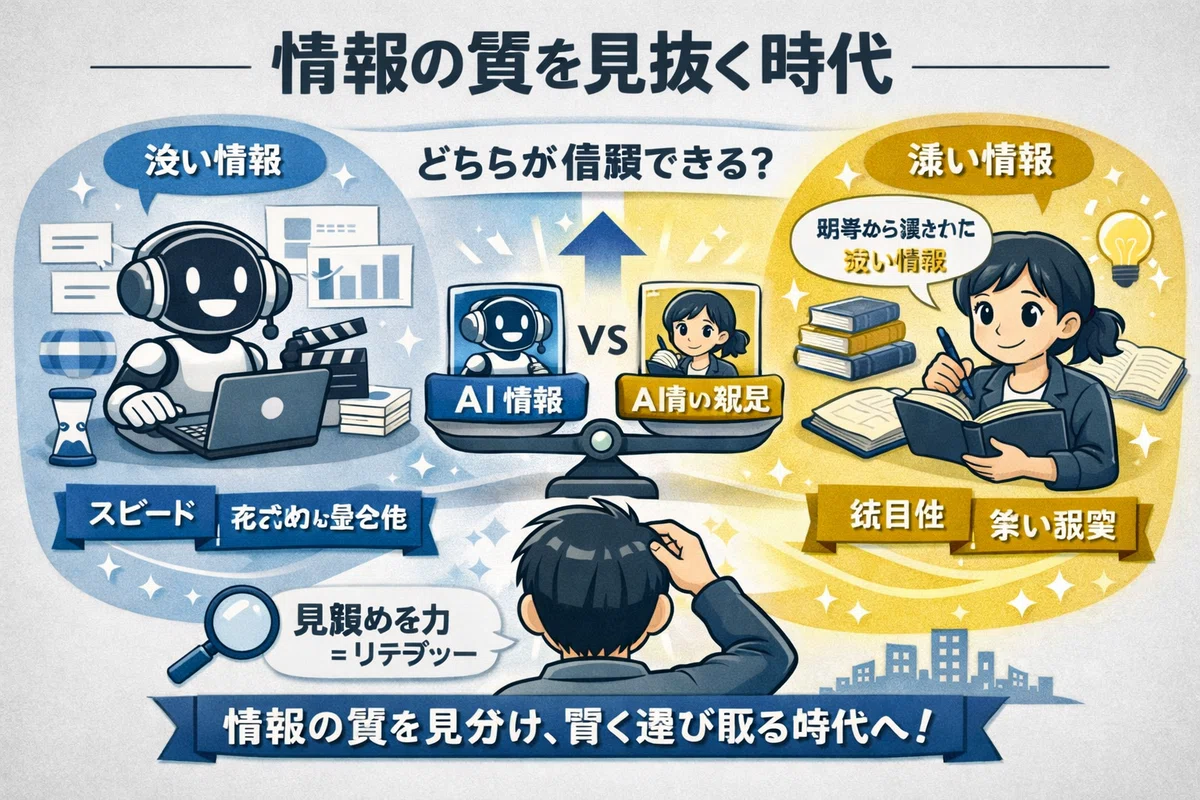
AIが作る情報は、滑らかで聞きやすい一方、深みや独自性に欠けることがあります。
これからは、視聴者自身が「どの情報が信頼できるのか」を見極める力を持つことが重要になります。
AIが作る情報と、人間の知見が込められた情報。その違いを理解し、賢く選び取ることが求められる時代です。
生成AIは強力なツールですが、それをどう使うかは、私たち次第なのです。
以上
いいなと思ったら応援しよう!
 Generative AIを使って何ができるかを実践しています。応援ありがとうございます。