
通読可能なフィリポ福音書英訳

Jean-Yves Leloup, 'The Gospel of Philip' (Inner Traditions, 2003/2004)
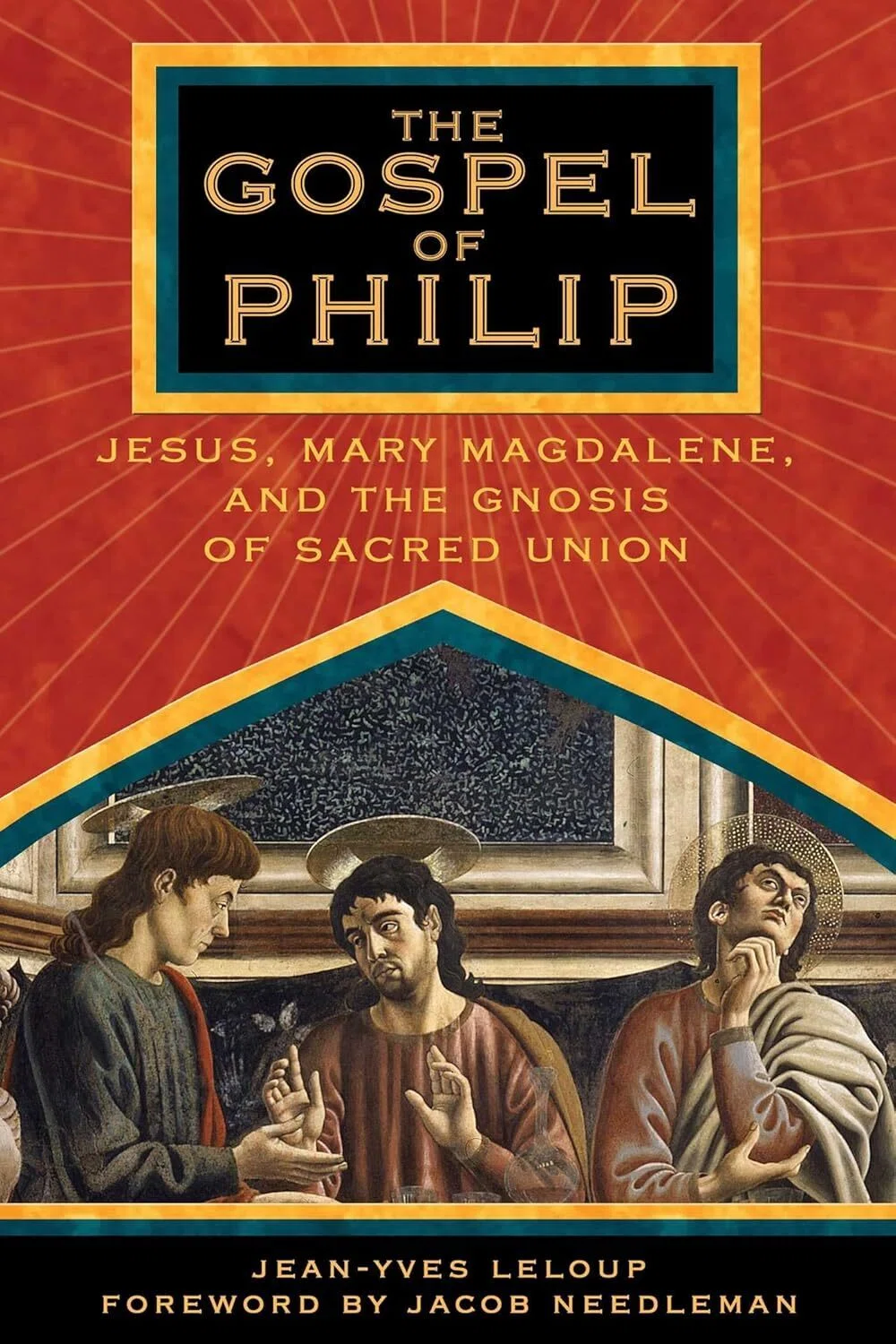
一言でいえば、通読可能な『フィリポによる福音書』(新約聖書外典)英訳。正確には、同書の仏訳からの英訳だが。コプト語原書から仏訳したのが Jean-Yves Leloup で、そこからの英訳は Joseph Rowe による。1945年に発見されたナグ・ハマディ(エジプト南部の町名)文書の第二写本に含まれる書。コプト語に翻訳された元の原本がギリシア語で書かれたはずと、学者の見解は一致する。
〈通読可能〉としたわけは、評者だけかも知れぬが、本書は出だしからしてさっぱり意味が分からず、投出す読者が多かろうと想像するからである。どの翻訳も似たり寄ったりのわけの分らなさの中で、本書はともかくも最後まで読める。原本から数えると四世代めに当たろうが何であろうが,本書は通読できる点で、大いに評価できる。四世代めとは、(想定される原語の)ギリシア語、そのコプト語訳、そのフランス語訳、その英語訳の意味である。
出だしを一応引用しておくと、次の通りである.
A Hebrew who makes someone else a Hebrew is called a proselyte.
But a proselyte does not always make other proselytes.
Authentic beings are who they have always been,
and what they engender is authentic:
simply becoming who one is. (1)
この言葉じたいの意味は分る。別に難しくない。が、何が言いたいのか、さっぱり分らない。本書を最後まで読んでも、この箇所に関係する内容は出てこない(ただし、ヘブライ人を問題にする箇所は他に三つある)。いったい、何のためにここでこう言うのか、不明なのだ。
何が言いたいか分らないのは、おそらく、原文に欠落部分があるせいで、このままではよく意が通じないためだろう。
知る限りでは日本語訳が一つあるが、そちらは欠落を欠落のまま提示しており、本書より一層分りにくい。参考までに引用しておこう。
ヘブライ人はヘブライ人を造り出すものである。そして人々は彼(ヘブライ人) のことを改宗者と呼ぶのが普通である。だが、改宗者は改宗者を造り出さないものである。[]なるほど彼らは、ちょうど人々が[]そして彼らは他の[者たちを……]造り出す。[]は彼らにとって、彼らが生じるためには十分である。(大貫 隆訳、『ナグ・ハマディ文書II 福音書』)
ちなみに、評者がフィリポ福音書で最も信頼するのは Geoffrey S. Smith であるが、それでも次のような訳にとどまる。
A Hebrew makes a Hebrew, and this kind of person is called “proselyte.” But a proselyte does not make a proselyte. They are like the . . . and they make others [. . . But it] suffices for them simply to exist. ('Valentinian Christianity')
*
出だしのことはこれくらいにして、本書の良い点を、通読可能であること以外にひとつ挙げると、Leloup の序文がすばらしい。この序文を読めば、本書を最後まで読みたくなる。著者の並々ならぬ感動が伝わる。だが、その著者にしても、翻訳はエセー程度のもので、解釈や注釈には期待するなと言わんばかりの口調である。謙遜甚だしいが、実際、注釈は殆どない。
本書は詳細な注釈なしに解読することは事実上不可能であると思われる。それほど難解な内容を含む。
しかし、それでも最後まで読ませるだけの魅力に溢れた本だ。
最後に、評者が魅力を感じた箇所を少し挙げておこう。引用末尾の括弧内の数字は本書が句に附した番号。
*
真理はどこでも蒔かれてある(人により見出す時期は異なる)。
The truth is sown everywhere, existing since the beginning;
some see it at the time it is sown,
but few still see it at the time of harvest. (16)
*
女性が女性により身ごもることがあり得ようか(→聖霊は女性)。
Some say that Mary was impregnated by the grace of the Holy Spirit, but they do not know what they say.
How could the Feminine impregnate the feminine? (17)
[(評者注)the Feminine=the Holy Spirit; the feminine=BVM(聖母マリア)]
*
つねに主と共に歩んだ三人。
There were three who always walked with the Lord:
Mary, his mother; the sister of his mother; and Miriam of Magdala,
known as his companion [koinonos]; for him, Miriam is a sister, a mother, and a wife [koinonos]. (32)
*
ピスティスは受け、アガペーは与える。
Faith [pistis] is receiving, and love [agapē] is giving.
None can receive without faith,
and none can give without love.
We believe, and are capable of receiving;
we give so as to experience love.
Whoever gives without love experiences nothing of interest. (45)
*
〈教師〉はどの弟子よりも彼女を愛した。
The Wisdom [Sophia] thought to be sterile [steira] is the mother of angels.
The companion [koinonos] of the Son is Miriam of Magdala.
The Teacher loved her more than all the disciples;
he often kissed her on the mouth.
When the disciples saw how he loved Miriam, they asked him:
“Why do you love her more than us?”
The Teacher answered:
“How can it be that I do not love you as much as I love her?” (55)
*
神と信望愛知。
What is harvested in the world is composed of four elements: water, earth, wind, and light.
What God harvests is also composed of four elements: faith [pistis], hope [elpis], love [agapē], and contemplation [gnosis].
Our earth is faith, for she gives us roots.
Water is our hope, for it slakes our thirst.
Wind [pneuma] is the love [agapē] through which we grow;
and light is the contemplation [gnosis] through which we ripen. (115)
*
魂に悲しみを造り出さぬ者こそ幸いなれ。だれにも重荷を負わせぬ者こそ幸いなれ。
Blessed is the one who makes no sadness in the soul.
That one is Jesus Christ.
He comes to all places, and burdens no one.
Blessed are they who act in this way;
they are realized human beings,
and the Logos abides in them. (116)
