日本と世界を繋ぐ桜講座“The World of Beautifully Blooming Cherry Blossoms” - A Sakura Course Connecting Japan and the World 🌸

【English】
特別企画向けに『ChatGPT』でこちらの記事を英語訳したものです。
This article was translated into English by ChatGPT for special projects.
˚✩∗⋆。˚✩☪︎⋆。˚✩˚✩∗*⋆。˚✩🪄🫧- ̗̀ෆ(˶'ᵕ'˶)ෆ ̖́-˚✩∗⋆。˚✩☪︎⋆。˚✩˚✩∗*⋆。。˚✩🪄🫧
マイラ「言葉を超えて🌷心を繋ぐ💕あなたの想いと新しい景色
“The World of Beautifully Blooming Cherry Blossoms” - A Sakura Course Connecting Japan and the World 🌸
Mayra: “Beyond Words 🌷 Connecting Hearts 💞 Your Feelings and a New Scenery”
˚✩∗⋆。˚✩☪︎⋆。˚✩˚✩∗*⋆。˚✩🪄🫧♡- ̗̀ * ̖́-
“The World of Beautifully Blooming Cherry Blossoms” - A Sakura Course Connecting Japan and the World
Today, I would like to talk about “Sakura”, which is deeply rooted in the hearts of the Japanese people.
Cherry blossoms, petals dancing in the wind, and trees in full bloom—these are all incredibly captivating sights.
Sakura is not just a flower; it is a special presence that has walked alongside Japan’s history and culture.
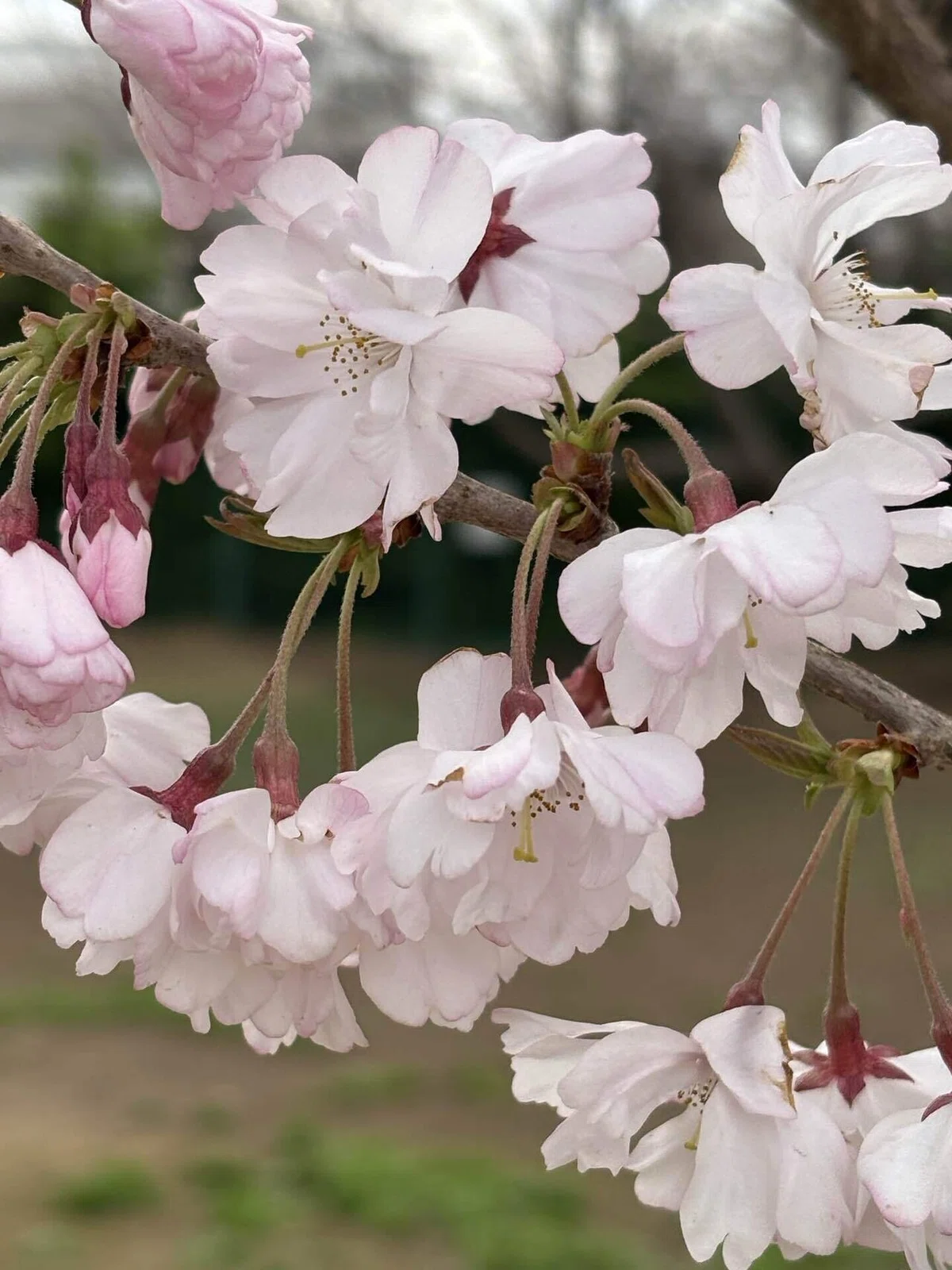
During sakura season, hanami (cherry blossom viewing) is at its peak.
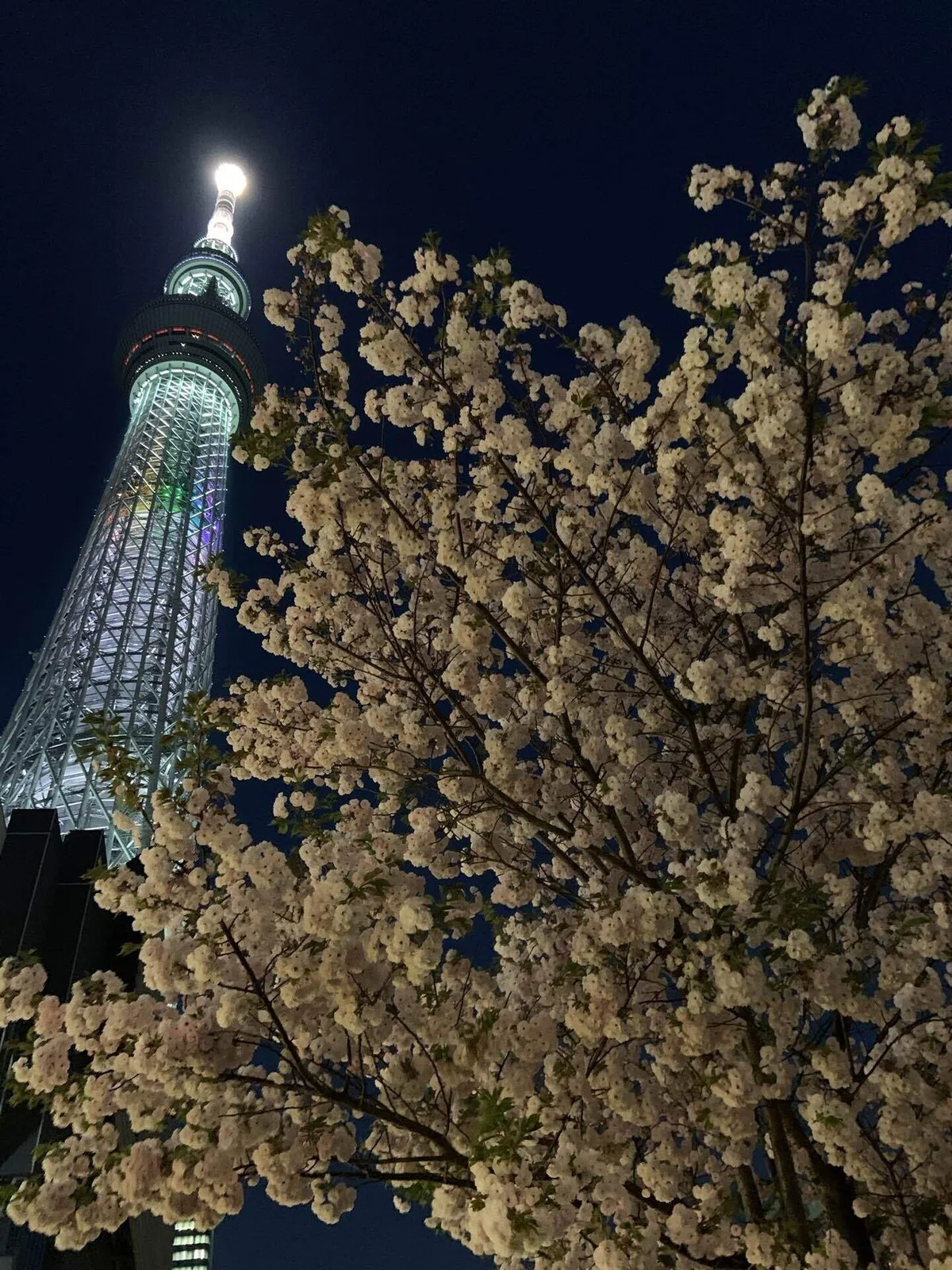
Enjoying cherry blossoms in the daytime is wonderful, but illuminated cherry blossoms at night are truly spectacular.
Today, I would like to introduce the charm of cherry blossoms from various perspectives in a quiz format—so let’s engage our minds while we learn!
⸻
🌸 Do you know which plant family cherry blossoms belong to?
They belong to the Rose family!
Yes, cherry blossoms are a member of the Rosaceae (Rose) family.
Surprising, isn’t it?
While they belong to the Prunus genus within the Rosaceae family, species like peaches and plums are categorized separately.
This means that cherry blossoms are relatives of roses, apples, and strawberries!
The Rosaceae family is vast and diverse, with many species known for their beautiful flowers.
⸻
🌸 What type of cherry tree makes up about 80% of Japan’s cherry trees?
That would be the famous Somei Yoshino!
This is the most well-known variety of sakura in Japan.
It is said that about 80% of Japan’s famous cherry blossom spots are covered with Somei Yoshino trees.
Interestingly, all Somei Yoshino trees in Japan are clones propagated through grafting.
This means that genetically, every Somei Yoshino tree is identical.
Because of this, they all bloom and fall at nearly the same time across Japan.
Perhaps this fleeting, synchronized beauty resonates deeply with the Japanese aesthetic of “mono no aware”, an appreciation for the transient nature of things.
⸻
🌸 Where do cherry blossoms bloom the earliest in Japan?
That would be Okinawa’s Kanhi-zakura!
The first place in Japan to witness cherry blossoms each year is Okinawa, the warm southern islands.
Unlike the pale pink Somei Yoshino of mainland Japan, Okinawa’s cherry blossoms are Kanhi-zakura, a variety known for its deep pink color and early bloom.
In Okinawa, these sakura typically bloom between January and February—much earlier than in mainland Japan!
As the Sakura Front (cherry blossom blooming progression) moves northward from Okinawa, it takes about three months to reach Hokkaido.
The vivid pink of Kanhi-zakura contrasts beautifully with Okinawa’s blue skies and sea, creating a stunning sight.
⸻
🌸 What is the symbolic meaning of cherry blossoms?
Sakura symbolizes “spiritual beauty” and “graceful femininity.”
The meaning “spiritual beauty” comes from the fact that cherry blossoms represent the purity and elegance of the Japanese heart.
Meanwhile, “graceful femininity” is derived from the delicate yet dignified appearance of sakura blossoms.
These meanings reflect the dual nature of sakura—delicate yet strong, fleeting yet noble.
The way cherry blossoms bloom beautifully and fall swiftly resonates with the Japanese sense of beauty and the samurai spirit.
Wouldn’t it be wonderful to embody the elegance of sakura?
🌸 Where is the oldest cherry tree in Japan?
It is the Jindai Sakura in Yamanashi Prefecture.
This sakura is considered one of Japan’s three great cherry trees and has been designated a natural monument.
• It is over 2,000 years old!
• It stands 10.3 meters tall with a trunk circumference of 11.8 meters.
Just imagine—the Jindai Sakura has witnessed the Asuka, Nara, Heian, Kamakura, Muromachi, Sengoku, Edo, Meiji, Taisho, Showa, Heisei, and Reiwa eras.
It has been a silent witness to the joys and sorrows of countless people.
This tree is truly a living piece of history.
⸻
🌸 Do you like cherries? 🍒
Do you know which type of cherry tree produces edible cherries?
That would be the Mizakura (fruiting cherry trees)!
Cherry trees that produce fruit are classified into three main types:
1. Sweet Cherry (Western Cherry) – Known for its sweet fruit.
2. Sour Cherry (Tart Cherry) – Often used in jams and pies.
3. Chinese Cherry – Less common but still cultivated.
In Japan, Yamagata Prefecture is famous for its cherry production.
Many people enjoy cherry-picking as a fun early summer activity!
⸻
🌸 Can cherry blossoms affect human emotions?
Yes! They have a mood-boosting effect!
Cherry pollen contains ephedrine, a compound known to stimulate excitement.
Perhaps this explains why people feel extra cheerful and festive during hanami.
It’s not just the alcohol—sakura itself might be enhancing the joyful atmosphere!
Nature truly works in mysterious ways.
⸻
🌸 What two cherry tree species were crossed to create Somei Yoshino?
Somei Yoshino was created by crossing Oshima-zakura and Edo-higan.
This hybrid was developed in the late Edo period, about 150-200 years ago.
The name “Somei Yoshino” likely comes from Somei Village (now Komagome, Tokyo), where it was first cultivated.
It is fascinating to think that this beloved variety is a relatively newcomer in Japan’s long history of cherry trees.
⸻
🌸 Which cherry tree leaves are used for sakura-mochi?
That would be the Oshima-zakura!
The leaves of Oshima-zakura are large and contain coumarin, which gives sakura-mochi its distinctive aroma.
Did you know that sakura-mochi comes in two styles?
1. Chomeiji-style (Kanto region) – Made with thin, crepe-like dough.
2. Domyoji-style (Kansai region) – Made with glutinous rice.
Which one do you prefer? Both are delicious!
🌸 What is an unusual color of cherry blossoms?
Green!
The Gyoiko cherry tree produces yellow-green blossoms that gradually turn red in the center.
Another rare variety, Ukonsakura, has yellow flowers—the only cherry tree in Japan known for this color.
These unique sakura can be found in select locations like Shinjuku Gyoen (Tokyo) and Rokusonno Shrine (Kyoto).
Wouldn’t it be exciting to see these rare blossoms in person?
⸻
🌸 Who popularized the large-scale hanami parties?
That would be Toyotomi Hideyoshi!
He planted 700 cherry trees on Mount Daigo and hosted a massive hanami party with 1,300 guests.
This extravagant event set the precedent for modern hanami celebrations, where people gather under cherry blossoms to eat, drink, and enjoy the view.
⸻
🌸 Why are cherry trees often planted along rivers?
To strengthen the riverbanks!
In the Edo period, frequent flooding was a problem.
By planting sakura along riverbanks, crowds would gather for hanami, naturally compacting the soil and reinforcing the banks.
What a brilliant blend of practicality and beauty!
⸻
Cherry blossoms are deeply intertwined with Japanese culture, history, and even emotions.
The next time you see sakura, perhaps you’ll appreciate them even more!
🎶🎶🎶🎶
🌸 What is the title of the period drama where the protagonist delivers the famous line, “Oh! This splendidly blooming Toyama cherry blossom, I won’t let you say you’ve forgotten it!”?
If you love period dramas, this iconic line must have brought “Tōyama no Kin-san” to mind.
“Oh! This splendidly blooming Toyama cherry blossom, I won’t let you say you’ve forgotten it!”
This is the signature line of the series.
Many of you might have seen this period drama. Tōyama Kinshirō Kagemoto was an actual magistrate of Edo’s Minami Town during the Edo period. It is said that he had a cherry blossom tattoo on his back, which became known as the “Tōyama Sakura.” In the drama, the scene where he throws off his haori (short jacket) to reveal the tattoo before confronting the villains is especially striking.
⸻
🌸 Now, let’s talk about meat!
What animal does “Sakura-niku” (cherry blossom meat) come from?
It’s horse meat!
There are various theories behind the name “Sakura-niku,” but the most common explanation is that the meat, when cut, has a cherry blossom-like pink color.
For reference, wild boar meat is called “Botan” (peony), and deer meat is called “Momiji” (maple).
In Japan, it was a tradition to name different types of meat after flowers, perhaps as an expression of the country’s aesthetic sense within its culinary culture. Some regions, like Kumamoto and Nagano, have a deep-rooted tradition of eating sakura-niku as part of their local cuisine.
⸻
🌸 Now, let’s talk about Japanese currency!
Which coin features a cherry blossom design?
If you take a closer look, it’s the 100-yen coin!
The 100-yen coin features a design of cherry blossoms (yamazakura).
For comparison, the 50-yen coin features the chrysanthemum, and the 500-yen coin features the paulownia tree.
We use coins in our daily lives without much thought, but if you take a closer look, you’ll notice that many Japanese coins feature beautiful native plants. The cherry blossom, being Japan’s most iconic flower, has even been engraved on the nation’s currency. Next time you hold a 100-yen coin, take a moment to admire the cherry blossom design!
I’ll continue translating the remaining sections in the next part. Let me know if you need any adjustments so far!
🎶🎶🎶🎶
Cherry Blossom Facts and Cultural Significance
🌸 Which Japanese national sports team uses the cherry blossom in their emblem?
**Rugby!** Sports fans would know this. The meaning behind the cherry blossom emblem comes from the flower's ephemeral beauty and dignity, representing the spirit to "fight fairly and, when defeated, fall beautifully." The Japanese national rugby team is affectionately known as "Sakura Japan." During the 2019 Rugby World Cup hosted in Japan, they showed remarkable performance wearing the cherry blossom emblem on their chests. Many Japanese people were moved by their play that embodied the spirit of the cherry blossom.
__
🌸 Have you seen those "fake customers" creating lines in front of stores to make them look popular? Why are these fake customers called "sakura" (cherry blossoms)?
**Because they bloom suddenly and disappear quickly, creating excitement only for that moment!** While there are several theories about the origin of this term, one strong theory suggests that during the Edo period, people hired to cheer actors in theater houses were called "sakura" because they would appear flashily and disappear quickly, like cherry blossoms. This term later became slang among street vendors and eventually spread into general use. It's fascinating how the characteristic of cherry blossoms—"blooming brilliantly and falling quickly"—has influenced this expression in Japanese language.
___
🌸 What was the meaning of "sakura" (cherry blossom) in telegrams?
**It meant passing an examination.** In 1956, few students from rural areas would travel to Tokyo to check university acceptance results in person. Waseda University sent "acceptance telegrams" with the message "Sakura Saku" (cherry blossoms bloom) for those who passed, and "Sakura Chiru" (cherry blossoms fall) or "Inaho Chiru" (rice ears fall) for those who failed. (Many people may not know this nowadays.) While nowadays results are instantly available online, back then they communicated results to rural exam takers using cherry blossom metaphors. "Sakura blooming" is a beautiful expression comparing the beginning of a new life chapter to cherry blossoms opening.
___
🌸 What proverb has a similar meaning to "Hana yori dango" (dumplings rather than flowers)?
**"Iroke yori kuike" (appetite over attraction).** The proverb "Hana yori dango" means "preferring practical benefits over enjoying flower viewing"—a metaphor for choosing substance over appearance. Similarly, "Iroke yori kuike" means "hunger comes before romantic desire," or more broadly, "choosing practical benefits over keeping up appearances." While Japanese people value appreciating beauty, they also possess a pragmatism that doesn't forget practical matters. The saying "Hana yori dango" is still commonly used in everyday conversation. When you go cherry blossom viewing, which do you look forward to more—the blossoms or the dumplings? Of course, you enjoy both!
___
🌸 There's a theory that the three colors of "tri-colored dango" represent spring. What's the correct meaning of each color?
**Pink: cherry blossoms, White: white sake, Green: mugwort.** Do you know that the colors of tri-colored dango (pink, white, and green) each have meaning? Pink represents spring when cherry blossoms bloom, white represents winter when snow falls, and green represents summer when leaves flourish. Autumn is missing, which some say is a pun—"aki nai" (no autumn) sounds like "akinai" (never tire of). Another theory suggests they all represent spring colors: pink for cherry blossoms, white for white sake, and green for mugwort. It could also represent the transition from cherry blossoms blooming to falling, and then to leaf-covered cherry trees.
___
🌸 How many petals does a cherry blossom have?
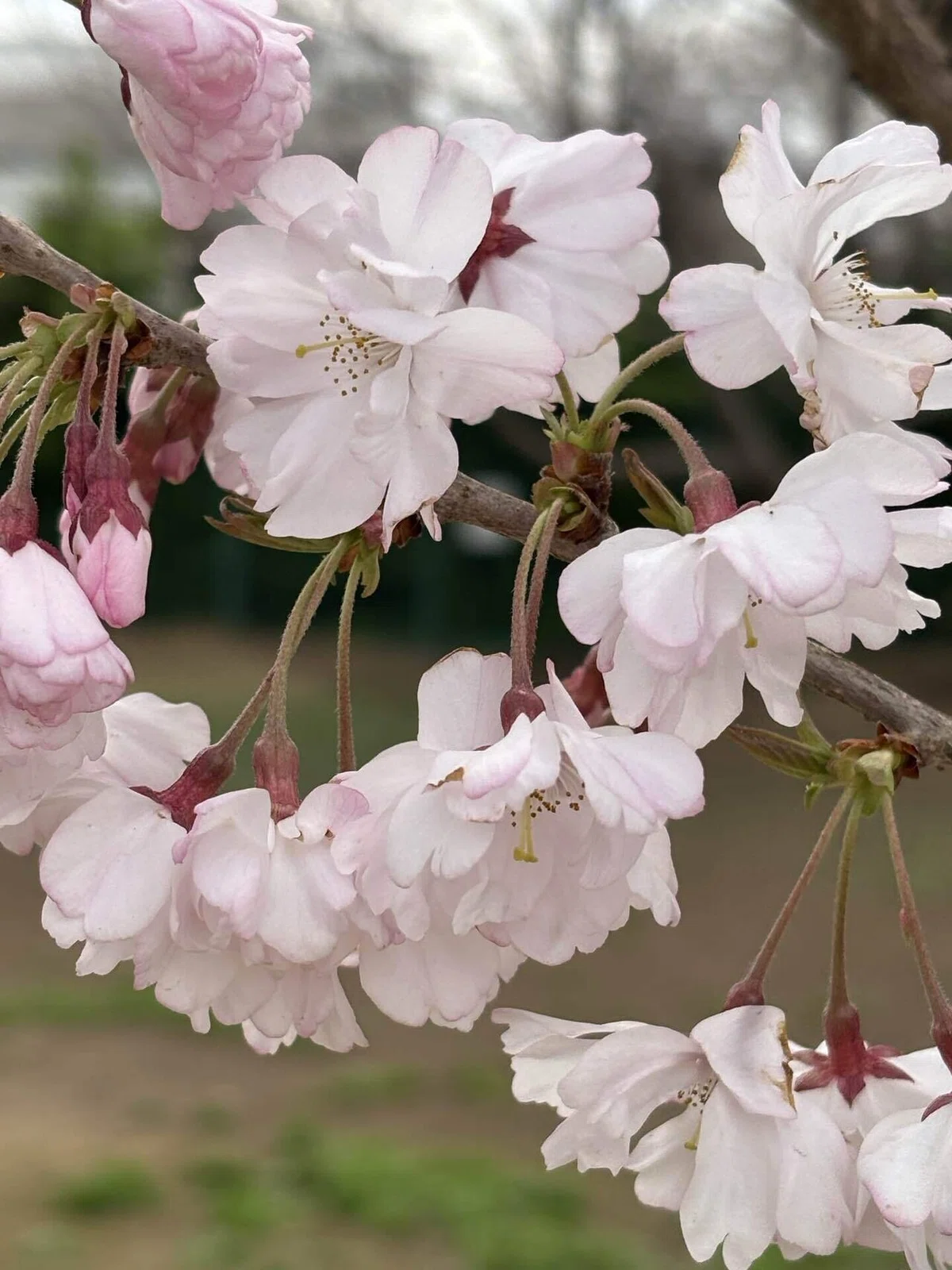
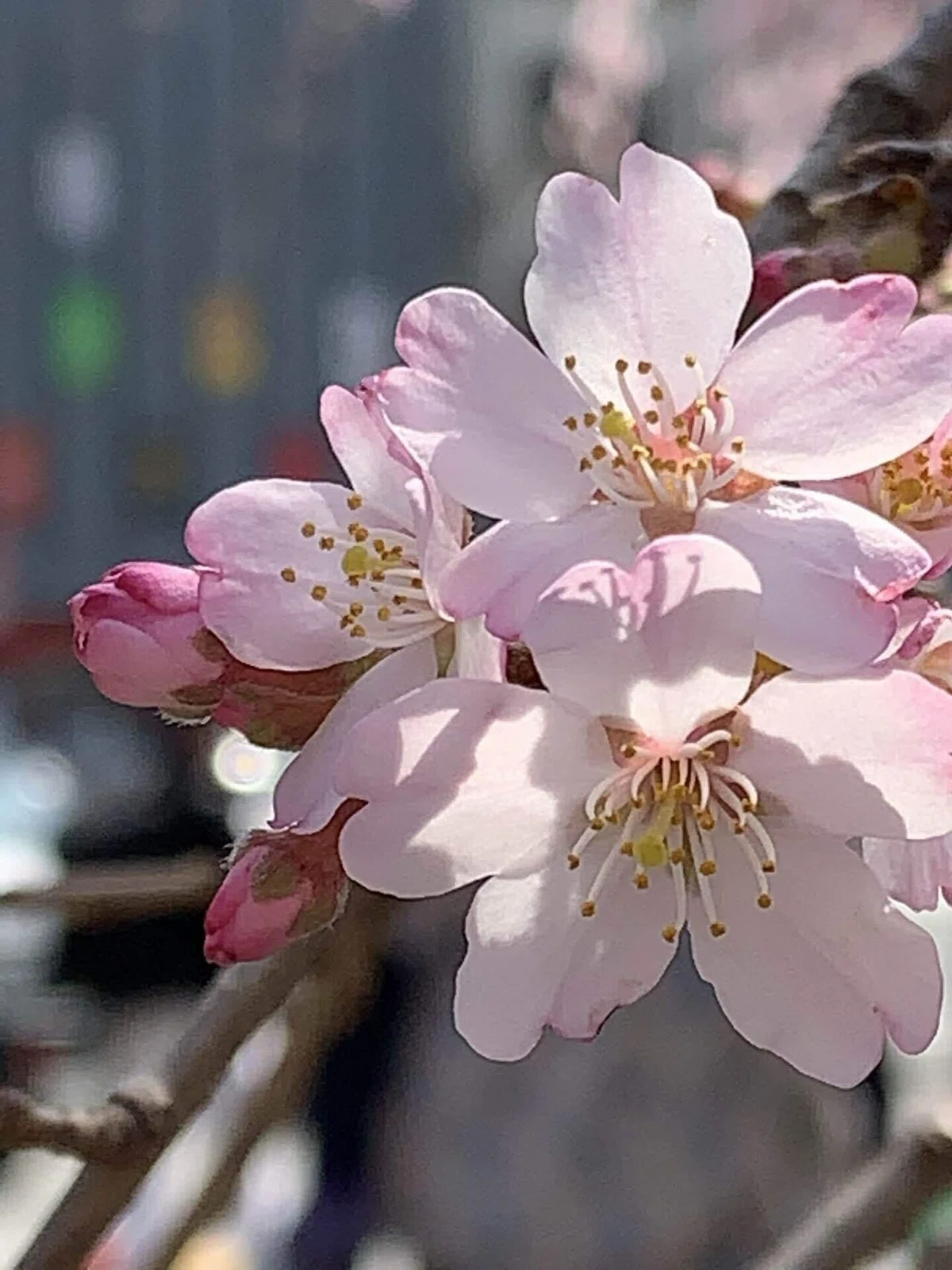
**5 petals.** Most cherry blossoms have 5 petals, including the common Somei Yoshino variety. This is related to cherry trees belonging to the rose family, as most plants in this family typically have 5 petals. Next time you see cherry blossoms, try counting the petals—you'll observe how 5 petals spread beautifully in symmetry.
___
🌸 What important purpose did cherry blossoms serve in ancient times?
**They marked the beginning of agricultural work.** In the past, without clocks or calendars, cherry blossom blooming served as a signal to begin farming. Cherry trees called "rice-planting cherry" or "seed-sowing cherry" were cherished and remain throughout Japan. In times before accurate calendars, people observed nature's changes to determine seasons and farming timing. When cherry blossoms bloomed, it signaled "time to prepare for rice planting." This reflects the wisdom of people who lived in harmony with nature.
___
🌸 What effect does cherry blossom fragrance have?
**It prevents hangovers.** Cherry blossom fragrance has various effects including hangover prevention, asthma relief, stress reduction, and antibacterial properties. The scent becomes stronger when the blossoms are salt-preserved. Foods and drinks that feature cherry blossom fragrance, like cherry blossom rice cakes and cherry blossom tea, also have health benefits. After drinking a bit too much during flower viewing, cherry blossom tea might help the next day. We should be grateful for nature's gifts.
___
🌸 What effect does cherry blossom petal extract have?
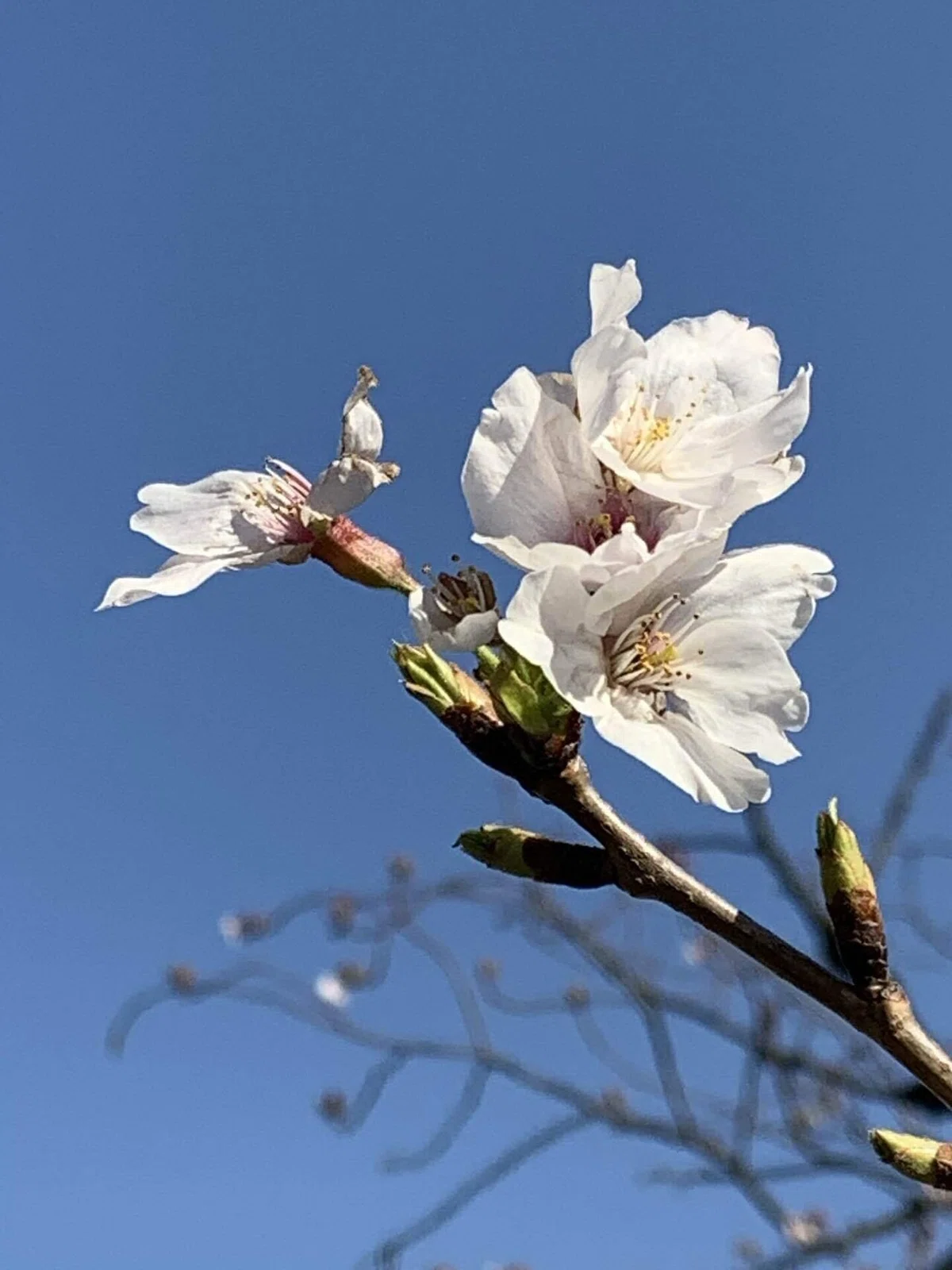
**Happily, it prevents aging.** Extract from cherry blossom petals has anti-aging effects. It suppresses glycation (which causes spots, wrinkles, and sagging) and promotes collagen production to rejuvenate skin. Many cosmetic products now contain cherry blossom extract. It's wonderful that we can not only admire the beauty of cherry blossoms but also benefit from that beauty for our skin. Ancient Japanese wisdom is now being applied to modern beauty treatments.
___
🌸 How old is the "Jindai Zakura" (divine generation cherry tree) in Yamanashi Prefecture?
**An amazing 2000 years old!** The Jindai Zakura in Yamanashi Prefecture is over 2000 years old and designated as a national natural monument. It's said that Yamato Takeru no Mikoto, who appears in the "Nihon Shoki" and "Kojiki" historical texts, planted this tree. 2000 years ago was Japan's Yayoi period and the ancient Roman Empire era worldwide. This cherry tree has been rooted in Japan since then, surviving countless storms and disasters. We should respect its strength and vitality.
___
🌸 Why shouldn't you break cherry tree branches?
**Because the branches and trunk will rot.** When you break a cherry tree branch, bacteria can enter and cause the branches and trunk to rot. If you must cut a cherry branch, you need to take precautions against bacteria. Cherry trees are vulnerable to damage, and once bacteria enter through a wound, the effects can spread throughout the entire tree. To enjoy beautiful cherry blossoms for a long time, we should treat them with care. The other day, I witnessed a crow landing on a cherry branch and breaking it. Be careful, Mr. Crow!
___
🌸 When is "Cherry Blossom Day"?
**It's March 27th.** March 27th is designated as "Cherry Blossom Day." The reason comes from a Japanese wordplay: "saku" (bloom) = 3×9 = 27. It was established in 1992 by the Japan Cherry Blossom Association. It's interesting that the date was determined by wordplay related to "sakura." It's also set during the time when cherry blossom forecasts begin, a period of growing anticipation for the blossoms.
___
🌸 What effect does cherry blossom pollen have?
**It has a stimulating effect.** Cherry blossom pollen contains an excitatory substance called "ephedrine." Due to this pollen, people say it's easier to feel elated during cherry blossom viewing. As mentioned earlier, feeling particularly happy under cherry trees might be partly due to this compound. This reflects the mysterious relationship between nature and humans.
___
🌸 In Japanese playing cards (Hanafuda), which month is represented by cherry blossoms?
**As you might know, it's March.** In Hanafuda cards, cherry blossoms represent the month of March. For reference, April is represented by wisteria, and May by iris. Hanafuda is a traditional Japanese card game where each of the 12 months is assigned a Japanese flower. Cherry blossoms are depicted for March, announcing the arrival of spring. Have you ever played Hanafuda?
___
🌸 "Cerezo" means cherry blossom in a foreign language. Which country's language is it?
**Yes! It's Spanish.** "Cerezo" means "cherry blossom" in Spanish. Many people might recognize the name from the soccer team "Cerezo Osaka" (based in Osaka City and Sakai City, Osaka Prefecture) but not know what "Cerezo" means. Cherry blossoms are loved worldwide and called by various names in different languages. In English, they're called "cherry blossoms," in French "cerisier," and in Italian "ciliegio." Japanese cherry blossoms are popular overseas, attracting many tourists to Japan during the blossom season.
Today we've introduced various interesting facts about cherry blossoms. Cherry blossoms are not just beautiful flowers but are deeply connected to Japanese history, culture, and daily life. Our ancestors admired cherry blossoms, were moved by their beauty, and learned many lessons from them.
During cherry blossom season, why not remember these facts while leisurely going out to view the blossoms? The same cherry blossoms can be enjoyed more deeply when you know their history and characteristics.
Cherry blossoms appear before us for only a short period once a year. Perhaps that's why their beauty is so special. Let's continue our long relationship with cherry blossoms, which teach us the uniquely Japanese aesthetic sense of "mono no aware" (the pathos of things).
May this cherry blossom season be wonderful for all of you.
Thank you very much.
Maira
💞 Now Streaming on Radio! 🎶📻 🎶💞
I’m broadcasting on stand.fm! 💞
Streaming every day without a break!
Live every morning from 7:16 AM.
I share my own poems, recitations, free talks,
and stories about aroma & herbs… and more!
Just chatting freely at my own pace.
Listen anytime at your leisure—
before bed or during your relaxation time.
I’d be so happy if you enjoy the archives too!
Mayra Channel
