大川流域から国の環境政策へ

【English follows Japanese】
気仙沼湾に注ぐ大川。その源をたどれば、室根の森にたどり着きます。
海と川と森は、ひとつの流れのなかで結ばれています。「森は海の恋人」の理念は、この大川流域を見つめるなかから生まれました。
海をよくするためには、海だけを見ていては足りません。川を遡り、その先に広がる里と森を見つめてはじめて、海の姿が見えてきます。私たちはその思いから、森・里・川・海をひとつの系として捉える活動を続けてきました。
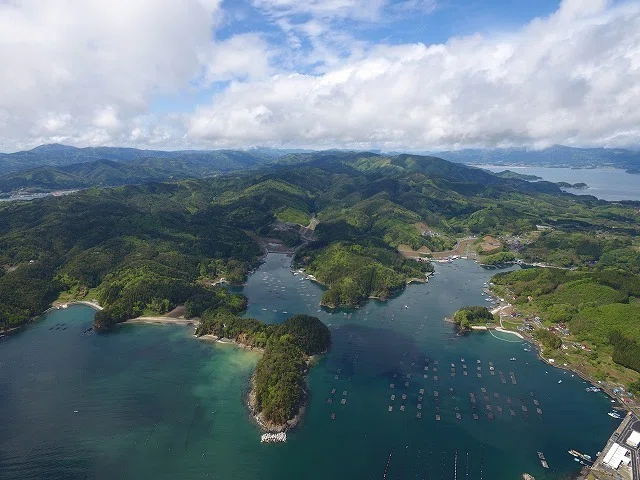
この運動は、「漁師が山に木を植える」という言葉とともに広く知られるようになりました。ただ、山に木を植え続けてきたのは、漁師だけではありません。
植樹活動は、気仙沼湾に注ぐ大川の上流部、一関市室根町の方々との協働によって続けられてきました。海で生きる者と、森に暮らす方々が、同じ流域に生きる者として手を携えてきたことに、この運動の本質があります。
はじまりは、地域に根ざした小さな実践でした。目の前の海をよくしたい。子どもたちに豊かな海を残したい。その一心で続けてきた歩みです。
この歩みは、研究者や行政関係者との対話を通じて、より広い意味を持つようになっていきました。
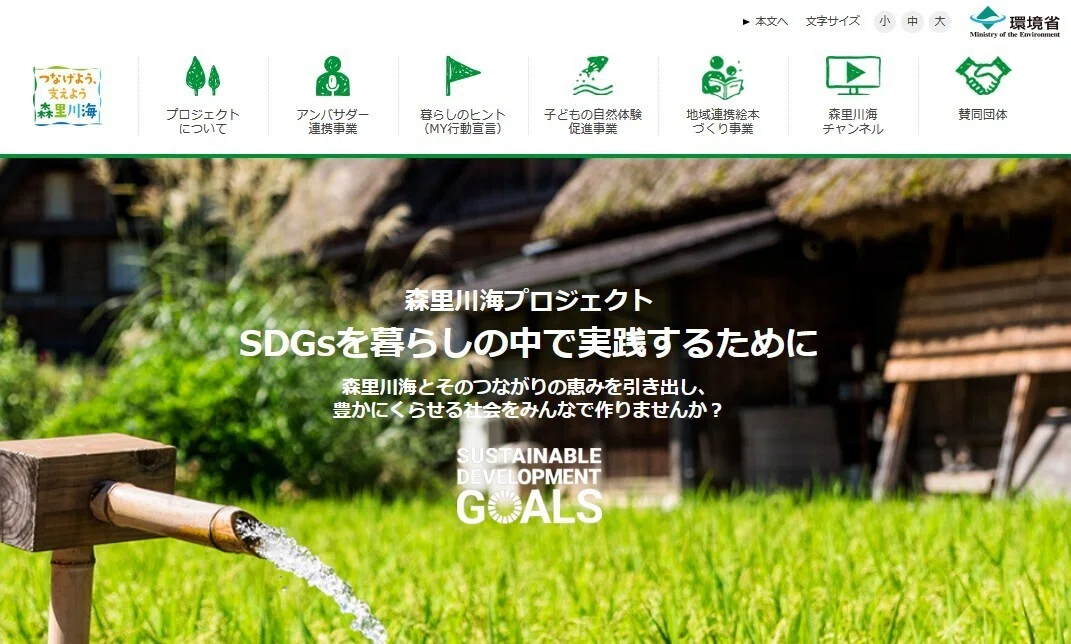
平成26年、2014年12月、環境省は「つなげよう、支えよう森里川海」プロジェクトを立ち上げました。
このプロジェクトは、森・里・川・海を互いにつながり、影響し合うものとして捉え、その恵みを将来にわたって引き出しながら、自然に関わる人と人をもつないでいこうという取り組みです。
その胎動段階において、当時の理事長であった畠山重篤と、当時副理事長であった畠山信は、環境省幹部の方々と深く議論を重ねる機会をいただきました。
気仙沼湾で何が起きているのか。なぜ海で生きる者が山に目を向けるのか。森・里・川・海をひとつの系として考えるとは、どういうことなのか。現場から生まれた問いをめぐる対話は、自然と地域の暮らしをどう考えるかという議論へ広がっていきました。
その積み重ねのなかで、「森は海の恋人」が長年伝えてきた森・里・川・海を一体の系として捉える視点は、国の環境政策のなかにも組み込まれていく一つの流れとなりました。
国の環境政策は、一つの団体だけで形づくられるものではありません。そのことを承知したうえで、私たちは、この歩みを大切に記録しておきたいと考えています。
海の豊かさは、海の中だけで成り立っているわけではありません。
森に降った雨は土にしみ込み、川となって里を流れ、やがて海へ届きます。水は森の養分を運びながら、里を通って海へと命を届けます。
森の変化はやがて川にあらわれ、川の変化は海へと伝わります。そして海の姿は、ふたたび里の暮らしへ返ってきます。
「森は海の恋人」が伝えてきたのは、単なる自然保護の合言葉ではありません。
森・里・川・海をひとつの流れとして見つめ、地域の未来をそのつながりのなかで考える視点です。
この視点は、大川流域だけに閉じたものではありません。遠くの自然の恵みに支えられて生きる私たち一人ひとりにも関わるものです。
大川流域で積み重ねてきた実践が、国の環境政策のなかにも息づいている。そのことを、私たちは重く受けとめています。
この歩みの根底には、一関市室根町の皆様の支えがありました。植樹活動を共に続け、現場に足を運び、森と川と海の関係を見つめてくださった方々の存在もありました。
その一人ひとりの存在があって、理念は少しずつ社会のなかへ広がっていきました。
私たちはこれからも、目の前の海と森に誠実に向き合います。
大きな言葉だけを掲げるのではなく、現場に立ち、自然の変化を見つめ、子どもたちとともに学び、地域のなかで実践を重ねていきます。
森・里・川・海はひとつ。
そのつながりのなかに、私たちの暮らしもあります。
森は海の恋人はこれからも、大川流域から、自然と人が共に生きる未来を見つめ続けます。
参考
環境省公式ページ「つなげよう、支えよう森里川海」プロジェクト
https://www.env.go.jp/nature/morisatokawaumi/project.html
Forest, Sato, River, and Sea Are One: From the Okawa Watershed to Japan’s Environmental Policy
The Okawa River flows into Kesennuma Bay. Follow it upstream, and you arrive at the forests of Murone.
The sea, the river, and the forest are joined within one continuous flow. The philosophy of Mori wa Umi no Koibito, The Forest is Longing for the Sea, was born from looking closely at this Okawa watershed.
To enrich the sea, we cannot look at the sea alone. We need to follow the river upstream and turn our eyes to the sato and forests beyond it. With this understanding, we have continued our work by seeing forest, sato, river, and sea as one system.
Our movement has become widely known through the phrase, “fishermen plant trees in the mountains.” Yet the fishermen have never planted trees alone.
The tree planting has continued in collaboration with the people of Murone-cho, Ichinoseki City, in the upper reaches of the Okawa River, which flows into Kesennuma Bay. At the heart of this movement is the fact that people of the sea and people of the forest have worked together as members of the same watershed.
It began as a small, locally rooted practice. We wanted to make the sea before us richer. We wanted to leave an abundant sea for the children of the future. That wish has sustained the path we have walked.
Over time, this path came to carry broader meaning through dialogue with researchers and government officials.
In December 2014, the Ministry of the Environment launched the Connecting and Supporting Forests, Sato, Rivers, and Sea Project.
The project sees forest, sato, river, and sea as connected and mutually influencing. It aims to draw out their gifts for future generations, while also connecting the people who care for them.
During the formative phase of the project, the late Shigeatsu Hatakeyama, then Chairman, and Makoto Hatakeyama, then Vice Chairman, had opportunities to engage in deep discussions with senior officials of the Ministry of the Environment.
What was happening in Kesennuma Bay. Why people who live by the sea would turn their eyes toward the mountains. What it means to see forest, sato, river, and sea as one system. These questions, born from the field, became part of a wider discussion about how nature and local life should be considered together.
Through those discussions, the perspective long carried by Mori wa Umi no Koibito, seeing forest, sato, river, and sea as one integrated system, became one of the currents that flowed into the framing of Japan’s national environmental policy.
National environmental policy is not shaped by a single organization alone. We understand that. At the same time, we believe this history deserves to be recorded with care.
The richness of the sea is not created within the sea alone.
Rain that falls on the forest sinks into the soil, becomes a river, flows through the sato, and eventually reaches the sea. Carrying nutrients from the forest, the water passes through the sato and delivers life to the sea.
Changes in the forest appear, in time, in the river. Changes in the river are carried to the sea. And the face of the sea returns again to the life of the sato.
What Mori wa Umi no Koibito has carried forward is not merely a slogan for nature conservation. It is a way of seeing forest, sato, river, and sea as one continuous flow, and of thinking about the future of a region from within that connection.
This perspective is not limited to the Okawa watershed. It concerns each of us, wherever we live, because our lives are sustained by the gifts of nature, near or far.
This practice, built over many years in the Okawa watershed, has also found a place within Japan’s environmental policy. We take that meaning seriously.
At the root of this path has always been the support of the people of Murone-cho, Ichinoseki City. Many others also came to the field, listened, and helped us look closely at the relationship between forest, river, and sea.
Through the presence of each of these people, the philosophy gradually spread into society.
We will continue to face the sea and the forest before us with sincerity. Rather than holding up grand words alone, we will stand in the field, observe changes in nature, learn with children, and continue our practice within the life of the region.
Forest, sato, river, and sea are one.
Our lives, too, exist within that connection.
From the Okawa watershed, Mori wa Umi no Koibito will continue to look toward a future in which nature and people live together.
