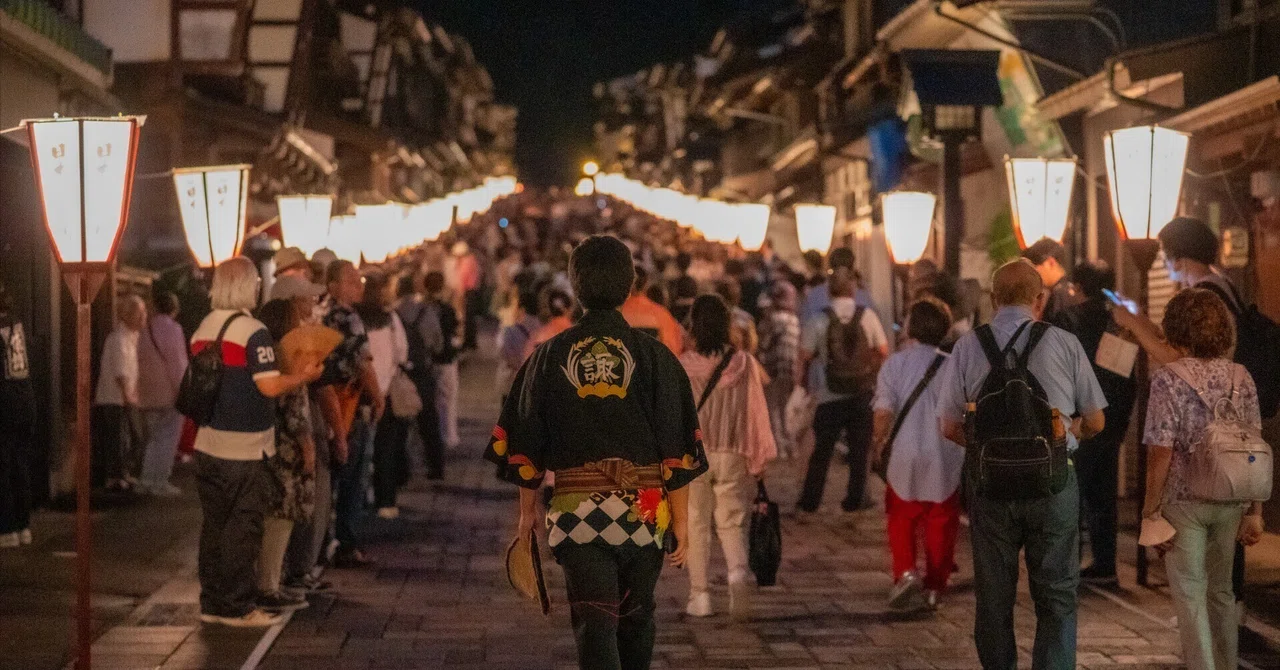
Strolling Through Stone-Paved Streets and White-Walled Storehouses — Owara’s 3 Scenic Routes (Part 1)

※日本語バージョンを、英語化したものです。
Coming from Okinawa — the land of the Eisa drum dance — I was stunned.
In the mountain town of Yatsuo, part of Toyama City, I stumbled into the annual spectacle of Owara Kaze no Bon, and it completely stole my heart. That discovery sent me deep into a personal quest: interviewing people from all 11 neighborhoods (chōnai) that take part in the festival.
This series is my attempt — as a 24-year-old “Owara nerd” with no formal training, but plenty of passion — to share what I’ve learned.
For visitors, Owara can be overwhelming at first. The music, the slow, hypnotic dances, and the streets lit by lanterns feel almost dreamlike. To make it easier to explore, I’ve divided the neighborhoods into three themed walking courses.
Today’s route is the “Ishidatami-Kuranami Course” — literally, “Stone Pavements and Storehouse Rows.” It covers four neighborhoods: Suwamachi, Higashishinmachi, Nishishinmachi, and Kamishinmachi. We’ll start with Suwamachi, whose beauty hides a surprisingly recent past.
※This article was translated using ChatGPT.
Suwamachi — A Mayor’s Legacy
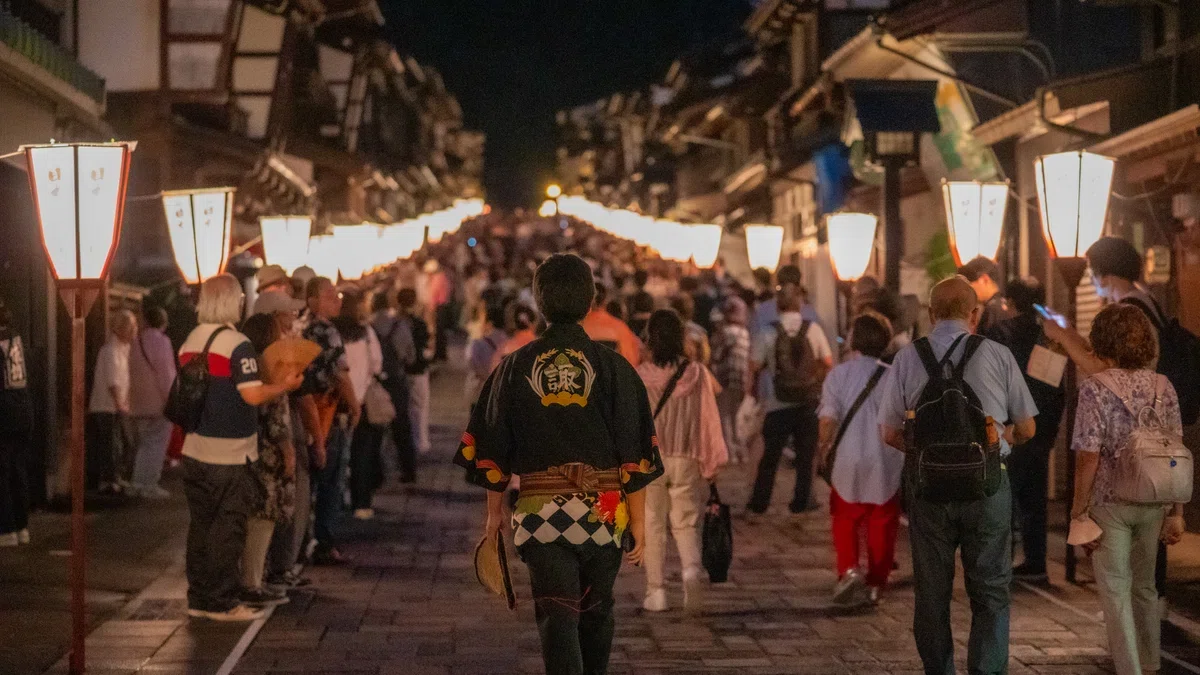
Suwamachi’s main street, with its stone paving and white-walled storehouses, has been selected as one of Japan’s 100 Most Beautiful Roads.
When I volunteered at the visitor information desk at Etchū-Yatsuo Station last year, one of the top questions I heard was:
“Where is Suwamachi? And when do they dance there?”
If you’ve seen a photograph of Owara, there’s a good chance it was taken here. During the festival, the crowds can get so thick you can barely move.
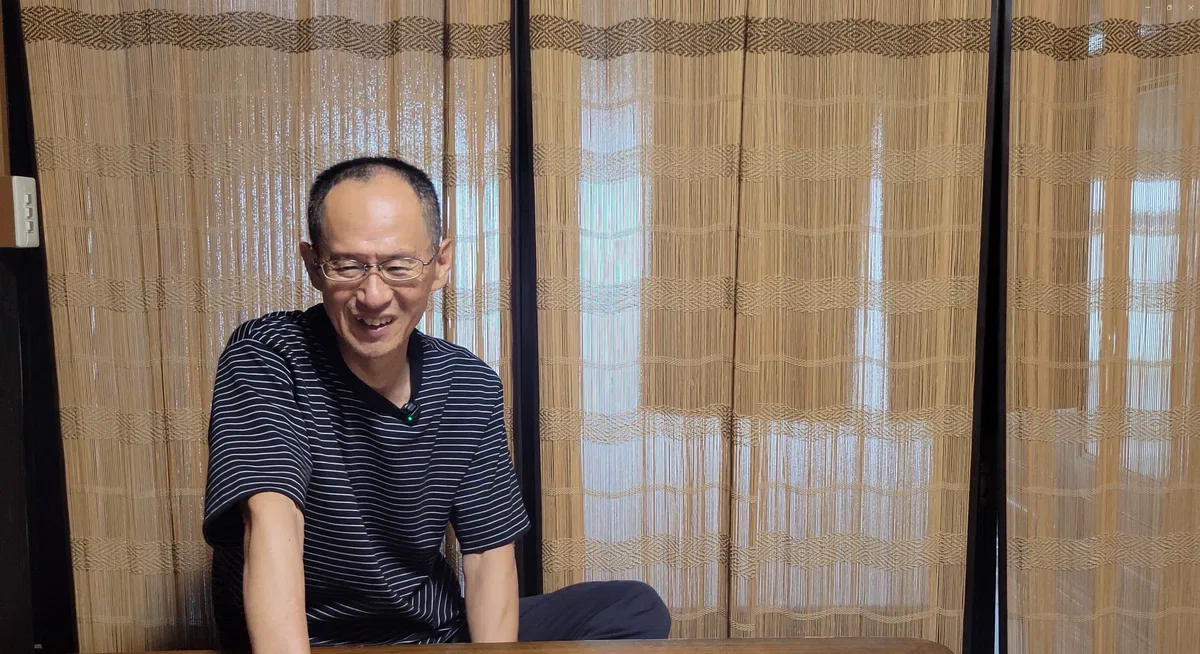
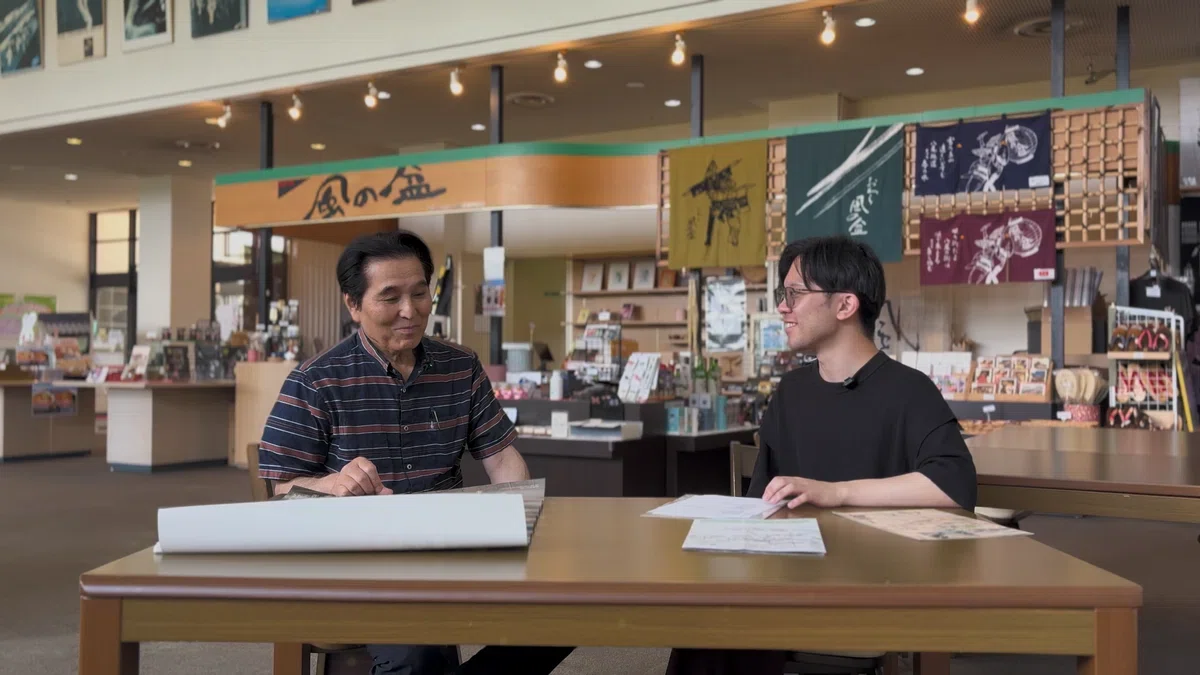
I spoke with local resident Makoto Yamada (age 66), who revealed something surprising:
① The scenery is actually quite new.
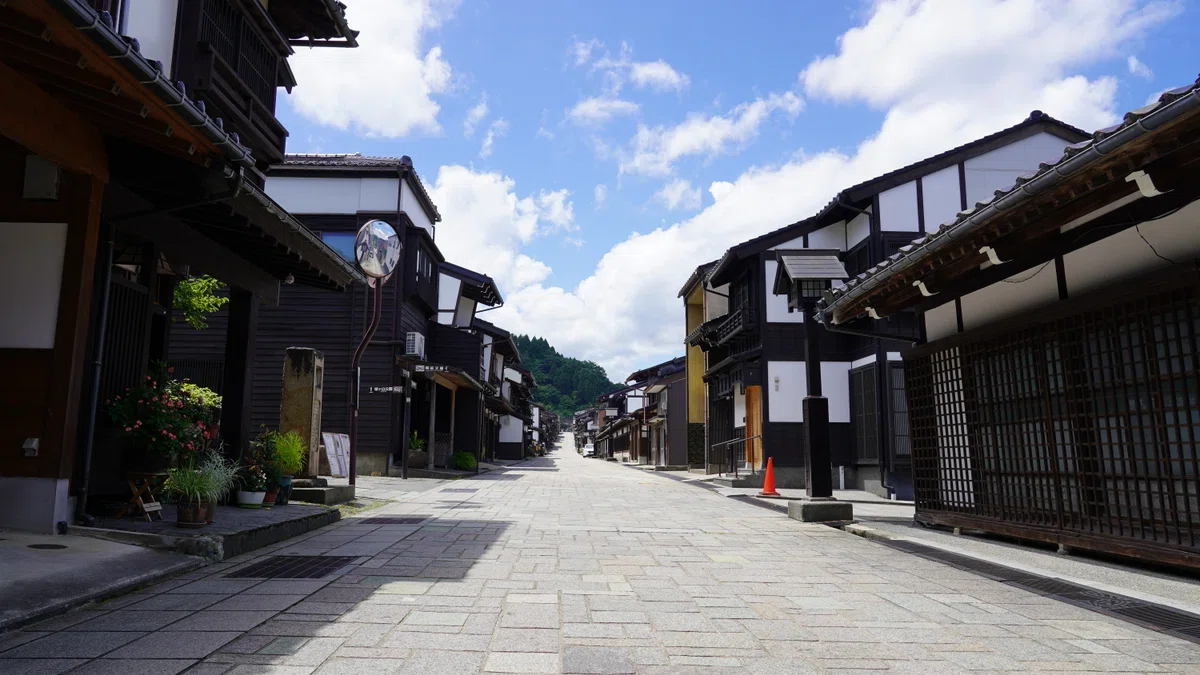
The Suwamachi you see today — with its polished stone paving, wooden street lamps, and discreetly hidden utility poles — only came into being after the start of the Heisei era (1989 onward). In the early years of Heisei, a major beautification project transformed the street all at once, removing power lines, installing natural stone footlights, and creating the harmonious look visitors now love.
Before that? It looked completely different. Older residents told me Suwamachi wasn’t considered one of the “must-see” neighborhoods for Owara back in the Showa period. But the new scenery gave Yatsuo a visual stage that made the festival even more captivating.
Yamada believes this transformation was only possible because it happened before Yatsuo merged into Toyama City in 2005 — and he considers it the town’s greatest asset today.
② The woman who fell for Owara — and never let go
One thing you’ll hear over and over in Yatsuo is: “Owara is only for those who want to do it.”
And yet, more than 30% of residents take part — an astonishing rate for a volunteer-run tradition.
Among them are people whose lives were changed by the festival. In Suwamachi, there’s a woman from nearby Takaoka City who visited every year as a student, just to watch. One year, she finally said, “I want to do this too.” She joined rehearsals, learned to play the shamisen, and has been performing ever since. If you attend this year’s Owara, you might just see her among the musicians, plucking those soulful three strings in the cool September night.
Higashishinmachi — Lanterns Inscribed with Handwritten Songs
Perched on the highest slope of Yatsuo’s old town, Higashishinmachi is a neighborhood you earn your way to. If you’re coming from Toyama City by train, you’ll arrive at Etchū-Yatsuo Station — and then it’s a 2.5 km walk uphill, climbing about 70 meters in elevation. At a relaxed pace, it’s roughly 40 minutes on foot.
Travel guides usually highlight two things here:
The Saotome costume, a straw-hatted outfit worn only by local girls,
And the dance at Wakamiya Hachiman Shrine, dedicated to silkworms — a nod to Yatsuo’s history in sericulture.
It’s also the least populated of the old-town neighborhoods. How does that shape its Owara? To find out, I spoke with Masao Miyamura, a long-time resident.
① Handwritten lyrics on every lantern
In many neighborhoods, the paper bonbori lanterns carry the names of sponsor companies — an important source of festival funding. In Higashishinmachi, there’s not a single corporate logo. Instead, each lantern bears a verse from an Owara song, written in elegant calligraphy by skilled locals.
No two lanterns carry the same verse. After five or six years, the paper is replaced, and a new lyric is chosen with great care. These aren’t just decorations — they’re part of the town’s living poetry. When you visit, take time to read them. They’re small pieces of the Owara soul, flickering in the lantern light.
② A neighborhood of just 16 households
Like much of rural Japan, Yatsuo faces a declining population, but here the numbers are stark — only 16 households remain. That makes Higashishinmachi the smallest of the old-town districts.
There’s no women’s association, no youth club. The festival survives thanks to returning relatives and dedicated volunteers from outside. It’s a reminder that in Yatsuo, Owara is not simply “put on for tourists” — it’s sustained by webs of personal connection.
③ “Do not sing, cricket”
Owara songs number in the dozens, and everyone involved has a personal favorite. Sometimes, people watch the dances while quietly thinking, “Ah… that was the song my late friend loved most.”
Each neighborhood has lyrics they feel somehow belong to them. Higashishinmachi, nestled close to the mountains and unusually quiet, finds its spirit in this verse:
Do not sing, cricket, it makes the loneliness worse.
Yours alone, Owara, is not an autumn song.
Miyamura told me that when this song is played, the shamisen players subtly change their movements. If you watch closely, you might notice the difference — a quiet, almost private gesture in the middle of a public performance.
Nishishinmachi — The Birthplace of Owara Legends
Next door to Higashishinmachi, and also on the hillside, lies Nishishinmachi. It covers a surprisingly large area, and is known for its men’s dance style — one YouTube video of it has racked up over 820,000 views.
I met with Mr. Hama from Nishishinmachi to learn more.
① Home to Owara’s great names
When you study Owara, certain names keep surfacing — figures who shaped the festival into what it is today. Hama told me that three of them hail from Nishishinmachi:
Keigetsu Kotani — a folk poet who penned many of the most moving Owara verses.
Kensei Hasegawa — a member of the young entrepreneurs’ group Jinrokukai, which redefined modern Owara, and author of The Storytellers of Yatsuo. The official Owara Preservation Society often cites his work in its historical records.
Ikuo Haku — a master singer and kokyū (bowed lute) player, who trained many successors and helped preserve the tradition.
If you haven’t heard of them, a visit to the Owara Museum will fill in the picture.
② A guest from Kobe — for over 30 years
Nishishinmachi’s Owara has fans far beyond Toyama. One man from Kobe has come every year for more than three decades.
The connection began before the 1995 Hanshin-Awaji Earthquake, when he met locals during the festival. After the disaster, they exchanged help — including sending rice — and the friendship endured. Every year since, he’s returned for Owara, proving that the bonds formed here can last a lifetime.
Kamishinmachi — Join the Grand Circle Dance on a 200-Meter Stage
Kamishinmachi, which stretches along one of Yatsuo’s widest streets, is known for its “Grand Circle Dance” — a highlight I’d read about before coming.
When I arrived to interview residents, I was first given a gentle reminder by Mr. Jōgishi:
“Rather than thinking of each neighborhood as having its own Owara, I want you to see Owara as something the whole town of Yatsuo has carefully preserved together.”
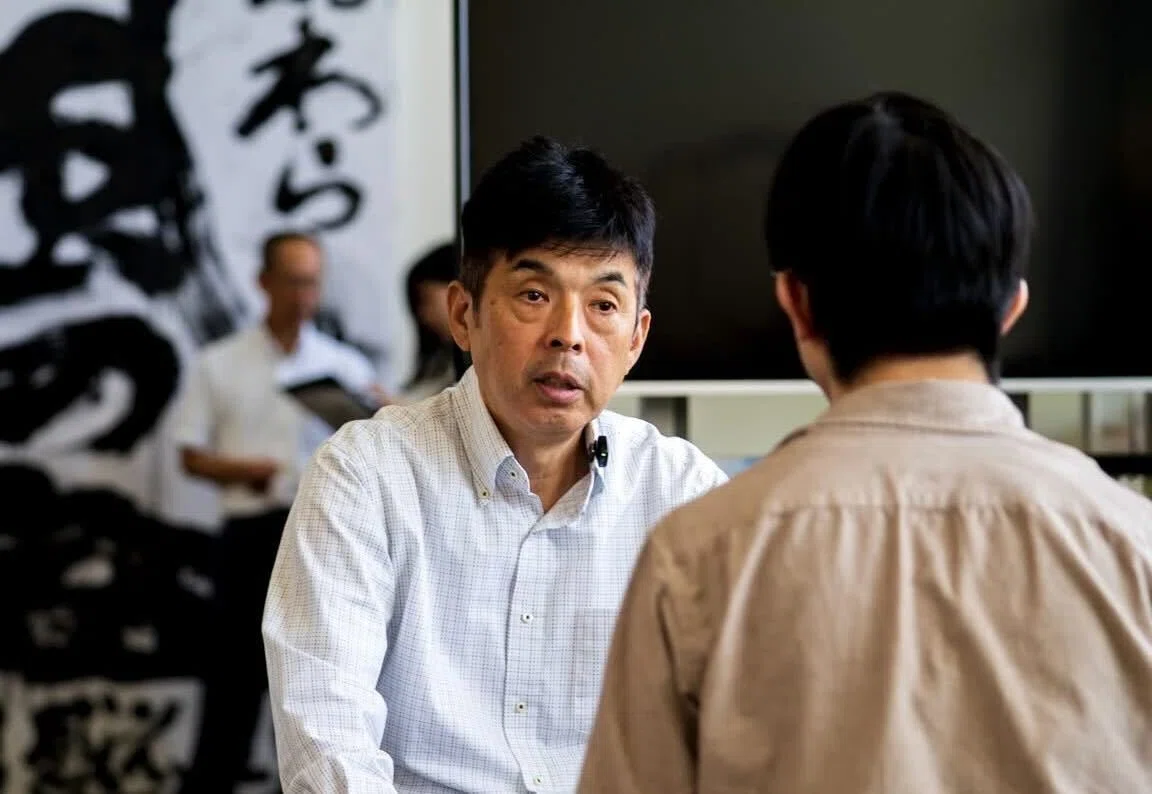
It was a statement full of local pride, and it reframed how I looked at the festival.
He also added:
“The simpler something is, the harder it is to disguise flaws — and the more difficult it is to make it beautiful. That’s why we repeat the basics endlessly, so people can see a refined, authentic Owara.”
It made me realize that what might seem like a “plain” dance to outsiders is, in fact, the result of decades of careful discipline.
① “Kaze no Ichi” — The Monthly Wind Market
The morning of my visit, the area was buzzing with activity. It turned out to be Kaze no Ichi (“Wind Market”), a monthly street market held right here in Kamishinmachi.

This is Yatsuo’s largest shopping street, and it has hosted the market an impressive 176 times so far. Stalls, games, and playful contraptions fill the street, drawing children from across town.
That morning, I joined the fun myself — and devoured a piping-hot Hida beef croquette from a food truck for just 130 yen.
② A Circle Dance Anyone Can Join
Kamishinmachi’s wide street and built-in wired sound system make it the perfect setting for the Grand Circle Dance, held every night of the festival from 10:00 PM to 11:30 PM.
Tourists are encouraged to join — and the circle can stretch up to 200 meters in length. Whether you’re a seasoned dancer or a total beginner, it’s one of the best ways to experience Owara not just as a spectator, but as part of its living rhythm.
③ The Artist Behind the Men’s Costume
One detail I hadn’t known until this interview: Kamishinmachi’s men’s happi coat was designed by Hayashi Shūji (1903–1974), a local artist who spent his life weaving Owara into his work.
Hayashi lost his father in the Russo-Japanese War, lived through World War II, and yet, from his youth to his later years, kept creating Owara-inspired art — from postcards and posters to illustrated dance instructions. He even wrote lyrics for Owara songs, making him an integral figure in its cultural preservation.
The men’s costume he designed was based on Night Cherry Blossoms (Yozakura), a folding screen masterpiece by celebrated painter Yokoyama Taikan. This painting, produced in 1930 for the Rome Exhibition of Japanese Art, was commissioned by industrialist Kichijirō Ōkura, who wanted to showcase Japanese art to the world.
Why Hayashi chose this image for Owara’s costume is a mystery, but it’s the kind of connection that makes you see the festival’s attire as wearable history.
A Note on Costumes Across Yatsuo
One of Owara’s visual delights is that each neighborhood has its own distinct costume design — and every detail has meaning.
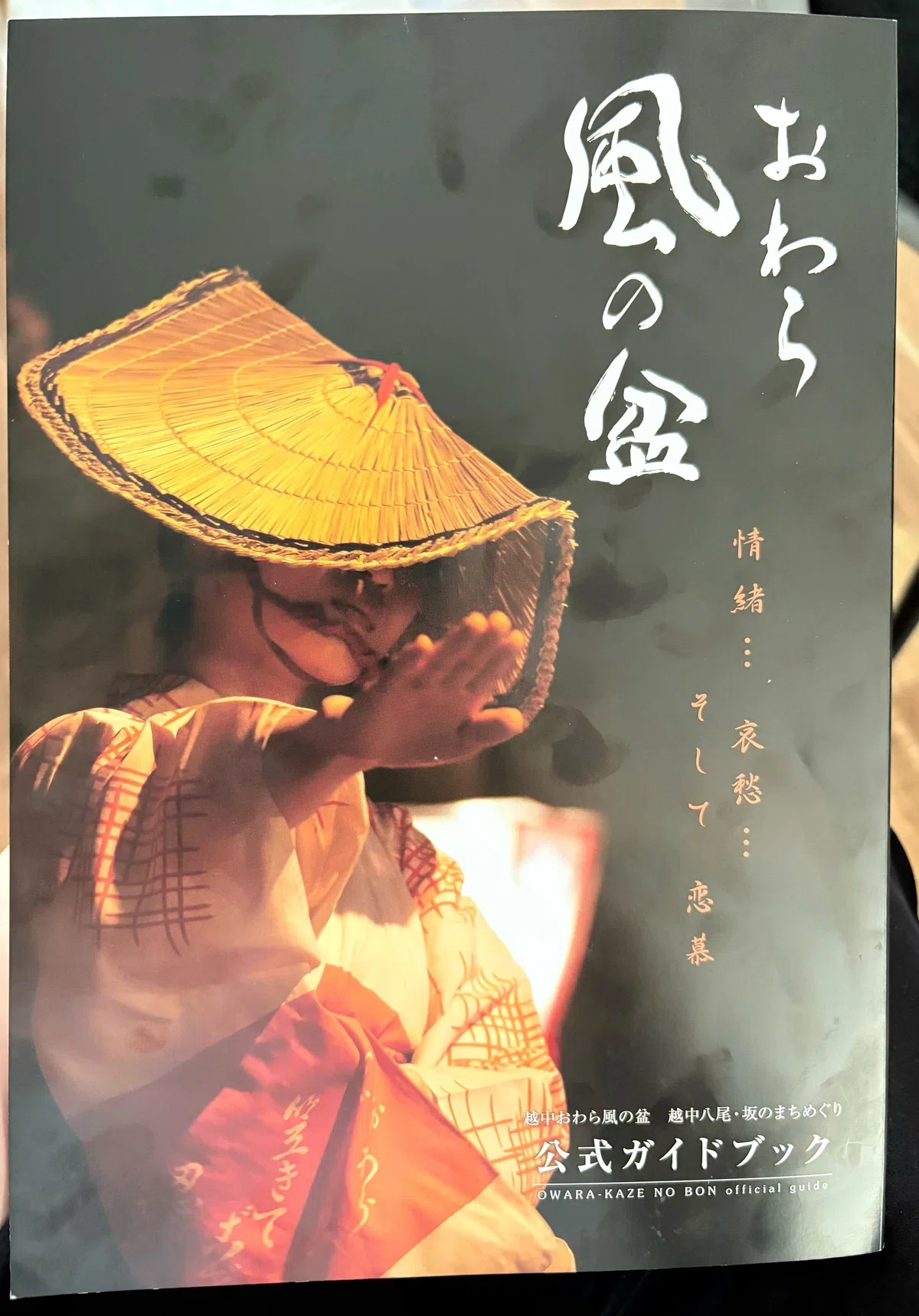
If you want to explore this in depth, I recommend the Official Owara Kaze no Bon Guidebook (2015 edition), sold at the Etchū-Yatsuo Tourism Hall (Hikiyama Exhibition Hall). It includes designs for male and female dancers, musicians, and even the lyrics printed on certain garments.
Closing Thoughts
This article is part 14 of my personal project to document Owara. I’m no professional researcher — just an enthusiast — so I hope to build this series together with you, whether you’re already an Owara devotee or just discovering it for the first time.
For next time, I’d love to hear which neighborhoods you’re most curious about. And as always, your comments and encouragement mean the world.
