
深吉野四社巡り⛩️

In November 2022, my wife and I paid visits to four Shintō Shrines in the backcountry of Yoshino, Nara Prefecture using a tour arranged by Nara Kintetsu Taxi.
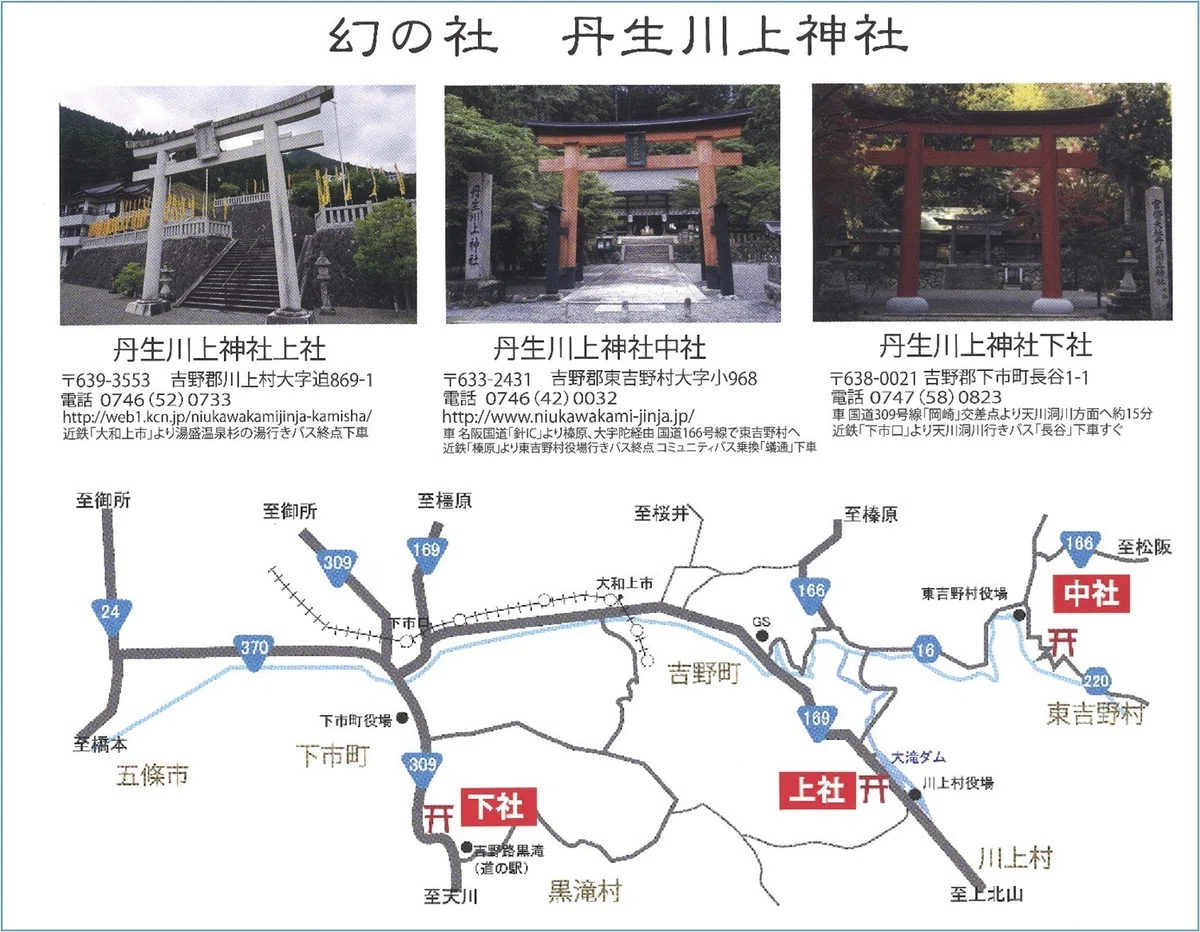
https://niukawakami-jinja.jp/wp-content/uploads/2020/07/3-sha.jpg
Itinerary
08:50 Departing at Shimoichi-guchi Station (下市口駅) of Yoshino Line of Kintetsu Railway (近鉄吉野線)
↓
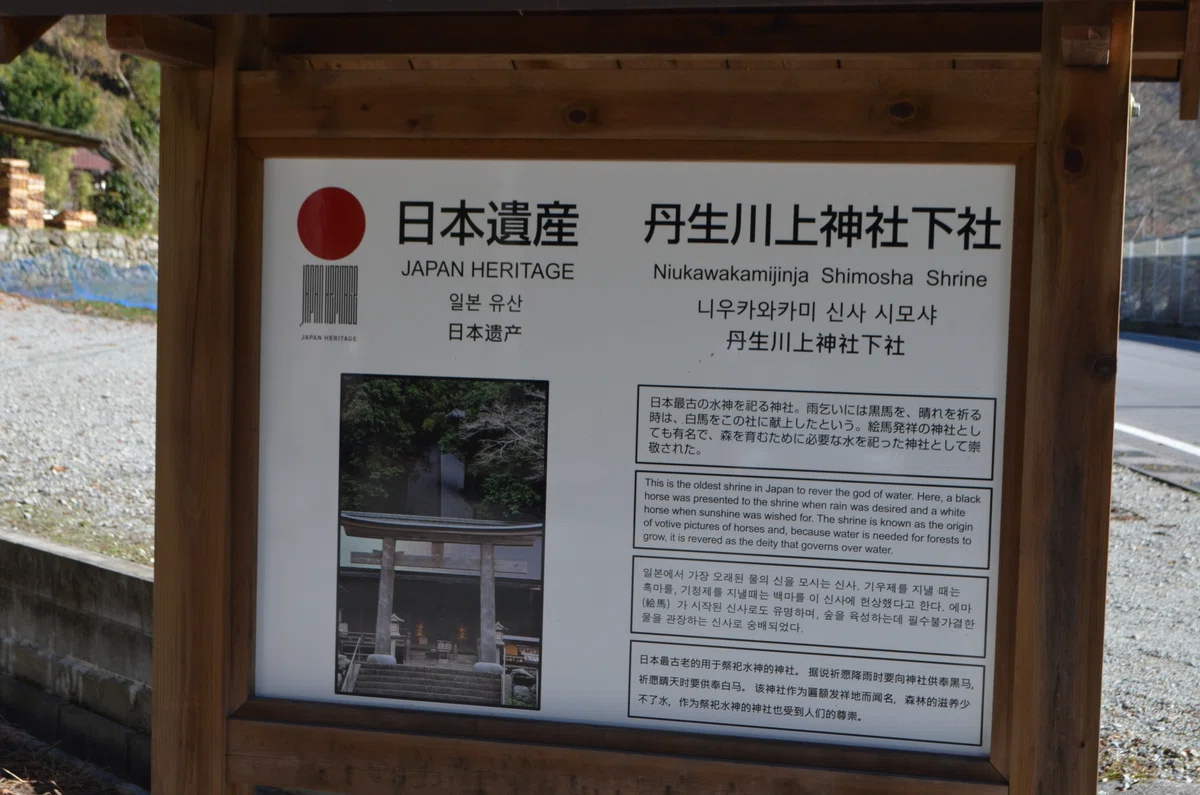
Niu-Kawakami Shrine Shimosha 丹生川上神社下社 (located in Shimoichi Town)
↓
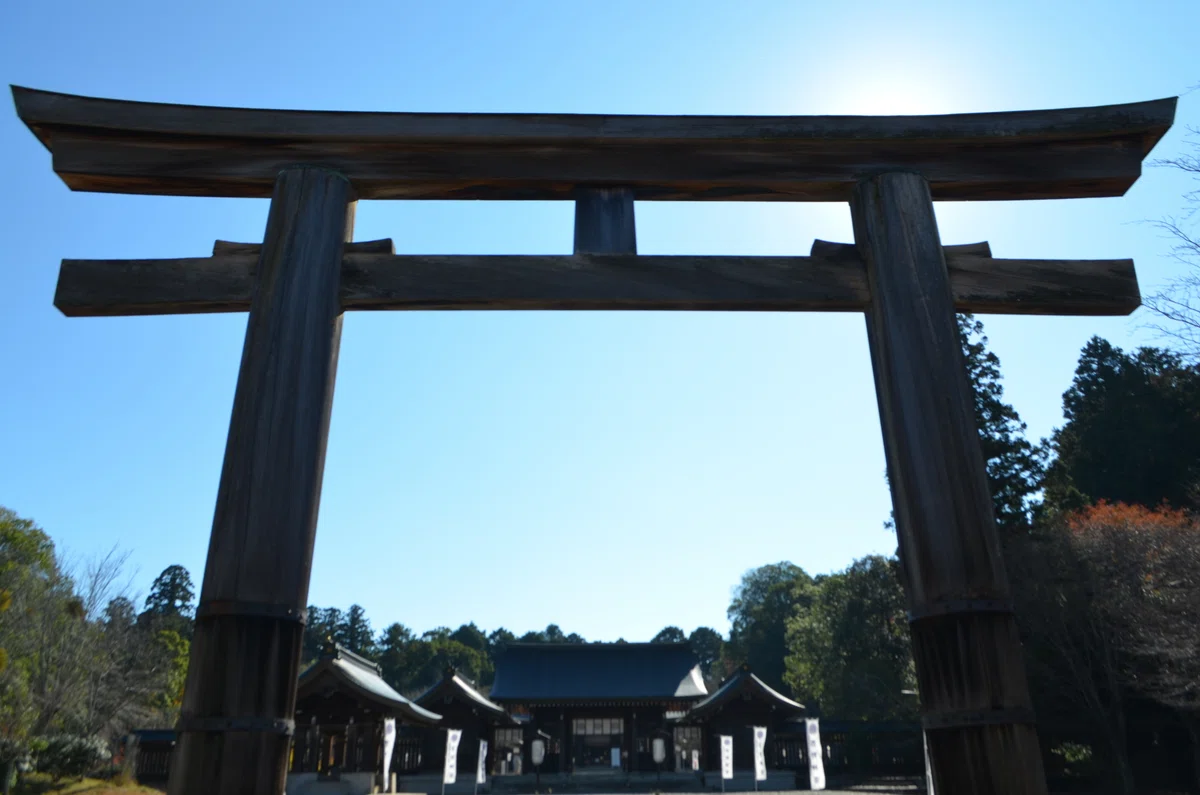
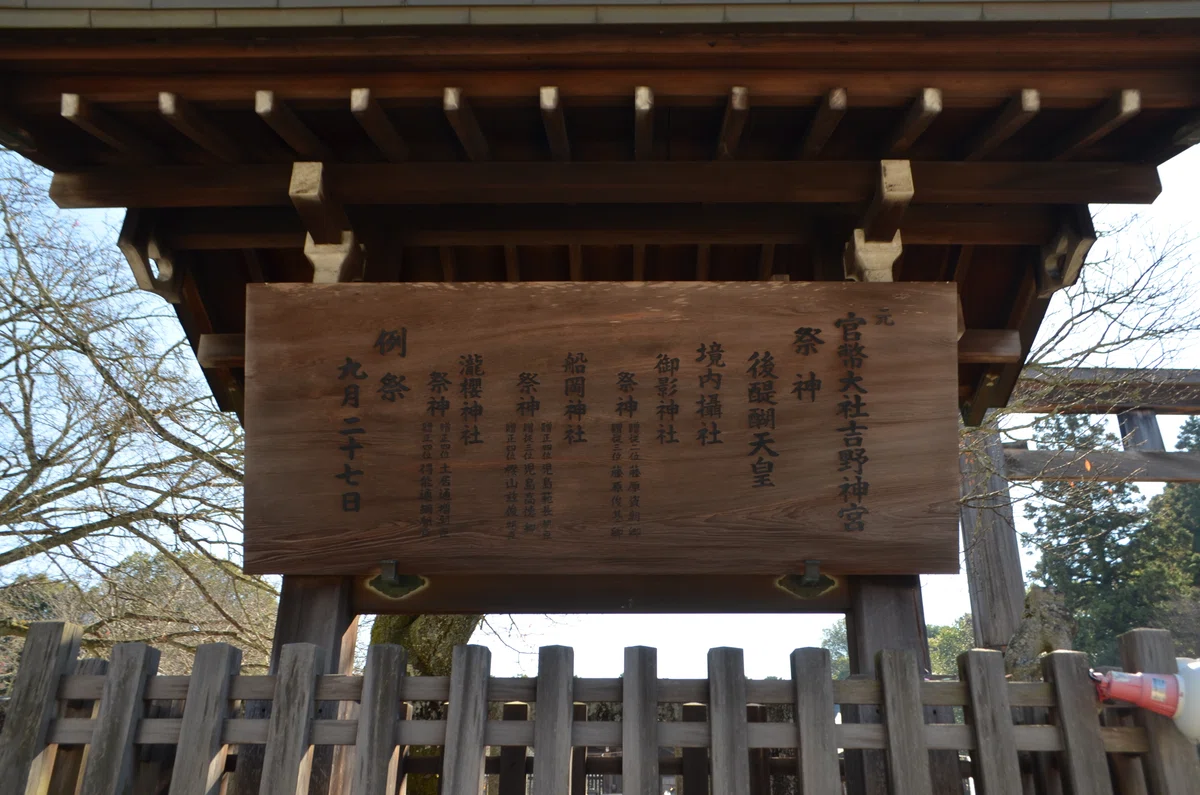
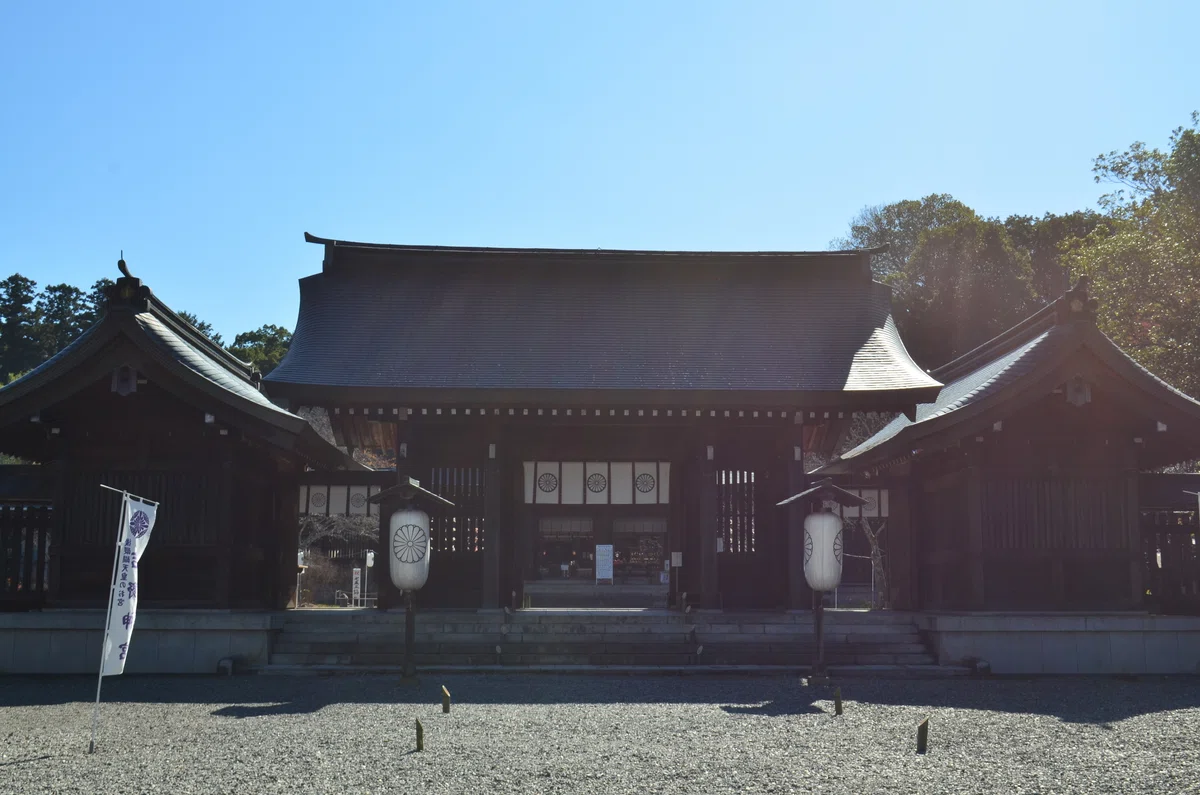
Yoshino Jingū 吉野神宮 (located in Yoshino Town)
↓
Niu-Kawakami Shrine Kamisha 丹生川上神社上社 (located in Kawakami Village)
↓
Niu-Kawakami Shrine Nakasha 丹生川上神社中社 (located in Higashi-Yoshino Village)
↓
14:55 Arriving at Haibara Station (榛原駅) of Ōsaka Like of Kintetsu Railway (近鉄大阪線)
We took a lunch at Hotel Suginoyu (杉の湯) in Kawakami Village (川上村) described in the following post:
Photos taken during the tour on 18th Nov. 2022
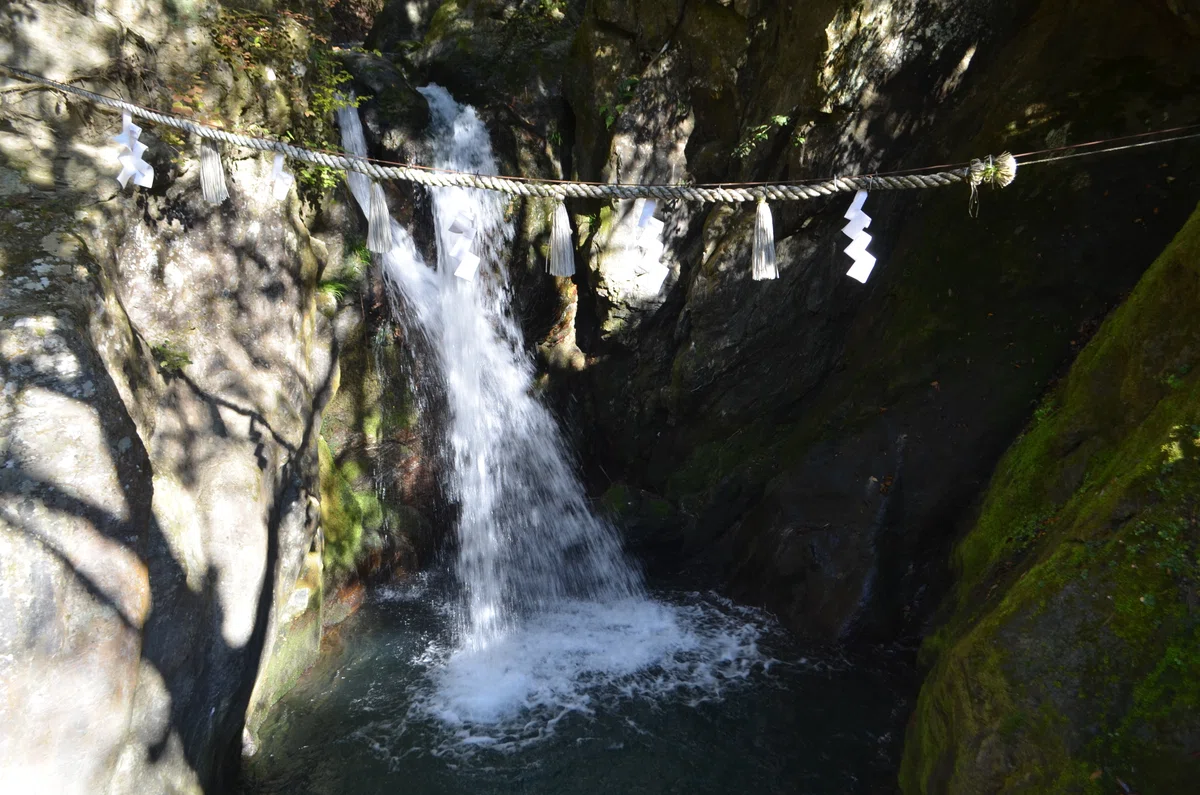
Niu-Kawakami Shrine Shimosha 丹生川上神社下社
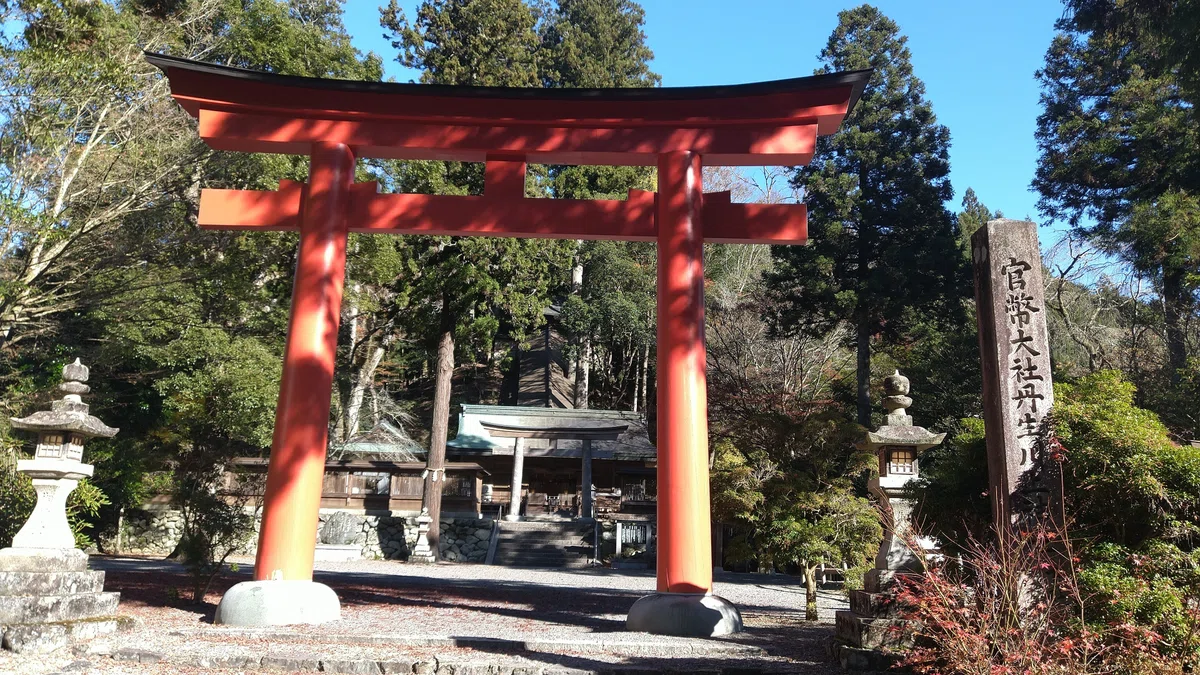
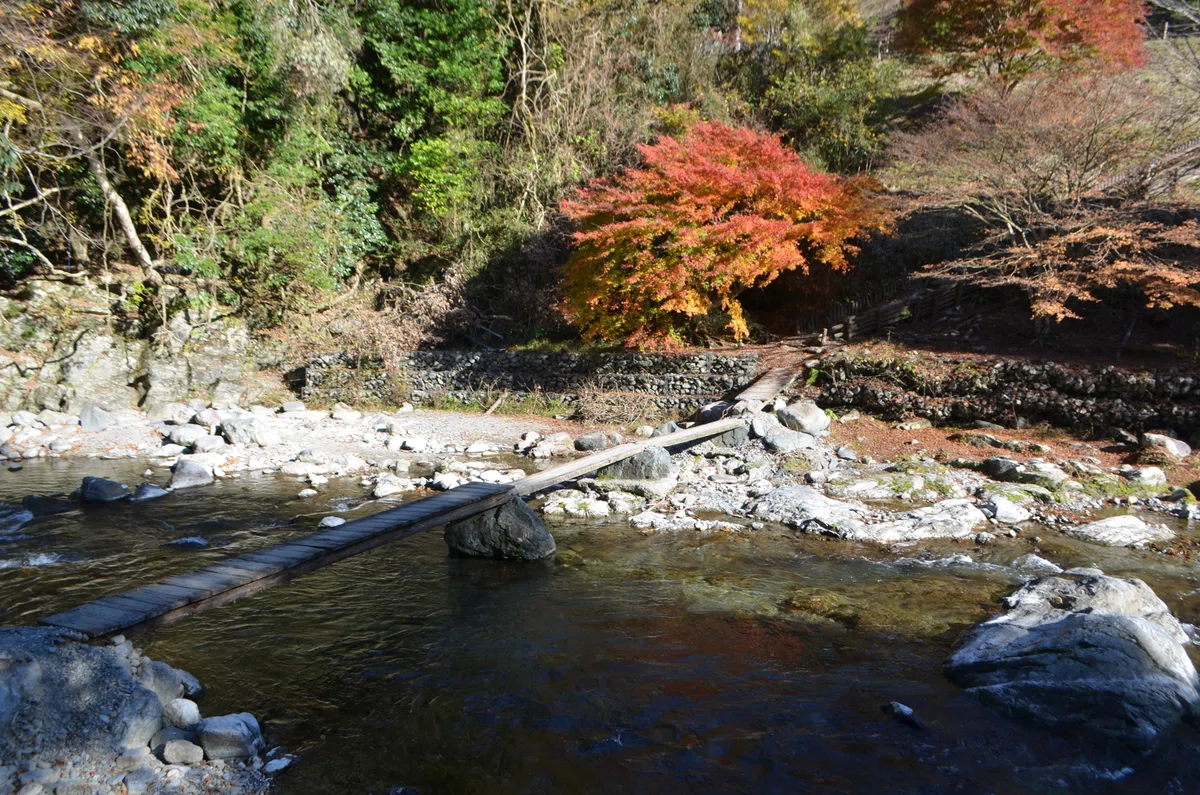
Yoshino Jingū 吉野神宮
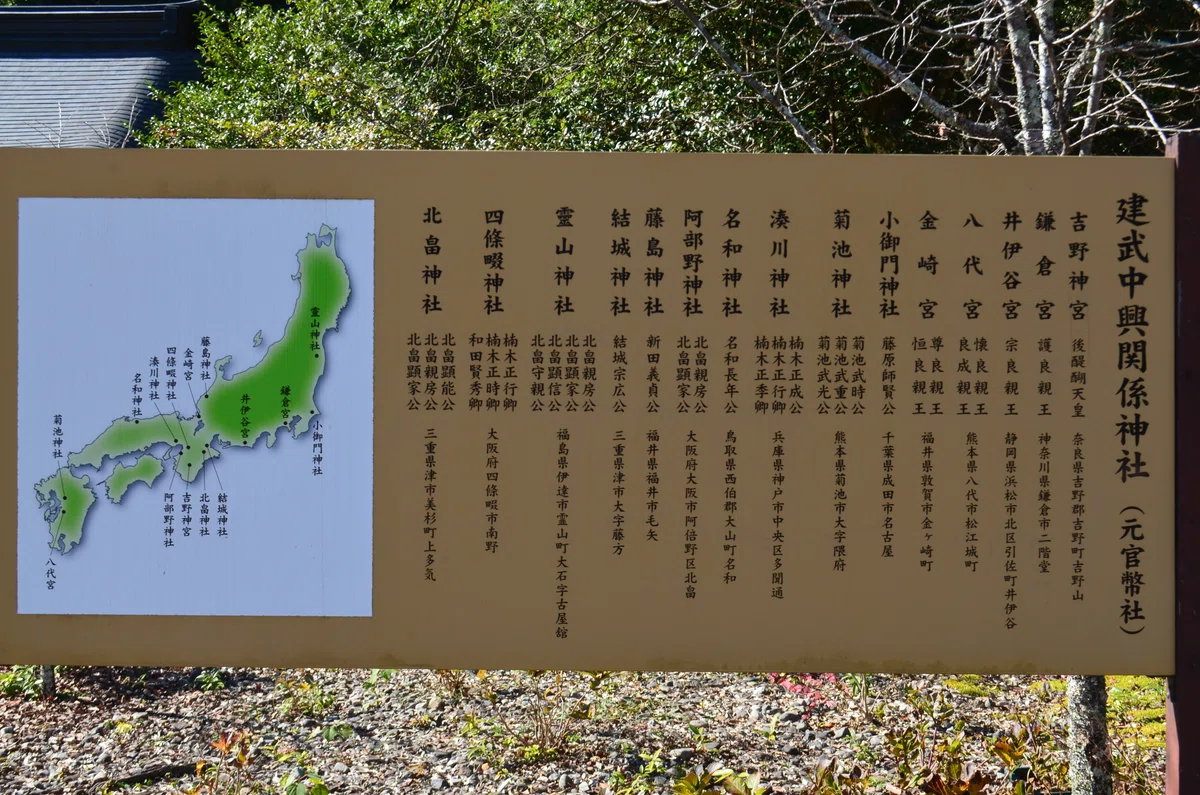
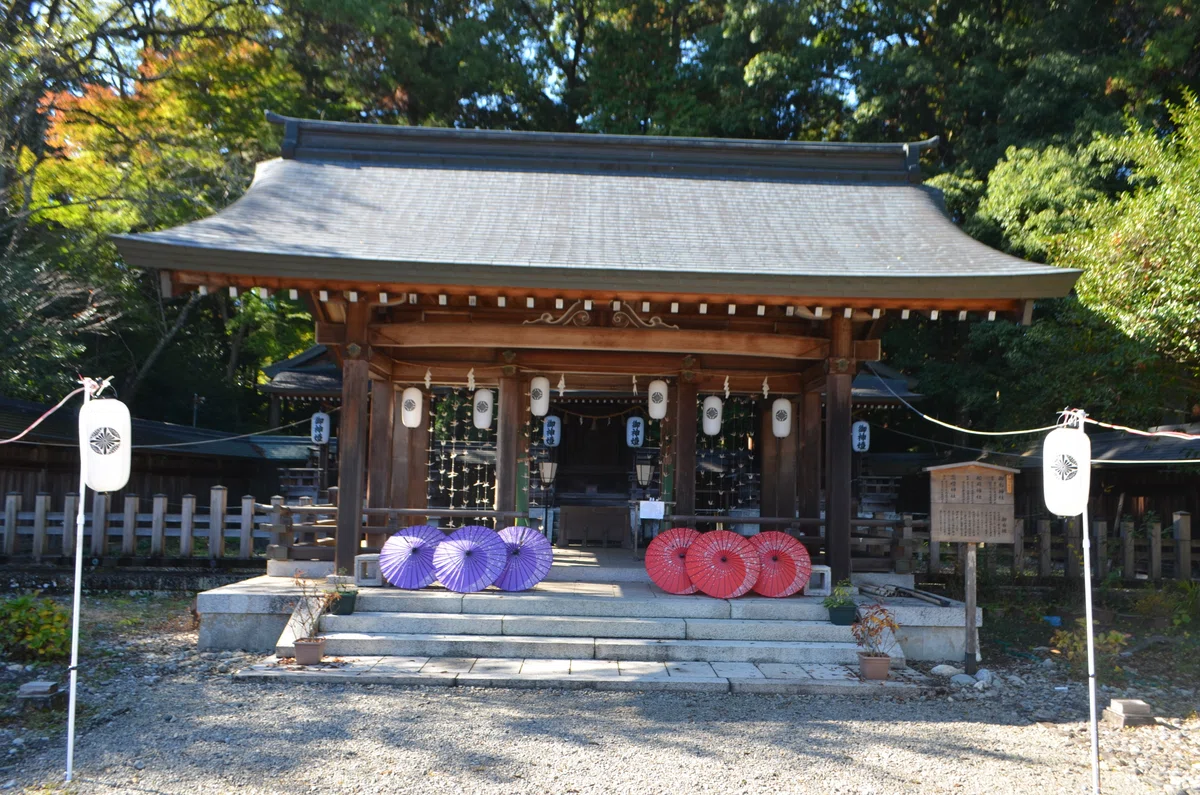
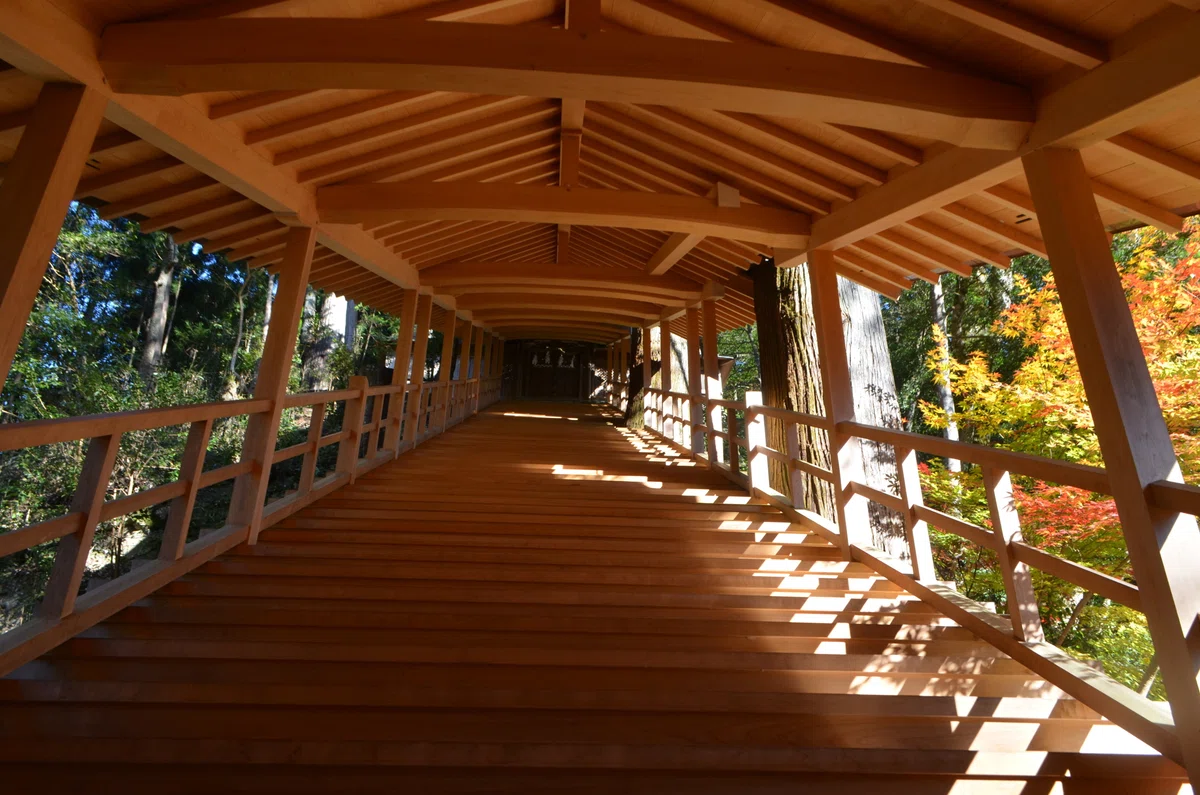
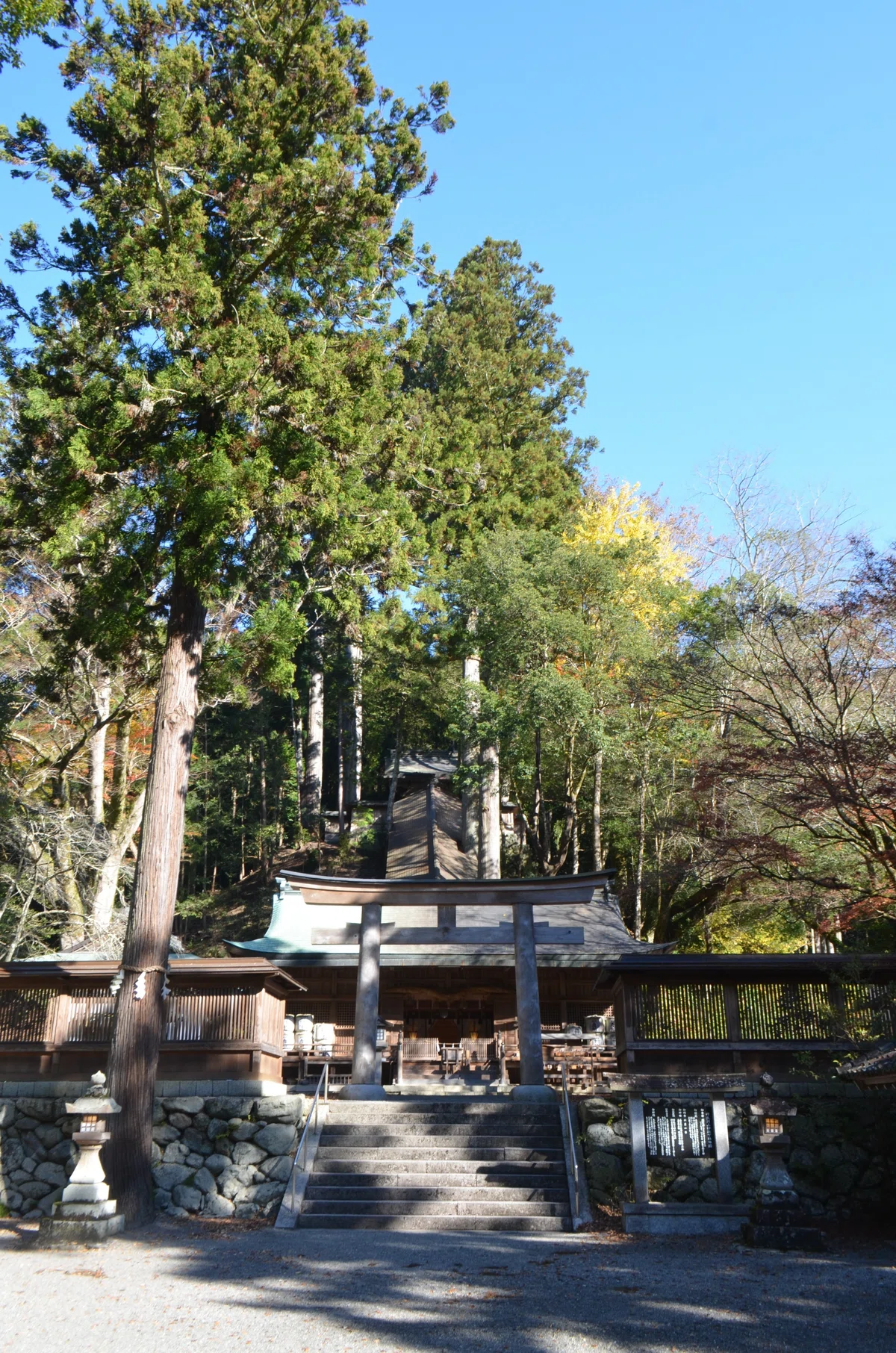
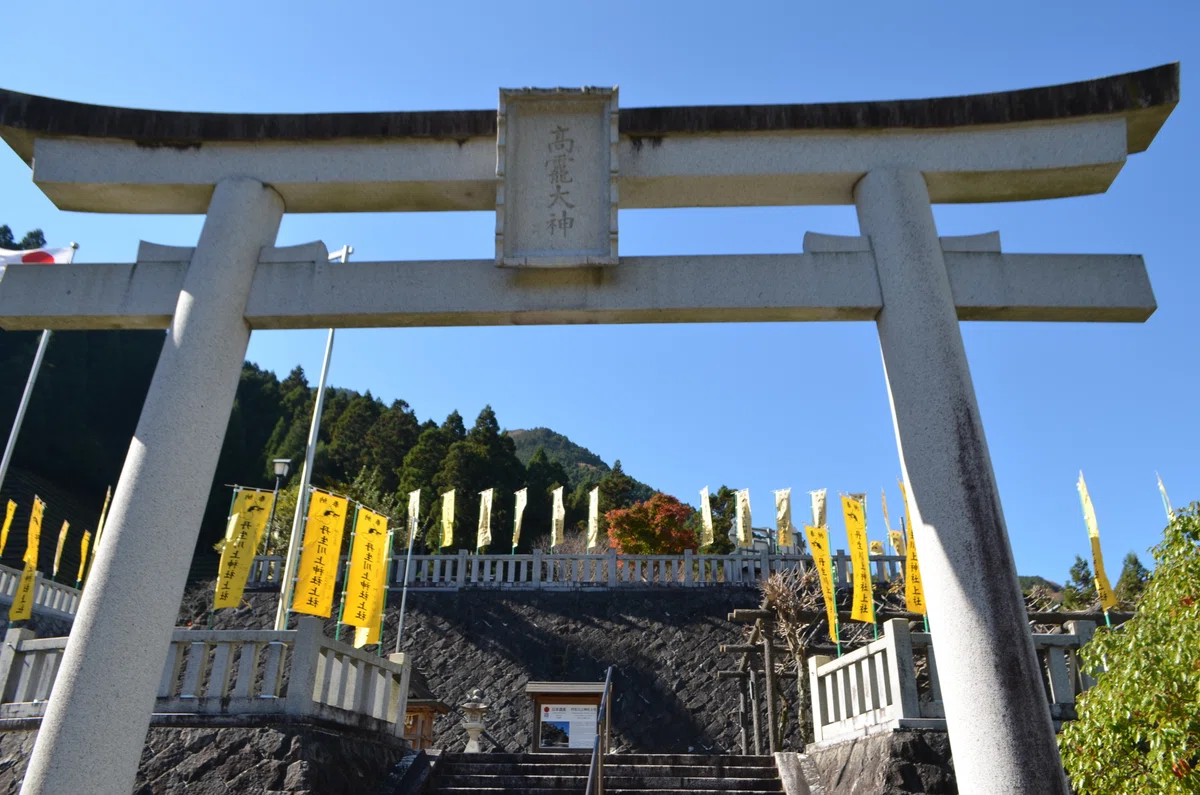
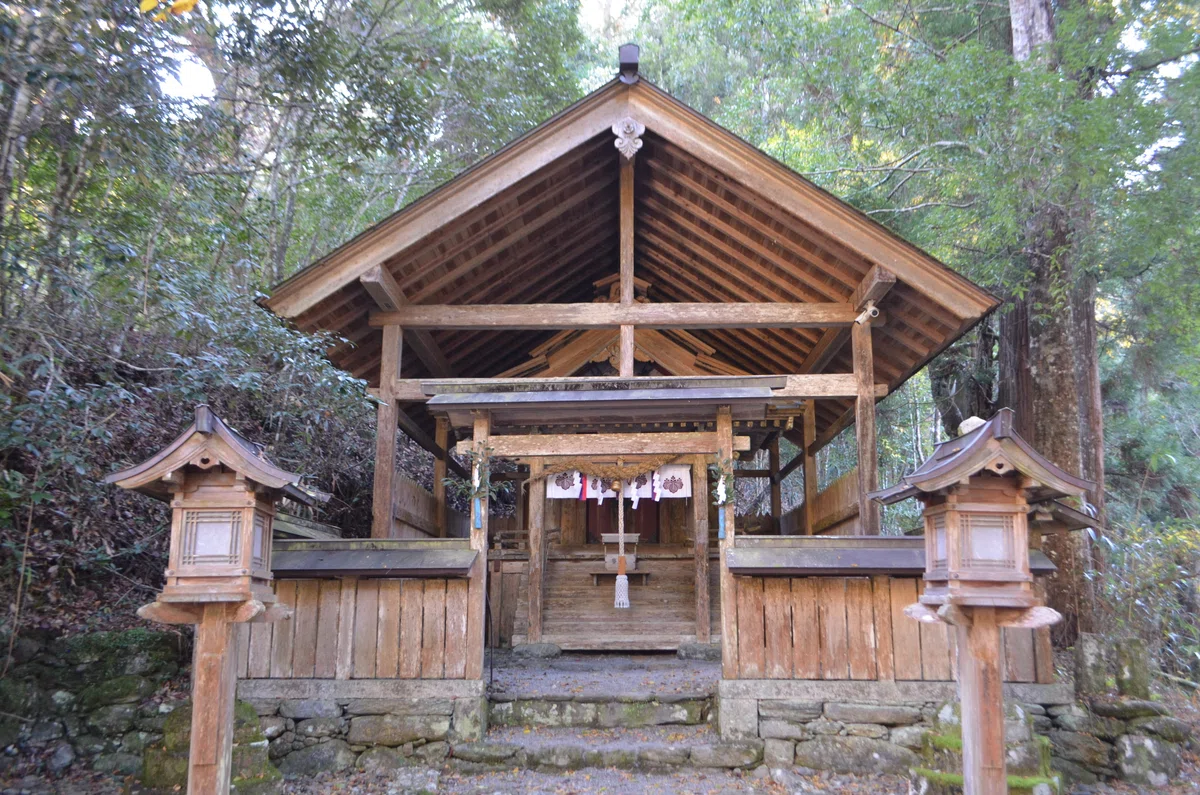
Niu-Kawakami Shrine Kamisha 丹生川上神社上社
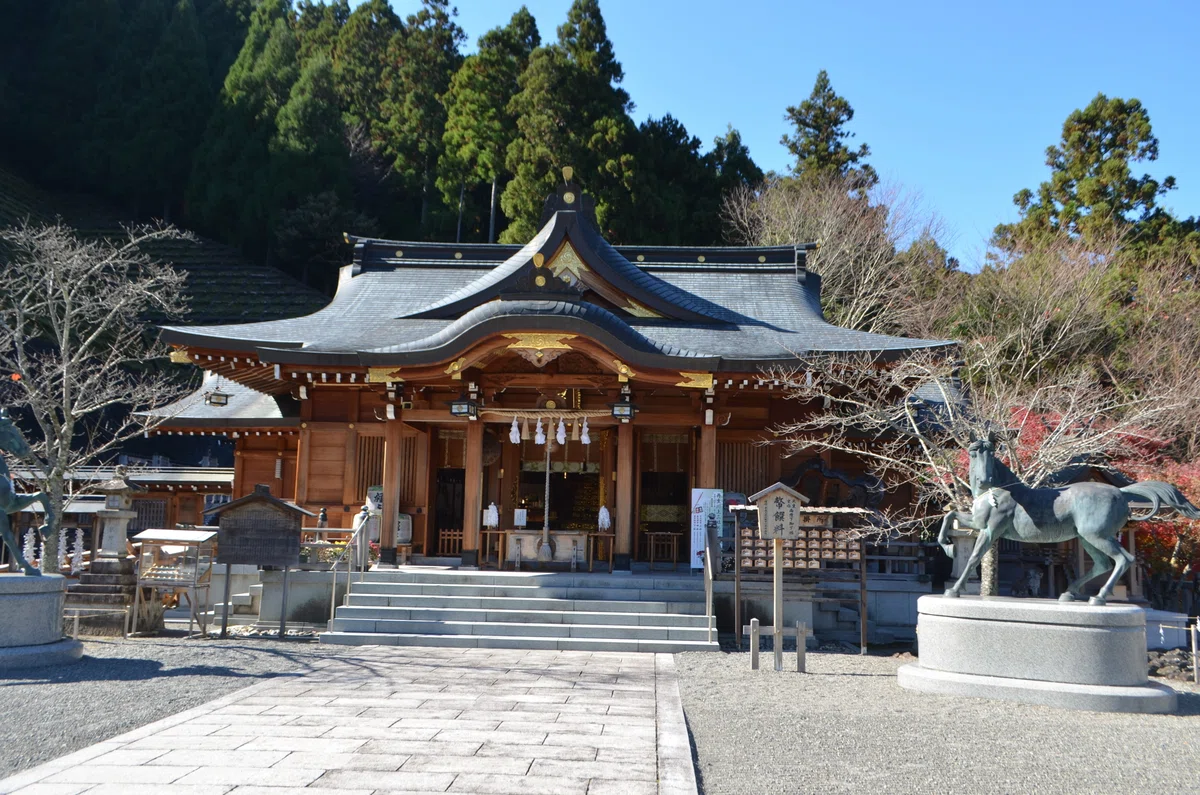
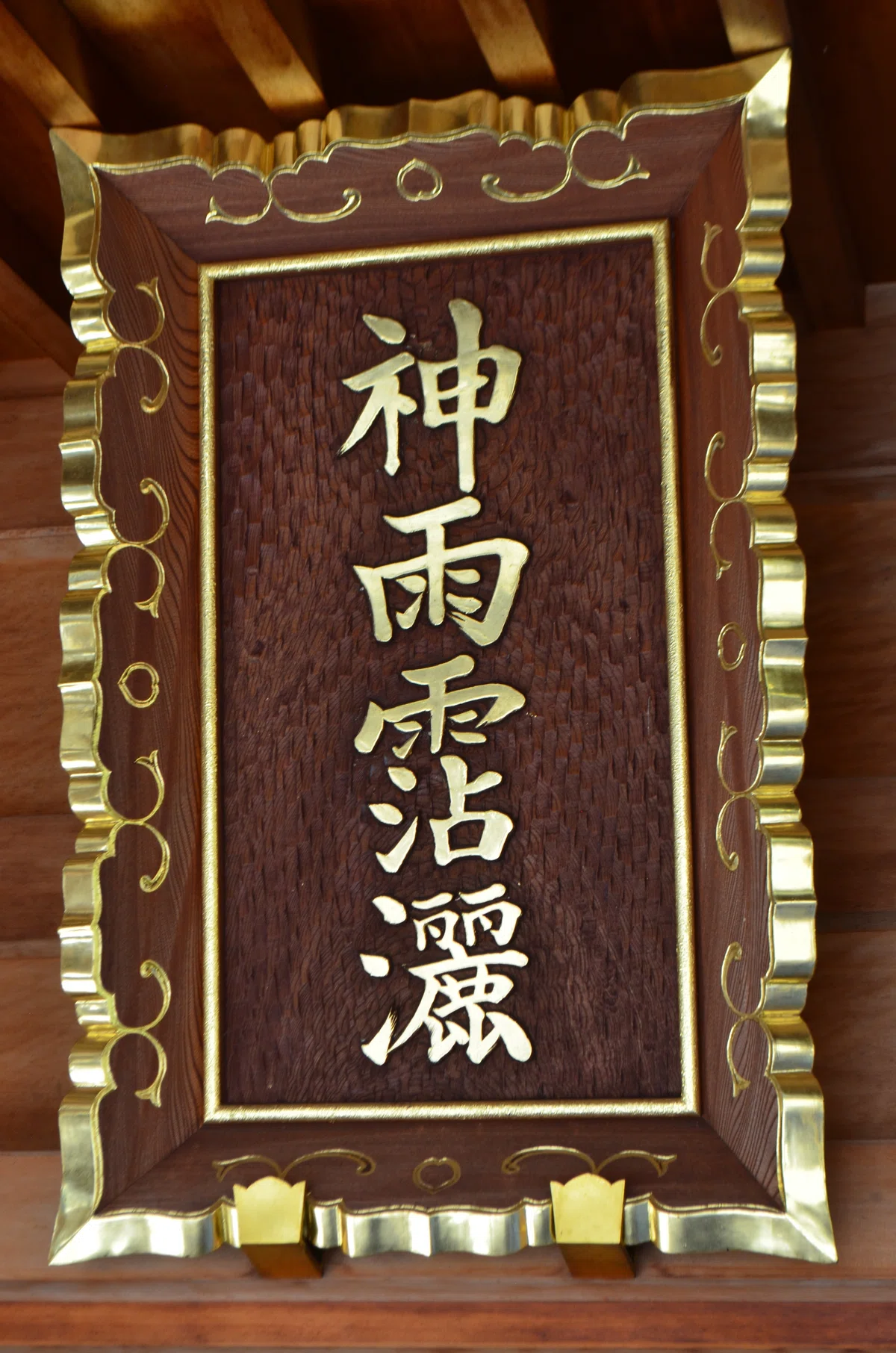
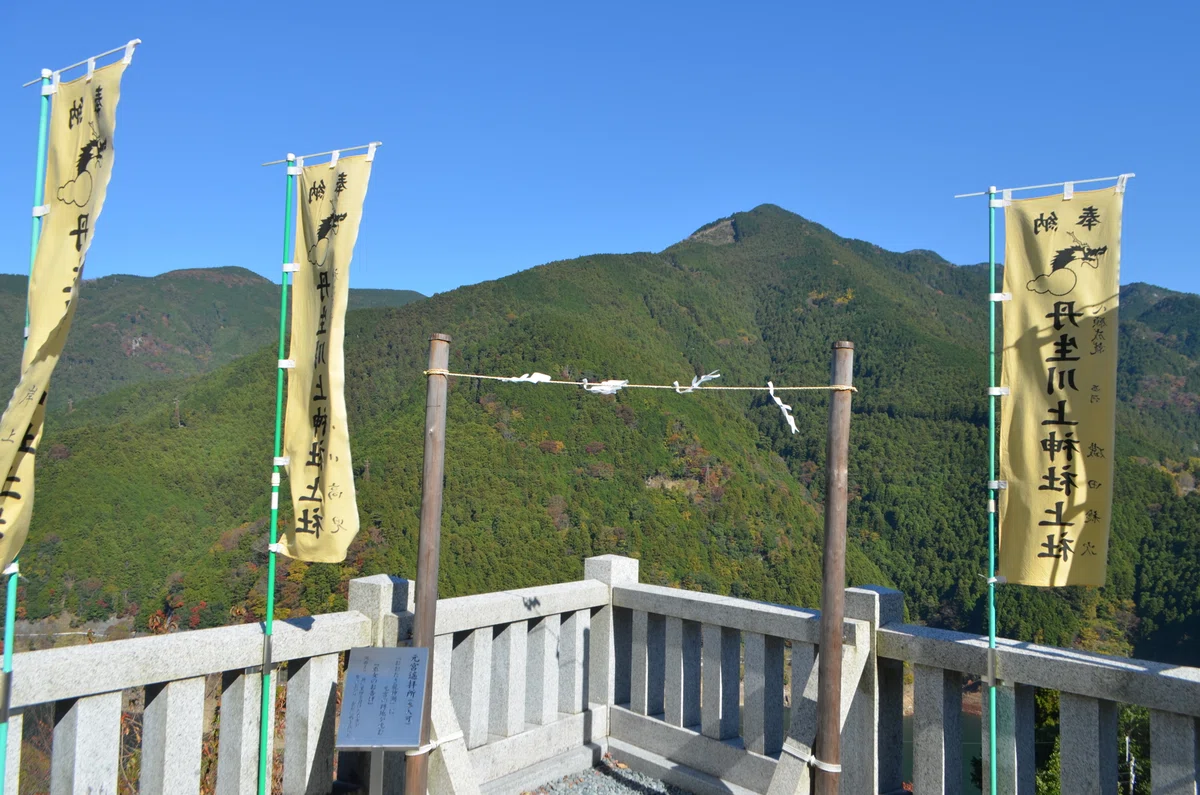
With the construction of the Ōtaki Dam, the old shrine along the river was submerged and moved to the present hillside in 1998.
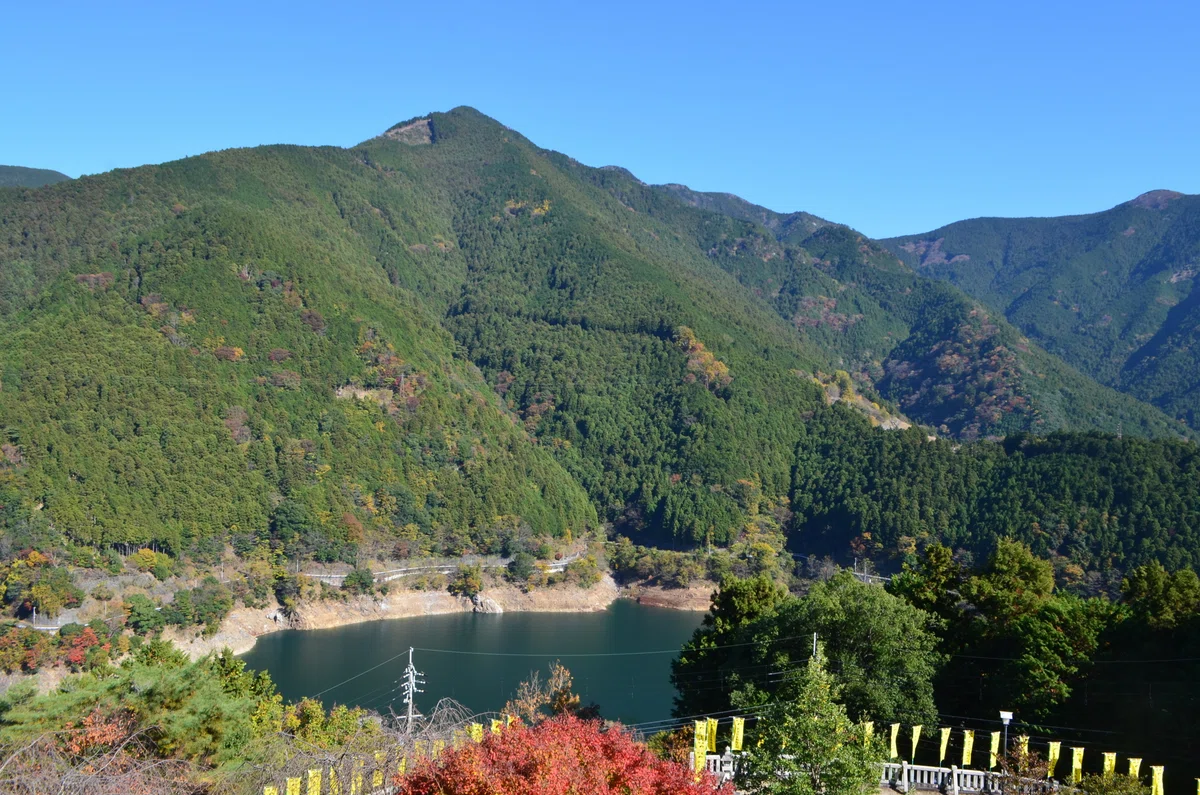
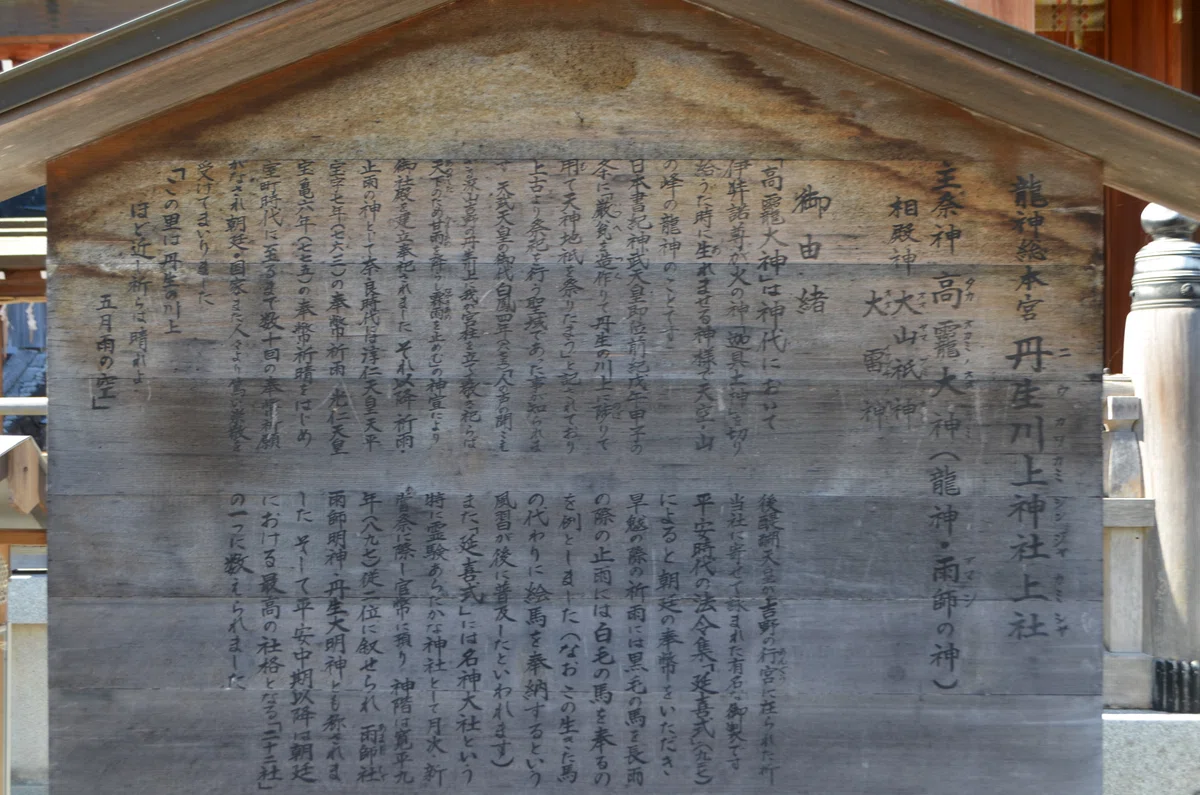
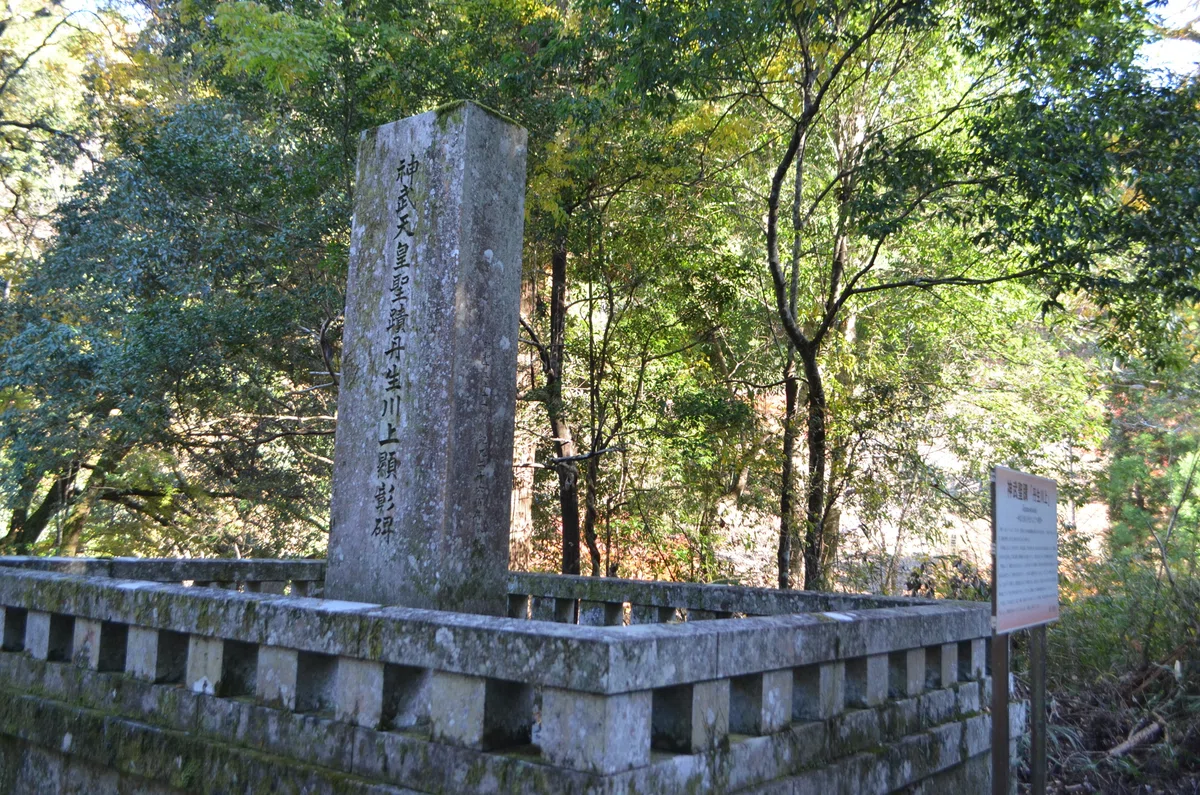
Niu-Kawakami Shrine Nakasha 丹生川上神社中社
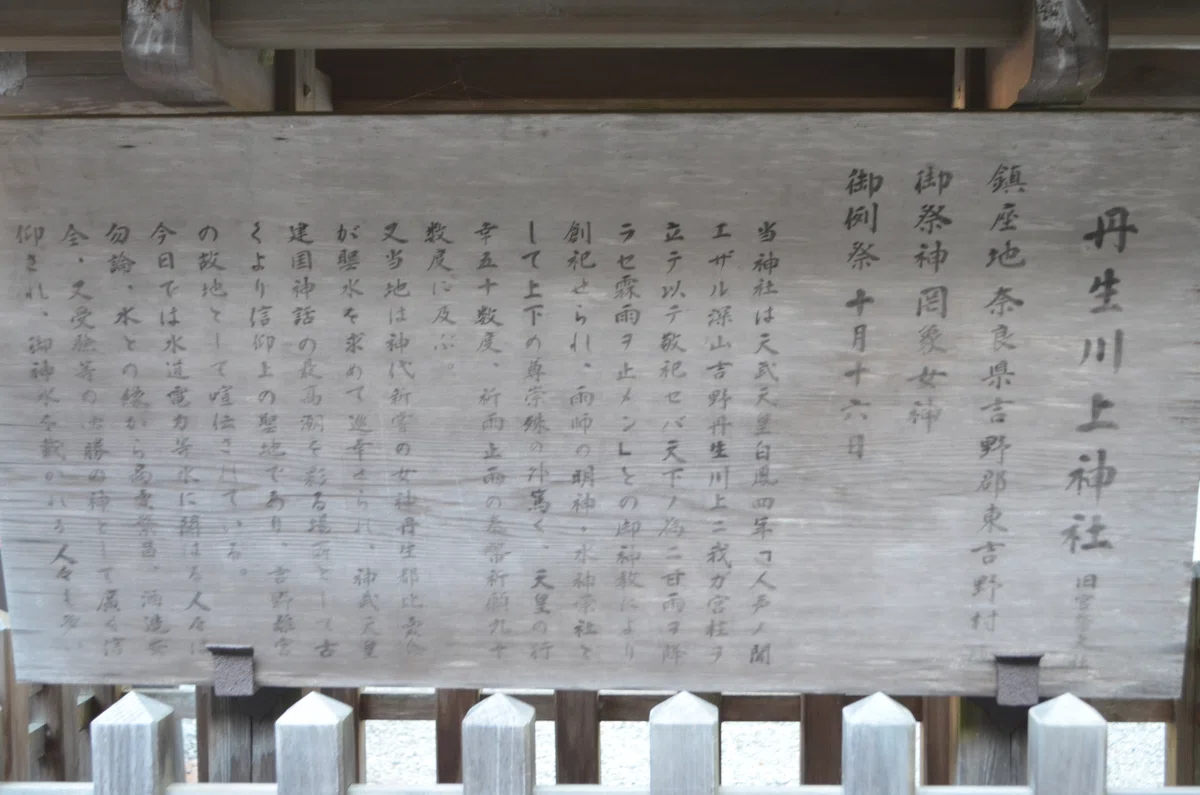
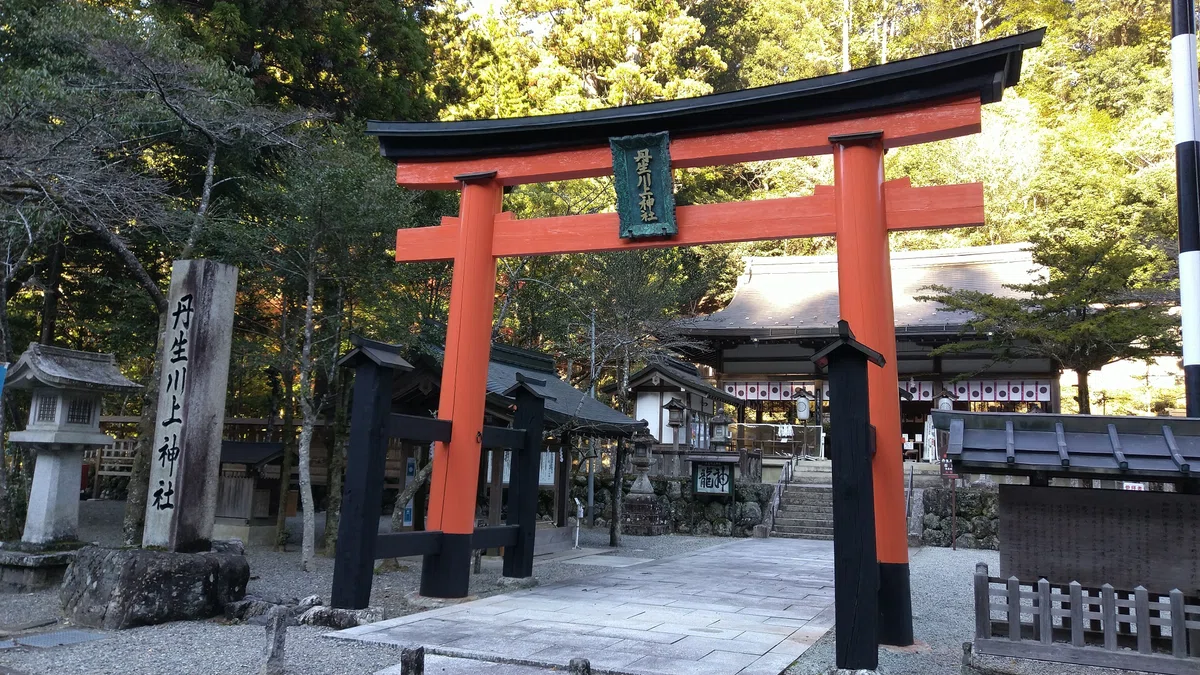
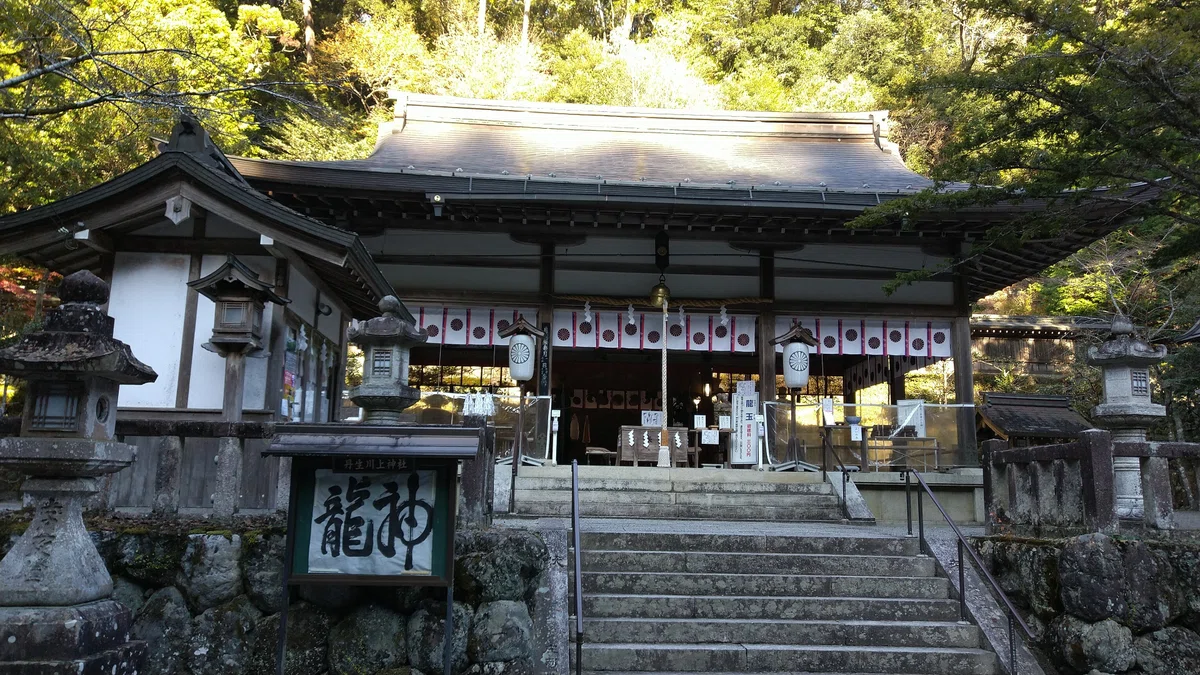
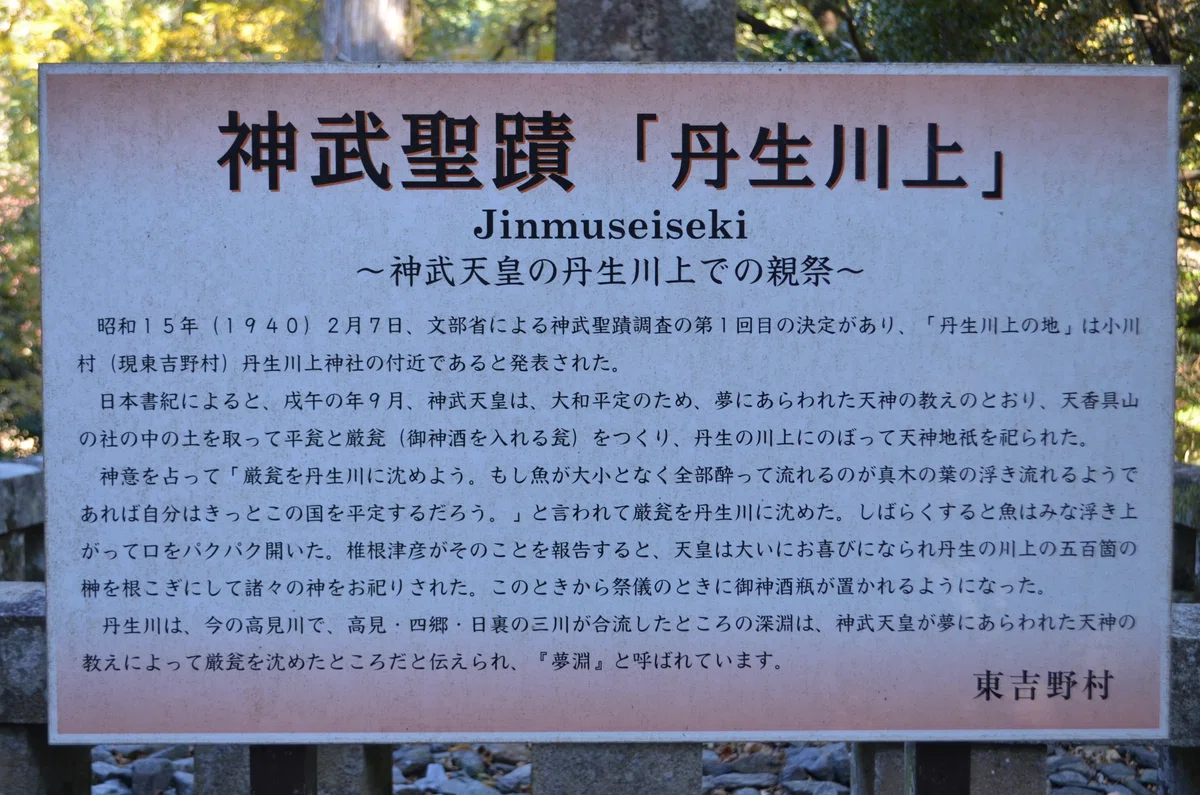
Basic facts on the three Niu-Kawakami Shrines
The history of the three Niu-Kawakami Shrines is a little bit complicated. The legend says Niu-Kawakami Shrine (丹生川上神社) was founded in 675.
It became the object of Imperial patronage during the early Heian period.
However, it gradually declined, and eventually even its location became unknown after the Ōnin War (応仁の乱, Ōnin no Ran), which was a civil war that lasted from 1467 to 1477 during the Muromachi period in Japan.
In early Meiji period, the Kamisha (located in present-day Kawakami Village) as well as Shimosha (located in present-day Shimochi Town) were together re-identified as Niu-Kawakami Shrine.
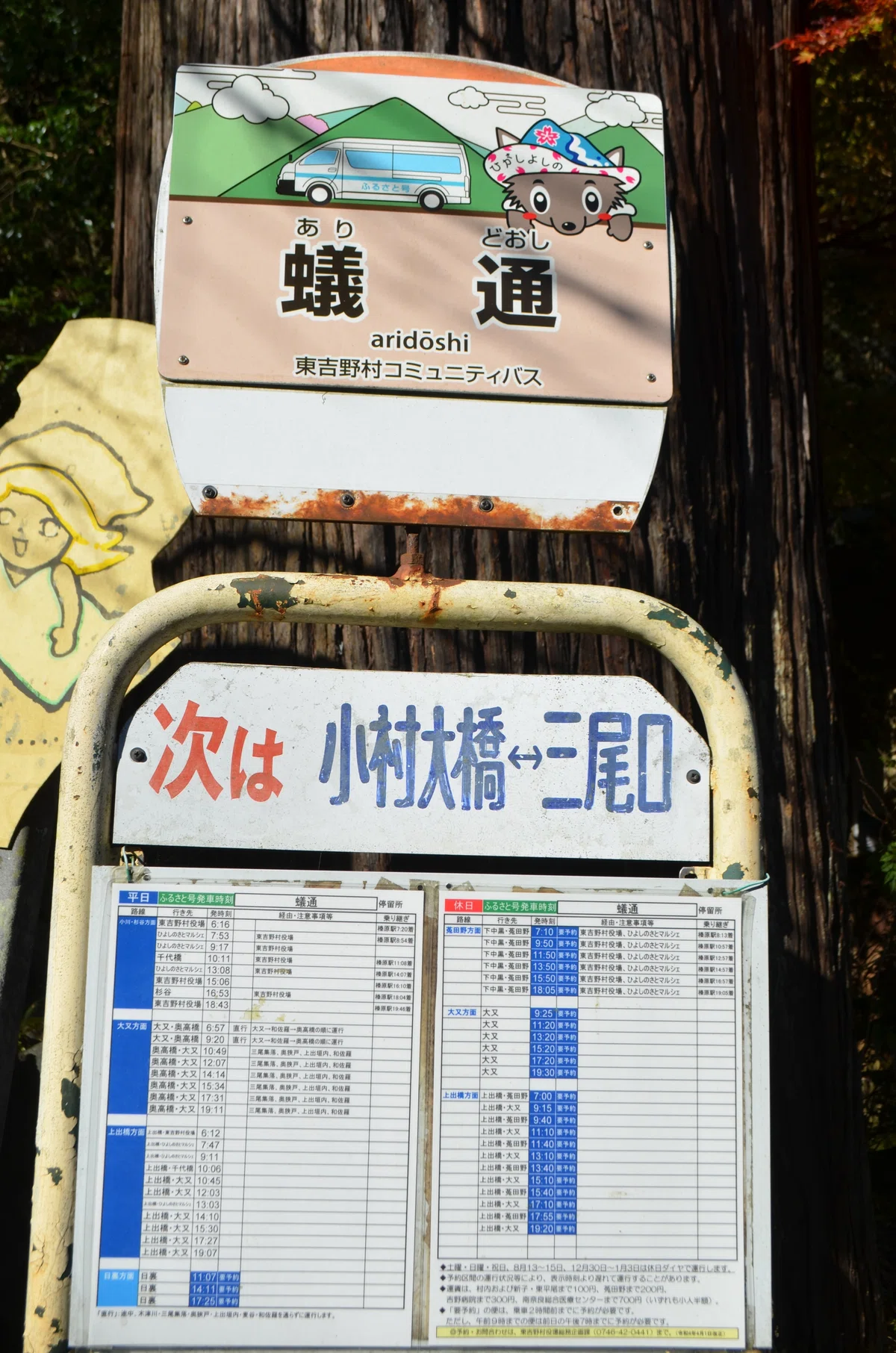
Then a new theory arose in 1915 (in early Taisho period) claiming that the Aridōshi Shrine (蟻通神社) located in present-day Higashi-Yoshino Village had been the Niu-Kawakami Shrine. It was in 1922 that Niu-Kawakami Shrine Nakasha (丹生川上神社中社) was declared as the authentic Niu-Kawakami Shrine (丹生川上神社). The two shrines, Kamisha and Shimosha, were to be united to form a single shrine under Nakasha.
After the World War Ⅱ, the three shrines became independent.
The toponym Aridōshi remains in a bus-stop name of a community bus service by Higashi-Yoshino Village:
[NOTE] There're Aritōshi Shrines (蟻通神社) in
Tanabe City, Wakayama
https://aritoshi-jinja.jp/
Izumi-Sano City, Ōsaka
https://www.aritooshi.org/
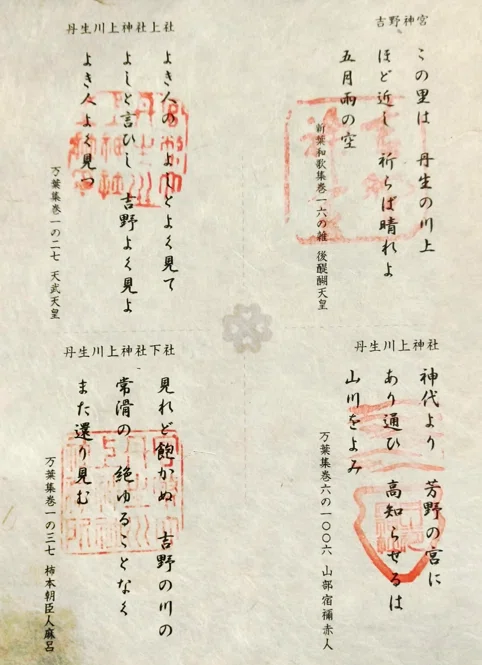
A special present for participating the tour
Reference sites
It's deemed important to include a short description of Emperor Go-Daigo (後醍醐天皇 Go-Daigo-tennō), who successfully overthrew the Kamakura shogunate in 1333 and established the short-lived Kenmu Restoration to bring the Imperial Court back into power. This was to be the last time the emperor had real power until the Meiji Restoration in 1868.
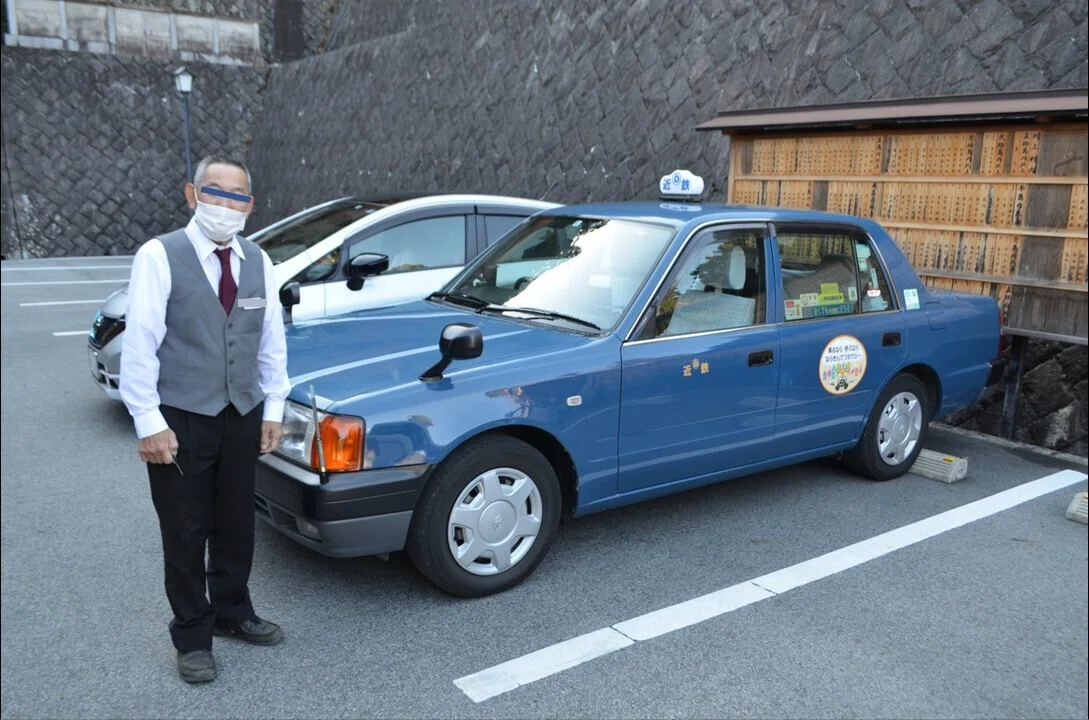
Last but not least, our thanks to the driver🙏
■
