What, exactly, is [beauty]?, [美]とは、いったい、何なのか?

Matters related to art, Index, 芸術に関する事, インデックス へ
-----
2024.7.29 presented in [note] ( //note.com/runningWater/]
----------
1 Where is the source of [feeling of beauty]?, [美の感じ]の源泉は、どこにある?
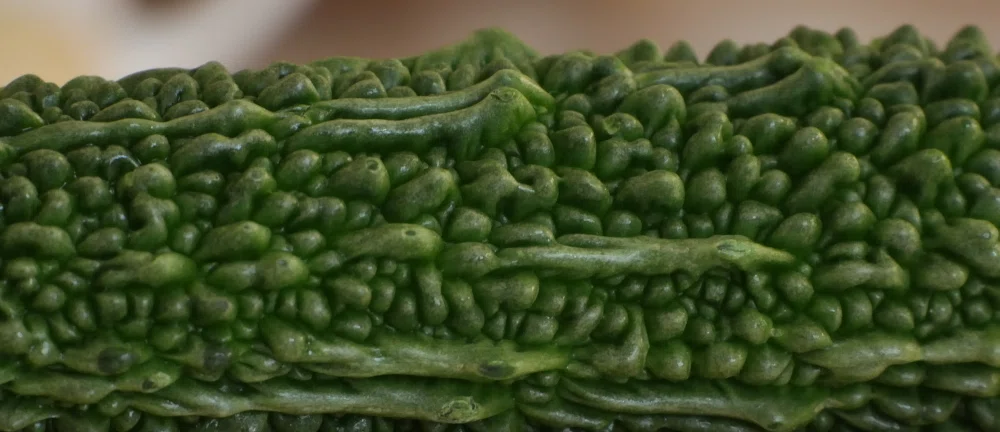
(in English) First, please look at the photo below ( that was taken by me ). Then, please suppose that, you looked at this picture and thought, "It is a beautiful picture".
If you think, "I don't think, it is beautiful", please pretend that, you think it is a beautiful picture. If you don't do so, I can't move forward from here.
When you finish reading this story, please stop pretending, and say, "But, it's not beautiful after all."
-----
(in Japanese) まずは、上記の写真(私が撮影した写真だ)をご覧いただきたい。そして、この写真を見て、あなたが、「きれいな写真だなぁ」と感じたと、仮定してみてほしい。
「とても、きれいだとは思えないなぁ」と、思われたのであれば、[きれいな写真だなぁ、と感じたフリ]を、していただきたい。そうしていただかないと、ここから先に、話を進めることができないので。
この話を読み了えられた瞬間、「でも、やっぱり、きれいじゃぁないよなぁ」というように、そのフリをするのを、そこでストップしていただければと、思う。
--------
(in English) Now, when you are looking at this photographic image, and you are feeling, "It is a beautiful picture", in your mind, a [feeling of beauty], ( that is , [feeling of "I'm looking at something beautiful!"]) must have been springing out.
Where is the source of that springing, [feeling of beauty]?
I think, the [source] does not exist in this photo image. In somewhere else, it must be existing.(Note1)
-----
(in Japanese) さて、この写真画像を見て、あなたが、「きれいな写真だなぁ」と感じておられる(おられた)時、あなたの心の中には、[美の感じ]、すなわち、[「自分は、美しいものを見ている!」感]が、湧出している(していた)と、思われる。(注1)
その、湧出した[美の感じ]、その[美の感じ]の[源泉]は、いったい、どこにあるのだろう?
私が思うに、その[源泉]は、この写真画像の中には、ないだろう。どこか別の所に、それはあると、思われる。
--------
(in English) When you say, "Look at this photographic image," it's just [a kind of labor saving in linguistic expression]. The expression "You look at this photographic image" expresses the following series of phenomena.
Phenomenon 1, A set of electromagnetic waves has reached your retina. The set of electromagnetic waves is emitted by the display.
Phenomenon 2, The retina received the set of electromagnetic waves, and sent a [signal] to your brain. That [signal] was translated by the retina, from the [set of electromagnetic waves] into a [signal], in a form, that your brain can receive.
Phenomenon 3, Your [mind (or brain)] received that signal, and your [mind (or brain)] generated, in your [mind (or brain)], a [feeling of beauty].
A display emits only a collection of electromagnetic waves (light). I have yet to hear of any experiment, that has been reported to suggest that, [something called a "sense of beauty" (not electromagnetic waves (light)) is emitted from a display].
-----
(in Japanese) 「写真画像を見て」と言ってみても、それは単なる、[言語表現においての一種の省力化]でしかない。「あなたが、この写真画像を見て」と言う表現は、以下の一連の現象を表現しているのだ。
現象1 あなたの網膜に、ある[電磁波の集合]が到達した。その電磁波の集合は、ディスプレイが放出したものである。
現象2 その電磁波の集合を受信した網膜は、あなたの脳に、[信号]を送信した。その[信号]は、[電磁波の集合]から、脳が受け取ることができるような形の[信号]に、網膜によって、翻訳されたものである。
現象3 その信号を受信したあなたの[心(あるいは脳)]は、あなたの[心(あるいは脳)]の中に、[美の感じ]を、発生させた。
ディスプイレイが放出するのは、電磁波(光)の集合だけだ。ディスプレイから、[美の感じ]というナニモノか(電磁波(光)ではない)が、放出されている、という事を示唆するような実験結果が報告された、というような事を、私は未だに、聞いたことがない。
--------
(in English) In the following, I will use the word [mind], ( instead of using [mind (or brain)] ), because it's annoying to use the word [mind (or brain)], every time. If you think that, "Mind dos not exist. Only brain exist.", please rewrite the word [mind] to [brain] ( in your brain, not in your mind ), in the following sentence, and continue reading. If you do such rewriting, I think, this story will be valid.
-----
(in Japanese) 以下、[心(あるいは脳)]という表現をいちいち用いるのは、わずらわしいので、「心」と表現する。「心なんてない、あるのは脳だけだ」派の方は、以下の文中の「心」を「脳」に置き換えて、読み進めていただきたい。それでも、この話は成立すると、思う。
--------
(in English) The source of the spring [feeling of beauty] does not exist in the display. Then, where on the earth, is it?
It (the source) exists in your [mind]. It is very unlikely that, the source could be anywhere else.
As if, a chemical change occurred in your mind, the source in your [mind], created [feeling of beauty], in your [mind], and filled your mind with [feeling of beauty].
-----
(in Japanese) 湧出した[美の感じ]の源泉、それは、ディスプレイの中にはない。では、いったい、どこにある?
あなたの[心]の中だろう。そこ以外の場所に、その源泉があるとは、とても考えられない。
あなたの[心]の中で、あたかも、化学変化が起こったかのように(注2)、あなたの心の中のその源泉が、[美の感じ]を、あなたの心の中に湧出させ、あなたの心を、[美の感じ]で満たしたのだ、「源泉かけ流し」で。
--------
(in English) The above image ( made ( taken ) by me ) did not create that chemical change. It is you, your [mind], that created that chemical change. The above image acted, only as a [catalyzer], for that chemical change.
Therefore, it is you, who created [beauty] ([feeling of beauty], [emotionally moving of beauty] ), not me.
Consequently, If the creater of [beauty] should be respected, it is you, who should be respected. You are the creater of [beauty].
I am the maker of the [catalyzer] ( The above photo image ).
-----
(in Japanese) 私が撮影した上記の画像が、その化学変化を生み出したのでは、ない。化学変化を生み出したのは、あなたでる、あなたの心である。私が撮影した画像は、その化学変化を起こすための、触媒の役割を果たしたに、すぎない。
ゆえに、[美の感じ]([美の感動]と言い換えてもよいかも?)を生み出したのは、あなたなのだ、私では、ない。
ゆえに、美をクリエイトする人(=クリエイター)は、世間からリスペクトされるべき(ほめそやされるべき、尊敬のまなざしをもって見つめられるべき)である、というのであれば、リスペクトされるべきは、私では、ない、あなただ。あなたが、リスペクトされるべきなのだ。なぜならば、その美をクリエイトした(湧出させた)のは、あなたなのだから。
上記の写真画像は、触媒にしか、すぎない。私は、その触媒のメーカーなのである。
--------
(in English)
Note1: Strictly speaking, I should use the expression,
"Ahhhhh! I am seeing something beautiful".
The time of day when [feeling of beauty] is spring up in your [mind], is "Ahhhhh!".
As soon as, you start to think that "I am seeing something beautiful”, your [mind] has already started [thinking]. As soon as, you start thinking, like "I am" or "am seeing", the [thinking] will start, and [feeling of beauty] will be covered by the [thinking], and will fade.
Note2: The people who think that, "Mind dos not exist. Only brain exist.", will say,
"You should not say, "As if, a chemical change occurred". You should say, "A chemical change occurred", because, that's exactly what's happening there, the chemical change itself".
-----
(in Japanese)
(注1)厳密に言うならば、ここは、
「アァァァ! 自分は、美しいものを見ている!」という表現を、用いるべきなのだろう。
あなたの心の中に、[美の感じ]が湧出している時間帯は、といえば、それは、最初の「アァァァ!]の時間帯だけである。「自分は、美しいものを見ている!」と思い始めたとたんに、あなたの心の中では、もう[思考]が始まってしまっている。「自分は」とか、「見ている」とかいったように、考え始めたとたん、[思考]が始まり、[美の感じ]は、「思考」に覆われてしまい、しぼんでしまうだろう。
(注2)「心なんてない、あるのは脳だけだ」派の方は、このように言われるかもしれない、
「あたかも、化学変化が起こったかのように」などと言っちゃ、いけない。そこで起こったのは、まさに、化学変化にほかならないのだから。」
----------------
2 Even so, there is [dignity]( or [grade]) of [work of art], doesn't it?, そうはいっても、作品には[格]というものが、あるのでは?
(in English) It is highly predictable that, the following objections will come from those, who have read this far.
"As you say, a [work of art] may be a mere [catalyzer]. But, there are various difference in the [catalyzer]. I want you to look at the [grade] of the [catalyzer], or the [dignity] of the [catalyzer]. There are [high grade] [catalyzer]s, and there are others that are not. Some are [high dignity] [catalyzer]s and some are not."
"The persons, who ( are able to ) make [high grade] [catalyzer], [high dignity] [catalyzer], should be respected. The persons, who ( are able to ) create such a [catalyzer], that is, the creator of [work of art, high grade catalyzer] should be respected by the world."
But, I think that, this objection will go into very hard road.
-----
(in Japanese) ここまで読んでくださった方々の中から、以下のような反論が出てくることは、大いに予想できる。
「なるほど、芸術作品というものは、この人(この文章を書いている人間)が言うように、[触媒]にしか、すぎないような、もの(存在)なのかもしれない。でも、[触媒]にも、いろいろ、あるだろうに。触媒の[品格]、あるいは、触媒の[格調]といった方面にも、目を向けてほしいんだよなぁ。[格調]高い[触媒]もあれば、そうでないものもある。[品格]ある[触媒]もあれば、そうでないものもある。」
「高[品格]の、高[格調]の、[触媒]をメイクする人は、やはり、世間からリスペクトされるべきだ。ゆえに、そのような触媒を作った人、生み出した人、すなわち、クリエイター(作品の)は、世間からリスペクトされるべきだろう。」
でも、この反論は、とても、険しい道を進むことになるのではと、私は予想する。
--------
(in English) In front of the objection, hard problems stand in the way.
What do the word [high grade] mean?
What state of the [catalyzer]( [work of art] ) , is a [high dignity] [catalyzer]?
If this question cannot be clearly explained in language that, many people can understand, then the objection will not be valid.
-----
(in Japanese) その行くてには、
「[格調]高い」とは、いったい、どういう事なのか?」
「その触媒(作品)が、どのような状態であれば、それを、高[格調]の作品というのか?」
と、いう問題が、立ちはだかっているのだ。
この問いに対して、多くの人々に理解できるような言葉づかいでもって、明確に説明できなければ、その反論は成立しないだろう。
--------
(in English) Now, let's consider this issue from a different direction.
Let's assume that, there is a computer program, in front of you, right now. In the user's manual of the program, the following statements are written,
"Please load more and more photos, paintings and musical works, into this program."
"If you do so, this program will display various text. The following is an example. "
"Painting 1, just has been loaded into me, this is a [high grade][work]. Therefore, I have graded that, this [work] is [work of art]."
"Painting 2, just has been loaded into me, this has no [dignity]. Therefore, I have graded that, this [work] is not [work of art].
"Music 3, , just has been loaded into me, oh no, this do not have [high grade], at all.
-----
(in Japanese) ここで、別の方角から、この問題について、考えてみよう。
いま、あなたの目の前に、あるアプリ(コンピューター・プログラム)が、あるとしよう。そのアプリのトリセツ(取扱説明書)には、以下のように、書かれている。
「このアプリに、どんどん、絵画や写真の画像を読み込ませてください。音楽作品でもOKです。」
「そうしますと、このアプリは、様々な文言を表示します。以下に示すのは、その一例です。」
『いま、読み込んだ絵画1、これは 品格高い作品です。ゆえに、これは、芸術作品と、みなされます』
『いま、読み込んだ絵画2、これには、「品格」がありません。ゆえに、これは、芸術作品とは、みなされません』
『いま、読み込んだ音楽3、これは、ひとくちに言えば、低い品格を持つ作品、すなわち、「下品な音楽」としか、言いようがありません。』
--------
(in English) Is it possible, to make a computer program like this? It may be possible to make that, using the [AI (artificial intelligence)] ( much talked about, nowadays ).
I heard that, [AI] acquires various [knowledge] by being educated. (There are various ways to educate it, for example, [deep learning]).
So, let's borrow some [AI], and show it, various photo, painting, music. And, each time we show it, let's let [AI] learn, as follows,
You "Have you read this [Painting 1]? This is a [high grade][work]."
[AI] I see.
You "Have you read this [Painting 2]? This is a [high dignity][work]."
[AI] I see.
You "Have you read this [Music 3]? This is very [low grade][work]."
[AI] Oh no!
-----
(in Japanese) このような、アプリを作ることは、可能だろうか? 今、話題の[AI ( artificial intelligence )]を使えば、可能かもしれない。
[AI]は、教育されることによって、様々な知識を獲得していく、と聞いている。([ディープラーニング]とか、いろいろと教育方法があるようだ)。
と、いうことなので、何か、[AI]を借りてきて、それに、絵を見せたり、音楽を聴かせたりしていこう。そして、見せたり、聴かせたりするその都度、[AI]に学習させよう、([AI]に「教育」してやろう)、次のようにして。
[あなた] 絵画1、これは、品格高い作品だよ。
[AI] ワカリマシタ
[あなた] 絵画2、これは、品格低い作品だぞぉ。
[AI] I see
[あなた] 音楽3、これはぁ、品格低い作品だなぁ。
[AI] Oh no!
--------
(in English) If, such [education] ([learning], from the [AI]'s point of view) will be continued, in time, the [AI] will become to be able to do a grading about every painting, photograph, or musical work on earth in an instant, whether it is [high grade] or [low grade].
And, the following announcement will be made,
As a result of tireless education (learning), this [AI] has finally reached a point where, it is able to do grading of all [work of art] on the earth!
-----
(in Japanese) そのような[教育]([AI]の側から見れば、[学習])を続けていけば、そのうち、その[AI]は、地球上に存在する、ありとあらゆる、絵画、写真、音楽作品に対して、それが、[高品格のものか|低品格のものか]、の判断を、瞬時の中に、下すことができるようになるかもしれない。
そうなれば、
たゆまない教育(学習)の結果、この[AI]はついに、作品の品格の有無を判定できるような境地にまで、到達した!
ということに、なるのだろう。
--------
(in English) If you give a teaching (learning) with a 5-point scale ("Painting 1, this is [grade 4]", "Painting 2, this is [grade 2]"), then, may be, the [AI] will become to able to display the following,
"I have graded that, the [grade] of this [work] equal 3.14159, on a scale of [1 to 5]."
-----
(in Japanese) 5段階評価つきの教育(学習)を施せば、(「絵画1、これは、[品格度]4だよ」、「絵画2、これは、[品格度]2だよ」というようにすれば)、その[AI]は、
「この作品の[品格度]は、5段階評価においての、3.14159であると、判定しました。」
というような表示をも、行えるようになるかもしれない。
--------
(in English) Maybe, maybe...Our [evaluation of [work of art]] is something like that?
In other words,
There is someone, a [teacher] ( or [teachers]), who has been educating [us] for a long time, showing various [work of art] to [us], and let [us] to do [deep learning].
"Have you seen this [Painting 1]? This is a [high grade][work]."
"I see."
"Have you seen this [Painting 2]? This is a [low dignity][work]."
"I see."
"Have you listened this [Music 3]? This is very [low grade][work]."
"Oh no!"
As a result, we've been able to say that,
"[Painting A], There is a sense of dignity in this work."
"[Painting B], it is hard , to say that, This painting is [high grade]."
"[Music C], growing up, always, always, listening to this kind of [low grade] music...what the world will be in the future? I'm very worried.
-----
(in Japanese) もしかすると、もしかすると・・・我々が、常識的、無意識的に、心中でつぶやき、あるいは、言葉に出している、[作品に対する評価]とは、もしかしたら、このようなものだったのでは、ないだろうか?
すなわち、
誰か、[教師]ともいうべき人(人々)がいて、その人(人々)が、延々と、[我々]に対して、教育しつづけてきた、様々な、絵画や音楽を、我々に見せ、聴かせながら、
絵画1、これは、品格高い作品だよ。
了解
絵画2、これは、格調低い作品だよ。
了解
音楽3、これは、品格低い作品、すなわち、これは、下品な音楽だよ
Oh no!"
その結果、我々は、おのおのの作品に対して、
「絵画A、品格というものを、この作品には、感じちゃうんだよなぁ」
「絵画B、この絵、格調という点では、イマイチかなぁ」
「音楽C、こんな下品な音楽ばっかし聴いて育っていって、ほんとうにいいのかねぇ?」
と、いうような事を言えるように、なったのではないだろうか?
--------
(in English) I am not saying the above without any evidence.
The evidence is as follows,
(1)In [史記(Shǐjì)(Shi ji)](This is a document that describes the history of ancient China), there is a statement to the effect that, [紂(Zhòu)(King Chuo)] had a musician make [新淫聲(Xīn yín shēng)(Zhin yuin shen)], in response to a request from [妲己(Dájǐ)(Da ji)]. A translation system translated [新淫聲(Xīn yín shēng)(Zhin yuin shen)] as [new obscene sound]( in English ). To our modern sensibilities, we are tempted to wonder, what such a concept has to do with music. But this statement shows that, musical works were evaluated by the society at that time, in terms of their [dignity]. It is not clear, who ( in the society at that time ) made the evaluation.
(2) [Шостакович(Shostakovich)], [Прокофьев(Prokofiev)], [Խաչատրյան(Khachaturian)],[Кабалевский(Kabalevsky)] were strongly criticized by those who relied on [socialist realism].
(3) I have heard that, [Impressionism] and [Fauvisme] are terms, that began to be used, to devalue the works painted by artists, who belonged to that group. Perhaps, in response to this kind of evaluation, some people began to say, "No! The works ( of [Impressionism] ) are Great!", and, continued to say so. As a result, these paintings came to be held in high esteem.
(4) Most of the paintings drawn by [Vincent Willem van Gogh] were unsold during his lifetime. After his death, some people said, "Van Gogh's paintings are great!", and, continued to say so. As a result, his works became to receive the high praise.
(5)[Henri Julien Félix Rousseau], as for the picture he painted, it is the same as that of [Van Gogh].
If we go back in time, we will find many evidences, such as.
-----
(in Japanese) なんの、エビデンスも無しに、私は、上記のような事を言っているのでは、ない。以下に、少し、それを述べてみよう。
(1)[史記 本紀 殷本紀]の中に、[妲己]からのリクエストに応じて、[帝紂]が、[師涓]に、[新淫聲]を作らせた、という趣旨の記述が、ある。[新淫聲]を、ある翻訳システムは、[new obscene sound]と、英訳してくれた。現代の我々の感覚をもってしては、そのような概念と音楽との間に、いったいなんの関係があるのか、と思いたくなるのだが・・・。でも、この記述は、当時の社会において、音楽作品に対して、[何らかの格づけ、すなわち、品格度の評価が、行われていた]という事を、示している。いったい誰が、その格付けを行っていたのか、までは、不明だが。(注3)
(2)ショスタコーヴィチ、プロコフィエフ、ハチャトゥリアン、カバレフスキーたちは、「社会主義リアリズム」に依拠する人々からの、強い批判を受けたのだそうだ。
(3)[印象派]、[野獣派]は、そのグループに属する画家たちが描いた作品群を、低く評価するために、使われはじめた用語である、というような事を、聞いたことがある。おそらく、このような評価に対抗して、ある人々が、「いや、そんな事はない」、と言い始め、言い続けた、その結果、現在のような世間からの高い評価が、それらの絵に対して、与えられるようになったのだろう。
(4)[フィンセント・ファン・ゴッホ]が描いた絵は、彼が生きていた期間中、そのほとんどが、売れてない状態に、あったのだそうだ。彼の死後、様々な人々が、「ゴッホの絵は、いいね!」と言い始め、言い続けた、その結果、現在のような世間からの高い評価が、彼の絵に対して、与えられるようになったのだろう。
(5)[アンリ・ジュリアン・フェリックス・ルソー(Henri Julien Félix Rousseau)]
この人についても、上記と同様の事情であったようだ。生きている間は、世間からあまり認められることなく・・・というような事は、芸術家の間においては、よくある事のようだ。
等々、過去にさかのぼっていけば、いろいろと、見つかるだろう。
--------
(in English) Like the [AI], we, too, have been encouraged to do [deep learning] (although, it is possible to use the term "influenced" to describe it), and we have reached a point where, we can evaluate [the degree of dignity], [the grade] of each work.
-----
(in Japanese) 我々もまた、[AI]と同様、[ディープラーニングしていくように、しむけられて](「影響を受けて」、という美称を用いて、それを表現することも可能だろうが)、それぞれの作品の[品格度]、[格調度]といったようなものを判定する(判定できる)ような境地に至った(そのような脳内の配線状態に至った?)、ということなのかも、しれない。
--------
(in English)
Note3: Maybe, this is the first time in human history (written in the history books) that a musician has been commissioned to compose a musical work. So, this musician may be the first person in the history (written in the history books) of mankind to be commissioned to compose music.
-----
(in Japanese)
(注3)[師涓]は、固有名詞ではなく、[音楽家]を表す名詞であるのかもしれない。このあたりについては、この方面に詳しい方のご意見を、おうかがいしたいところだ。もしかしたら、これは、人類史上最初の(歴史書に記されている中の)、作曲依頼行為である、ということに、なるのかもしれない。と、なると、ここに[師涓]と記されている人は、人類史上最初の作曲家(歴史書に記されている中の)、ということに、なるのかも。
----------------
3 Weak point of the [beauty = deep learning results] theory, [美=ディープラーニング結果]説の弱点
(in English) But, as we pore over these ideas, we come to a question.
The person [P] was educated by [P1], that is , [encouraged to do [deep learning] by [P1]]. As a result, [P] came to a point where, [P] could evaluate [the grade] of [work of art].
Then, [P1]?
-----
(in Japanese) しかし、このような考えを、つきつめていくと、ある疑問に、つきあたることになろう。
[P]という人は、[P1]という人により、教育(影響)されて、すなわち、[ディープラーニングしていくように、しむけられて]、[ディープラーニング]し続けた。その結果、[P]は、作品の「品格度」を判定する(できる)ような境地に至った。
では、[P1]は?
--------
(in English) What on the earth, is [P1] relying on, to educate [P], to say, "[the grade] of this [work of art] is..."?
In the [mind] of [P1], there is some kind of mechanism (system), that evaluate [the grade] of various works. So, [P1] is able to provide such an education to [P].
Then, how did [P1] form, in his own [mind], [a system for evaluating [the grade] of various [work of art]]?
I can not think that, such a system spontaneously arose in [P1]'s [mind].
It is certain that, [P1] have been educated ([encouraged to do [deep learning]]) by someone else. As a result, [P1] have acquired the [a system for evaluating [the grade] of various [work of art]].
In other words, there must be a person [P2], who encouraged doing [deep learning] to [P1].
Then, there must be a person [P3], who encouraged doing [deep learning] to [P2].
Then, there must be a person [P4], who encouraged doing [deep learning] to [P3].
-----
(in Japanese) いったい何に依拠して、[P1]は、[P]に対して、「この作品nの品格度はね、・・・」というような、教育を行っているのだろうか?
[P1]の[心]の中には、様々な作品の品格度を判定する、なんらかの仕組み(システム)が、存在している、だから、[P1]は、[P]に対して、そのような教育を行うことが、できるのだろう。
では、いったいどのようにして、[P1]は、自らの心中に、その[様々な作品の品格度を判定するシステム]を、形成したのか?
そのようなシステムが、[P1]の心中に自然発生したとは、とうてい、思えない。
[P1]は、誰かに教育されて、([ディープラーニング]させられて)、その結果、作品の品格度を判定する、そのシステムを、獲得するに至ったのだろう。
すなわち、[P1]に、[ディープラーニング]させた、[P2]という人が、いるに違いない。
となると、[P2]に、「ディープラーニング」させた、[P3]という人が、いるに違いない。
となると、[P3]に、「ディープラーニング」させた、[P4]という人が、いるに違いない。
--------
(in English) Thus, if you go up the flow of time, you will meet a person [P∞].
Without [deep learning], [P∞] have acquired [a system for evaluating [the grade] of various [work of art]]. No one educated [P∞].
-----
(in Japanese) このように、時間軸を昔の方向に延々と遡っていくと、その先には?
[P∞]が、そこには、いなければ、ならない、ということになる。誰にも、「ディープラーニング」させられることなく、作品の品格度を判定するシステムを、自力で、獲得した人、[A∞]が。
--------
(in English) Maybe, [P∞] was the one, who was in that [Grotte de Lascaux (Lascaux Cave)]. By something like a revelation, or for some reason, looking at the painting on the wall of the cave, [A∞] suddenly said, "This animal painting is [high grade]! Likes!".
Or, [[P∞] = [Mitochondrial Eve]]?
Well, how many times, I try to say this, no one will say, "That's an interesting idea," although they might say, "That's an interesting joke. (Or, "It's a bad joke," they'll say.)
In order to identify, who [A∞] is, we need [reliable historical materials].
But, as we go back in time, the number of [reliable historical materials] dwindles and eventually, it dwindles to zero.
It seems to be a mission impossible, to find the way to [Grotte de Lascaux].
-----
(in Japanese) もしかしたら、[P∞]は、あの[ラスコー洞窟]にいた人なのかもしれない。なにか、啓示みたいなものを受けて、あるいは、なぜか突然、[A∞]は、洞窟の壁に描かれた絵を見て、「この動物の絵は、品格おおきい! イイネ!」と、叫び始めたのかもしれません。
あるいは、[[P∞] = ミトコンドリア・イブ]?
まぁ、しかし、このような事をいくら言ってみても、「それは、おもしろい考えですね」と言ってくれる人は、いないだろう、「おもしろい、ジョークですね」と、言ってくれる人は、いるかもしれないが。(「たちの悪いジョークですね」と言われるがオチかな?)
[A∞]が誰なのかを、特定するためには、[確かな史料」が必要だろう。でも、昔にさかのぼっていくにつれて、[確かな史料」の数は、どんどん減少していってしまい、ついには、ゼロになってしまう。
[ラスコー洞窟]への道を見つけるのは、どうやら、[ミッション・インポッシブル]であるようだ。
--------
