
英国の移民の簡単な歴史

英国の移民の簡単な歴史
ローダ・ウィルソン
2024年8月9日
英国の移民政策の歴史は、1948年に英国政府が英国領または英連邦諸国に住む人々に、英国人と同じように英国での生活と就労を許可したことから始まる。この制度で予想以上の人々が英国に入国した後、1968年に政府は移民を抑制する法律を施行した。
1997年、トニー・ブレア政権は、英国を真の多文化国家にするため、意図的に移民レベルを大幅に引き上げる措置を即座に講じた。保守党政権は労働党政権を凌駕し、2022年には英国で就労または居住する外国人に110万人という記録的なビザを交付した。
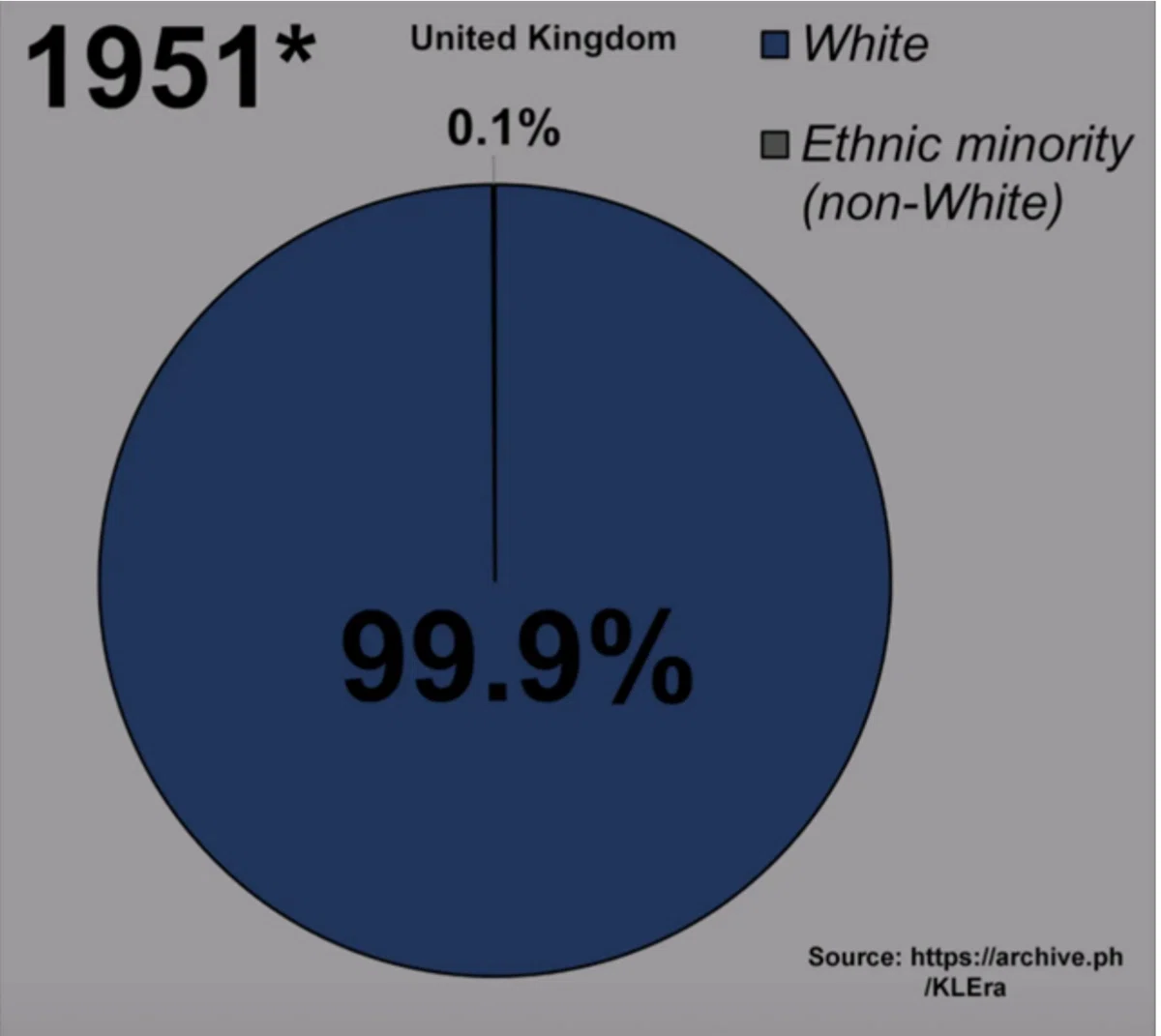
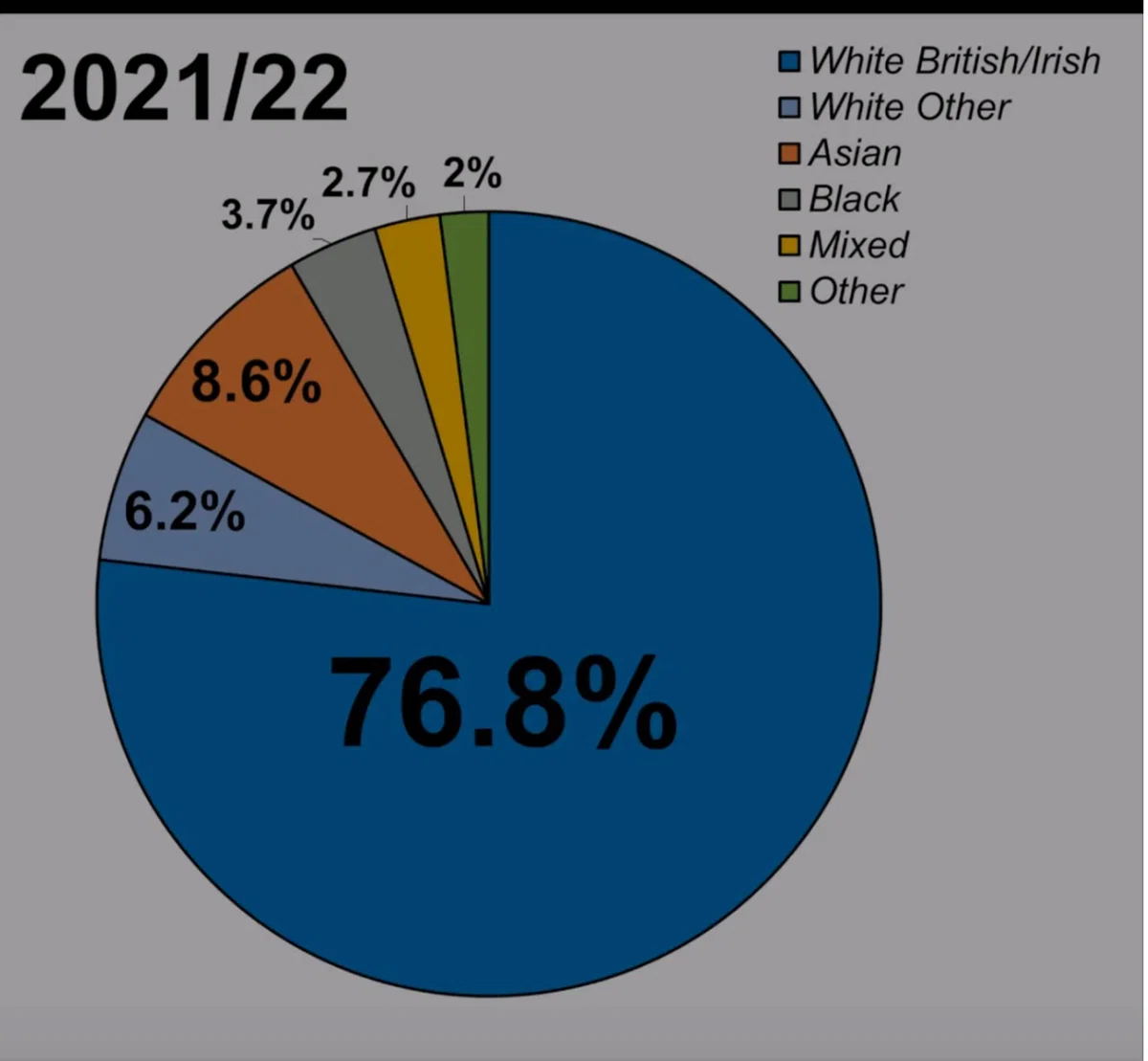
1949年には、非白人の英国人の割合は人口の0.1%だった。 現在、非白人は人口の25%近くを占めている。 良きにつけ悪しきにつけ、歴代政府の移民政策は不人気であり、7月29日にサウスポートで起きた幼い子供たちの凄惨な殺人事件以来、英国で勃発した抗議、暴力、民族暴力の重要な原動力となっている。
英国の移民の歴史
アンドリュー・コリングウッド著 ネイキッド・エンペラー刊
英国の移民政策は、サウスポートでの凄惨な襲撃事件以来勃発した抗議、暴動、民族暴力の重要な推進力である。 この[記事]は、可能な限り包括的かつ客観的な概観を提供することを目指しながら、その政策の物語を語る。

物語は1948年の国籍法から始まる。 この法律以前は、「英国市民」という概念はまったく存在しなかった。 英国人は、インド人、ジャマイカ人、香港人と同様、忠誠を誓う王室の臣民であった。 第二次世界大戦後、加速する帝国の変化に促されて制定された1948年の法律により、英国のドミニオンとコモンウェルスで生まれた者は、事実上英国人と同等の立場に置かれることになった。 つまり、ジャマイカのキングストン出身者も、キングストン・アポン・テムズ出身者と同じように自由に英国で暮らし、働くことができるようになったのだ。
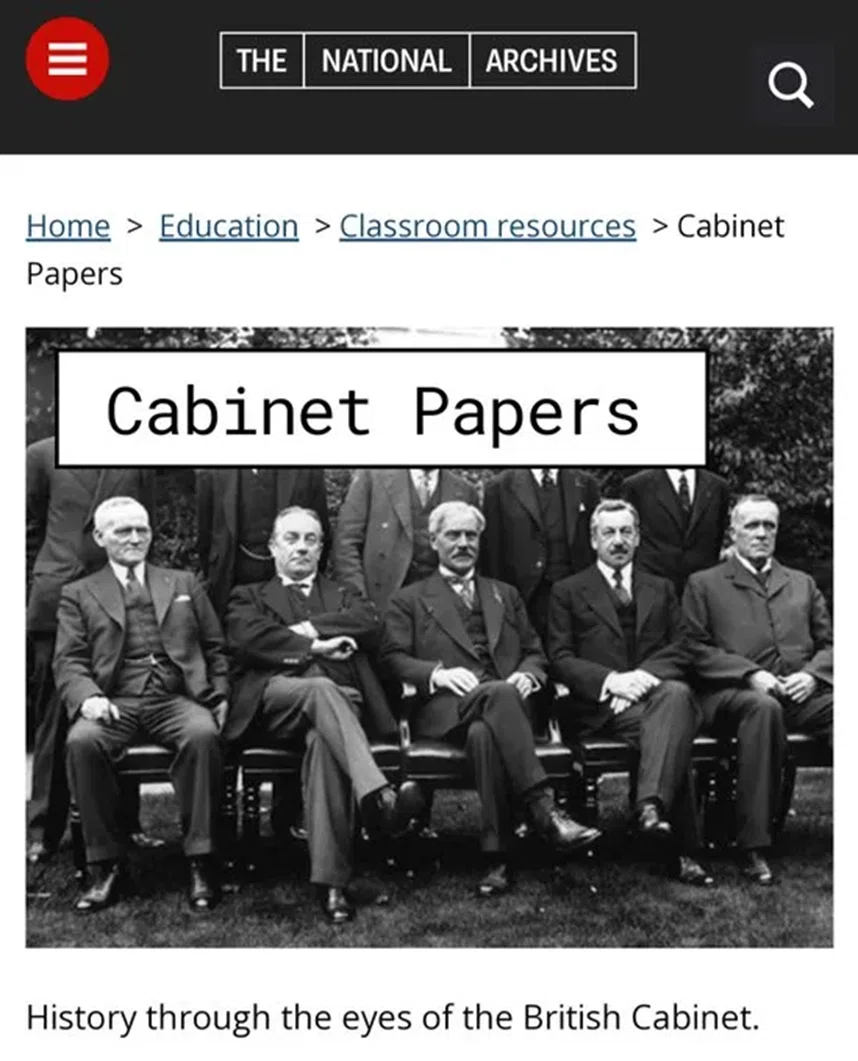
英国の政治家や公務員は、この機会を利用する人の数を著しく過小評価していた。 国立公文書館に所蔵されている内閣文書によれば、当初は細々と始まっていたものが大洪水となった。 この法律が成立してからの5年間、「植民地からの移民は年間2,000人以下であった。 これが1954年に増加し、1961年には13万5,000人以上に達した」。 60年代後半には、英国には100万人を優に超える非白人がいた。 そのほとんどが異質な文化を持ち、しばしば宗教も異なっていた。
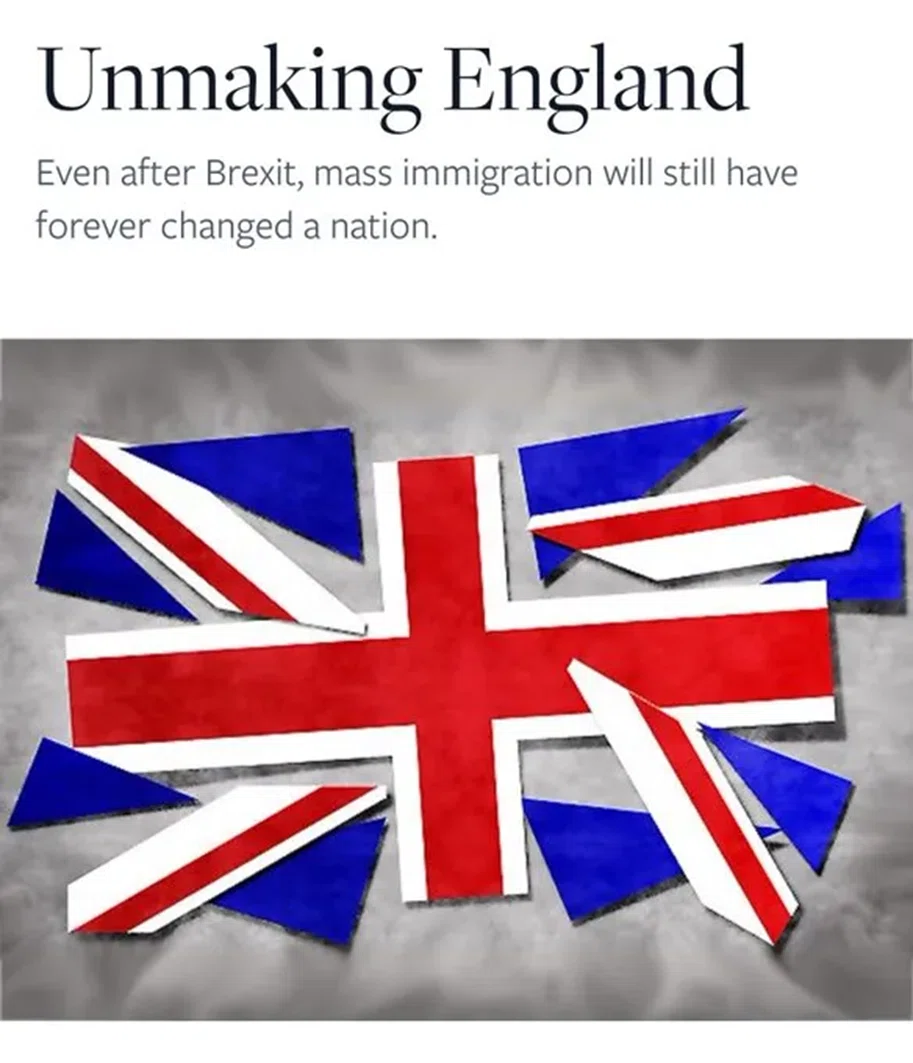
このことは、新参者の大多数が定住したイギリスにとって独特の問題となった。 ベンジャミン・シュワルツがその見事なエッセイ『イングランドを解き放つ』で示したように、英国はほぼ千年半、あるいはもっと長い間、本質的に変わっていなかった。
遺伝子記録によれば、白人英国人の約4分の3の母系祖先は、約6000年前にすでに英国諸島にいた。 アングル人、サクソン人、フリジア人、それに類似した人々(25万人以下しかいなかった)が、実質的にその混血を完成させたのである。 英国の遺伝学者の長であるオックスフォード大学のウォルター・ボドマー卿が説明するように、英国の遺伝史は『英国人の異常な安定性』を明らかにしている。 西暦600年以来、英国はあまり変わっていないのです」。
はっきり言っておくが、これは血と土のナショナリズムを主張するためのものではない。 そうではなく、英国独特の安定性を示すためだ。 例えば、1960年代には、イングランドの子供たちが1100年代から同じ遊びをしていたことが明らかにされている。 ロバート・トムズは、イングランド人は世界最古の国家であると主張する。
この特異な永続性によって、イングランドは外国人の気まぐれや高位から押し付けられた抽象的な考えではなく、慣習や、国民を法と一体化させる有機的に発達した共通の理解に基づく法と統治のシステムを発展させることができた。
皮肉なことに、英国はその安定性ゆえに、以前は風変わりな人々に寛容で、外国人を統合し、その子供たちに英語を教え込むのに非常に効果的であった(ホルスト、ヘンデル、ディズレーリ、コンラッド、チャーチル、エリオットなど)。1950年代と1960年代の移民がもたらした問題。 つまり、その規模とスピードである。 そのため、必然的に移民の飛び地が形成され、統合が不可能になった。
1968年、英国の2人の偉大な政治家が、この苦境に対して競合する解決策を提示した。
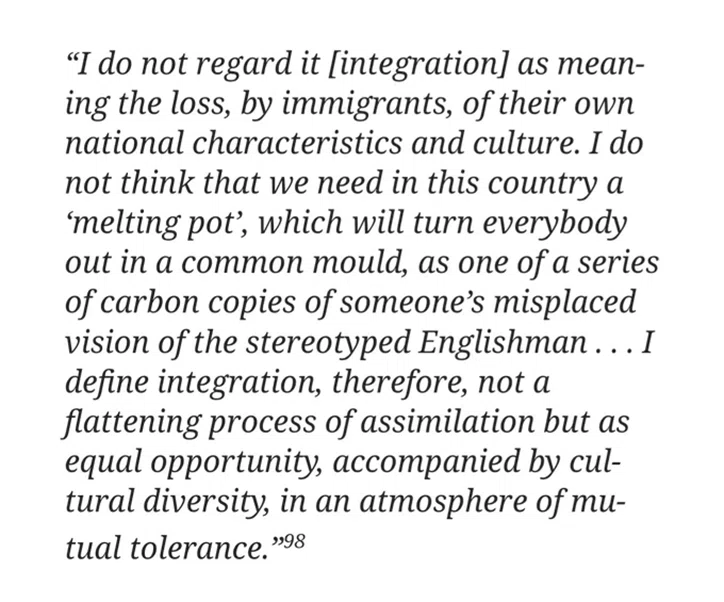
ロイ・ジェンキンスは、おそらく首相になったことのない最も影響力のある英国の政治家である。 エリート主義者でリベラルなジェンキンズは、非常に知的で、勤勉な労働者であり、非常に尊敬される伝記作家であり、文学者でもあった。 彼はまた、1960年代以降の英国のリベラルシフトの知的牽引者でもあった。 ジェンキンズは1968年の演説で、この国は「人種のるつぼ」になるべきではなく、すべての人を共通の型にはめるべきだと主張した。 その代わり、移民は「それぞれの国民性と文化」を維持することができる。" したがって、統合とは平板な同化を意味するのではなく、「文化的多様性を伴う機会均等」を意味するのである。 これこそが多文化主義の核心であり、人種とはほとんど関係がない。
エノク・パウエルはこれに同意しなかった。 野心的で不思議なほど強烈な男であったパウエルは、おそらく戦後議会で活躍した最も優れた知性の持ち主であった。 13ヶ国語を操り、当時、フレデリック・ニーチェに次いで2番目に若くして教授となり、戦時中には二等兵から准尉に昇進していた。 重要なのは、彼がインドで過ごした数年間にインドに惚れ込み、民族間の暴力を目の当たりにして恐怖を覚えたことだ。 彼はまた、1967年に米国を訪れ、アフリカ系米国人と警察の血なまぐさい争いを目の当たりにした。 彼は、英国で事実上生まれつつある多文化主義は、必然的に同じ結果を招くと考えていた。 そのため彼は、移民を終結させ、自発的な本国送還プログラムを実施することを支持した。
1968年4月、パウエルはバーミンガムで演説を行い、自らの主張を述べた。 『血の川』演説として知られるようになったこの演説は、英国政治史上最も悪名高い事件のひとつとなった。 パウエルの散文には、人種的蔑称を含む扇情的な言葉が散見された。
(野党党首の)エドワード・ヒースをはじめとする(影の)内閣の面々はこの演説に愕然とし、パウエルは翌日クビになった。 この演説があまりに扇動的であったため、パウエルは永久に後方のベンチに追いやられ、移民削減を主張することは不可能になった。
しかし同年、政府は移民を抑制するための英連邦移民法を押し通した。 1971年には移民法が制定された。 どちらもおおむね機能し、1990年代後半まで純移民は低く抑えられた。
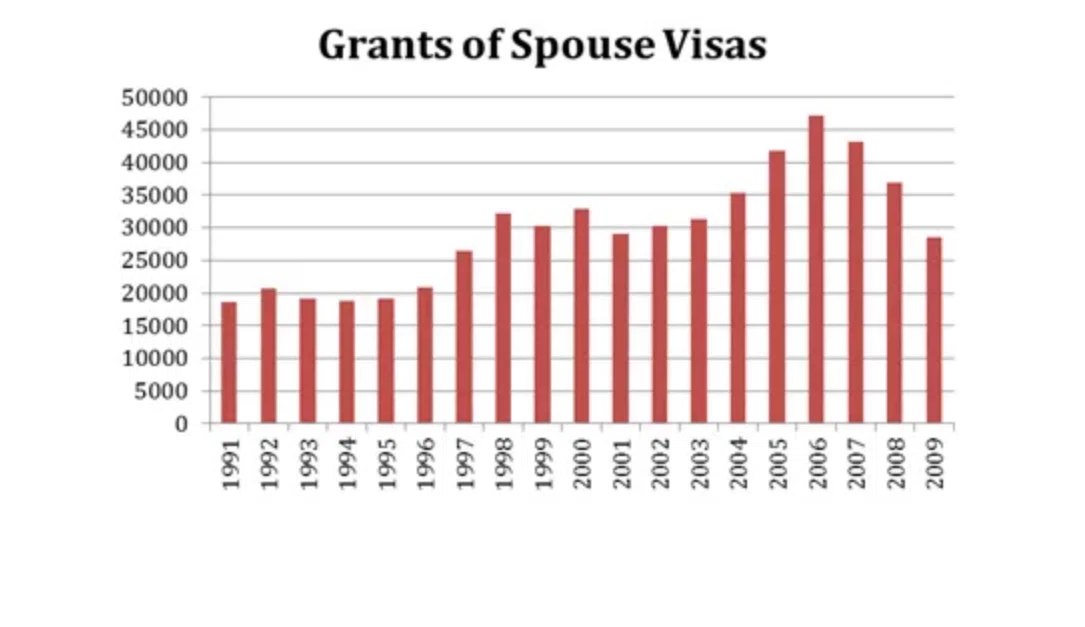
1997年、トニー・ブレア率いる「新」労働党が当選した。 彼らはすぐに、英国を真に多文化的な国にするため、つまりジェンキンスの多様な英国というビジョンを現実のものにするため、意図的に移民レベルの引き上げに着手した。 1997年には、英国の居住権を確保するために、外国人と結婚する者は結婚していないことを証明しなければならないという「第一義的目的規則」を撤廃した。 1998年には、すべての渡航先に対する出国審査を撤廃し、誰が入国し、誰がビザをオーバーステイしたかを知ることを不可能にした。 1999年には学生許可を拡大した。 2000年には就労条件を緩和した。 2004年には就学後の就労ビザを拡大した。
MigrationWatchの以下のグラフが示すように、これらの措置はすべて(時には国会の精査を経ずに)移民の大幅な増加につながった。
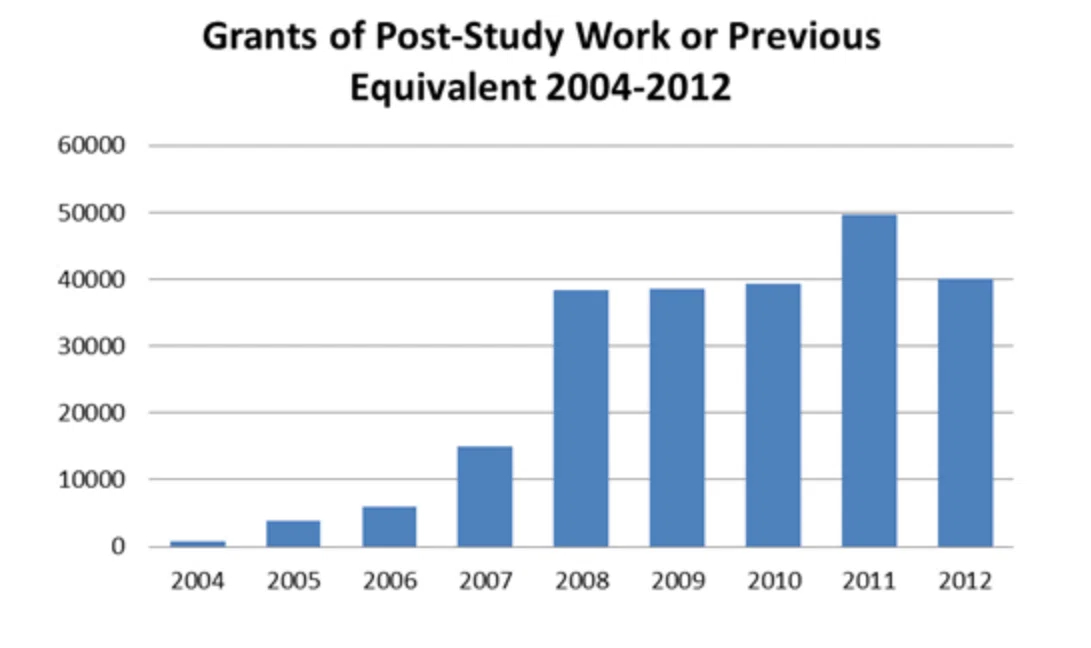
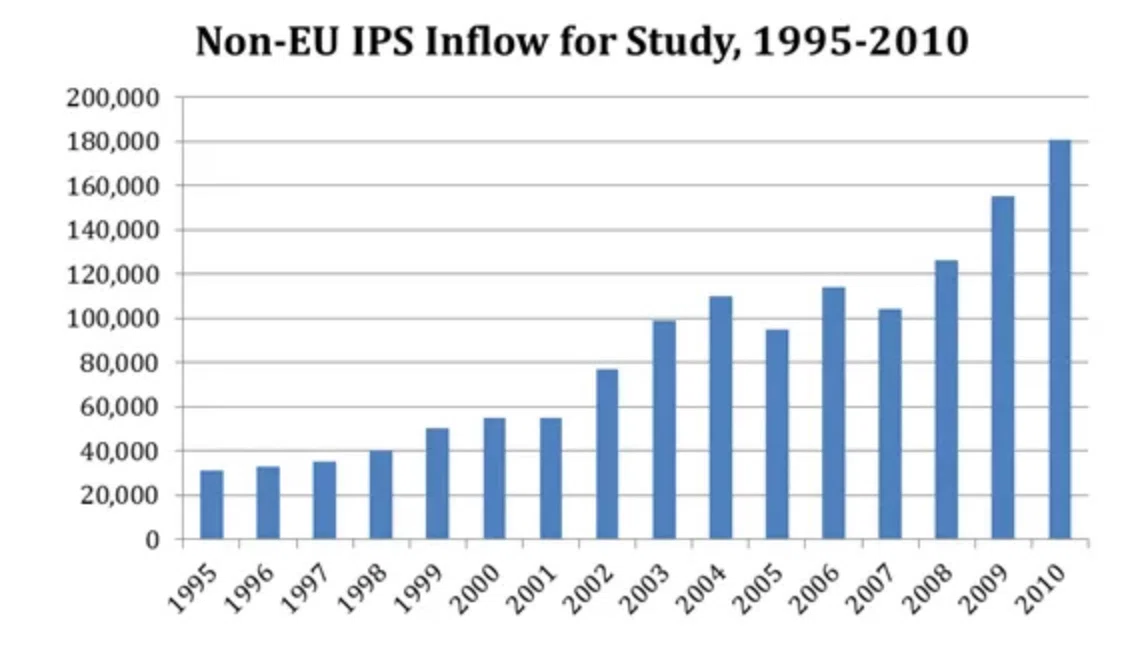
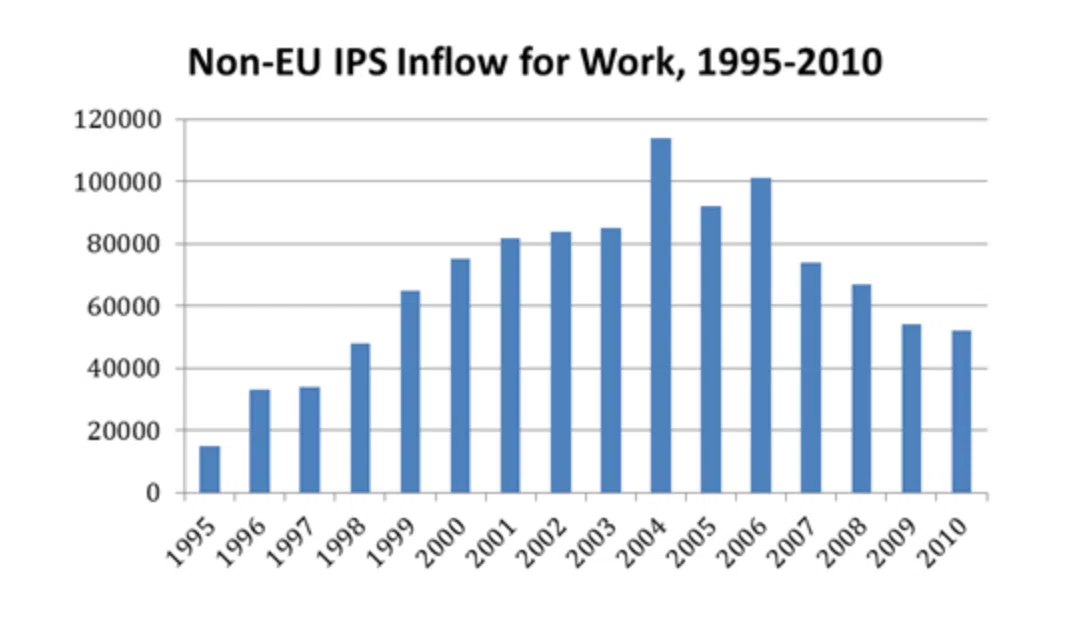
この移民に加え、欧州連合(以下「EU」)からの移民がさらに増えた。 2004年、EUはいわゆるA10諸国の加盟によって拡大した: キプロス、チェコ共和国、エストニア、ハンガリー、ラトビア、リトアニア、マルタ、ポーランド、スロバキア、スロベニアである。 このうち8カ国は最近、より貧しいソビエト圏の一員であったため、既存のEU加盟国の多くは、EUの移動の自由を突然利用できるようになると、移民の急増につながるのではないかという懸念を抱いていた。 そのため、オランダ、フランス、ドイツ、オーストリア、スペイン、ポルトガル、ベルギー、ルクセンブルクは、「A8」諸国からの移民労働者に対し、割当や2~5年の移行期間などの制限を設けた。 英国は違う。 内務省は、「A8」加盟国からの移民は年間5,000人から1万3,000人に過ぎないと見積もっていたため、制限をかける必要はないと考えていた。
現実には、A8諸国から英国への平均移民数は年間7万2000人で、内務省の予測範囲の真ん中の8倍だった。 2014年のルーマニアとブルガリアの加盟でも同じことが起こった。2017年までに英国に住んでいたルーマニア人とブルガリア人は41万3,000人で、2014年の初めから毎年約9万人が移民していたことになり、これは政府の予測の3.5倍にあたる。 下のグラフが示すように、労働党の政策によって移民は途方もなく増加した。
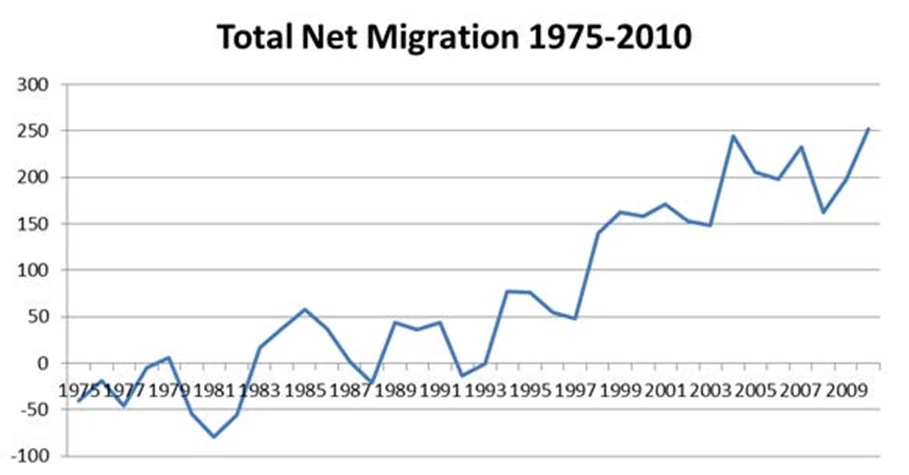
2016年、英国はEU離脱に投票したが、その理由のひとつは、単一市場内での移動の自由が移民の管理を不可能に近づけたからである。しかし、保守党政権は移動の自由を廃止した一方で、移民全体は*増加*している。
2022年、英国は就労や居住のための外国人ビザを過去最高の110万人に発給した。 LSEのジョナサン・ポーツは、EUからの移民は "ほとんど、あるいは完全に非EUからの移民に取って代わられた"とガーディアン紙に寄稿している。 彼はまた、英国の移民制度は世界で最もリベラルなもののひとつだと考えているという。
1949年以降の移民政策によって、英国の非白人人口の割合は1951年の0.1%から2021年には4分の1近くまで増加した。良きにつけ悪しきにつけ、これは不評である。
スペイン語訳:
Breve historia de la inmigración británica
POR RHODA WILSON
EL 9 DE AGOSTO DE 2024
La historia de la política de inmigración británica comienza en 1948, cuando el gobierno permitió a quienes vivían en los dominios del Reino Unido o en países de la Commonwealth vivir y trabajar en Gran Bretaña del mismo modo que podían hacerlo los británicos nativos. Después de que entraran en Gran Bretaña más personas de las esperadas con este régimen, en 1968 el gobierno puso en marcha una legislación para restringir la inmigración.
En 1997, el gobierno de Tony Blair tomó inmediatamente medidas para aumentar significativamente los niveles de inmigración en un esfuerzo deliberado por hacer de Gran Bretaña un país verdaderamente multicultural. El gobierno conservador superó al laborista y en 2022 Gran Bretaña entregó la cifra récord de 1,1 millones de visados para que extranjeros trabajaran o vivieran en el Reino Unido.
En 1949, la proporción de británicos no blancos era del 0,1% de la población. Hoy, la población no blanca representa casi el 25% de la población. Con razón o sin ella, las políticas de inmigración de los sucesivos gobiernos han sido impopulares y son un importante motor de las protestas, la violencia y la violencia étnica que han estallado en el Reino Unido desde los horribles asesinatos de niños pequeños en Southport el 29 de julio.
La historia de la inmigración en Gran Bretaña
Por Andrew Collingwood publicado por Naked Emperor
La política migratoria británica es un importante motor de las protestas, disturbios y violencia étnica que han estallado en el Reino Unido desde los horribles atentados de Southport. Este [artículo] cuenta la historia de esa política con la intención de ofrecer una visión lo más completa y objetiva posible.
La historia comienza con la Ley de Nacionalidad de 1948. Antes de esta ley, el concepto de "ciudadano británico" no existía. Los británicos, como los indios, jamaicanos o hongkoneses, eran súbditos de la Corona a la que debían lealtad. La Ley de 1948, impulsada por la aceleración de los cambios en el Imperio tras la Segunda Guerra Mundial, equiparó a los nacidos en los dominios del Reino Unido y la Commonwealth con los británicos. En otras palabras, alguien de Kingston (Jamaica) podía vivir y trabajar en el Reino Unido con la misma libertad que alguien de Kingston-upon-Thames.
Los políticos y funcionarios británicos subestimaron enormemente el número de personas que aprovecharían esta oportunidad. Los Cabinet Papers de los Archivos Nacionales muestran que lo que empezó como un goteo se convirtió en una avalancha. Durante los cinco años siguientes a la aprobación de la ley, "la inmigración procedente de las colonias no superó las 2.000 personas al año". Aumentó en 1954 y llegó a más de 135.000 en 1961". A finales de los 60, había más de un millón de no blancos en Gran Bretaña, frente a sólo un puñado después de la guerra. La mayoría tenían culturas ajenas y, a menudo, también religiones.
Esto planteaba un problema único para Inglaterra, donde se asentó la mayoría de los recién llegados. Como demostró Benjamin Schwarz en su magníficamente escrito ensayo "Unmaking England", Gran Bretaña había permanecido esencialmente inalterada durante casi un milenio y medio, o mucho más.
Los registros genéticos muestran que los antepasados matrilineales de unas tres cuartas partes de los británicos blancos ya estaban en las Islas Británicas hace unos 6.000 años. Anglos, sajones, frisones y similares (que no aportaron más de 250.000) completaron esencialmente la mezcla. "Como explica el decano de los genetistas británicos, Sir Walter Bodmer, de Oxford, la historia genética del país revela 'la extraordinaria estabilidad de la población británica'. Gran Bretaña no ha cambiado mucho desde el año 600 d.C.".
Para que quede claro, no se trata de defender el nacionalismo de sangre y tierra. Se trata más bien de demostrar la estabilidad única de Inglaterra. Por ejemplo, en la década de 1960 se demostró que los niños ingleses habían jugado a muchos de los mismos juegos desde el año 1100. Robert Tombs sostiene que los ingleses tienen derecho a ser la nación más antigua del mundo.
Esta singular permanencia permitió a Inglaterra desarrollar un sistema de derecho y gobierno que no se basaba en los caprichos de extranjeros ni en ideas abstractas impuestas desde las alturas, sino en la costumbre y en un entendimiento orgánicamente desarrollado y compartido que hacía del pueblo uno con la ley.
Irónicamente, la estabilidad de Gran Bretaña la había hecho anteriormente excepcionalmente tolerante con la excentricidad y, por tanto, muy eficaz a la hora de integrar a los extranjeros y hacer que sus hijos aprendieran inglés (pensemos en Holst, Handel, Disraeli, Conrad, Churchill, Elliot, etc.) El problema que planteó la inmigración de los años cincuenta y sesenta, por tanto, fue la escala y la velocidad, que inevitablemente condujeron a la formación de enclaves étnicos de inmigrantes, haciendo imposible la integración.
En 1968, dos de los políticos más importantes de Gran Bretaña ofrecieron soluciones contrapuestas a este predicamento.
Roy Jenkins fue quizá el político británico más importante que nunca ha sido Primer Ministro. Elitista y liberal, Jenkins era muy inteligente, un trabajador asiduo, un biógrafo muy apreciado y un hombre de letras. También fue la fuerza intelectual que impulsó gran parte del cambio liberal de Gran Bretaña desde la década de 1960. En un discurso pronunciado en 1968, Jenkins sostenía que el país no debía convertirse en un "crisol de razas" del que saliera todo el mundo con un molde común. En su lugar, los inmigrantes podrían conservar "sus propias características y cultura nacionales"." Así, integración no significaría asimilación aplanadora, sino "igualdad de oportunidades acompañada de diversidad cultural". Este es, pues, el núcleo del multiculturalismo, que tiene poco que ver con la raza y es, en cambio, la idea de muchas culturas viviendo en paralelo y en tolerancia.
Enoch Powell no estaba de acuerdo. Hombre ambicioso y curiosamente intenso, Powell era quizá el intelecto más fino que ha servido en el Parlamento desde la guerra. Conocía trece idiomas, era entonces el segundo hombre más joven en llegar a profesor (después de Frederick Nietzsche), y durante la guerra había sido ascendido de soldado raso a brigadier. Se había enamorado de la India durante los años que pasó allí, y le había horrorizado la violencia interétnica que presenció. También había viajado a Estados Unidos en 1967, donde había visto de primera mano el sangriento conflicto entre los afroamericanos y la policía. Creía que el multiculturalismo que estaba surgiendo de facto en Gran Bretaña conduciría inevitablemente al mismo resultado. Por ello, era partidario de poner fin a la inmigración junto con un programa de repatriación voluntaria.
En abril de 1968, Powell pronunció un discurso en Birmingham para exponer sus argumentos. Lo que se conoció como el discurso de los "ríos de sangre" fue uno de los incidentes más notorios de la historia política británica. La prosa de Powell estaba salpicada [de] lenguaje incendiario, incluidos peyorativos raciales.
Edward Heath, el [Líder de la Oposición], y el resto del Gabinete [en la sombra] quedaron horrorizados por el discurso, y Powell fue despedido al día siguiente. El discurso fue tan incendiario que Powell quedó relegado a un segundo plano para siempre, y defender la reducción de la inmigración se convirtió en algo casi imposible.
Sin embargo, ese mismo año, el gobierno aprobó la Ley de Inmigrantes de la Commonwealth para reducir la inmigración. En 1971, la Ley de Inmigración hizo lo mismo. Ambas funcionaron en general, manteniendo baja la inmigración neta hasta finales de los años noventa.
En 1997 fue elegido el "nuevo" laborismo de Tony Blair. Inmediatamente se propusieron aumentar los niveles de inmigración en un esfuerzo deliberado por hacer de Gran Bretaña un país verdaderamente multicultural; por hacer realidad la visión de Jenkins de una Gran Bretaña diversa. En 1997, eliminaron la Regla del Propósito Primario, que exigía a quienes se casaban con extranjeros demostrar que no se habían casado para obtener la residencia británica. En 1998, eliminaron los controles fronterizos de salida a todos los destinos, lo que hacía imposible saber quién estaba en el país y quién había rebasado su visado. En 1999, ampliaron los permisos de estudiante. En 2000 flexibilizaron los requisitos laborales. En 2004, ampliaron los visados de trabajo posteriores a los estudios.
Todas estas medidas (a veces adoptadas al margen del control parlamentario) provocaron un aumento significativo de la inmigración, como muestran los siguientes gráficos de MigrationWatch.
A esta inmigración se sumó la procedente de la Unión Europea ("UE"). En 2004, la UE se amplió con la adhesión de los llamados países A10: Chipre, Eslovaquia, Eslovenia, Estonia, Hungría, Letonia, Lituania, Malta, Polonia y República Checa. Dado que ocho de estos países habían pertenecido recientemente al bloque soviético, mucho más pobre, muchos de los actuales miembros de la UE temían que el acceso repentino a los derechos de libre circulación de la UE provocara un aumento de la inmigración. Por ello, los Países Bajos, Francia, Alemania, Austria, España, Portugal, Bélgica y Luxemburgo impusieron restricciones a los trabajadores migrantes de los países del "A8", incluidas cuotas o periodos transitorios de 2 a 5 años. No es el caso de Gran Bretaña. El Ministerio del Interior estimaba que sólo llegarían entre 5.000 y 13.000 inmigrantes al año procedentes de los miembros del "A8", por lo que no veía necesidad de aplicar restricciones.
En realidad, la inmigración media de las naciones del A8 a Gran Bretaña fue de 72.000 al año, ocho veces más que la mitad de la horquilla prevista por el Ministerio del Interior. Lo mismo ocurrió con la adhesión de Rumanía y Bulgaria en 2014: en 2017, había 413.000 rumanos y búlgaros viviendo en Gran Bretaña, lo que implica que unos 90.000 habían inmigrado cada año desde principios de 2014, tres veces y media más de lo estimado por el Gobierno. Las políticas laboristas provocaron un aumento monumental de la migración, como muestra el gráfico siguiente.
En 2016, Gran Bretaña votó a favor de abandonar la UE, en parte porque la libertad de circulación dentro del mercado único hacía casi imposible controlar la migración. Sin embargo, aunque los gobiernos conservadores han puesto fin a la libre circulación, han *aumentado* la inmigración general.
En 2022, Gran Bretaña entregó la cifra récord de 1,1 millones de visados a extranjeros para trabajar o vivir en el Reino Unido. Jonathan Portes, un académico de la LSE a favor de la alta inmigración, escribió para The Guardian que la migración de la UE había "sido reemplazada en gran parte o en su totalidad por la migración no comunitaria." También opina que el sistema de inmigración británico es uno de los más liberales del mundo.
La política de inmigración desde 1949 ha aumentado la proporción de población británica no blanca, del 0,1% en 1951 a casi una cuarta parte en 2021. Con razón o sin ella, esto ha sido impopular.
原文:
A brief history of Britain’s immigration
BY RHODA WILSON
ON AUGUST 9, 2024
The story of Britain’s immigration policy begins in 1948 when the government allowed those living in UK Dominions or Commonwealth countries to live and work in Britain in the same way native Britons could. After more than expected entered Britain on this scheme, in 1968 the government implemented legislation to curtail immigration.
In 1997, Tony Blair’s government immediately took steps to significantly raise immigration levels in a deliberate effort to make Britain truly multicultural. The Conservative government outdid the Labour government and in 2022 Britain handed out a record 1.1 million visas for foreigners to work or live in the UK.
In 1949, the proportion of the non-white British was 0.1% of the population. Today the non-white population represents nearly 25% of the population. Rightly or wrongly, successive governments’ immigration policies have been unpopular and are an important driver of the protests, violence and ethnic violence that have erupted in the UK since the horrific murders of young children in Southport on 29 July.
Britain’s Immigration History
By Andrew Collingwood as published by Naked Emperor
Britain’s migration policy is an important driver of the protests, riots and ethnic violence that have erupted since the horrific attacks in Southport. This [article] tells the story of that policy while aiming to provide as comprehensive and objective an overview as possible.
The story starts with the Nationality Act of 1948. Prior to the Act, the concept of a ‘British Citizen’ did not quite exist. Britons, like Indians, Jamaicans, or Hongkongers, were subjects of the Crown to which they owed allegiance. The 1948 Act, prompted by the accelerating changes in the Empire after WWII, effectively put those born in the UK’s Dominions and Commonwealth on equal footing to Britons. In other words, somebody from Kingston, Jamaica could live and work in the UK as freely as somebody from Kingston-upon-Thames.
Britain’s politicians and civil servants grossly underestimated the number who would use this opportunity. The Cabinet Papers in the National Archives show that what started as a trickle turned into a flood. For the five years after the Act passed, “immigration from colonies remained at no more than 2,000 per year. This increased in 1954 and had reached over 135,000 by 1961.” By the late 60s, there were well over a million non-whites in Britain, up from only a handful after the war. Most had alien cultures – and often religions, too.
This posed a unique problem for England, where the majority of the newcomers settled. As Benjamin Schwarz showed in his superbly written essay, ‘Unmaking England’, Britain had remained essentially unchanged for nearly a millennium and a half – or much longer.
Genetic records show that the matrilineal ancestors of some three-quarters of white Britons were already in the British Isles some 6,000 years ago. Angles, Saxons, Frisians and similar (which brought no more than 250,000) essentially completed the mix. “As the dean of British geneticists, Oxford’s Sir Walter Bodmer, explains, the country’s genetic history reveals ‘the extraordinary stability of the British population. Britain hasn’t changed much since 600 AD’.”
To be clear, this [is] not to make an argument for blood and soil nationalism. Instead, it is to demonstrate the unique stability of England. For instance, in the 1960s, it was shown that English children had played many of the same games since the 1100s. Robert Tombs argues that the English have a claim to be the world’s oldest nation.
This singular permanence allowed England to develop a system of law and governance based not on the whims of foreigners, or abstract ideas imposed from high, but on custom and an organically developed, shared understanding that made the people one with the law.
Ironically, Britain’s stability had previously made it uniquely tolerant of eccentricity and thus highly effective at integrating foreigners and making their children English (think Holst, Handel, Disraeli, Conrad, Churchill, Elliot, et al.) The problem posed by the immigration of the 1950s and 1960s, therefore, was the scale and speed, which inevitably led to the formation of ethnic immigrant enclaves, making integration impossible.
In 1968, two of Britain’s greatest politicians offered competing solutions to this predicament.
Roy Jenkins was perhaps the most consequential British politician never to have been Prime Minister. An elitist and a liberal, Jenkins was highly intelligent, an assiduous worker, a greatly esteemed biographer and a man of letters. He was also the intellectual force behind much of Britain’s liberal shift since the 1960s. Jenkins argued in a 1968 speech that the country should not become a ‘melting pot’, turning out everybody in a common mould. Instead, immigrants could keep “their own national characteristics and culture.” Thus, integration would not mean flattening assimilation, but “equal opportunity accompanied by cultural diversity.” This, then, is the core of multiculturalism, which has little to do with race, and is instead the idea of many cultures living in parallel and tolerance.
Enoch Powell disagreed. An ambitious and curiously intense man, Powell was perhaps the finest intellect to serve in Parliament since the war. He knew thirteen languages, was then the second youngest man to make professor (after Frederick Nietzsche), and during the war had been promoted from Private to Brigadier. Crucially, he had fallen in love with India during the years he spent there, and had been horrified by the inter-ethnic violence he saw. He had also travelled to the USA in 1967, where he had seen first-hand the bloody conflict between African-Americans and the police. He believed that the multiculturalism that was de facto emerging in Britain would inevitably lead to the same outcome. He therefore favoured ending immigration coupled with a programme of voluntary repatriation.
In April 1968, Powell gave a speech in Birmingham to set out his case. What became known as the ‘Rivers of Blood’ speech was one of the most notorious incidents in British political history. Powell’s prose was peppered [with] incendiary language, including racial pejoratives.
Edward Heath, the [Leader of the Opposition], and the rest of the [Shadow] Cabinet were appalled by the speech, and Powell was sacked the next day. The speech was so inflammatory that Powell was cast to the backbenches forever, and advocating for reduced immigration became next to impossible.
Yet, that same year, the government pushed through the Commonwealth Immigrants Act to curtail migration. In 1971, the Immigration Act did likewise. Both generally worked, holding net migration low until the late 1990s.
In 1997, Tony Blair’s ‘new’ Labour was elected. They immediately set out to raise immigration levels in a deliberate effort to make Britain truly multicultural; to make Jenkins’s vision of a diverse Britain real. In 1997, they removed the Primary Purpose Rule, which required those marrying foreigners to prove they had not wed in order to secure British residency. In 1998, they removed border exit checks to all destinations, making it impossible to know who was in the country and who had overstayed their visa. In 1999, they expanded student permits. In 2000 they relaxed work requirements. In 2004, they expanded post-study work visas.
All of these steps (sometimes taken outside Parliamentary scrutiny) led to significant increases in immigration, as the below charts from MigrationWatch show.
Added to this immigration came even more from the European Union (“EU”). In 2004, the EU expanded with the accession of the so-called A10 countries: Cyprus, the Czech Republic, Estonia, Hungary, Latvia, Lithuania, Malta, Poland, Slovakia and Slovenia. Given eight of these countries had recently been members of the much poorer Soviet Bloc, many existing EU members harboured concerns that sudden access to the EU’s freedom of movement rights would lead to a surge in migration. The Netherlands, France, Germany, Austria, Spain, Portugal, Belgium and Luxembourg thus placed restrictions on migrant workers from the ‘A8’ countries, including quotas or 2 to 5-year transition periods. Not Britain. The Home Office estimated that only 5,000 to 13,000 immigrants a year would arrive from the ‘A8’ members, and it therefore saw no need to apply restrictions.
In reality, average immigration from the A8 nations into Britain was 72,000 per year, eight times more than the middle of the Home Office’s forecast range. The same thing happened with the accession of Romania and Bulgaria in 2014: by 2017, there were 413,000 Romanians and Bulgarians living in Britain, implying that some 90,000 had immigrated every year since the beginning of 2014 – three and a half times the government’s estimate. Labour’s policies led to a monumental increase in migration, as the chart below shows.
In 2016, Britain voted to leave the EU, in part because freedom of movement within the single market made controlling migration near impossible. Yet while Conservative governments have ended free movement, they have *increased* overall immigration.
In 2022, Britain handed out a record 1.1 million visas for foreigners to work or live in the UK. Jonathan Portes, an LSE academic in favour of high immigration, wrote for the Guardian that EU migration had “largely or wholly been replaced by non-EU migration.” He is also said to believe that Britain’s immigration system is one of the most liberal in the world.
Migration policy since 1949 increased in the proportion of the non-white British population, from 0.1% in 1951 to near a quarter in 2021. Rightly or wrongly, this has been unpopular.
