
Constructing a Decision-Support Model for Bullying Prevention in Educational Settings: A Structural Analysis of Criminal Law Integration for Standardizing Administrative Responses [Multimodal Explanation]

Authors: Tohoku Itako (Tohoku I-ST)( Independent Citizen Researcher)
Date: April 7, 2026
DOI link: https://zenodo.org/records/19464846

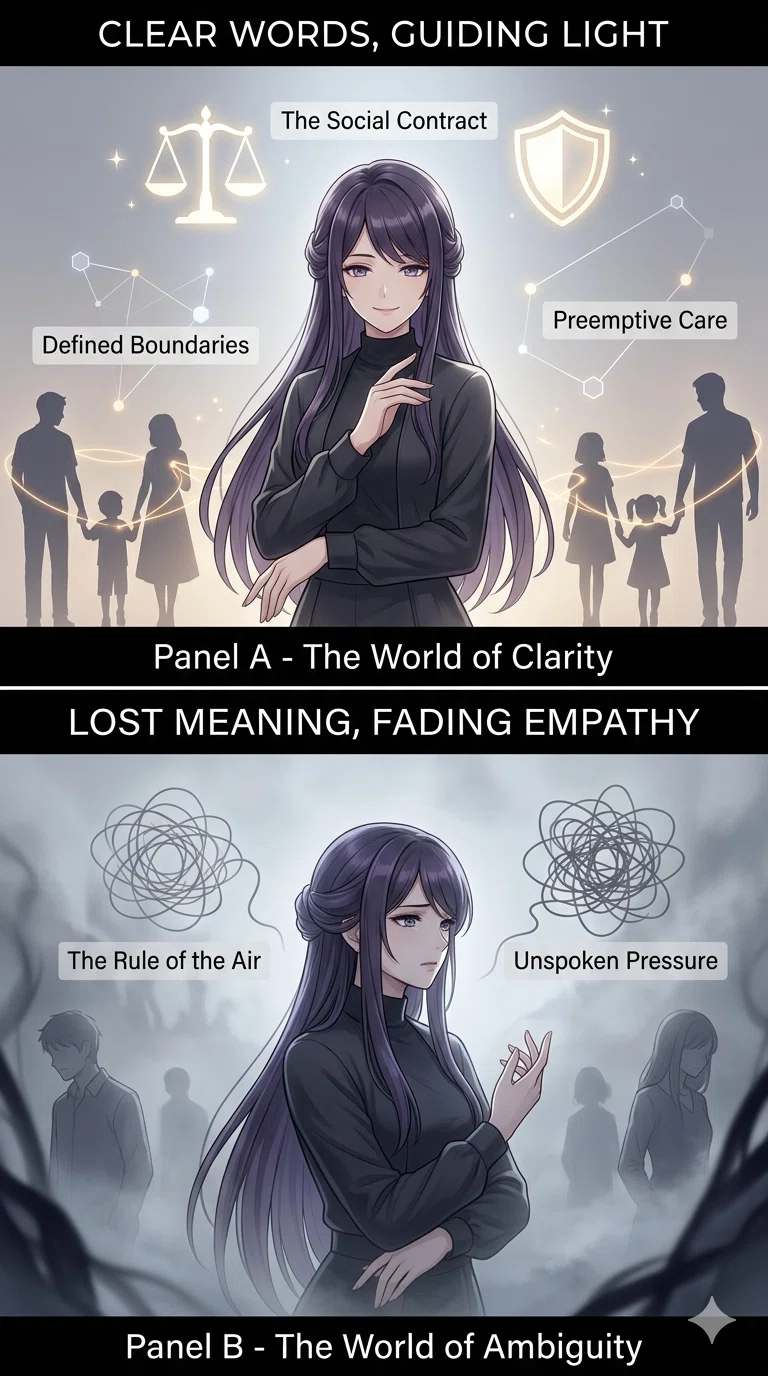
A: The World of Clarity
B: The World of Ambiguity
“Legal Education as a Mechanism for Bullying Prevention: The Critical Importance of Conceptual Definitions”
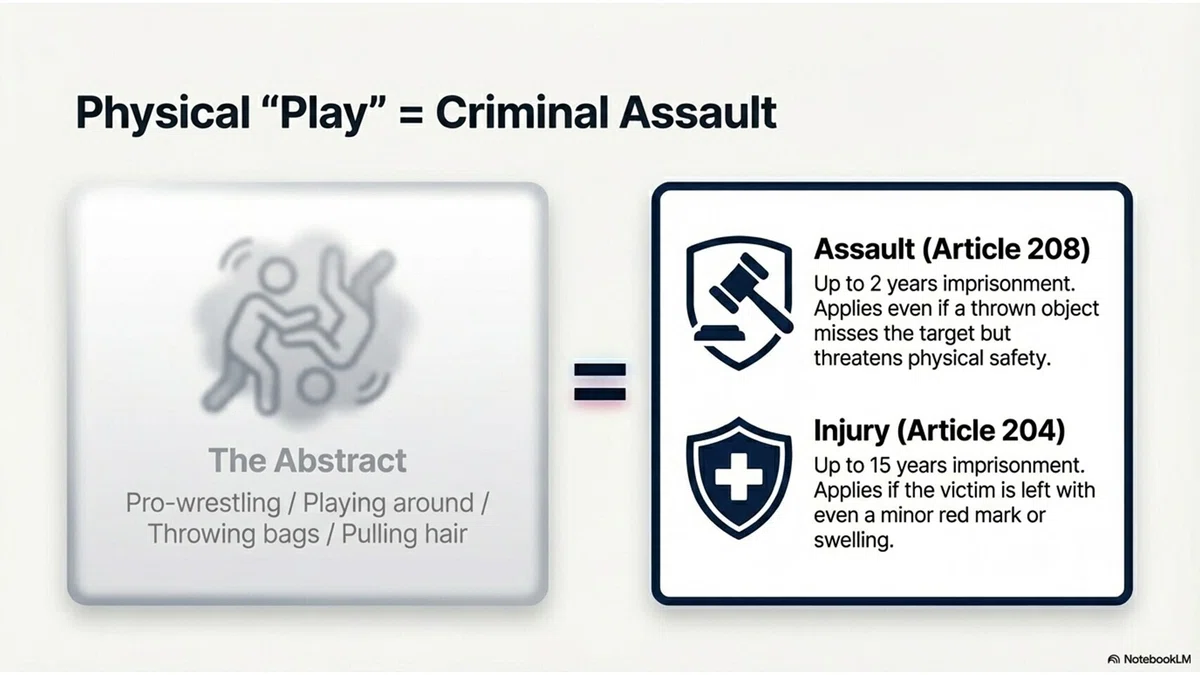
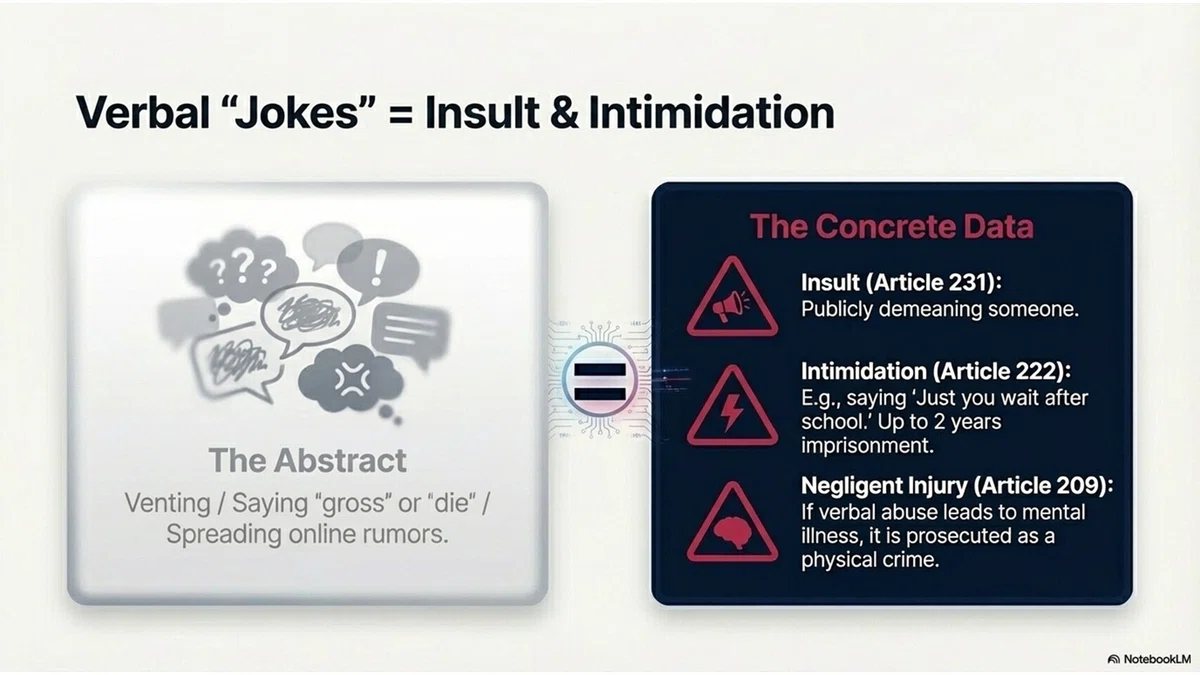
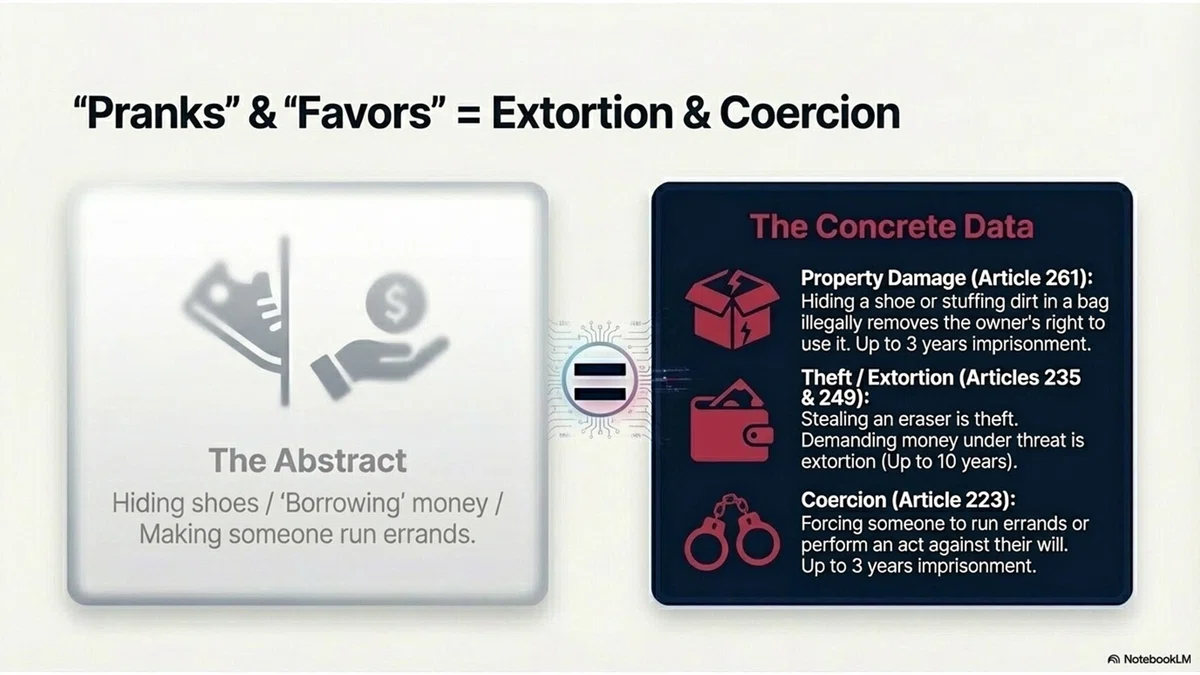
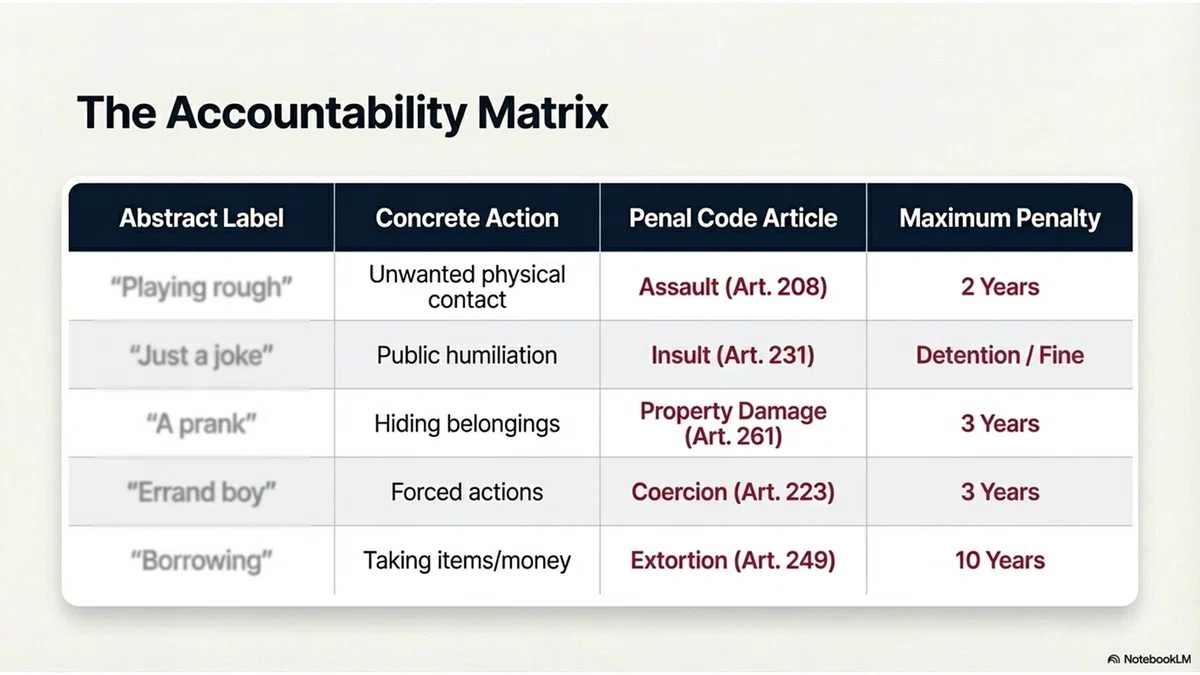
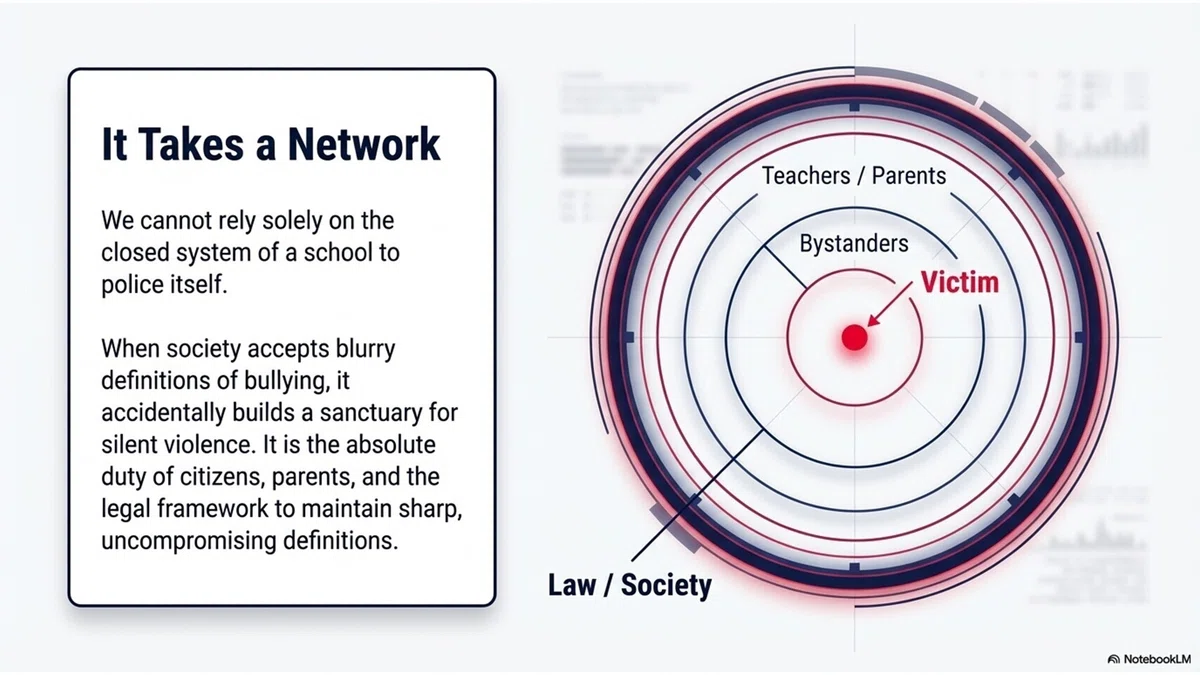
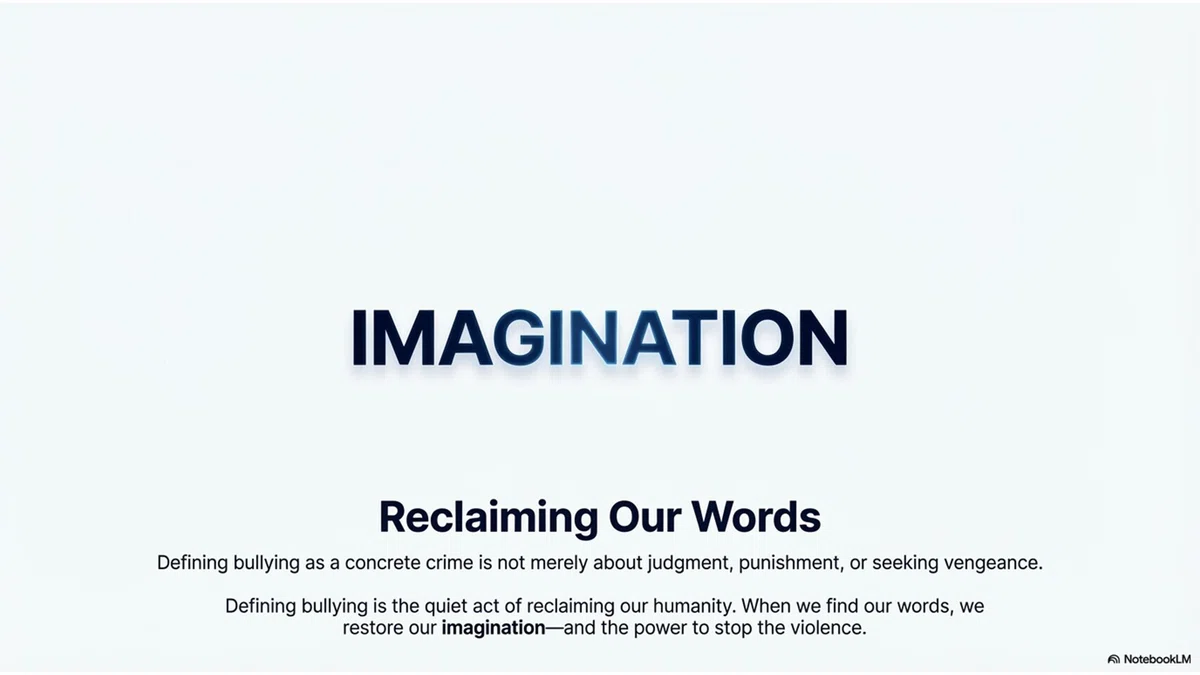
Abstract
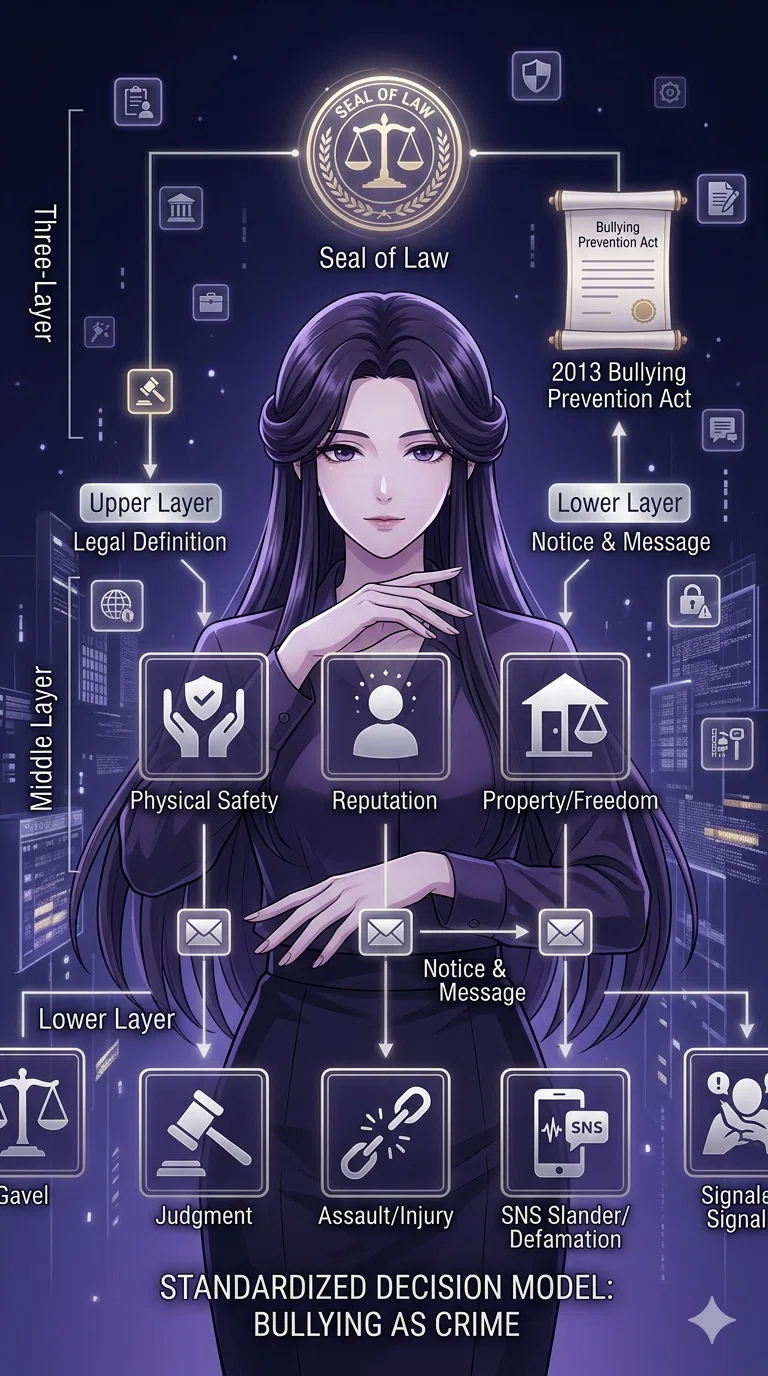
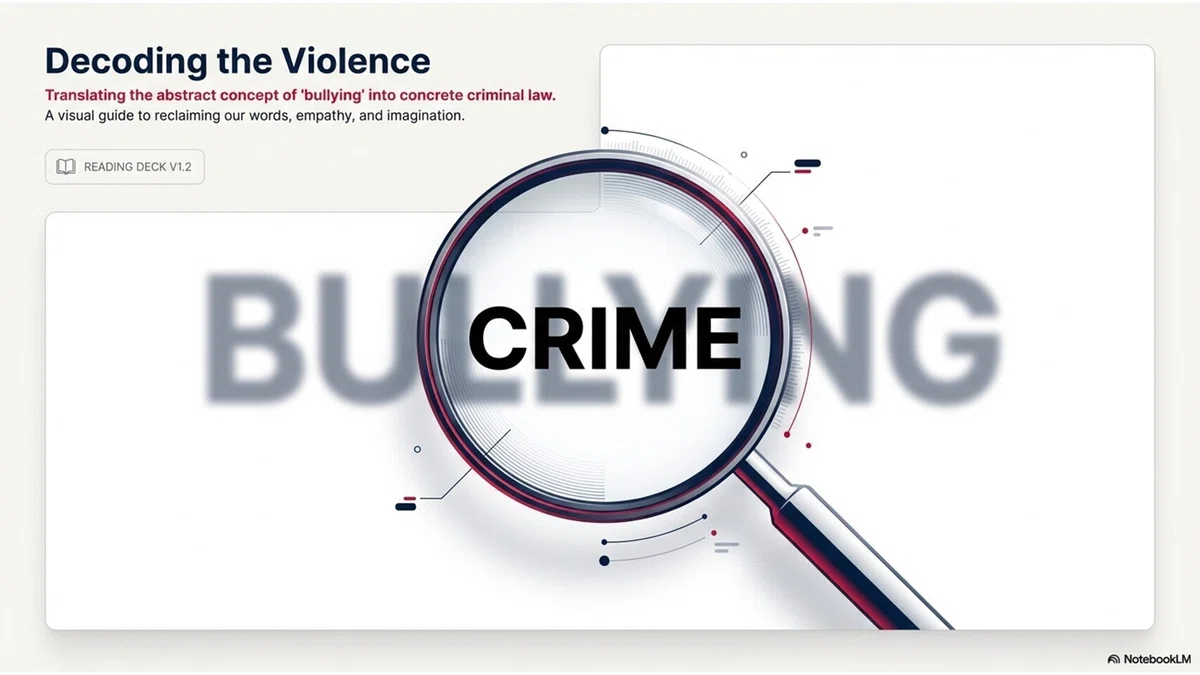
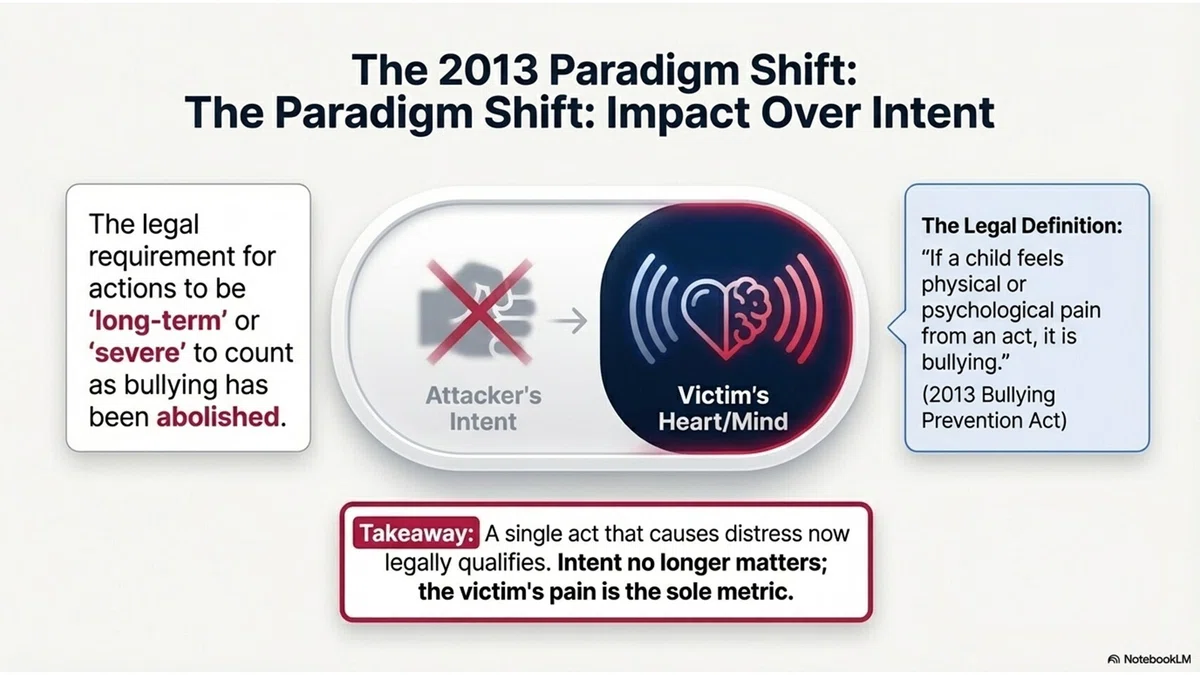
This study addresses the ambiguity of "bullying" (ijime) in Japanese educational settings by constructing a standardized decision-support model through the lens of criminal law. Despite the 2013 Bullying Prevention Promotion Act defining bullying based on the victim’s subjective suffering, educational practitioners often struggle with objective intervention criteria. By structurally analyzing the legal frameworks provided by the Chuo University Faculty of Law (2020), this paper categorizes bullying behaviors into a three-tier hierarchical model: Abstract Legal Definitions (Upper), Functional Categories (Middle), and Specific Criminal Acts/Logical Extensions (Lower). The research concludes that reclassifying bullying as "criminal behavior" empowers educators to utilize the "Message" and "Notice" functions of criminal law to deter anti-social behavior and standardize institutional decision-making.
1. Introduction
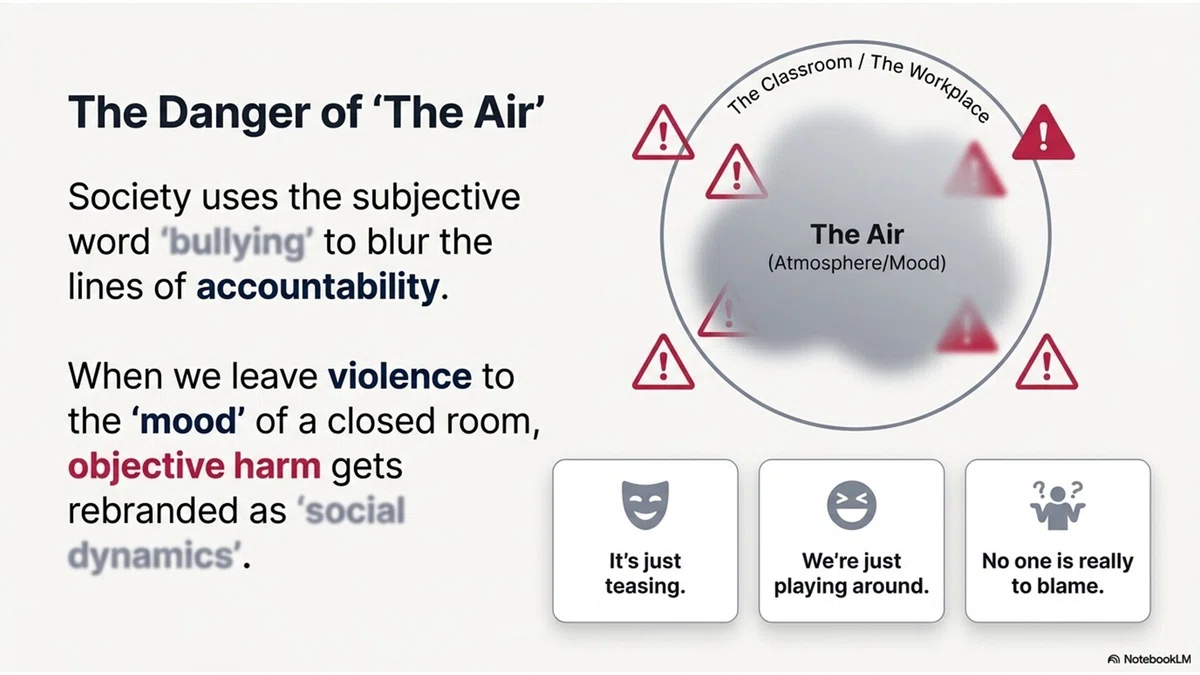
In contemporary Japanese schools, the term "bullying" has often become an "ambiguous" label that masks the severity of the underlying actions.
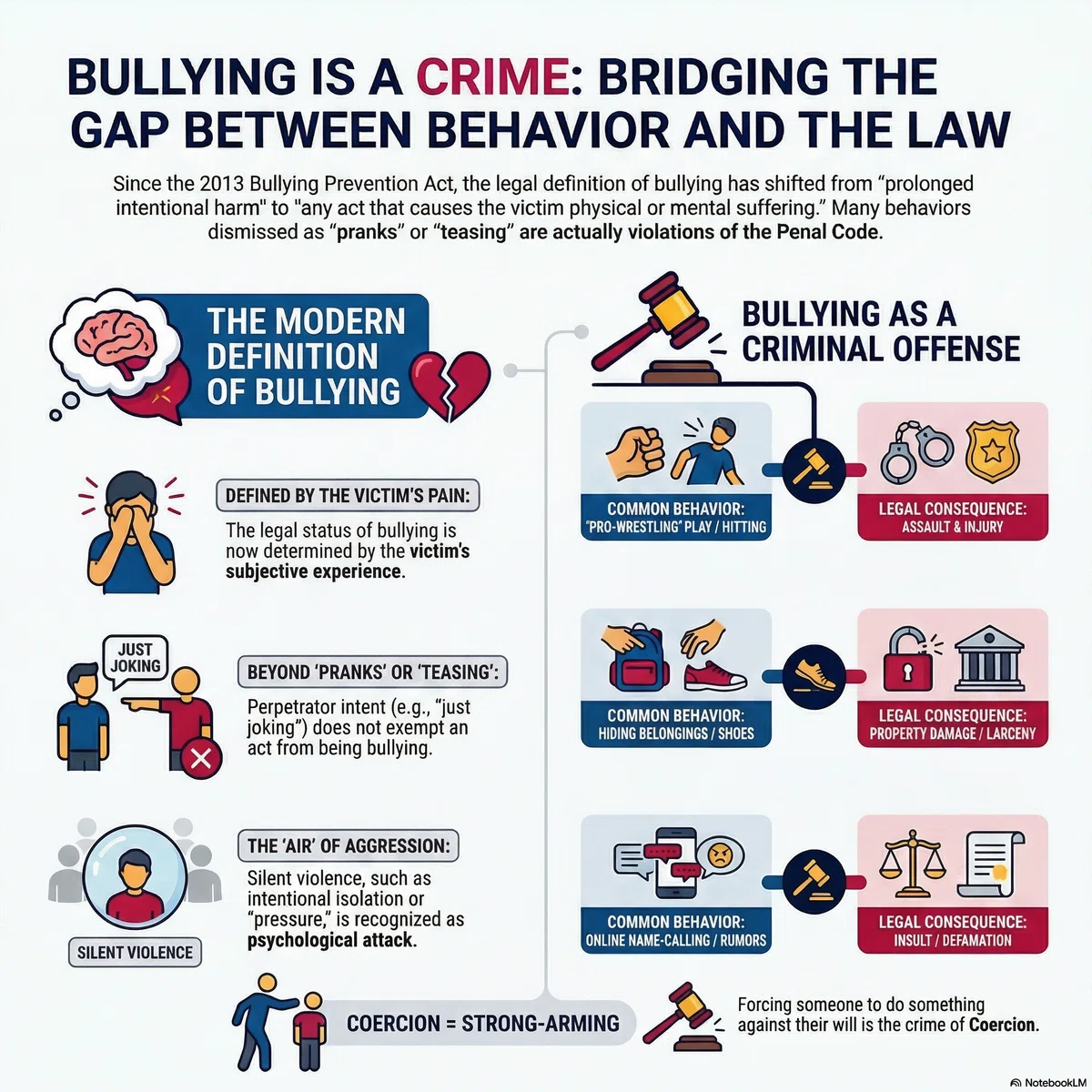
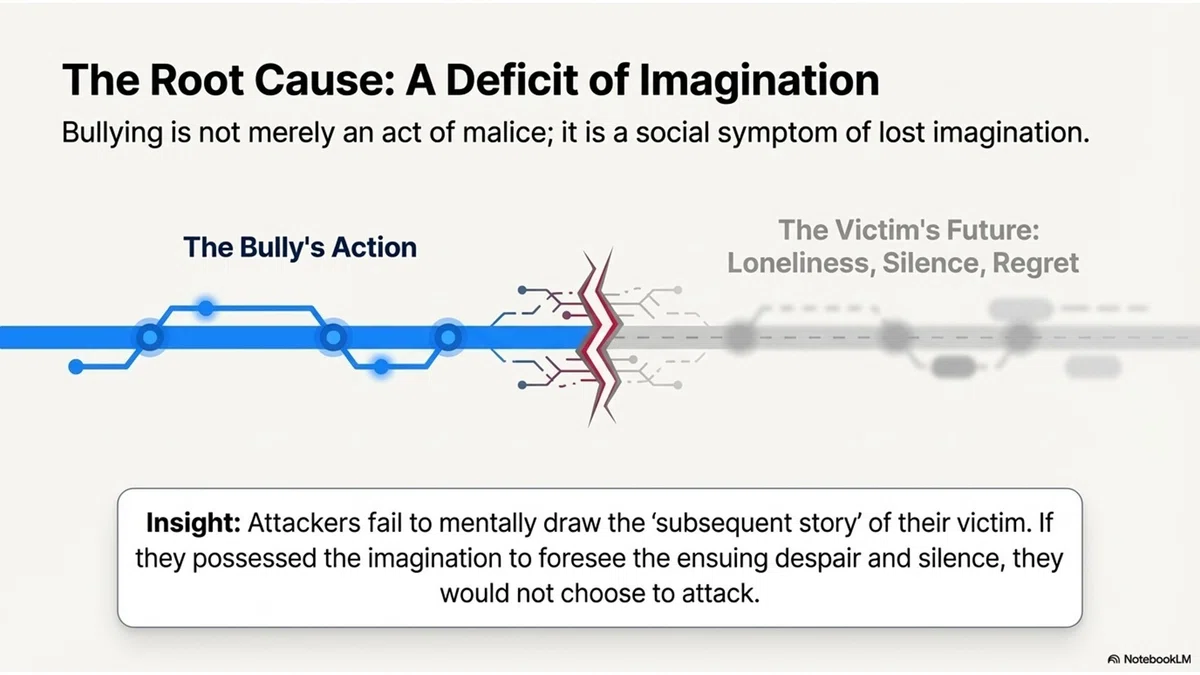
This ambiguity frequently leads to "attacks through the air" (social pressure), where perpetrators justify violence as "teasing" or "jokes".
While the 2013 Bullying Prevention Promotion Act shifted the focus to the victim's "physical or mental suffering," the lack of objective benchmarks remains a hurdle for educators in providing consistent responses.
From the perspective of Educational Technology (EdTech), the lack of standardized decision-making protocols increases the cognitive load on teachers and leads to arbitrary interventions.
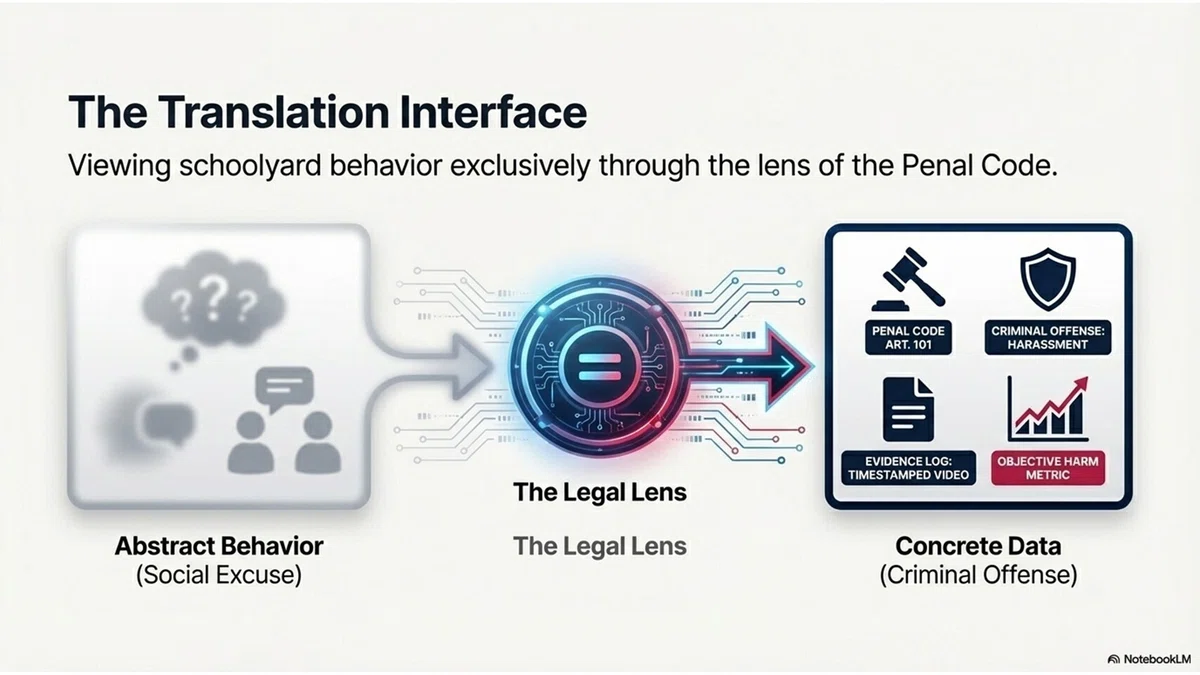
This paper aims to construct a "Standardized Decision Model" by mapping bullying behaviors directly onto the Japanese Penal Code (Criminal Law), thereby transforming the "vague" moral problem into a "clear" legal task.
2. Methodology
This research utilizes a qualitative structural analysis based on the text Introduction to Law for High School Students (Chuo University Faculty of Law, 2020) and the scholarly opinions of Professor Osamu Magata.
The methodology follows the "Task Analysis" approach common in instructional design:
Deconstruction: Extracting specific behaviors cited as bullying in the source material.
Categorization: Grouping behaviors under Middle-level concepts (e.g., Physical, Mental, Financial, Sexual).
Legal Mapping: Identifying the corresponding article of the Japanese Penal Code for each category-.
Logical Extension: Developing the Lower-level concept by identifying potential behaviors not explicitly listed in the source but logically falling under the legal definition.
3. Results: The Structural Decision Model for Bullying Intervention
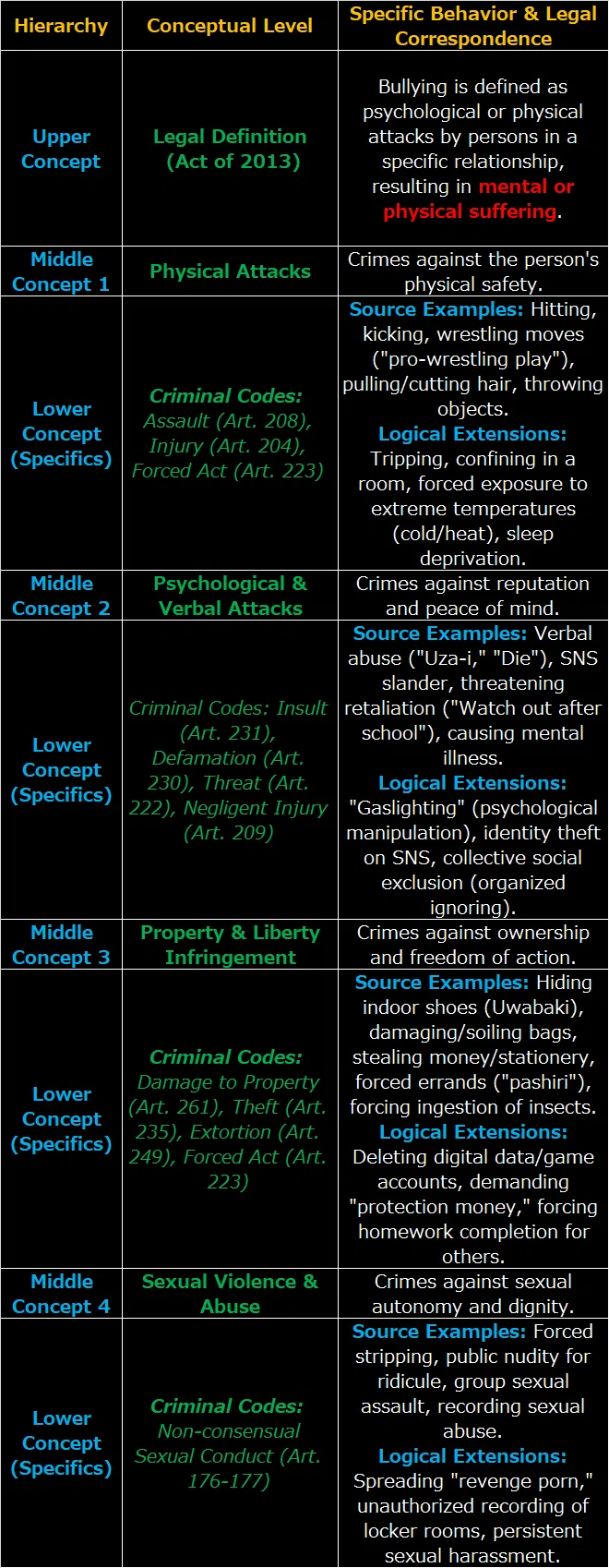
The following table represents the constructed model designed to standardize the identification of bullying as criminal acts.
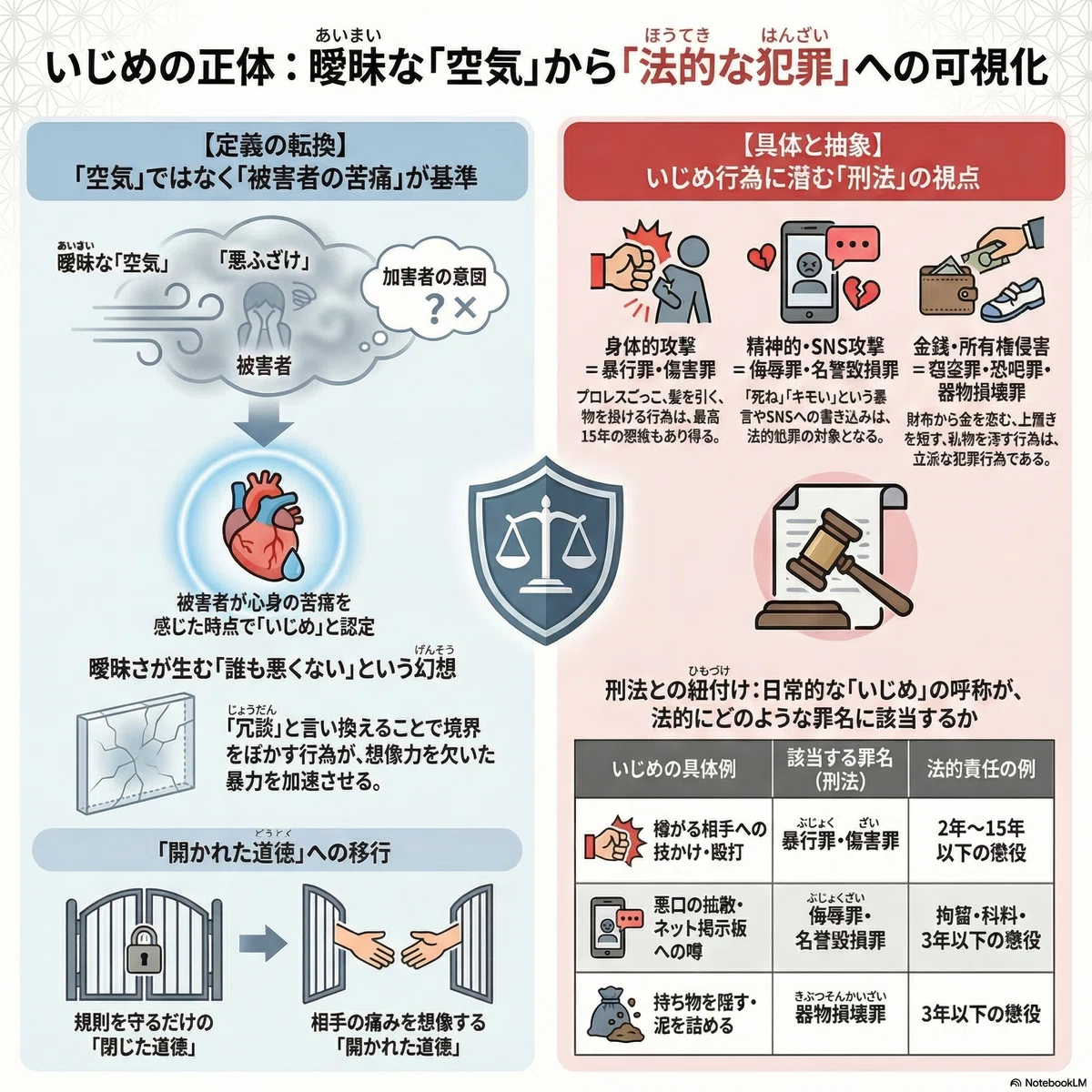
#PRIMARY_DATA # Table 1: Hierarchical Structure of Bullying Behaviors and Corresponding Criminal Codes
4. Discussion
4.1 The "Message" and "Notice" Functions of Criminal Law
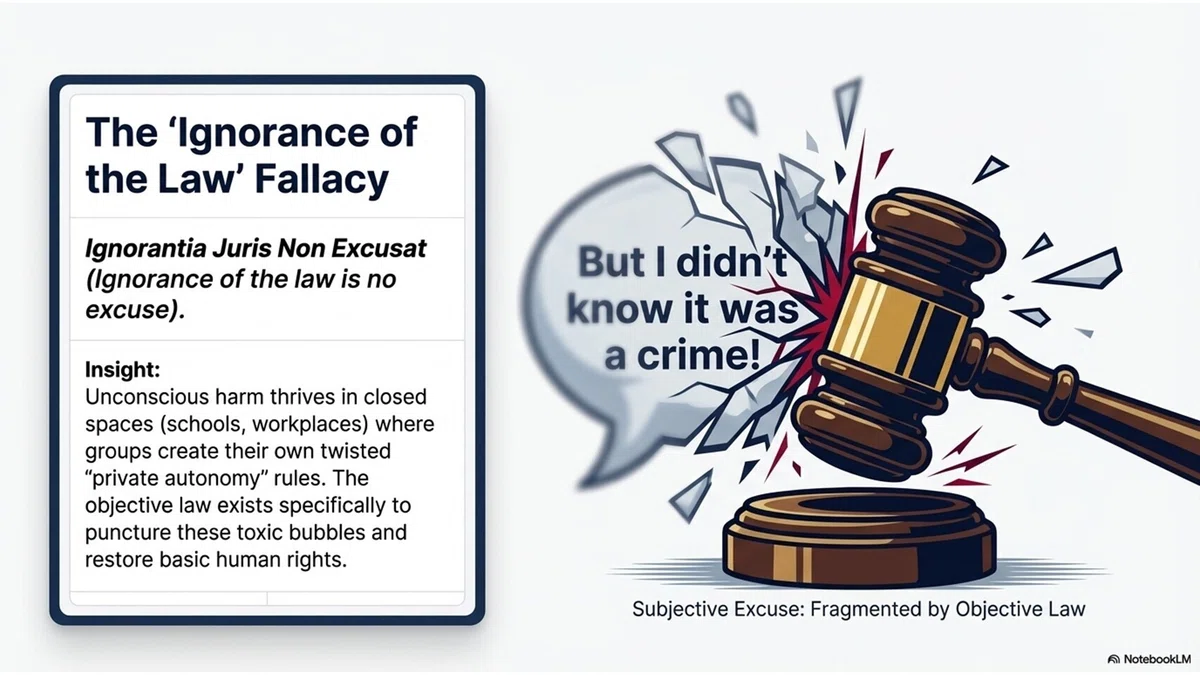
Criminal law serves as a "Social Contract" that issues a strong "Message of Prohibition".
By publicizing these rules in advance—the "Notice" function—the state allows individuals to choose a life that avoids the "stigma" of a criminal record.
In an educational context, presenting this model to students functions as a pre-emptive notice, allowing them to rationally choose to refrain from bullying to protect their own future.
4.2 Transitioning from "Closed" to "Open" Morality
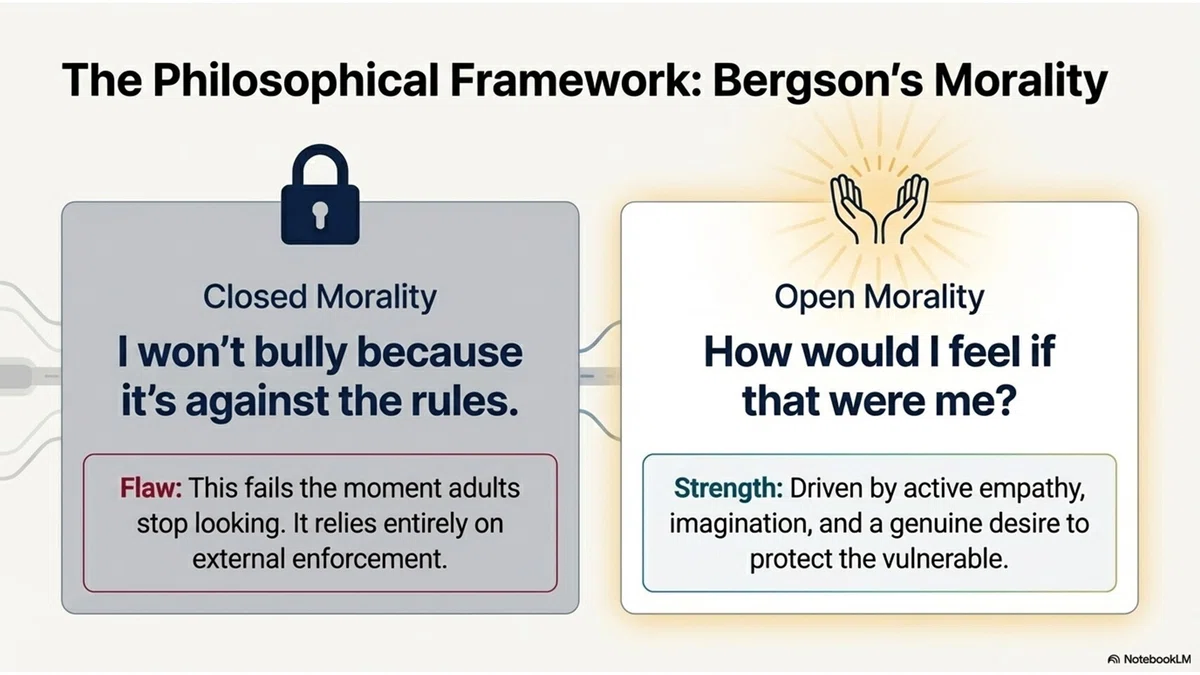
Educational technology should aim to scaffold the development of "Open Morality" (Bergson).
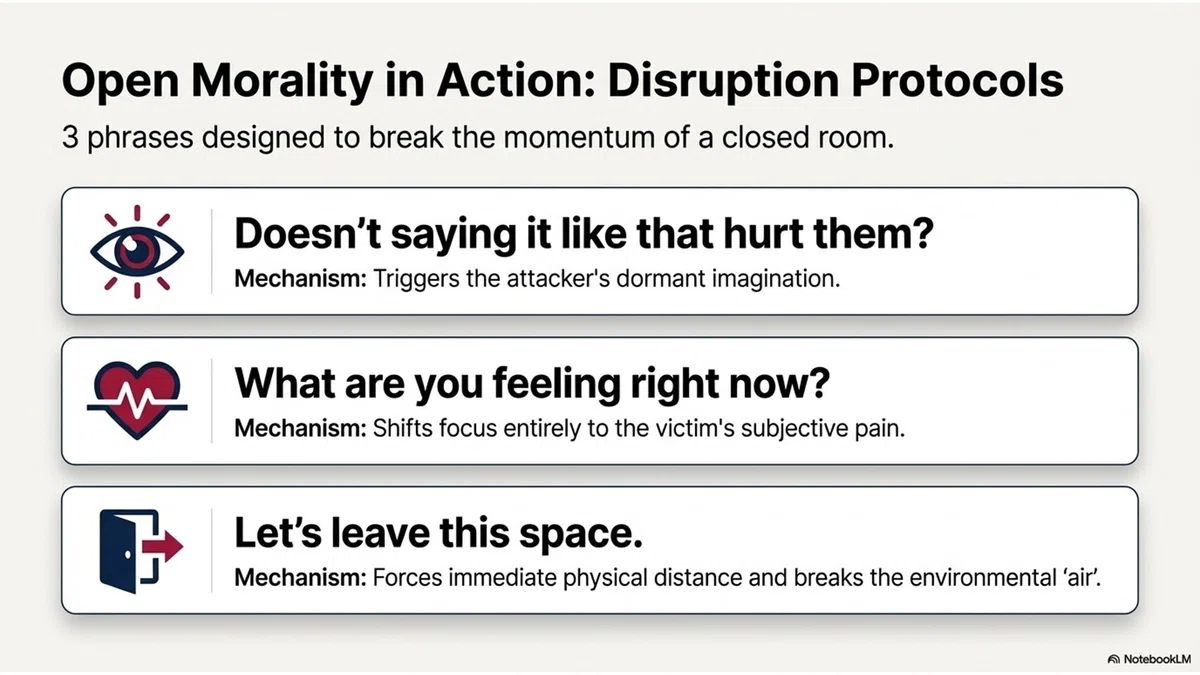
While "Closed Morality" relies on blind obedience to rules ("Don't bully because I said so"), "Open Morality" encourages students to think for themselves based on empathy and the "Message" of the law: Do not hurt others to live.
4.3 Standardizing Administrative Decision-Making
For educators, this model serves as a "Standardized Protocol." Rather than debating whether an act is "serious enough" to be called bullying, teachers can identify the "Criminal Substance" of the act immediately.
This reduces the "ambush" of punishment and ensures that interventions are based on objective legal standards rather than subjective administrative "air".
5. Conclusion
The structural mapping of bullying as criminal behavior provides a robust framework for educational practitioners to standardize their decision-making processes.
By utilizing the "Message" and "Notice" functions of criminal law, schools can move beyond vague moralizing and implement a system that protects both the victim's safety and the perpetrator's right to clear behavioral boundaries. Future research should focus on integrating this model into digital reporting systems (EdTech) to enable objective, data-driven interventions.
Ethics Statement and Conflict of Interest
The author identifies as a civic researcher (Citizen Scientist) and independent practitioner, maintaining a neutral and objective stance throughout this study. This research was conducted autonomously, integrating digital technology, law, and social science to provide practical, evidence-based knowledge for the public interest.
The author declares no conflicts of interest (COI), financial or otherwise, regarding the subject matter or materials discussed in this manuscript. The author does not represent any specific educational institution, government agency, or political organization, ensuring that the proposed model for bullying intervention remains free from institutional bias. Furthermore, any voluntary contributions or tips received through the author's platform are dedicated to independent community welfare activities (e.g., local TNR programs for stray cats) and do not influence the research findings or conclusions.
A Retrospective through Infographics
References
Author: Tohoku Itako (Tohoku I-ST)
いいなと思ったら応援しよう!
 いただいたチップは、地域の外猫たちの不妊去勢手術費用や活動資金に活用します🐾 皆さまの温かい応援が猫たちの未来を守ります。
ありがとうございます!
いただいたチップは、地域の外猫たちの不妊去勢手術費用や活動資金に活用します🐾 皆さまの温かい応援が猫たちの未来を守ります。
ありがとうございます!