
Roppongi to Shimbashi, One Sizzle Apart: The Definitive Field Guide to Roppongi Yakiniku at YAKINIKU 37 West NY

Tokyo is a city that knows how to rehearse for nightfall. Trains exhale, office lights fade, and the streets tilt toward appetite. If your search starts with Tokyo Wagyu Yakiniku, you are really asking for one thing: the crisp sound of marbled beef meeting a hot grate and a room that understands how to slow time. YAKINIKU 37 West NY, tucked near the everyday heartbeat of Shimbashi, delivers that feeling without pretense. What follows is a long, lived-in guide designed for real diners. It is meant to be bookmarked, shared with friends, and used in the wild. Pin the map, book the table, and step into the glow.
Before you dive in, save the essentials. For directions and arrival timing, set a pin for the restaurant on Google Maps. For live seat availability and quick confirmation, use TableCheck reservations. For a concise external profile, skim JapanRestaurant.net. If you want the pulse of the room tonight, the latest visuals are usually on the restaurant’s Instagram, while candid guest impressions live on Tripadvisor. And if you like clever ideas about pairings and duality, the Futago concept is a neat lens for thinking about how flavors snap into focus.
Table of Contents
Streetlight Appetite: Why Shimbashi Works So Well for a Tokyo Wagyu Yakiniku Night
Reading Wagyu Like a Local: Marbling, Mouthfeel, and the Texture Spectrum
Heat with Intent: The Grate, the Flip, and the Short Window of Perfect Sear
Start Smart: A First Order That Calibrates Your Palate and the Grill
The Midgame is Where You Learn: Lean, Mid‑Marble, and the Moment You Nod
The Crescendo Cut: When the Highest Marbling Steals the Scene
Finish Like a Pro: Salts, Tare, Citrus, and Tiny Adjustments That Change Everything
What to Drink Without Drowning the Meat: Highballs, Sake, Tea, and Zero‑Proof Joy
Timing, Trains, and Table Strategy: The Simple Logistics of a Smooth Night
Business, Birthdays, or Going Solo: Matching the Occasion to the Experience
Tokyo Between Bites: A Gentle One‑Evening Micro‑Itinerary Around the Restaurant
Traveler’s Toolkit: Etiquette, Ordering Confidence, and Little Phrases That Help
Memory Architecture: How to Capture the Night and Share It Well
1. Streetlight Appetite: Why Shimbashi Works So Well for a Tokyo Wagyu Yakiniku Night
Roppongi throws a party; Shimbashi keeps the city honest. That is the quiet reason YAKINIKU 37 West NY feels right for a Tokyo Wagyu Yakiniku evening. You arrive through streets that hum with commuters and end up in a room that seems built for concentration: the glow of the grate, the small talk, the moment you hand a friend the best sear of the night. The neighborhood’s energy is here, but it never competes with the food. You get presence without theatrics and momentum without rush.
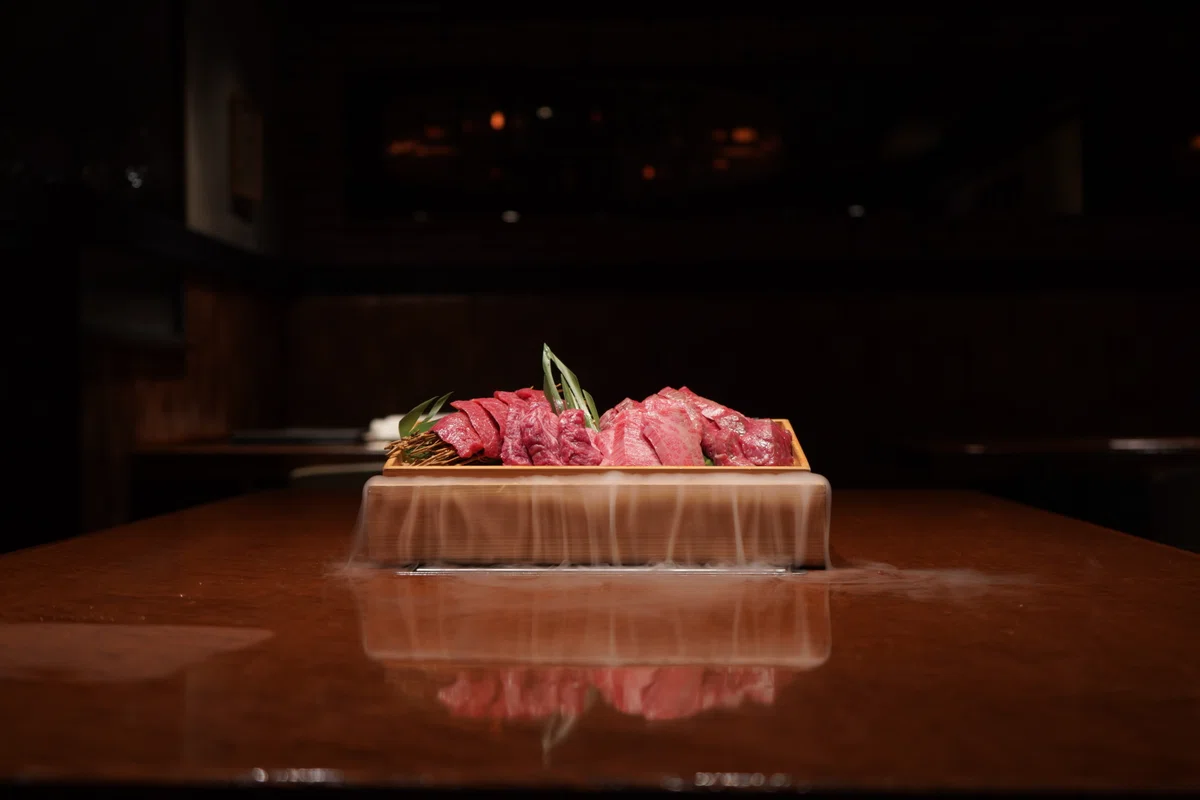
Let the geography work for you. Set your path first, not second. Drop the restaurant pin in your maps app and look at the route options. Even if you know the trains, that tiny act of planning gives you headspace once you sit down. Here is the exact link worth saving: YAKINIKU 37 West NY on Google Maps. If you like previewing the vibe, scroll a week’s worth of short clips on Instagram. Notice the pace. Notice the grill surface. Notice your own shoulders drop.
2. Reading Wagyu Like a Local: Marbling, Mouthfeel, and the Texture Spectrum
Wagyu is not just a grade; it is a spectrum of texture and melt. The delicate white threads you see are intramuscular fat, and they behave like magic under heat, translating into sweetness and glide. The trick is to think in contrasts. One slice leans into a confident chew with steakhouse echoes; the next dissolves into velvet and asks you to slow down for three seconds. Tokyo Wagyu Yakiniku is a sensory language, and YAKINIKU 37 West NY speaks it fluently.
Order in a way that teaches your mouth. Begin with something lean enough to show the grill’s personality, then climb one notch at a time. Keep mental notes you can share later. Did a mid‑marble cut sing with a touch of salt? Did the richest slice ask for almost no finishing at all? For quick, neutral context while you decide, glance at the restaurant’s compact profile on JapanRestaurant.net. For unfiltered snapshots of what other diners are praising this week, the running commentary on Tripadvisor can be surprisingly useful. Remember, you are not photographing trophies. You are engineering a progression of mouthfeels.
3. Heat with Intent: The Grate, the Flip, and the Short Window of Perfect Sear
The grill is not décor; it is the second chef at your table. Thin slices demand decisiveness. Thicker ones ask for patience. You are aiming for a crisp Maillard crust that tastes like toast and caramel without letting flare‑ups write their own story. Test the grate with a corner of fat. If it sings immediately, you are clear to lay your first slice. Count slow. Watch the surface go from shiny to slightly textured. Flip once, maybe twice. Give the second side less time than the first.
A small trick helps. Let a droplet of rendered fat kiss the heat and create a whisper of smoke. Place your next slice just adjacent to that hot spot. You will get perfume without bitterness. When you want to study the rhythm in advance, scroll the short cooking clips on the restaurant’s Instagram. Simmer your nerves by booking a comfortable slot so you are never rushing those first crucial minutes on the grate; the real‑time grid on TableCheck is the easiest way to land that breathing room.
4. Start Smart: A First Order That Calibrates Your Palate and the Grill
A well‑chosen opening round creates the entire arc. Begin with something bright to wake the palate—pickles, salad, or a light starter—then move to the leaner cut that will teach you the grill’s mood. You are not trying to win the night with the first bite. You are taking measurements. Where does the grate brown best? How quickly does the slice cross from glossy to ready? These answers turn you into the calm person at the table who makes everything look easy.
Once you have calibration, order your middle and finale with intention. Add a mid‑marble cut to lock in your rhythm. Decide on one high‑marble showpiece for the later act. If you are hosting friends or a work dinner and want a predictable flow, lock the time window first. Choose a slot that lets you linger, then build the meal around that. The booking link with live availability is here: TableCheck reservations. If one person in your party likes to research, send them the concise listing on JapanRestaurant.net so they can arrive with questions instead of indecision.
5. The Midgame is Where You Learn: Lean, Mid‑Marble, and the Moment You Nod
The best yakiniku tables settle into a groove: low conversation, easy laughter, and a steady alternation of bites and sips. This is the apprentice hour where your palate gets smarter. On leaner pieces, listen for the light crackle and look for a faint blush in the center. On mid‑marble slices, aim for the balance point where the crust is crisp but the interior still glides. Trade plates in small waves so everyone gets a peak‑moment taste. One lesson per round is enough.
If you are the designated griller, become the DJ of timing. Read the surface of each slice, not the clock. Offer the best sear to your guest. Keep the grate from getting crowded so browning stays honest. For a snapshot of what recent diners remember most vividly, the crowd notes on Tripadvisor are a quick study. And if you like pairing your midgame with context, take thirty seconds to open the Google Maps pin and check your last‑train options. Knowing your exit window makes the next round taste better because no one is glancing at the time.
6. The Crescendo Cut: When the Highest Marbling Steals the Scene
There is usually one slice that silences the table. It is the richest, most marbled cut of the night, and it behaves differently from everything before it. Think restraint. Heat that is high enough to set the crust quickly, time that is short enough to keep the interior calm. Taste the first bite plain. Let your brain register the sweetness and the texture. If anything at all is added, make it measured: a dusting of mineral salt, a breath of citrus, or a tiny lift of wasabi.
This is where memories are made, so preserve the moment. Avoid sauce overload. Keep plates uncluttered. If you want to savor the season or see how the team is plating this month, take a look at the latest photos and reels on Instagram. If you prefer to set a specific time when the room hums but never feels crowded, choose an early or late slot via TableCheck. The right timing gives your finale the quiet it deserves.
7. Finish Like a Pro: Salts, Tare, Citrus, and Tiny Adjustments That Change Everything
Condiments are not there to hide flaws; they are lenses that snap flavor into focus. A good salt tightens the outline of a high‑marble slice and lets the wagyu sweetness ring. Tare brings gloss and umami depth to leaner pieces that want a little bass. Citrus resets the palate without drowning nuance, while a small dab of wasabi changes the angle of the bite in a way that keeps the evening lively.
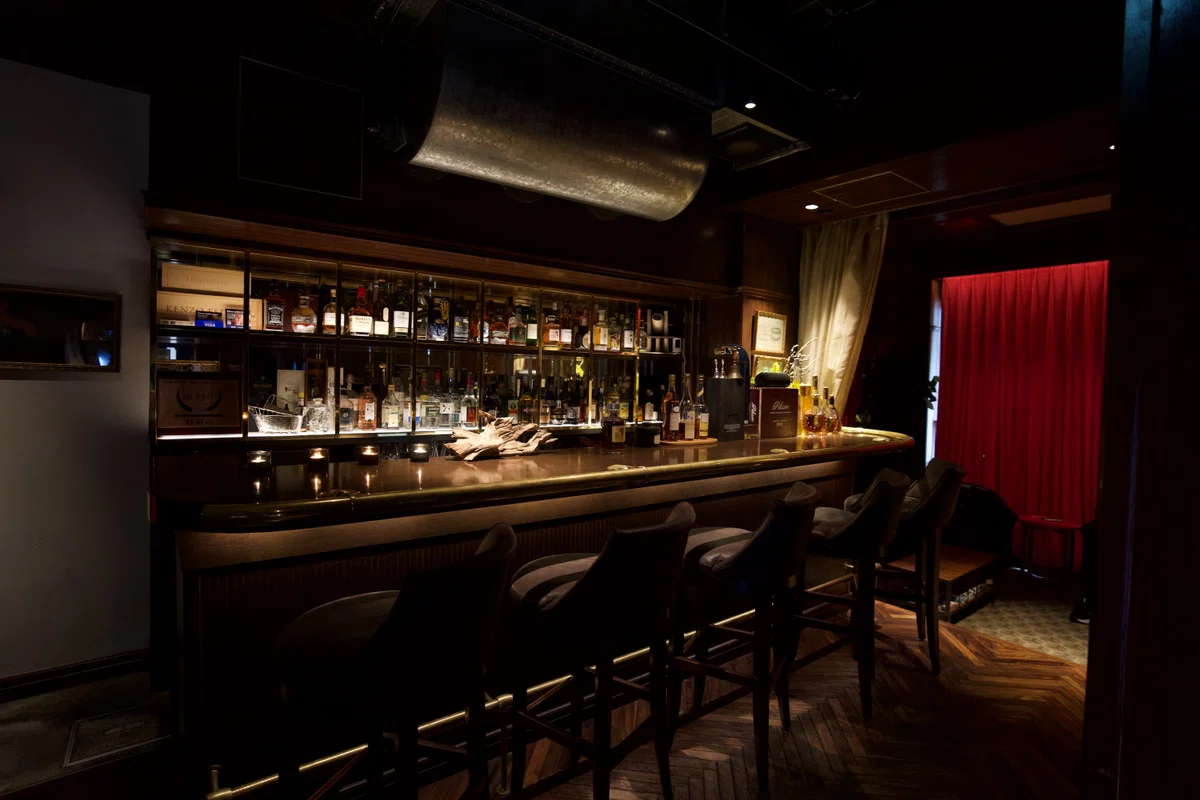
Rotate on purpose. Taste each piece naked first and ask what it wants. Keep condiment quantities small so you can make tiny corrections rather than big swings. If you enjoy the idea that pairs and contrasts create the most memorable experiences, you may appreciate the brief framing at the Futago concept. It is not a menu, but it explains why certain combinations click. When you are ready for the walk out, toss the Google Maps link into your chat so the group drifts in the same direction without fuss.
8. What to Drink Without Drowning the Meat: Highballs, Sake, Tea, and Zero‑Proof Joy
A good glass is a metronome for the meal. The highball is a classic for a reason: cool, sparkling, and assertive enough to cut through richness without stealing attention. Crisp lagers offer the same discipline with a little grain on the finish. If you reach for sake, pick something clean and mineral rather than lush and aromatic. You want glide, not perfume. Tea is the sleeper hero, especially hot tea between richer rounds.
Zero‑proof is not an afterthought. A citrus‑forward soda with a gentle bitter snap resets the palate neatly. Sparkling water with lemon is a simple, effective reset you can deploy any time. If you like a preview of what is being poured this month, the restaurant’s Instagram will usually hint at the current mood. Above all, keep the loop simple: sear, sip, smile, repeat. When timing matters—for example, if you plan to wander Ginza or circle back toward Shimbashi’s quieter streets after dinner—lock in your seat through TableCheck ahead of time so the rest of your plan clicks into place.
9. Timing, Trains, and Table Strategy: The Simple Logistics of a Smooth Night
Tokyo rewards small acts of planning. Decide on your window first: a focused lunch, the twilight glow just after work, or a later slot that feels like a reward. Lunch clarifies cut differences because your attention is crisp. Twilight turns dinner into theater. Late night is calm and deserved. Once you choose your vibe, match it to the real‑time seat map on TableCheck. The grid view will nudge you toward a time that fits your night, not the other way around.
Map the last‑train logic before you sit down. Even if you are nearby, checking the route after dinner when everyone is giddy is a recipe for the wrong platform. Tap the Google Maps pin and glance at your options in advance. If you like third‑party sanity checks before committing, take two minutes to skim recent notes on Tripadvisor. You are not looking for absolute truth, just patterns. Then put the phone away and let the grill take over.
10. Business, Birthdays, or Going Solo: Matching the Occasion to the Experience
Yakiniku is surprisingly versatile. For business, it dissolves stiffness because the grill gives your hands a task and the conversation a flow. Offer the first perfect slice to your guest and you will feel the table exhale. For birthdays or reunions, order in gentle waves and keep the grate from turning into a parking lot. The ritual of cooking for one another is the celebration.
Solo is the quiet luxury most travelers forget. You control tempo and sequence. You can linger on a mid‑marble cut that steals your attention and skip a piece that does not. If that sounds like your evening, choose a time that lets you stay present. Book directly on TableCheck, then take a quick look at the room’s current mood on Instagram so you know what to expect. For friends who want crowdsourced signals, share the Tripadvisor page and let them browse while you handle the logistics.
11. Tokyo Between Bites: A Gentle One‑Evening Micro‑Itinerary Around the Restaurant
Think of the evening as three chapters. Before dinner, walk under the lights and let the day burn off. After you sit, focus on the grill and the people with you. When you leave, slow down again and let the city cool your senses. The neighborhood around YAKINIKU 37 West NY makes this easy. You can browse a few windows in Ginza, take a small detour down a quieter Shimbashi side street, and still be back on a train without a scramble.
If you build nights around maps, keep the essentials at the top of your list: the exact Google Maps location and your confirmed time on TableCheck. For quick facts to share with a friend who is joining late, use the compact listing on JapanRestaurant.net. If you need to persuade the one person who is on the fence, send a couple of fresh guest shots from Instagram. The point is simple. A good dinner is easier to enjoy when the before and after are already sketched.
12. Traveler’s Toolkit: Etiquette, Ordering Confidence, and Little Phrases That Help
Tokyo is gracious when you show a little care. Keep raw and cooked utensils separate, avoid crowding the grate, and offer the prettiest slice to a guest before you take your own. Order in rounds rather than all at once so timing stays under control. Taste the first bite of each cut plain. If you need help choosing, explain the textures you enjoy rather than pointing blindly at grades. You will get better suggestions.
Practicalities are simple. Confirm your headcount and time on TableCheck so there are no last‑minute surprises. Keep the Google Maps pin handy in your messages so latecomers land without friction. If you want a third‑party snapshot of the experience, glance at Tripadvisor. And for an at‑home read that explains why pairing lean and rich bites feels so right, save the Futago concept. The goal is confidence without fuss. The staff does the heavy lifting. You bring curiosity and patience.
13. Memory Architecture: How to Capture the Night and Share It Well
The strongest food memories are specific, not general. Instead of posting ten photos of every plate, choose the three moments that truly defined your night: the lean cut where you dialed in the heat, the mid‑marble slice that made everyone nod, and the showpiece that quieted the table. Write a single line about each and tag your future self as much as your friends. Months from now, that tiny caption will bring the smell of the grill back instantly.
For the people you want to invite next time, send a simple package: the Google Maps link so they know the route, the TableCheck page so they can see the seat map, and one smart third‑party reference, either JapanRestaurant.net for a clean overview or Tripadvisor for the crowd voice. If you want to leave them with a visual, forward a favorite reel from the restaurant’s Instagram. Tokyo Wagyu Yakiniku becomes a tradition when you make it easy for the next person to say yes.
Link Section
YAKINIKU 37 West NY — Google Maps
Reserve on TableCheck
JapanRestaurant.net — restaurant profile
Tripadvisor — reviews and photos
Instagram — @yakiniku_37
Futago concept inspiration
