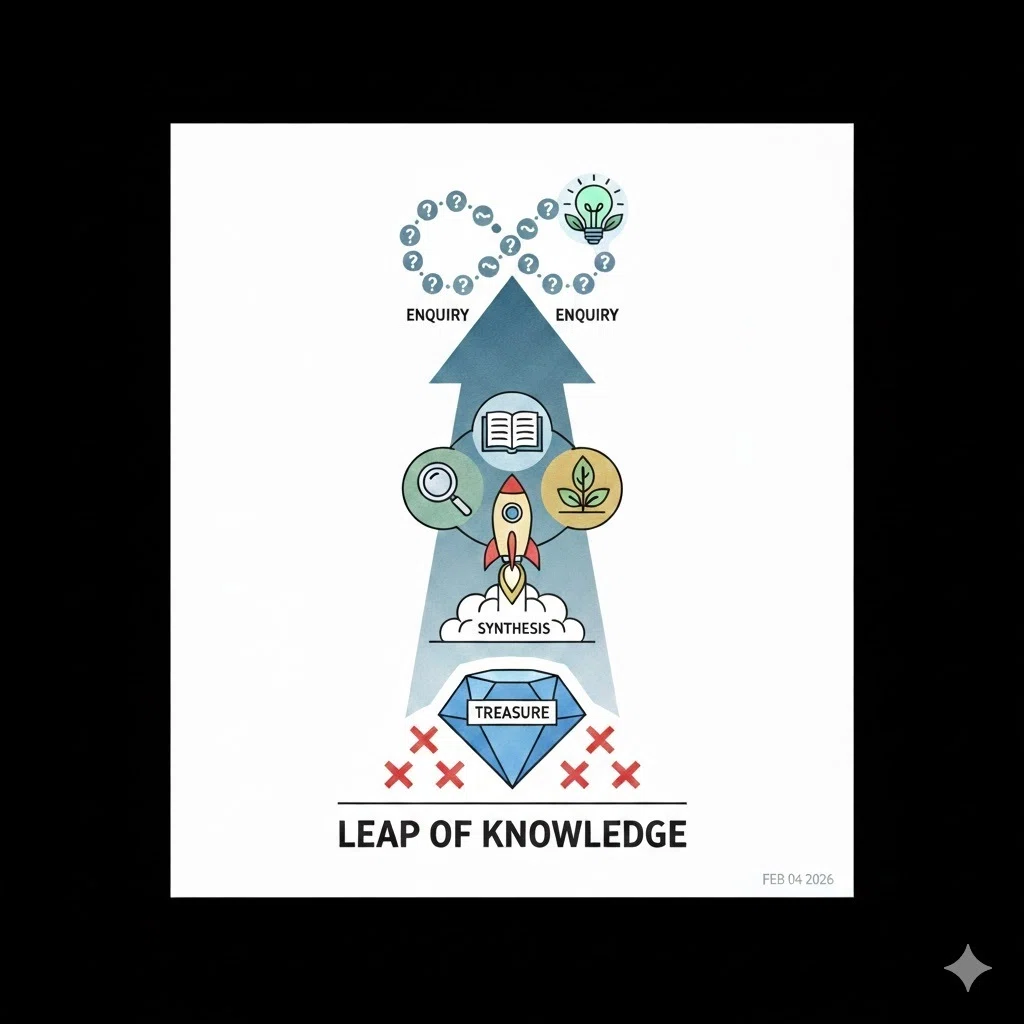
失敗を「知の跳躍」に変える、 事について南河内郡太子町で考えてみました。

20260204 現時点での私のコメント「失敗を「知の跳躍」に変える」
(日経朝刊2026年2月4日「STEAM(スティーム)教育改革、池上彰、初心の「なぜ」探求の源に、好奇心含む教育活動も」 を参考にしました)
失敗を「知の跳躍」に変える
今回の記事を通じ、STEAM教育の本質は単なる知識の横断ではなく、「失敗を恐れぬ問いの継続」にあると感じました。特に、人格の土台を作る初等教育において、以下の三つの視点を組み込むことが、現場を前に進める大きな芽になると考えます。
1. 失敗を「学びの宝庫」として再定義する;
一つの成果を得るプロセスには、膨大な「意図せぬ結果(失敗)」の積み重ねがあります。子供たちが失敗に懲りて歩みを止めるのではなく、「なぜ上手くいかなかったのか?」という新たな発見を楽しむマインドセットを育むことが重要です。初等教育の現場こそ、失敗を単なる「間違い」として切り捨てるのではなく、次への探求の源泉(リソース)として歓迎する場であるべきです。
2. 疑問点を「より良い質問」へ昇華(アウフヘーベン;aufheben)させる;
子供たちが抱く素朴な疑問や、一見的外れに見える失敗を無視せず、対話を通じて一歩高い次元へ進めるという意味での「アウフヘーベン(止揚)」のプロセスが不可欠と考えます。 具体例として本文にも引用されている新美南吉の「ごんぎつね」への素朴な疑問を、科学的・歴史的・文学的・心理学的な視点へと繋ぎ合わせることで、個別の判断力を養い、多角的な視野を広げることが可能になるでしょう。
3. 「問い続ける力」が現場を更新する;
池上彰氏が指摘するように、安易にAIに答えを求めるのではなく、自らの内側に湧き出た疑問を大切にすること。この「問いを立て続ける姿勢」は、科学的連想だけでなく、将来どんな困難に直面しても「現場を継続的に前に進める力」へと直結するでしょう。
Turning Failure into a "Leap of Knowledge"
Reflecting on the Nikkei article regarding STEAM education, it is clear that its essence lies not merely in cross-disciplinary study, but in the persistent courage to question without fear of failure. In primary education, this mindset provides a vital seed for future progress.
Firstly, failure must be redefined as a "treasure trove of learning". Success is built upon countless unintended results. We must encourage children to see failure as a discovery rather than a dead end, fostering a resilient mindset that asks, "Why did this happen?"
Secondly, simple curiosities should be synthesised into higher-level enquiries. By addressing a child’s raw questions through various lenses—scientific, historical, and literary—we can transcend (aufheben) initial confusion to develop multifaceted perspectives and critical judgement.
Finally, the power to keep questioning is what truly drives progress. As Akira Ikegami suggests, instead of seeking immediate answers from AI, we must cherish our innate curiosity. This commitment to enquiry will empower the next generation to navigate any future challenge with confidence.