〚エッセイ〛戦後80年、広島で聴いた“声”─平和記念資料館を訪れて

はじめに
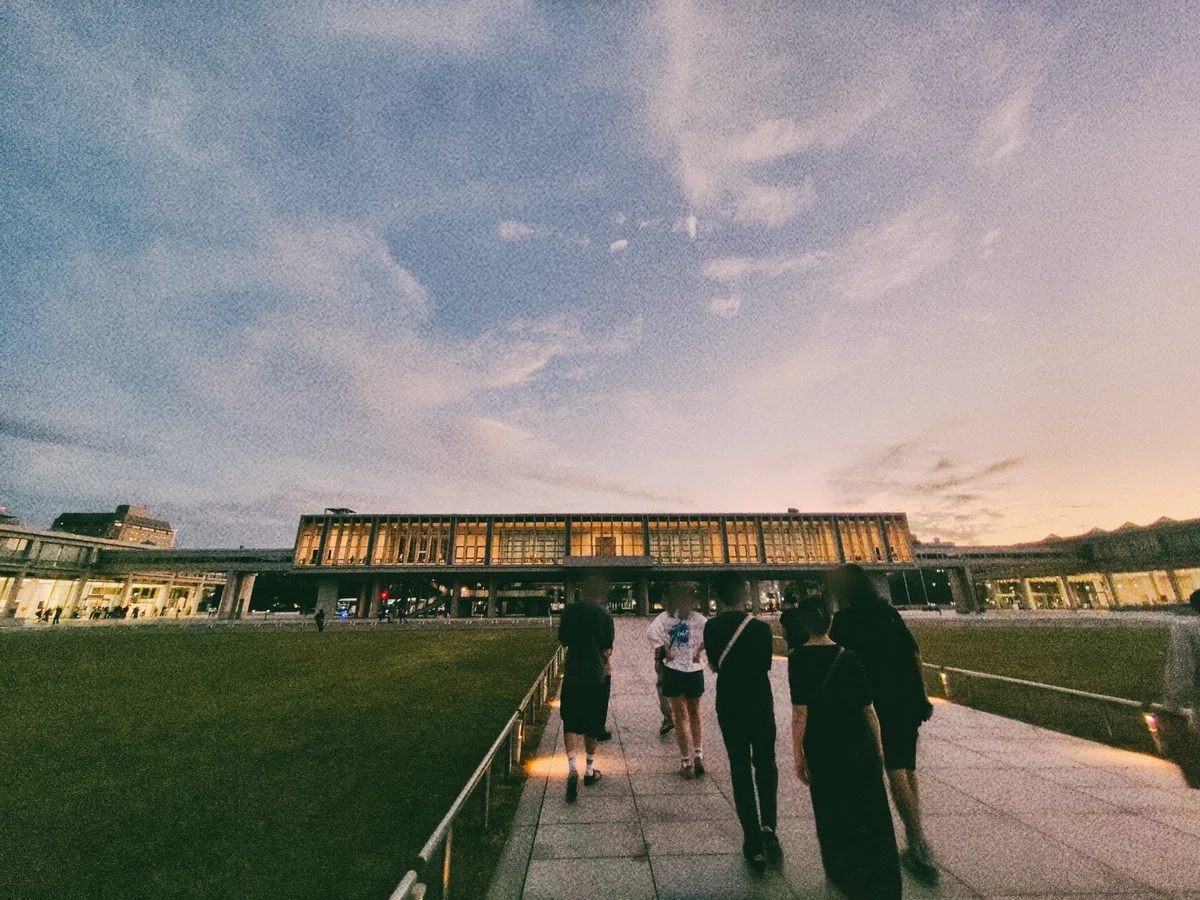
先日、広島県にある「平和記念資料館」を訪れた。
同資料館では、第二次世界大戦末期の1945年8月6日午前8時15分に広島市へ投下された原子爆弾の被害について展示されている。
私は小学生の頃に2度足を運んだことがあるが、リニューアルしてからは初めての訪問だ。
久しぶりに訪れる資料館。
「どのように変化したのだろうか」と、気になって仕方がなかった。
今回の広島旅行の全貌については改めて「旅記事」にまとめる予定だが、資料館で感じたことは、それだけで一つのエッセイとして記しておきたいと思う。
あの日、きのこ雲の下にあった たくさんの命
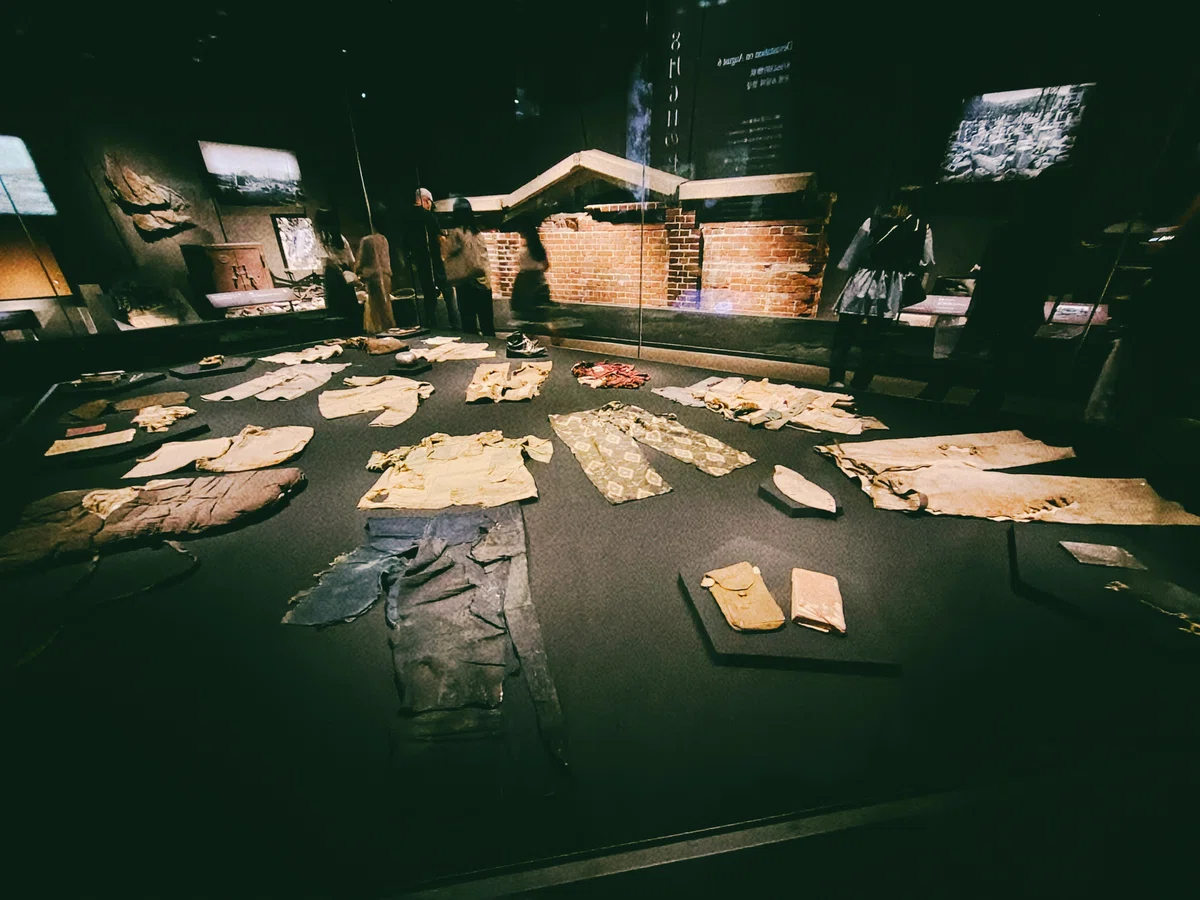
以前の「平和記念資料館」は、原子爆弾の威力や被害の全体像を中心に展示している印象があった。
しかし、リニューアルされた館内は、あの日、広島で生きていた人々の物語や人生そのものが詰まった展示へと変化していた。
たった一つの原子爆弾によって、家族や大切な誰かを失った人。
夢や人生を奪われた人。
生きたくても生きられなかった人。
原子爆弾が投下されるほんの数分前まで、日常を送っていた人々の遺品が静かに語りかける。
その声に、そっと耳を傾けた。
「つらい」
「苦しい」
「どうして私が」
「どうして私のふるさとが」
「私に未来はまだあるのに。生きたい」
「もう一度会いたい」
「家族を返せ」
そんな声が聴こえてくるようだった。
途中から涙が止まらず、とてもつらかった。
しかし今、私が当時を追体験できるのは、これらの資料が残されているからにほかならない。
大切な遺品を後世に生きる私たちのために提供してくださったご遺族に、感謝と敬意の気持ちで一杯になった。
歴史を知るということ
館内を歩いていると、来場者の一人が
「これ、歴史の教科書で見たことがある」とつぶやいていた。
80年前の出来事は、私たちの世代にとって「歴史の中の話」に過ぎないかもしれない。
しかし、今も世界では紛争や争いが続き、もはや「昔話」では済まされない現実がある。
一方で、現在の日本で暮らす私たちは"平和ボケ"をしているようにも思う。
もちろん、私もその一人だ。
だからこそ、「平和記念資料館」のような、過去の悲劇をきちんと伝えてくれる場所へ行き、自らの心で感じ、自分にできることへと繋げていくことが大切なのだと思う。
「怖そうだから」
「しんどいから」
と目を背けてしまうのは、無責任だ。
被爆国に生きる私たちは、知らなくてはいけない。
そして、過去につらい傷を負っているからこそ、学び、行動へと移していく必要がある。
小さなことから少しずつ
「戦争」は、ほんの小さな出来事から生まれる。
そして「平和」もまた、ほんの小さな出来事から生まれるものだと思う。
皆が幸せに暮らすために、私たちには何ができるのか。
近年、日本に来る外国人に対して、ネガティブな差別意識を感じることがある。
ある政党や政治家の発言。
近所の人や友人の何気ない言葉。
メディアでの報道の仕方。
確かに、実際に問題ある行動をしている方もいるだろうし、その方々を擁護するつもりは更々ない。
しかし、私たちは必要以上に「外国人=迷惑行為をする」と決めつけてはいないだろうか。
主語が大きくなりすぎてはいないだろうか。
真面目に働く人々や、日本に好意を抱いてくれている人たちまで傷つけてはいないだろうか。
そんな「色眼鏡」を少し外してみるだけで、見える世界は少し変わる気がする。
そして、優しさの輪が静かに広がっていくような気がする。
先日閉幕した「大阪・関西万博」のドローンショーでも掲げられた “one world, one planet” の言葉のように、世界の人々と手を取り合い、共に生きていくことが求められているのだと思う。
おわりに
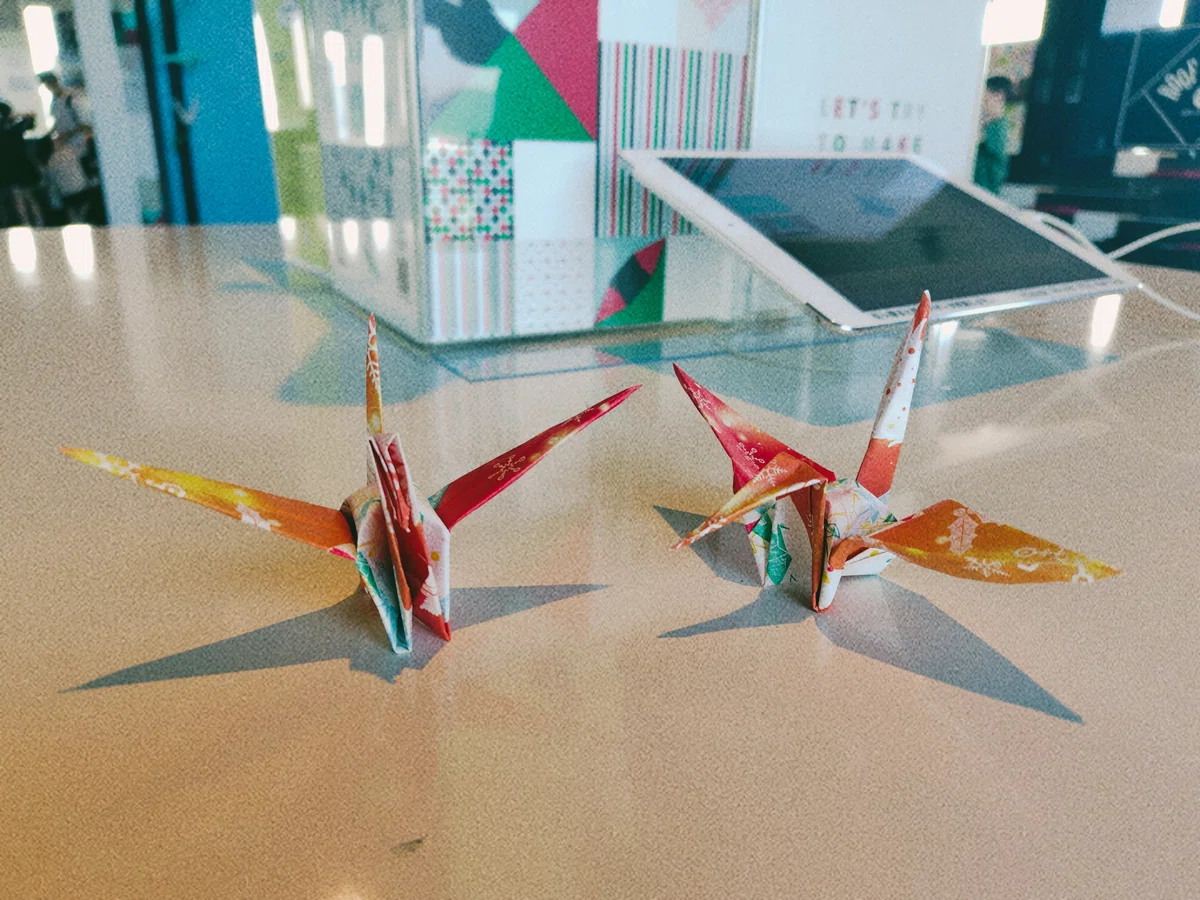
原子爆弾や戦争で犠牲になった方たちの静かなる声を聴き、同じ過ちを繰り返さぬように行動する必要がある。
資料館に収められている遺品たちは、身を持って教えてくれているのだ。
「二度と同じように苦しむ人を出してはならぬ」と。
※今回はエッセイのため、資料館や原子爆弾についての詳細はあえて書きませんでした。詳しく知りたい方は、是非ご自身でリサーチ&現地へ行ってみてください
[ご参考までに]
[English follows below]
Introduction
The exterior of the Hiroshima Peace Memorial Museum. Many visitors appeared to be from overseas.
The other day, I visited the Hiroshima Peace Memorial Museum in Hiroshima Prefecture.
This museum exhibits information about the atomic bomb dropped on Hiroshima City at 8:15 AM on August 6, 1945, toward the end of World War II.
I had visited twice during my elementary school years, but this was my first visit since its renovation.
Returning to the museum after so long, I couldn't help but wonder, “How has it changed?” While I plan to cover the full scope of this Hiroshima trip in a separate “travelogue,” I feel compelled to record my impressions of the museum here as a separate essay.
That day, beneath the mushroom cloud, so many lives
The former Peace Memorial Museum seemed focused on displaying the sheer power of the atomic bomb and the full extent of its devastation. But the renovated museum has transformed into an exhibition filled with the stories and very lives of the people who were living in Hiroshima that day.
People who lost family and loved ones to a single atomic bomb. People whose dreams and lives were stolen. People who wanted to live but couldn't.
The personal belongings of people living ordinary lives just minutes before the bomb fell spoke quietly. I listened softly to their voices.
“It hurts.” “It's agonizing.” “Why me?” “Why my hometown?” “I still have a future. I want to live.” “I want to see them again.” “Give me back my family.”
I felt as if I could hear these voices. From a certain point on, I couldn't stop crying; it was unbearably painful. Yet, the only reason I can relive that time now is because these materials remain.
My heart filled with gratitude and respect for the bereaved families who provided these precious belongings for us, the living of later generations.
Understanding History
Walking through the museum, I overheard a visitor mutter, “I've seen this in history textbooks.”
Events from 80 years ago might seem like mere “stories from history” to our generation. Yet conflicts and strife persist worldwide today—a reality that cannot be dismissed as mere “old tales.”
At the same time, we living in present-day Japan seem to suffer from a kind of “peace complacency.” I, too, am certainly one of them.
That's precisely why it's vital to visit places like the Peace Memorial Museum, which properly convey past tragedies, to feel them with our own hearts and connect them to what we can do ourselves.
Turning away because “it seems scary” or “it's too painful”
is irresponsible.
We who live in the nation that suffered atomic bombings must know. And precisely because we bear painful wounds from the past, we need to learn and move toward action.
Starting small, step by step
“War” is born from the smallest of events. And I believe “peace” is also born from the smallest of events.
What can we do so everyone can live happily? I've been thinking about this lately.
In recent years, I sometimes sense negative discriminatory attitudes toward foreigners coming to Japan.
Statements from certain political parties or politicians. Casual remarks from neighbors or friends.
The way the media reports things.
Certainly, some individuals may engage in problematic behavior, and I have no intention whatsoever of defending them.
But are we perhaps unnecessarily assuming that “foreigners = troublemakers”?
Isn't the subject being made too broad?
Could we be hurting even those who work diligently and hold goodwill toward Japan?
I feel that simply taking off those “colored glasses” a little might change the world we see.
And I feel a quiet circle of kindness might begin to spread.
Just as the drone show at the recently concluded Osaka-Kansai Expo proclaimed “one world, one planet,” I believe we are called to join hands with people around the world and live together.
Conclusion
We must listen to the silent voices of those sacrificed by the atomic bomb and war, and act to ensure such mistakes are never repeated.
The personal belongings preserved in the museum teach us this lesson through their very existence.
“We must never let anyone suffer like this again.”
※As this is an essay, I have deliberately omitted detailed information about the museum and the atomic bomb. If you wish to learn more, I encourage you to conduct your own research and visit the site in person.
[For your reference]