Gaussian weights, the reparameterisation trick, and Monte Carlo sampling turn a single sigmoid neuron into a Bayesian expected-goals model on StatsBomb data.
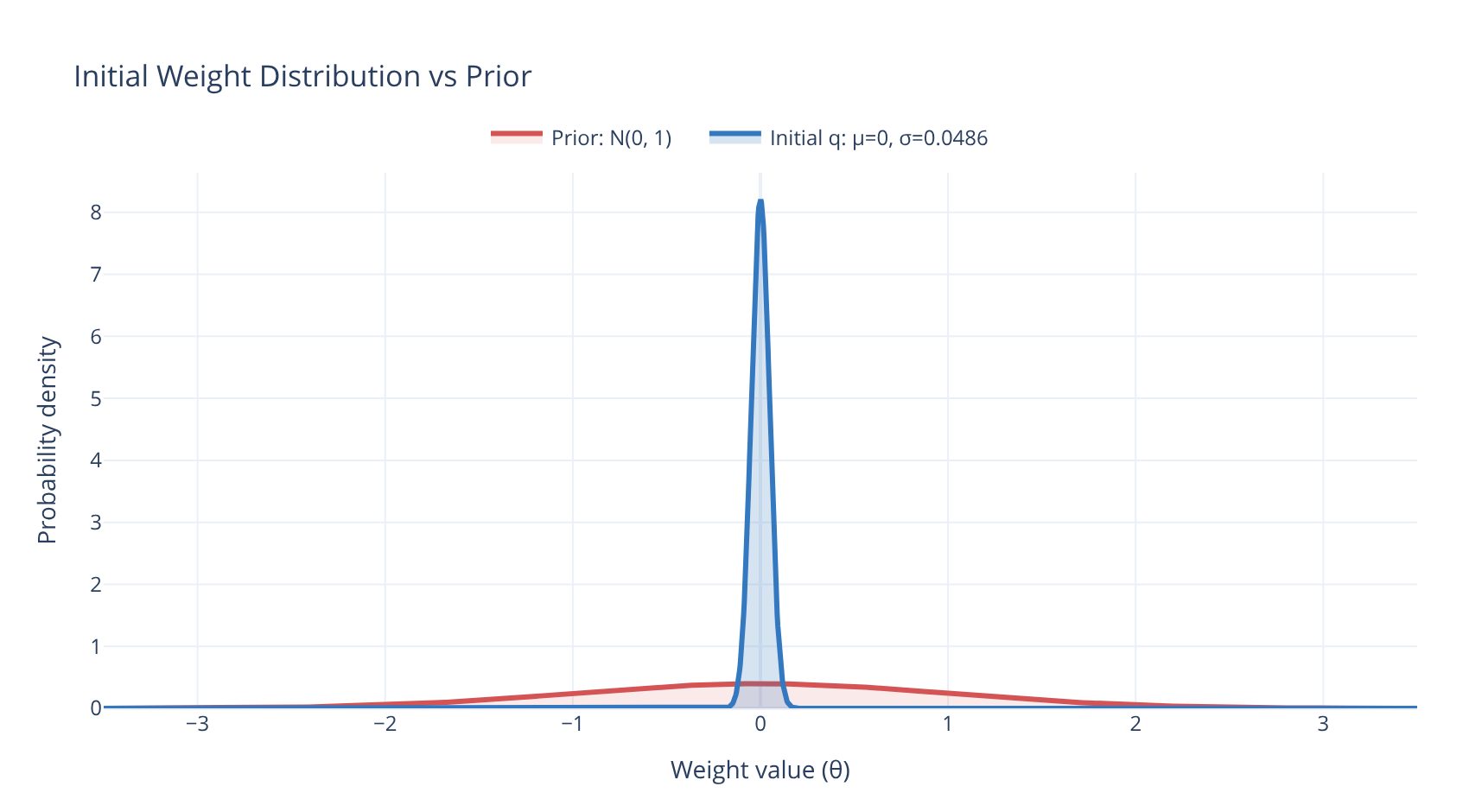
Gaussian weights, the reparameterisation trick, and Monte Carlo sampling turn a single sigmoid neuron into a Bayesian expected-goals model on StatsBomb data.

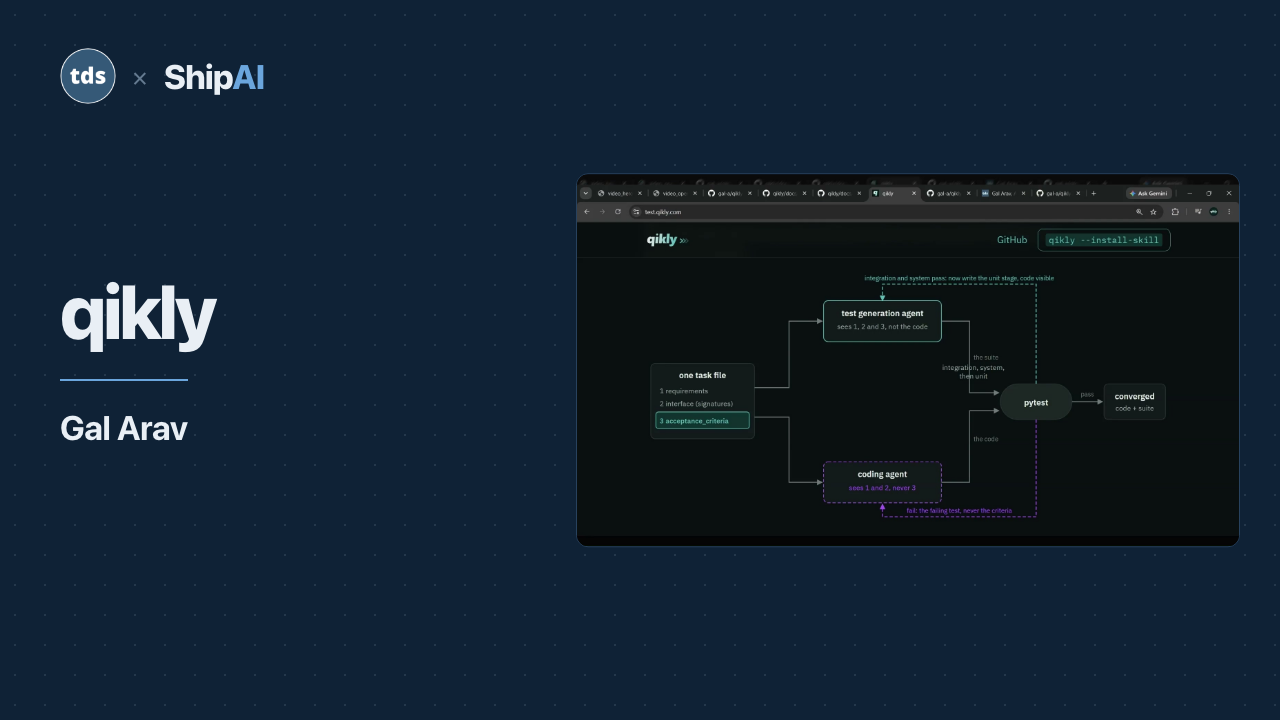
A Mermaid blueprint, Python dataclasses, and a retryable flag decide when a failed agent tries again and when the task goes to a person.

For analysts and commercial leaders: how cohort churn, BTYD models, and behavioral segments turn CLV from a board-deck KPI into daily decisions.

From the Four Color Theorem to OpenAI's October 2026 claims, why computer-checked proofs still need people to explain, test, and extend them.
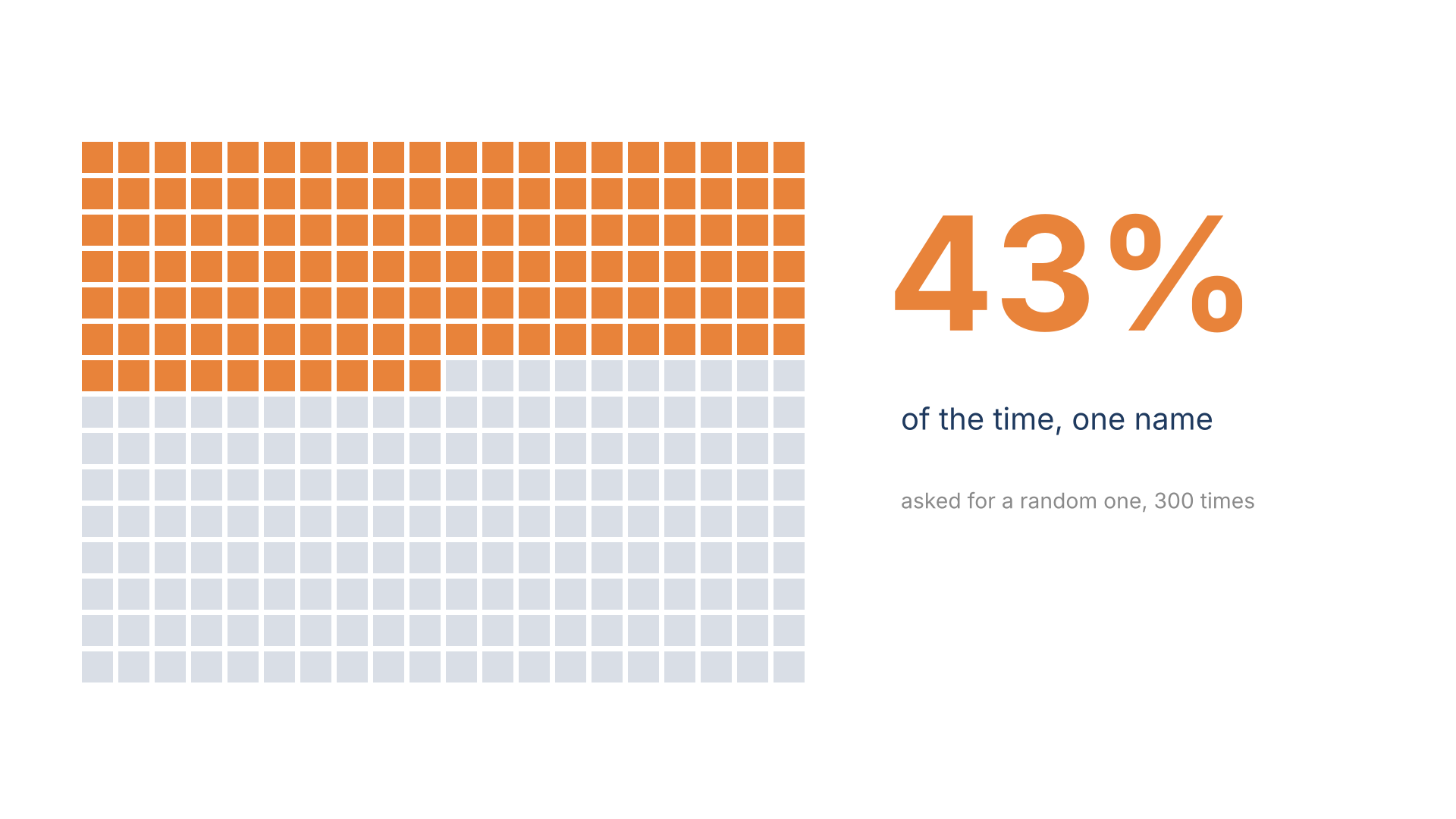
Ask the same question 300 times, count the repeats, and solve for N: a few lines of Python that work on any chatbot you can type into.
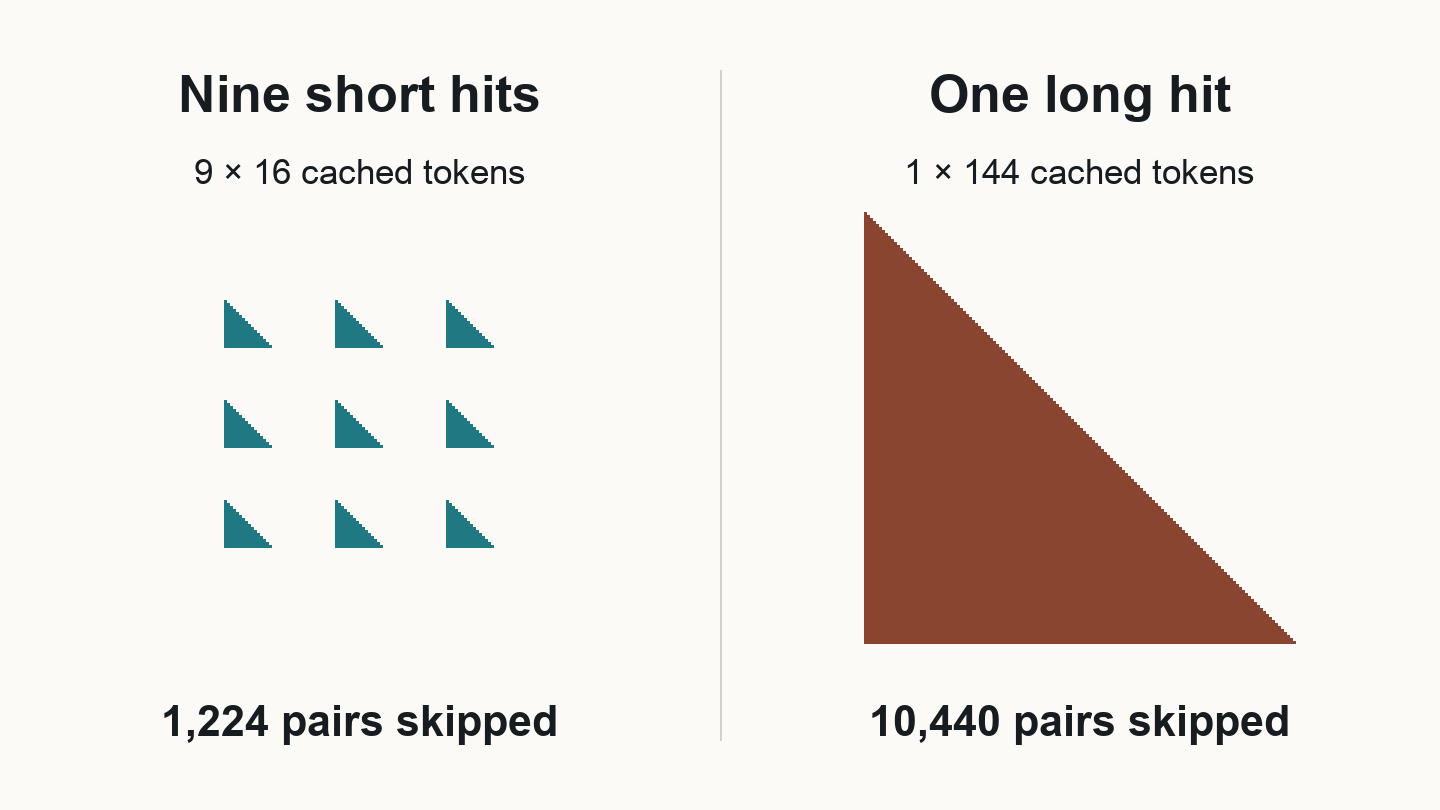
Request hit rate, token reuse, and latency tell different stories; a 2026 preprint found lower 99th-percentile but higher median time to first token.

How random sampling of 4 matched pairs, an error threshold, and inlier counts turn noisy SIFT matches into an accurate homography matrix.
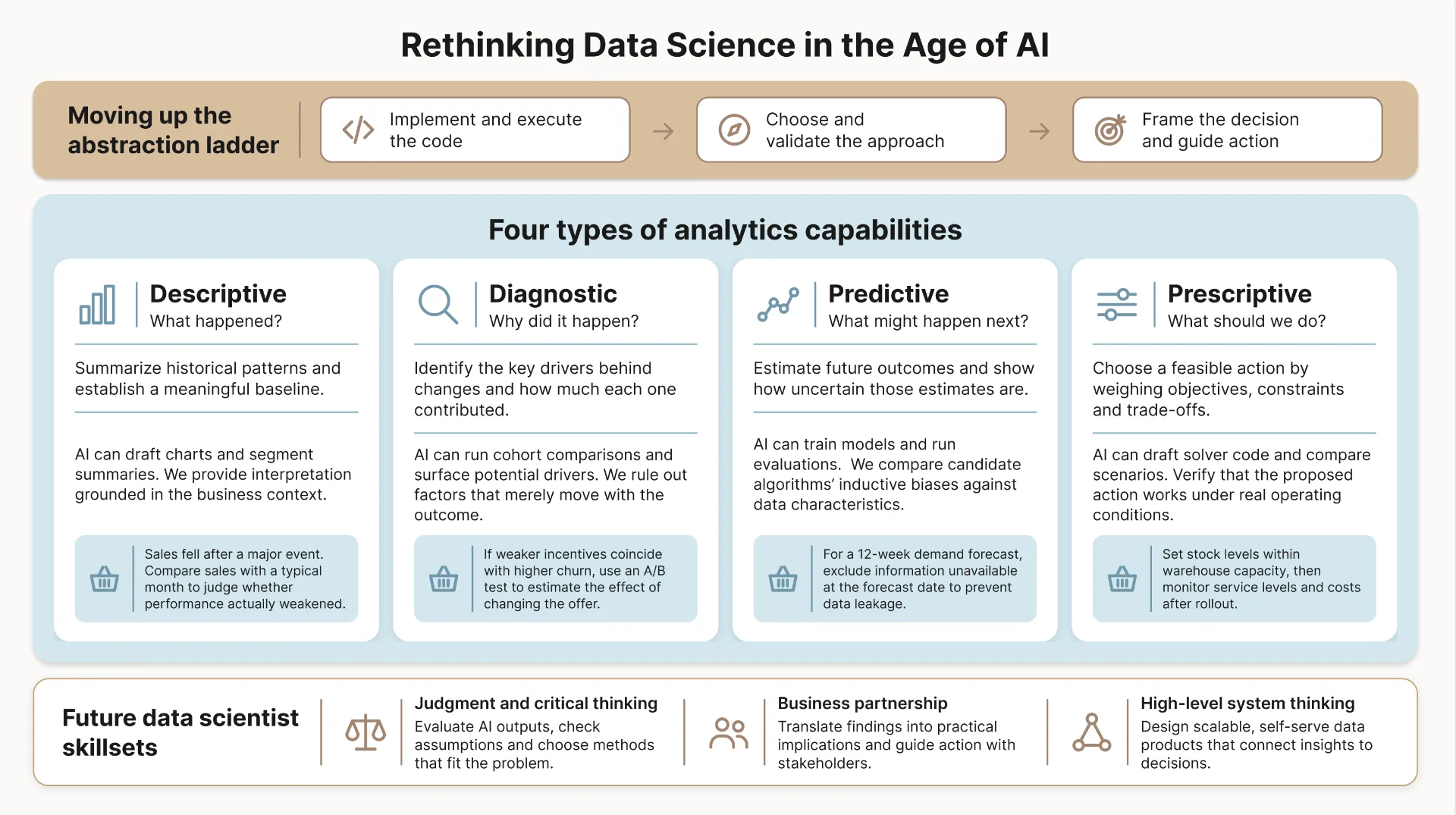
Treat AI agents as junior teammates and move up the abstraction ladder, owning problem framing, model evaluation, and business partnership.
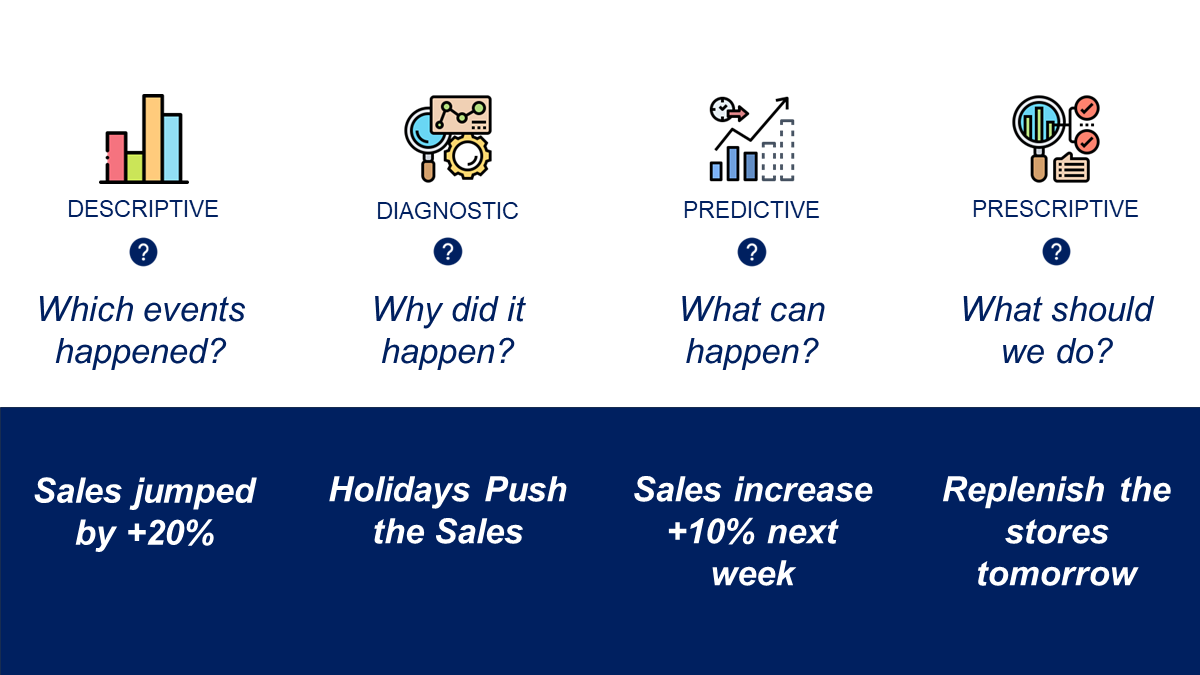
Each 5-minute case study pairs operational context, a problem statement, and documented code, so data scientists and non-coding planners learn together.
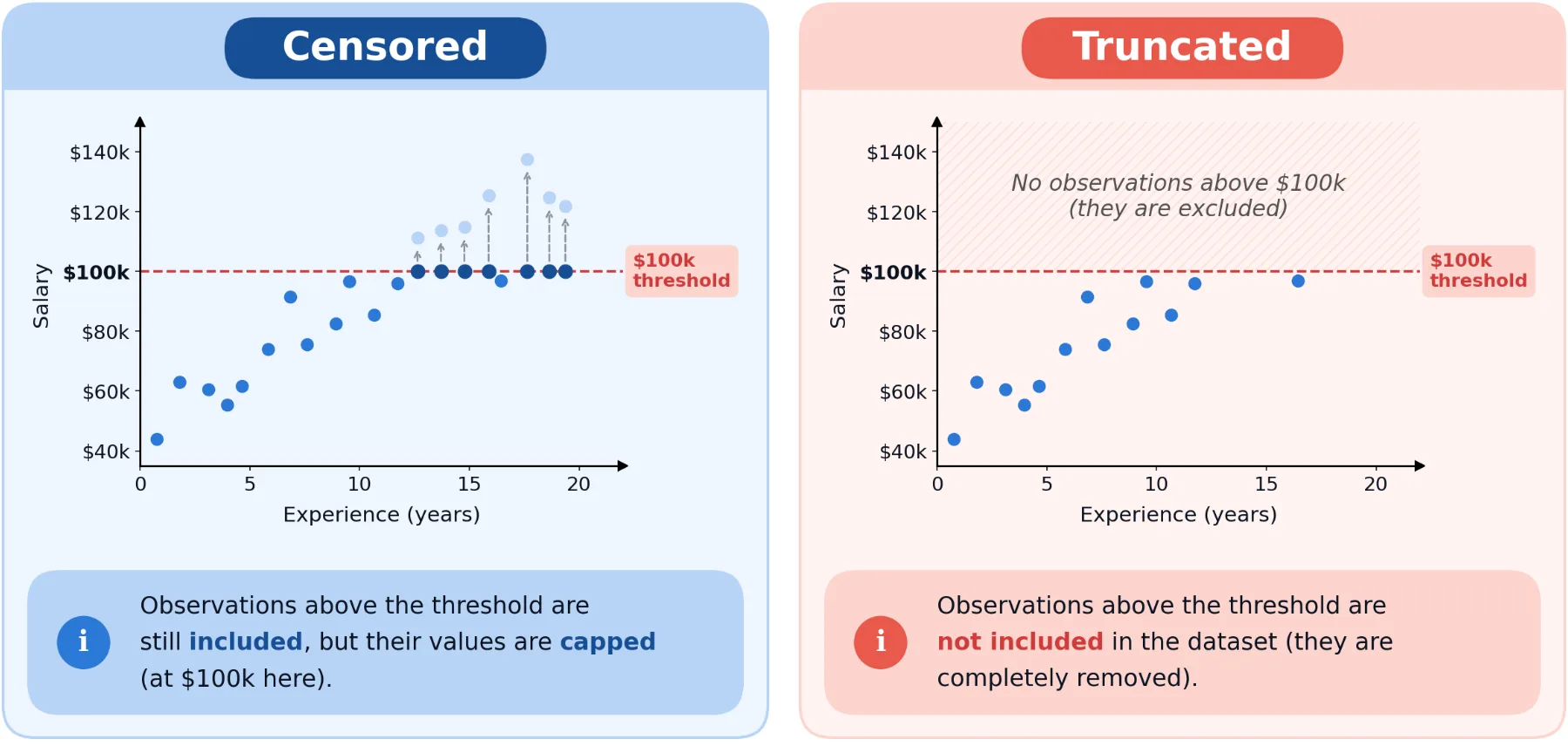
A simulated salary survey shows OLS shrinking a $5k-per-year effect to $3.2k, then recovers it with Tobit and truncated likelihoods built from scratch.
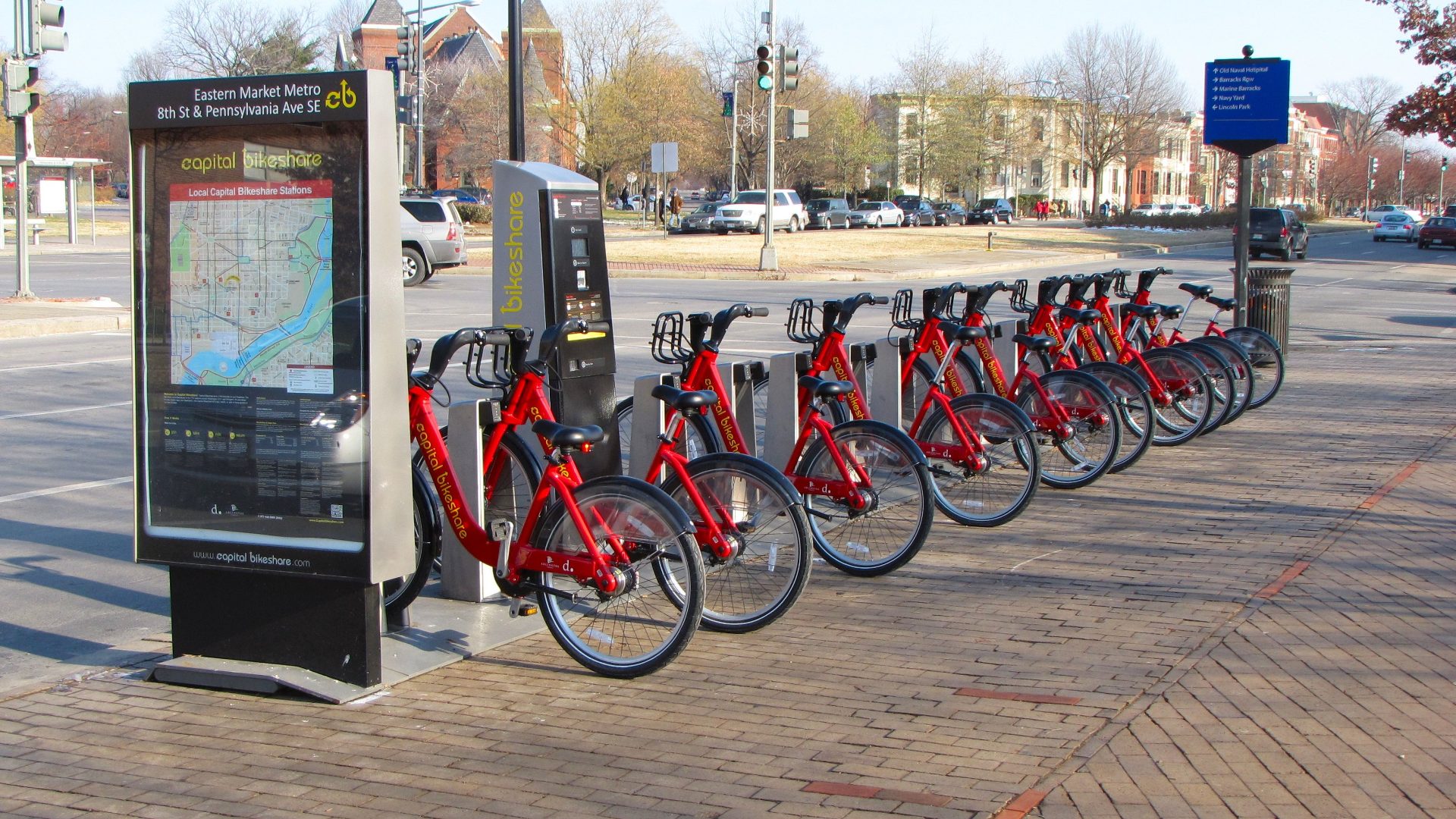
A 48-hour Capital Bikeshare experiment pits XGBoost, Ridge, SARIMA, and Prophet against simple baselines, with care for missing hours and leakage.
Gaussian weights, the reparameterisation trick, and Monte Carlo sampling turn a single sigmoid neuron into a Bayesian expected-goals model on StatsBomb data.
For analysts and commercial leaders: how cohort churn, BTYD models, and behavioral segments turn CLV from a board-deck KPI into daily decisions.
Treat AI agents as junior teammates and move up the abstraction ladder, owning problem framing, model evaluation, and business partnership.
A simulated salary survey shows OLS shrinking a $5k-per-year effect to $3.2k, then recovers it with Tobit and truncated likelihoods built from scratch.
A 48-hour Capital Bikeshare experiment pits XGBoost, Ridge, SARIMA, and Prophet against simple baselines, with care for missing hours and leakage.

With a 0.9 confidence cutoff, Cloudflare's System One model handles the easy cases and routes the rest to a bigger, slower LLM like Luna.

Sorting through the good, bad, and ambiguous aspects of vibe coding

Don't miss our most-read and -shared stories of the past month

Beyond basic ReAct loops: six production-oriented architectures for building autonomous, reliable, and scalable LLM agents.

How statistical moments connect the mean, the variance, and higher powers of a distribution

First in a series on probabilistic forecasting for physical signals. Next: what happens when you roll the forecast forward more than one step.

When Codex is the right shape for the problem, when Claude Code is, and how I split 5 specialist agents between them on dense AI capacity work.

Why the skill-inflation panic is aimed at the wrong thing, and what it costs to make agent knowledge a build artifact instead of a file.

A real Weave project that regression-tests three OpenAI models against the exact reply format your app depends on.