


Summary
- Exclusive Pokémon in each game offer unique gameplay experiences but overall balance is maintained well.
- Pokémon Blue offers slightly easier gameplay with higher base stats on exclusive creatures.
- Pokémon Yellow introduces new features and mixes features from Red and Blue for a different gameplay experience.
Pokémon would never have gotten to where it is today without Pokémon Red and Blue, the humble games that started off the series. Pokémon Red and Blue are nearly three decades old, but many of their features and gameplay designs have become franchise staples. For instance, Pokémon continues to embrace the dual-paired release strategy where each mainline Pokémon game has two complementary titles – and usually a third down the road – that have their own unique advantages and differences.
Some of these differences between titles can be fairly ancillary, but by far the biggest reason to pick one Pokémon game over its counterpoint is the contrasting Pokémon that are available in each title. There are 151 Pokémon in Pokémon’s first generation of games. However, Pokémon Red and Blue each feature exclusive creatures – 11 in each title – that lead to different gaming experiences.
Which Pokémon Are Exclusive Pokémon Red?






Pokémon Red and Blue do an excellent job of making sure that both titles function as complete games, rather than only half of an experience. It’s a rather ingenious idea from a sales perspective to encourage the purchase of two separate, yet complimentary games, while also helping bolster the profile of the Game Boy’s Link Cable. The Link Cable was a peripheral before Pokémon’s release, but it’s Pokémon Red and Blue that truly made the accessory a must-have item.
As the first games in the franchise, it’s smart that Pokémon Red and Blue don’t get too ambitious when it comes to their game-exclusive Pokémon. This isn’t a drastic concept and it’s not as if Pokémon Red has completely different Starter Pokémon than Pokémon Blue, or vice versa. Instead, each game has 11 exclusive Pokémon, none of which are game-changing creatures, but still necessary acquisitions for anyone who wants to fully complete their Pokédex.
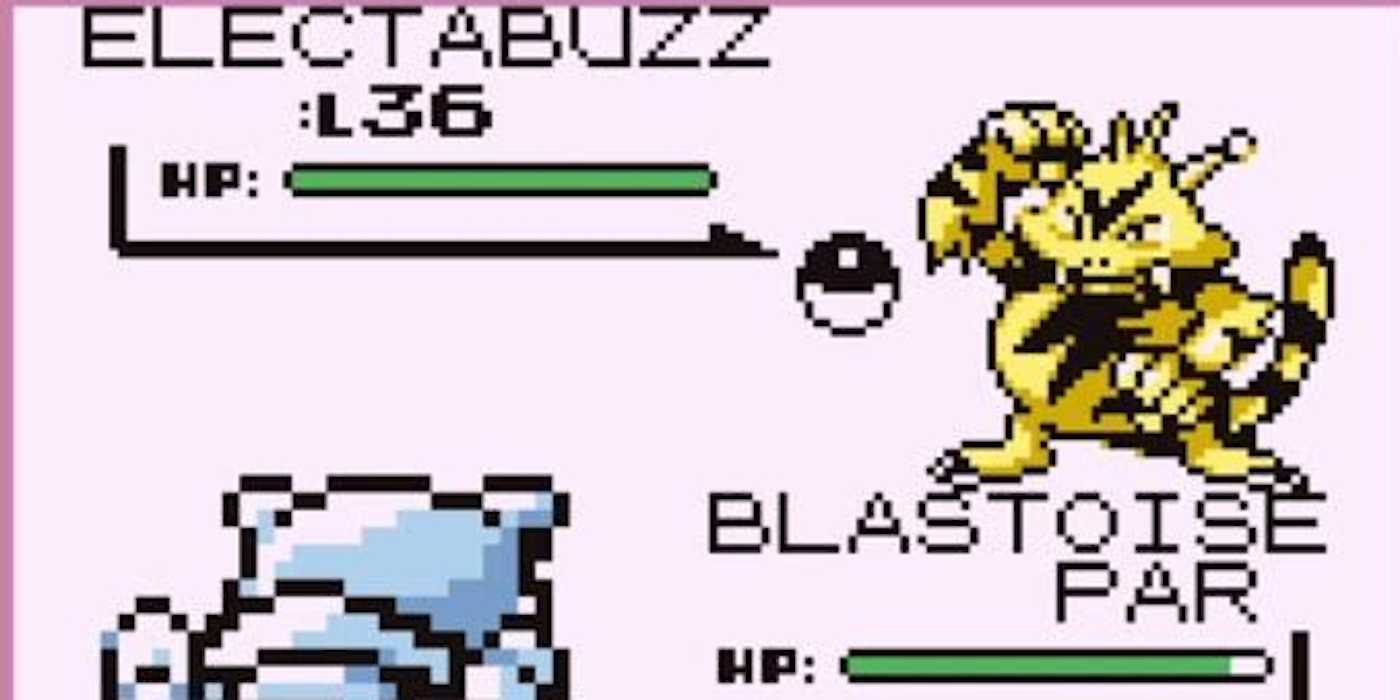
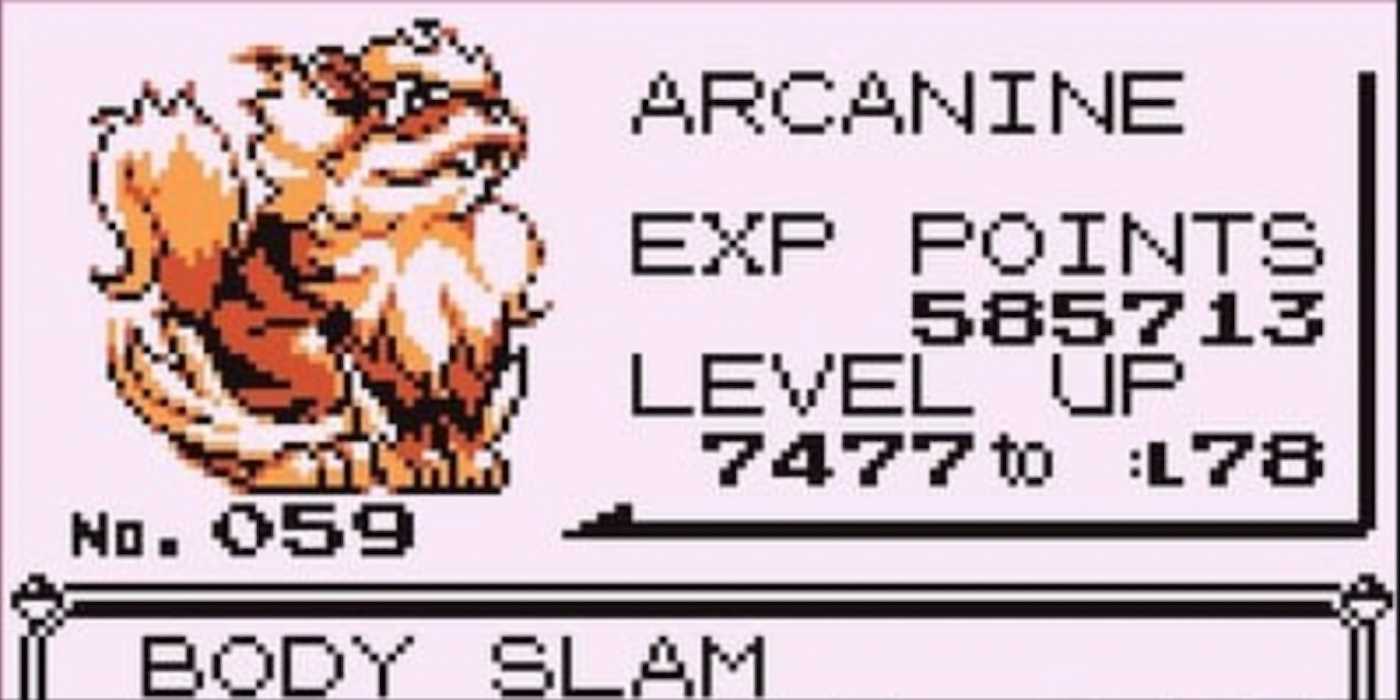
Pokémon Red’s 11 exclusive Pokémon are Ekans, Arbok, Oddish, Gloom, Vileplume, Mankey, Primeape, Growlithe, Arcanine, Scyther, and Electabuzz. These are 11 separate Pokémon, but it’s a less cumbersome number since so many of these Pokémon are actually the evolved form of each other. Many of these Pokémon are more ancillary and the type of creatures that are prevalent during frequent encounters in the wild, such as Ekans, Oddish, and Mankey.
There's an emphasis on Poison-, Fighting-, and Fire-Type Pokémon here, but these 11 Pokémon showcase a broad range of Generation I's various Pokémon by also including Grass, Bug, and Electric representation. Any Pokémon can become deadly enough to lead a Trainer's party with the right battle experience and care, but it's fair to say that out of these 11 Pokémon, only Electabuzz, Scyther, Arcanine, and Vileplume are likely to be in a player's dedicated team, with the rest just being extended Pokédex fodder.
Which Pokémon Are Exclusive To Pokémon Blue?


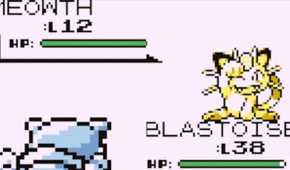
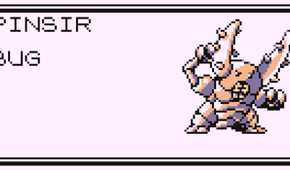
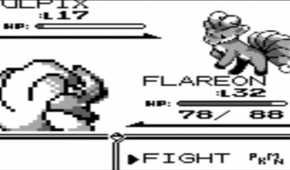
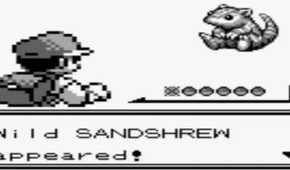
Pokémon Blue doesn’t veer away very far from its Pokémon Red counterpart. However, it’s actually quite interesting to note that Pokémon Green was originally Pokémon Red’s companion game in Japan and Pokémon Blue was later released as a bit of a bug-fixed upgrade to Pokémon Green. North American and European releases changed course by making Pokémon Blue the official counterpart to Pokémon Red. That being said, 2004’s Game Boy Advance remakes of the original Pokémon games did return to Japan’s original game breakdown with Pokémon FireRed and LeafGreen, rather than replacing the latter with WaterBlue or some equivalent.
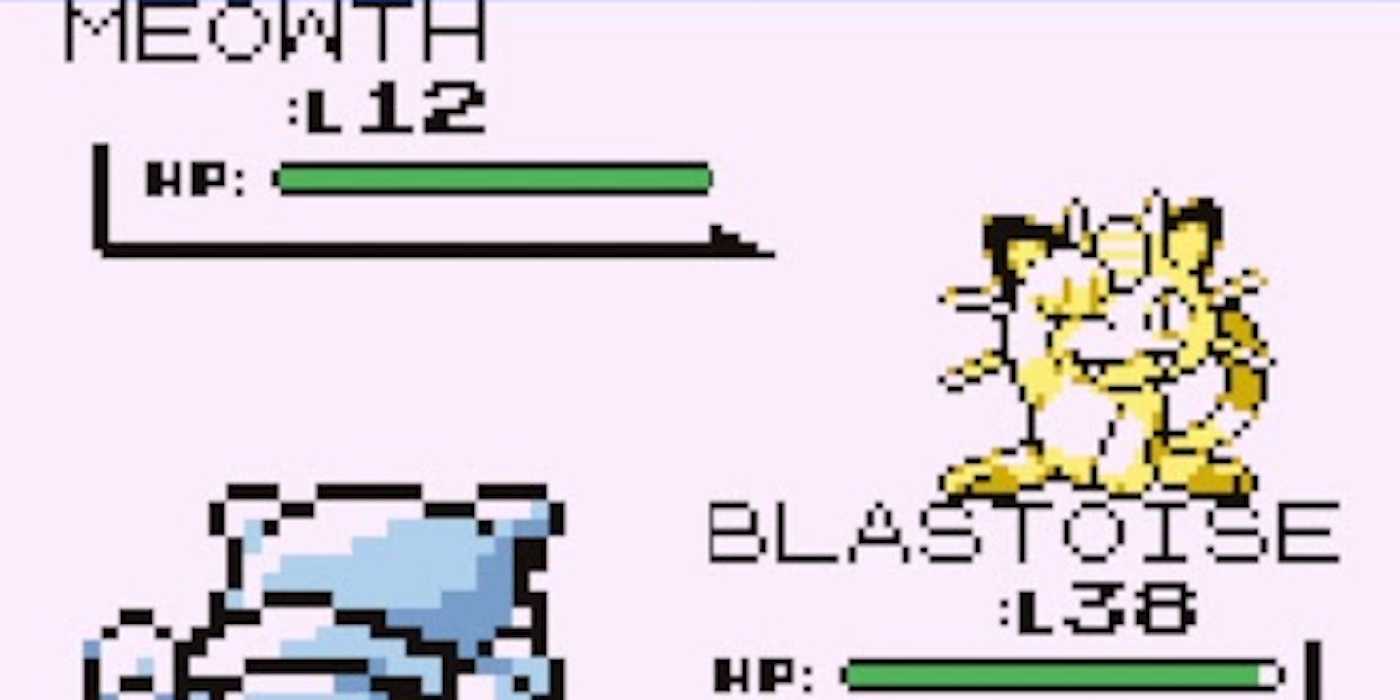
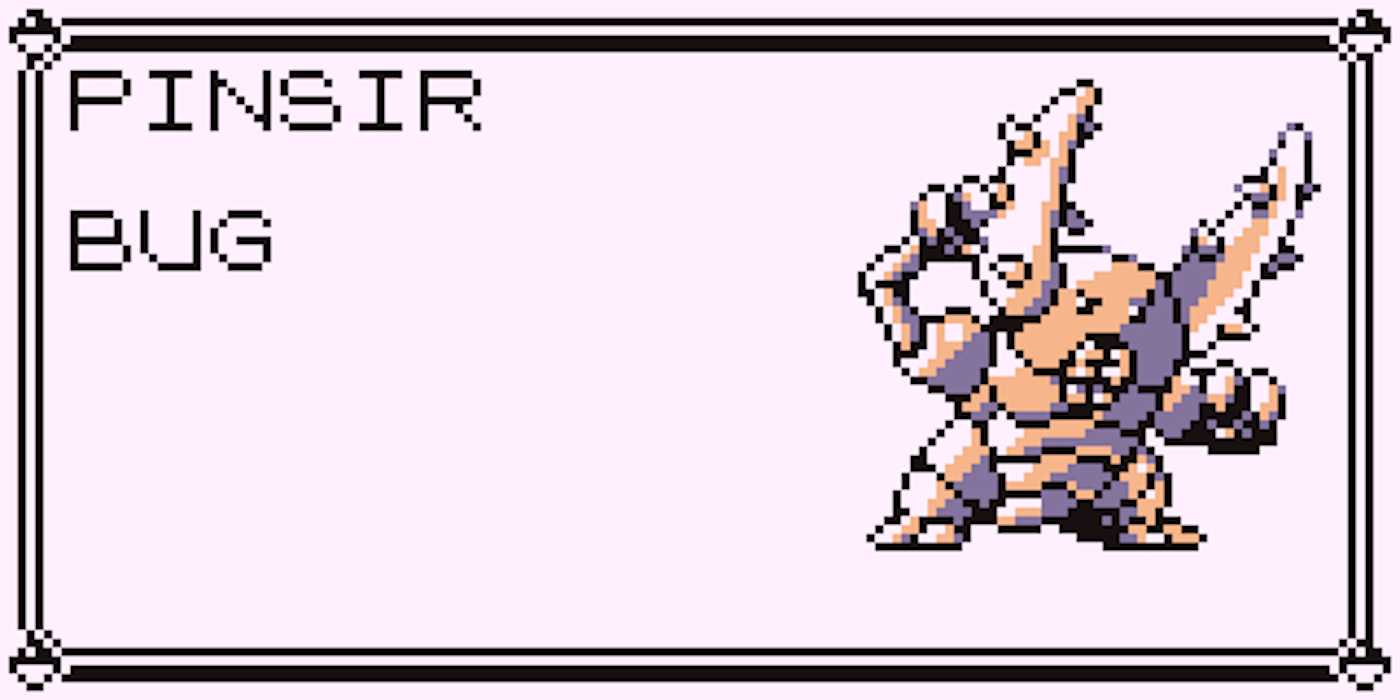
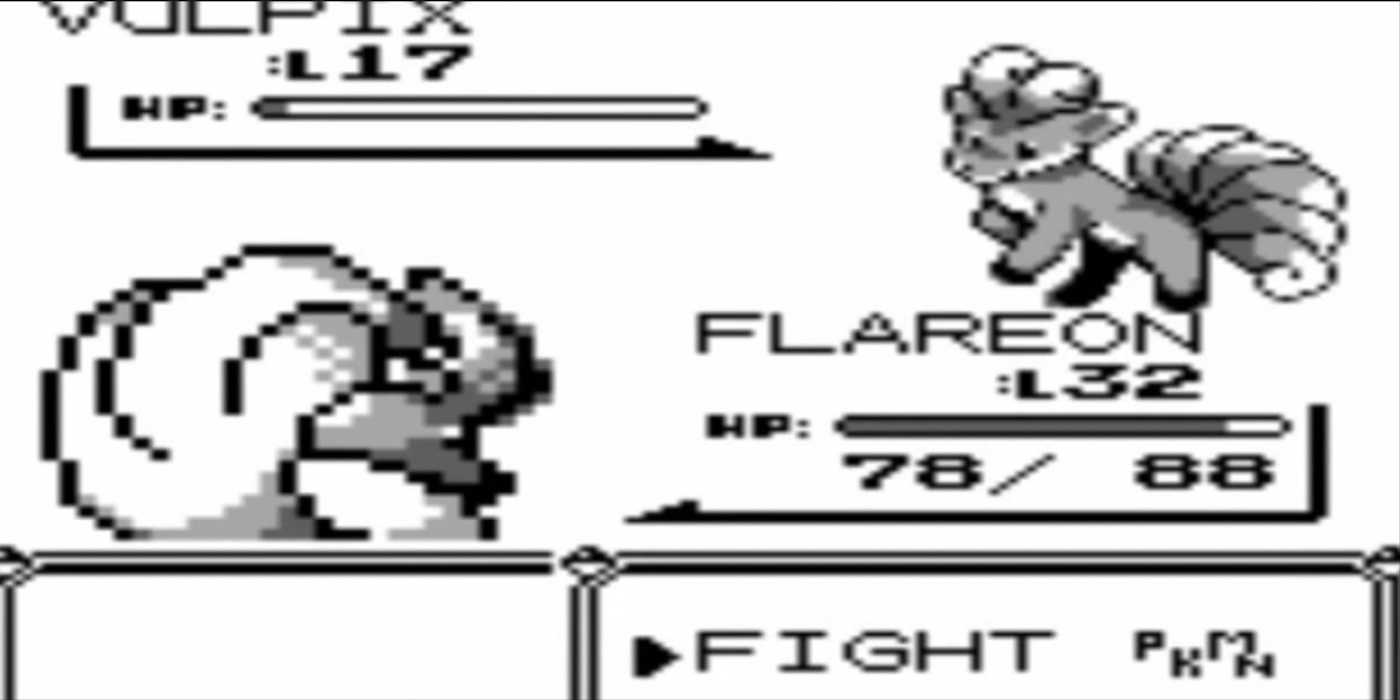
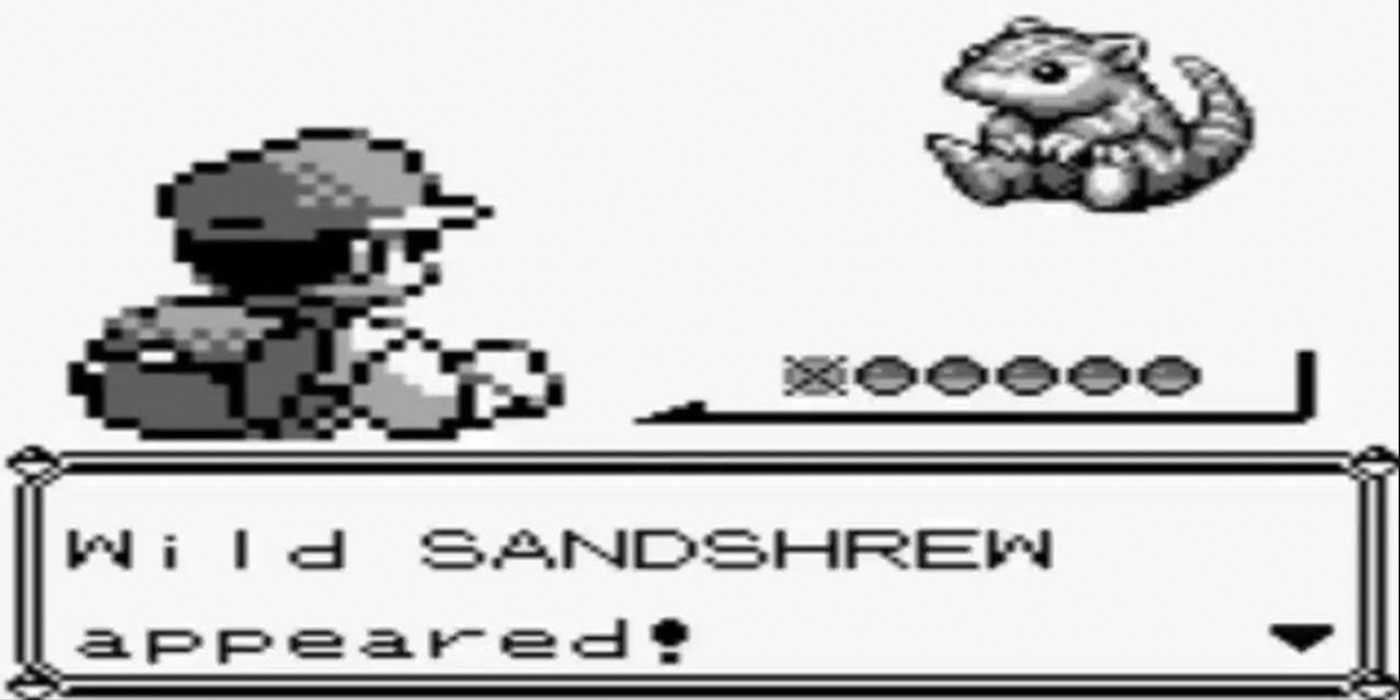
Pokémon Blue also features 11 exclusive Pokémon that can’t be obtained in Pokémon Red. It would have been easy to give one of these Pokémon games a slightly higher or lower number of exclusive Pokémon to give one an advantage over the other. However, it’s appreciated that these two titles do their best to be equal when it comes to their exclusive Pokémon breakdowns. Pokémon Blue’s exclusive Pokémon are Sandshrew, Sandslash, Bellsprout, Weepinbell, Victreebel, Meowth, Persian, Vulpix, Ninetales, Magmar, and Pinsir.
This Pokémon breakdown bears a lot in common with Pokémon Red's mix. For instance, Bellsprout, Weepinbell, and Victreebel are all Grass- and Poison-Type Pokémon, just like Pokémon Red's Oddish evolutionary line. Vulpix and Ninetales are both Fire-Type Pokémon that require the use of the Fire Stone in order to evolve, just like Pokémon Red's Growlithe and Arcanine. Additionally, Pokémon Blue's Pinsir is an aggressive Bug-Type Pokémon that's seen as a counterpart to Scyther.
Pokémon Blue's exclusive Pokémon feature more Ground- and Normal-Type representation than Pokémon Red, but each of these games' exclusive creatures collectively cover six different types of Pokémon. Once again, these different Pokémon and their value come down to personal preference, but Meowth's prominent representation in the Pokémon anime makes it a fun Pokémon to frequently encounter in the wild.
What Other Features Are Exclusive To Each Pokémon Game?


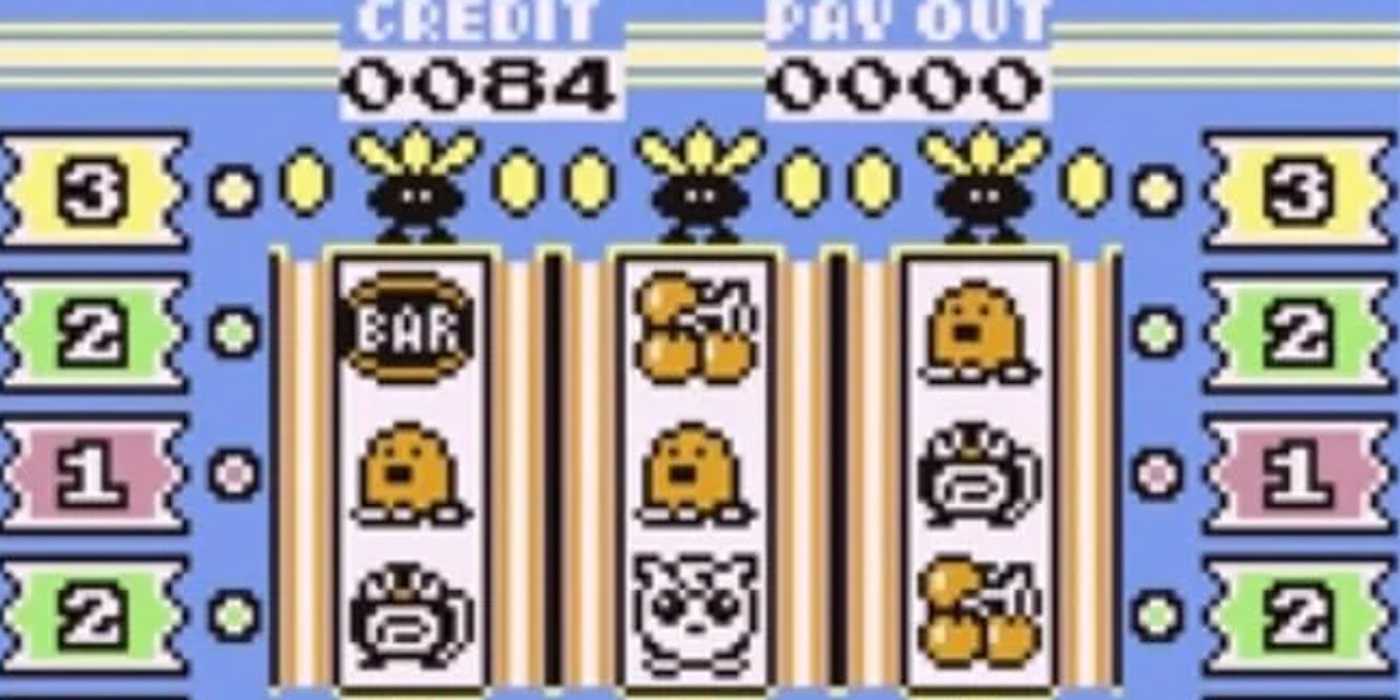
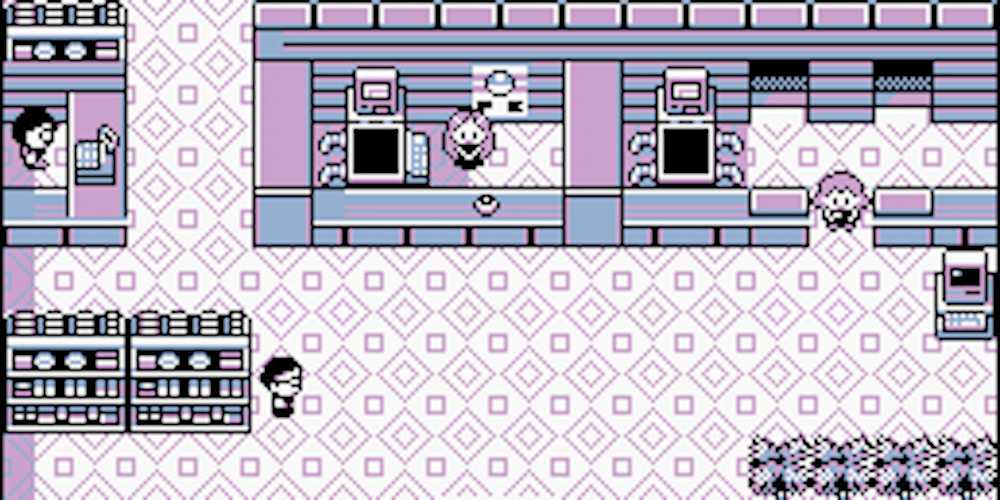
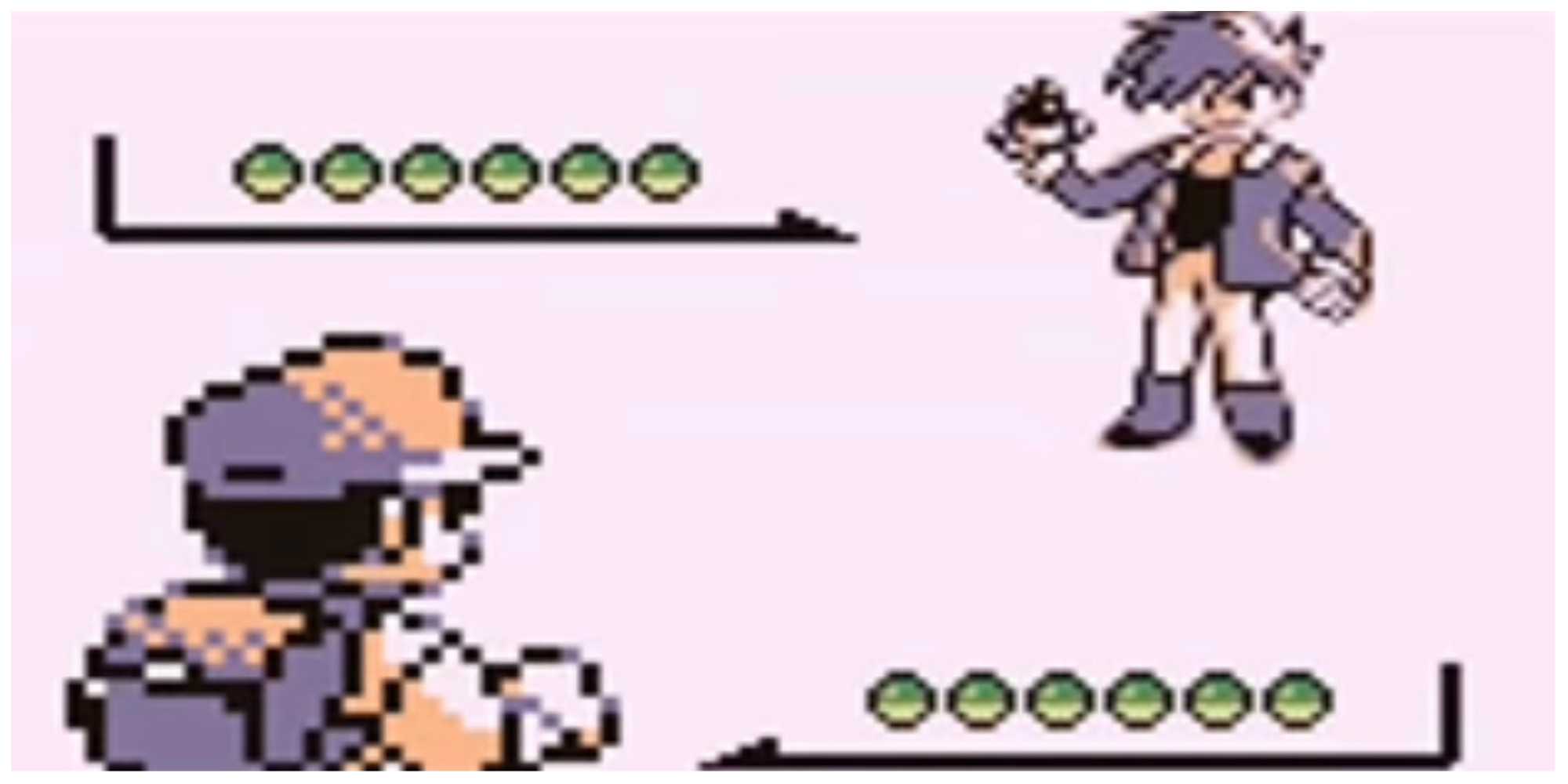

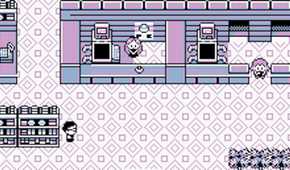


Pokémon Red and Blue feature distinct Pokémon line-ups. However, these aren’t the only differences between the two games. Celadon's Game Corner is a fun mini-game-like fixture in Pokémon Red and Blue where players can gamble on a slot machine and have the potential to win special Pokémon, some of which can't be acquired anywhere else, like Porygon. Each Pokémon prize costs a different amount of Game Corner coins and there are some major discrepancies in this department between Pokémon Red and Blue.
For example, Clefairy is only 500 coins in Pokémon Red, but 750 in Pokémon Blue. Alternatively, Dratini is 2800 coins in Pokémon Red, but 4600 coins in Pokémon Blue. Abra costs 120 coins in Pokémon Blue but is 180 coins in Pokémon Red. Pokémon Red's exclusive Pokémon, Scyther, is 5550 coins, but Pokémon Blue's counterpart, Pinsir, is only 2500. The biggest difference here is that Porygon requires a huge total of 9999 coins to obtain in Pokémon Red, but is substantially less in Pokémon Blue at only 6500 coins.
The one silver lining here is that Pokémon Red and Blue deliver these Pokémon at different starting levels and those that cost more are at least at a higher level. This is advantageous for anyone who wants to use these Pokémon in battle, but it's frustrating for those who merely want to acquire these Pokémon so that they can check them off their Pokédex.
There are also a few less substantial differences between Pokémon Red and Blue that apply more to the games’ presentations. Pokémon Red’s intro sequence has a Gengar fighting against a Nidorino, whereas Pokémon Blue’s includes a Gengar battling against a Jigglypuff. There’s also a different roster of Pokémon that cycle out next to the game’s trainer on the start screen.
Finally, the suggested player names in both titles are also slightly different, albeit complementary. Pokémon Red suggests the names Red, Ash, and Jack, while Pokémon Blue recommends Blue, Gary, or John, the likes of which are reversed for each game’s respective rival. This is an interesting change because, on some level, it indicates that Pokémon Blue stars Gary Oak, which would be a compelling angle for the game.
Which Game Is Better Between Pokémon Red & Blue?



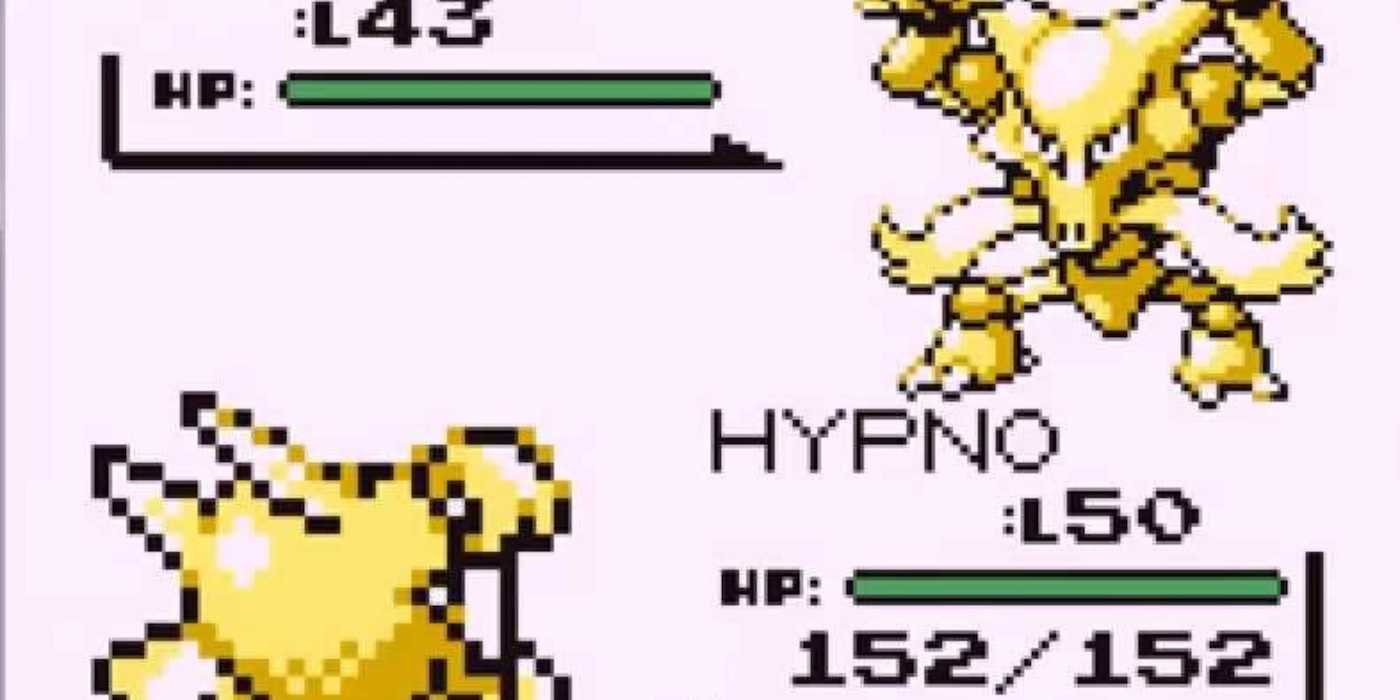
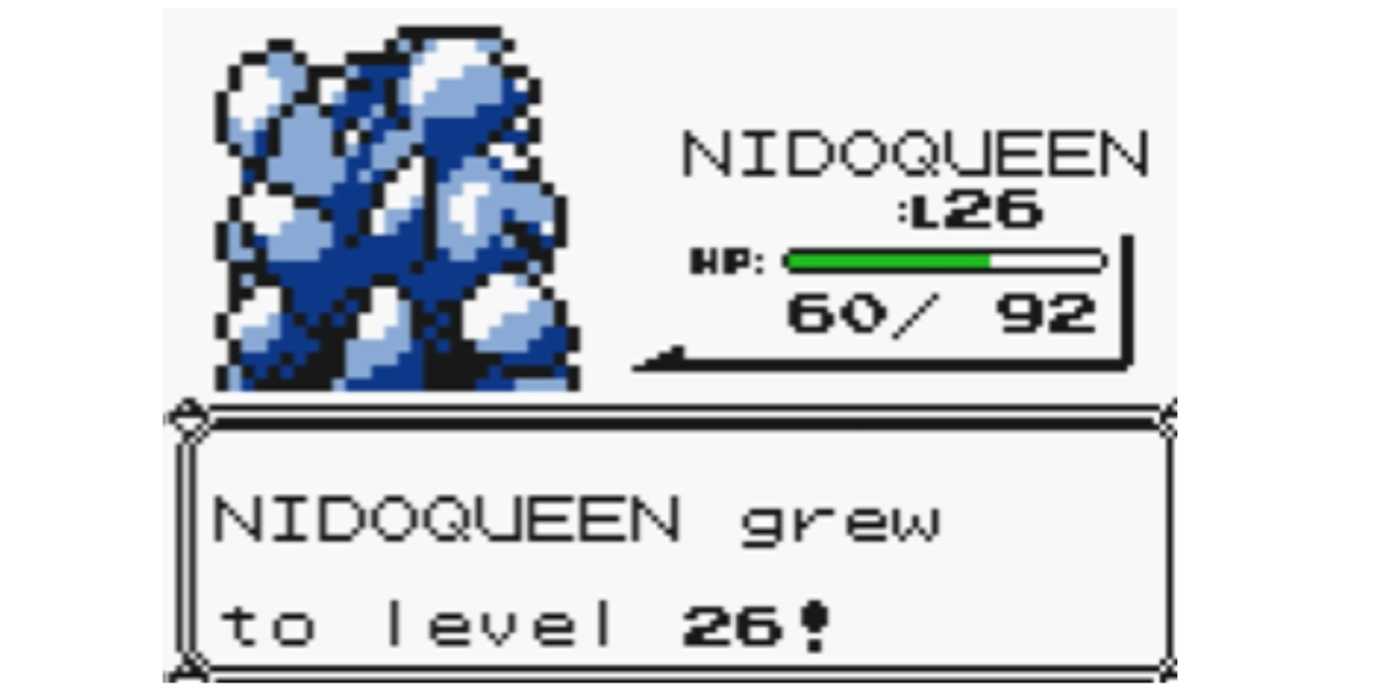
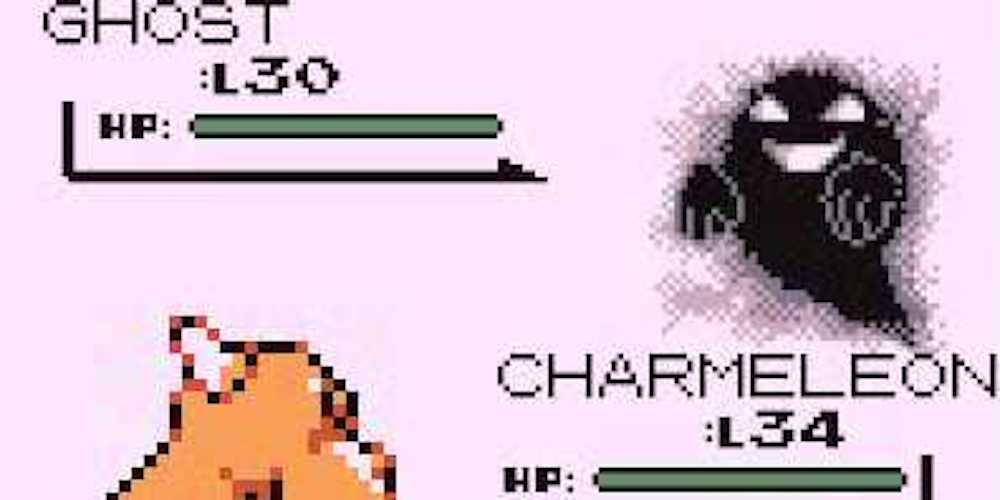
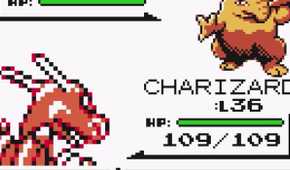
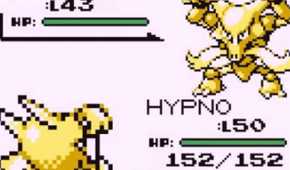
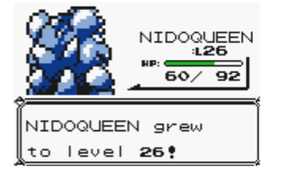
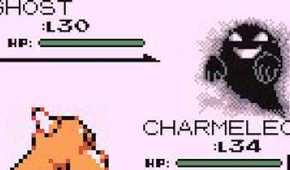
Pokémon Red and Blue works hard for each game to be properly balanced and there’s not really one title that’s better than the other. That being said, Pokémon Blue does provide a slightly easier experience if that’s what a player is looking for in their Pokémon adventure. Other players may welcome a more punishing challenge when it comes to their Pokémon battles. The explanation for this is that the base stats for Pokémon Blue’s exclusive Pokémon are typically higher than those that are exclusive to Pokémon Red. Additionally, many of Pokémon Blue’s exclusive Pokémon are considered to be superior to their Pokémon Red counterparts, although this isn’t true for all cases.
Sandshrew and Sandslash are considered to be superior to Ekans and Arbok. Bellsprout, Weepinbell, and Victreebel are stronger than Oddish, Gloom, and Vileplume. Pokémon Blue’s Meowth and Persian are also superior to Pokémon Red’s Mankey and Primeape, while Pinsir is also better than Scyther, despite how the latter is a dual Pokémon type. However, Pokémon Red still holds some advantages over Pokémon Blue. Growlithe and Arcanine are stronger than Vulpix and Ninetales and Electabuzz is definitely better than Magmar. These unique Pokémon breakdowns also make a difference when it comes to the games’ Gyms and the specific Pokémon parties the player faces.
How Does Pokémon Yellow Change The Equation?



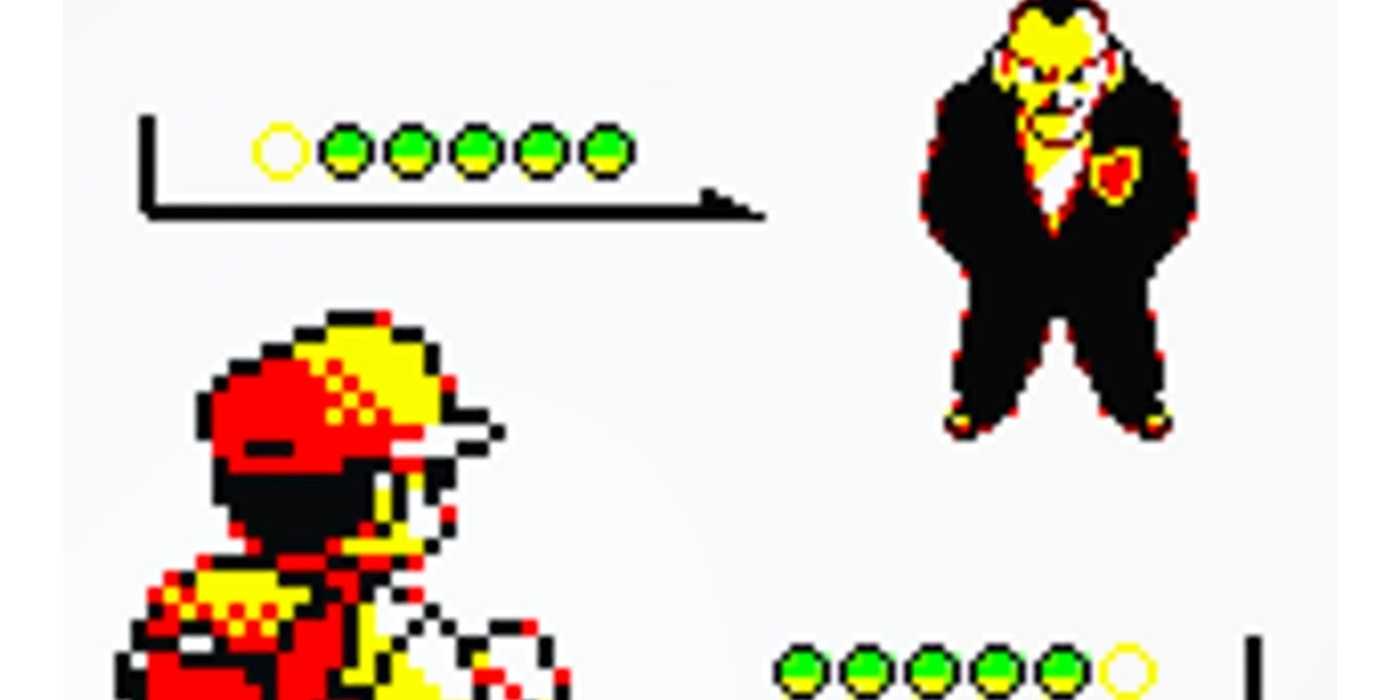






Pokémon Red and Blue are satisfying pieces of a whole, but it’s also worth bringing Generation I’s third entry – Pokémon Yellow – into the discussion. Pokémon Yellow features several changes and updates to Pokémon Red and Blue, many of which attempt to have the game better mirror the Pokémon anime’s events. This makes a lot of sense considering that the Pokémon anime pushed many fans to check out the games, some of whom were confused when they didn’t see Ash, Pikachu, and other prominent anime characters.
Pokémon Yellow also features a different breakdown of obtainable Pokémon that’s more of a mix between Pokémon Red and Blue, rather than just copying one or the other. Pokémon Yellow’s unobtainable Pokémon are Weedle, Kakuna, Beedrill, Ekans, Arbok, Raichu, Meowth, Persian, Koffing, Weezing, Jynx, Elctabuzz, Magmar, and Mew. Curiously, this selection excludes many Pokémon who are associated with Team Rocket in the anime, like Ekans, Arbok, Koffing, Weezing, Meowth, and Persian. This also further incentivizes trading with both Pokémon Red and Blue in order for Pokémon Yellow players to complete their Pokédex.
The other biggest difference in Pokémon Yellow is that the player begins with Pikachu as their starter companion, who’s also unable to evolve into Raichu, has a new cry, and a rudimentary friendship system where the player can check in on their temperament. Bulbasaur, Squirtle, and Charmander – Pokémon Red and Blue’s Starter Pokémon – can also all be obtained in the game through various side-quests, which can result in a truly intimidating Pokémon party. The other changes and differences in Pokémon Yellow are somewhat more perfunctory and cosmetic, but they further separate the title from its Generation I counterparts.
The game’s Pokémon, trainers, and overworld have updated graphics and designs, as well as slightly altered Pokédex entries and move-sets for many creatures. There are altered story events and dialogue changes, as well as greater Team Rocket representation, to further connect Pokémon Yellow to the anime. The game’s emphasis on Pikachu also leads to an additional Pikachu’s Beach mini-game at Sea Route 19, which isn’t mandatory, but a fun way to pass the time. Some may consider Pokémon Yellow to be the definitive Generation I experience, but each game’s subtle differences are a testament to why each of these releases have massive fandoms and there’s no clear winner within the lot.
- Released
- September 28, 1998
- ESRB
- Everyone
- Developer(s)
- Game Freak
- Publisher(s)
- Nintendo
- Franchise
- Pokemon
- Number of Players
- 1-2


Pokémon Blue is the game that started it all. Developed by newcomers Game Freak and published by Nintendo, Pokémon Blue and Red released in 1996 and would spawn one of the most successful video game franchises of all time. Pokémon Blue would be the game accredited with bringing RPGs to the West. The game was immediately met with high praise and seemingly overnight the Pokémon brand was born. This brand has since become a multi billion-dollar franchise. To this day we’ve seen Pokémon merchandise, trading cards, movies, television shows and much, much more. So what made the original game so special?
First and foremost it was like nothing anyone’s seen before. Everything from the catching system to the battle system was refreshing. Pokémon Blue was addicting due to its ability to make collectors out of us all. The ability to trade with players via cable was ingenious. Suddenly classrooms were filled with students obsessed with trading their newest creatures. And so the Pokémon craze began. Although the goal of catching them all was a huge achievement, the main attraction was battling with friends via the aforementioned cable. The ability to link handheld gaming consoles was groundbreaking at the time.
The music introduced in Blue is truly iconic and one of the best features the game has to offer. The audio quality is below average. However the charm and unique melodies are on full display. A similar phenomenon occurred with the graphics aspect. The visuals are far from stunning yet they are endearing to all who lay their eyes on the game. The 8-bit graphics had a magical way of demanding your appreciation. What made these games so appealing was their ability to draw in beginners and hardcore gamers alike. There is no doubt in my mind that Pokémon is responsible for creating countless new gamers that would not have embraced the world of video games if it weren’t for the masterpiece that is Pokémon Blue.
- Genre(s)
- RPG

