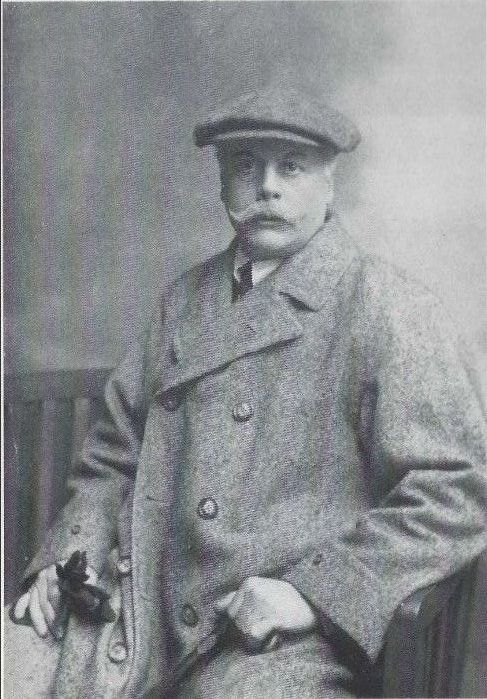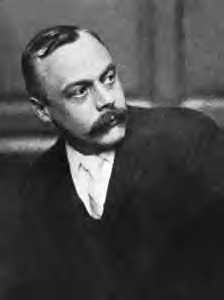
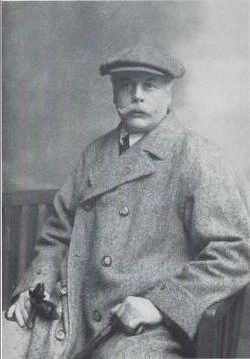
Author. Remembered for his children's classic, "The Wind in the Willows" (1908). Born in Edinburgh, Scotland, he was the third child of a lawyer from an old Scottish family. His father was an alcoholic, and when his mother died of scarlet fever, the children were raised by their maternal grandparents in the village of Cookham Dene, which later proved to be the setting of "The Wind in the Willows." After being educated at St. Edward's School in Oxford, Grahame began his career as a clerk for the Bank of England. He had wanted to attend Oxford University, but his grandparents could not afford it. To supplement his income, he began to write short stories for publication in various reading magazines, with his first stories about a group of orphaned children published in 1893. Many of his stories centered on a fictional family with five children whose adventures he had based upon his own childhood. His most famous short story, "The Reluctant Dragon" was published in 1898. Grahame was promoted to Bank Secretary, and in 1899, he married Elsbeth Thomson. Grahame wrote his famous classic, "The Wind in the Willows" in part as a series of letters to his only child, Alistair, finally combining the letters with more writings into a book in 1908. That same year, he retired from his bank work due to illness. His marriage had been an unhappy one, and when his only child committed suicide in 1920 while studying for his undergraduate degree at Oxford University, he stopped writing altogether. "The Wind in the Willows" was not an immediate success, but when playwright and author A.A. Milne (author of "Winnie the Pooh" fame) rewrote it for the stage as "Toad of Toad Hall" in 1930, it became very popular. Following Alastair's death, Grahame and his wife would spend long periods in Italy avoiding family and friends. He died from a cerebral haemorrhage at his home in Pangbourne, England, on July 6, 1932.
Author. Remembered for his children's classic, "The Wind in the Willows" (1908). Born in Edinburgh, Scotland, he was the third child of a lawyer from an old Scottish family. His father was an alcoholic, and when his mother died of scarlet fever, the children were raised by their maternal grandparents in the village of Cookham Dene, which later proved to be the setting of "The Wind in the Willows." After being educated at St. Edward's School in Oxford, Grahame began his career as a clerk for the Bank of England. He had wanted to attend Oxford University, but his grandparents could not afford it. To supplement his income, he began to write short stories for publication in various reading magazines, with his first stories about a group of orphaned children published in 1893. Many of his stories centered on a fictional family with five children whose adventures he had based upon his own childhood. His most famous short story, "The Reluctant Dragon" was published in 1898. Grahame was promoted to Bank Secretary, and in 1899, he married Elsbeth Thomson. Grahame wrote his famous classic, "The Wind in the Willows" in part as a series of letters to his only child, Alistair, finally combining the letters with more writings into a book in 1908. That same year, he retired from his bank work due to illness. His marriage had been an unhappy one, and when his only child committed suicide in 1920 while studying for his undergraduate degree at Oxford University, he stopped writing altogether. "The Wind in the Willows" was not an immediate success, but when playwright and author A.A. Milne (author of "Winnie the Pooh" fame) rewrote it for the stage as "Toad of Toad Hall" in 1930, it became very popular. Following Alastair's death, Grahame and his wife would spend long periods in Italy avoiding family and friends. He died from a cerebral haemorrhage at his home in Pangbourne, England, on July 6, 1932.
Bio by: Kit and Morgan Benson
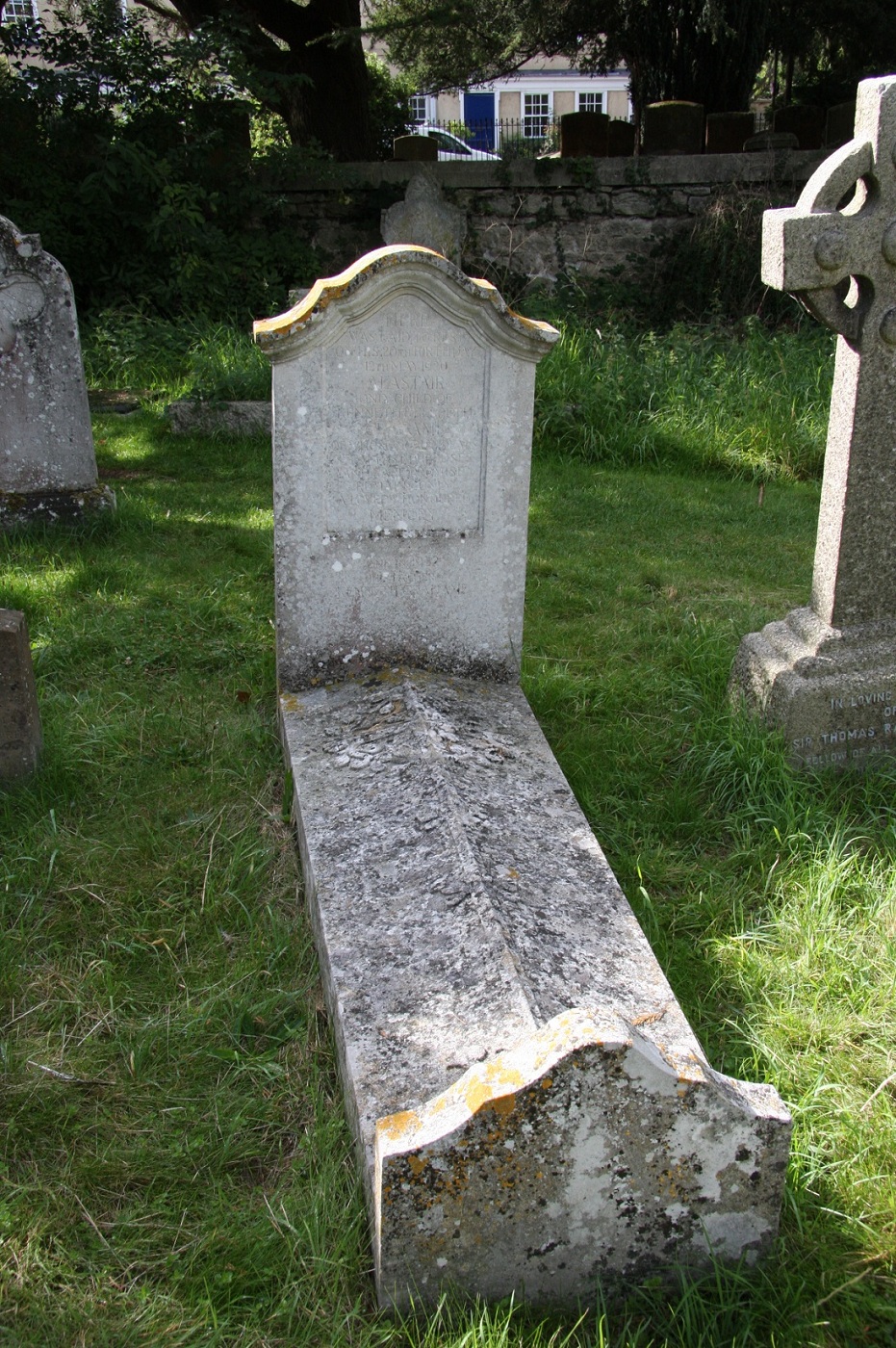
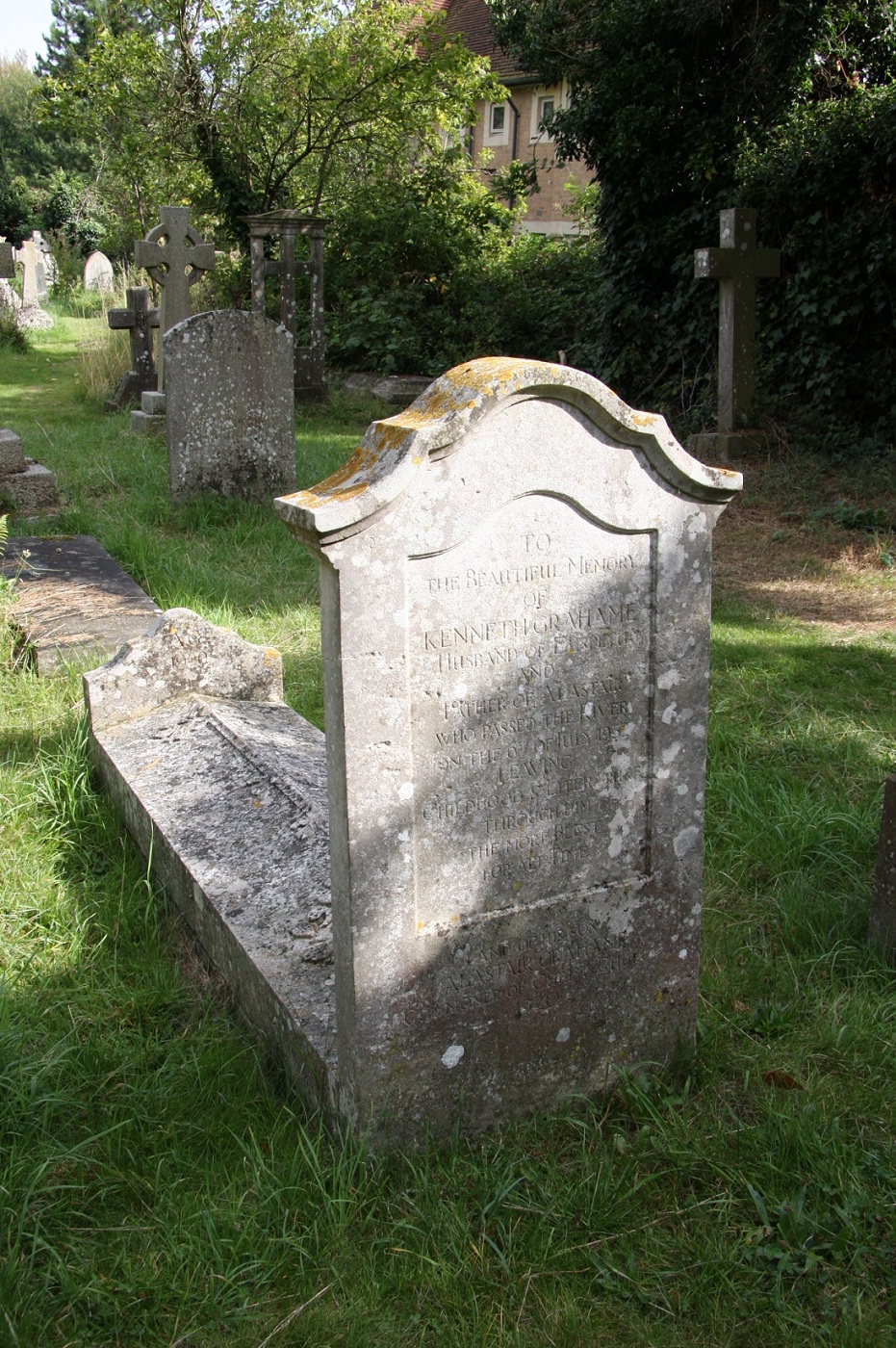
Inscription
(East side:)
Here
was laid to rest
on his 20th birthday
12th May 1920
Alastair
Grahame
only child of
Kenneth & Elspeth
Grahame
of whose noble ideals
steadfast purposes
and rare promise
remains only
a loved & honoured
memory
And in 1932
his father
Kenneth Grahame
(West side:)
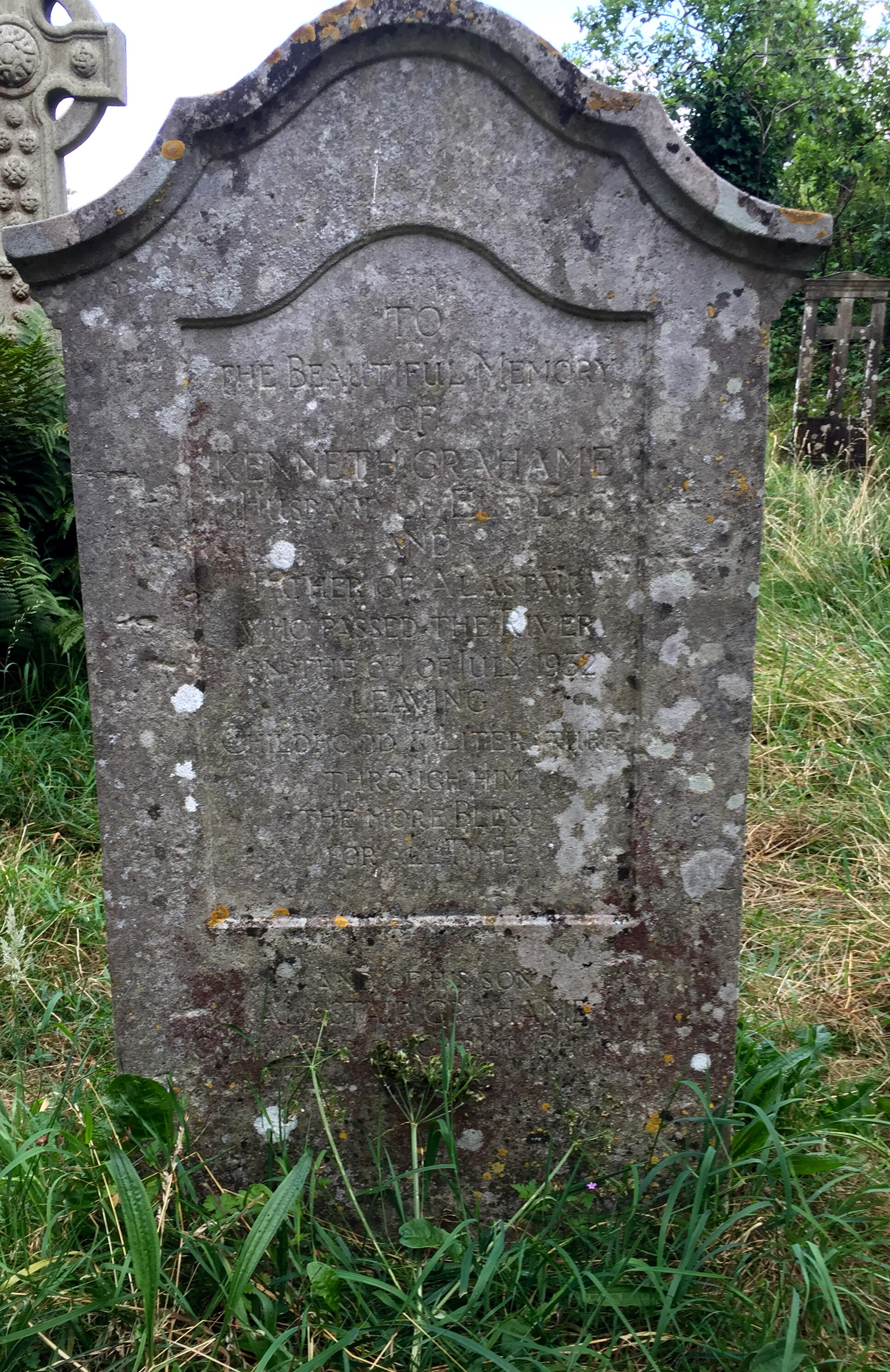
To
the beautiful memory
of
Kenneth Grahame
husband of Elspeth
and
father of Alistair
who passed the river
on the 6th of July 1932
leaving
childhood & literature
through him
the more blest
for all time
And of his son
Alistair Grahame
Commoner of Christ Church
1920
Gravesite Details
Headstone consists of Portland Stone, a type of limestone.