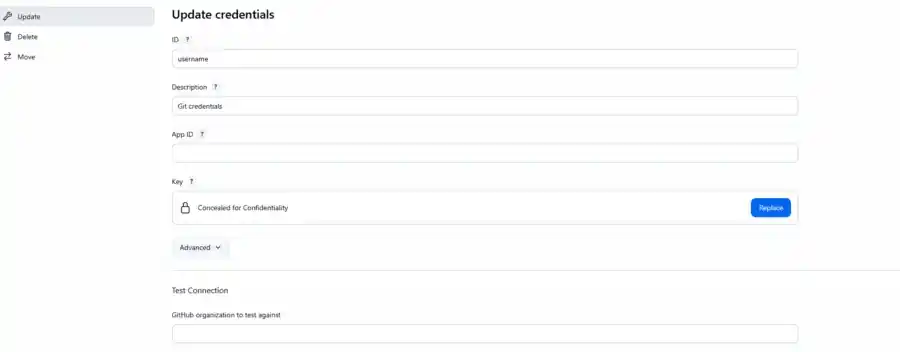
Adding Git credentials to Jenkins securely stores authentication details so Jenkins can access Git repositories. It allows Jenkins to clone, pull, or push code during automated build and deployment processes.
- Stores credentials like username/password or SSH keys securely in Jenkins
- Enables Jenkins to connect with private Git repositories
- Used in pipelines and jobs for automated code fetching
- Improves security by avoiding hardcoding credentials in scripts
Configuring Jenkins Credentials For Git
Step 1: Open Jenkins Dashboard
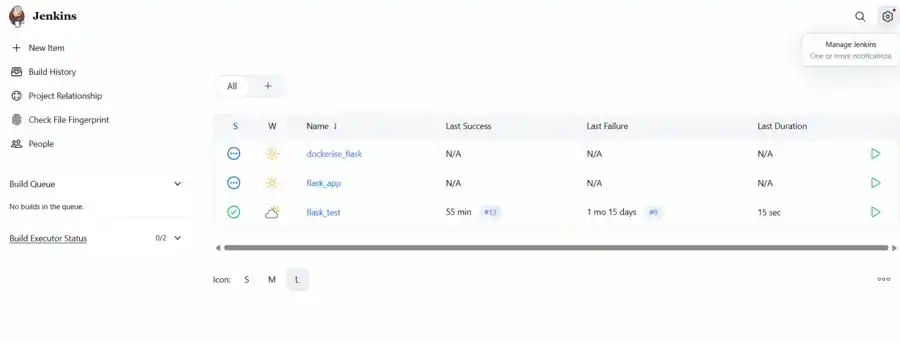
Open the Jenkins Dashboard. On the left-hand side of the screen, click on the Manage Jenkins option.
Step 2: Access Plugin Manager
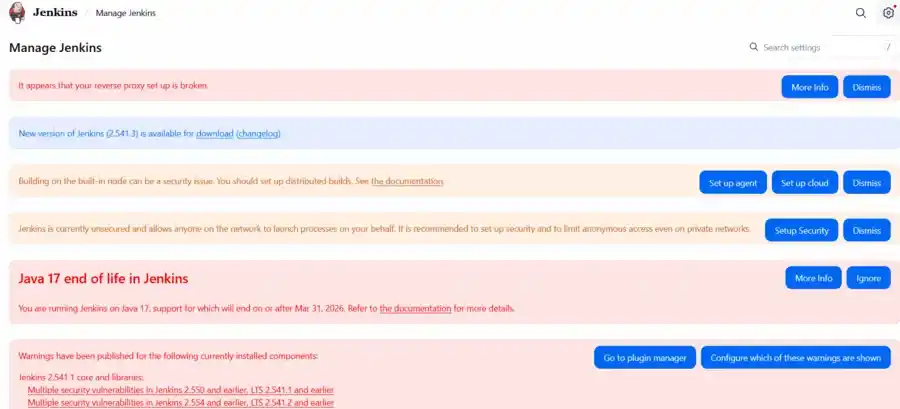
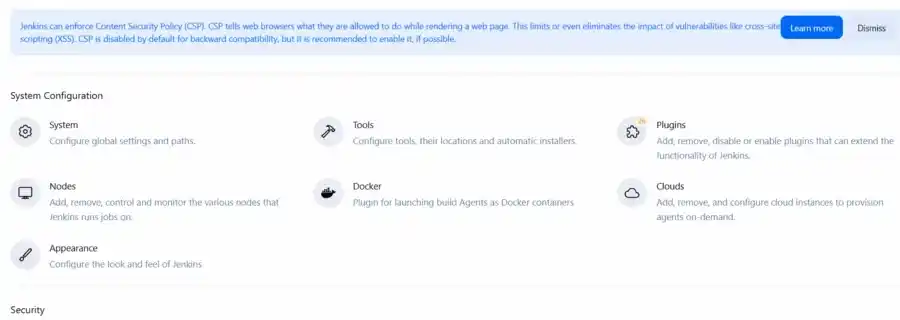
Click on Manage Plugins (or Plugins in newer versions) to manage installed plugins.
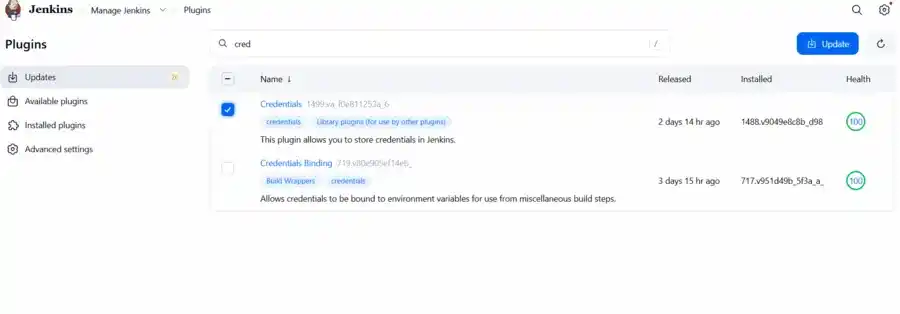
Step 3: Search for Credentials Plugin
Go to the Available tab and search for Credentials in the search bar.
Step 4: Install Credentials Plugin
Select and install the Credentials Plugin (usually pre-installed in modern Jenkins).
Step 5: Open Credentials Section
Return to the Jenkins Dashboard and click on Manage Jenkins again. Scroll down to the Security section and click on Credentials (or Manage Credentials).
Step 6: Select Global Domain
In the Credentials screen, look for the Stores scoped to Jenkins section. Click on the (global) domain link located next to the Jenkins store.
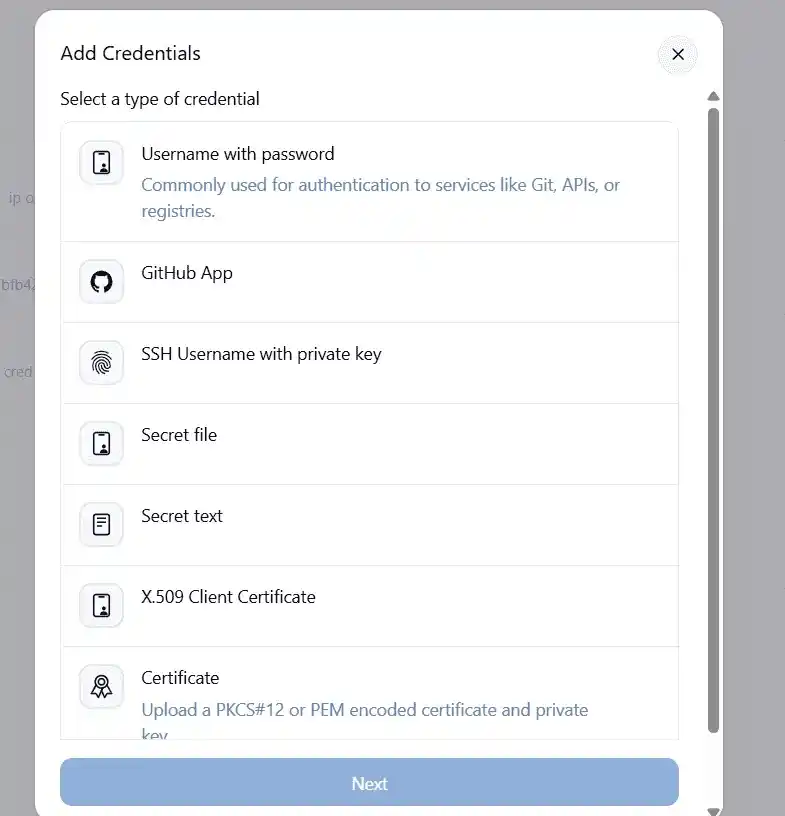
Step 7: Add New Credentials
On the Global Credentials page, look at the left-hand menu and click on Add Credentials.

Step 8: Fill Credential Details
Select Username with password, set scope to Global, and enter Git username, password/PAT, ID (optional), and description.
- Kind: Select Username with password. This is the standard and most reliable method for basic repository authentication.
- Scope: Select Global. This ensures that the credentials can be accessed by any Jenkins job or pipeline. (Selecting a restricted scope might cause permission errors during your builds).
- Username: Enter the username associated with your Git hosting account (e.g., your GitHub username).
- Password: Enter your account password or your Personal Access Token (PAT).
- ID: You can leave this blank. Jenkins will automatically generate a unique ID string for these credentials. Alternatively, you can type a custom name (like
github-creds) to easily identify it in your pipelines. - Description: Enter a clear description, such as "GitHub Login Credentials," so you know exactly what this account is used for.
Step 9: Save Credentials
Click the OK or Create button at the bottom of the screen to save the details.
Step 10: Verify Credentials
You will be redirected back to the Global Credentials page. You will now see your newly added Git credentials listed in the table.