
Caching temporarily stores frequently accessed data to speed up future requests. It helps APIs handle more traffic, respond faster, reduce server load, and improve scalability and reliability.
Let's understand this with the help of Diagram:
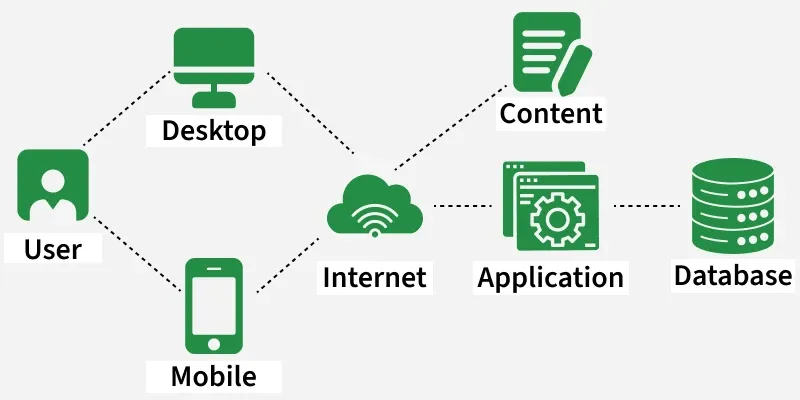
Importance of caching in API
Caching plays a crucial role in API system design for several reasons:
- Improved Performance: Caching stores frequently accessed data closer to the user, reducing the time needed to retrieve this data. This leads to faster response times and a better user experience.
- Reduced Server Load: By serving cached responses, the number of requests hitting the server is reduced. This decreases the load on the server, allowing it to handle more requests and perform better under high-traffic conditions.
- Enhanced Scalability: Caching helps systems scale more effectively by handling increased traffic without a proportional increase in server resources. This makes it easier to manage growth and ensures consistent performance as user demand grows.
- Increased Availability: In case of server failures or network issues, cached data can still be served to users, improving the overall availability and reliability of the system.
- Reduced Latency: Data retrieval from a cache is typically faster than querying a database or an external service, thus reducing latency and improving the responsiveness of the application.
How Caching API Improves Performance
Caching APIs can significantly improve performance in system design by addressing several key factors:
1. Faster Data Retrieval:
Cached data is stored in a location that is quicker to access than the primary source, reducing response time. This ensures faster retrieval and improves overall API performance.
2. Reduced Database Load:
Serving repeated requests from the cache decreases database queries, freeing up resources. This allows the database to handle more complex operations efficiently.
3. Minimized Network Latency:
Accessing cached data involves fewer network hops than fetching from remote servers. This reduces latency and speeds up API responses.
4. Enhanced Throughput:
With caching, responses are served faster, allowing the system to handle more requests per second. This improves overall capacity and supports higher traffic.
5. Improved User Experience:
Faster, reliable responses make applications feel more responsive. Users experience fewer delays or timeouts, enhancing satisfaction.
6. Resource Optimization:
Caching reduces computational and database load, enabling more efficient use of hardware and servers. This can lead to cost savings and better system efficiency.
7. Decreased API Rate Limiting:
By serving frequent requests from the cache, the number of direct API calls drops. This helps manage rate limits and ensures smoother API availability.
8. Scalability:
Cached data can be distributed across multiple servers or regions, making it easier to handle increased load. This supports horizontal scaling without major infrastructure changes.
Overall, caching APIs is a powerful strategy in system design that enhances performance by speeding up data access, reducing server load, and optimizing resource usage, leading to a more efficient and scalable system.
How Caching API Reduces Server load?
Caching APIs reduces server load in system design through several mechanisms:
- Serving Repeat Requests from Cache:
Cached data is served directly for repeated requests, reducing server operations. This speeds up responses and lowers backend workload. - Decreasing Database Queries:
Query results stored in cache reduce database access. This frees up resources and improves overall performance. - Reducing Computational Work:
Complex calculations cached prevent repeated processing. This saves CPU and memory for other tasks. - Handling Spikes in Traffic:
Cache absorbs high request volumes during traffic spikes. This prevents server overload and maintains performance. - Efficient Use of Resources:
With fewer direct requests, servers can focus on dynamic content or maintenance tasks. This optimizes resource allocation. - Enhanced System Stability and Reliability:
By lowering server load, caching ensures consistent and reliable performance even under heavy demand.
Types of caching mechanisms commonly used in APIs
aching mechanisms are crucial for optimizing API performance, reducing server load, and enhancing user experience. Here are some common types of caching mechanisms used in APIs, along with their benefits and use cases:
1. Client-Side Caching
Browser Cache: Utilizes HTTP headers like Cache-Control, ETag, Expires, and Last-Modified to control caching behavior in the user's browser.
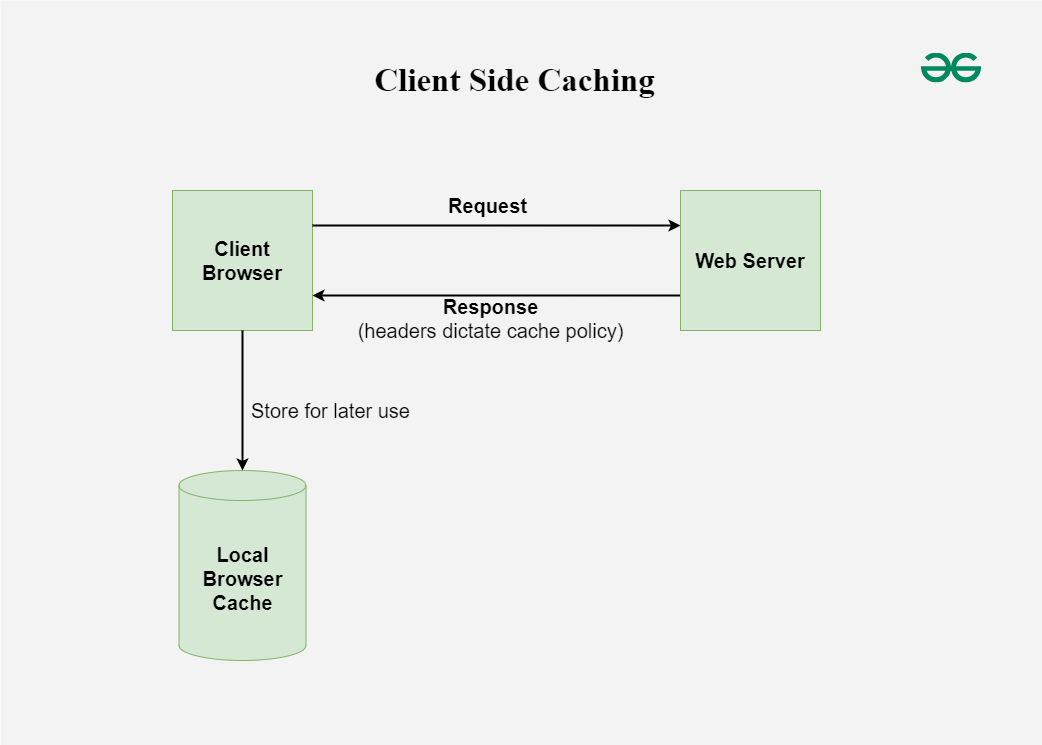
Benefits
- Reduces server load by storing responses directly on the client.
- Decreases latency since the data is fetched from the client's local storage.
Use Cases
- Static assets like images, CSS, and JavaScript files.
- API responses that change infrequently, such as user profile data.
2. Server-Side Caching
In-Memory Caches: Such as Redis or Memcached, store data in RAM for quick access.
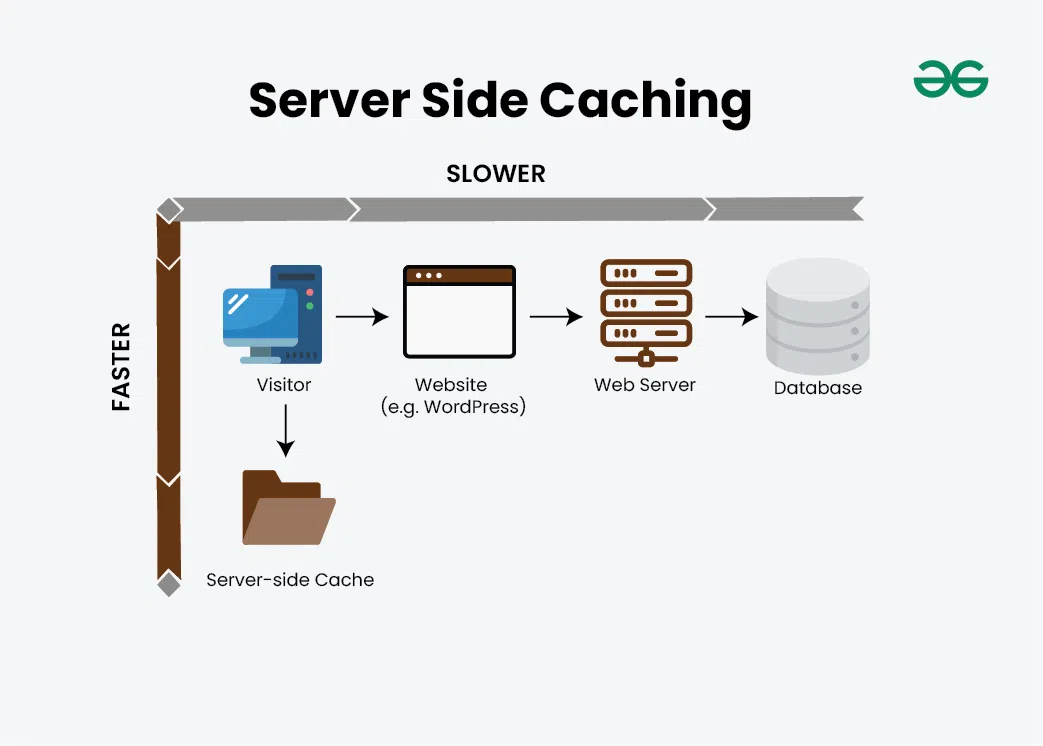
Benefits
- Reduces the need to recompute responses for repeated requests.
- Can handle a large number of requests efficiently.
Use Cases
- Frequently accessed data like product catalogs or news feeds.
- API responses that are resource-intensive to generate.
3. Reverse Proxy Caching
Nginx and Varnish: These reverse proxies can cache responses and serve them directly to clients.
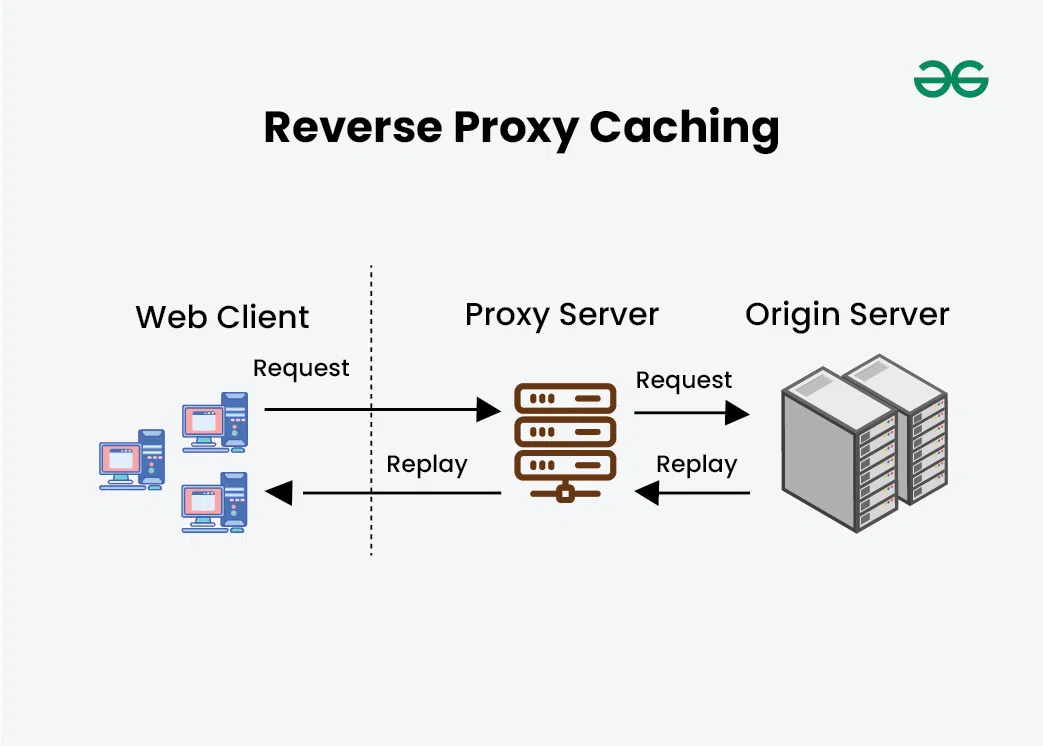
Benefits
- Caches responses at the network edge, reducing latency and load on the origin server.
- Improves response times for end-users.
Use Cases
- Publicly accessible APIs with high traffic volumes.
- Content delivery networks (CDNs) for static and dynamic content.
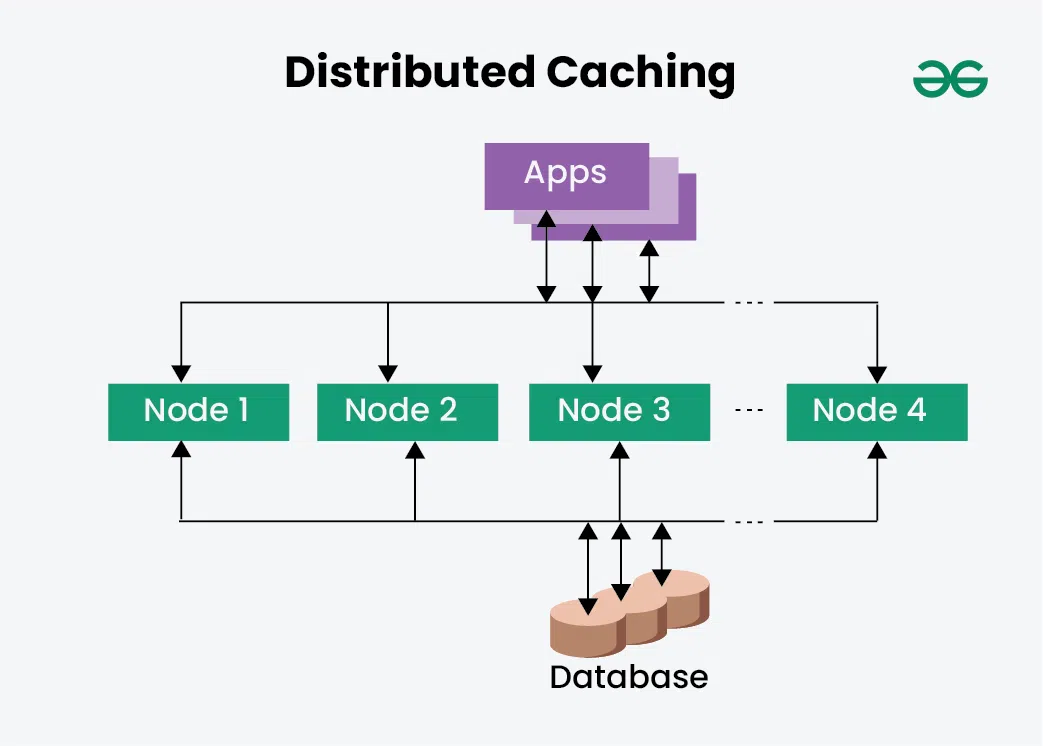
4. Distributed Caching
Couchbase, Amazon ElastiCache: These services offer distributed caching solutions.
Benefits
- Spreads the cache across multiple nodes, improving scalability and fault tolerance.
- Maintains data availability in the event that a node fails.
Use Cases
- Large-scale applications with significant amounts of data to cache.
- Systems requiring high availability and reliability.
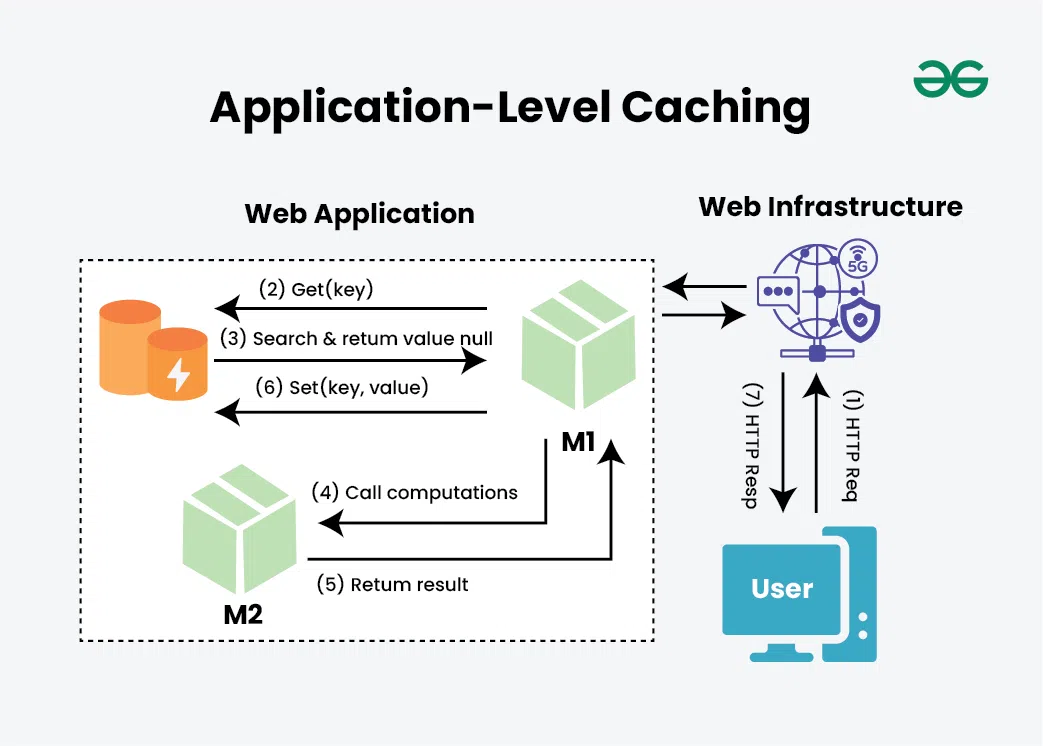
5. Application-Level Caching
Local Caches in Application Code: Implemented using data structures like hashmaps or libraries like Guava for Java.
Benefits
- Customizable caching strategies based on application logic.
- Can be integrated directly into the application code.
Use Cases
- Specific parts of an application that require fine-grained control over caching.
- Scenarios where data validity and freshness need to be closely managed.
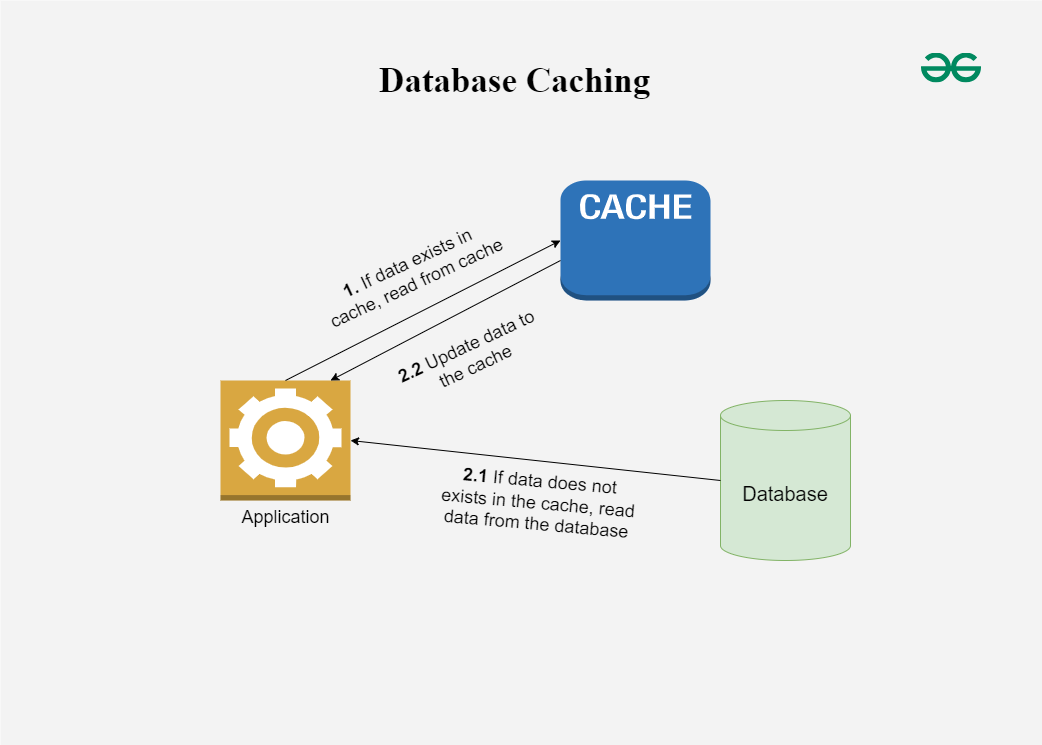
6. Database Caching
Database Cache Systems: Like Redis or Memcached used alongside the database to store query results.
Benefits
- Offloads database queries, improving database performance.
- Can cache query results or specific database rows.
Use Cases
- Frequently queried database tables.
- Complex queries that require significant computation.
Cache-Aside and Write-Through Caching
Caching strategies are critical for optimizing performance and ensuring data consistency. Two commonly used caching strategies are Cache-Aside and Write-Through Caching. Here’s an in-depth look at each, including their benefits, use cases, and how they work.
Cache-Aside Caching
- Cache Miss: When data is requested, the application first checks the cache. If the data is not found (a cache miss), the application retrieves the data from the database.
- Cache Fill: After retrieving the data from the database, the application stores a copy in the cache for future requests.
- Subsequent Requests: For subsequent requests, the data is served from the cache, avoiding the need to query the database.
- On-Demand Loading: Only the data that is requested is cached, which can save memory and storage.
- Flexible Cache Expiration: Developers can implement custom logic for cache expiration and invalidation.
- Read-Heavy Workloads: Ideal for applications with frequent reads but infrequent writes.
- Dynamic Data: Suitable for data that changes regularly but not too frequently, allowing the cache to remain relevant for a reasonable period.
Write-Through Caching
- Write Operation: When data is written or updated, it is written to both the cache and the database simultaneously.
- Read Operation: Subsequent read requests can be served directly from the cache, as it is guaranteed to be consistent with the database.
- Data Consistency: Ensures that the cache is always consistent with the database.
- Simplified Cache Management: Simplifies the logic needed to keep the cache up-to-date.
- Write-Heavy Workloads: Suitable for applications with frequent writes, ensuring the cache stays updated.
- Critical Data Consistency: Ideal for systems where cache consistency with the database is critical.
Real-world examples
Successful caching implementations in API architectures have significantly enhanced the performance and scalability of various real-world systems. Here are a few notable examples:
1. Twitter
- Caching Strategy: Cache-Aside and In-Memory Caching
- Problem: Twitter deals with massive amounts of data, with millions of tweets being read and written every second. The need to quickly serve user timelines and handle the high read/write throughput is critical.
- Solution: Twitter uses Memcached, an in-memory caching system, to store timelines and user sessions. By caching the results of expensive database queries, Twitter can serve user requests more quickly.
- Benefits: This reduces the load on the primary database, speeds up data retrieval, and enhances the overall user experience.
2. Netflix
- Caching Strategy: Distributed Caching and Write-Through Caching
- Problem: Netflix needs to deliver video content to millions of users worldwide with minimal latency and high reliability.
- Solution: Netflix uses an open-source tool called EVCache, which is based on Memcached, to cache metadata and frequently accessed data. This distributed caching system spans multiple data centers to ensure data availability and quick access.
- Benefits: This strategy allows Netflix to serve content recommendations, user data, and other API responses quickly, ensuring a seamless viewing experience even during peak times.
3. Amazon
- Caching Strategy: Content Delivery Network (CDN) Caching and Cache-Aside
- Problem: Amazon's e-commerce platform handles an immense volume of product queries, user sessions, and transactional data.
- Solution: Amazon uses Amazon CloudFront, a CDN, to cache static assets like images, videos, and CSS files at edge locations closer to users. Additionally, they employ DynamoDB with DAX (DynamoDB Accelerator) to provide fast in-memory acceleration for read-heavy workloads.
- Benefits: This reduces latency, speeds up data access, and decreases the load on backend systems, ensuring a fast and reliable shopping experience.
