



































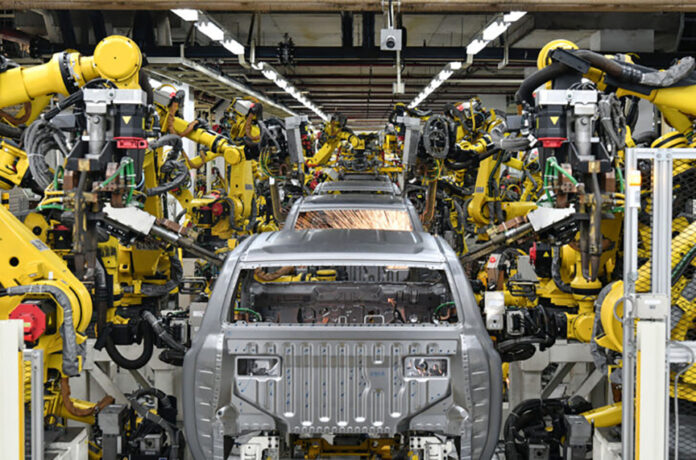
BANGKOK — Thailand’s electric vehicle (EV) market continues to flourish, with registrations up 52% year-on-year in the first half of 2025. Total investment for the production of electric vehicles, charging stations and battery facilities has exceeded $4 billion.
The EV Board, chaired by Deputy Prime Minister and Finance Minister Phicai Chunhavachira, met on July 30 to review progress in the electric vehicle industry.
According to Narit Therdsteerasukdi, Secretary General of the Board of Investment (BOI) and Secretary of the National Electric Vehicle Policy Committee (EV Board), 57,289 new battery electric passenger vehicles (BEVs) were registered in the first half of 2025, an increase of 52% compared to the same period in 2024. BEVs now account for over 15% of all new registrations, the highest rate in ASEAN.
Cumulative BEV car registrations in Thailand now exceed 203,000, while other electric vehicles on the road include 71,900 electric motorbikes, 3,800 electric buses and trucks and 1,000 electric tuk-tuks.
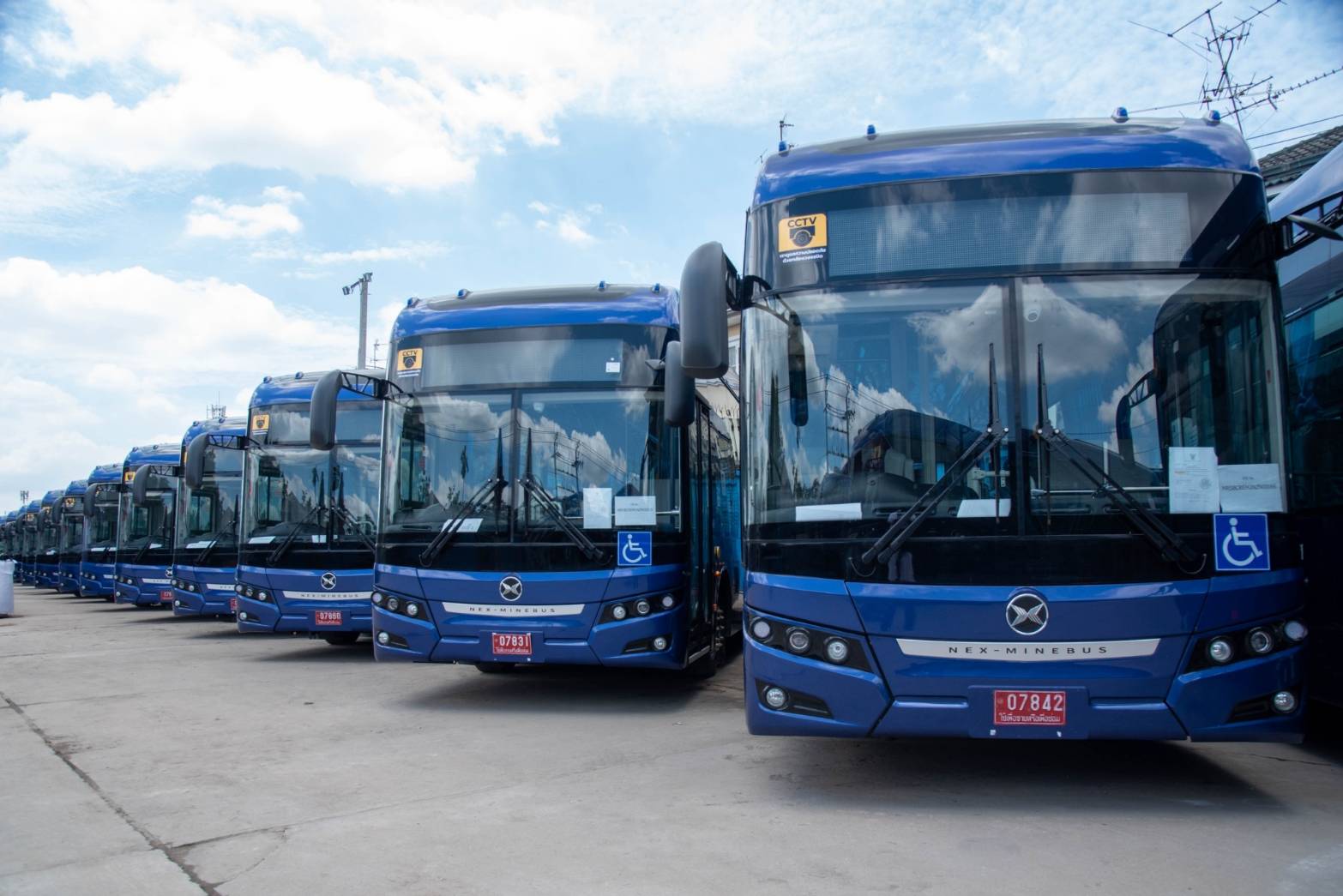
Currently, 27 companies are participating in the EV3 promotion program, 16 manufacturers of electric cars and pickups and 11 manufacturers of electric motorbikes. A further 10 companies are involved in the EV3.5 programme, all of which produce electric cars and pickups.
A total of 209,623 vehicles are now registered for the EV3 and EV3.5 models, 175,064 cars and 34,559 motorbikes.
The total investment in electric vehicles, core components and charging infrastructure amounts to 137.7 billion baht (approx. 4.2 billion dollar), including:
- BEV production: 21 projects, 41.1 billion baht invested, combined annual capacity of 386,000 units.
- Electric motorcycle production: 16 projects, 990 million baht, 810,000 units/year.
- Electric bus/truck production: 3 projects, 2.2 billion baht, 4,800 units/year.
- Battery production: 53 projects, 80.1 billion baht.
- Key components (e.g., traction motors, BMS, DCU, onboard chargers): 42 projects, 6.5 billion baht.
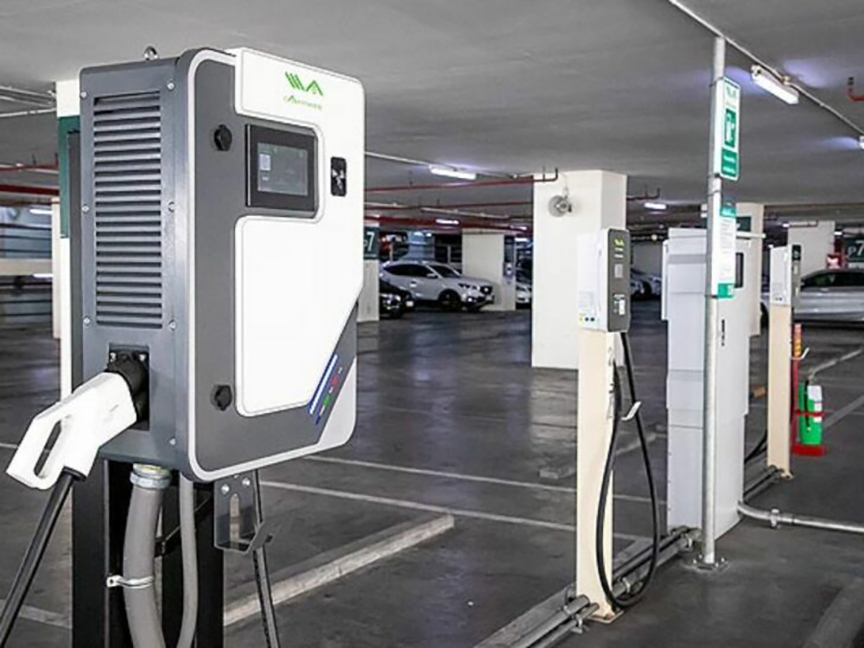
- EV charging stations: 29 projects, 5.6 billion baht, targeting installation of 20,080 chargers, including 7,360 quick chargers.
- Battery swap stations: 5 projects, 1.28 billion baht, including 555 motorcycle swap stations, 7 for large commercial vehicles, and 6 for passenger cars.
In March 2025, there were 3,720 public charging stations nationwide with 11,622 connections; 6,524 DC fast chargers and 5,098 AC chargers, covering all regions of the country.
Revisions to EV3–EV3.5 Incentive Conditions
The meeting approved changes to the rules for excise duty incentives under EV3 and EV3.5. In particular, e-vehicles produced for export will count towards domestic production obligations at 1.5 units from 2025, as proposed by the Federation of Thai Industries and the Thai EV Association.
This move is expected to increase annual EV exports to about 12,500 units in 2025 and 52,000 units in 2026.
The EV Board also introduced tighter oversight of subsidy disbursements by the Excise Department under EV3 and EV3.5. Companies granted extended registration deadlines must place a bank guarantee: 20 million baht for firms with over 5 billion baht in registered capital, and 40 million baht for smaller firms. Subsidies will be withheld if cumulative production falls short of the required threshold.
“This update to the EV Board’s framework enhances both the effectiveness of EV3 and EV3.5 in regulating subsidy disbursement and the flexibility for manufacturers to plan their operations. It also strengthens Thailand’s potential as a regional and global EV manufacturing and export hub,” Narit stated.
______________