Continuing Education Activity
Hypertensive crisis is a severe medical condition characterized by a rapid and marked blood pressure elevation, commonly defined as systolic pressure over 180 mm Hg or diastolic pressure exceeding 120 mm Hg, although these thresholds are not independently predictive of adverse outcomes. Etiologies include uncontrolled primary hypertension, secondary renal or endocrine disorders, and medication nonadherence. Risk factors encompass advanced age, obesity, chronic cardiovascular or renal disease, and prior hypertensive episodes. Abrupt rises in vascular resistance cause endothelial injury, impaired autoregulation, and organ ischemia.
Hypertensive crises are classified as either urgencies or emergencies. Urgencies involve severe blood pressure elevation without evidence of acute target-organ damage, whereas emergencies are associated with life-threatening organ injury requiring immediate intervention. Neurological manifestations may include headache, visual disturbances, and altered mental status. Cardiovascular signs can present as chest pain or heart failure. Renal abnormalities may include oliguria or hematuria.
Diagnosis requires blood pressure measurement and assessment for acute target-organ damage using laboratory studies, electrocardiography, and imaging. Management depends on classification: hypertensive emergencies require rapid intravenous antihypertensive therapy, while urgencies are treated with oral agents and close monitoring. Complications include stroke, myocardial infarction, acute renal failure, and death, emphasizing the necessity of timely recognition and intervention.
This activity for healthcare professionals is designed to sharpen learners' skills in evaluating and managing a hypertensive crisis. Participants will deepen their understanding of the condition's etiology, risk factors, pathophysiology, clinical presentation, and evidence-based diagnostic and therapeutic strategies. Improved competence will empower clinicians to collaborate with interprofessional teams caring for affected individuals.
Objectives:
Identify the clinical and diagnostic features indicative of a hypertensive crisis.
Differentiate between hypertensive urgency and hypertensive emergency based on blood pressure levels and the presence of target organ damage.
Apply appropriate blood pressure reduction goals based on the underlying cause of the hypertensive crisis.
Collaborate with interprofessional team members on educating, treating, and monitoring patients presenting with hypertensive crises to improve health outcomes.
Access free multiple choice questions on this topic.
Introduction
"Hypertensive crisis" refers to a severe, acute elevation in blood pressure. The condition is classified as hypertensive emergency when the elevation is accompanied by acute hypertension-mediated organ damage (formerly termed "end-organ damage"). In the absence of acute organ injury, the condition is termed "hypertensive urgency."[1]
Hypertensive emergency is potentially life-threatening and requires prompt diagnosis and immediate intervention. In-hospital mortality rates approach 10%, with 1-year cardiovascular morbidity and mortality ranging from 20% to 30%.[2][3] Prognosis is markedly worse without treatment. Historically, only 20% of untreated individuals survived beyond 1 year, with a median survival of approximately 10.4 months.[4] Improved recognition of hypertensive emergency and implementation of timely, evidence-based management have significantly enhanced patient outcomes, reducing morbidity and mortality among individuals receiving early and appropriate treatment.[5]
Despite their common usage, thresholds such as 180/120 mm Hg lack uniformity and are based on arbitrary conventions. While absolute blood pressure levels remain clinically relevant, the rate of increase may represent an even more critical determinant of risk. Individuals with chronic hypertension often tolerate higher pressures better than those who were previously normotensive or maintained well-controlled blood pressure.[6] This distinction highlights the importance of prompt yet controlled reduction of blood pressure in hypertensive emergencies to prevent or minimize further hypertension-mediated organ injury. However, achieving normal blood pressure values is neither necessary nor advisable in the acute setting.[7]
Hypertension-mediated organ damage in hypertensive emergency commonly manifests as encephalopathy, intracerebral hemorrhage, acute ischemic stroke, acute myocardial infarction, acute left ventricular failure with pulmonary edema, unstable angina, dissecting aortic aneurysm, acute renal failure, or eclampsia. Patients presenting with hypertensive emergency require hospital admission, and initial management with oral antihypertensive agents is not recommended.[8]
Malignant hypertension is a severe and aggressive form of hypertensive emergency, characterized by extreme elevations in blood pressure with hypertension-associated microangiopathies affecting multiple organs, including the retina, kidneys, and brain. Retinal involvement is a hallmark, presenting with flame-shaped hemorrhages and papilledema, with or without microangiopathy and disseminated intravascular coagulation. Target-organ damage extends beyond the retina, encompassing hypertensive encephalopathy, pulmonary edema, and acute renal dysfunction. Malignant hypertension is associated with rapid disease progression and poor prognosis if not promptly and adequately treated.[9]
Hypertensive urgency is hypertensive crisis with severe blood pressure elevation, typically systolic pressure greater than 180 mm Hg or diastolic pressure exceeding 120 mm Hg, without evidence of acute or imminent target-organ injury. Unlike hypertensive emergency, hypertensive urgency does not involve life-threatening conditions, such as stroke, myocardial infarction, or acute renal failure, which necessitate immediate aggressive intervention.[10]
Some experts have proposed replacing the term "hypertensive urgency" with "uncontrolled hypertension."[11] The term “urgency” may misleadingly suggest a time-critical condition requiring emergent intervention, whereas “uncontrolled hypertension” more accurately reflects the acuity and positions the condition appropriately within the spectrum of hypertensive disease.
Management generally involves gradual blood pressure reduction, typically achieved with oral antihypertensive agents over several hours to days in a controlled outpatient setting. Patients are often asymptomatic or may exhibit nonspecific symptoms not indicative of acute organ injury. The lifetime prevalence of hypertensive crisis is estimated at approximately 1% in the general population, with individuals with hypertension facing up to a 2% lifetime risk. Notably, nearly 1/4 of patients presenting to the emergency department with a hypertensive crisis have no prior diagnosis of hypertension.[12]
Hypertensive crisis appears more prevalent in women, although some studies report higher prevalence in men.[13] Nonadherence to antihypertensive therapy significantly increases risk, and the condition is more common in patients with secondary hypertension compared to essential hypertension.[14]
Etiology
Hypertensive crises may arise from a variety of factors, including undiagnosed or improperly managed secondary hypertension, acute health events, patient noncompliance with prescribed medications, inadequate therapeutic intervention, and illicit drug use. Early recognition and targeted management of underlying causes are critical to preventing hypertension-mediated organ damage.[15]
Medication-related factors are common precipitants and include nonadherence, withdrawal of antihypertensive agents, and drug interactions or overdoses. Notable examples include monoamine oxidase inhibitors combined with tyramine-rich foods, and sympathomimetic agents such as decongestants, weight-loss drugs, or stimulants.
Renal causes encompass renovascular diseases, including renal artery stenosis, polyarteritis nodosa, and Takayasu arteritis, as well as renal parenchymal disorders such as glomerulonephritis, tubulointerstitial nephritis, systemic sclerosis, hemolytic-uremic syndrome, and systemic lupus erythematosus. Endocrine disorders that may precipitate hypertensive crises include pheochromocytoma, Cushing disease, primary hyperaldosteronism, and renin-secreting tumors. Cardiovascular abnormalities, such as coarctation of the aorta, and central nervous system disorders, including head injury, cerebral infarction, and intracerebral hemorrhage, may also contribute.
Substance use and withdrawal represent additional risk factors, with cocaine, phencyclidine, amphetamines, methamphetamines, and excessive alcohol consumption implicated. Psychosocial and physiologic stressors, such as severe emotional stress, acute pain, and anxiety, may further precipitate crises.
Epidemiology
The reported prevalence of hypertensive crisis varies across the literature, largely due to inconsistencies in definitions, differences in study populations, and variations in methodology, including study protocols and inclusion and exclusion criteria. Despite these differences, approximately 1 in 100 individuals with hypertension is estimated to experience a hypertensive crisis during their lifetime. Overall, 0.5% to 3% of all emergency department visits involve patients presenting with suspected hypertensive emergency, of which 25% are confirmed and require immediate intervention to reduce blood pressure to safe levels.[16]
Evidence from a study indicates that hypertensive crisis is more prevalent among African American or Black populations residing in urban areas, with a significantly higher prevalence than in the overall U.S. population. Identified predictors of hypertensive emergency include advanced age, male sex, renal insufficiency, and coronary artery disease. Race, however, was not reported as an independent predictor of presentation with a hypertensive emergency.[17]
Pathophysiology
Hypertensive emergency arises from rapid and marked elevation in blood pressure over a short period. The mechanisms underlying hypertension-mediated organ damage are complex, involving vascular, neurohormonal, and endothelial dysfunction (see Image. Pathophysiology of Hypertension-Mediated Organ Damage). A central factor is increased systemic vascular resistance, primarily driven by enhanced vasoconstriction mediated through renin-angiotensin-aldosterone system (RAAS) activation. Additional contributing mechanisms include pressure natriuresis, tissue hypoperfusion, and ischemia, all of which play critical roles in the development of end-organ injury.[18]
Fibrinoid necrosis of small vessels is a characteristic histopathological feature of vascular injury caused by hypertension. Erythrocytes passing through narrowed or obstructed vessels frequently undergo destruction, resulting in microangiopathic hemolytic anemia. Loss of cerebral autoregulation represents another hallmark of hypertensive emergency, potentially leading to hypertensive encephalopathy.[19] This condition manifests as severe headache, nausea, vomiting, altered mental status, and, in severe cases, seizures or coma, reflecting acute cerebral dysfunction secondary to markedly elevated blood pressure.
Endothelial Dysfunction
Endothelial injury is central to the pathophysiology of hypertension-mediated organ damage. Elevated blood pressure increases shear stress on endothelial cells, disrupting the balance between vasodilation and vasoconstriction. This disruption enhances vascular permeability and initiates an inflammatory response. The endothelium releases proinflammatory cytokines in response to mechanical and oxidative stress, further increasing vascular permeability and promoting plasma leakage into surrounding tissues. Elevated blood pressure also stimulates vascular smooth muscle contraction, augmenting peripheral vascular resistance and exacerbating the hypertensive crisis.[20] This process creates a self-perpetuating cycle in which rising vascular resistance maintains elevated blood pressure, accelerating organ injury if not promptly interrupted.
Disruption in Autoregulation of Blood Flow
Organs such as the brain and kidneys normally maintain stable perfusion through autoregulatory mechanisms despite fluctuations in systemic blood pressure. These mechanisms become overwhelmed during hypertensive emergencies, resulting in inadequate perfusion.[21] Failure of autoregulation can cause cerebral edema or hemorrhagic stroke due to rupture of fragile vessels and may precipitate acute kidney injury through renal vascular damage and impaired glomerular filtration.
Neurohumoral Activation
Severe hypertension triggers activation of multiple neurohormonal systems that exacerbate elevated blood pressure and organ injury. Increased sympathetic activity and renal hypoperfusion stimulate the RAAS, resulting in sodium retention and fluid expansion, which further elevate blood pressure and accelerate organ damage. RAAS activation also promotes oxidative stress and peroxynitrite formation, impairing nitric oxide bioactivity and contributing to endothelial dysfunction and vascular injury.[22] Sympathetic nervous system activation induces vasoconstriction and increases afterload, placing additional strain on the cardiovascular system. Elevated blood pressure additionally enhances the release of endothelin-1, a potent vasoconstrictor, which contributes to vasospasm and further organ damage.
Microangiopathy and Macroangiopathy
Damage to small vessels, particularly in the retina, kidneys, and brain, constitutes a hallmark of hypertensive emergency. Retinal involvement manifests as hypertensive retinopathy, characterized by flame-shaped hemorrhages, cotton wool spots, and papilledema. In addition to microvascular injury, macrovascular complications, including stroke, acute coronary syndromes, and aortic dissection, arise from the impact of elevated blood pressure on larger vessels. These events significantly contribute to the morbidity and mortality associated with hypertensive crisis.
Activation of Inflammatory and Coagulation Pathways
Elevated blood pressure can activate the coagulation cascade, increasing the risk of thrombosis and microthrombi formation. Activation of the coagulation cascade results in thrombotic obliteration of small vessels, disseminated intravascular coagulation, and thrombotic microangiopathy.[23] These processes further impair tissue perfusion, exacerbate ischemia, and contribute to organ injury, particularly in the brain, manifesting as ischemic stroke, and in the kidneys, manifesting as acute kidney injury. Endothelial injury also triggers the release of inflammatory mediators, including cytokines and chemokines, which amplify local inflammation and accelerate tissue damage. Recruitment of immune cells to affected sites further perpetuates vascular injury, promoting the progression of hypertension-mediated organ damage.
History and Physical
In patients presenting with markedly elevated blood pressure, a thorough history and physical examination are essential to differentiate hypertensive emergency from hypertensive urgency. Hypertensive urgency is frequently asymptomatic and may be detected incidentally during routine blood pressure measurement. Some patients may report nonspecific symptoms such as headache, body aches, or anxiety. In contrast, symptoms of hypertensive emergency reflect hypertension-mediated organ damage. Common presenting features include headache, visual disturbances, chest pain, and dyspnea. Individuals with hypertensive encephalopathy or malignant hypertension may present with dizziness, lethargy, visual impairment, seizures, or loss of consciousness.[24]
Accurate measurement of blood pressure constitutes the initial step in evaluation. A properly sized cuff should be applied to the patient’s bare arm. When an appropriate cuff is unavailable due to a large arm circumference, blood pressure may be measured at the wrist instead, though results require cautious interpretation owing to limited validation against invasive techniques. Blood pressure should be obtained in both arms, as significant interarm differences may indicate aortic dissection involving the subclavian artery.
Assessment of distal pulses is critical, as a radioradial or radiofemoral delay represents a key clinical finding suggestive of aortic dissection.[25] Diminished or absent peripheral pulses may indicate vascular obstruction or rupture. In patients with hypertension-mediated heart failure or acute coronary syndrome, physical findings may include elevated jugular venous pressure, bilateral pulmonary rales, and the presence of S3 or S4 heart sounds. Oliguria may serve as an indicator of hypertension-induced renal dysfunction.
Fundoscopic examination constitutes an essential component of the clinical assessment in suspected hypertensive emergency. Severe cases, such as malignant hypertension, frequently present with retinopathy characterized by flame-shaped hemorrhages, cotton wool spots, and papilledema.[26] Acute confusion or altered mental status is common in hypertensive encephalopathy, whereas focal neurological deficits may indicate an acute cerebrovascular event. Prompt neurological evaluation is necessary to differentiate these conditions and guide appropriate imaging and management decisions.
Evaluation
A comprehensive history and physical examination are essential when evaluating patients with severely elevated blood pressure or an acute increase from a previously normal baseline, even if values remain below 180/120 mm Hg. The history should identify symptoms indicative of acute hypertension-mediated organ damage and document the patient’s hypertension management, medication use, and adherence. A systematic physical examination should assess for signs of target-organ involvement and determine the severity of hypertension-mediated injury. Findings from the clinical assessment should inform subsequent diagnostic testing to confirm the extent of organ damage.
Diagnostic testing is not always required in hypertensive crises. Further testing may be unnecessary in asymptomatic patients presenting with hypertensive urgency. However, targeted diagnostic studies are warranted when clinical findings suggest hypertension-mediated organ dysfunction based on the patient’s history and physical examination.
Electrocardiography is valuable for assessing acute coronary syndrome and arrhythmias. Chest radiography can confirm pulmonary edema and may assist in diagnosing acute aortic syndromes. Urinalysis evaluates hypertension-mediated renal dysfunction, with findings such as hematuria or proteinuria indicating potential renal injury. Measurement of electrolytes and serum creatinine provides information regarding renal function and guides the selection of antihypertensive therapy. Cardiac biomarkers should be obtained when acute coronary syndrome or heart failure is suspected. Toxicology screening may be considered in selected patients to identify triggers of hypertensive crises.
Neuroimaging, including computed tomography (CT) or magnetic resonance imaging (MRI), is indicated when head trauma, intracranial hemorrhage, stroke, or hypertensive encephalopathy is suspected. Transthoracic or transesophageal echocardiography is recommended if aortic dissection is suspected. When available, CT angiography of the chest and abdomen offers rapid diagnostic assessment and can aid surgical planning, with magnetic resonance angiography serving as an alternative confirmatory tool.
Treatment / Management
The primary objective in managing hypertensive emergencies is to limit organ damage through controlled blood pressure reduction within a healthcare setting. This strategy is typically accomplished using intravenous antihypertensive agents administered under continuous hemodynamic monitoring to prevent complications associated with abrupt or excessive reductions in blood pressure. Medication selection and target blood pressure are tailored to the specific hypertensive emergency and the organ systems involved.[27][28][29][30]
Current guidelines recommend that, in most hypertensive emergencies, blood pressure should be lowered by no more than 25% within the 1st hour, followed by a gradual reduction to below 160/120 mm Hg over the subsequent 2 to 6 hours in stable patients. Further reduction to 130 to 140 mm Hg is advised over the following 24 to 48 hours (see Table. Intravenous Medications for Hypertensive Emergency).[31]
Certain conditions, including aortic dissection, eclampsia, and pheochromocytoma crisis, necessitate more immediate and aggressive blood pressure control to reduce the risk of life-threatening complications. Rapid blood pressure management is essential in these cases to prevent vascular rupture, cerebral hemorrhage, or end-organ ischemia, and treatment should occur in an intensive care setting under continuous hemodynamic monitoring.
The acute management of hypertension in stroke and intracranial hemorrhage is the only hypertensive emergency scenario that has been rigorously evaluated in randomized controlled trials. Observational studies and expert consensus guidelines primarily inform management of other hypertensive emergencies.[32]
In contrast, patients presenting with severely elevated blood pressure without evidence of acute or progressive hypertension-mediated organ damage (hypertensive urgency) typically do not require hospital admission. Management generally involves adjusting existing antihypertensive therapy or initiating additional oral agents. However, inadequate treatment places these patients at risk of progression to hypertensive emergency, underscoring the importance of timely outpatient follow-up for monitoring blood pressure control.
Rapid blood pressure reduction in this population has not been shown to improve outcomes and may be deleterious. Therefore, this approach is not recommended.[33] Abrupt decreases in blood pressure can compromise organ perfusion, particularly in individuals with chronic hypertension, whose autoregulatory mechanisms are adapted to elevated baseline pressures.
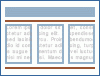
Table. Intravenous Medications for Hypertensive Emergency.
If frequent noninvasive cuff measurements yield inaccurate blood pressure readings or imminent end-organ damage is suspected, arterial catheterization should be considered to provide precise, beat-to-beat monitoring and enable accurate medication titration. This approach is particularly valuable in patients who are critically ill or require rapid and tightly controlled blood pressure adjustments, where small fluctuations may significantly affect organ perfusion and clinical outcomes. Major exceptions to the principle of gradual blood pressure reduction within the first 24 hours include the following:
Acute ischemic stroke: The benefits of immediate blood pressure reduction remain uncertain. Antihypertensive therapy is generally avoided in patients not undergoing thrombolysis or thrombectomy, unless blood pressure exceeds 220/120 mm Hg. In such cases, a cautious reduction of 10% to 15% over several hours may be considered.
Acute aortic dissection: Systolic blood pressure should be lowered to 120 mm Hg or less within the 1st hour, with a target heart rate of approximately 60 bpm to minimize aortic shear stress.
[34][35] β-blockers are considered 1st-line therapy.
[36][37]Acute intracerebral hemorrhage: Aggressive blood pressure reduction to below 140 mm Hg within the first 6 hours has not demonstrated improved outcomes and may increase risk.
[38] Current guidelines recommend a gradual reduction in patients with systolic blood pressure at least 220 mm Hg using intravenous antihypertensive agents under close hemodynamic monitoring.
[39]Acute myocardial infarction: Nitroglycerin is the preferred agent for blood pressure management, unless the patient has received phosphodiesterase inhibitors (eg, sildenafil or tadalafil) within the preceding 48 hours.
Pheochromocytoma crisis: Rapid reduction of systolic blood pressure to below 140 mm Hg within the 1st hour is advised. Preferred agents include phentolamine, clevidipine, and nicardipine.
Preeclampsia and eclampsia: Immediate blood pressure control is required to prevent maternal and fetal complications. First-line agents include hydralazine, labetalol, and nicardipine, typically administered alongside magnesium sulphate for seizure prophylaxis.
Intravenous antihypertensive therapy should be gradually tapered following hemodynamic stabilization, and patients transitioned to oral agents for ongoing blood pressure management. The choice of oral therapy should be guided by the underlying etiology of the hypertensive emergency, patient comorbidities, and response to initial treatment.
Differential Diagnosis
Hypertensive crisis has a broad differential diagnosis, comprising conditions that may precipitate or coexist with hypertension-mediated organ dysfunction. Key considerations include the following:
Aortic coarctation
Aortic dissection
Chronic kidney disease
Eclampsia
Hypercalcemia
Hyperthyroidism
Pheochromocytoma
Renal artery stenosis
Subarachnoid hemorrhage
Timely recognition and systematic management of hypertensive crises are essential to prevent irreversible organ damage and reduce morbidity and mortality. A structured, evidence-based approach, including accurate assessment, targeted diagnostics, and controlled blood pressure reduction, ensures optimal patient outcomes.
Prognosis
The prognosis for untreated hypertensive crisis is poor. One-year mortality exceeds 79%, with a median survival of approximately 10.4 months in the absence of treatment. Timely and appropriate intervention markedly improves outcomes, with mortality closely correlated to the degree of blood pressure elevation and the extent and type of organ damage.[40] Early management aimed at preventing or limiting organ injury is essential to improving survival.
Over the past several decades, early diagnosis and evidence-based treatment have significantly improved the prognosis of hypertensive emergency.[41] Nevertheless, patients presenting with this condition remain at substantially higher risk for long-term cardiovascular and renal complications compared to individuals with hypertension but no such episodes. Hospitalized patients, particularly those admitted to coronary care units, experience more than 5-fold higher mortality relative to nonhospitalized patients.[42][43]
Although short-term outcomes for most patients with malignant hypertension are favorable with appropriate therapy, long-term prognosis may be compromised by recurrent exacerbations. Noncompliance with treatment increases the risk of stroke, visual loss, renal injury, and adverse cardiac events.[44] Elevated cardiac troponins and renal dysfunction at presentation are predictive of poor short-term outcomes, while long-term renal complications correlate with the severity of proteinuria and the effectiveness of blood pressure control following recovery.[45][46]
Complications
Hypertensive crisis may result in life-threatening complications, particularly when it progresses to hypertensive emergency with acute target organ injury. The cardiovascular system is frequently affected, leading to myocardial infarction, heart failure, or aortic dissection. Neurological complications include stroke, hypertensive encephalopathy, and intracerebral hemorrhage, all of which can result in permanent neurological deficits or death. Renal involvement commonly manifests as acute kidney injury, while ocular manifestations may include hypertensive retinopathy with potential visual impairment. In pregnancy, complications may present as eclampsia, HELLP (hemolysis, elevated liver enzymes, and low platelet count) syndrome, or placental abruption, posing significant maternal and fetal risks.
Prompt recognition and controlled reduction of blood pressure are essential to prevent irreversible organ damage and improve clinical outcomes. Patients with hypertensive emergency experience substantial neurologic, cardiovascular, and renal morbidity and mortality and remain at elevated risk for recurrent hospitalizations.
Deterrence and Patient Education
Effective patient education plays a critical role in preventing hypertensive crises and minimizing the risk of recurrence. Educational interventions should emphasize both lifestyle modification and strict adherence to pharmacologic therapy. Patients must understand the importance of regular blood pressure monitoring and consistent use of prescribed antihypertensive medications, even in the absence of symptoms. Lifestyle measures, such as reducing sodium intake, maintaining a healthy body weight, engaging in regular physical activity, limiting alcohol consumption, and discontinuing tobacco use, should be strongly promoted.
Regular clinical follow-up is essential to ensure sustained blood pressure control and timely adjustment of therapy as needed. Education regarding the long-term consequences of uncontrolled hypertension, including stroke, myocardial infarction, renal failure, and vision loss, reinforces the importance of adherence and continued medical supervision.
Patients should also be counseled on recognizing the warning signs of hypertensive crisis, such as severe headache, chest pain, dyspnea, visual disturbances, or confusion. Immediate medical attention is warranted if any of these symptoms develop.
Pearls and Other Issues
Key facts regarding hypertensive crisis include the following:
Hypertensive crisis encompasses hypertensive urgency and hypertensive emergency.
Hypertensive emergency is characterized by severe hypertension (typically >180/120 mm Hg) accompanied by evidence of acute target organ damage.
Hypertensive urgency refers to severe hypertension without acute target organ injury.
Common manifestations of target organ damage include encephalopathy, stroke, myocardial infarction, heart failure, aortic dissection, and acute kidney injury.
Immediate but controlled blood pressure reduction is required in a hypertensive emergency to prevent further organ injury while avoiding ischemia from rapid lowering.
In most patients, blood pressure should be reduced by no more than 25% within the 1st hour, with gradual normalization over 24 to 48 hours.
Exceptions requiring more rapid blood pressure reduction include aortic dissection, eclampsia, and pheochromocytoma crisis.
First-line intravenous antihypertensive agents include nicardipine, clevidipine, labetalol, esmolol, nitroglycerin (for myocardial ischemia), and sodium nitroprusside.
Oral medications are appropriate for hypertensive urgency. Rapid intravenous therapy is not indicated.
In malignant hypertension, funduscopic examination may demonstrate papilledema, flame-shaped hemorrhages, or cotton-wool spots.
A CT scan of the brain is warranted when ischemic or hemorrhagic stroke or hypertensive encephalopathy is suspected.
Renal function tests and urinalysis assist in evaluating hypertensive nephropathy.
Aortic dissection often presents with acute chest or back pain and interlimb blood pressure discrepancies.
Long-term management focuses on lifestyle modification and strict adherence to antihypertensive therapy to prevent recurrence.
Effective communication between clinicians and patients is central to preventing hypertensive crises and optimizing long-term outcomes. Clear discussions regarding medication adherence, lifestyle changes, and the warning signs of hypertensive emergency empower patients to participate actively in their care.
Enhancing Healthcare Team Outcomes
Managing a hypertensive crisis requires a coordinated interprofessional approach involving emergency physicians, internists, nephrologists, cardiologists, neurologists, pharmacists, and nursing staff. Uncontrolled hypertension is associated with high morbidity and mortality, as well as substantial healthcare costs. Primary care clinicians, including nurse practitioners and physician assistants, play a pivotal role in routine blood pressure surveillance and reinforcing adherence to prescribed antihypertensive regimens.
Hospital admission is generally not indicated for asymptomatic individuals with severely elevated blood pressure who exhibit no evidence of acute target organ injury. However, patients presenting with symptoms should be closely monitored, and consultation with appropriate specialists may be warranted to evaluate for end-organ involvement. Blood pressure reduction must be gradual and carefully titrated, as rapid or excessive decreases can precipitate ischemic injury in vascular territories adapted to chronic hypertension. An interprofessional team approach promotes coordinated care, individualized treatment plans, and safe medication titration while minimizing adverse outcomes.
All patients with hypertension should receive structured outpatient follow-up to ensure long-term blood pressure control. Lifestyle modifications, including dietary sodium restriction, weight management, regular physical activity, moderation of alcohol intake, and smoking cessation, should be strongly encouraged. The interprofessional care team should emphasize medication adherence and regular home blood pressure monitoring to prevent recurrence and improve overall prognosis.
Pathophysiology of Hypertension-Mediated Organ Damage. A breakdown of the basic mechanism of target organ damage in a hypertensive emergency. Contributed by Intisar Ahmed, MBBS
References
- 1.
Whelton PK, Carey RM, Aronow WS, Casey DE, Collins KJ, Dennison Himmelfarb C, DePalma SM, Gidding S, Jamerson KA, Jones DW, MacLaughlin EJ, Muntner P, Ovbiagele B, Smith SC, Spencer CC, Stafford RS, Taler SJ, Thomas RJ, Williams KA, Williamson JD, Wright JT. 2017 ACC/AHA/AAPA/ABC/ACPM/AGS/APhA/ASH/ASPC/NMA/PCNA Guideline for the Prevention, Detection, Evaluation, and Management of High Blood Pressure in Adults: A Report of the American College of Cardiology/American Heart Association Task Force on Clinical Practice Guidelines.
J Am Coll Cardiol. 2018 May 15;71(19):e127-e248. [
PubMed: 29146535]
- 2.
Siddiqi TJ, Usman MS, Rashid AM, Javaid SS, Ahmed A, Clark D, Flack JM, Shimbo D, Choi E, Jones DW, Hall ME. Clinical Outcomes in Hypertensive Emergency: A Systematic Review and Meta-Analysis.
J Am Heart Assoc. 2023 Jul 18;12(14):e029355. [
PMC free article: PMC10382109] [
PubMed: 37421281]
- 3.
Paini A, Tarozzi L, Bertacchini F, Aggiusti C, Rosei CA, De Ciuceis C, Malerba P, Broggi A, Perani C, Salvetti M, Muiesan ML. Cardiovascular prognosis in patients admitted to an emergency department with hypertensive emergencies and urgencies.
J Hypertens. 2021 Dec 01;39(12):2514-2520. [
PMC free article: PMC9698186] [
PubMed: 34420015]
- 4.
Keith NM, Wagener HP, Barker NW. Some different types of essential hypertension: their course and prognosis.
Am J Med Sci. 1974 Dec;268(6):336-45. [
PubMed: 4616627]
- 5.
Fragoulis C, Polyzos D, Mavroudis A, Tsioufis PA, Kasiakogias A, Leontsinis I, Mantzouranis E, Kalos T, Sakalidis A, Ntalakouras J, Andrikou I, Dimitriadis K, Konstantinidis D, Thomopoulos C, Tsioufis K. One-year outcomes following a hypertensive urgency or emergency.
Eur J Intern Med. 2024 Feb;120:107-113. [
PubMed: 37872037]
- 6.
Leiba A, Cohen-Arazi O, Mendel L, Holtzman EJ, Grossman E. Incidence, aetiology and mortality secondary to hypertensive emergencies in a large-scale referral centre in Israel (1991-2010).
J Hum Hypertens. 2016 Aug;30(8):498-502. [
PubMed: 26674757]
- 7.
Kulkarni S, Glover M, Kapil V, Abrams SML, Partridge S, McCormack T, Sever P, Delles C, Wilkinson IB. Management of hypertensive crisis: British and Irish Hypertension Society Position document.
J Hum Hypertens. 2023 Oct;37(10):863-879. [
PMC free article: PMC10539169] [
PubMed: 36418425]
- 8.
Astarita A, Covella M, Vallelonga F, Cesareo M, Totaro S, Ventre L, Aprà F, Veglio F, Milan A. Hypertensive emergencies and urgencies in emergency departments: a systematic review and meta-analysis.
J Hypertens. 2020 Jul;38(7):1203-1210. [
PubMed: 32510905]
- 9.
Boulestreau R, van den Born BH, Lip GYH, Gupta A. Malignant Hypertension: Current Perspectives and Challenges.
J Am Heart Assoc. 2022 Apr 05;11(7):e023397. [
PMC free article: PMC9075423] [
PubMed: 35289189]
- 10.
Khan NN, Zurayyir EJ, Alghamdi AM, Alghamdi SF, Alqahtani MA, Abdalla EM, Jurays NS, Alassiri AM, Alzahrani HA, Althabet AA. Management Strategies for Hypertensive Crisis: A Systematic Review.
Cureus. 2024 Aug;16(8):e66694. [
PMC free article: PMC11389756] [
PubMed: 39262522]
- 11.
Jacobs ZG. Hypertensive "Urgency" Is a Harmful Misnomer.
J Gen Intern Med. 2021 Sep;36(9):2812-2813. [
PMC free article: PMC8390621] [
PubMed: 33420559]
- 12.
Varounis C, Katsi V, Nihoyannopoulos P, Lekakis J, Tousoulis D. Cardiovascular Hypertensive Crisis: Recent Evidence and Review of the Literature.
Front Cardiovasc Med. 2016;3:51. [
PMC free article: PMC5222786] [
PubMed: 28119918]
- 13.
Ebinger JE, Liu Y, Driver M, Ji H, Bairey Merz CN, Rader F, Albert CM, Cheng S. Sex-Specific Temporal Trends in Hypertensive Crisis Hospitalizations in the United States.
J Am Heart Assoc. 2022 Feb 15;11(4):e021244. [
PMC free article: PMC9245827] [
PubMed: 35083929]
- 14.
Pinna G, Pascale C, Fornengo P, Arras S, Piras C, Panzarasa P, Carmosino G, Franza O, Semeraro V, Lenti S, Pietrelli S, Panzone S, Bracco C, Fiorini R, Rastelli G, Bergandi D, Zampaglione B, Musso R, Marengo C, Santoro G, Zamboni S, Traversa B, Barattini M, Bruno G. Hospital admissions for hypertensive crisis in the emergency departments: a large multicenter Italian study.
PLoS One. 2014;9(4):e93542. [
PMC free article: PMC3973569] [
PubMed: 24695800]
- 15.
McEvoy JW, McCarthy CP, Bruno RM, Brouwers S, Canavan MD, Ceconi C, Christodorescu RM, Daskalopoulou SS, Ferro CJ, Gerdts E, Hanssen H, Harris J, Lauder L, McManus RJ, Molloy GJ, Rahimi K, Regitz-Zagrosek V, Rossi GP, Sandset EC, Scheenaerts B, Staessen JA, Uchmanowicz I, Volterrani M, Touyz RM., ESC Scientific Document Group. 2024 ESC Guidelines for the management of elevated blood pressure and hypertension.
Eur Heart J. 2024 Oct 07;45(38):3912-4018. [
PubMed: 39210715]
- 16.
Paini A, Aggiusti C, Bertacchini F, Agabiti Rosei C, Maruelli G, Arnoldi C, Cappellini S, Muiesan ML, Salvetti M. Definitions and Epidemiological Aspects of Hypertensive Urgencies and Emergencies.
High Blood Press Cardiovasc Prev. 2018 Sep;25(3):241-244. [
PubMed: 29916180]
- 17.
Waldron FA, Benenson I, Jones-Dillon SA, Zinzuwadia SN, Adeboye AM, Eris E, Mbadugha NE, Vicente N, Over A. Prevalence and risk factors for hypertensive crisis in a predominantly African American inner-city community.
Blood Press. 2019 Apr;28(2):114-123. [
PubMed: 30669866]
- 18.
Peixoto AJ. Acute Severe Hypertension.
N Engl J Med. 2019 Nov 07;381(19):1843-1852. [
PubMed: 31693807]
- 19.
Paulson OB, Strandgaard S, Edvinsson L. Cerebral autoregulation.
Cerebrovasc Brain Metab Rev. 1990 Summer;2(2):161-92. [
PubMed: 2201348]
- 20.
Gallo G, Volpe M, Savoia C. Endothelial Dysfunction in Hypertension: Current Concepts and Clinical Implications.
Front Med (Lausanne). 2021;8:798958. [
PMC free article: PMC8811286] [
PubMed: 35127755]
- 21.
Rossi GP, Rossitto G, Maifredini C, Barchitta A, Bettella A, Latella R, Ruzza L, Sabini B, Seccia TM. Management of hypertensive emergencies: a practical approach.
Blood Press. 2021 Aug;30(4):208-219. [
PubMed: 33966560]
- 22.
Rossi GP, Seccia TM, Barton M, Danser AHJ, de Leeuw PW, Dhaun N, Rizzoni D, Rossignol P, Ruilope LM, van den Meiracker AH, Ito S, Hasebe N, Webb DJ. Endothelial factors in the pathogenesis and treatment of chronic kidney disease Part II: Role in disease conditions: a joint consensus statement from the European Society of Hypertension Working Group on Endothelin and Endothelial Factors and the Japanese Society of Hypertension.
J Hypertens. 2018 Mar;36(3):462-471. [
PubMed: 29135628]
- 23.
van den Born BH, Lip GYH, Brguljan-Hitij J, Cremer A, Segura J, Morales E, Mahfoud F, Amraoui F, Persu A, Kahan T, Agabiti Rosei E, de Simone G, Gosse P, Williams B. ESC Council on hypertension position document on the management of hypertensive emergencies.
Eur Heart J Cardiovasc Pharmacother. 2019 Jan 01;5(1):37-46. [
PubMed: 30165588]
- 24.
Miller JB, Hrabec D, Krishnamoorthy V, Kinni H, Brook RD. Evaluation and management of hypertensive emergency.
BMJ. 2024 Jul 26;386:e077205. [
PubMed: 39059997]
- 25.
Slaven J, Evans M, Partyka C, Aneman A, Middleton PM. Characteristics, clinical findings and outcomes of acute aortic dissection: A comparison between an Australian emergency department and the International Registry of Acute Aortic Dissection.
Emerg Med Australas. 2022 Dec;34(6):927-935. [
PubMed: 35636964]
- 26.
Boulestreau R, Śpiewak M, Januszewicz A, Kreutz R, Guzik TJ, Januszewicz M, Muiesan ML, Persu A, Sarafidis P, Volpe M, Zaleska-Żmijewska A, van den Born BH, Messerli FH. Malignant Hypertension:A Systemic Cardiovascular Disease: JACC Review Topic of the Week.
J Am Coll Cardiol. 2024 Apr 30;83(17):1688-1701. [
PubMed: 38658108]
- 27.
Smith M. Refractory Intracranial Hypertension: The Role of Decompressive Craniectomy.
Anesth Analg. 2017 Dec;125(6):1999-2008. [
PubMed: 28806209]
- 28.
Brokmann JC, Rossaint R, Müller M, Fitzner C, Villa L, Beckers SK, Bergrath S. Blood pressure management and guideline adherence in hypertensive emergencies and urgencies: A comparison between telemedically supported and conventional out-of-hospital care.
J Clin Hypertens (Greenwich). 2017 Jul;19(7):704-712. [
PMC free article: PMC8031236] [
PubMed: 28560799]
- 29.
Shah M, Patil S, Patel B, Arora S, Patel N, Garg L, Agrawal S, Jacobs L, Steigerwalt SP, Martinez MW. Trends in Hospitalization for Hypertensive Emergency, and Relationship of End-Organ Damage With In-Hospital Mortality.
Am J Hypertens. 2017 Jul 01;30(7):700-706. [
PubMed: 28430850]
- 30.
van der Merwe W, van der Merwe V. Malignant hypertension: a preventable emergency.
N Z Med J. 2013 Aug 16;126(1380):39-45. [
PubMed: 24126748]
- 31.
Jones DW, Ferdinand KC, Taler SJ, Johnson HM, Shimbo D, Abdalla M, Altieri MM, Bansal N, Bello NA, Bress AP, Carter J, Cohen JB, Collins KJ, Commodore-Mensah Y, Davis LL, Egan B, Khan SS, Lloyd-Jones DM, Melnyk BM, Mistry EA, Ogunniyi MO, Schott SL, Smith SC, Talbot AW, Vongpatanasin W, Watson KE, Whelton PK, Williamson JD., Peer Review Committee Members. 2025 AHA/ACC/AANP/AAPA/ABC/ACCP/ACPM/AGS/AMA/ASPC/NMA/PCNA/SGIM Guideline for the Prevention, Detection, Evaluation, and Management of High Blood Pressure in Adults: A Report of the American College of Cardiology/American Heart Association Joint Committee on Clinical Practice Guidelines.
J Am Coll Cardiol. 2025 Nov 04;86(18):1567-1678. [
PubMed: 40815242]
- 32.
Balahura AM, Moroi ȘI, Scafa-Udrişte A, Weiss E, Japie C, Bartoş D, Bădilă E. The Management of Hypertensive Emergencies-Is There a "Magical" Prescription for All?
J Clin Med. 2022 May 31;11(11) [
PMC free article: PMC9181665] [
PubMed: 35683521]
- 33.
Grossman E, Messerli FH, Grodzicki T, Kowey P. Should a moratorium be placed on sublingual nifedipine capsules given for hypertensive emergencies and pseudoemergencies?
JAMA. 1996 Oct 23-30;276(16):1328-31. [
PubMed: 8861992]
- 34.
Czerny M, Grabenwöger M, Berger T, Aboyans V, Della Corte A, Chen EP, Desai ND, Dumfarth J, Elefteriades JA, Etz CD, Kim KM, Kreibich M, Lescan M, Di Marco L, Martens A, Mestres CA, Milojevic M, Nienaber CA, Piffaretti G, Preventza O, Quintana E, Rylski B, Schlett CL, Schoenhoff F, Trimarchi S, Tsagakis K., EACTS/STS Scientific Document Group. EACTS/STS Guidelines for diagnosing and treating acute and chronic syndromes of the aortic organ.
Eur J Cardiothorac Surg. 2024 Feb 01;65(2) [
PubMed: 38408364]
- 35.
Malaisrie SC, Szeto WY, Halas M, Girardi LN, Coselli JS, Sundt TM, Chen EP, Fischbein MP, Gleason TG, Okita Y, Ouzounian M, Patel HJ, Roselli EE, Shrestha ML, Svensson LG, Moon MR., AATS Clinical Practice Standards Committee: Adult Cardiac Surgery. 2021 The American Association for Thoracic Surgery expert consensus document: Surgical treatment of acute type A aortic dissection.
J Thorac Cardiovasc Surg. 2021 Sep;162(3):735-758.e2. [
PubMed: 34112502]
- 36.
Writing Committee Members. Isselbacher EM, Preventza O, Hamilton Black Iii J, Augoustides JG, Beck AW, Bolen MA, Braverman AC, Bray BE, Brown-Zimmerman MM, Chen EP, Collins TJ, DeAnda A, Fanola CL, Girardi LN, Hicks CW, Hui DS, Jones WS, Kalahasti V, Kim KM, Milewicz DM, Oderich GS, Ogbechie L, Promes SB, Ross EG, Schermerhorn ML, Times SS, Tseng EE, Wang GJ, Woo YJ. 2022 ACC/AHA Guideline for the Diagnosis and Management of Aortic Disease: A Report of the American Heart Association/American College of Cardiology Joint Committee on Clinical Practice Guidelines.
J Am Coll Cardiol. 2022 Dec 13;80(24):e223-e393. [
PMC free article: PMC9860464] [
PubMed: 36334952]
- 37.
Hiratzka LF, Bakris GL, Beckman JA, Bersin RM, Carr VF, Casey DE, Eagle KA, Hermann LK, Isselbacher EM, Kazerooni EA, Kouchoukos NT, Lytle BW, Milewicz DM, Reich DL, Sen S, Shinn JA, Svensson LG, Williams DM., American College of Cardiology Foundation/American Heart Association Task Force on Practice Guidelines. American Association for Thoracic Surgery. American College of Radiology. American Stroke Association. Society of Cardiovascular Anesthesiologists. Society for Cardiovascular Angiography and Interventions. Society of Interventional Radiology. Society of Thoracic Surgeons. Society for Vascular Medicine. 2010 ACCF/AHA/AATS/ACR/ASA/SCA/SCAI/SIR/STS/SVM guidelines for the diagnosis and management of patients with Thoracic Aortic Disease: a report of the American College of Cardiology Foundation/American Heart Association Task Force on Practice Guidelines, American Association for Thoracic Surgery, American College of Radiology, American Stroke Association, Society of Cardiovascular Anesthesiologists, Society for Cardiovascular Angiography and Interventions, Society of Interventional Radiology, Society of Thoracic Surgeons, and Society for Vascular Medicine.
Circulation. 2010 Apr 06;121(13):e266-369. [
PubMed: 20233780]
- 38.
Sheth KN. Spontaneous Intracerebral Hemorrhage.
N Engl J Med. 2022 Oct 27;387(17):1589-1596. [
PubMed: 36300975]
- 39.
Greenberg SM, Ziai WC, Cordonnier C, Dowlatshahi D, Francis B, Goldstein JN, Hemphill JC, Johnson R, Keigher KM, Mack WJ, Mocco J, Newton EJ, Ruff IM, Sansing LH, Schulman S, Selim MH, Sheth KN, Sprigg N, Sunnerhagen KS., American Heart Association/American Stroke Association. 2022 Guideline for the Management of Patients With Spontaneous Intracerebral Hemorrhage: A Guideline From the American Heart Association/American Stroke Association.
Stroke. 2022 Jul;53(7):e282-e361. [
PubMed: 35579034]
- 40.
Katz JN, Gore JM, Amin A, Anderson FA, Dasta JF, Ferguson JJ, Kleinschmidt K, Mayer SA, Multz AS, Peacock WF, Peterson E, Pollack C, Sung GY, Shorr A, Varon J, Wyman A, Emery LA, Granger CB., STAT Investigators. Practice patterns, outcomes, and end-organ dysfunction for patients with acute severe hypertension: the Studying the Treatment of Acute hyperTension (STAT) registry.
Am Heart J. 2009 Oct;158(4):599-606.e1. [
PubMed: 19781420]
- 41.
Lane DA, Lip GY, Beevers DG. Improving survival of malignant hypertension patients over 40 years.
Am J Hypertens. 2009 Nov;22(11):1199-204. [
PubMed: 19696746]
- 42.
Amraoui F, Van Der Hoeven NV, Van Valkengoed IG, Vogt L, Van Den Born BJ. Mortality and cardiovascular risk in patients with a history of malignant hypertension: a case-control study.
J Clin Hypertens (Greenwich). 2014 Feb;16(2):122-6. [
PMC free article: PMC8032028] [
PubMed: 24373528]
- 43.
González R, Morales E, Segura J, Ruilope LM, Praga M. Long-term renal survival in malignant hypertension.
Nephrol Dial Transplant. 2010 Oct;25(10):3266-72. [
PubMed: 20299339]
- 44.
Liu S, Song A, Zhou X, Kong X, Li WA, Wang Y, Liu Y. Malignant pheochromocytoma with multiple vertebral metastases causing acute incomplete paralysis during pregnancy: Literature review with one case report.
Medicine (Baltimore). 2017 Nov;96(44):e8535. [
PMC free article: PMC5682838] [
PubMed: 29095319]
- 45.
Cremer A, Amraoui F, Lip GY, Morales E, Rubin S, Segura J, Van den Born BJ, Gosse P. From malignant hypertension to hypertension-MOD: a modern definition for an old but still dangerous emergency.
J Hum Hypertens. 2016 Aug;30(8):463-6. [
PubMed: 26582411]
- 46.
Shantsila A, Shantsila E, Beevers DG, Lip GYH. Predictors of 5-year outcomes in malignant phase hypertension: the West Birmingham Malignant Hypertension Registry.
J Hypertens. 2017 Nov;35(11):2310-2314. [
PubMed: 28622157]
Disclosure: Intisar Ahmed declares no relevant financial relationships with ineligible companies.
Disclosure: William Alley declares no relevant financial relationships with ineligible companies.
Disclosure: Shaylika Chauhan declares no relevant financial relationships with ineligible companies.
Disclosure: Muriam Afzal declares no relevant financial relationships with ineligible companies.


