


Every so often, you hear tech enthusiasts claim it’s finally the year of Linux. But despite its high utility in server and production environments, the casual PC user base has sidelined Linux for years, and for good reason. After all, the terminal-heavy nature of Linux distros makes them seem a lot more complex than they actually are. Back in the day, Linux operating systems were notorious for their compatibility issues with consumer-grade apps. Factor in the extra effort needed to get accustomed to a new OS, and it’s no surprise that the average user stays away from Linux.
But over the last couple of years, the Linux experience has evolved considerably, with modern distros packing enough UI tweaks to make them more accessible for beginners. As someone who loves both Linux and Windows, I can cite several reasons why this might be the year when open-source Linux distros finally gain the traction they deserve in the consumer PC market.
5 Windows 11 has become a privacy nightmare
The AI “features” keep adding more fuel to the fire


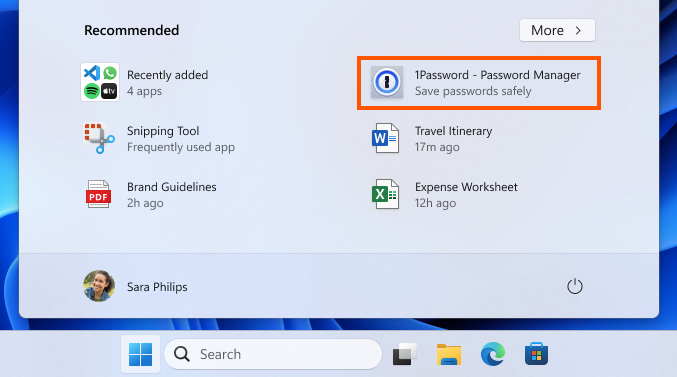
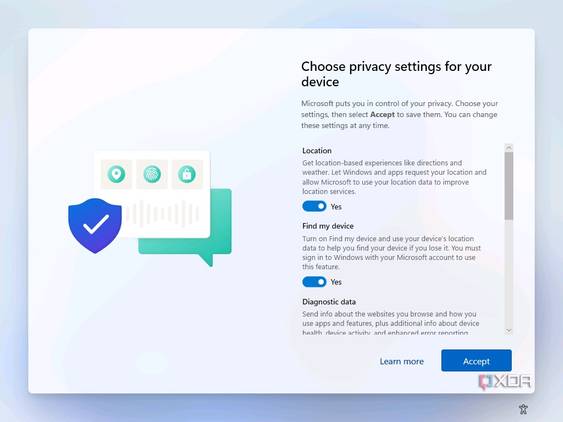
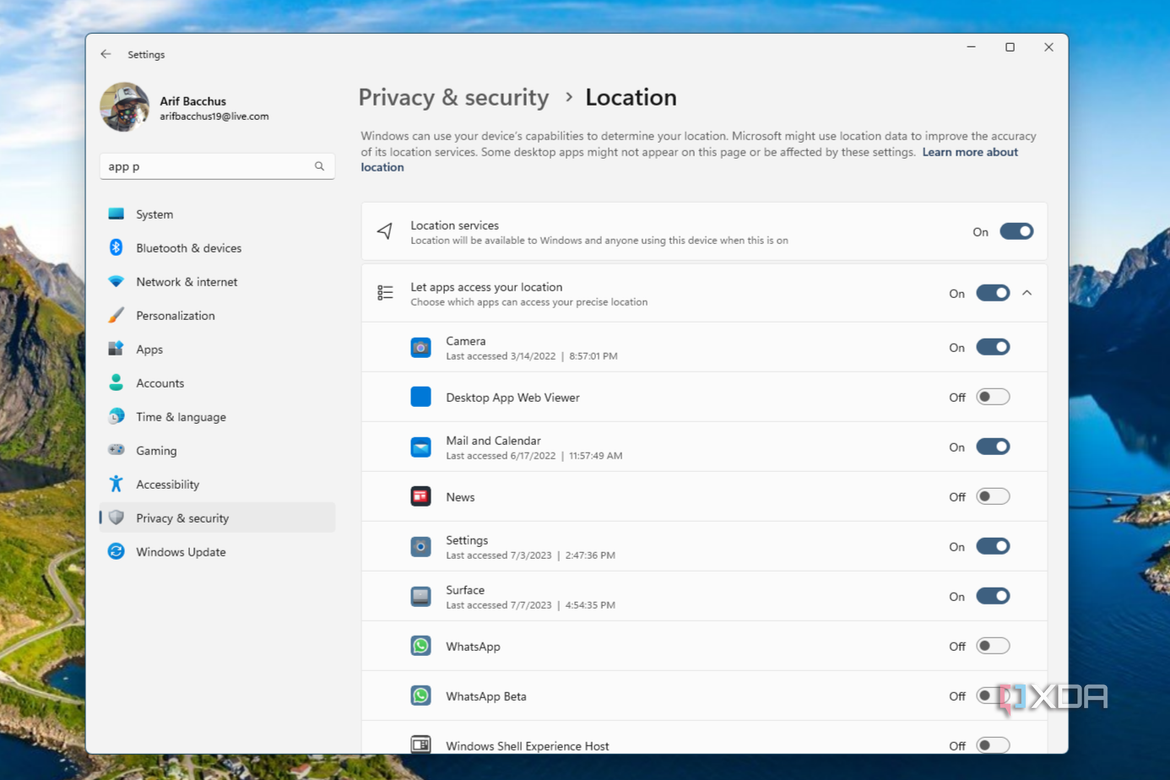



 Image Credit: Microsoft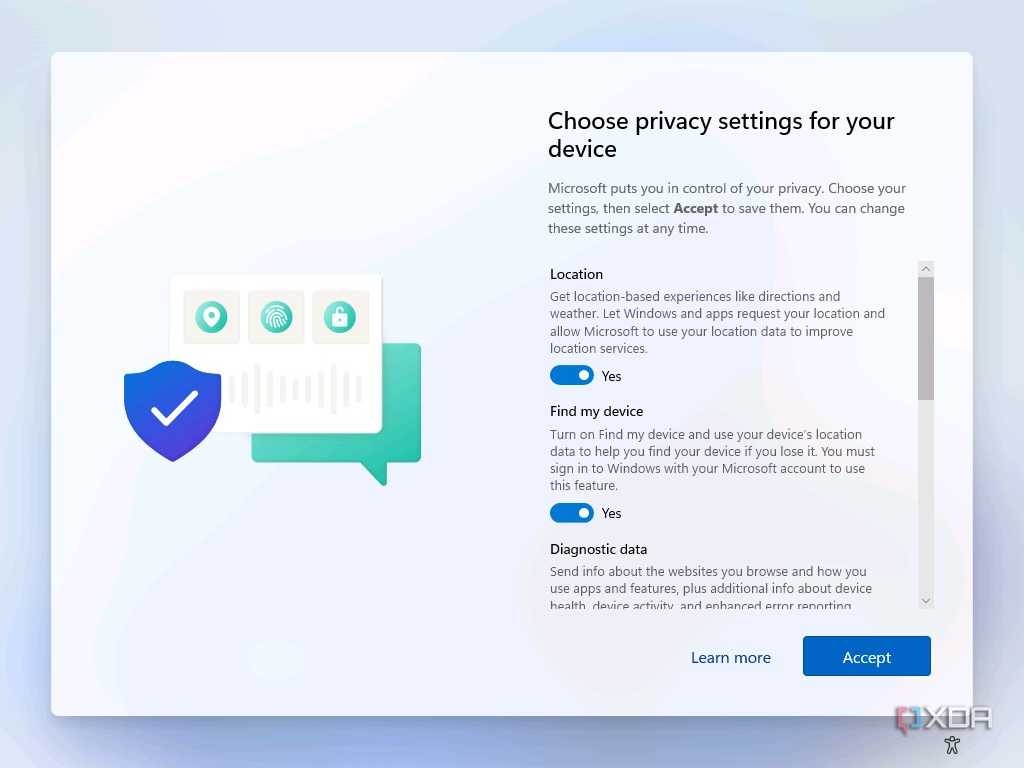
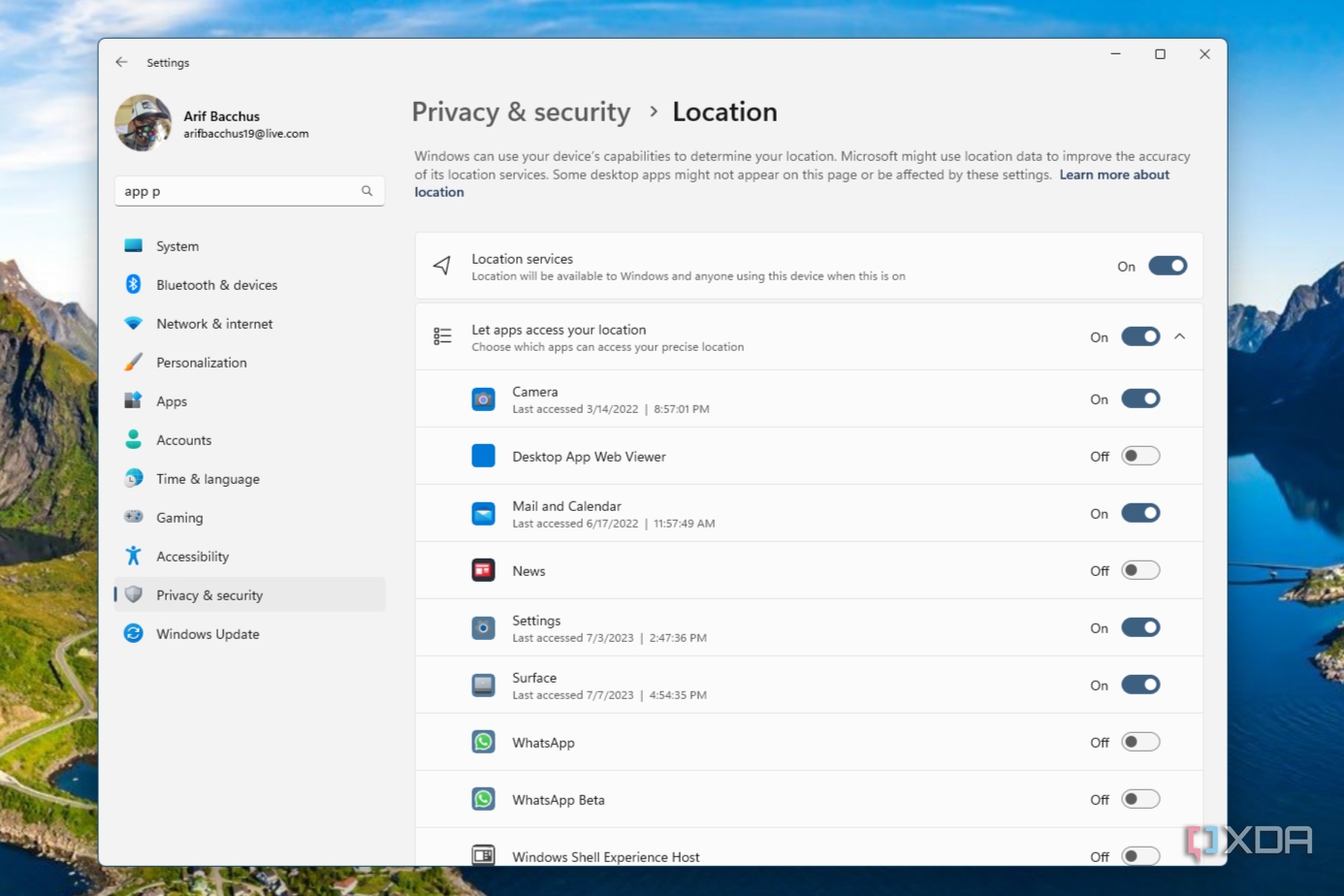



The Windows lineup of operating systems has been afflicted with the curse of bloatware for a handful of generations, but the privacy issues continue to snowball on the latest version. You’ve got aggressive telemetry provisions baked into the system to collect as much user information as possible, and it’s quite difficult to disable all of them without breaking your system. Then there’s the intrusive “personalized advertisements” that Microsoft loves shoving down its user’s throats.
However, the dystopian Recall utility is arguably the biggest privacy nightmare in the consumer tech landscape. Even on paper, a service that records all your actions doesn’t inspire a lot of confidence, and the lack of security features in Recall’s implementation makes it easy for hackers to exploit loopholes and access all your computing information. Considering Microsoft’s recent anti-consumer tactics, I wouldn’t be surprised if the tech giant suddenly decided to store your data on its servers instead of local devices.
Although the hardware requirements to enable Recall are still too high for many users, the fact that Microsoft can remove the option to disable this intrusive service in future updates makes it even more terrifying for privacy-conscious users. So far, staying on Windows 10 meant you’d have to deal with fewer privacy issues, but that's about to change this year…
4 Support for Windows 10 ends in October
And you’ll have to pay to receive security updates


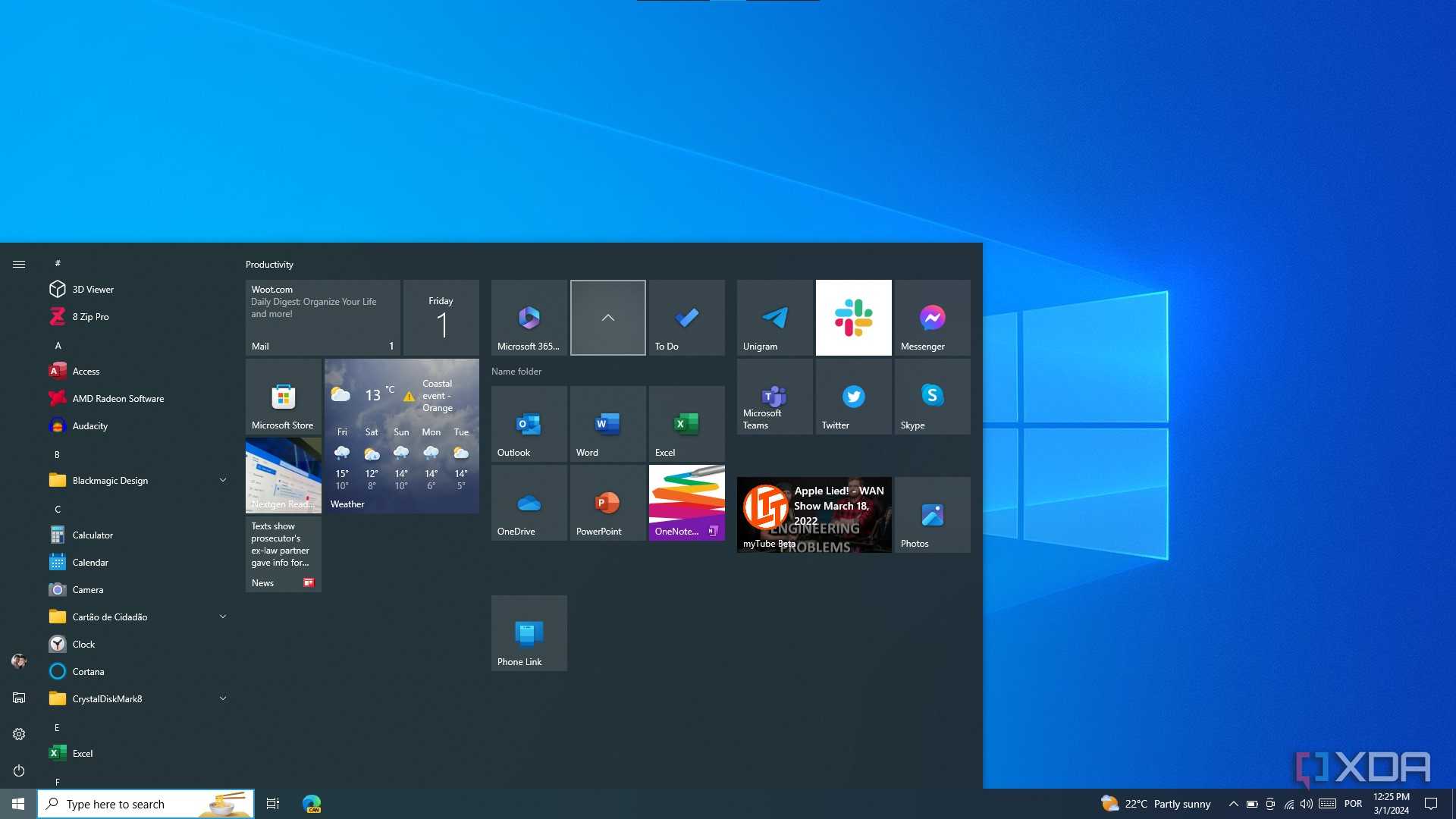
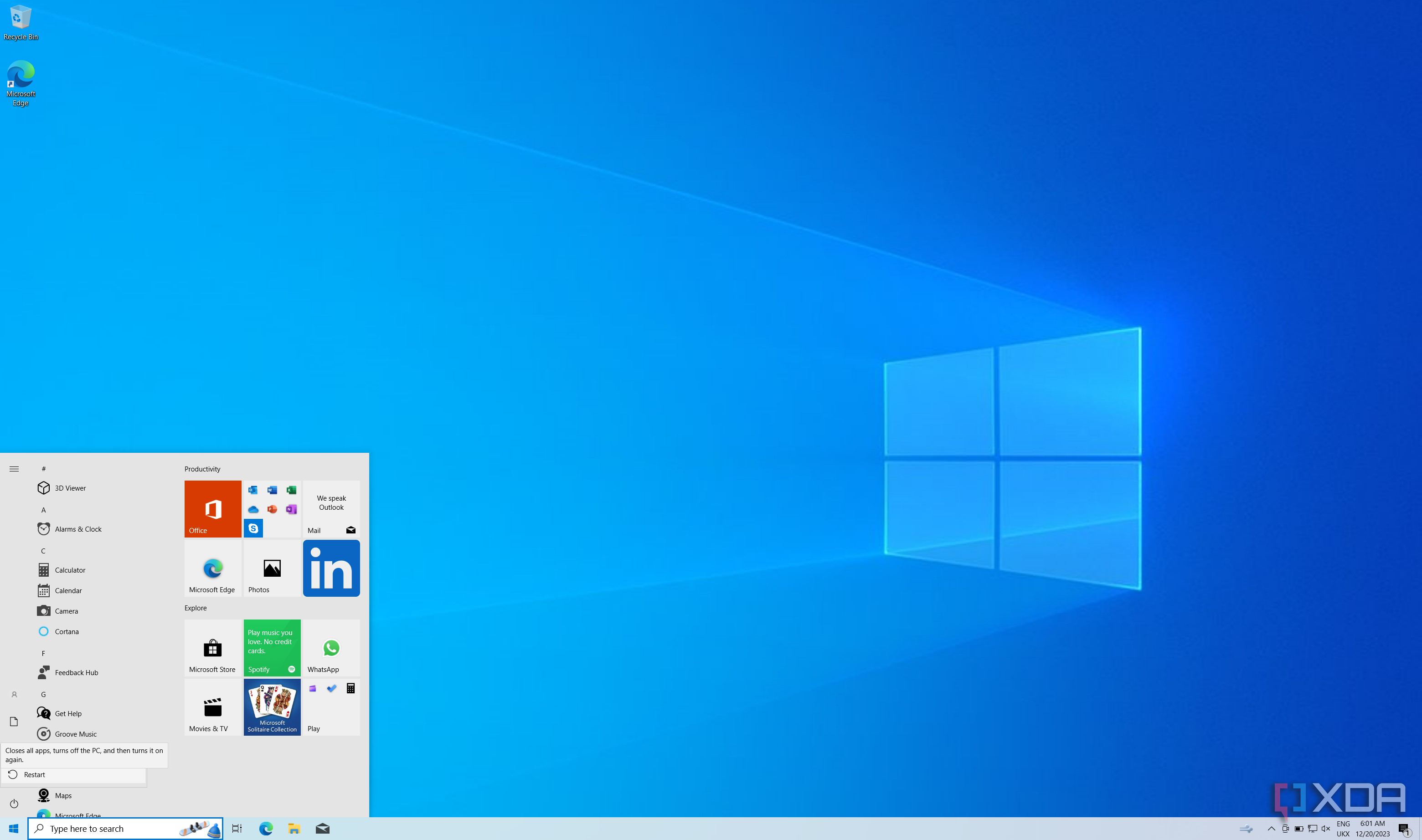
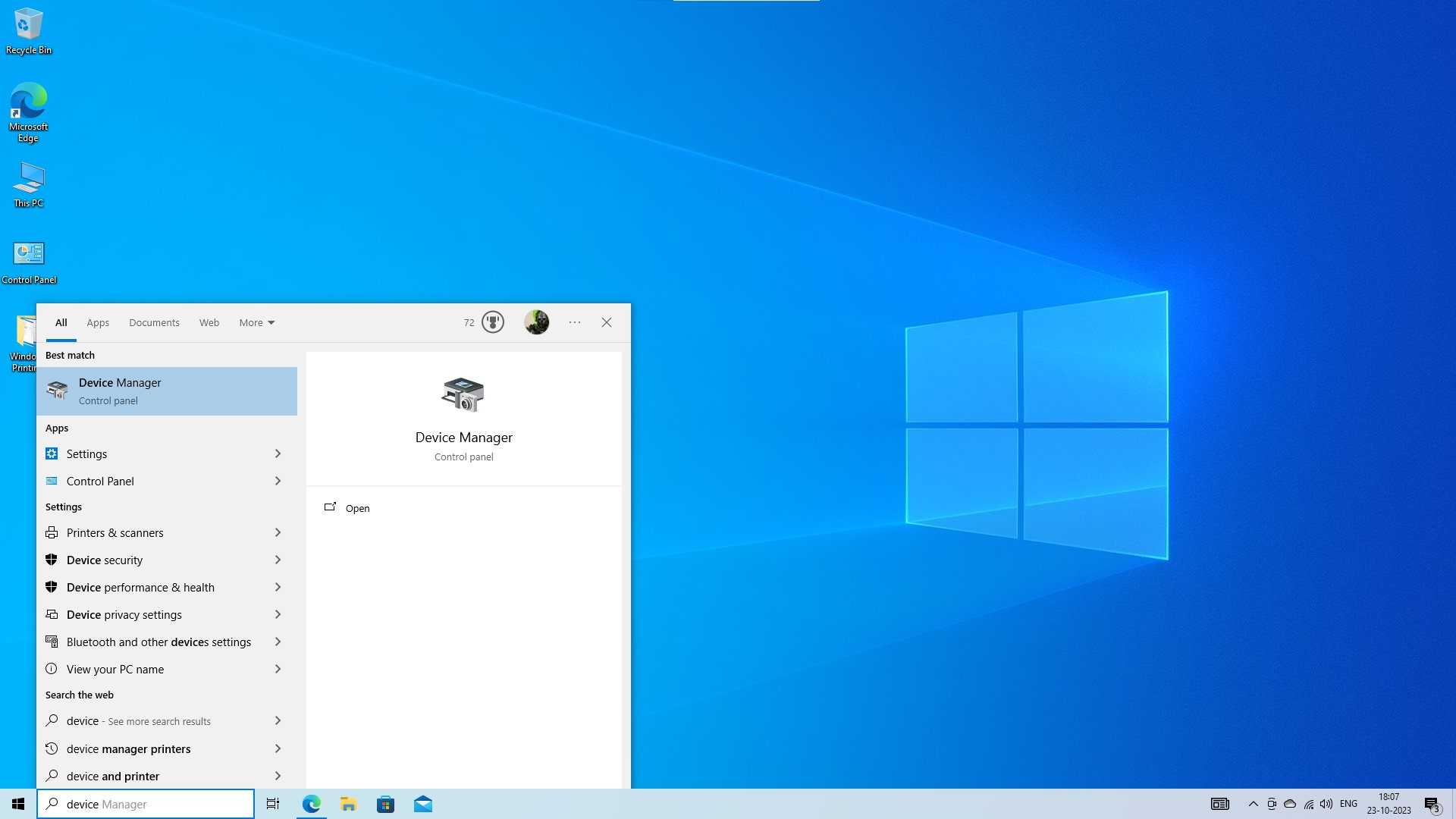
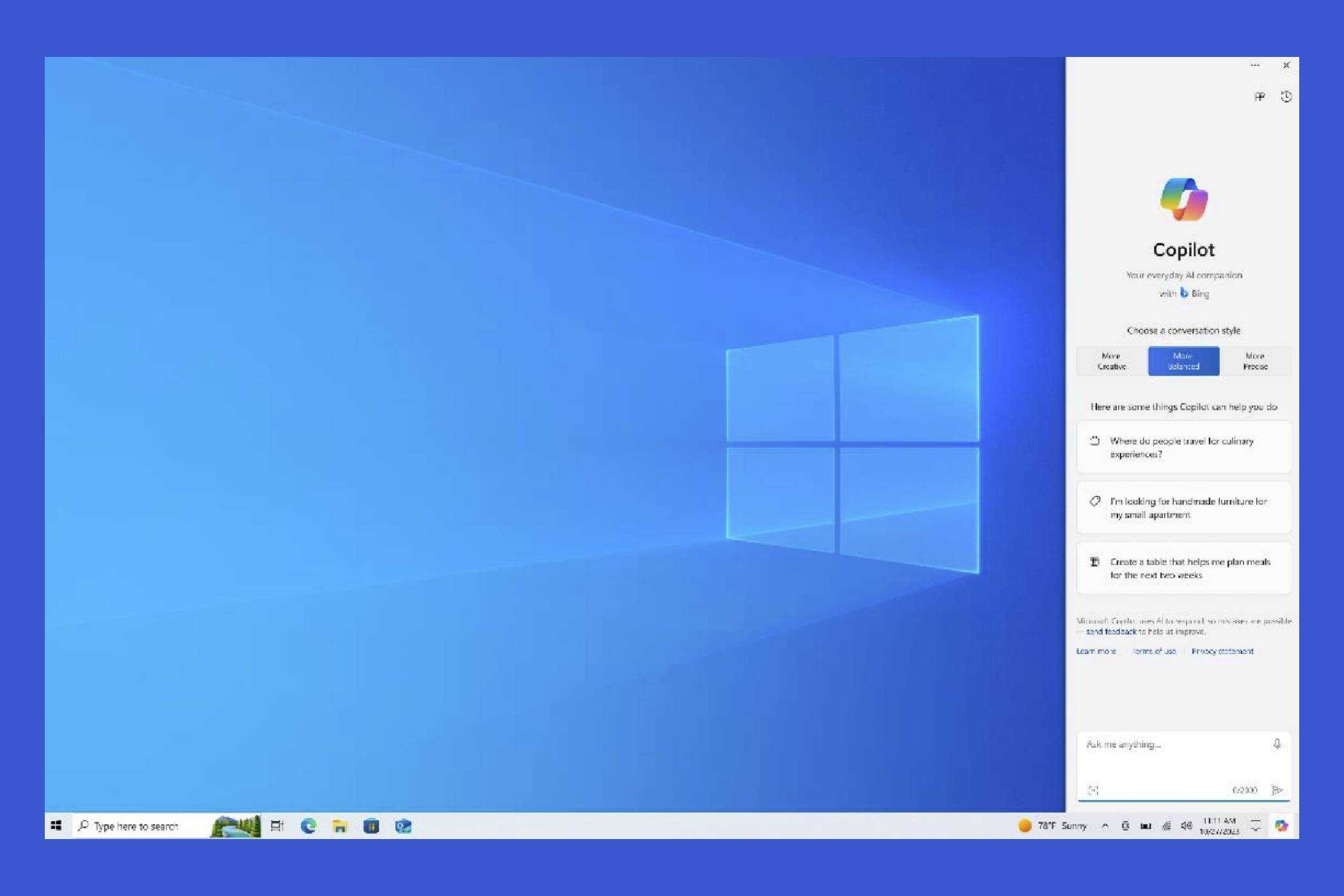
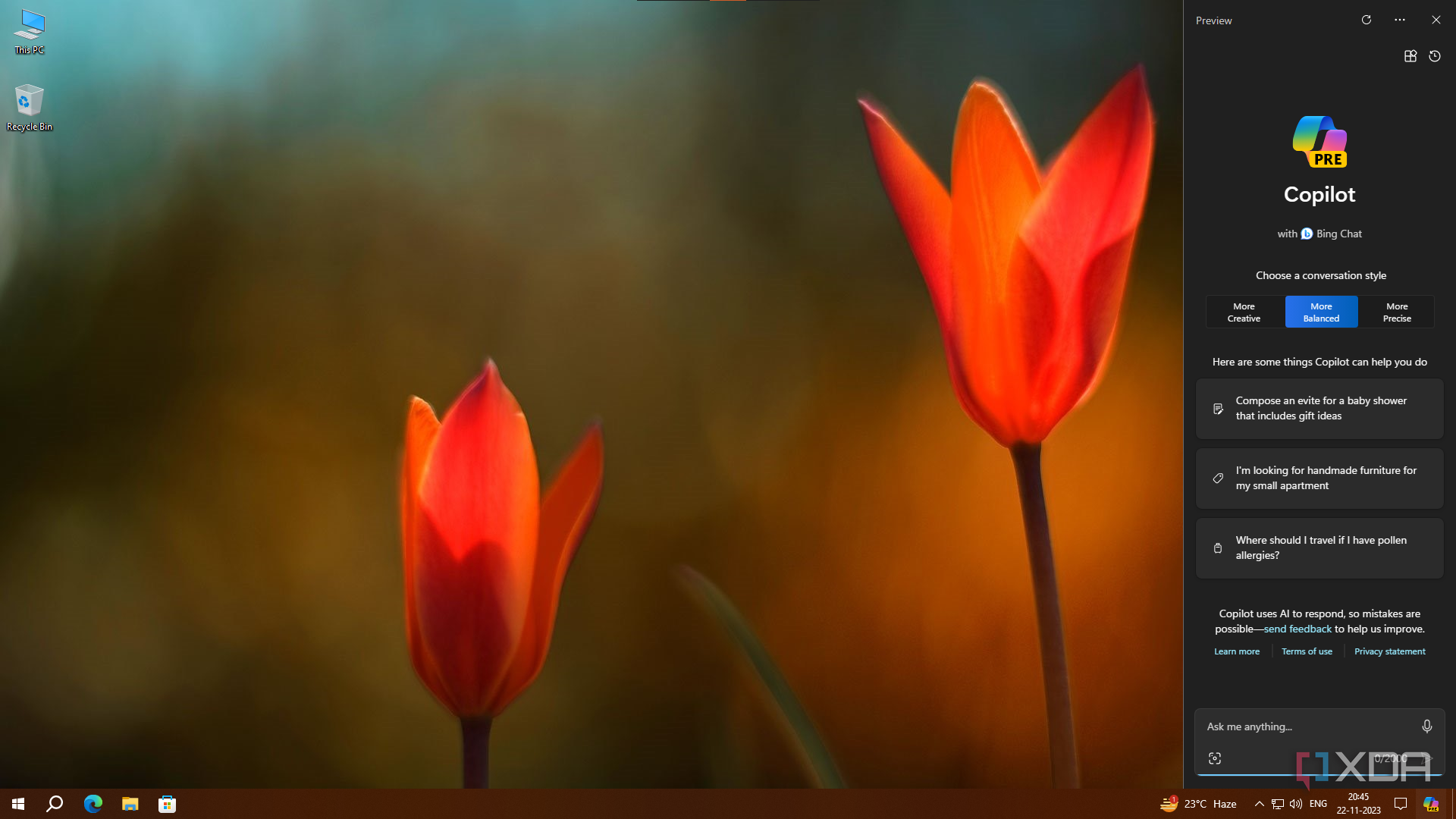
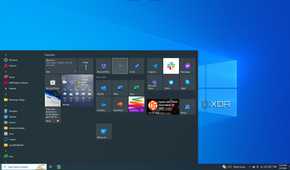
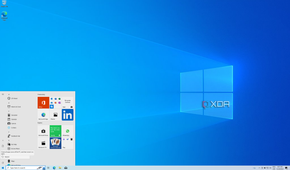
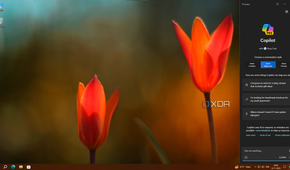
While Windows 10 isn’t exactly the best operating system of all time, it’s better than its successor on a couple of other fronts besides privacy. It has less bloatware, is compatible with old devices, and packs what I’d call one of the best UIs in the Windows family. Unfortunately, Microsoft is ending support for Windows 10 this year, with October 14 marking the last free security update for the OS. The key word here is free, as Microsoft technically offers an Extended Security Updates plan where you’ll have to shell out $61 to continue receiving the latest patches for a year – and Microsoft intends to double the price every year until you hit the maximum three-year period.
Sure, you could technically continue using Windows 10 even after it hits the EOL stage. But the lack of future security updates means using Windows 10 would massively cripple your system’s safety. Combine that with the privacy and bloatware issues of Windows 11, and Linux starts looking quite appetizing for security-conscious users.
3 Linux distros are more accessible than ever
You don’t need to be a computing god to use Linux


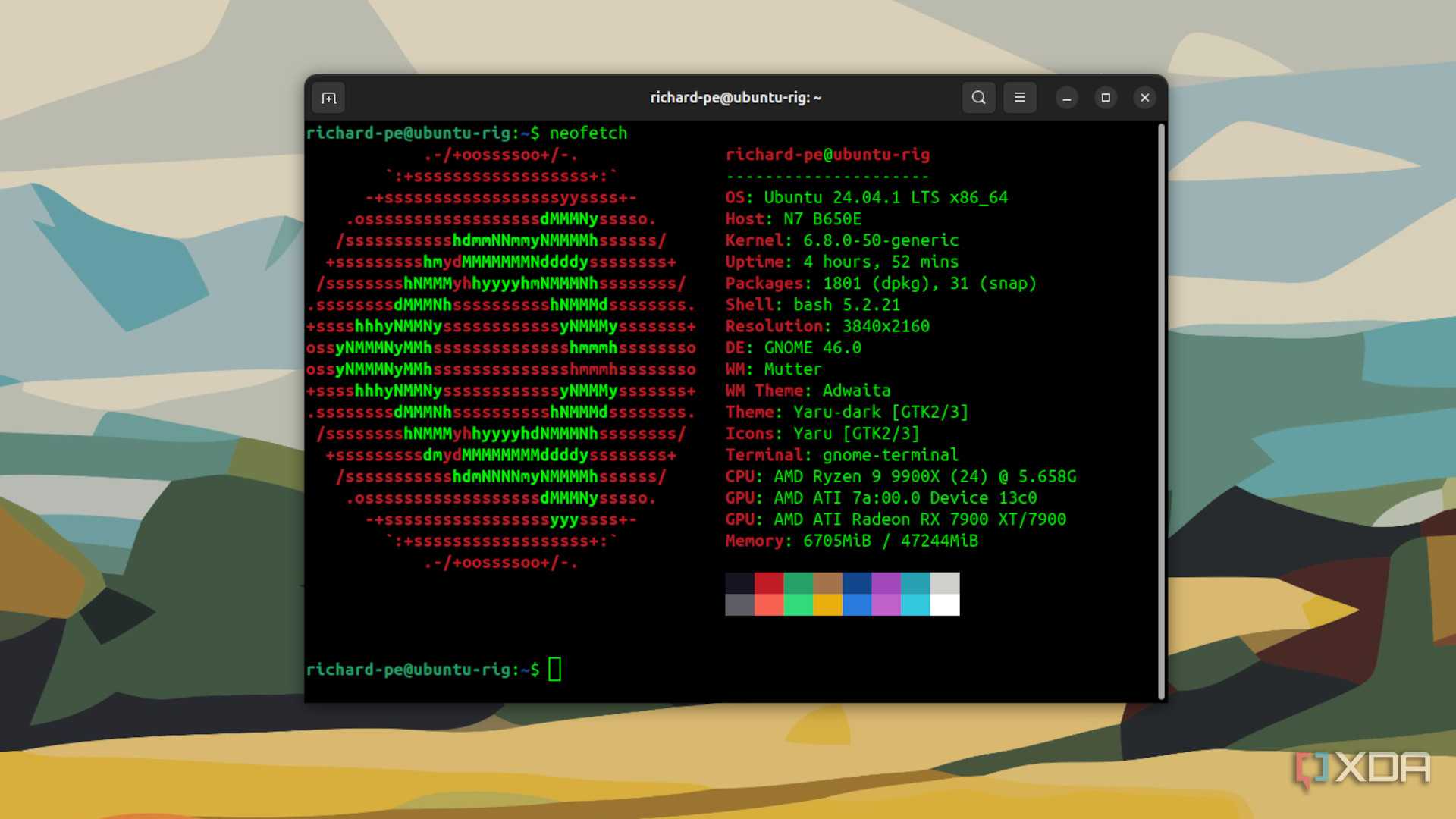
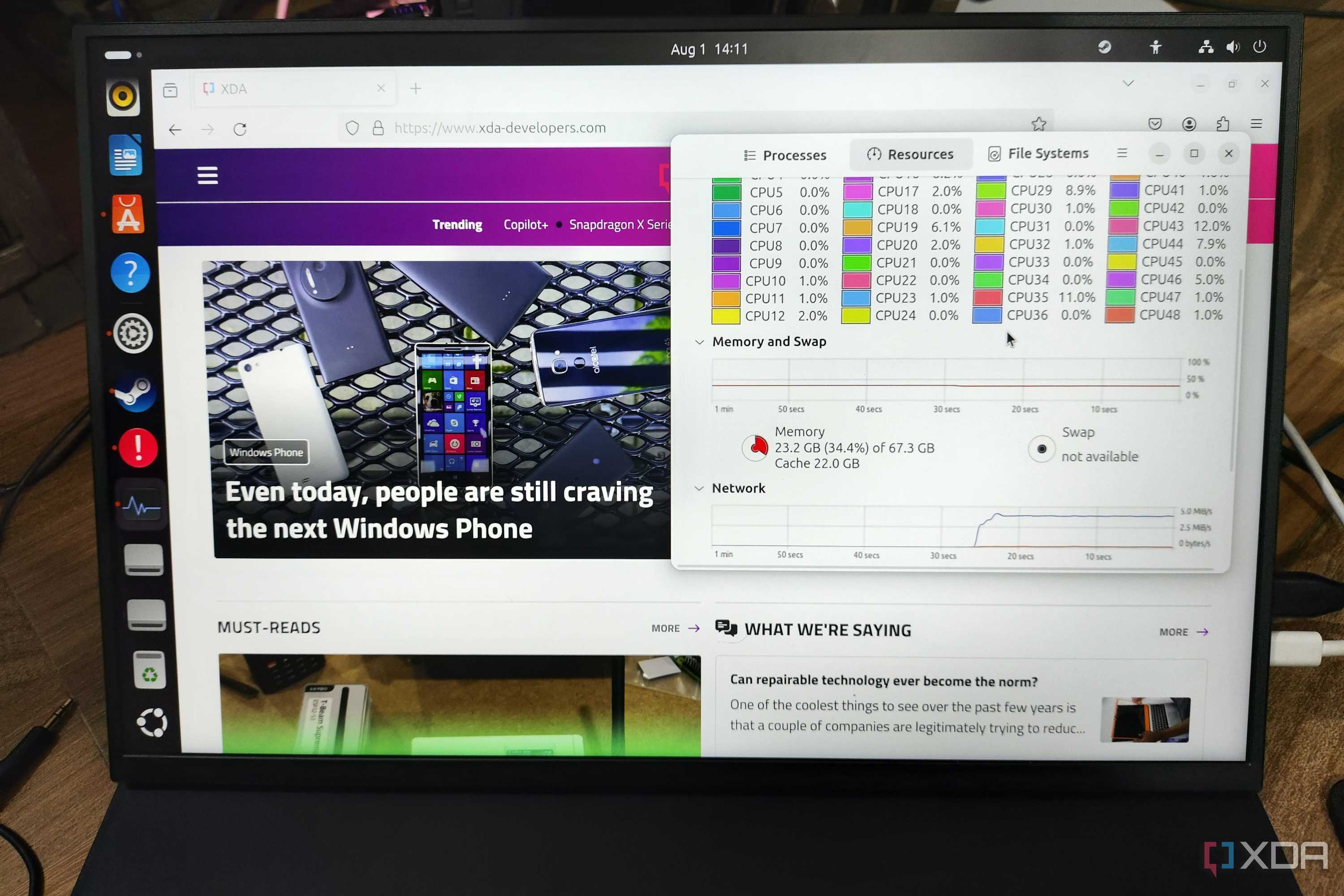
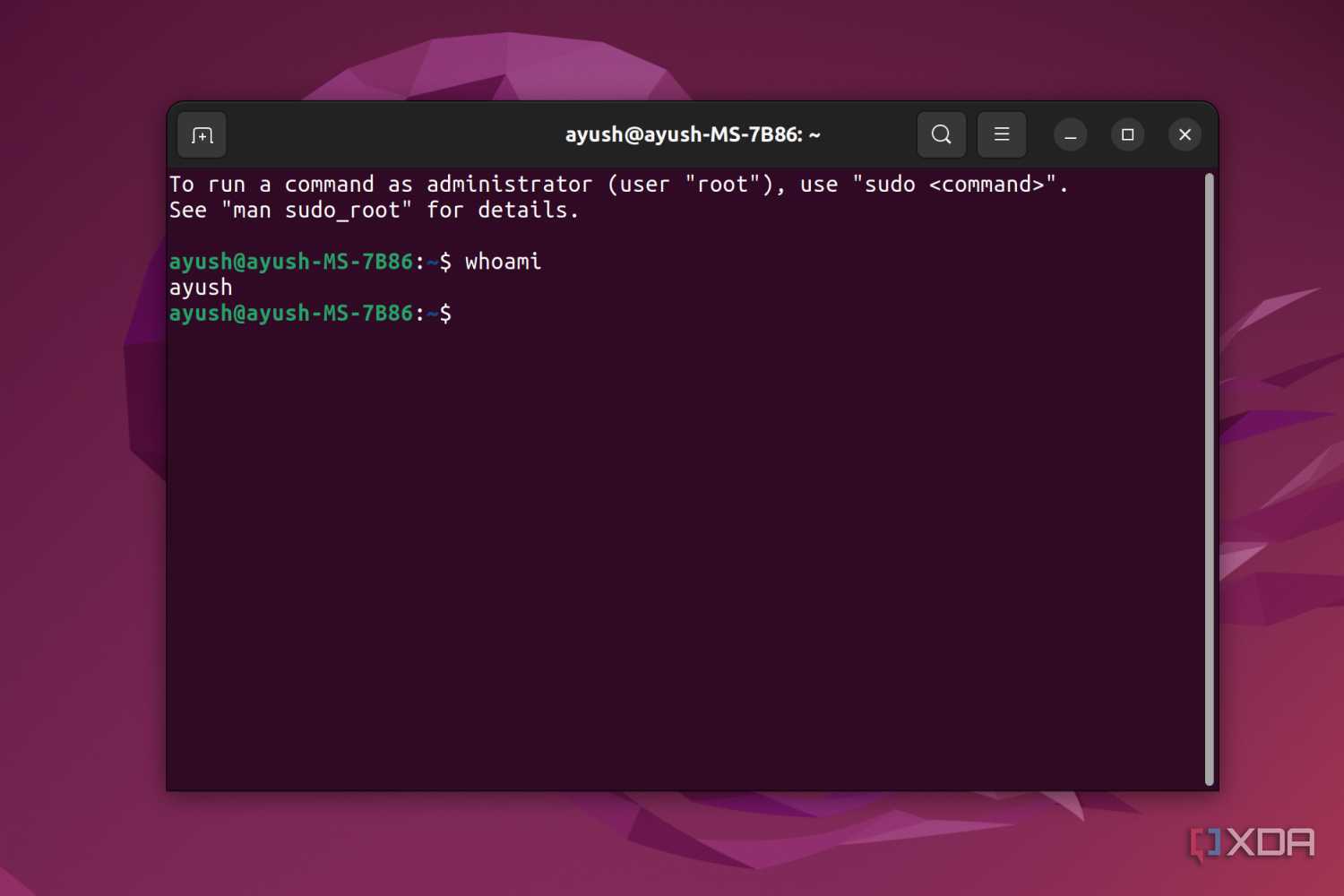

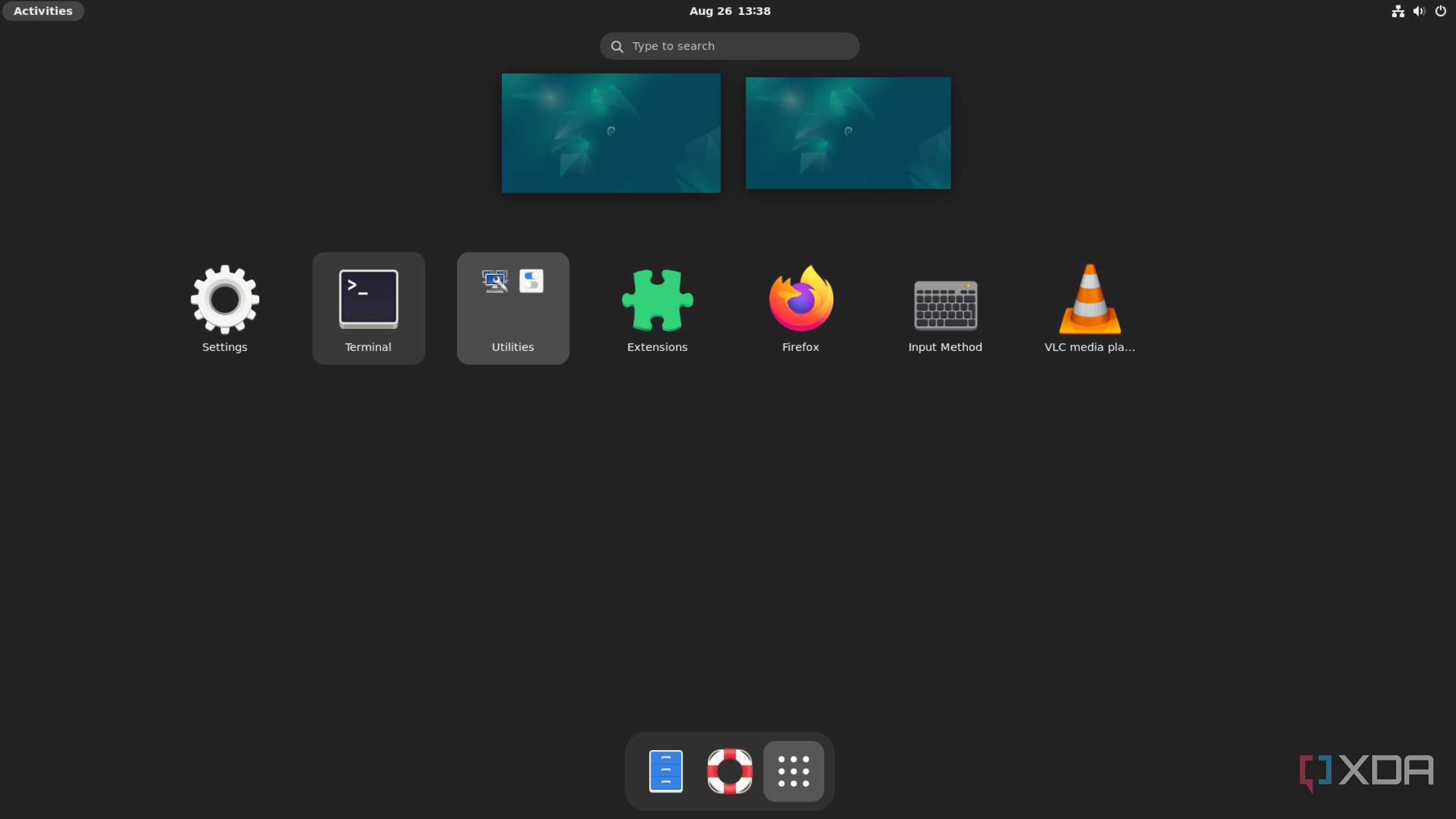





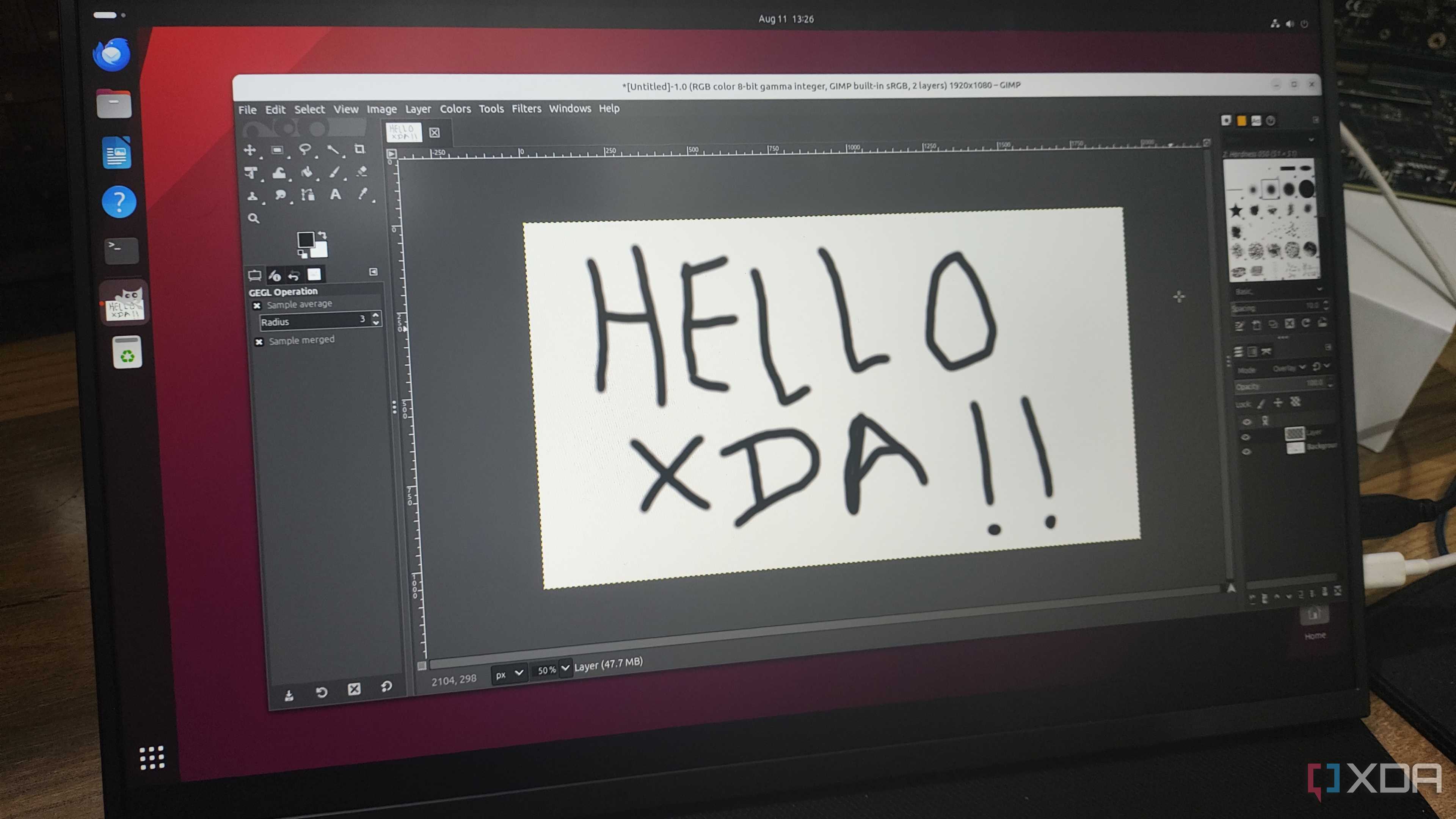
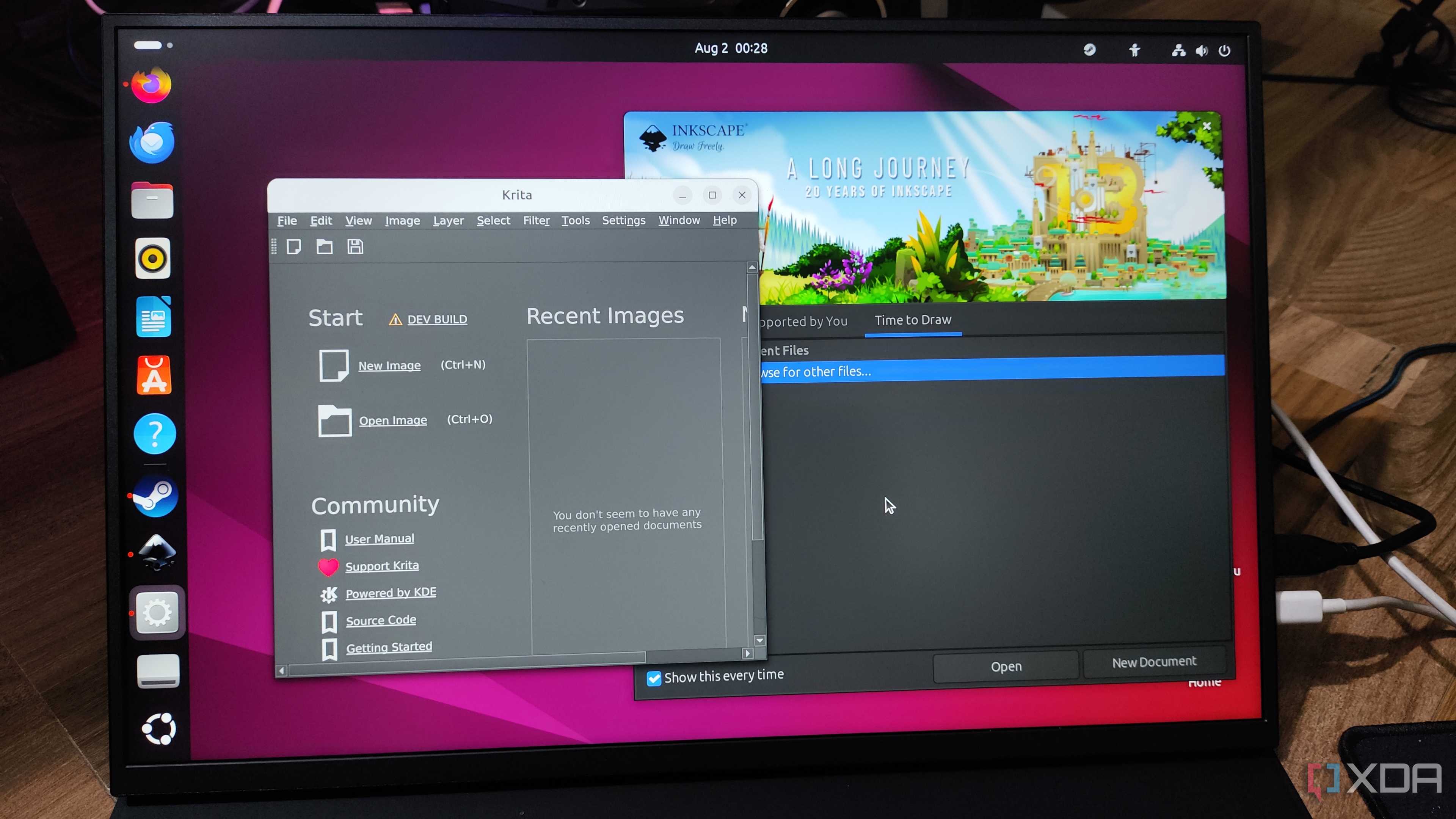
When I built my first PC a decade ago, the lack of proper Linux drivers for my GPU forced me to stay on Windows. However, the Linux ecosystem is more welcoming to new users than it has ever been. For folks who prefer a Windows-esque UI, Linux Mint can offer a similar experience and is great for newcomers who have yet to dip their toes into terminal commands.
Alternatively, there’s the Debian-based Pop_OS!, which includes driver support for most GPUs right out-of-the-box. Sure, there are plenty of complex distributions that require the enthusiasm of a nerd and the brain of a 4D chess player. However, you’ve got just as many straightforward Linux distros that require minimal configuration for your everyday tasks.
2 Plenty of distributions to choose from
Warning: You may get addicted to distro-hopping


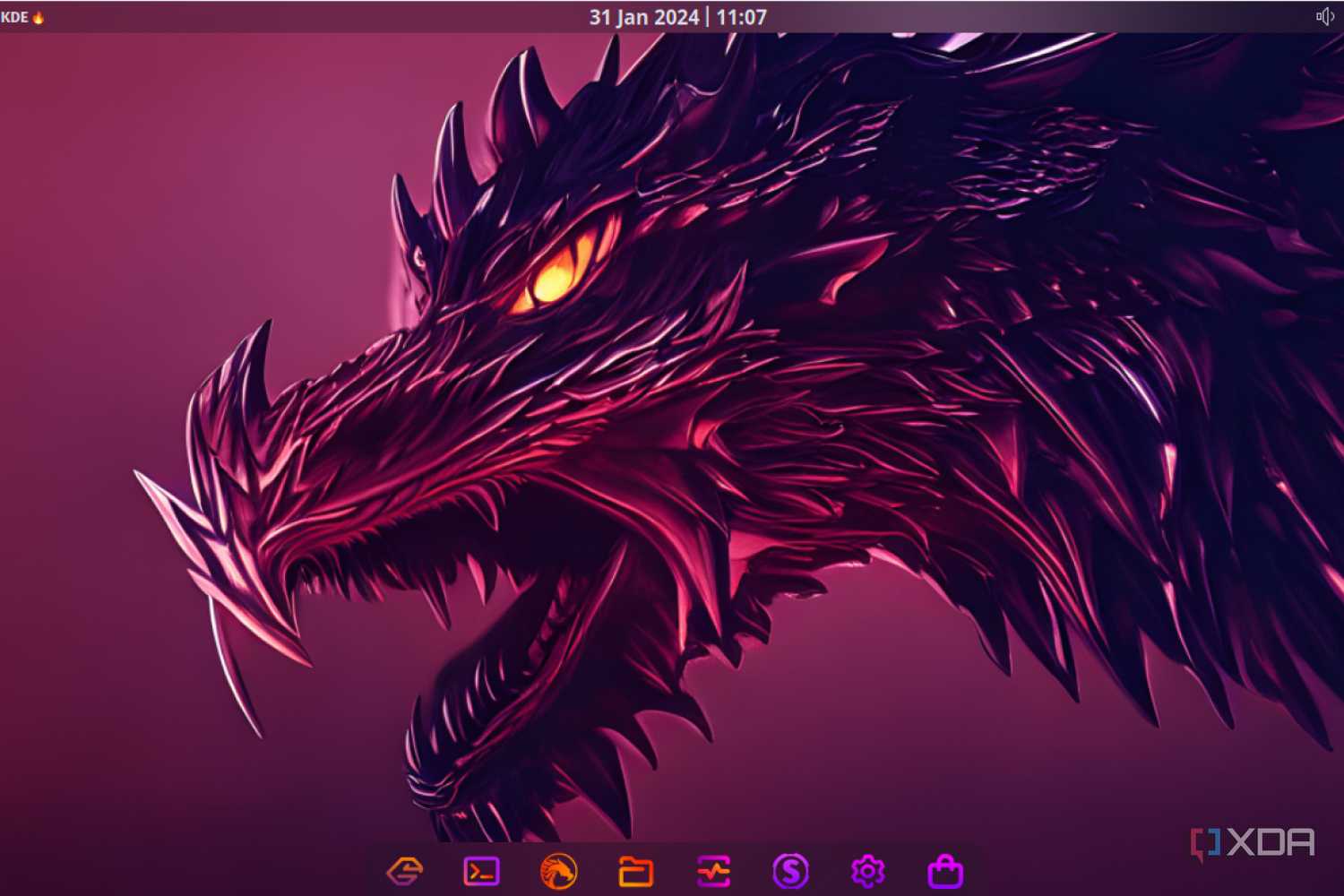
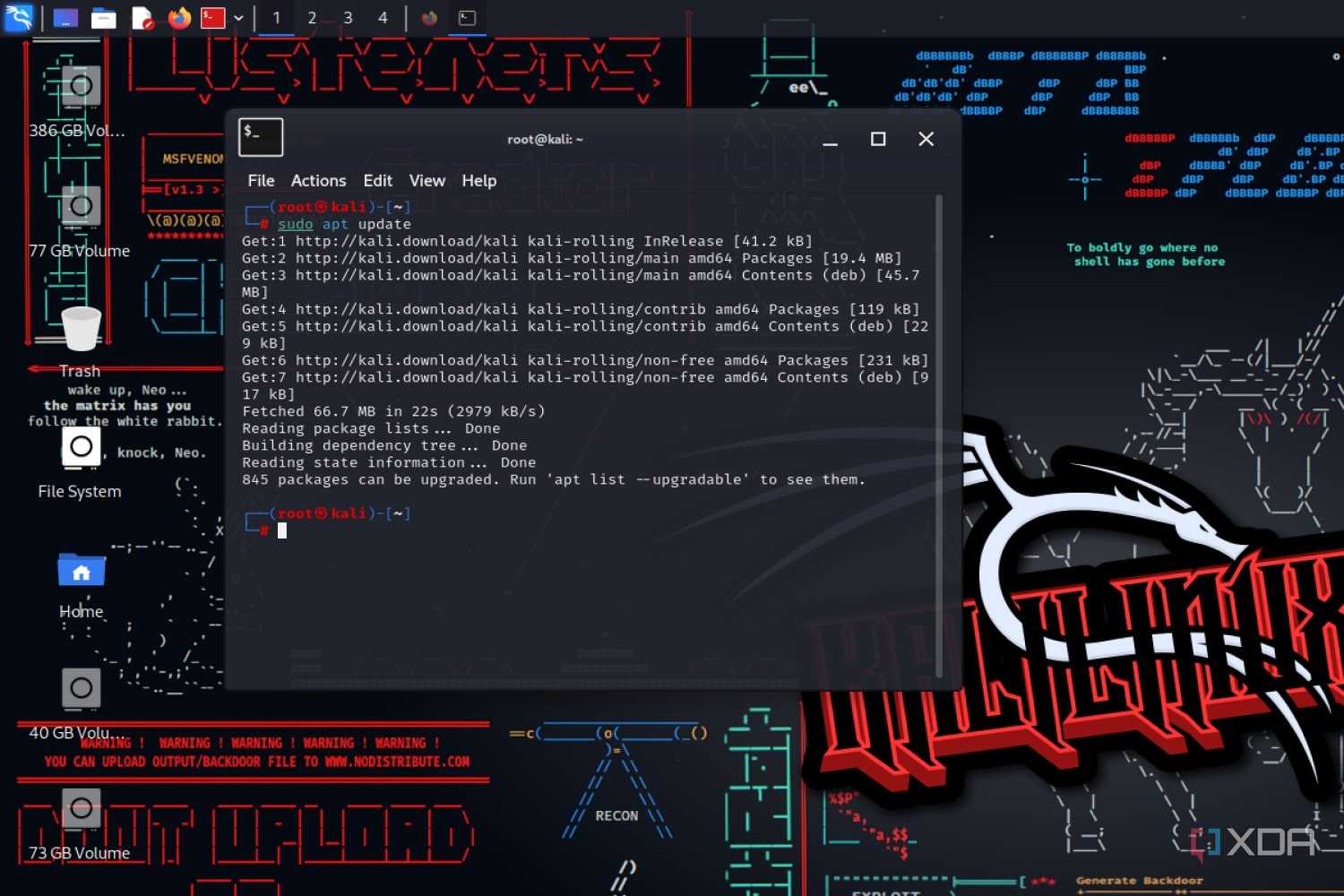
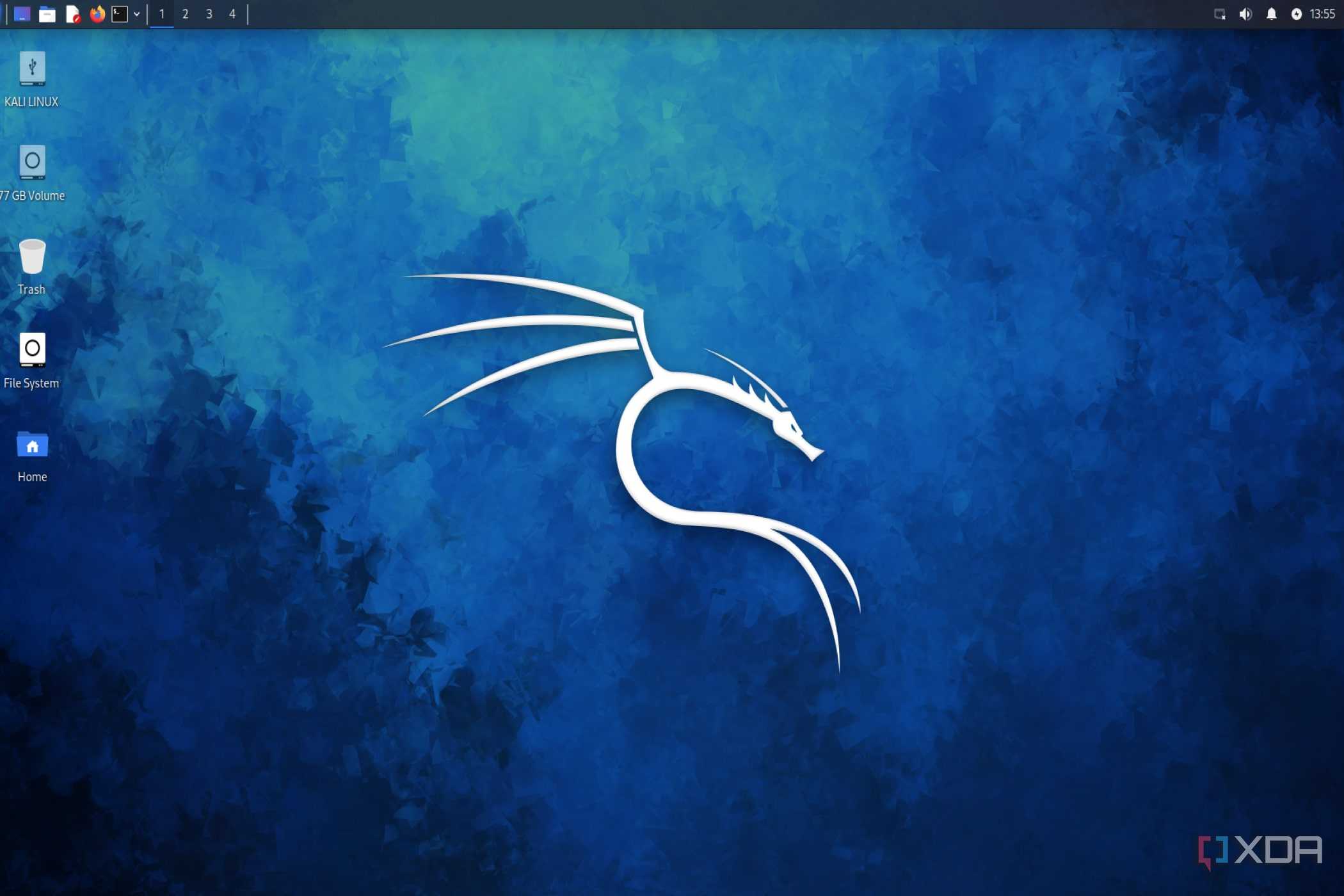
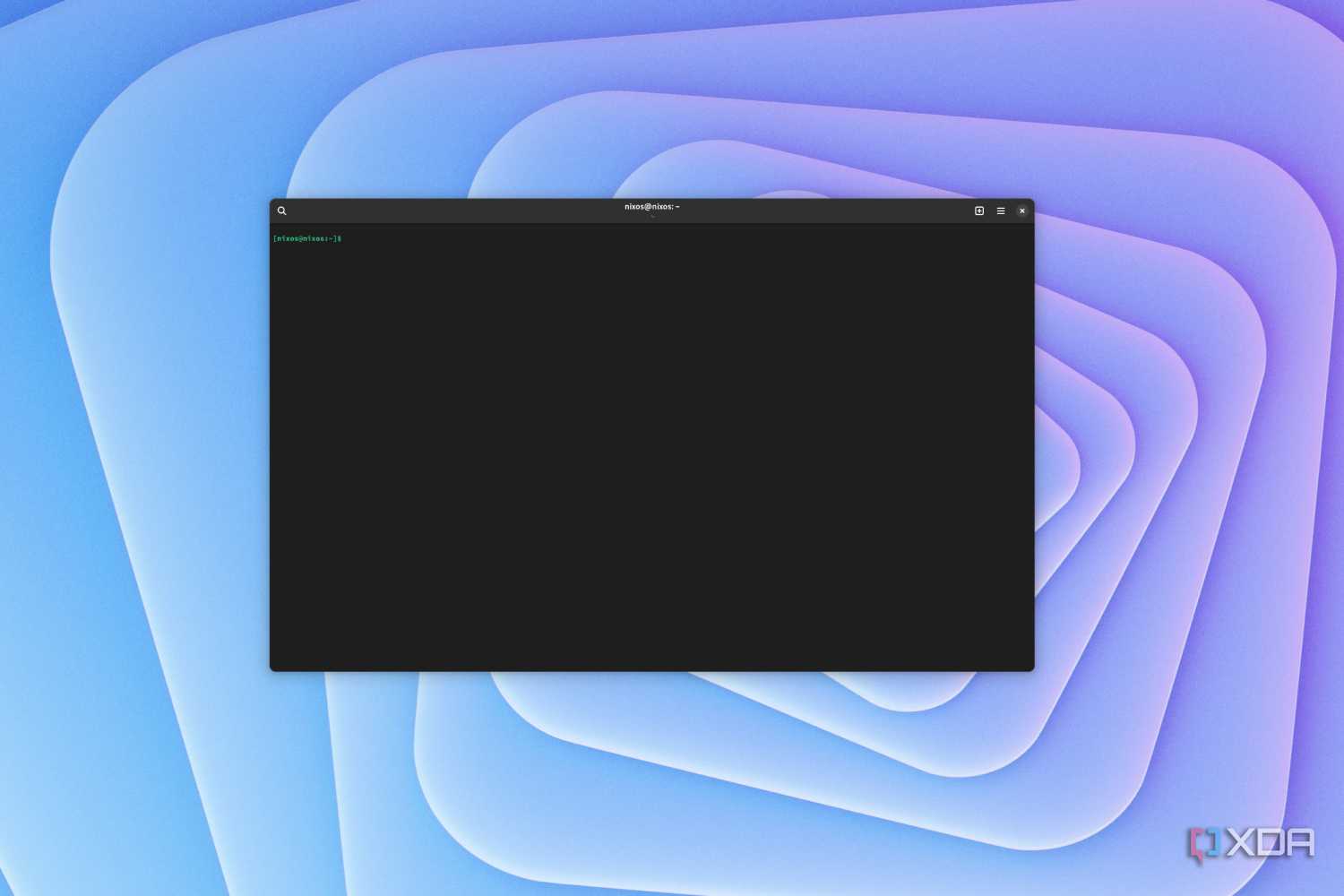






Unlike Windows and macOS, the Linux scene is chock-full of unique distros – each adding something new to the table. On the more beginner-friendly side, you’ve got Debian-based operating systems that pair simple UIs with a stable design. For gamers, there’s Bazzite, Nobara, Garuda Linux, and the upcoming SteamOS (but more on that in a bit).
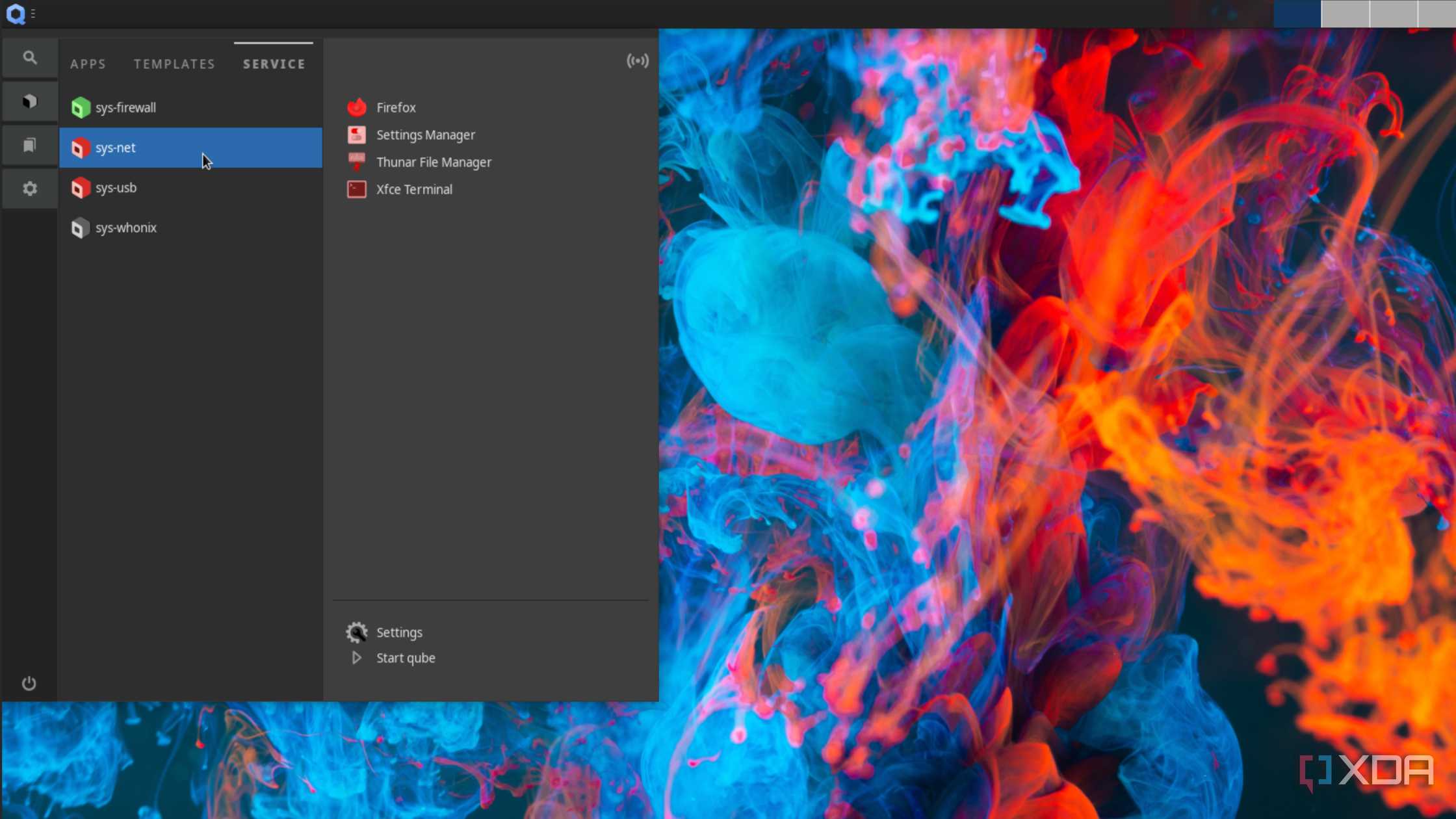
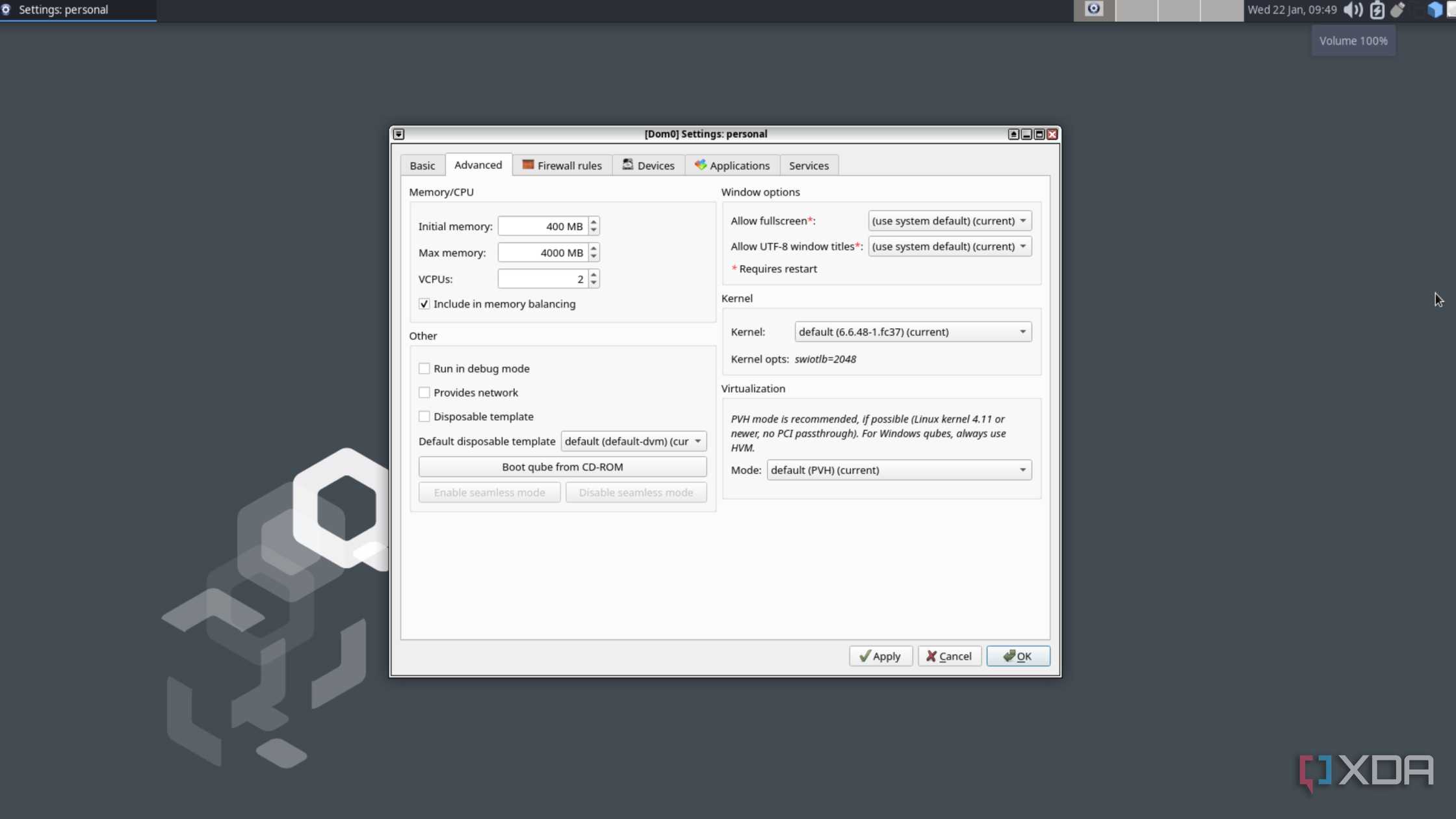
For computing enthusiasts who value security, you’ve got the privacy-centric Tails OS and the virtualization-heavy Qubes OS. If you’ve got a low-end system that crumbles under the weight of Windows 11 and its bloatware, you can check out DietPi, Tiny Core Linux, and Puppy Linux. Regardless of your use case, you’re bound to find an operating system that can satisfy your needs.
1 SteamOS is poised to surpass Windows 11 as the OS for gamers
Valve means serious business...


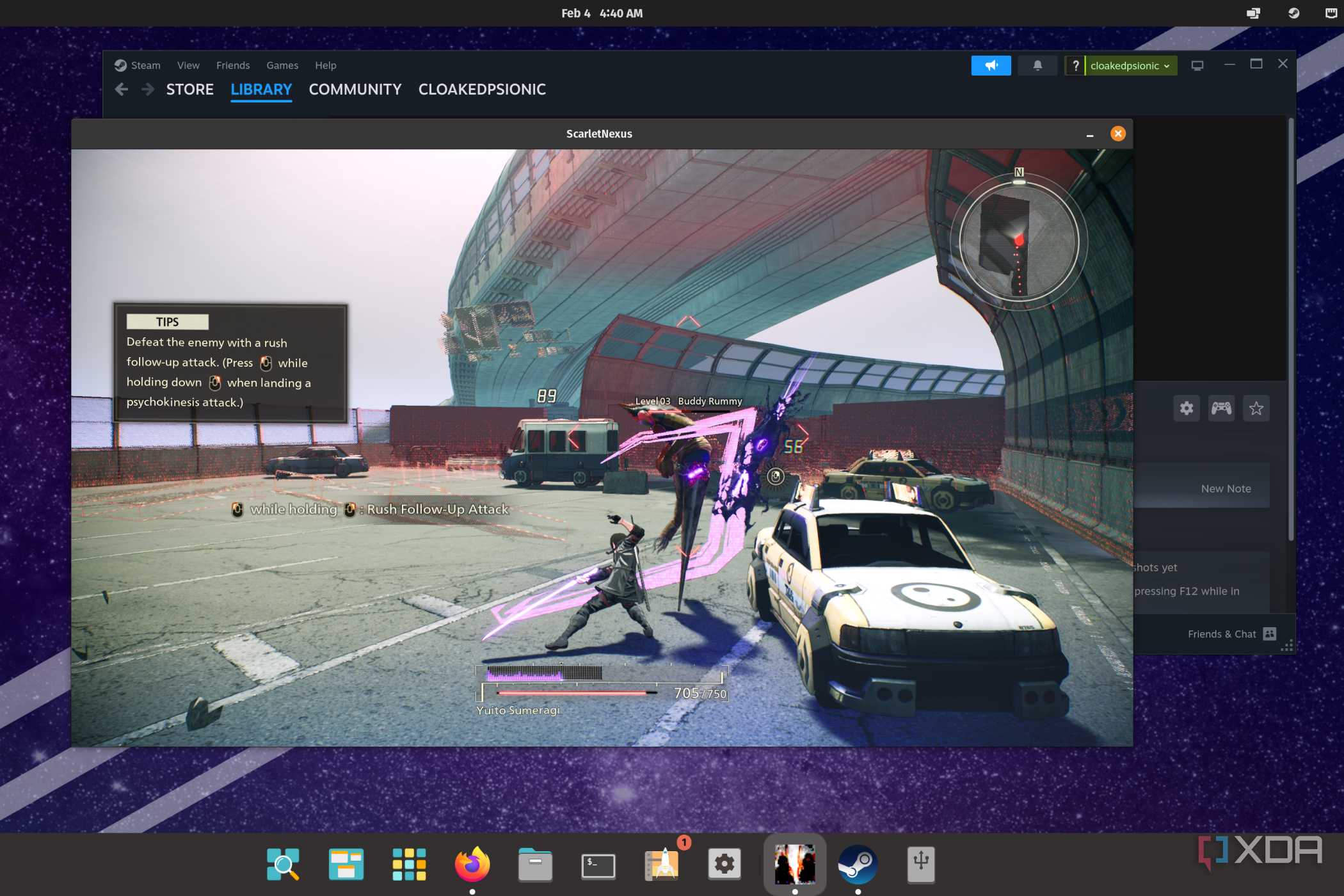
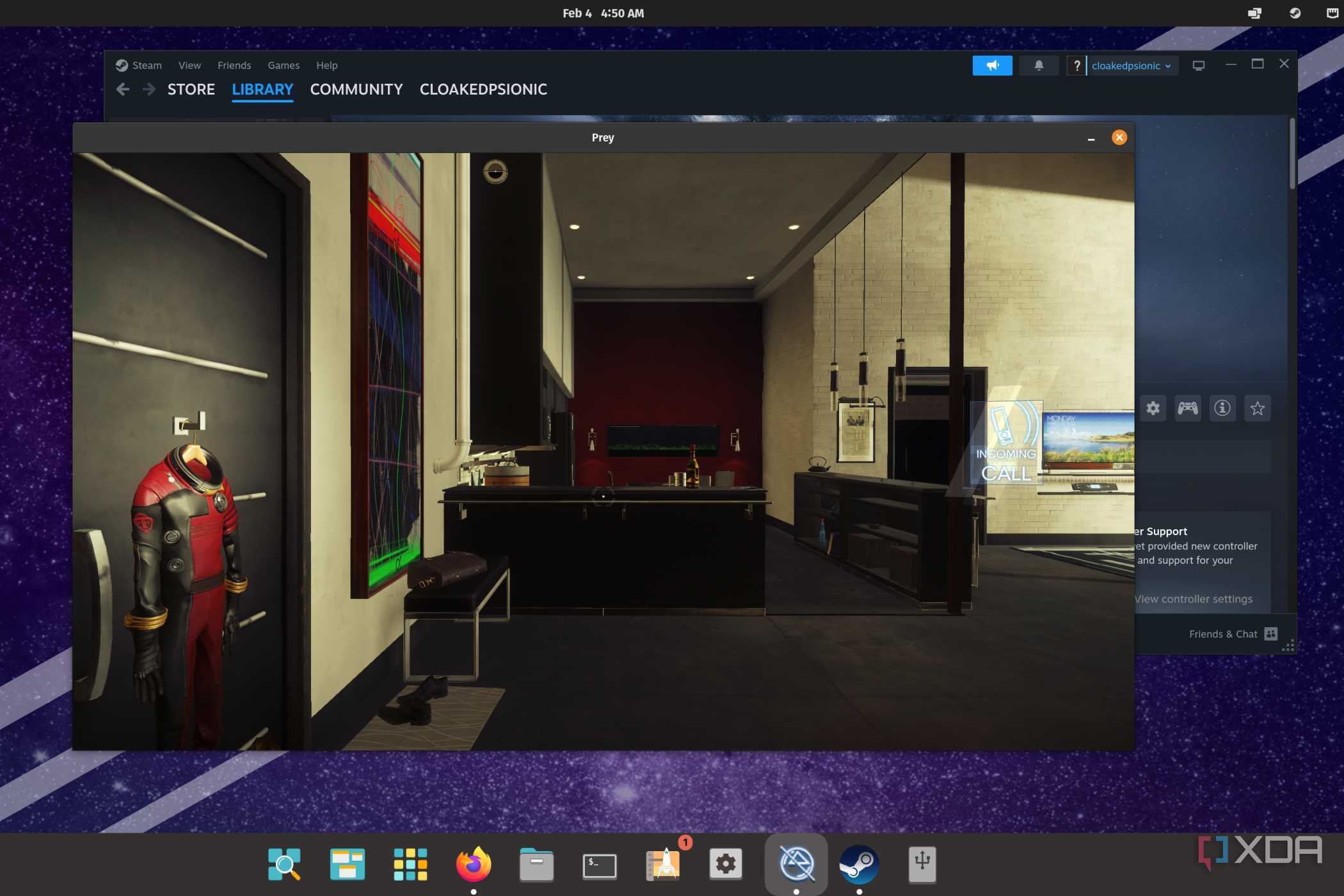
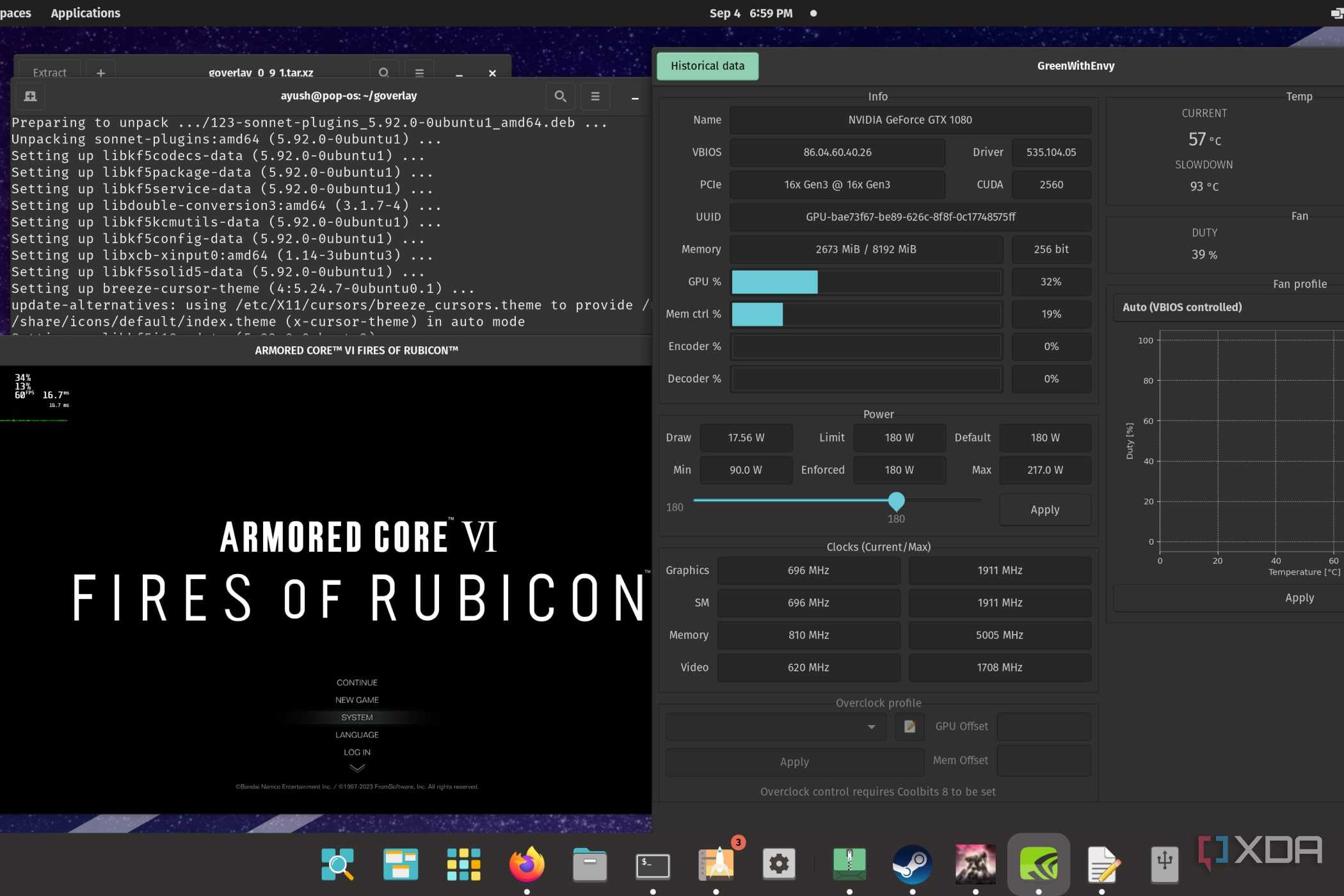
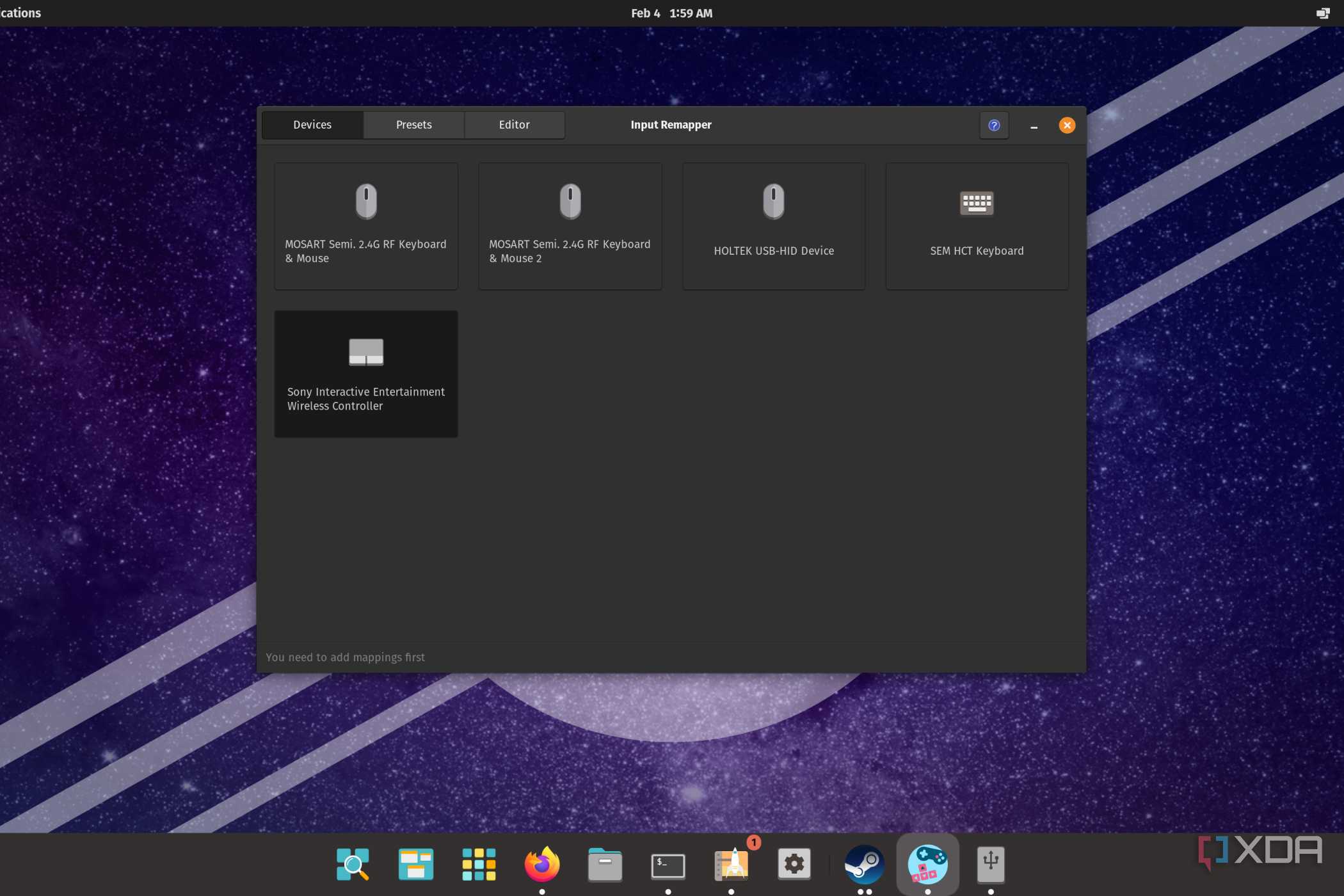
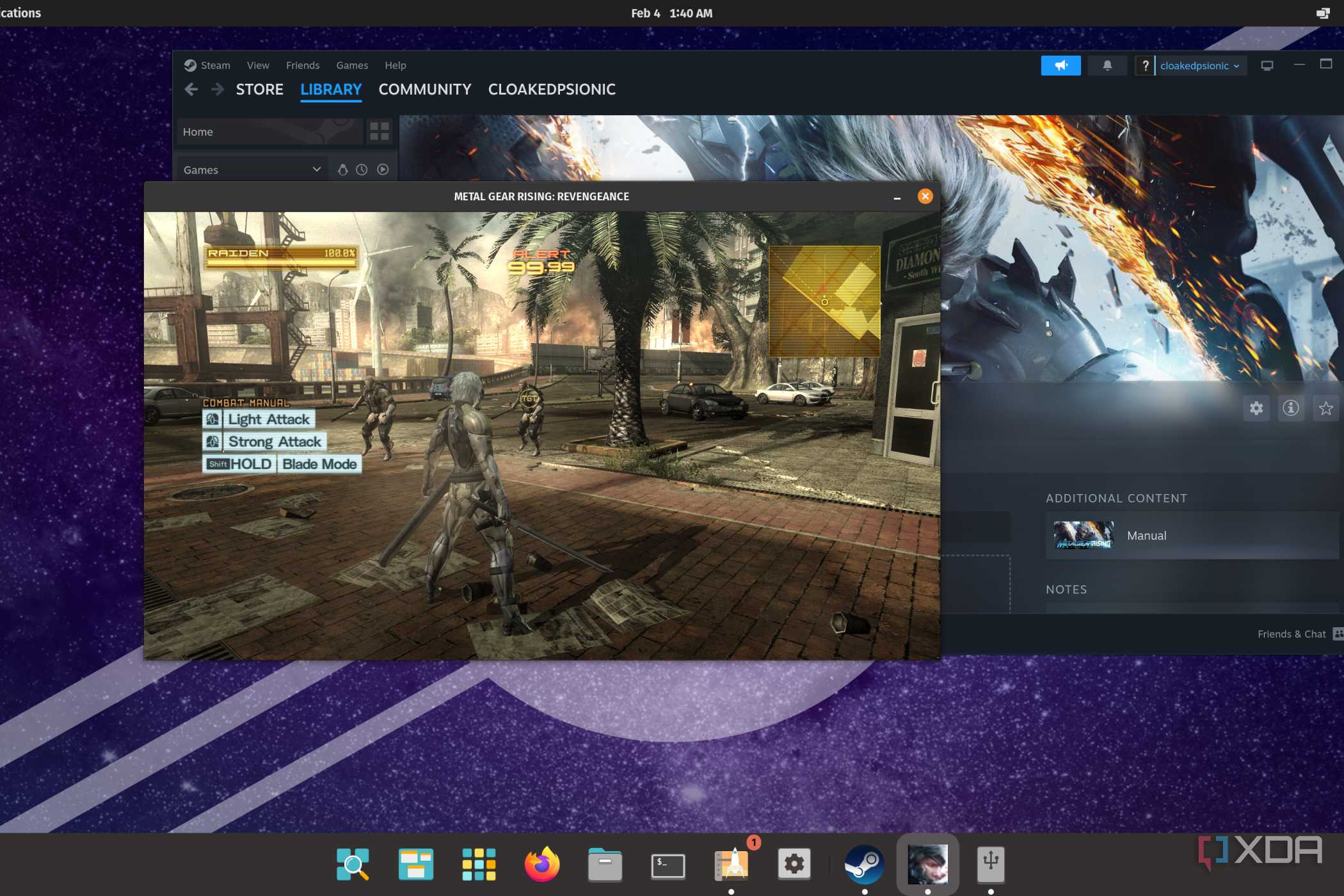




Windows has been the staple operating system for gamers, not out of choice but because there isn’t an OS that can overthrow Microsoft’s flagship OS lineup when it comes to running games. Or at least, that’s how it used to be before Valve single-handedly brought Linux to the forefront of gaming with the Proton compatibility layer.
Thanks to major updates to Proton over the years, you’ve got a library of bestselling gaming titles playable on Linux at rock-solid FPS. Although Linux distros can’t run certain multiplayer titles that feature kernel-level anti-cheats for Windows, the number of games you can run at native performance is larger than ever. With Valve planning to release SteamOS on non-proprietary hardware in a few weeks, we’re bound to see more gamers switch from Windows to Linux – and not just gaming handheld owners either. Who knows, perhaps SteamOS might finally convince multiplayer game developers to modify their anti-cheat services for Linux.
Linux or Windows: A dilemma for ages


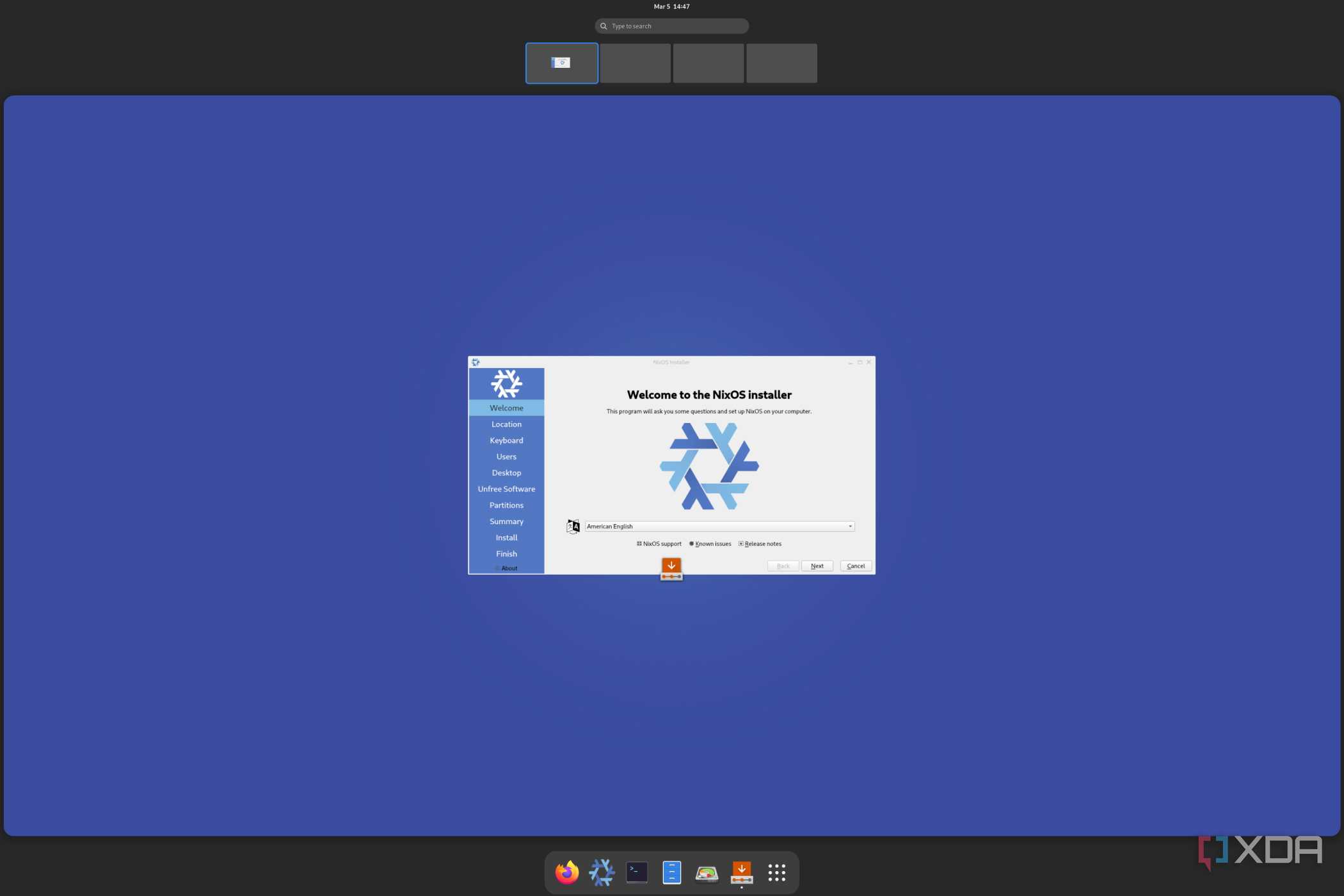





Linux may have stayed dormant for casual users, but the stars have finally aligned open-source distros to leave their mark on the consumer landscape. As someone who used to love Windows, I’m starting to grow tired of Microsoft constantly shooting itself in the foot with changes that nobody asked for – and the AI and privacy-intrusive services on Windows 11 have gone from mild annoyances to full-on deal-breakers. Aside from my Linux-only workstation, I’ve already switched to Arch distros for my coding and development tasks. If Valve plays its cards right, I’d happily get rid of Windows 11 and switch to SteamOS for my gaming needs.
