


While most people would choose either wired or wireless headphones based on personal preference, there are some major pros and cons to consider (on both sides) that may sway your choice. While wired headphones have been the go-to for years, wireless devices are getting much-needed upgrades and are becoming a much more viable option.
Two of the biggest things to consider are battery life for wireless headphones and connectivity options for both. While wireless headsets do generally offer more options for connecting to devices, sometimes there is just no beating a solid audio jack connection. Let's take a look at both sides of the discussion.
First, let's take a look at the advantages of a wired headset.
Weight

Wired headphones, in most cases, will be lighter than their wireless counterparts, since they don't need the extra internal components for the wireless functionality. This will ultimately result in a more comfortable listening experience, especially for prolonged periods.
Whether you are gaming or using your headphones for work calls, you don't want to feel any discomfort while using them. Of course, manufacturers usually add plenty of padding in either case, but overall, the weight of the headphones will be one of the biggest factors in how comfortable they are.
Latency

Have you ever been watching a show and noticed that when someone is talking the audio seems out of sync with their mouth? Well, that is due to latency and can be even worse when using wireless headphones. Whether you are a gamer, music producer, or audiophile, you will know how important it is to make sure all your audio is synced properly.
For me, this is one of the biggest plus sides of wired headphones. I normally use them for music and gaming, where latency can make all the difference, especially when playing FPS games. When it comes to latency, wired headphones are the reliable choice; and best of all, price is no concern because cheap wired headphones will, in most cases, out-perform wireless headphones in this category.
Connectivity

Wired headphones are usually much easier to connect to your device. Just make sure the jack is clean and plug it in. You can normally tell if your jack is a bit dirty as you might hear some static, but you can normally just twist the headphone plug and it will fix the issue. If this is the case though, do look inside to make sure everything is clean.
On the other hand, wireless headphones can have more connectivity issues. There are different codecs, Wireless 2.4G, and Bluetooth options as well. Different manufacturers such as Apple have their own Audio Codec that is not always compatible with all devices, so you need to make sure your device supports it. This can quickly become annoying and stressful if you are unfamiliar with the nuances.
Cost less and easier to repair

When looking at like-for-like options, wired headphones will be cheaper to purchase than wireless headphones. Many factors are behind this, but similar to why wired headphones weigh less, they have fewer internal components. This helps to make them both cheaper to buy and easier to repair as there is less that can go wrong with them.
Ease of repair is a major factor to consider when buying anything these days. As we all know, nothing lasts forever, and if it can be fixed easily, then all the better. Of course, you will still need to find someone who can actually do the repairs, but that is a problem for another day.
No charging

While battery life has come a long way on wireless devices, especially headphones, they will need to be charged eventually. Wired headphones can just be plugged straight in and used for as long as you like, no need to worry about trying to prolong the battery life by turning the volume down or any of that. But for wireless, the volume you listen at will have a direct correlation to the battery life they offer.
When choosing a wireless headset, pay close attention to the expected battery life and make sure that it will meet your needs without becoming an inconvenience.
Ease of use

Being able to just plug your headphones in is the easiest way to use them, there is no doubt about it. With wireless headphones, you need to consider whether you are using 2.4G or Bluetooth. Do you need to reconnect them to your device? Do you want to use them on multiple devices? All things to consider.
The 3.5mm jack has been around for years and is one of the easiest connectors out there. Just plug it in, and you are ready to go, it really is that easy.
With the good must come the bad, so here are 5 reasons why wired headphones aren't always the right choice.
Restriction of movement


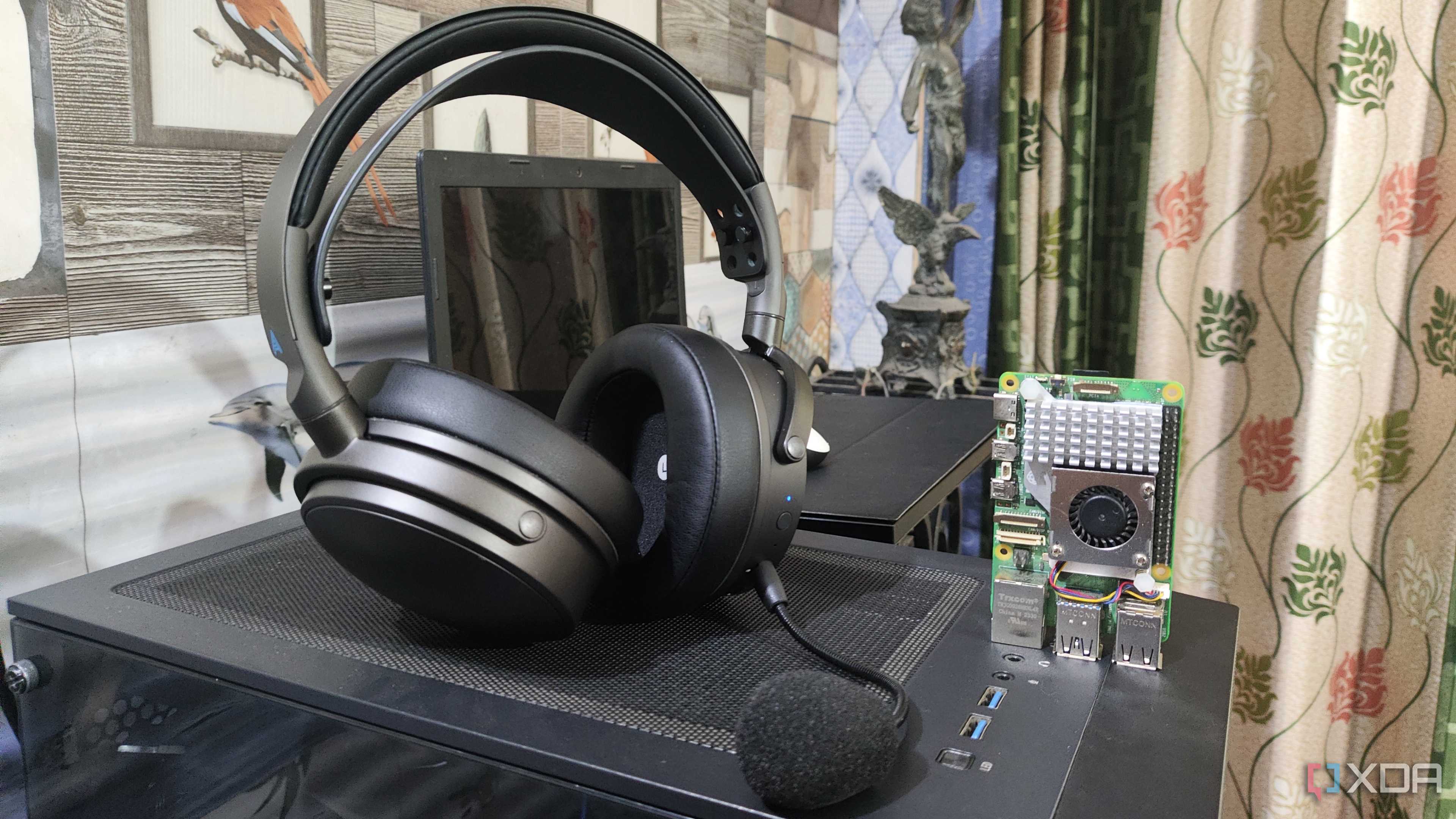
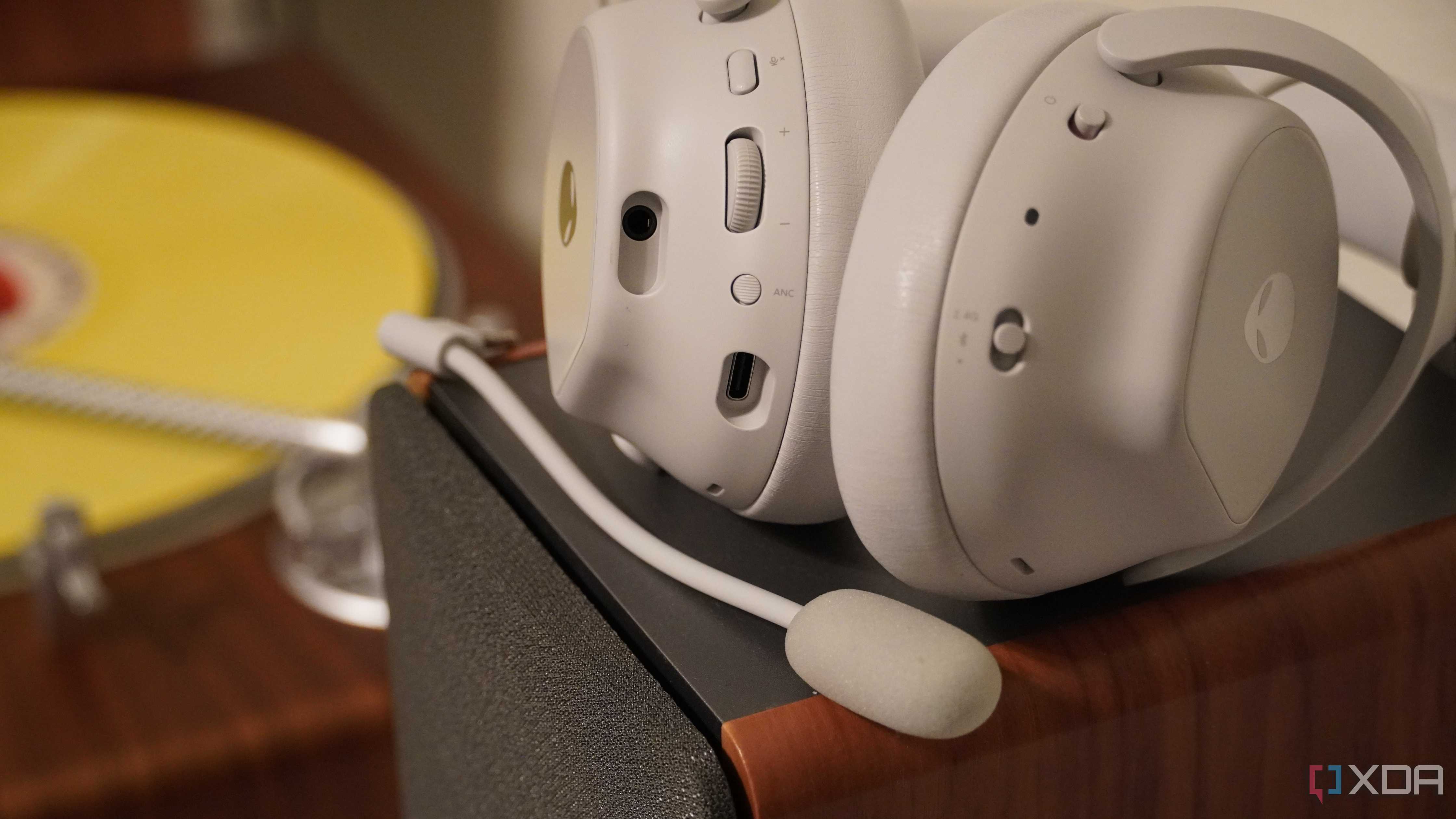
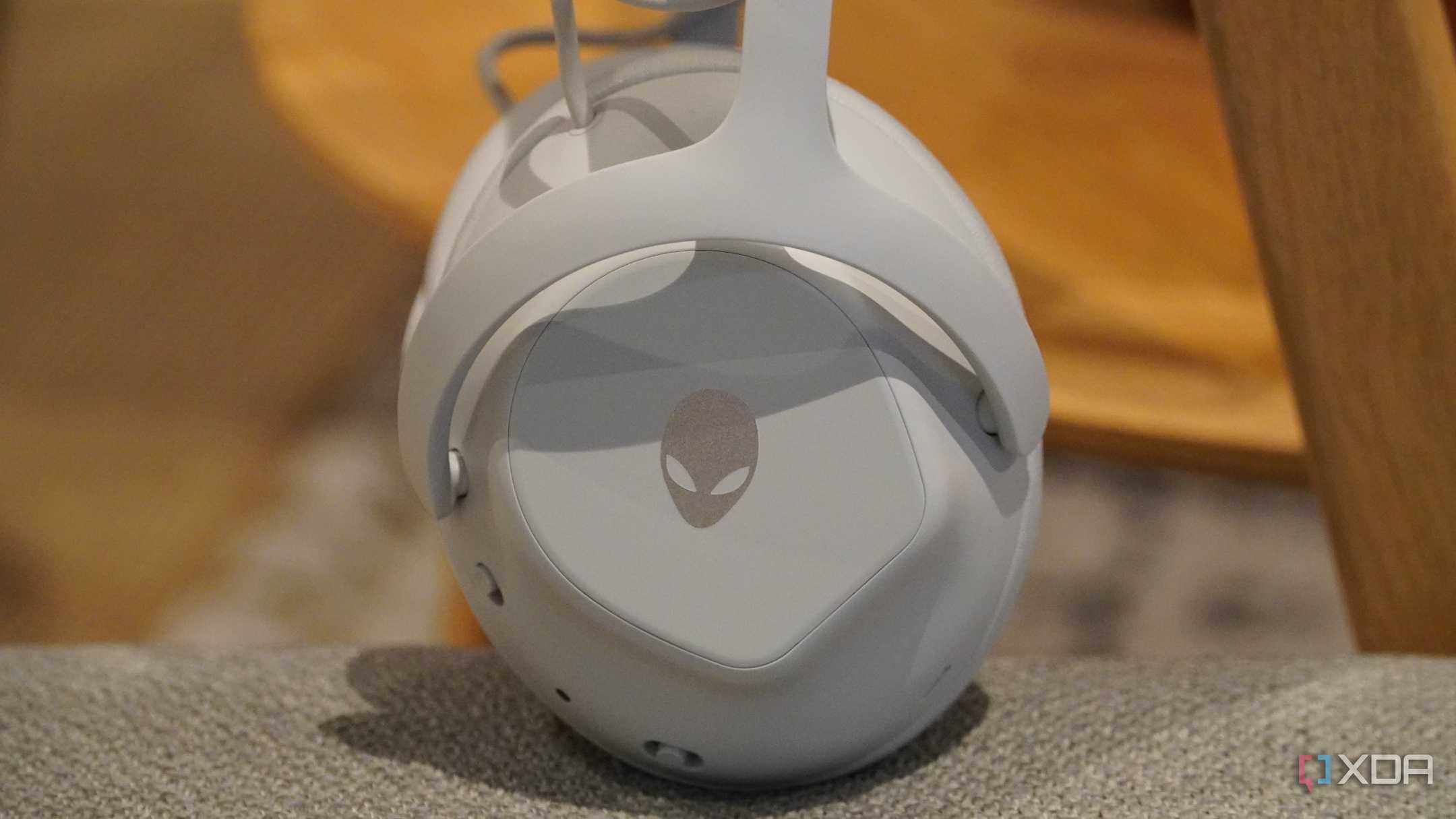
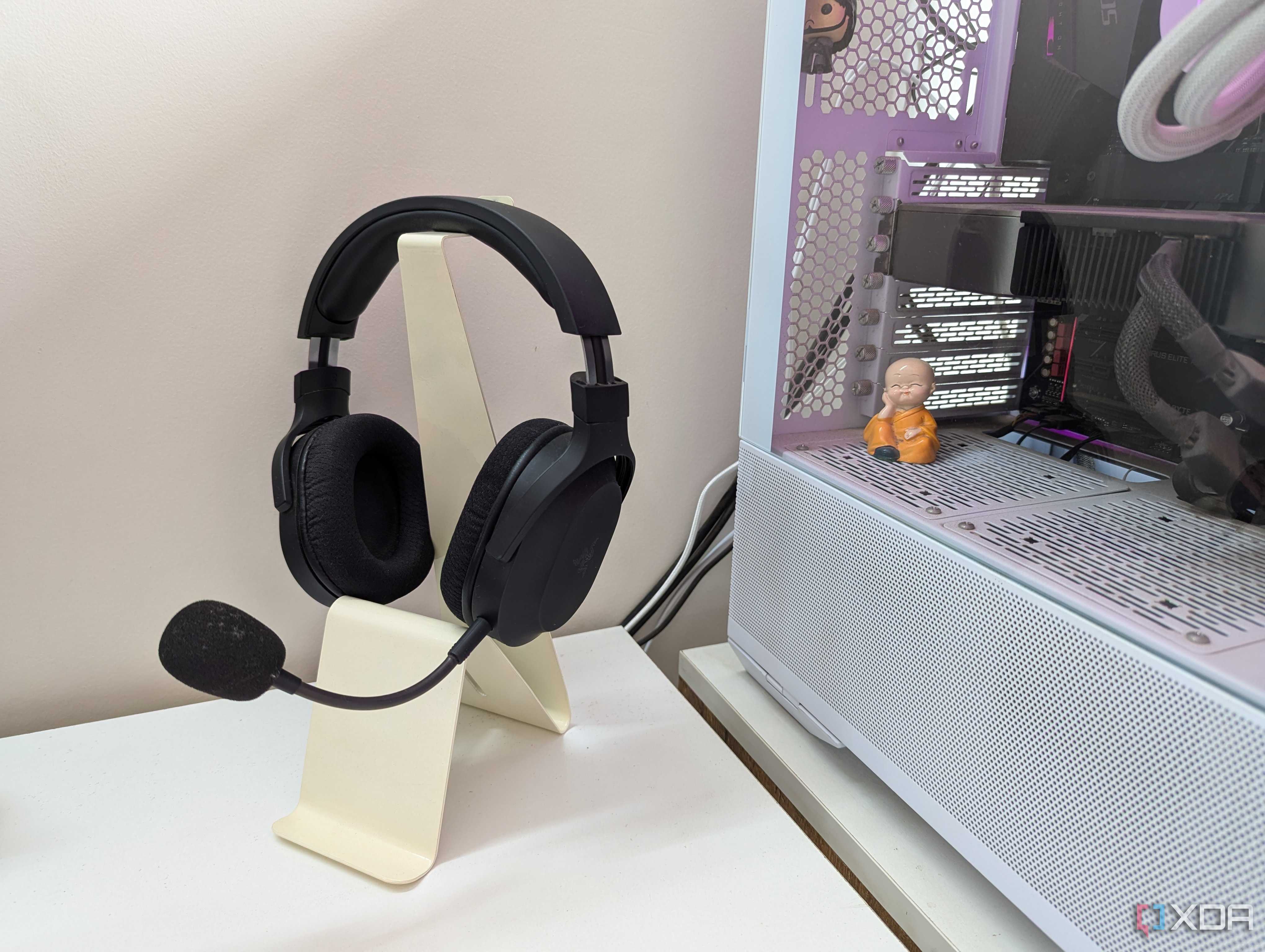
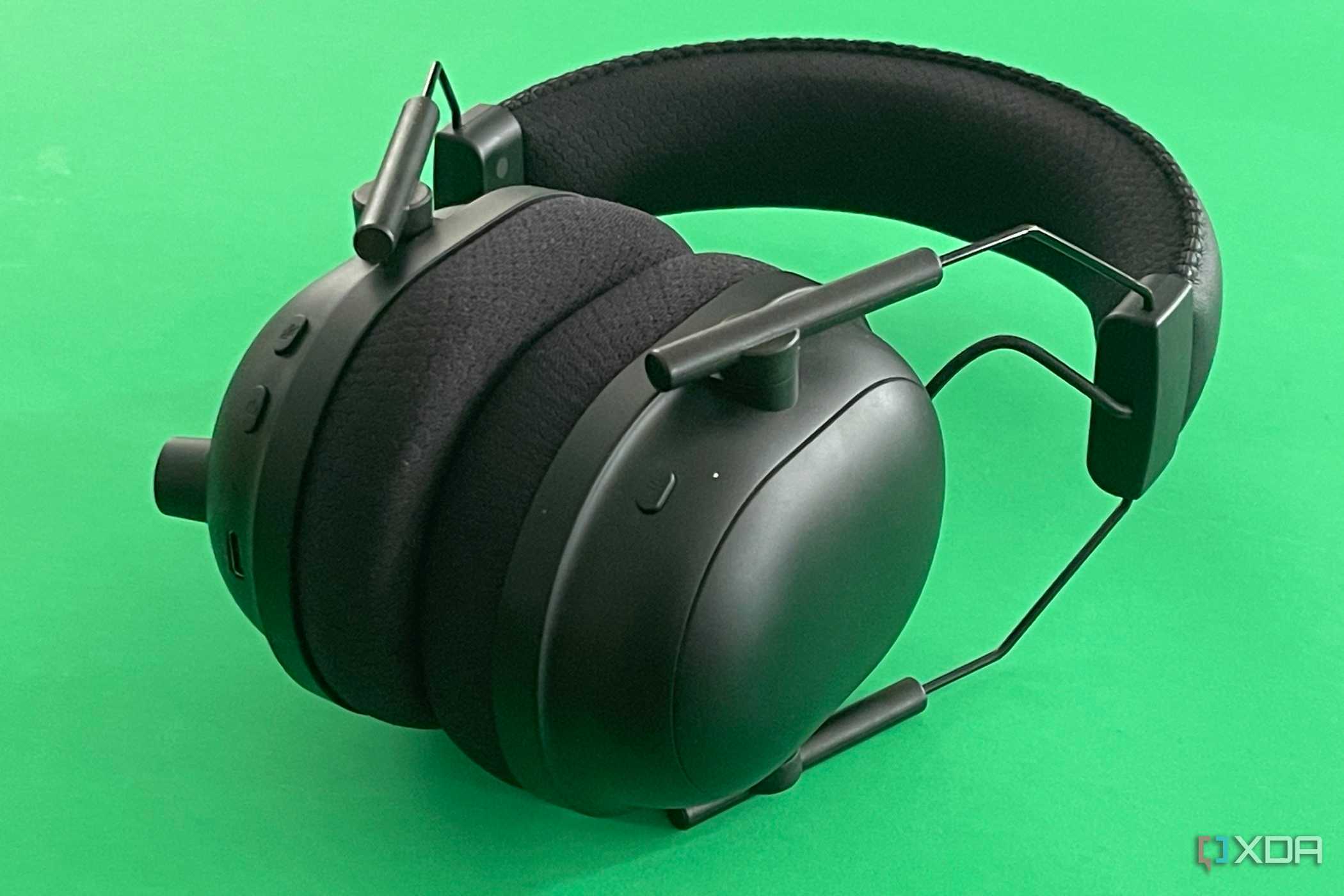


This is the one thing that probably drives me the most crazy. Sometimes I have had to stand up while my headphones were plugged into the front of my PC, and they were ripped off my head as I arose.
If you are like me and use wired headphones for your laptop or PC, you know how much your movement can be restricted. You are tethered to the wire and, however long it is, it never seems to be quite long enough. This also means that you will have to take your headphones off every single time you want to leave your desk and go answer the door or get a drink. Definitely a down-side of wired headphones.
Compatible with fewer devices

To use the majority of wired headphones, the device you want to use them with will need to have a 3.5mm audio jack. This restricts the amount of devices you will be able to use your wired headphones with these days. More and more devices are including Bluetooth as a connectivity option, and we are starting to see more wireless headphones offering both Bluetooth and Wireless 2.4GHz connections.
When looking into wireless headphones, 2.4Ghz and Bluetooth both have their advantages. Bluetooth can allow you to connect your headphones to multiple devices with ease, whereas 2.4GHz is compatible with almost any device that has a USB port for the receiver. A 2.4GHz connection should also offer better sound, less latency, and a stable connection, and will perform more similarly to wired headphones.
Less portable

Wired headphones are generally more of a pain to take with you on the go. You have to unplug them and plug them back in when you want to use them again. It can also be a pain to pull out of your bag and unwrap, if you have used one to wrap up the wire neatly inside your bag. With wireless of course, no cable management is required, and many wireless headphones even include a protective carry case in the box when purchasing new ones. This gives the advantage of portability to wireless headphones. Not saying that you can't bring your wired headphones with you, it's just not as easy as it is with wireless headphones.
Wires

Have we mentioned wires yet? While they can offer advantageous performance to products, they can also cause all kinds of issues across all product ranges. The biggest is the restriction of movement, as when it comes to headphones, this can affect your overall enjoyment. There's nothing worse than being confined to a single area while using wired headphones.
Over time, wires can also fray, get bent, and just generally become damaged. Let's not forget the 3.5mm jack that is connected to said wire, which also seems to get damaged quite frequently if you are not careful. Overall, while wires may offer a better listening experience, they are definitely more of a nuisance to deal with.
No Active Noise Cancelation (ANC)

This is one of the biggest reasons why wireless headphones are becoming more popular than their wireless counterparts. ANC uses microphones in the earcups or earbuds to detect sounds coming at the wearer. From here, the ANC processor creates an opposing sound to cancel out any noises outside the headphones.
Simply put, when ANC is turned on, you shouldn't hear as much background noise and can enjoy more of what you are listening to. While there are wired headphones with ANC, it seems as if the market has shifted away from these. This is likely due to use cases, as more people are likely to use wired headphones at home where it is quieter, whereas more people use wireless when they are out and about where it's much more noisy. Therefore, the best noise-canceling headphones are all wireless.
So, which is better, wired or wireless headphones?
First off, you will need to consider what device you are using your headphones with. If you are looking to use them on a PC, then wired headphones may be able to save you some cash while offering a better sound experience without latency as a factor. However, if you are looking to use them with a mobile device such as a phone or handheld gaming system, the wireless connectivity and ease of switching between devices may be best for you.
Wired headphones can come with different connectors and not just the standard 3.5mm jack. Users who need a more enhanced audio experience from their headphones may opt for a USB-C connection or even a 6.35mm jack for enhanced performance. When it is all said and done, wired headphones are likely the better option if you are using them in one place, whereas wireless may be the way to go if you are on the move a lot.
