


The one thing I really love about KDE Plasma specifically is its powerful customization tools. You can easily tweak anything you like. Want your taskbar to be on a single monitor? You can do that. Want it to be on the bottom of one monitor and on the top, side, and bottom of the other? I'm not sure why you'd want that, but you can do that.
However, as much of a KDE fan as I am, I will admit that the desktop environment has problems. Fortunately, pretty much every problem I have with KDE is getting actively worked on, so I can't complain too much. For instance, look at Union, a system introduced with Plasma 6.7 that aims to make the incredibly messy theming much more organised.
KDE Themes were an utter mess
They were there, but they were a mess


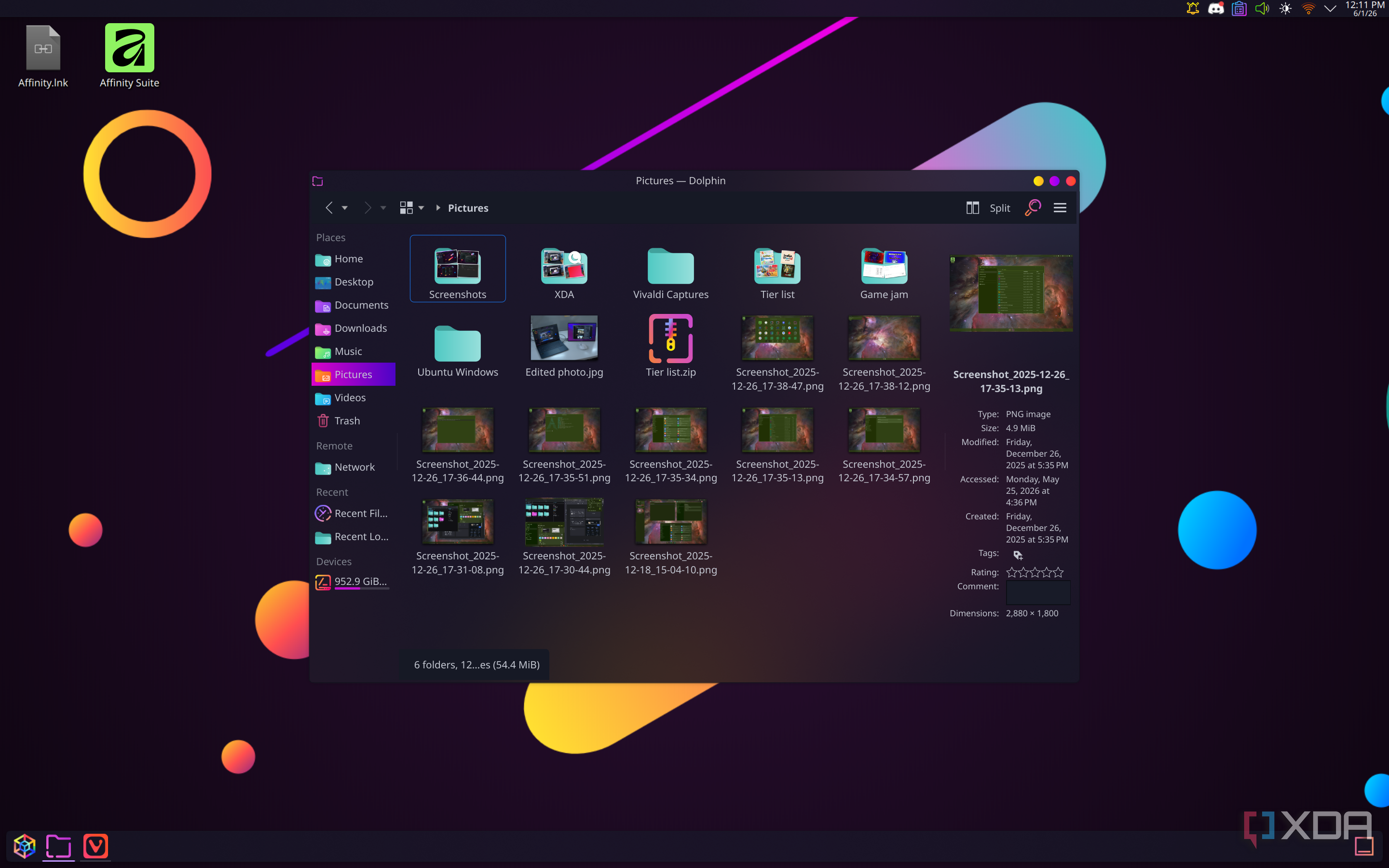
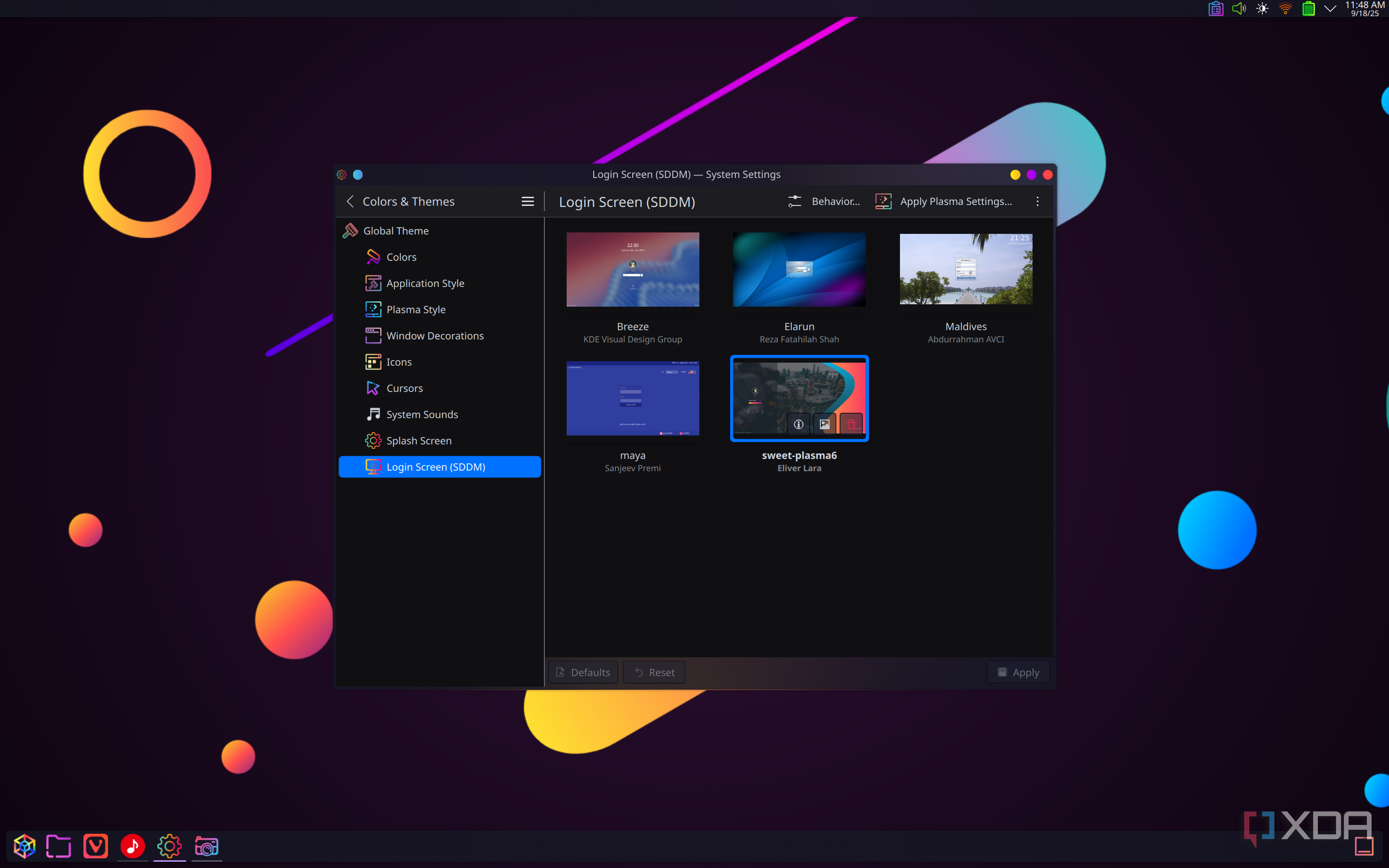
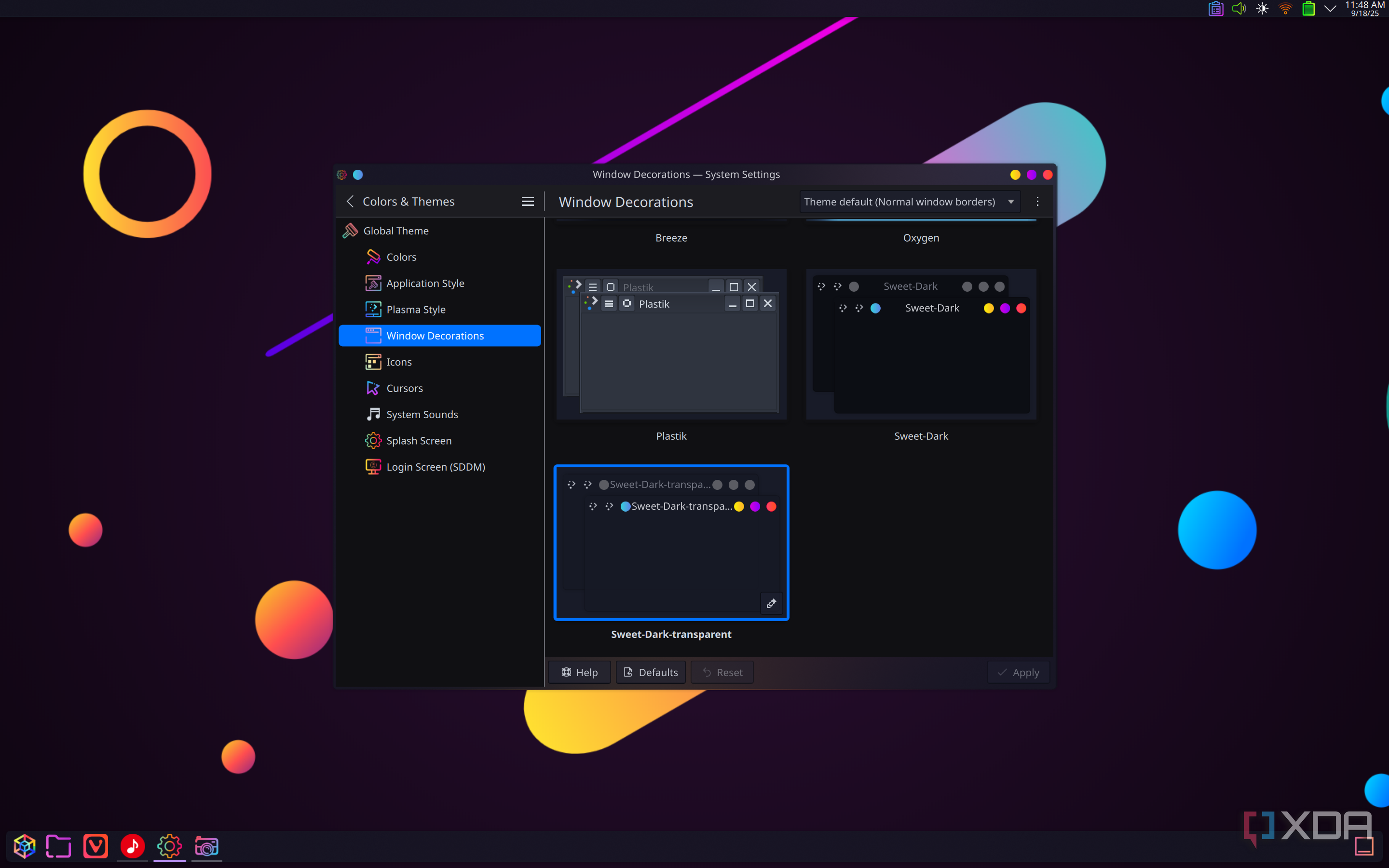
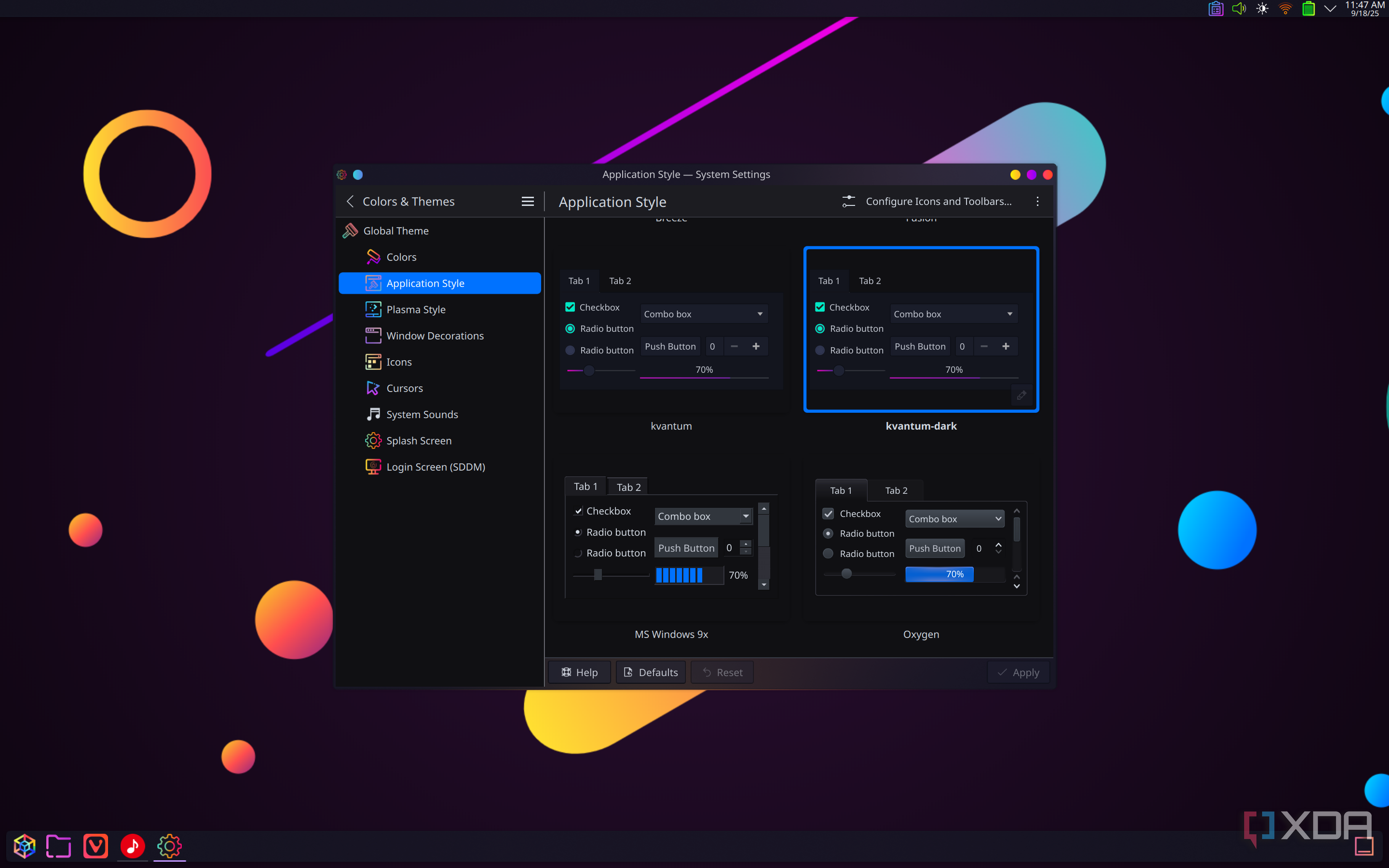
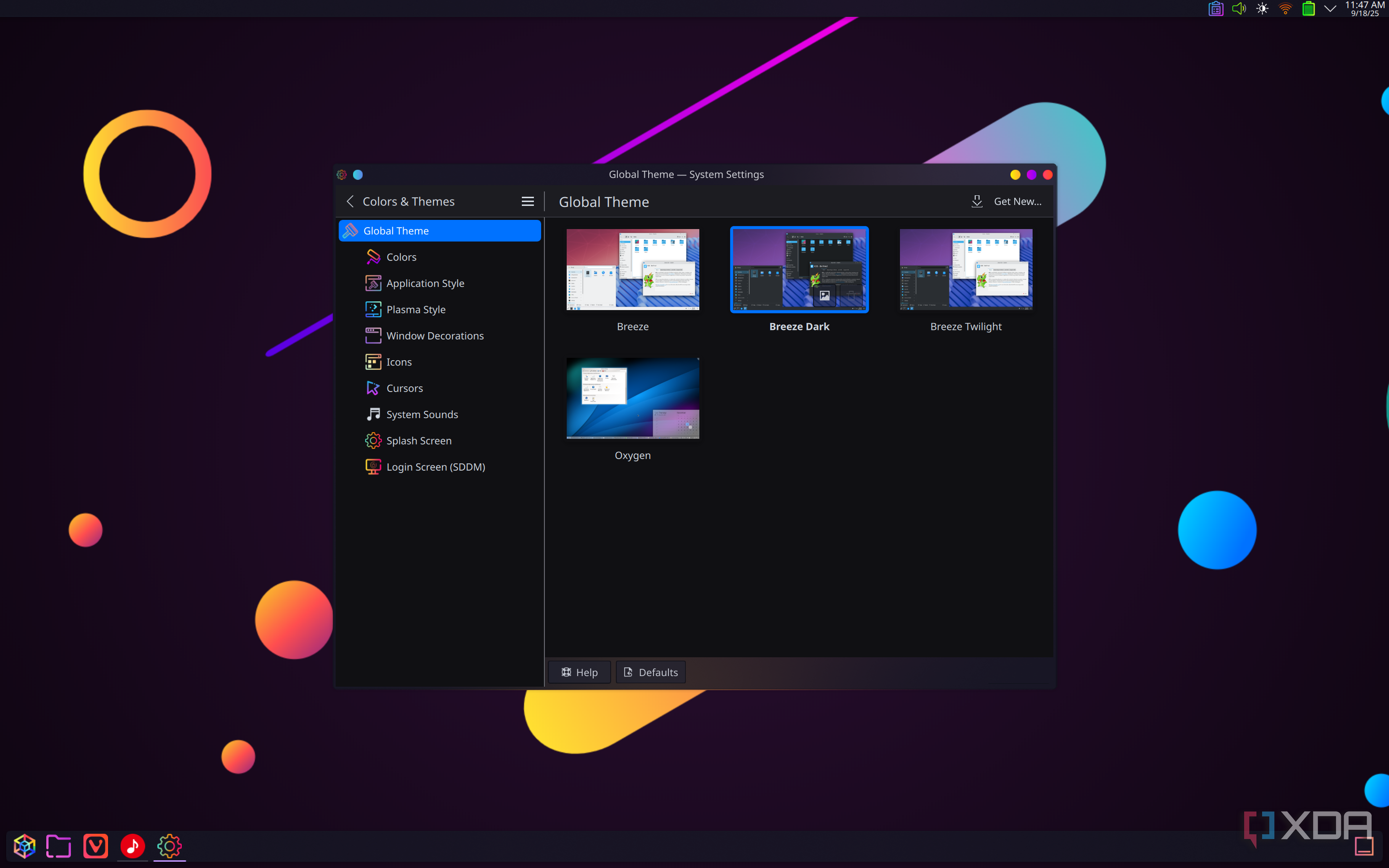
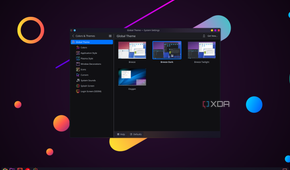
In the past, KDE apps have been spread across different technologies. Older apps will use QtWidgets to get the job done, while newer ones use QtQuick and Kirigami. Plus, some operating systems use two different techs to render themes on the desktop; one to color the windows, and another for the desktop.
This means you could set up a nice dark theme for your desktop, then open up an app and get blinded by the bright whites because the theming hadn't properly applied to them. Even worse, if a theme developer wanted to ensure their theme worked on every single PC, they had to code several versions for the different technologies that people were using.
As such, with KDE Plasma version 6.7, the team introduced a solution: Union.
KDE Union aims to fix that
Making themes has become a lot easier

Solving this problem involves a tricky balance. If you put too much onus on theme developers to make variants for everyone's display technologies, you're keeping the same problem you wanted to fix in the first place. But if you demanded that the user stop using legacy technology and only use modern versions, people would be irate that they can't run their favorite apps the way they want.
The solution? Take the best of both worlds, where a developer only codes one thing, and everyone gets to use it. The way to do that is by using an intermediate layer that takes the code the theme developer made and translates it into what the apps can 'understand'.
This is exactly what Union does. As you might imagine with a name like that, the goal for Union is to bring all the legacy and modern display technologies under one roof, which theme developers can work with. That 'roof' is CSS, which allows KDE themes to move past SVGs as the standard and embrace something that acts as the 'global language of the web'.
When you apply a theme using Union, it takes all of that CSS and translates it into code that your app windows and desktop can understand. The developer only needs to make one theme using a very common coding language, and all of your apps, old and new, get a fresh lick of paint with no issues and additional tweaks.
Enabling KDE Union is even easier
Just a few clicks and you're done

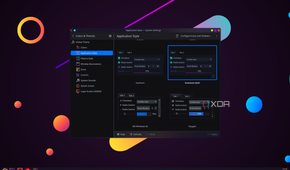
If you want to start using KDE Union yourself, it's really simple. First, ensure you're on KDE Plasma version 6.7 or higher. You can do that by typing "plasmashell --version" in your terminal. If you have it, go to System Settings > Color & Themes > Application Style. Look for Union (In Development) among the options. If you don't see it, you can manually add it by installing the union6 package. For my openSUSE Tumbleweed machine, all I had to do was run "sudo zypper in union6" and then re-open the System Settings to see it. No need to relog.
Once you've enabled it, you can now grab themes that look good without worrying about stuff breaking. You can also enjoy light and dark modes that change with your system, apps that share themes no matter what they were coded in, and perhaps even some better hardware efficiency. Of course, it is in development, so there will be some issues here and there; however, as long as you report any bugs you find, they should get fixed.
Developing and using themes in KDE just got a lot less stressful
Customization has always been a huge part of KDE, and while its themes are great on paper, the actual implementation has drifted over the years. Hopefully, Union can bring the joy of making and using themes back to its roots.
