


For most of the last two decades of personal computing advancements, the increases in performance, IPC, and frequency all came at the cost of increasing thermal loads. That wasn't sustainable by any means and resulted in flagship processors that regularly hit 100C under load. Then Apple decided it didn't like being beholden to another manufacturer for CPUs, leading to the phenomenal Apple Silicon that now powers the entire Mac range. Then the Snapdragon X Elite came out and made Windows usable on Arm processors, and all of a sudden it looked like Arm was on the rise.
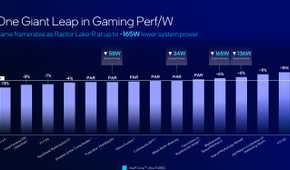
However, AMD and Intel both had new generations of CPUs in the works and this time, they were focused on efficiency gains instead of performance gains at all costs. Intel's Arrow Lake and AMD's Ryzen 9000 series both come with performance gains, albeit modest ones, but they both substantially reduce the wattage needed for the same performance levels as the previous generation. The cycle of 10% performance gains might be over, but so is the practice of pushing more voltage through the chips to gain that performance increase, and that's exactly the type of reframing that the PC industry needs.
The yearly cycle has been broken
Intel and AMD have focused on process and efficiency gains this gen


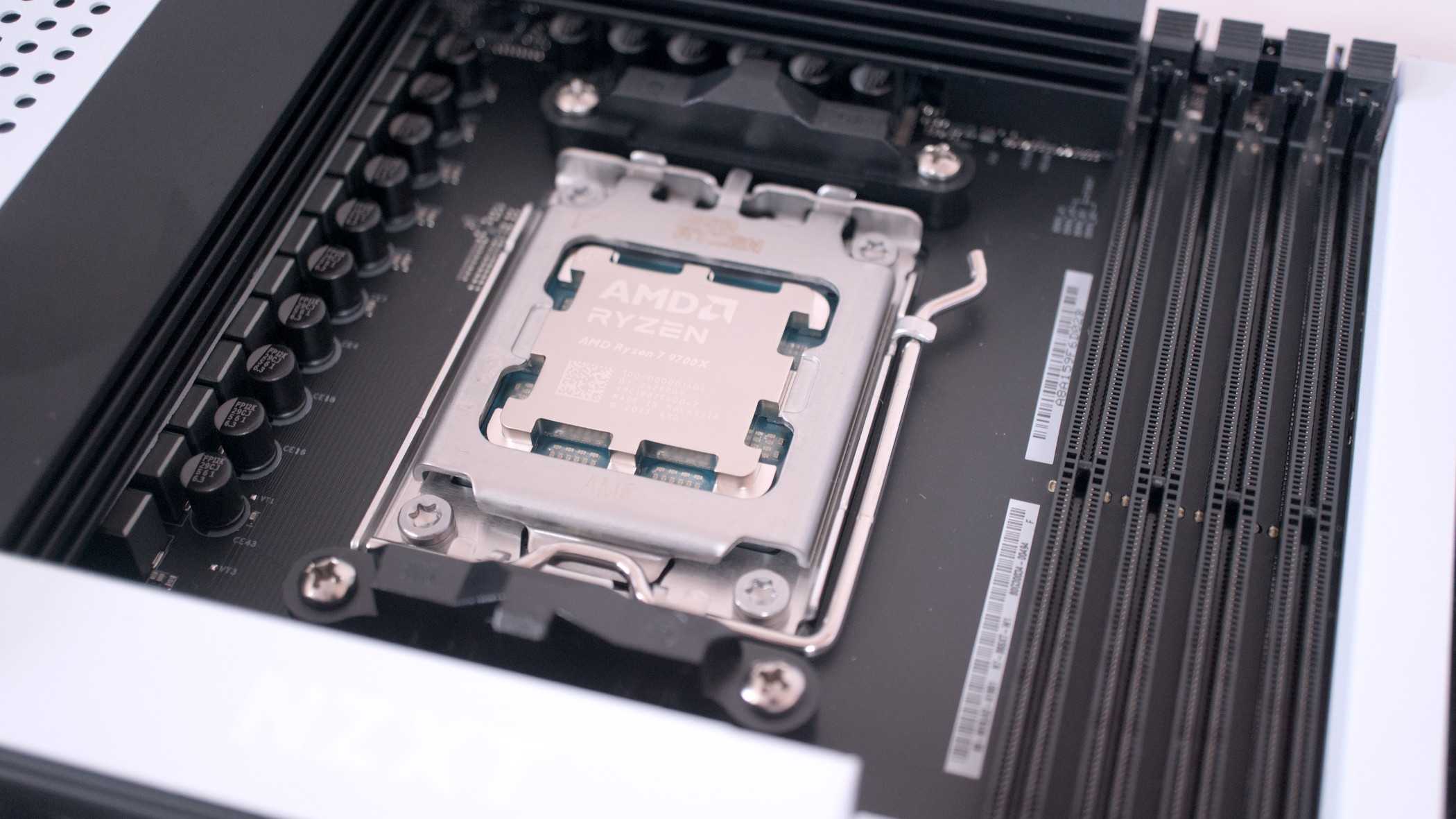


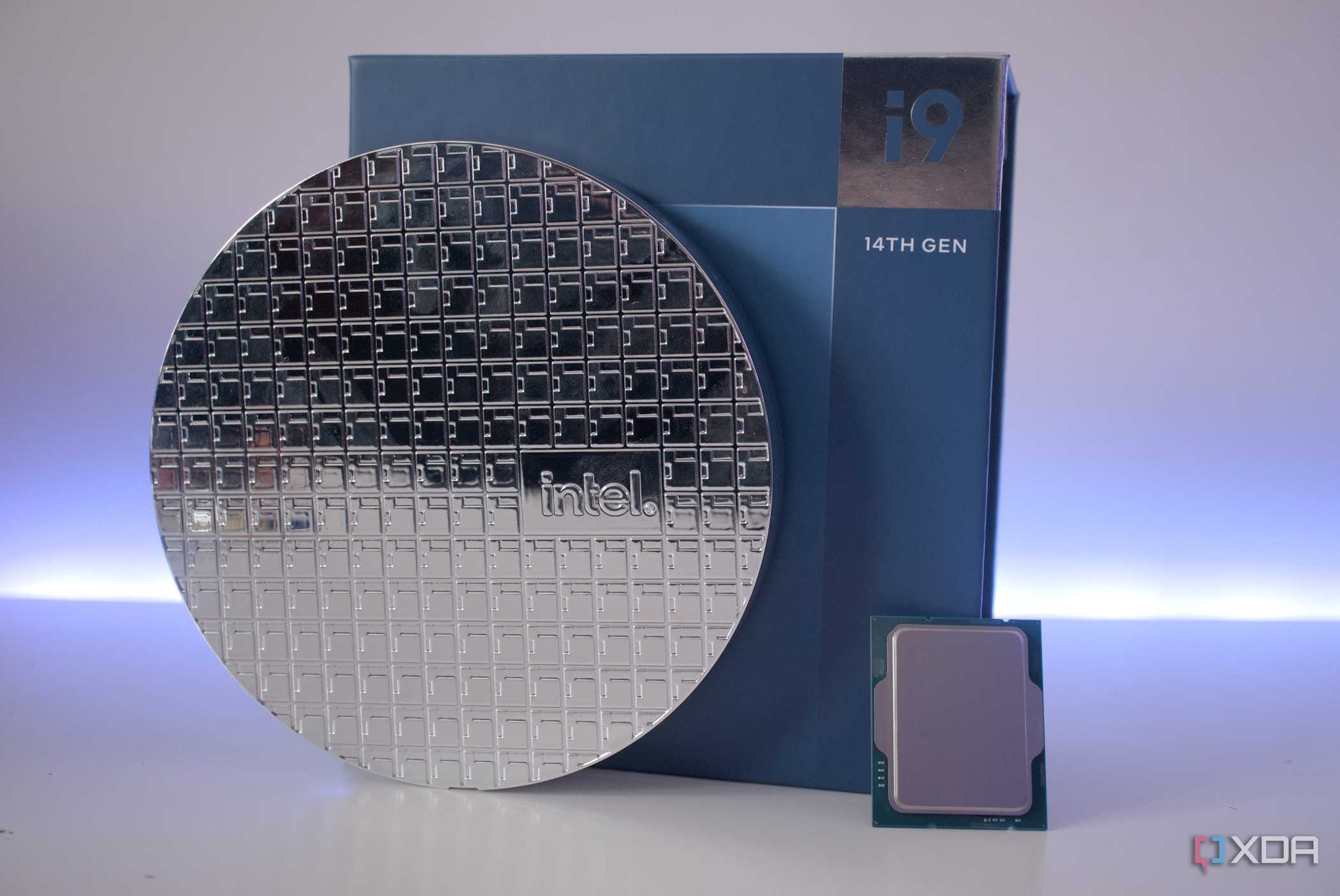
For the longest time, Intel used a tick-tock development cycle, where the "tick" introduced a new architecture, then 12–18 months later, the "tock" released a refined version of that arch, and the cycle repeated. When 10nm development stalled around the time of Broadwell in 2014, that cycle changed to Process-Architecture-Optimization, which essentially meant Broadwell's architecture would get refined every year, which it did until 2021's Rocket Lake. That meant cranking more power through better-optimized architecture, but it was still the same 14nm process. The last few years finally brought the 10nm process, but with a similar mindset of hitting performance gains per year regardless of temperatures or voltages. AMD's Zen cores also used similar voltages through the process improvements, while the transistor size shrank. A die shrink means either higher efficiency or more power for the same size chip, or you can do a balance of the two.
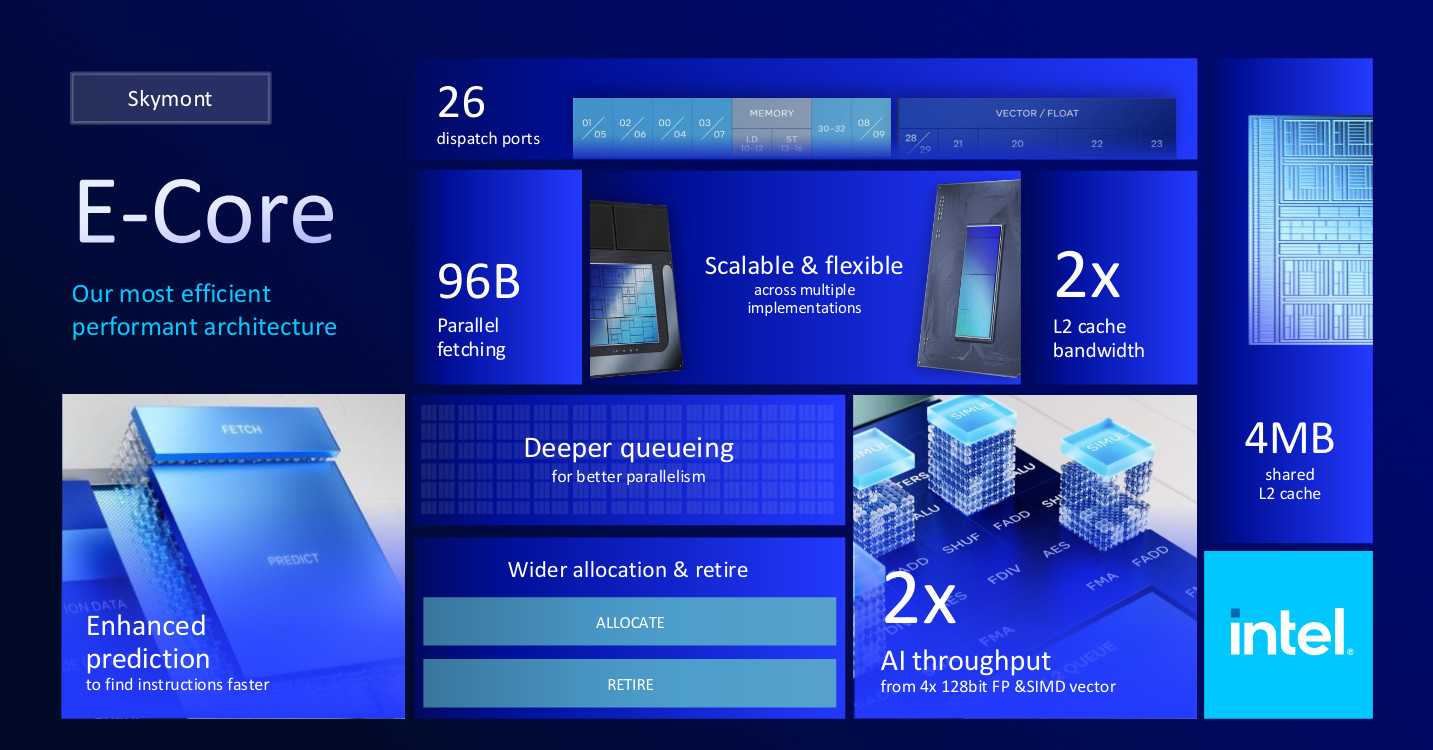
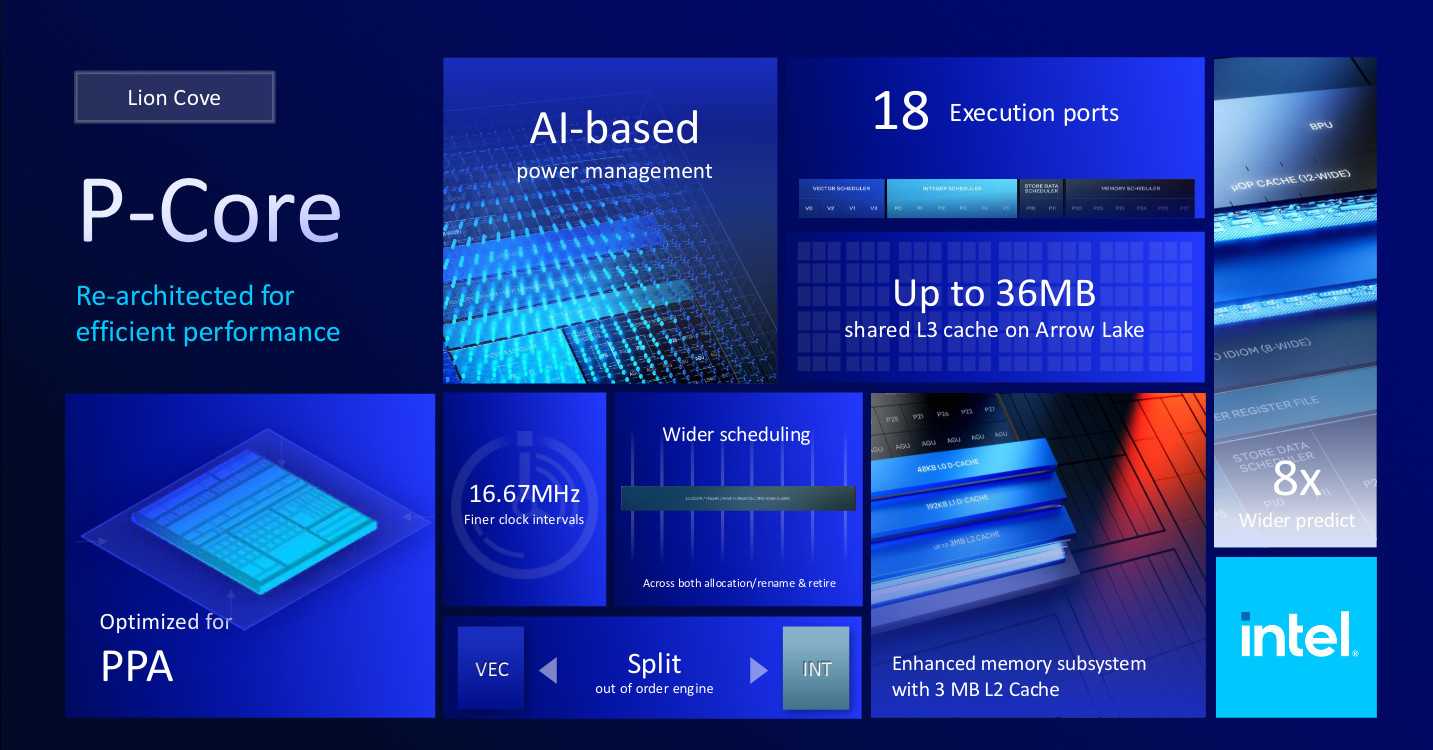
With Arrow Lake and Ryzen 9000 series, more focus has been given to balancing the efficiency part of the equation, both with process improvements, new packaging methods, and smaller transistors. Arrow Lake also uses backside power delivery, which helps with better power delivery. With drastic drops in total wattage used, this generation from Intel and AMD have flipped the script, keeping similar performance levels while reducing heat produced and power consumed.
But not completely at the cost of IPC gains
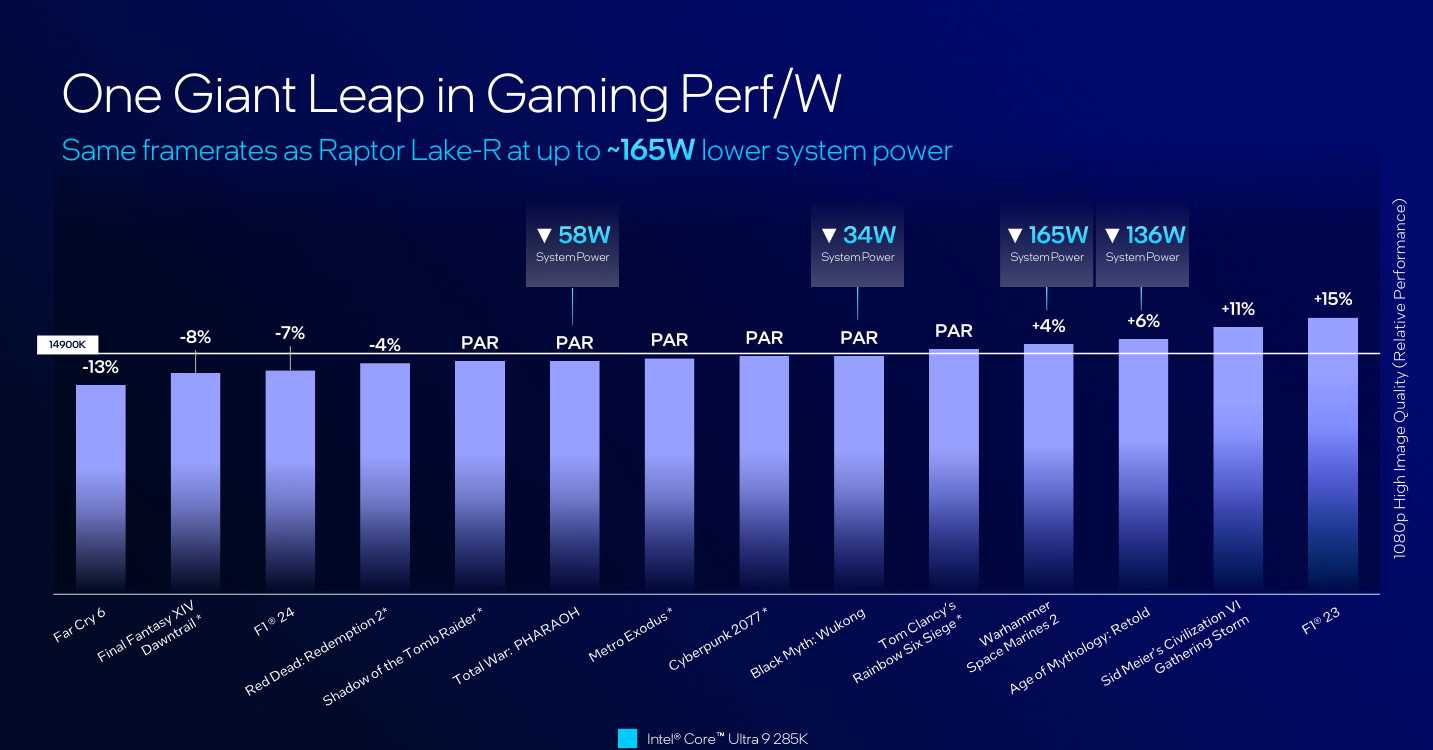
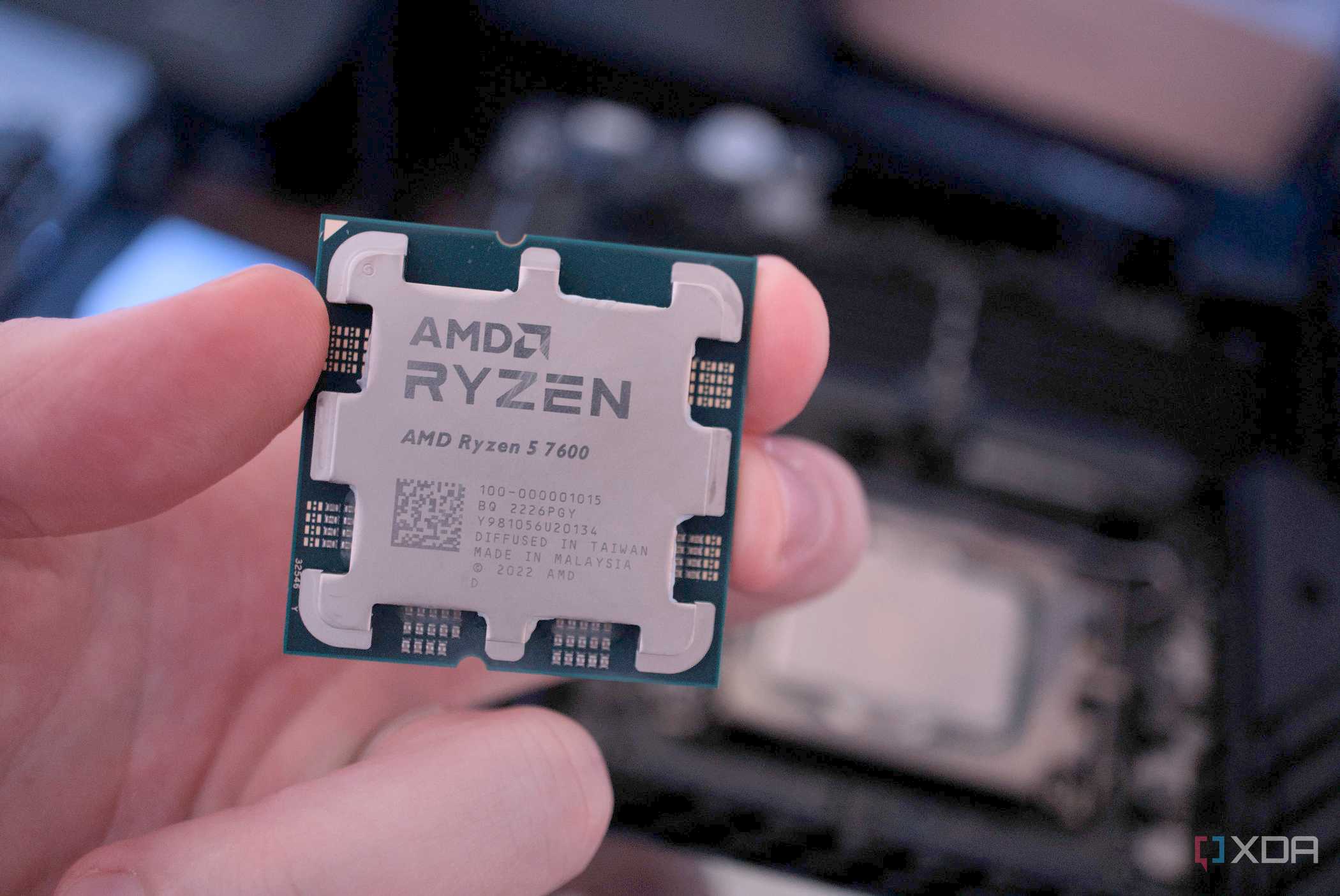
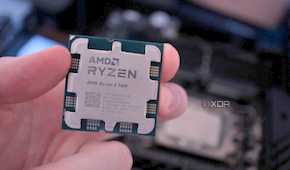
Arrow Lake is said to have a 15% improvement in performance per watt over Intel 3, which Raptor Lake Refresh was built on. But the total wattage used by some chips is up to 80W lower on Intel's marketing slides, while still having marginal performance gains over Raptor Lake Refresh. That might be partly because they shifted to using TSMC's already-mature process node instead of using their own fabs for ARL, but it's also architecture improvements. And Ryzen 9000 has a roughly 15% IPC gain over Ryzen 7000 processors, while also being cooler under heavy loads. It's proof that the industry can balance both needs, and provide CPUs that run at reasonable temperatures while performing.
CPUs were getting too hot to handle
Every CPU was hitting Tjmax
Source: XDA-Developers 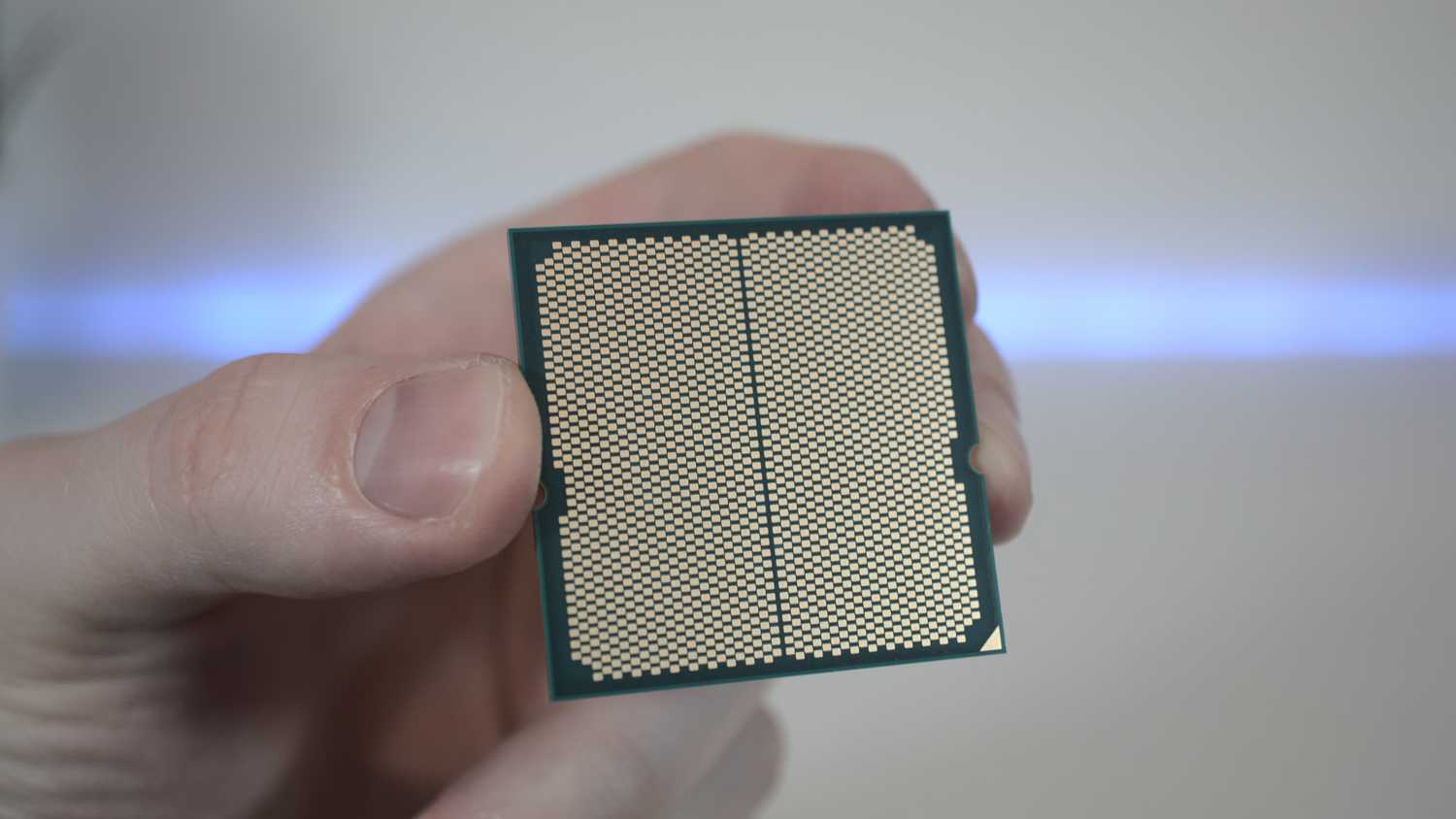
Source: XDA-Developers


Source: XDA-Developers 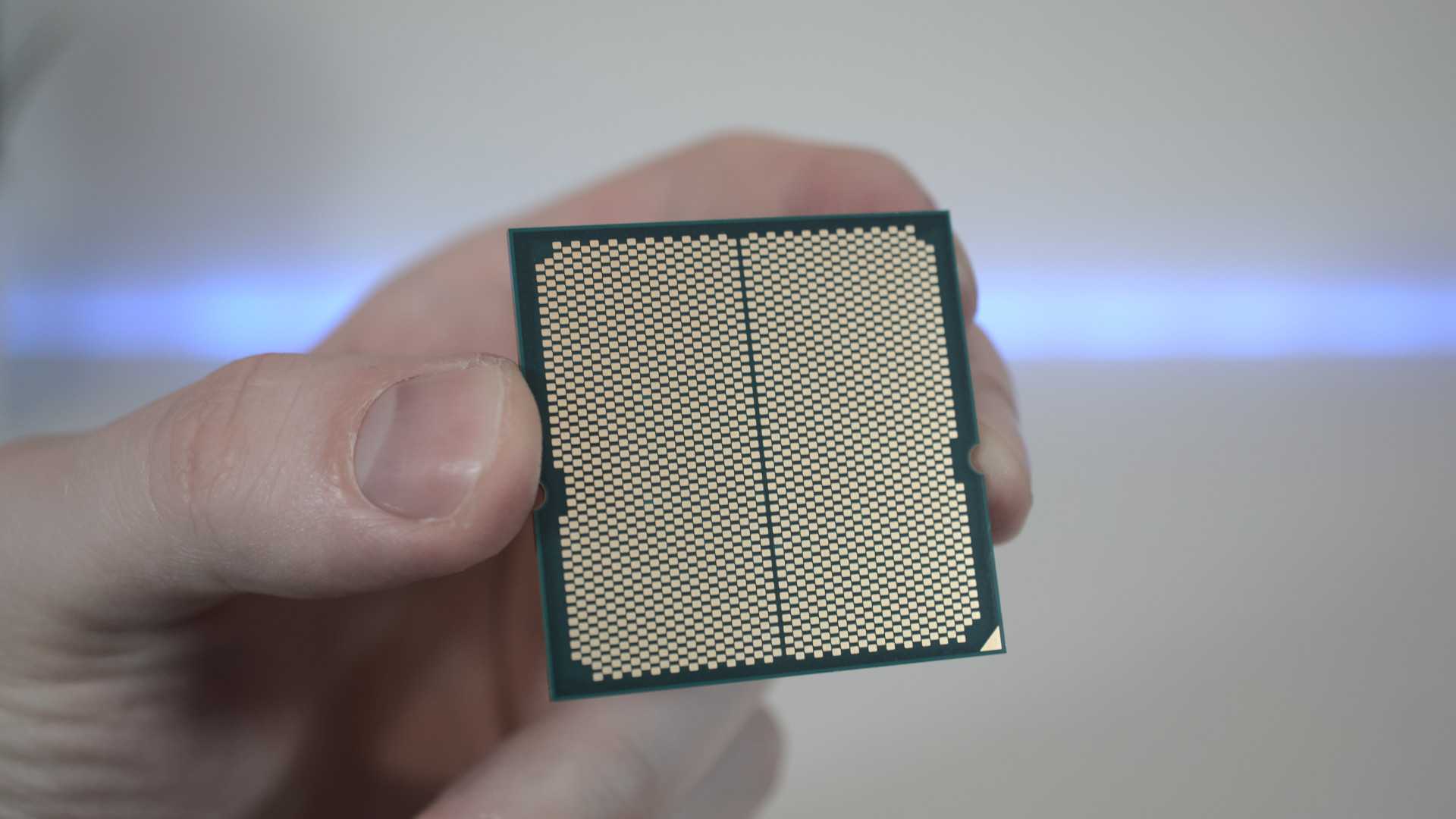
Source: XDA-Developers
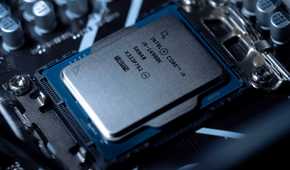
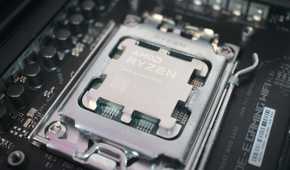
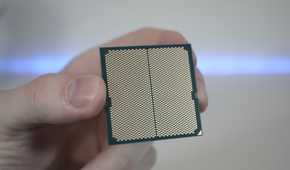
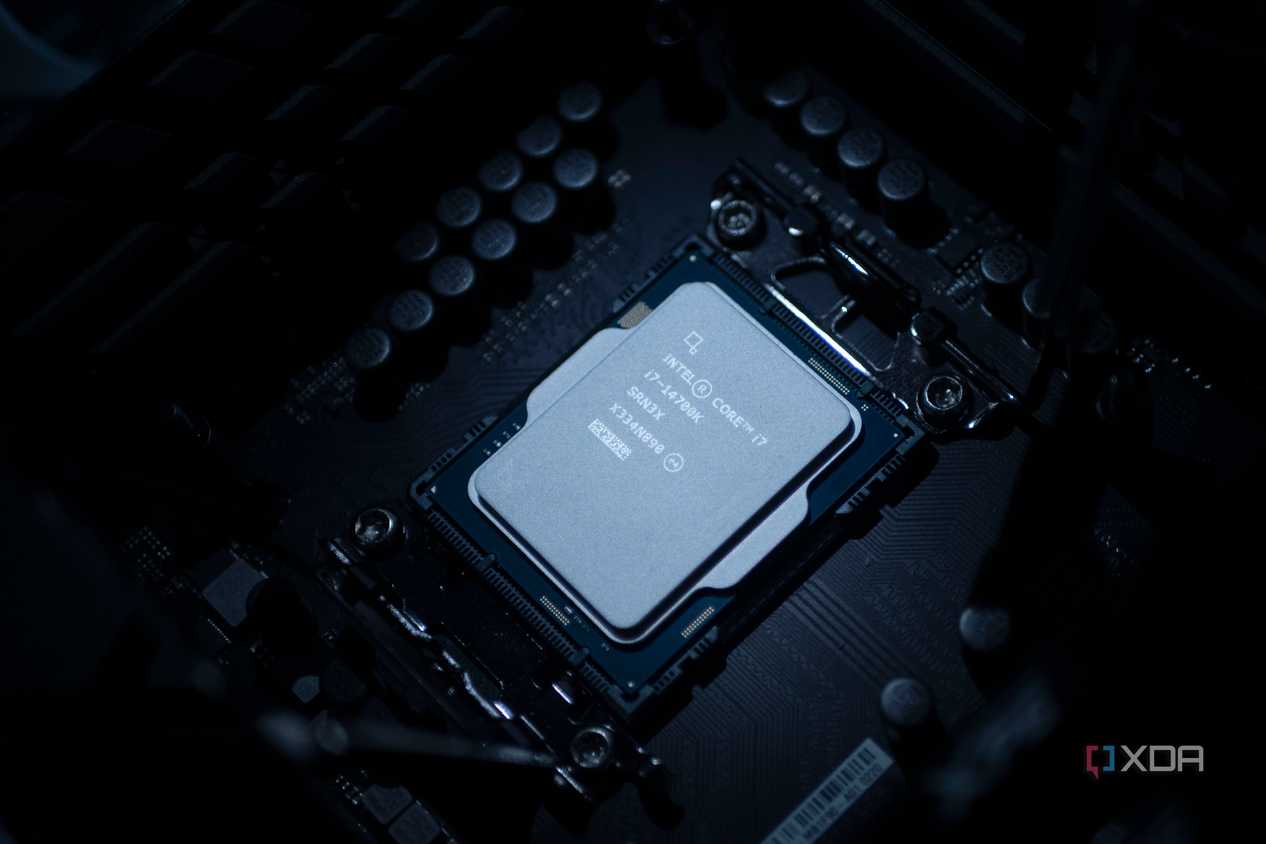
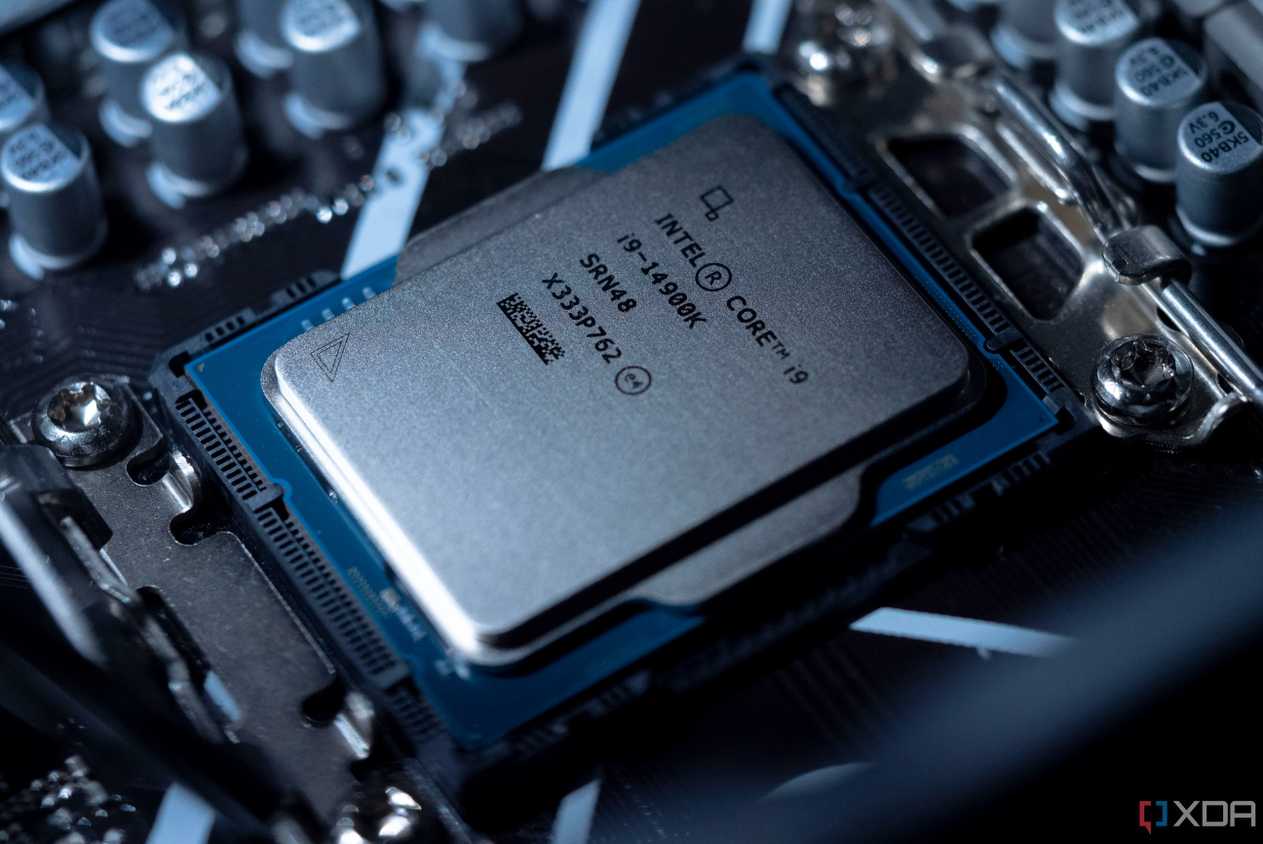
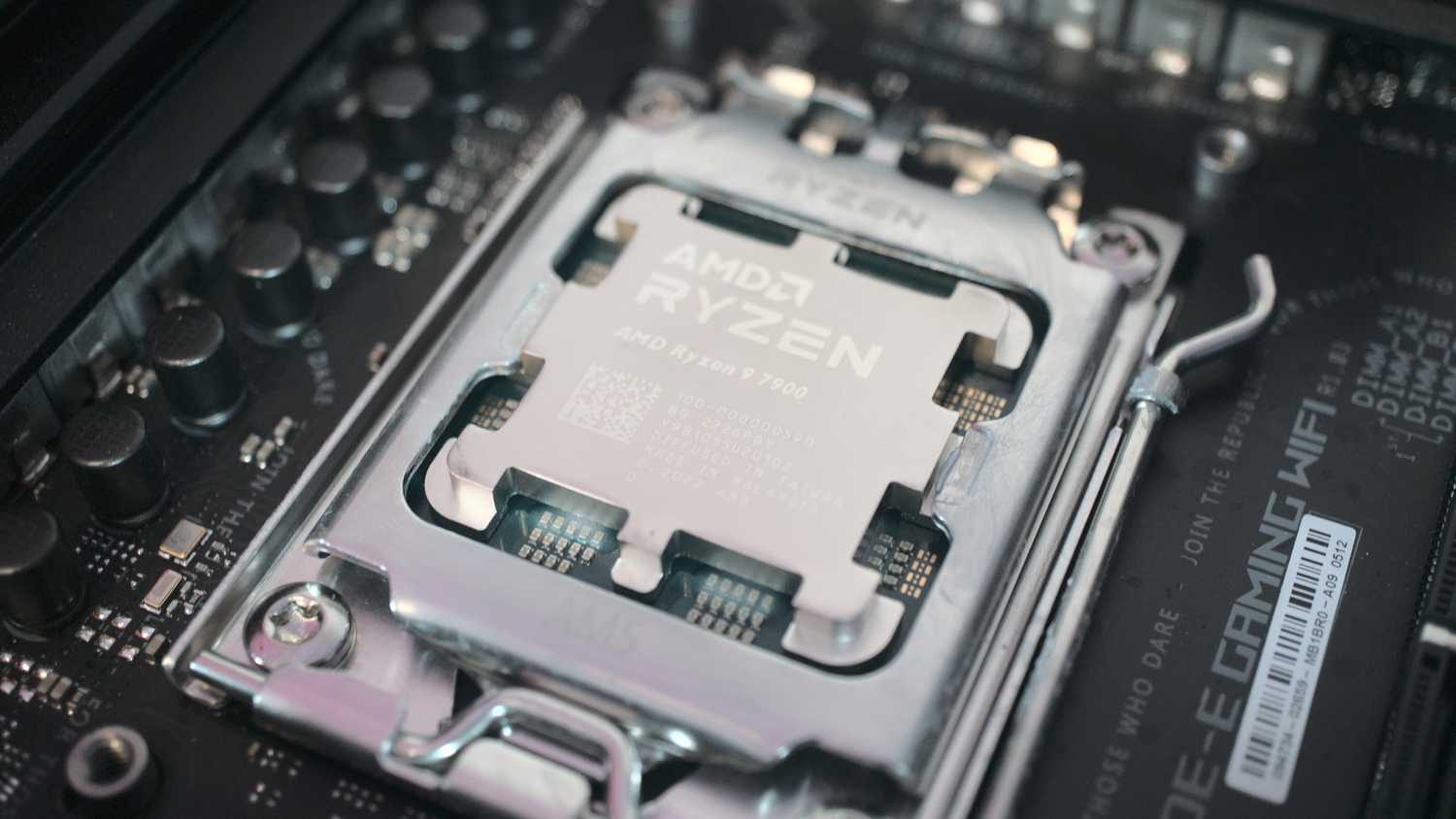
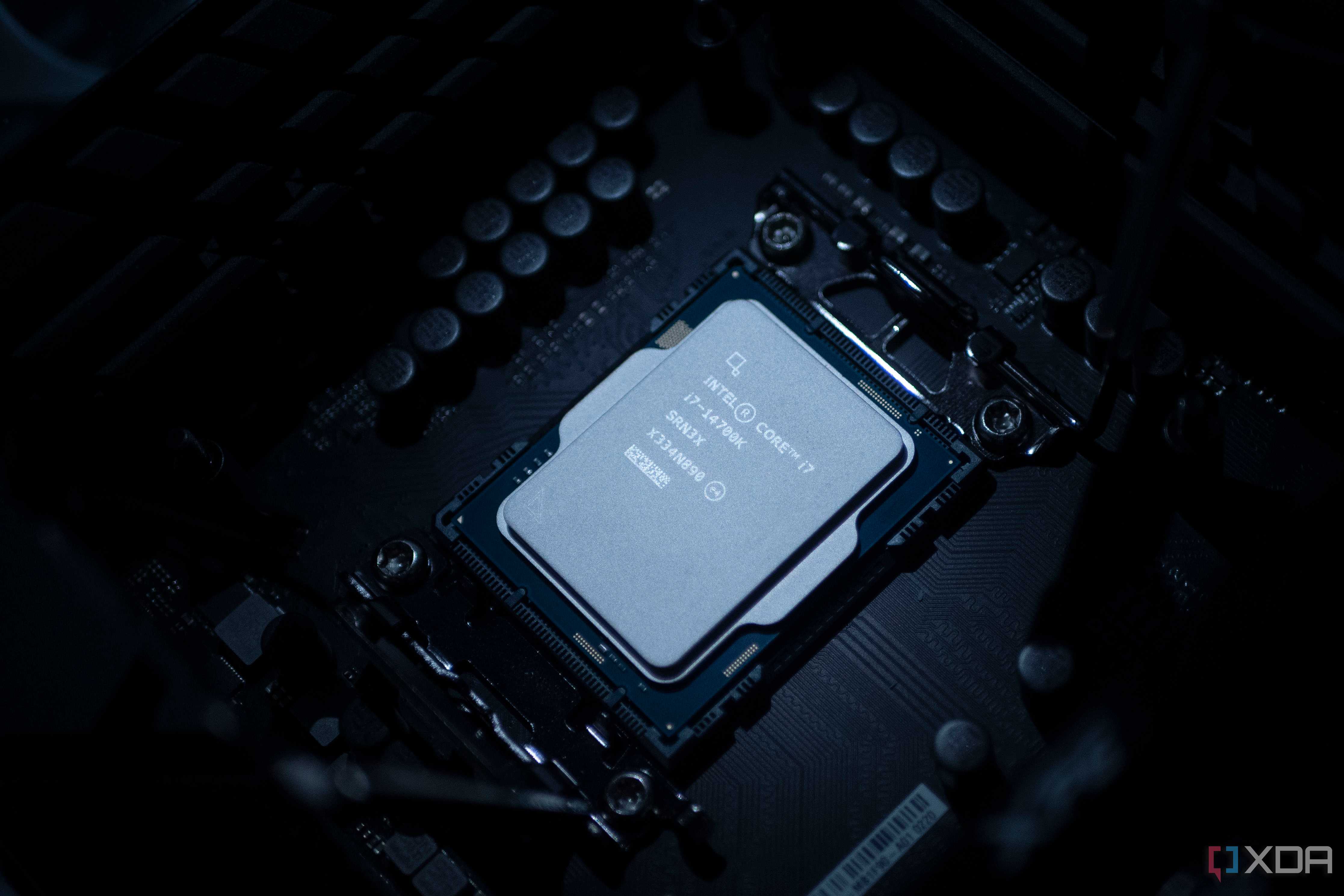
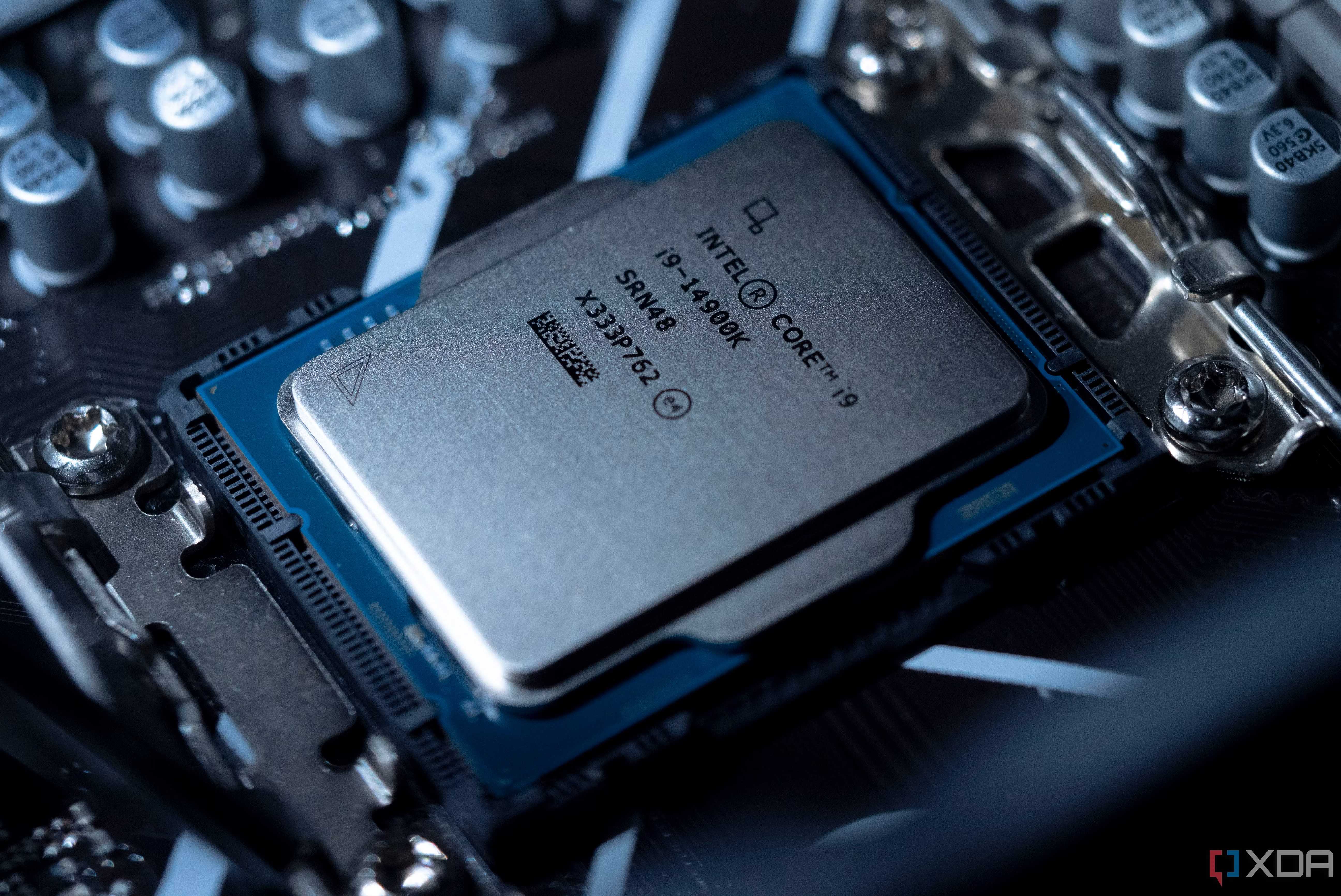
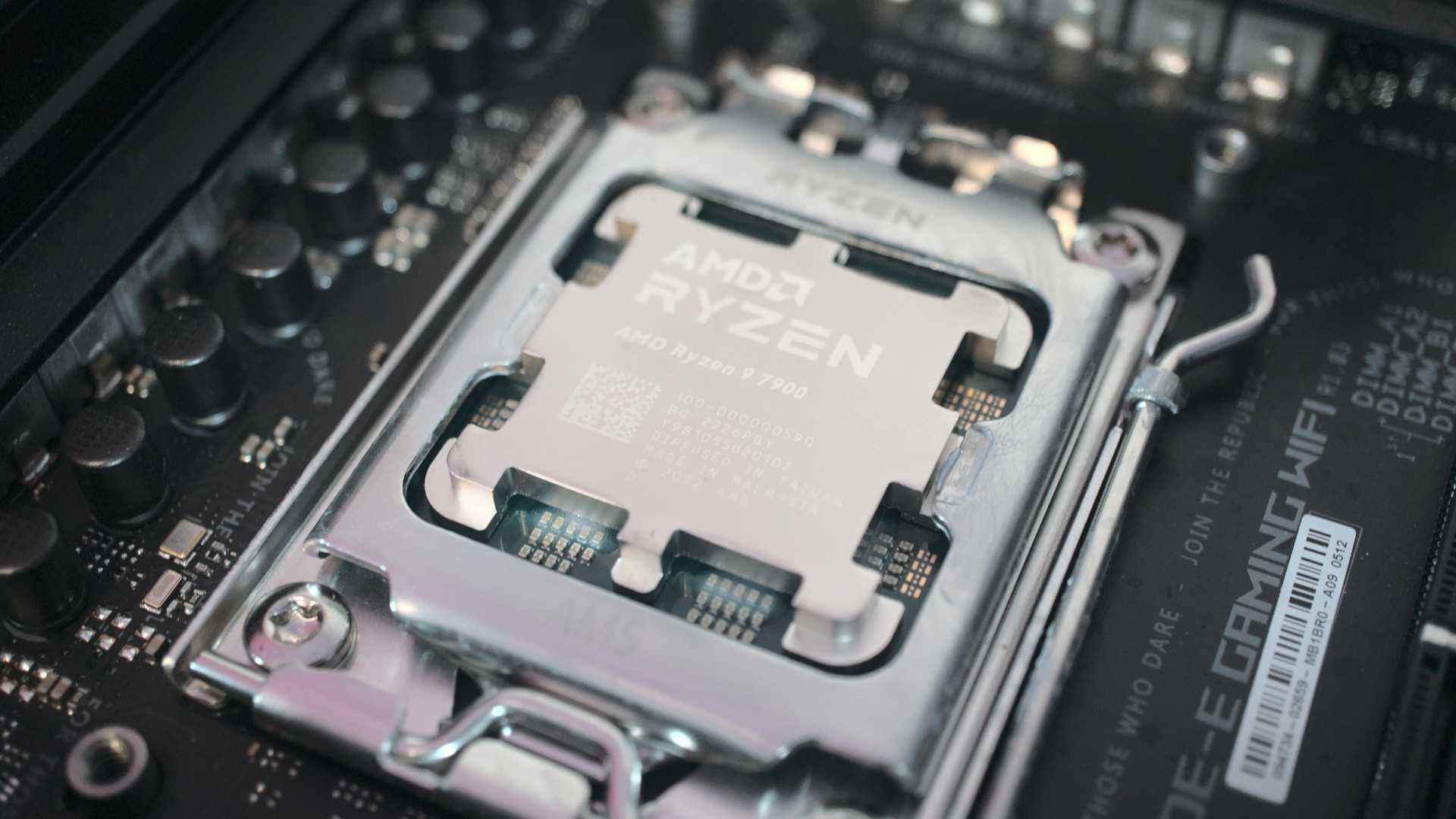
Over the years, we've tested many processors here at XDA, running the gamut from flagship gaming laptops to flagship desktop chips and a healthy smattering of midrange CPUs as well. While it's true that clock speeds have increased, IPC has gotten better, and node shrinks have brought improvements to efficiency, the other common thread is that processors have been getting hotter. It's no longer worrisome to see 100C on a laptop CPU under load, when a decade ago that would have been thought for concern for the longevity of silicon. Likewise, for desktop CPUs, where most Ryzen 7000 series is designed to boost until it hits 95C, then reduce the boost clocks accordingly to stay under that thermal limit, and Intel's flagship chips thermal throttle at 100C.
Even if the manufacturers say that's okay and in spec, and nothing to worry about, anyone who's been around computing for a while knows that might not be the case. We're used to cooler temperatures and temperatures that are supposed to drop when a larger air cooler, or a larger AIO cooler, or custom watercooling on the processor. That's not been happening in the last few generations because manufacturers know enthusiasts are going to buy better cooling, so they crank up the power going to the CPU to provide performance gains.
Arrow Lake and Ryzen 9000 are a reset of sorts
Putting better cooling methods on this generation of CPUs should pay off in better clocks, and better thermals, and we're excited to test Arrow Lake once our samples arrive. We've already seen better thermal performance from Ryzen 9000, and with the X3D versions expected later this year, we expect those will be even more efficient. Not quite at the low wattage of Arm-based CPUs, but it's going in the right direction.
Arm-based CPUs showed the way

The CPU market is exciting again after years of two companies trading blows. Arm-based processors from Qualcomm and Apple have shown that performance doesn't have to come at the expense of power usage or battery life, forcing Intel and AMD to rethink their plans. With Intel Core Ultra Series 2, Chipzilla is taking aim at the claims it can't be efficient and powerful, and so far, battery life has exceeded expectations. The only snag is that it does so while not quite beating Qualcomm or AMD's Ryzen AI Pro series in processing power, but that's okay while the market is recalibrating around efficiency. The end result is the same, longer-lasting laptop batteries, cooler-running desktop CPUs, and being able to sit next to your desktop PC in the summer without sweating.
